
Spanish Colonial Revival Gardens in Southern California: Beyond Arches and Terracotta
Spanish Colonial Revival gardens are often associated with terracotta pots, red roof tiles, and bougainvillea-covered arches. While these elements are recognizable, the true character of these landscapes runs deeper. In Southern California, Spanish Colonial Revival gardens are shaped by spatial proportion, climate, and the relationship between architecture and outdoor living.
Across many historic estates in Rancho Santa Fe, Mission Hills, and La Jolla, the garden is not treated as decoration around the house. Instead, it is conceived as an extension of the architecture itself. Walls, courtyards, pathways, and planting work together to create an environment that feels both intimate and grounded in climate.
Walking through such gardens reveals a quiet logic. Shade, enclosure, and material choices all contribute to spaces that feel comfortable throughout the day.
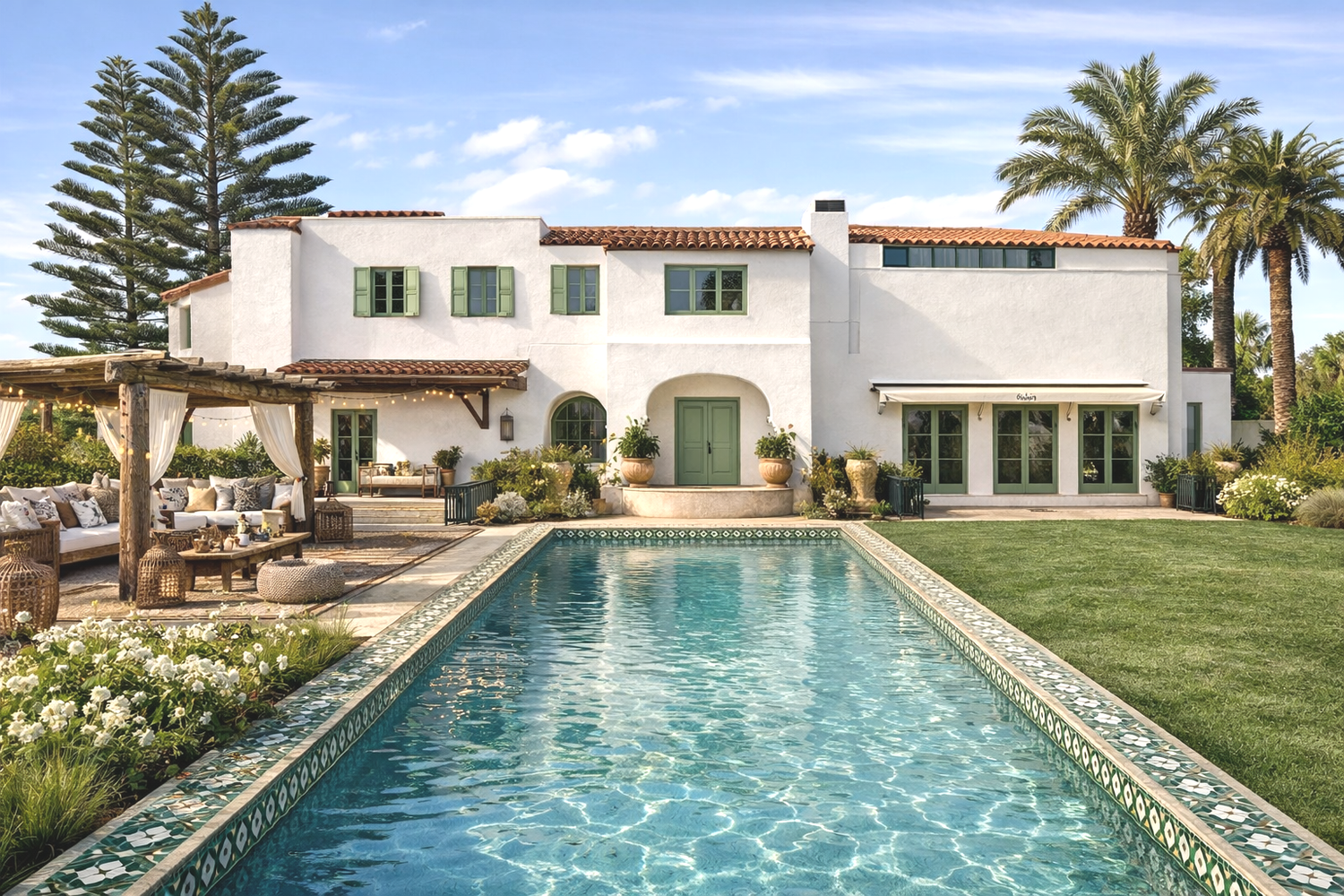
What Truly Defines Spanish Colonial Revival Gardens in Southern California?
1. Spatial Proportion Comes First
One of the most defining qualities of a Spanish Colonial Revival garden is proportion. Unlike the rigid symmetry of French formal gardens, these landscapes rely on a softer balance.
Spaces tend to feel carefully framed rather than expansive. Common elements often include a central courtyard garden, narrow, shaded walkways, garden walls that shape space rather than leave it open, a sequence of smaller garden rooms connected through passages or arches.
Proportion determines how the garden feels. When spaces become too wide or overly open, the architectural intimacy that defines Spanish Colonial Revival landscapes can easily be lost.
In many Southern California estates, the house and garden are conceived as a continuous environment. Patios and courtyards act as extensions of interior rooms, allowing outdoor life to unfold naturally.
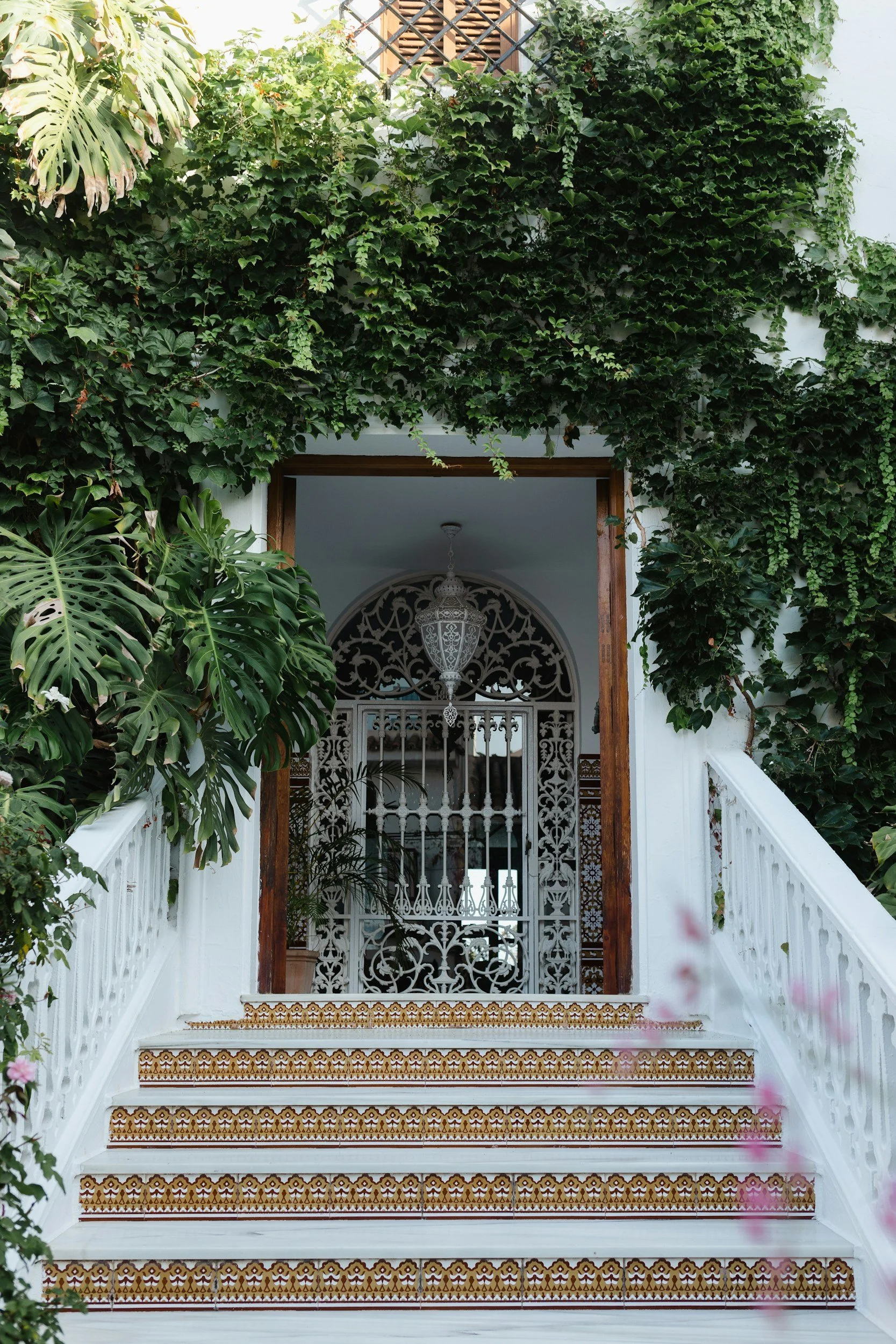
2. The Courtyard as the Heart of the Garden
Courtyards are fundamental to Spanish Colonial Revival design. Historically, homes were organized around central courtyards that served practical and social purposes.
A courtyard provides privacy, moderates temperature, and allows air to move through the surrounding rooms. It becomes a quiet gathering space where daily life unfolds outdoors.
Rather than functioning as decorative features, these elements shape an outdoor room. The courtyard often becomes the most used space of the entire landscape.
In high-end private gardens and estates, this layout still shows up today.
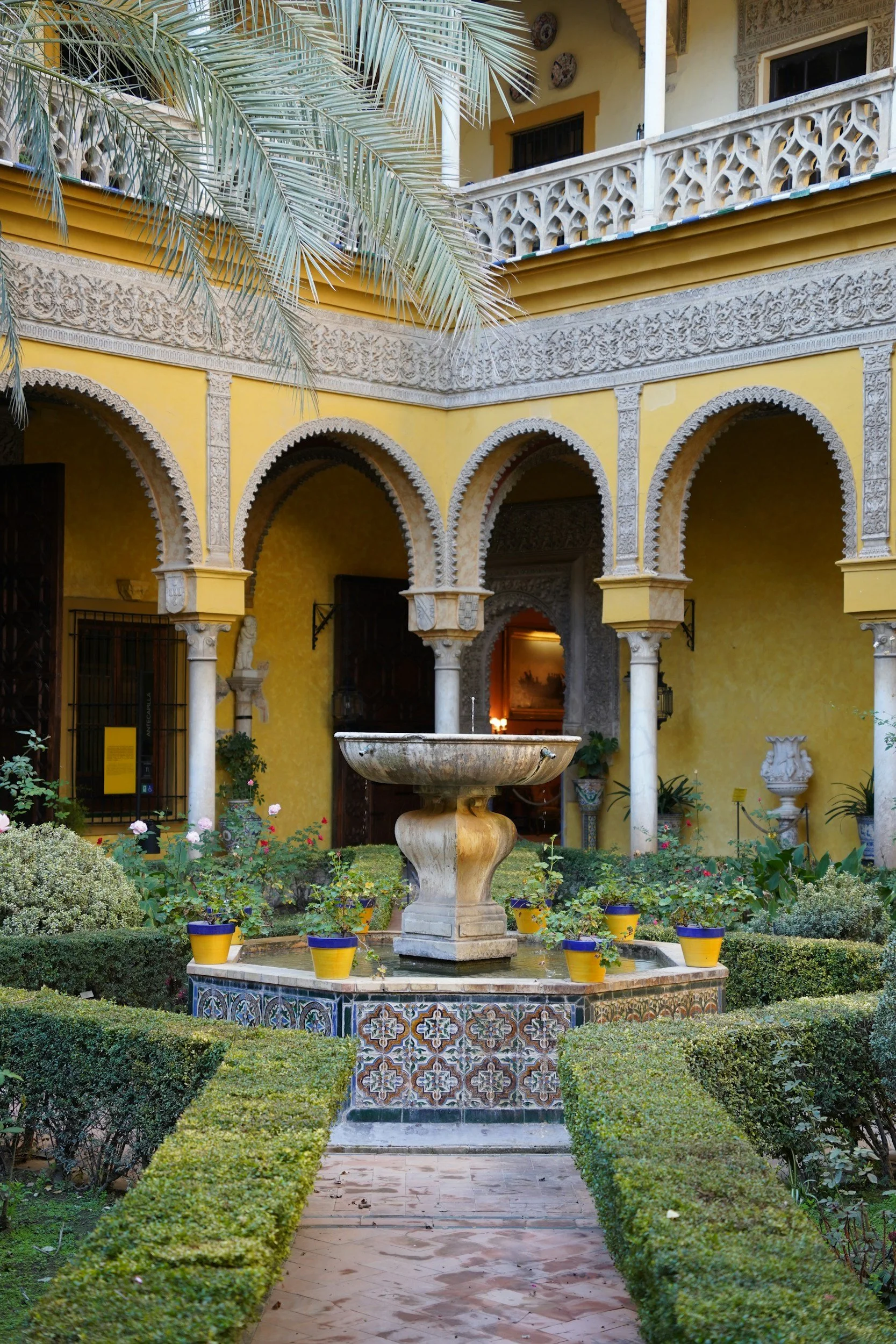
3. Shade as an Architectural Element
In Southern California, managing sunlight is essential. Spanish Colonial Revival landscapes treat shade as part of the architectural composition.
Covered arcades, pergolas, mature trees, and projecting walls are positioned to create comfortable areas during the afternoon heat. Seating areas and fountains are frequently located where shade naturally develops throughout the day.
This approach reflects a practical understanding of climate. Shade is not incidental. It is designed.
4. Authentic Materials and Natural Aging
Material selection contributes greatly to the atmosphere of these gardens. Spanish Colonial Revival landscapes rely on materials that age with dignity. As such materials like handmade clay tiles, natural stone paving, lime plaster walls, terracotta planters, weathered wood elements.
Over time these materials soften in color and texture. Slight irregularities, surface wear, and natural patina enhance the sense of permanence rather than diminish it.
The garden gradually develops character as the materials respond to sun, moisture, and time.
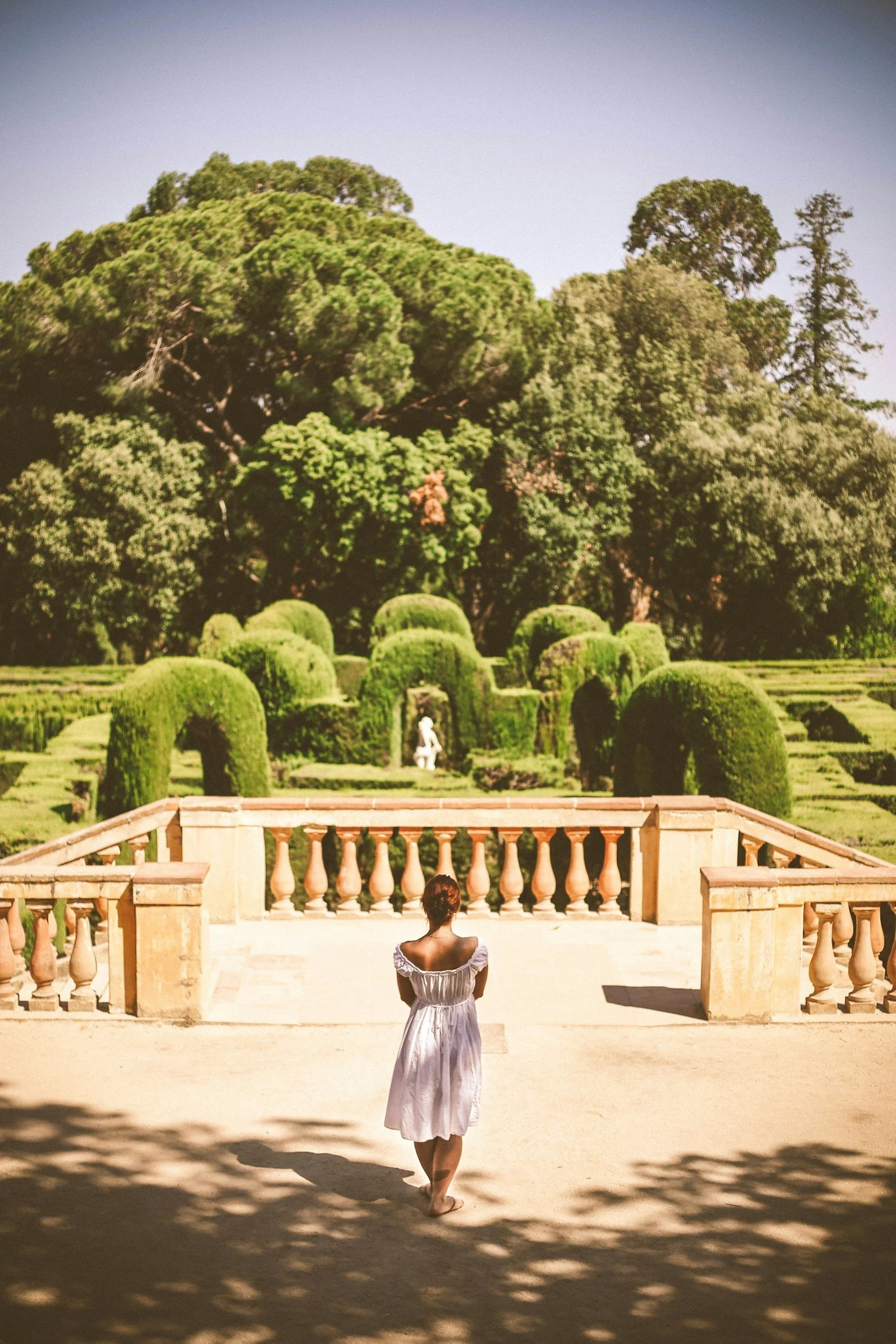
5. Climate-Adapted Planting
Southern California shares many climatic characteristics with Mediterranean regions. This allows planting palettes that are both resilient and expressive.
These plants tolerate dry summers while offering fragrance, texture, and seasonal variation. Their restrained water requirements also align with contemporary concerns about water conservation across California.
Planting in Spanish Colonial Revival gardens rarely aims for lush density. Instead, it emphasizes structure, rhythm, and space.
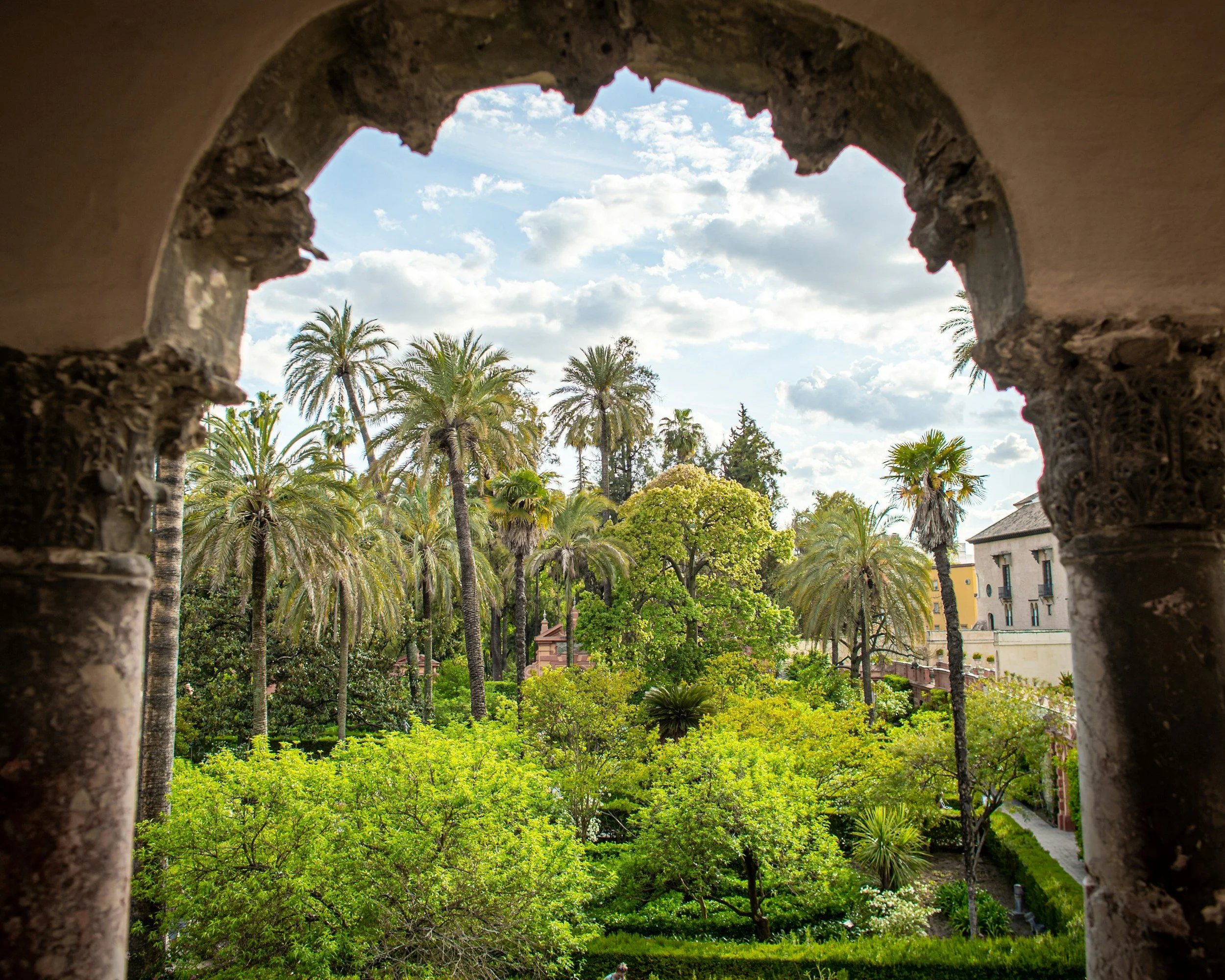
A Garden That Reflects Architecture and Climate
At first glance, Spanish Colonial Revival gardens may appear simple. Arches, fountains, and tiled courtyards create a recognizable atmosphere. Yet behind these elements lies a careful balance of spatial proportion, climate response, and material authenticity.
When thoughtfully designed, these landscapes become quiet extensions of the architecture itself. They offer shade, enclosure, and calm places for everyday life outdoors.
Throughout Southern California, the most successful Spanish Colonial Revival gardens continue this tradition by respecting the region’s climate, architectural heritage, and the experience of moving through space.