
OUR MISSION
LASD Studio bridges cultural landscape tradition of style, proportion, and craft with ecological responsibility and long-horizon performance.
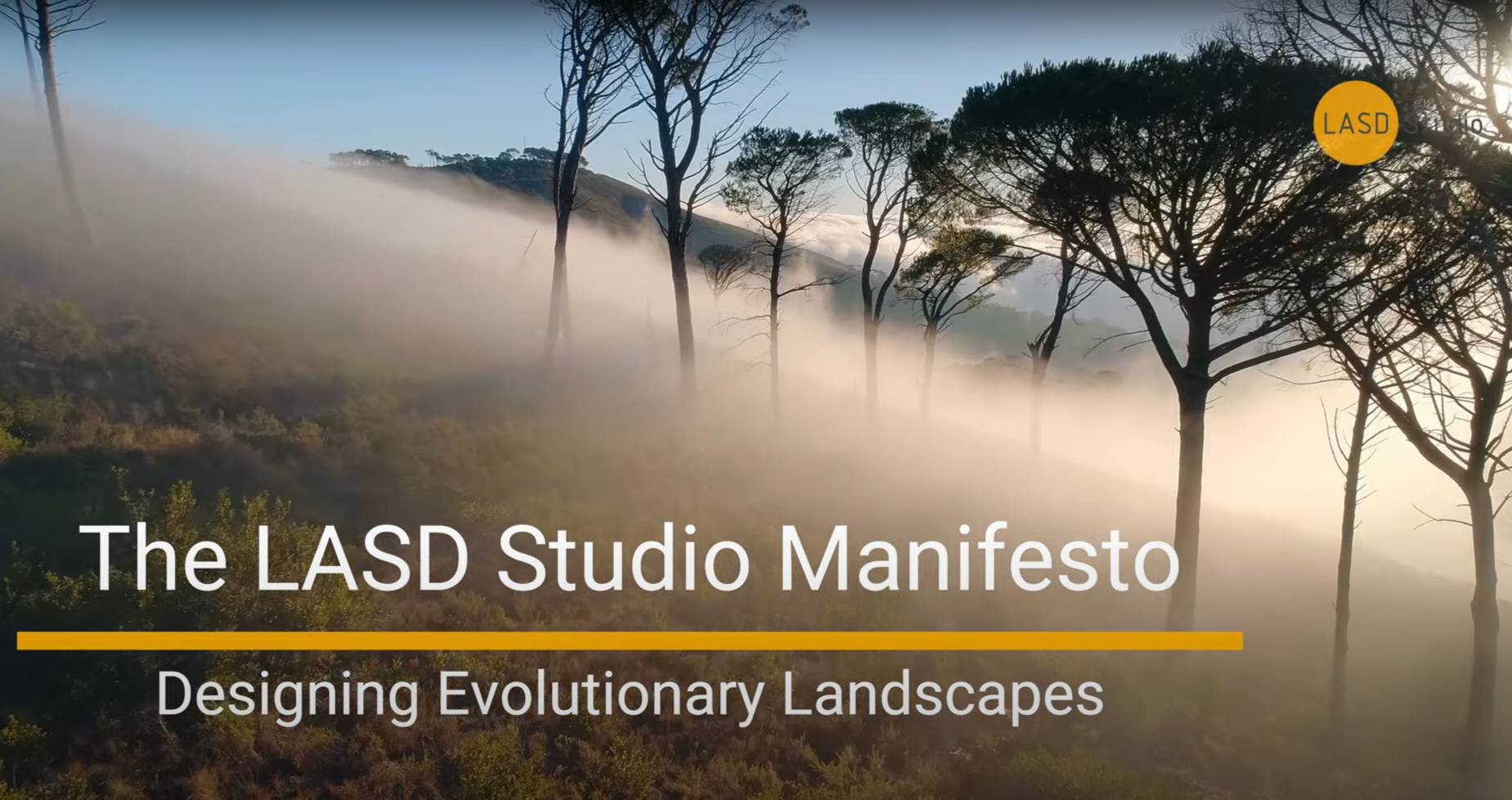
The Core of Our Design Mission
Elevate design by blending architecture, art, and ecological intelligence (check Styles and Epochs of Art Special Project).
Restore ecosystems by supporting biodiversity, soil vitality, and water cycles (Check Research).
Deliver precision through advanced technology and uncompromising attention to detail (Check Our Designing System).
Leave a legacy that grows stronger and more resilient with time.
At LASD Studio, we see landscape architecture as a solution, designing spaces that not only captivate but also restore.
LASD Studio provides Private Garden & Estate Design, Communities & Park Design, Landscape Restoration & Regional Design, Land Art & Cultural Design, Ecological and Landscape Consulting services internationally.
How We Bring Our Mission to Life
LASD Studio operates as a focused landscape architecture practice structured around measurable land performance.
Each project is treated as a site-specific ecosystem. Soil profile, slope, drainage behavior, climate exposure, land-use history, and regulatory framework are documented before spatial form is defined.
Projects range from private estates in Southern California to cultural and regional landscapes in Spain. Scale changes. Method does not.
Scientific modeling is embedded in the workflow. Our in-house software integrates BIM layers with irrigation demand calculations, MAWA and ETWU projections, stormwater retention volumes, grading logic, and fire-interface parameters. Water use is calculated annually. Material quantities are extracted directly from the model. Maintenance cycles are projected before construction begins.
Artistic structure informs spatial order. Proportion, axis, sequence, material weight, and planting rhythm respond to architectural context and cultural landscape history.
