
HOA & Communities Landscape Architectural Design Portfolio







Considering a landscape project?
Receive a structured outline of your project, including design direction, phases, and estimated ranges - before any commitment.
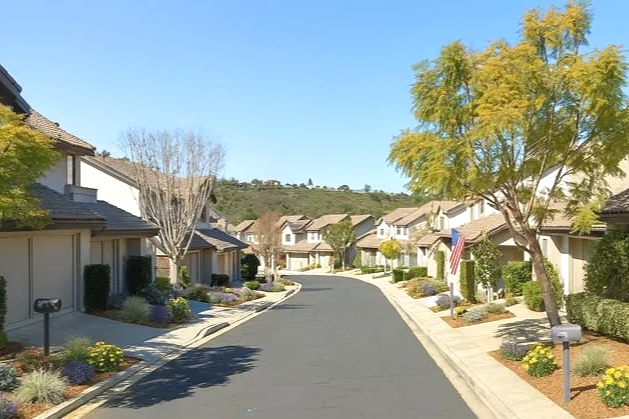
Community landscapes, HOA operate under: shared responsibility, budget cycles, maintenance contracts, regulatory oversight.
We structure these landscapes as long-term infrastructure.
Work begins with performance review: irrigation demand, drainage efficiency, soil condition, canopy coverage, fuel load, pedestrian circulation, visibility and safety metrics. Deferred maintenance is identified. Water loss and inefficiencies are quantified.
Design strategy aligns ecology with operational clarity. Hydro-zones are recalculated. Plant communities are reorganized for drought tolerance and reduced pruning cycles. Stormwater is redirected into infiltration areas where feasible.
Each intervention is evaluated against reserve studies and annual operating budgets. Installation cost, maintenance hours per acre, water consumption per year, and replacement cycles are modeled before implementation.
The objective is measurable: lower water bills, reduced liability exposure, extended plant life cycles, increased property value stability.
Community landscapes influence daily life at scale.
Shade, walkability, and visible ecological care shape how residents experience their environment over decades.
LASD Studio Global Landscape Projects & Research Map
This global map presents selected landscape architecture projects by LASD Studio alongside research locations, ecological reserves, trails, and climate zones that influence our work. It serves as both a project archive and a living research tool, illustrating how design decisions emerge from place, history, and environmental context.
Most projects shown reflect works developed between 2013–2022. Recent projects (2023–2025) are currently being added as they progress.