
~ Public, Cultural & Commercial Landscapes Portfolio ~
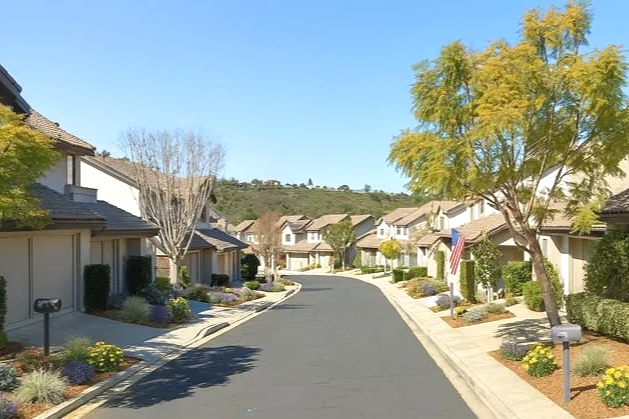


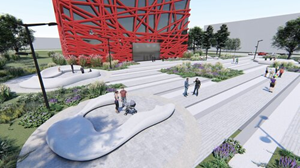


Public landscapes function as civic infrastructure - they manage water, heat, circulation, gathering, and memory within limited land area and defined municipal budgets.
Each project begins with site capacity analysis: soil depth, contamination history if present, infiltration rate, canopy potential, hardscape load, pedestrian flow counts, maintenance access.
Urban heat island exposure, stormwater runoff volume, and fuel load are quantified before spatial composition is finalized.
Cultural context informs spatial order. Axis, material weight, paving texture, shade structure, and planting rhythm respond to architectural surroundings and public use patterns.
Ecology is embedded as structure, not decoration. Tree canopy percentage, habitat continuity, pollinator bloom sequence, and water capture capacity are modeled as part of the documentation.
The outcome is measurable land performance: reduced surface temperature, increased infiltration, extended canopy life span, defined maintenance cycles.
Public space carries long time horizons, twenty to seventy years.
Design decisions therefore prioritize durability, clarity, and ecological function within civic responsibility.
LASD Studio Global Landscape Projects & Research Map
This global map presents selected landscape architecture projects by LASD Studio alongside research locations, ecological reserves, trails, and climate zones that influence our work. It serves as both a project archive and a living research tool, illustrating how design decisions emerge from place, history, and environmental context.
Most projects shown reflect works developed between 2013–2022. Recent projects (2023–2025) are currently being added as they progress.