
The Key Roles and Responsibilities of a Postmodern Landscape Architect
Summary
A postmodern landscape architect interprets cultural and historical context and designs a landscape with a concept. They shape public places by challenging conventional design norms.
===============================
Let’s be honest! Nowadays, landscape architecture is not just about creating a visually pleasing outdoor space. In the postmodern era, it plays a significant and thoughtful role. It should blend creativity, culture, ecology, and social responsibility. That is where a postmodern landscape architect shines.
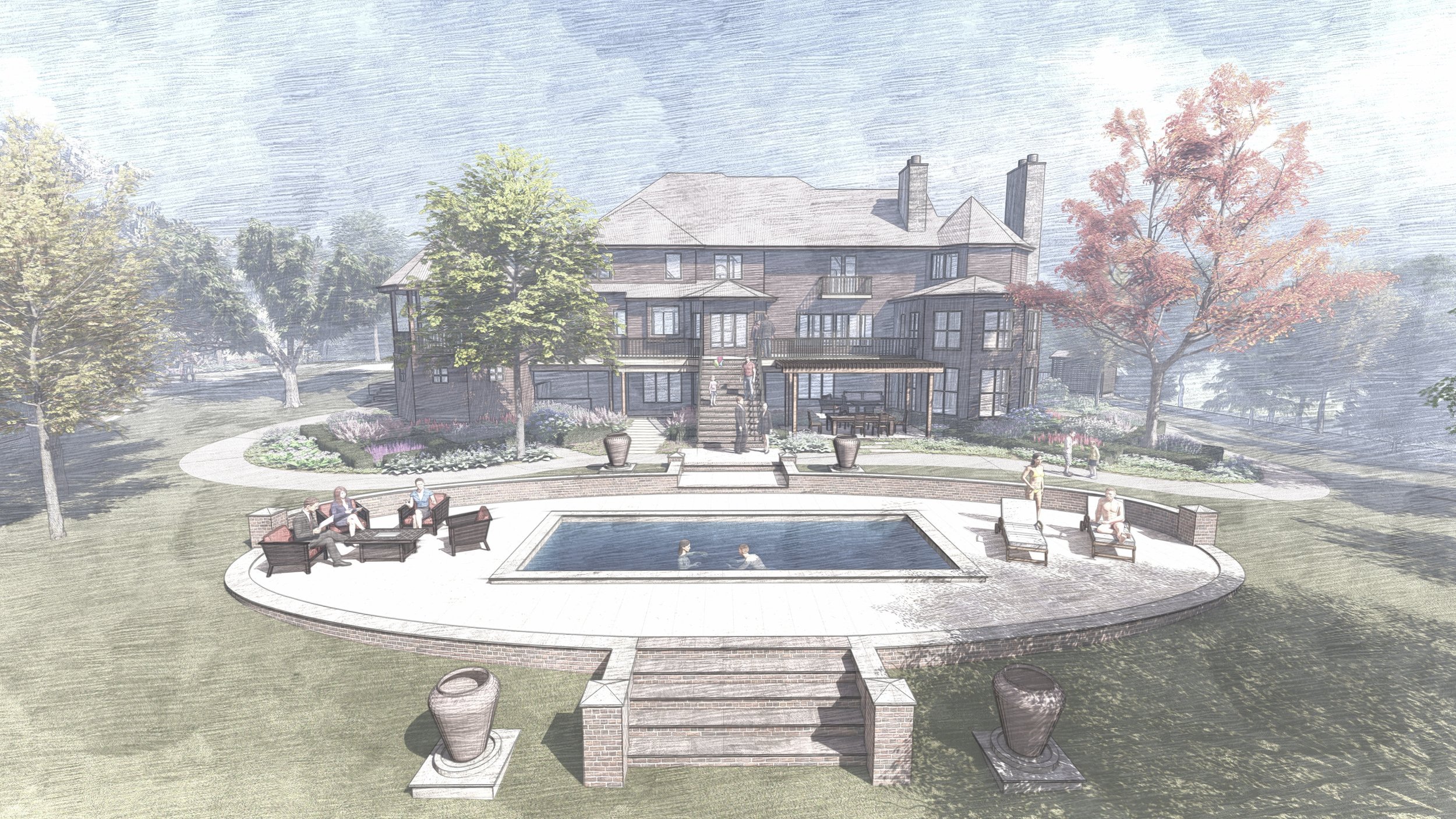
They know the design rules and embrace diversity, symbolism, and context. Through this approach, they can create a meaningful environment. They understand that landscapes are connected to people, place, and the planet. Here are the key roles and responsibilities of a landscape architect.
What are the Key Roles and Duties of a Postmodern Landscape Architect
Interpreting Cultural and Historical Context
Contemporary landscape architects actually draw inspiration from history, culture, and local identity. They do not erase the past from the environment. Then? These experts actually reinterpret it through design.
A postmodern landscape comes with forms, materials, and layouts that tell stories and reflect community values. It ensures that the landscapes feel authentic and rooted in your surroundings.
Designing with Concept and Meaning
Postmodern landscape architecture breaks from Modernism's purely functional design. Postmodern landscapes are concept-driven. The paths, plants, water features, or structures come with a symbolic or experiential purpose.
Plus, it embraces eclecticism, context, history, and playfulness. The architects create symbolic and culturally rich spaces and offer multiple interpretations rather than a single narrative. That is why postmodern landscape architecture is different from modern design.
Integrating Ecology and Sustainability
When it comes to postmodern landscape practice, environmental responsibility should be the main concern. The architects respond to climate challenges, so they design resilient, sustainable spaces. From native planting to water-sensitive design, these professionals understand that landscape architecture helps fight climate change.
How? Through their design, they improve biodiversity, reduce urban heat, and support natural systems. These approaches really matter for a successful postmodern landscape design.
Shaping Public and Social Spaces
Postmodern architects play a vital role in shaping inclusive public spaces. They design parks, plazas, streetscapes, and urban open areas in a way to support social interaction, accessibility, and community well-being.
Their key responsibility is to balance aesthetics with functionality. Through this effective approach, these professionals ensure to design spaces that serve people of all ages and abilities.
Challenging Conventional Design Norms
Here comes one of the most essential roles of contemporary landscape architecture! A postmodern landscape designer actually questions traditional design rules. So, before designing any landscape, they experiment with forms, contrasts, colors, and unexpected combinations.
Through this approach, they actually break away from uniformity and create dynamic landscapes that reflect the complexity and diversity of contemporary life.
Collaborating Across Disciplines
Postmodern landscape designers are highly collaborative. They work closely with urban planners, architects, engineers, ecologists, and clients. So, they require strong communication skills to translate ideas into practical solutions.
Plus, the designers have to maintain a proper garden design plan and environmental responsibility that former designers cannot even match.
Last but not the Least!
A landscape architect is like a storyteller, problem-solver, and environmental guard. They shape spaces that reflect culture, support communities, and respond to global challenges. This approach ensures that the designed landscapes are meaningful, resilient, and future-focused. They are like a powerful tool for creating places that truly matter.