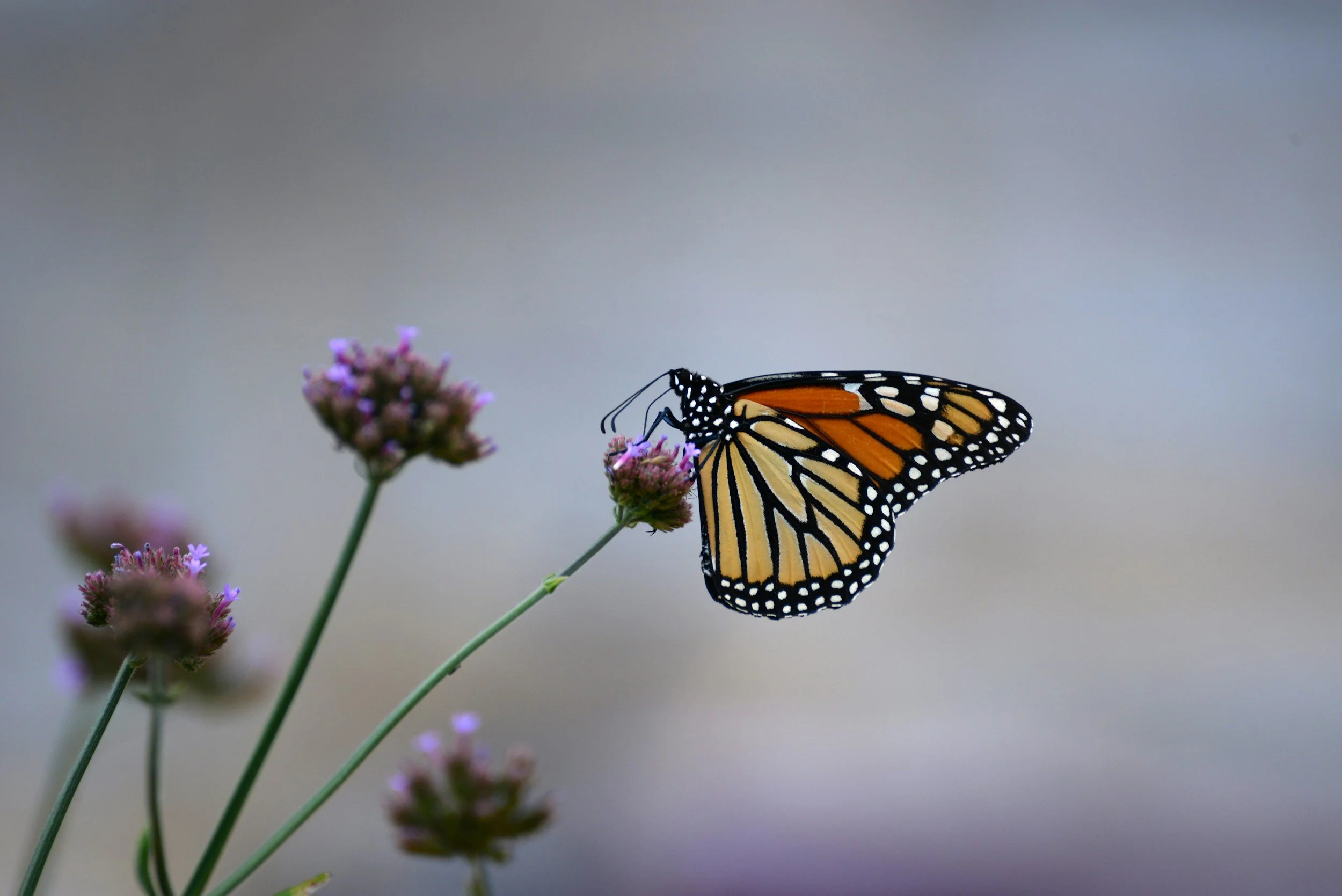
~ La Jolla Ecological Planting Plan, Sunset Zone 23 (10a–10b) ~
A Landscape Ecological Integrity Framework for Coastal Southern California
La Jolla’s coastal landscape exists within one of Southern California’s most ecologically sensitive and climatically nuanced environments. Shaped by marine layer influence, intermittent drought, clay and sandy soils, and increasing wildfire pressure, this region demands more than ornamental planting.
The La Jolla Ecological Planting Plan developed by LASD Studio is a climate-specific framework designed to support biodiversity, long-term resilience, and architectural coherence. Grounded in research on Landscape Ecological Integrity and evolutionary landscape systems, this framework translates ecological intelligence into a structured, adaptable planting strategy.
In coastal Southern California, private landscapes collectively form one of the largest continuous land-use types. When thoughtfully designed, these gardens can function as habitat corridors, pollinator networks, soil-regenerating systems, and water-wise microclimates.
This framework offers a regional foundation for that transformation.
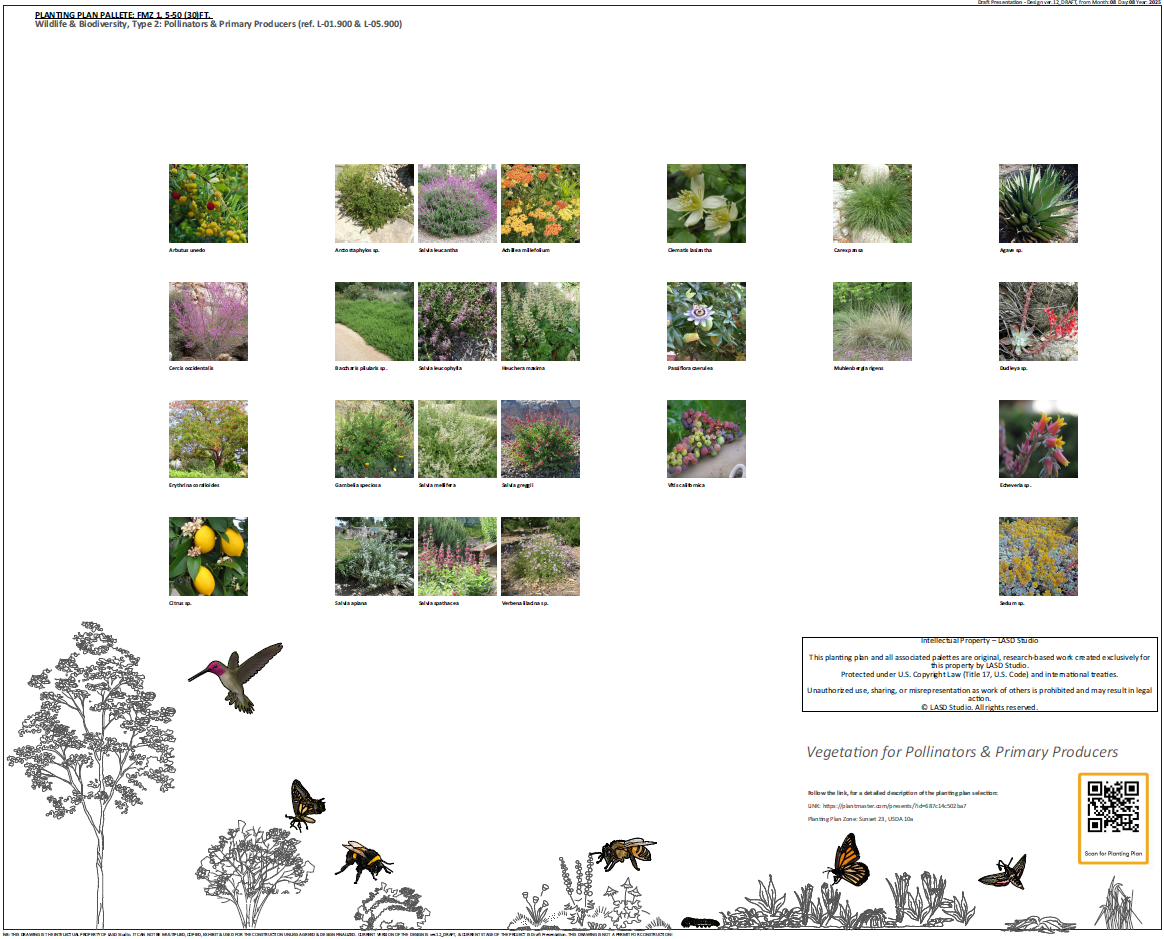
Ecological Framework
This is not a decorative plant list. It is a layered landscape ecological structure based on research.
The La Jolla framework integrates canopy trees, understory species, shrub matrices, perennial succession, native grasses, and ground-layer systems. Each layer contributes to trophic continuity - supporting pollinators, birds, beneficial insects, and soil organisms while remaining appropriate for coastal Southern California conditions.
Species are selected based on: Sunset Zone 23 compatibility (10a–10b); Marine influence and salt tolerance where applicable; Drought resilience and hydrozone grouping; Fire-aware placement potential; Host and nectar support for native wildlife; Long-term structural maturity.
The result is a planting system capable of evolving over time to support native habitat complexity while maintaining spatial clarity and architectural integration.
Landscape, in this context, becomes living infrastructure - check Landscape Ecological Integrity framework.
Structured Plant Palette
The following categories outline the ecological structure of the La Jolla planting framework. Final species selection should always be adapted to site-specific conditions.
Canopy Trees
Provide shade, carbon storage, nesting habitat, and long-term structural identity.
Examples may include regionally appropriate native oaks, sycamores, or coastal-adapted evergreen trees selected for scale and defensible space compatibility.
Small Trees & Large Shrubs
Create transitional habitat layers, seasonal bloom, and berry production for birds and wildlife.
Shrub Matrix
Forms the ecological backbone of the garden that supporting pollinators, stabilizing soils, and reducing irrigation demand once established.
Perennials & Native Grasses
Provide nectar continuity throughout the year, seed for birds, and soil stabilization while enhancing seasonal dynamism.
Groundcovers & Ecological Edibles
Support soil microbiology, reduce erosion, and integrate human use with habitat value.
Together, these layers form a cohesive system designed to increase biodiversity while maintaining refined spatial composition appropriate for high-end residential and institutional landscapes.
From Framework to Built Landscape
The published framework represents ecological structure at a regional scale.
When translated into a site-specific landscape design, it becomes integrated with architecture, circulation patterns, views, grading, irrigation engineering, and fire compliance requirements. Soil conditions are evaluated and regenerated where necessary. Hydrazone planning aligns water use with long-term sustainability goals. Phased implementation ensures plant establishment and ecological balance over time.
For clients seeking a fully integrated ecological landscape tailored to their property in La Jolla, LASD Studio provides professional landscape architectural services grounded in research, spatial clarity, and environmental responsibility.
This is where framework becomes built legacy.
Open Use & Stewardship
This La Jolla Ecological Planting Plan is published as an open framework for private residential use. Homeowners may apply these principles within their own gardens, provided appropriate credit is given to LASD Studio and Yura Lotonenko.
Commercial, public, institutional, or development-scale application requires direct collaboration with LASD Studio.
Ecological systems influence wildlife patterns, fire compliance, and long-term environmental dynamics. When implemented at larger scales, careful adaptation and professional oversight are essential to ensure regulatory compliance, invasive species management, and sustainable ecological performance.
Our intention is stewardship to ensure that ecological planting enhances resilience rather than creating unintended imbalance.
In coastal Southern California, every landscape carries responsibility. When thoughtfully designed, it also carries possibility.