Designing Landscapes as Evolving Systems in Southern California
Landscape architecture in Southern California operates within a narrow climatic margin.
Rainfall arrives irregularly. Long dry periods dominate the year. Summer temperatures accumulate heat within soils and built surfaces. Seasonal winds accelerate evaporation and stress plant material.
Within these conditions, gardens designed as static compositions often deteriorate.
Plant communities drift away from the original palette. Irrigation demand increases. Maintenance interventions grow more frequent. Soil structure degrades through compaction and inconsistent moisture cycles.
A different approach becomes necessary.
Designing landscapes as evolving systems accepts that gardens are not fixed objects. They are living environments shaped by biological processes, water movement, and climatic forces over time.
For many projects developed by LASD Studio in Rancho Santa Fe, La Jolla, and Point Loma, this perspective forms the underlying structure of the design process.
See ongoing practice based research by LASD Studio.
Physical Conditions of the Site
The design process begins with the physical reality of the land.
Every property in Southern California contains measurable environmental variables that shape landscape performance.
Soil composition determines infiltration rates and root development. Clay soils retain water and compact easily. Sandy soils drain rapidly but require organic structure to maintain fertility.
Slope gradients influence how water moves during rain events. Even small elevation differences alter erosion patterns and irrigation efficiency.
Solar orientation determines heat accumulation across the property. South-facing slopes receive prolonged exposure. North-facing areas remain cooler and retain moisture longer.
Wind exposure introduces another layer of complexity. Coastal properties in Del Mar or Coronado experience salt-laden air and persistent wind corridors. Inland properties in Rancho Santa Fe or Bonsall often experience stronger summer heat accumulation.
These physical parameters define the limits of the landscape system.
Plant communities that align with these conditions establish gradually and remain stable. Plant selections that ignore them require continuous correction.
Designing landscapes as evolving systems begins with aligning ecological structure to the physical geometry of the land.forces.
Soil Structure and Long-Term Stability
Soil is the structural foundation of any landscape system.
In many Southern California properties, decades of grading, construction activity, and irrigation have degraded soil composition.
Compacted subsoils restrict root growth. Organic matter levels decline. Microbial activity weakens.
Restoring soil structure becomes the first intervention.
Aeration improves oxygen exchange and root penetration. Organic amendments increase water-holding capacity while maintaining drainage. Microbial populations gradually rebuild biological processes that regulate nutrient cycling.
These changes are not cosmetic.
Healthy soil regulates moisture retention. It buffers temperature fluctuations. It supports stable plant communities that resist disease and environmental stress.
Over time, soil improvement reduces irrigation demand and stabilizes plant performance.
This foundation allows the landscape to evolve with minimal intervention.
Ecological Planting Layers
Plant selection within an evolving landscape system follows a layered ecological structure.
Groundcovers stabilize soil surfaces and reduce evaporation. Their root systems create fine networks that protect the soil from erosion and temperature fluctuation.
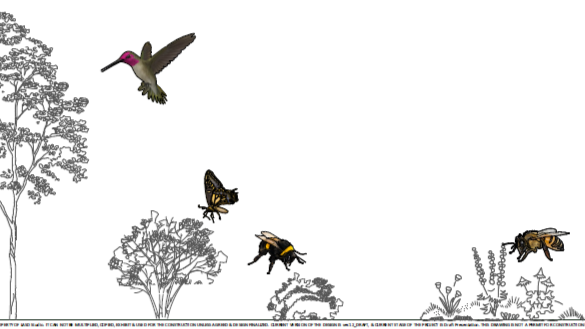
Structural shrubs form the middle layer of the landscape. These species create spatial rhythm while supporting pollinators and beneficial insects. Shrubs often provide seasonal resilience through drought tolerance and flexible growth patterns.
The canopy layer introduces long-term spatial structure.
Trees moderate solar exposure across the site. Their shade reduces heat accumulation on hardscape surfaces and improves human comfort in outdoor environments.
Over time, canopy trees shape the spatial identity of the property.
Layered planting also distributes ecological functions across multiple species. Pest outbreaks become less severe when plant diversity interrupts monocultures. Habitat networks support natural predators that regulate insect populations.
This ecological layering reduces irrigation demand and stabilizes biological relationships across the site.
The result is not a rigid planting plan.
It is a plant community capable of gradual adjustment as climate and soil conditions evolve.
See our Ecological Planting Plans
Water Movement and Landscape Hydrology
Water management forms another structural element of landscape design in Southern California.
Most rainfall arrives during short winter events. Large volumes of water fall within limited time periods, then disappear into months of drought.
Traditional landscapes often treat rainwater as a problem to be removed quickly through drainage systems.
Designing landscapes as evolving systems approaches water differently.
Permeable surfaces allow rainfall to infiltrate the soil rather than becoming surface runoff. Gravel pathways, decomposed granite terraces, and permeable paving systems allow water to enter the ground slowly.
Bioswales and subtle grading direct runoff toward planting areas where soil can absorb moisture.
These systems restore the natural hydrology of the site.
Rainwater becomes a resource rather than a liability.
Over time, soil moisture reserves increase. Irrigation demand decreases. Plant communities develop deeper root systems that rely less on artificial watering.
For coastal properties in La Jolla and hillside estates in Rancho Santa Fe, these hydrological strategies significantly improve long-term landscape resilience.

Fire-Aware Landscape Planning
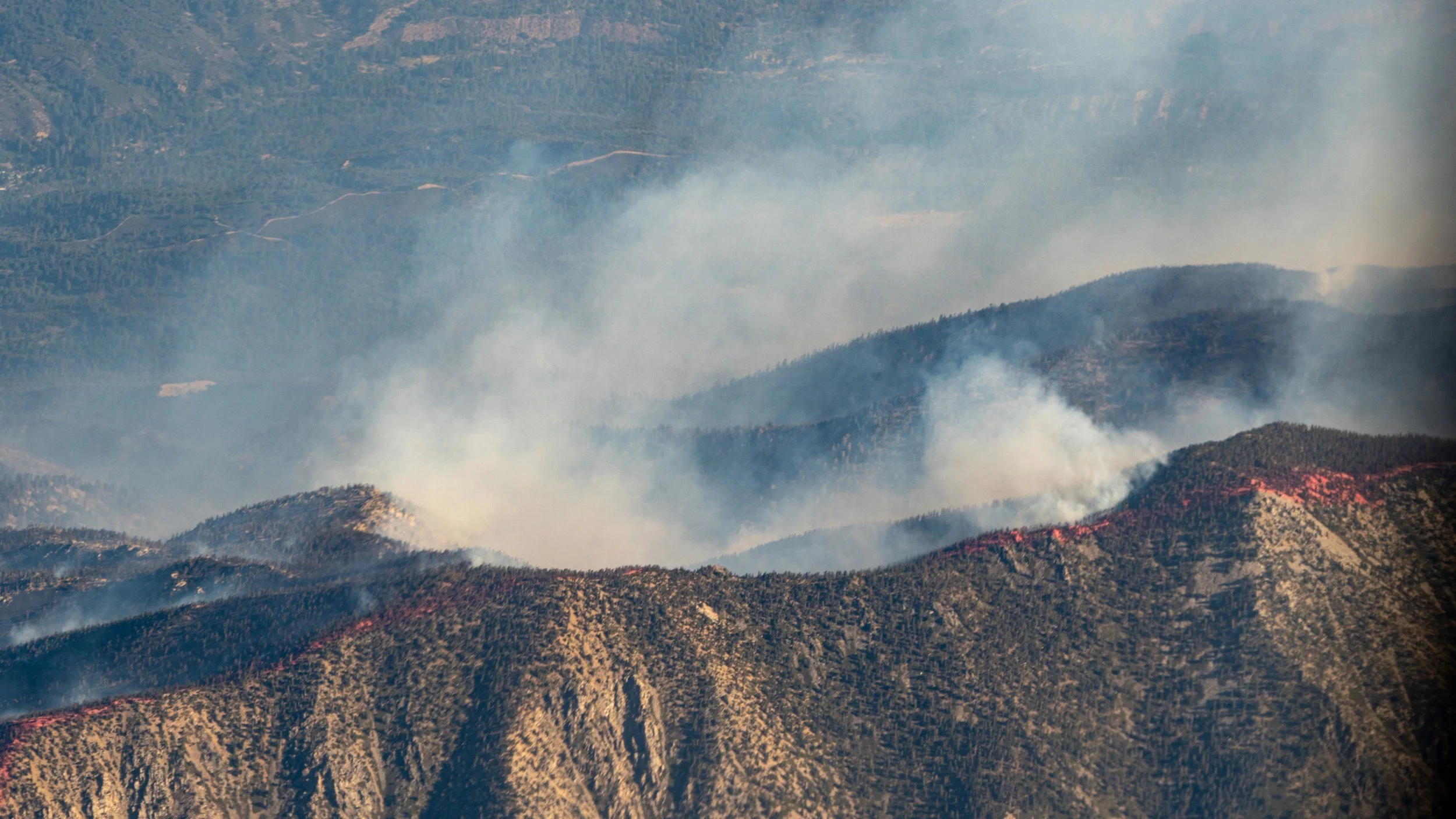
Wildfire risk is another environmental reality shaping landscape architecture in Southern California.
Hot summers, seasonal winds, and extended drought periods create conditions where vegetation can become fuel.
Fire-aware design does not require eliminating vegetation from the property.
Instead, it reorganizes landscape structure to reduce ignition potential while maintaining visual continuity.
Strategic plant spacing reduces fuel continuity. Fire-resistant plant species are placed closer to structures. Gravel surfaces, stone pathways, and low-growing plant communities create transitional buffers between buildings and surrounding vegetation.
These defensible zones integrate with the landscape rather than appearing as defensive barriers.
Fire-aware design becomes part of the spatial composition of the garden.
When executed carefully, the property maintains ecological richness while reducing fire vulnerability.
This approach is increasingly necessary for properties across San Diego County, particularly in hillside and canyon environments.
Long-Term Landscape Evolution
The most important shift in this design philosophy appears over time.
Traditional gardens often require increasing maintenance as they age. Irrigation systems expand. Plant replacements become frequent. Soil degradation demands corrective intervention.
Landscapes designed as evolving systems follow a different trajectory.
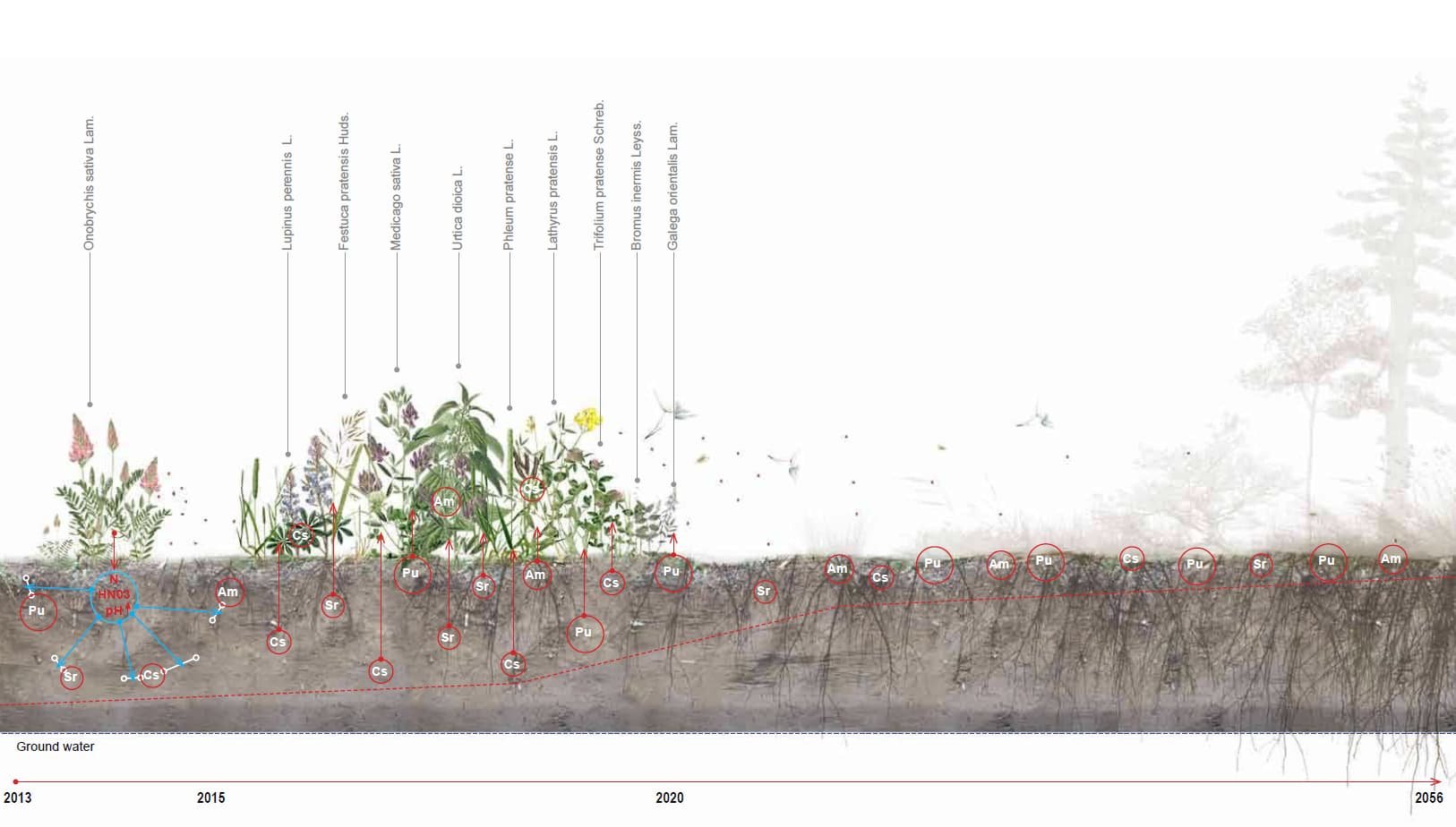
Plant communities mature and stabilize. Soil fertility increases through organic cycles. Shade patterns gradually moderate microclimates.
Maintenance shifts from correction toward long term projected structure.
Property owners benefit from lower operational costs and healthier ecological performance.
The landscape becomes more resilient each year rather than more fragile.
This trajectory aligns the garden with the architecture of the property. Mature trees anchor outdoor spaces. Layered vegetation softens built forms. Hydrological systems function quietly beneath the surface.
The landscape grows into its role rather than remaining dependent on continuous intervention.
A Changing Direction in Landscape Architecture
Landscape architecture in Southern California is gradually shifting from static composition toward ecological performance.
Environmental pressures make this transition necessary.
Drought cycles intensify. Water resources become more constrained. Fire risk remains present across the region.
Design approaches that treat gardens as decorative surfaces struggle under these conditions.
Designing landscapes as evolving systems offers a different framework.
It integrates ecological processes, hydrology, and spatial design into a unified structure that develops over decades.
For property owners, the benefits appear in lower maintenance demands, improved environmental stability, and outdoor environments that mature alongside the architecture.
For the region, this approach supports landscapes capable of adapting to a changing climate.
LASD Studio develops landscape architecture for estates and coastal properties across San Diego County, including Rancho Santa Fe, La Jolla, Del Mar, and Coronado.