
How Naturalistic Garden Design Helps to Restore Ecosystems
Are you considering garden design? You can opt for a naturalistic garden design whether it is private estate, community, commercial or landscape restoration project! Through this approach, you can experience both the beauty and resilience of wild landscapes. It plays a crucial role in restoring ecosystems within your commercial space or even the public landscape. This design mimics the interactions found in nature and prioritizes ecological functionality. Let’s explore how LASD Studio Team contribute to restoring the ecosystem in numerous ways:
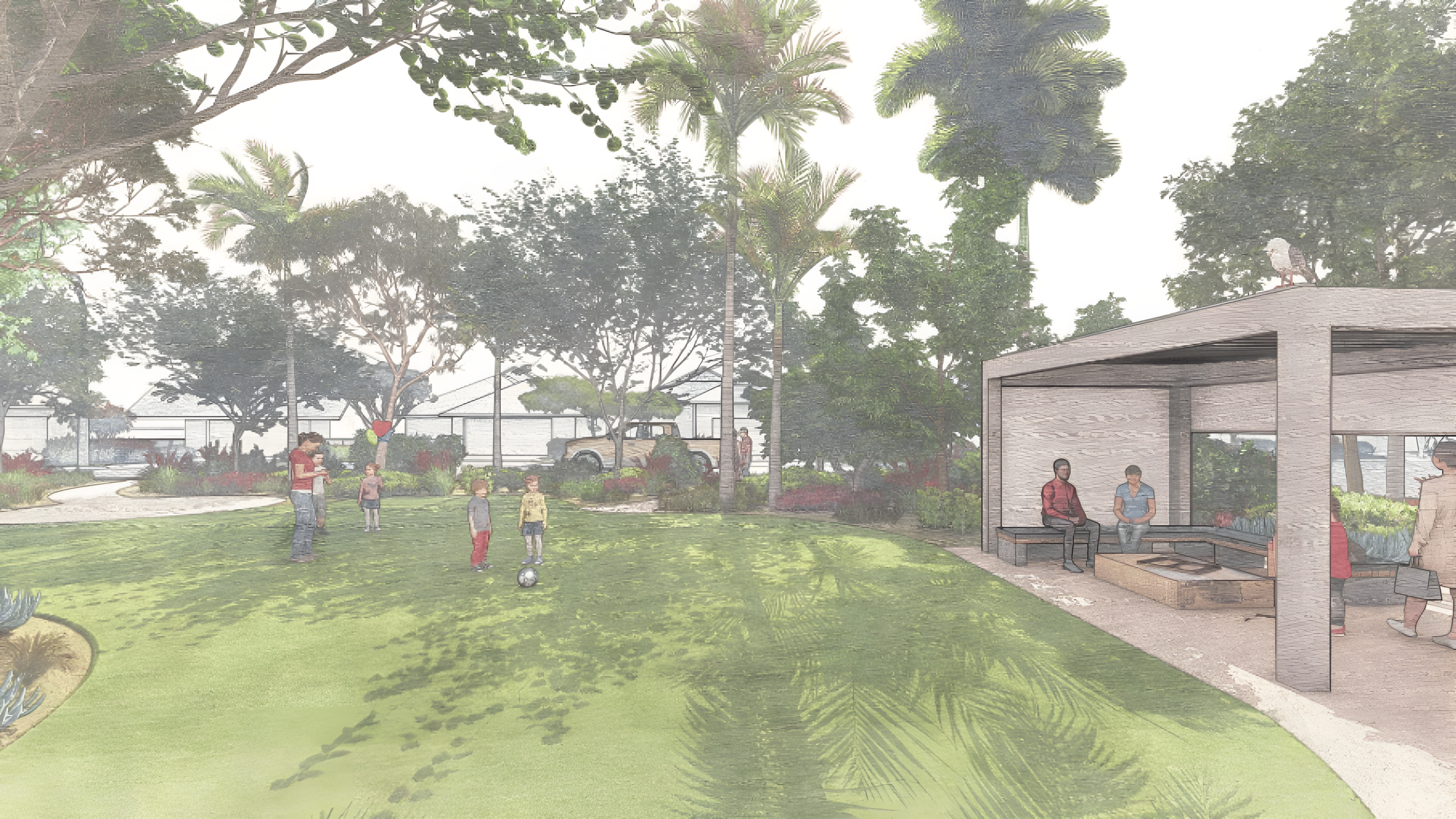
Sanctuary experience for community common space in Oceanside, Southern California
Key Ways Naturalistic Garden Design Restores the Ecosystem
Boosting Biodiversity
When you have a naturalistic garden, you will find it to be a haven for biodiversity. Instead of showcasing a monoculture of ornamental plants, this garden comes with diverse native species, like trees, shrubs, perennials, grasses, and wildflowers. This approach is essential for providing essential food sources like nectar, seeds, and fruits. Your garden can also provide habitats for pollinators, insects, and birds. You can explore what you can include or avoid in the garden for wildlife and biodiversity.
Creating Resilient Plant Communities
When you employ plant communities in the garden, they support each other. Naturalistic designs can create self-sustaining ecosystems within the garden. If you opt for native plants, they are well-adapted to the local climate and soil conditions and need less intervention. This approach minimizes the need for pesticides that can disrupt the natural balances of good insects. The result? You can contribute to a more robust and resilient system.
Improving Soil Health
A naturalistic garden promotes healthy soil, which is the foundation of a successful ecosystem. With this garden design, you can suppress weeds, retain moisture, and provide a habitat for beneficial insects. The professional designs the garden with organic materials like compost and mulch that further enrich the soil. It improves the structure of the soil, provides essential nutrients without chemical alternatives that can degrade soil quality over time.
Conserving Water
Completely natural garden design embraces water-efficient landscaping. Do you know why? It is because this garden design incorporates native, drought-tolerant plants that are accustomed to the local climate and rainfall patterns. In addition, techniques like mulching and rainwater harvesting can effectively retain soil moisture and reduce the need for supplemental irrigation. Through this effective approach, you can conserve valuable water resources and create a deeper connection with nature.
Mitigating Climate Change
When there is an increasing density of vegetation in your garden, it can encourage healthy soil. Naturalistic gardens act as carbon sinks, which help to absorb carbon dioxide from the atmosphere and store it in plant tissues and the soil. This approach eliminates greenhouse gas emissions and contributes to the fight against climate change. It also helps mitigate the urban heat effect and create cooler microclimates within the garden and surrounding areas.
By embracing these design principles, you can significantly transform your commercial space into vibrant and functional ecosystems. As a human being, you can contribute to the restoration of nature and foster a healthier environment. Contact us and start designing your garden. For more information, you can read our other blogs.