
~ BLOG ~

What's So Trendy About Modern Garden Ideas That Everyone Goes Crazy Over Them?
Do you love gardening? Is having a lovely and exuberant garden on the list of features of your dream house? Are you curious about what modern garden ideas are?
Do you love gardening? Is having a lovely and exuberant garden on the list of features of your dream house? Are you curious about what modern garden ideas are?

Do you love gardening? Is having a lovely and exuberant garden on the list of features of your dream house? Are you curious about what modern garden ideas are?
After all, most of us love spending an evening on the lawn trying to make the most out of the little quality family-time we get.
Recently, there have been incredible advancements in the landscape designing industry. Paint this picture for a start: an outdoor kitchen, glamorous outdoor lightings, a swimming pool, radiant plantations, the smell of fresh roses, and a cozy fireplace in the corner.
It's the perfect mix of nature and home activities!
This blog will explore what's trending in modern garden ideas and what points you should consider before you make your garden design. So, let us get started!
How has gardening evolved?
The first detailed garden design dates to about 1400 BC in the early Egyptian era. It belonged to an Egyptian high court official.
You would be amazed to find that the garden was fully symmetrical, and the main entrance was arranged as a vine-covered pergola walk that led directly to the house.
So, if 1400 BC can have a technical design, imagine where we are at now!
Since the 1990s, the shift has been made from ornamental to fit gardens ecologically. People have become more oriented towards creating house gardens with focused trends of succulent, tropical, and organic houseplants.
Lately, landscapes have become more divided into geometric sections with polymorphic shapes, which makes modern landscaping very refreshing.

It focuses on clean straight lines and open spaces to make the garden more exuberant, consistent, and eye-catching. All in all, modern gardens have gotten more aesthetically pleasing.
Alright, now, let's jump into what are the features of modern gardens.
Features of modern gardens
Consistency with house design
Modern landscaping designs focus on keeping every inch of the house color and design in contrast and consistent. The colors and layout compliment the house design.
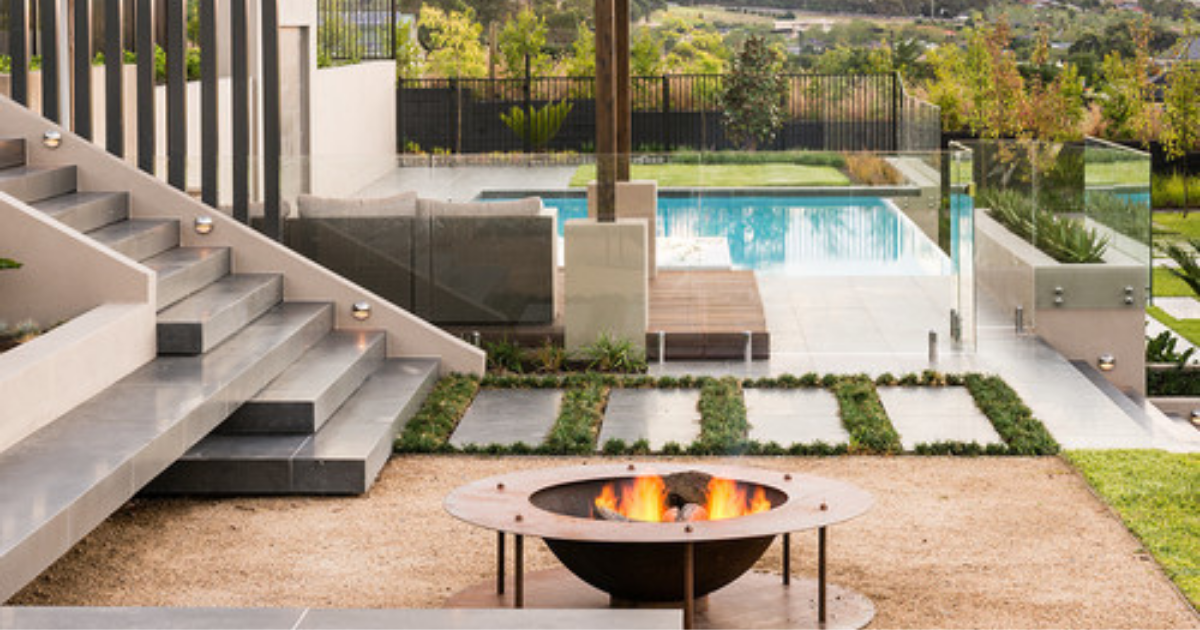
You see, the picture of the 'garden' has to be from the same collection as the picture of the 'house'.
The lawn's pavement and lines should soften the edges of the house and show a smooth transition from the house to the garden.
Continuity
By continuity, it means that the garden designs have repeating colors, patterns, and shapes.
Geometry

The most important feature of modern landscaping is making sure it is geometrically maximized.
As mentioned before, bold shapes and clean lines are trending. Even in sculptural shrubbery, people nowadays want a clear cut and well-organized geometrical boxwood or cedar.
Water Features
Basic features such as ponds, swimming pools, and fire pits are extremely trendy in modern landscaping ideas these days.
These features make the garden more vibrant while adding a new layer of sensory texture.
Low maintenance plants
In the current modern days, it is tough to find time for anything. Therefore, the essential part of designing a modern garden is to ensure that the people do not have to spend much time on its maintenance.

Plants must be integrated into the overall design, and they must provide minimal botanical diversity and balance.
Plants like Aloe Vera, lemon trees, and snake plants are used in modern-day garden designing.
Use of natural materials
Natural materials like stones, wood, and native plants are some of the most common features in gardens today.
Most trending contemporary garden designs
Pool and spa gardens
Do you have a lot of outdoor space to work with? Add a swimming pool.

Water features like pool and swimming areas serve as the focal point for relaxing or exercising in your own home. Not to mention they add to the aesthetics of your house garden.
It is a luxury but something that will add to your garden look and your house as a whole.
The vibrant light stone courtyard
A tiled courtyard to go with your outdoor BBQ grill with stunning and smooth lightings will help create the most vibrant environment in your house.
For a modern luxury garden design scheme, light stone or concrete are ideal materials.
Greenwich green revival mod
Add plants to your sitting area and make it more refreshing. This idea upholds the revival of the Greenwich village, adding a Greek touch to your garden.
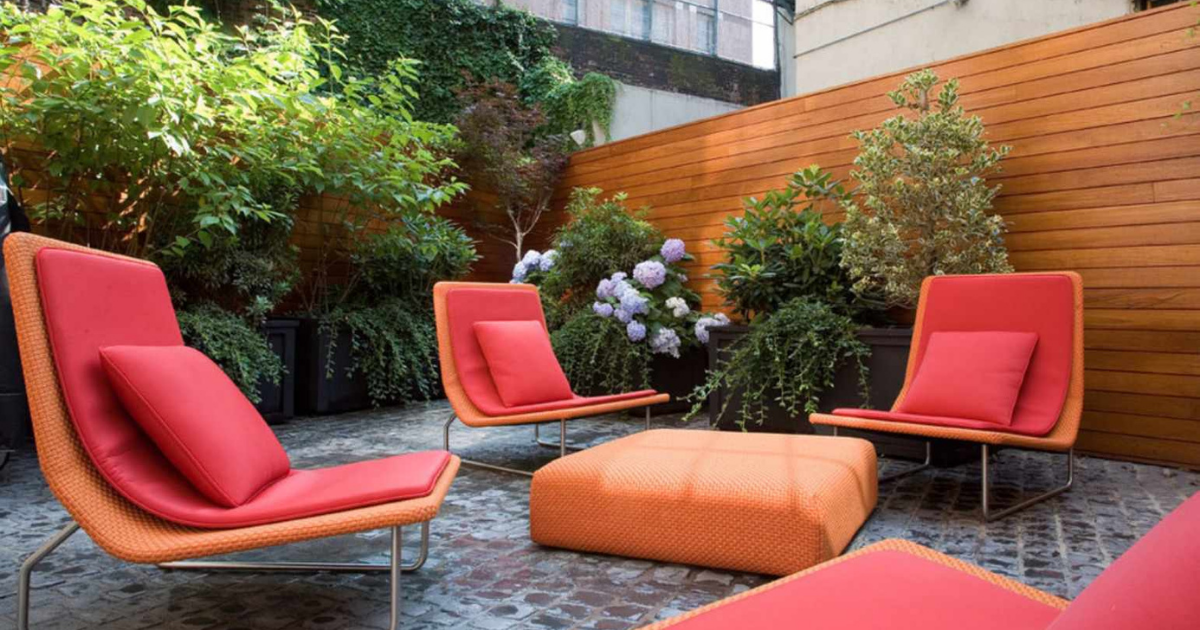
Well, no law says you have to decorate as though it's 1839, but you can always add an antique touch to your design.
Vertical gardening
A recent change from mainstream gardening has led to the use of vertical patterns and shapes in garden design.
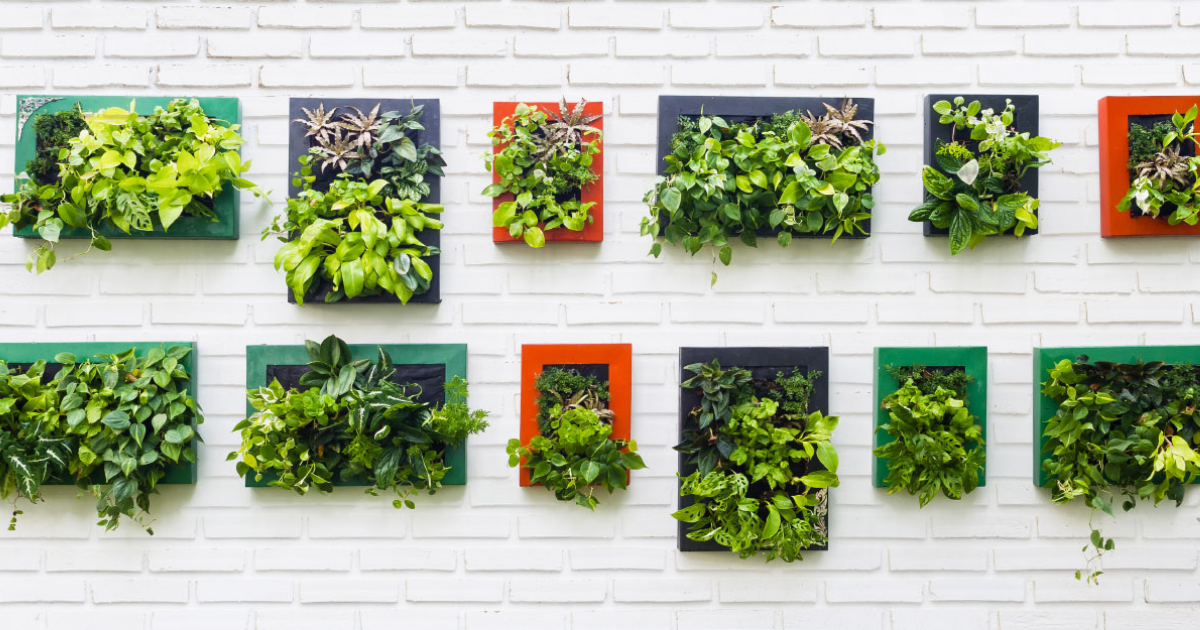
Using hydroponics, vertical gardening is a method for growing plants on a vertically suspended panel.
Install an orangery
An orangery will be at the center of your garden. Yes, many people will mistake that as a birdhouse, but they will see its true potential when they will be sitting inside it and enjoying the sight of rain.

Fancy outdoor dining set
If you are a fan of Alfresco dining, then you must get a good dining set.
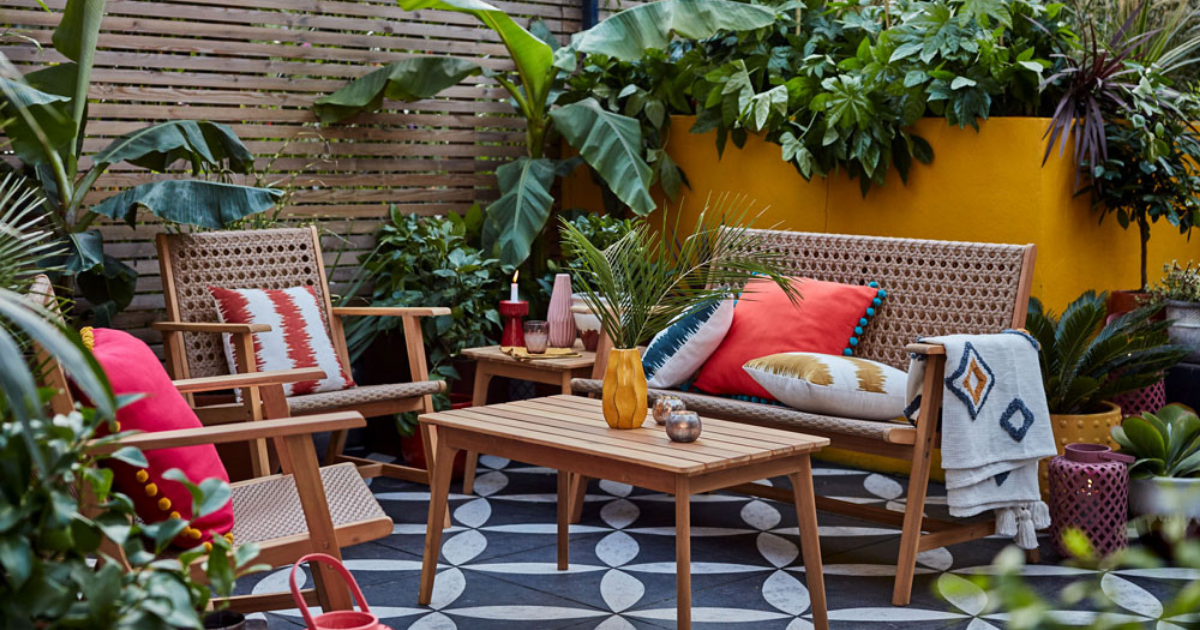
Do not settle for a less than perfect dining set, as that will serve as the key to your entire gardening look.
There are many more garden design ideas, and you can contact LASD Studio for more insight on them.
Conclusion
Up till now, we have discussed the features and the trending layouts of modern gardens. In short, you need to decide the basic garden you want and then add complimentary stuff like fountains, pools, orangery, etc.
Lastly, let's see a company where you can get your garden designed.
Design your garden with LASD Studio
LASD Studio is based in San Diego, California, and it provides the following services:
Garden design
Landscape architecture
Urban design
Regional landscape

The company keeps up with the latest trends and considers all the features involved in modern garden ideas.
Moreover, the team aims to create aesthetically pleasing garden designs while ensuring that they are ecologically benefiting as well.
LASD Studio provides one of the most in-demand garden designers in California. So, if you are based in San Diego and want to design your garden, you know who to get in touch with. Rest assured, you will be in safe hands!
Happy Garden planning!

Healing the energy of Earth, society and people
LASD Studio targeting global environmental issues. Every design is treated as a blueprint for healing the Earth, Landscape and ecosystem.
I can discover an easy and proven way to heal my energy, and help guarantee my future health and happiness. Create an outdoor inspirational environment with the unique concept from LASD Studio. I will love the result of the POWERFUL daily retreat with my new landscape design by LASD Studio. I cultivate deeper compassion, acceptance, and a higher purpose in life for the continuous unfolding of love and gratitude to our mother Earth by LASD Studio design services. If I am in need of a powerful retreat for my spirit and body energy, I shall create a new outdoor environment, I will receive an inspirational space for peace of mind with energy restoration because there is LASD Studio team ready to make it for me.
LASD Studio targeting global environmental issues. Every design is treated as a blueprint for healing the Earth, Landscape and ecosystem. It is not a surprise that the Earth-change dynamic trends lead next generations to the global warming and increase of CO2 emission. This dynamic started to increase dramatically during the industrial period of human civilization. At LASD Studio we believe that each of our projects heals the planet. By our works we dealing with: CO2 emission; soil phytoremediation; reestablishment of the ecosystem; reducing water and electricity usage; bringing wildlife and biodiversity to the site in order to heal the Earth for future generations. We believe in Gaya theory that proposes that organisms interact with their inorganic surroundings on Earth forming a synergetic self-regulating system that helps to maintain the conditions for life on the planet. Therefore, each individual project is a huge contribution for the healing and preserving the Earth for the next human generation.
The ecosystem is a biological community of interacting organisms and their physical environments. We look at the existing condition of the ecosystem and create design based on micro and macro ecosystem environments. This holistic principle helps us to understand the existing condition of the place and provide a sustainable solution for every individual project as a part of the bigger ecosystem image. We use local building materials and plants to create a closer connection between humans and nature. As a part of the sustainability we look at the stormwater management, water and electricity efficiency of the design, as well as supporting local flora and fauna. All these are the forces needed for the better future of humans and our planet, but they also significantly reduce the price for the project installation.
Art stands for bringing an aesthetic value for each individual project based on style, combination of styles and human history of Art. We believe that Art is the first step in the evolution of design.

Evolution of Art and Architectural Styles - Quick Guide with LASD Studio
At LASD Studio we relate every landscape design, landscape architecture and urban design project with the art. We treat spaces as an artist would treat the canvas.
Renaissance
During Renaissance times, from an art perspective, the landscape was considered as a constant static environment. The main idea was to represent the perfection of ideal landscapes. It is beautifully described in the concept ‘Landscape Two’ by John Brinckerhoff Jackson. According to Jackson, the landscape is characterized as a ‘permanent position both in the social and topographical sense, that gives us our identity’. The landscape was shown as a very static, constant, and scenic element of human life. At the same time, the landscape was seen as a gentle organism. In pictorial art, the paintings of Claude Lorrain reflect the idea of a pastoral scene with balanced unity of man and nature.
Industrialism and Early Modernism
Lately, Jan Bijhouwer in his book ‘Het Nederlandse Landschap’ described the landscape as a continuous, ongoing process over time and space. Thus, the Aesthetic of the landscape changes towards a more dynamic and unstable system. Also, Jackson, inspired by American landscapes and its processes of changes, wrote ‘I am confused by the temporary spaces I see: the drive-in, fast-food establishment that is torn down after a year, the fields planted to corn and then the soya beans and then subdivided; the trailer communities that vanish when vacation is over, the tropical gardens in shopping malls that are replaced each season; motels abandoned when the highway moves.’ The landscape is always artificial, always synthetic, and always subject to a sudden or unpredictable change. Lately, Jackson’s realistic vision was supplemented by the concept of ‘Total Landscape’ by Rolf Peter Sieferle ‘The totality of the total landscape is a residual product of many different actions, each of which pursues its own ends. It reflects the result of work, traffic, housing, recreation, tourism, consumerism, landscape planning nature protection…’ All these contemporary theories are simply the summary of a major development of human civilization. As a result, different actions and processes lead to a change of style and aesthetic of the landscape. This switch from classical aesthetic to relational aesthetic was described in ‘System Esthetics’ by Jack Burnham ‘the system approach goes beyond a concern with staged environments and happenings; it deals in a revolutionary fashion with the larger problem of boundary concepts. From a systems perspective, there are no contrived than material limits define the system’. This switch of aesthetics can be seen in the pictorial artworks of Wassily Kandinsky. It simply represents objects and processes that correlate in the relation to each other in one system of complex composition. Rem Koolhaas described this concept as ‘free style’: ‘There are three elements: roads, buildings, and nature; they coexist in flexible relationships, seemingly without reason, in speculator organizational diversity.’ A good example of such a concept could be submitted design for Park de la Villette by Rem Koolhaas, an extremely complex example of processes that in some way could be related to the artwork of Wassily Kandinsky, Klee, and Mondrian.
Triumph of Modernism
When we look at modern art, in particular of Abstract Expressionism, we realize that the whole canvas is one united world with the complex coexistence of different elements. A good example would be the works of Jackson Pollock, Mark Rothko, and Willem de Kooning. ‘Abstract art has helped us to experience the emotional power in the pure form’. Besides the contemporary science of perception of spaces and emotional power, Abstract Art represents the idea of wholeness, unitedness, and completely holistic approach in designing spaces. Contemporary art trends lead us towards bringing more nature and wildlife into the design while playing a contract with contemporary architecture and the power of pure nature.
Aesthetic and Styles in Landscape Architecture
At LASD Studio we define several main architectural styles. Those are Victorian, Islamic Architecture, Romanesque, Baroque, Bauhaus, Neo-classical, Renaissance, Gothic, Modernism and Contemporary Styles. In the United States of America, we mainly define Colonial, Spanish Revival, and Contemporary architectural styles.
Check Styles and Epochs of Art in Landscape Architecture.
Victorian
The Victorian Era saw a reinvestigation of many architectural styles including Gothic Revival, Tudor, and Romanesque. During the industrial revolution, many homes were built in the Victorian style.
Islamic Architecture
Islamic architecture varies greatly depending on the region such as Persia, North Africa, and Spain. Moorish and Mosque are the best examples of Islamic styles including pointer arches, symmetry, domes, and beautiful courtyards with the decoration of surfaces by tiles.

Romanesque
Romanesque or Norman Architecture style emerged across Europe in the late 10th Century. The most famous features are the rounded arches, repetition of rows of round-headed arches, stylized floral, and foliage stone. You might see this style in Portugal churches like Porto Cathedral.
Baroque
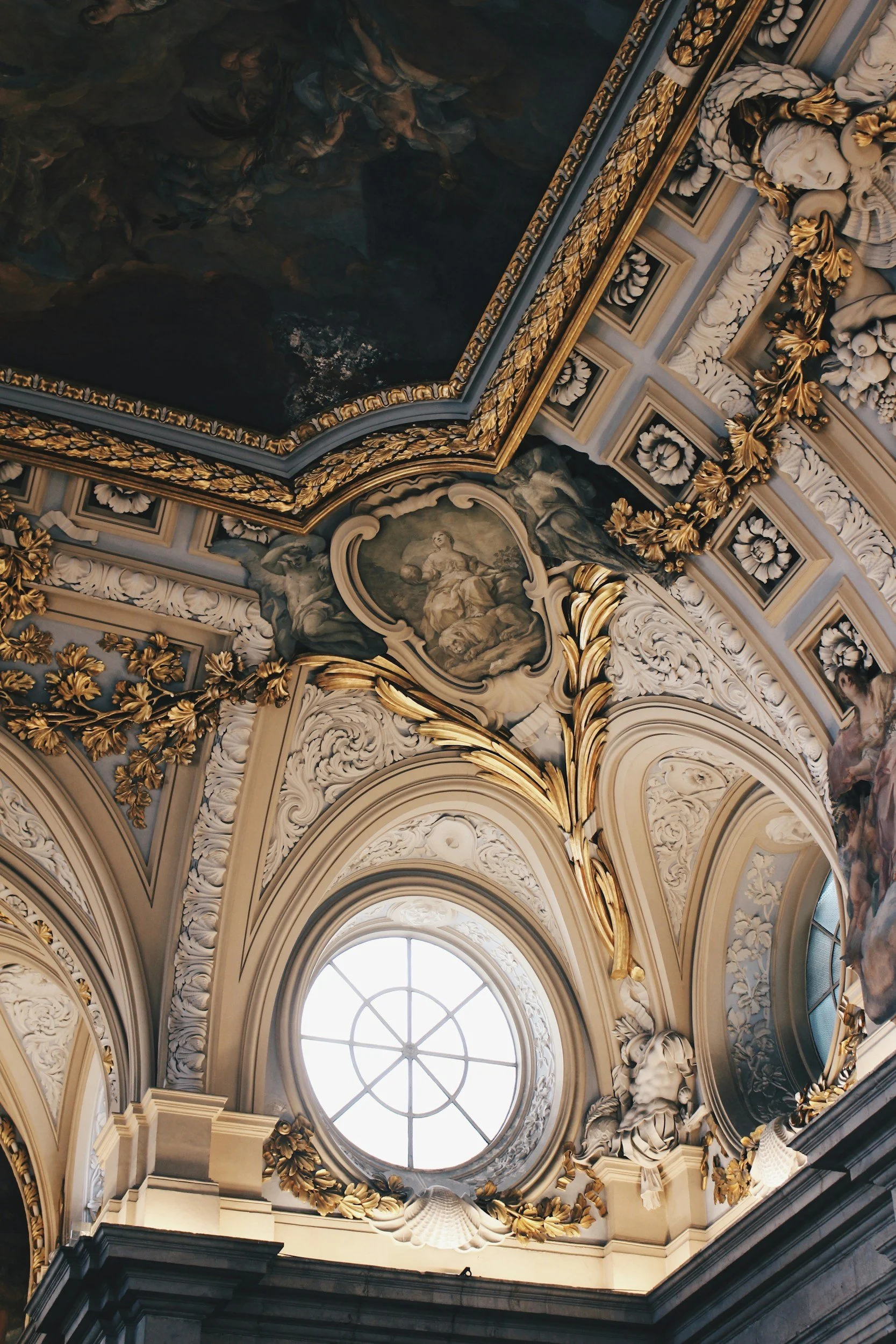
Baroque arrived later after Romanesque style. Baroque as a style appeared during the celebration of the Catholic religion, it is more emotive, spectacular and represents the power of balanced order with the visual points of static aesthetical order. You might find a good example of such work as the Palace of Versailles.
Tudor
Tudor architecture arrived as the latest phase of the medieval period in England between the 1400s and 1600s. Usually, houses were built with a thatched roof, masonry chimney, and timber-framed facades. You might see this style in Gisselfeld, Denmark, and Warwickshire, England.
Bauhaus
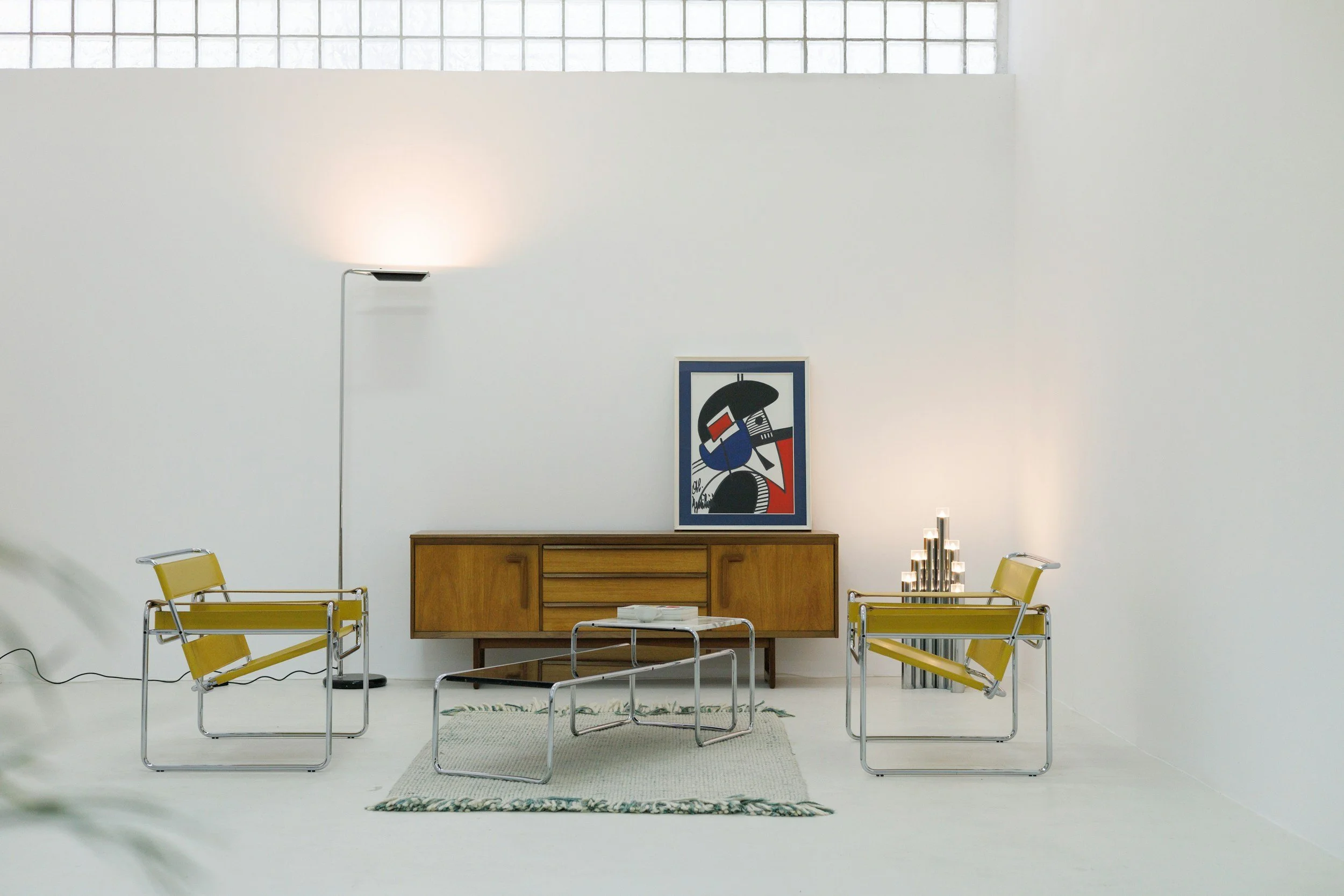
Originally an art school in Germany in the early 1900s. The main idea of this style is to unify mass-production of the specific design. As a definition for this style, you can look at cubic shapes, flat roofs, glass curtain walls. A good example of such a style could be IKEA, Schools of Soviet architecture, etc.
Neo-classical
Neoclassicism arrived from Baroque and Rococo styles. Inspiration for this style was the classic Ancient Greek and Roman architecture where symmetry and perfection of balance were the core of the design. As the main element of such design, you might found free-standing columns, clean lines, excessive open grass areas, as well as lion sculptures that guarding the greatness of the architecture.
Renaissance
Renaissance appeared in Italy during the 15th Century. The main intention of the design was to reflect the elegance and ideals of private domestic life. Here you might find the open large forest with private hunting facilities, as well as, enclosed courtyards, classical motifs of the power of symmetry and order. All these demonstrate human power over nature.
Gothic
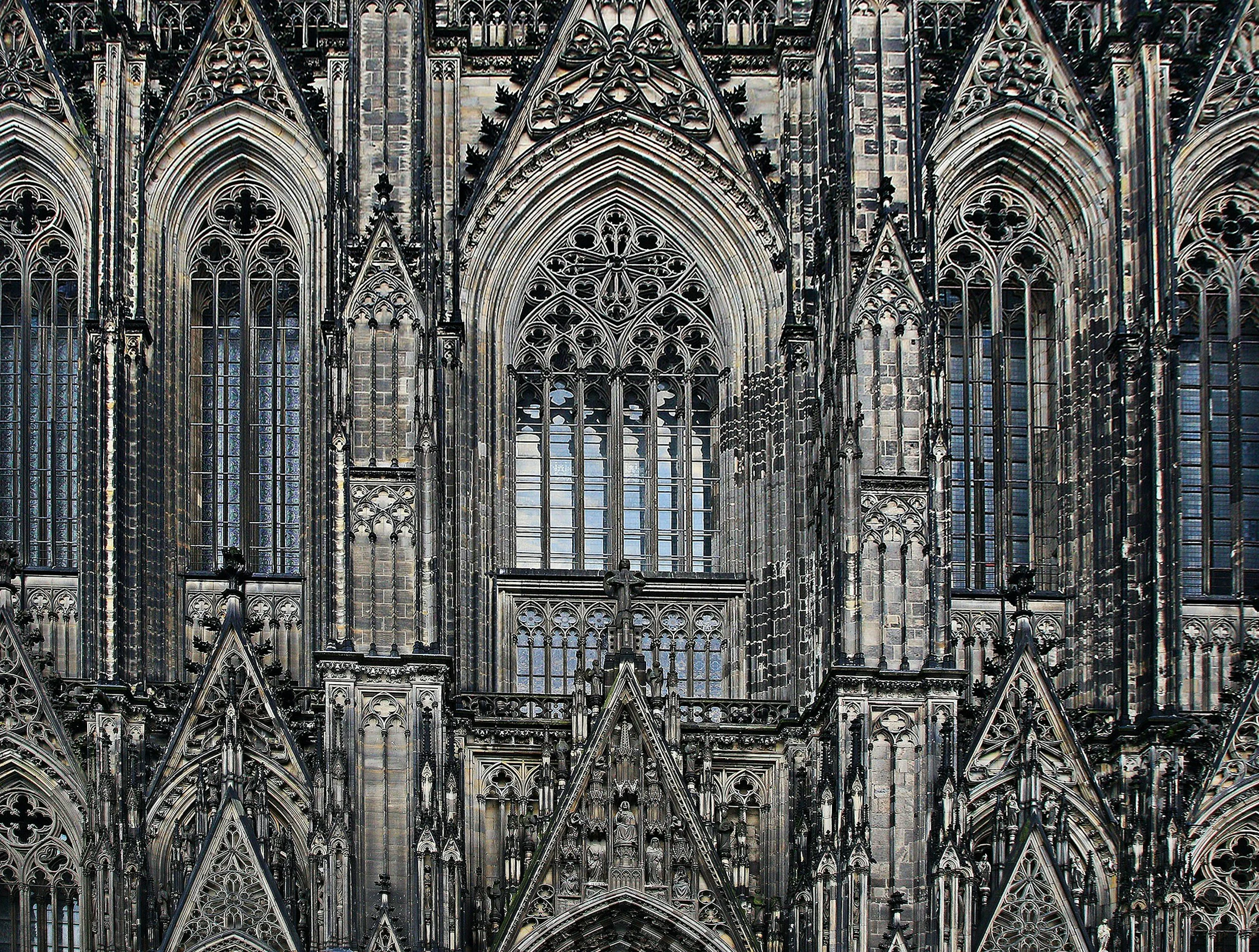
Gothic architecture delivered Notre Dame Cathedral in Paris, and great European architecture from the 12th Century. It combines flourishes of the previous styles and uses them all together. However, this style brings more elegance to all of the elements including thinner walls, adorned windows with beautiful mosaic patterns, more elegant columns, and the symmetry of order as a blueprint for the design.
Modernism and Contemporary
Modernism is a movement from the 20th century including styles like futurism, Post-Modernism, New Classical Architecture, and Contemporary movement of the architecture. It begins to use new unknown materials, shapes, spaces; the design is based on sunlight, freedom, and shaping a human comfort. It combines all the greatness of previous styles in a new metamorphosis of previously unknown architecture. Here is the dominance of disorder vs. order and the relation of elements on a free-standing aesthetical coexistence versus spatial perfection of balanced architecture.