
AB 1572 for HOA Boards: From Nonfunctional Turf to Living Landscape
California’s 2029 deadline is not simply a mandate to remove grass. It is an opportunity to rethink how community landscapes use water, support residents, protect mature trees and contribute to long-term property value.
Beginning January 1, 2029, California homeowners associations, common interest developments and similar community organizations may no longer use potable water to irrigate nonfunctional turf within their common areas.
That is the central requirement of Assembly Bill 1572. But for an HOA board, it is only the beginning of the conversation.
The deeper question is not simply:
Which lawns must we stop watering?
It is:
What should these shared landscapes become - and how can the transition strengthen the ecological, social and economic life of the community?
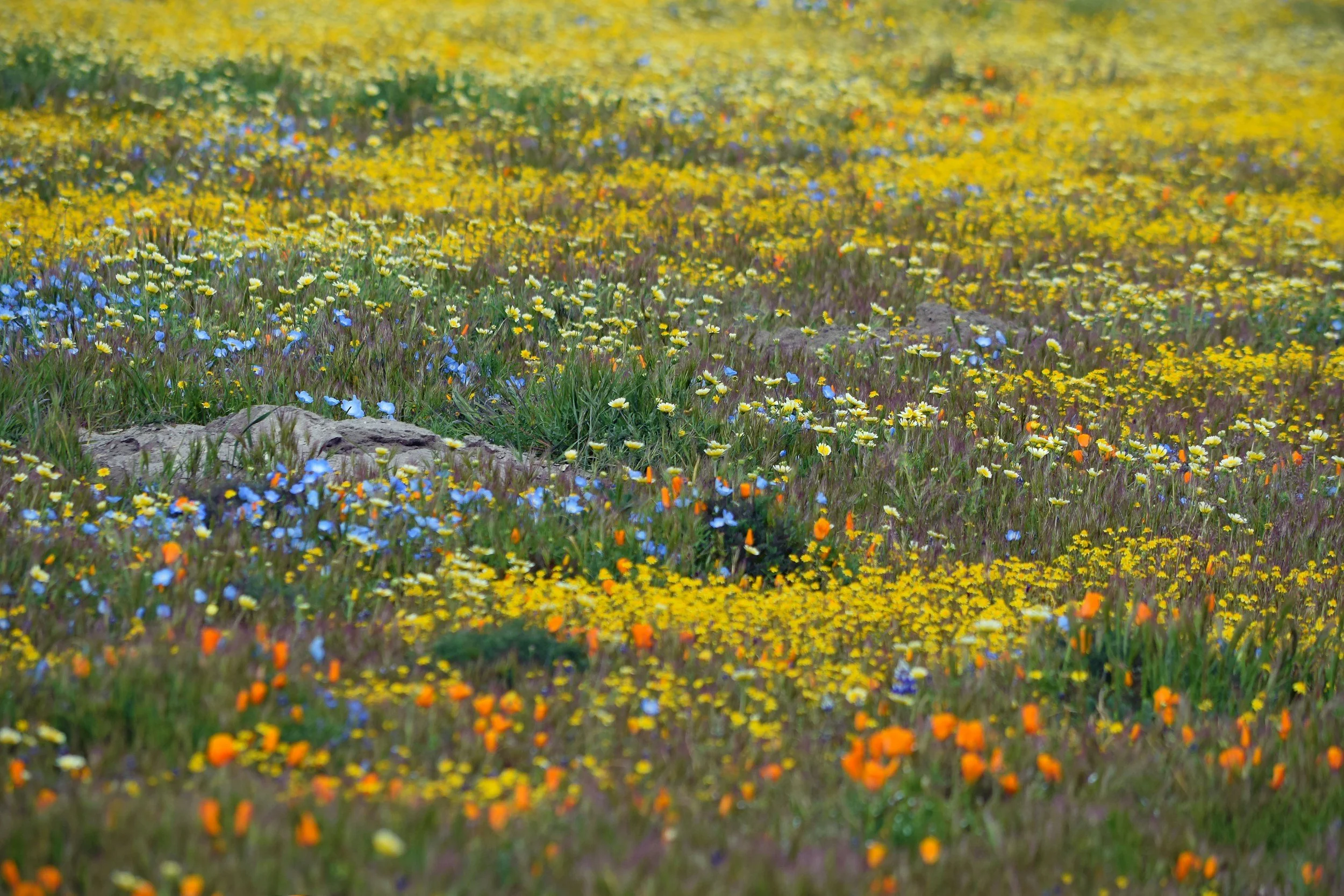
At LASD Studio, we do not see AB 1572 as a grass-removal exercise. We see it as an opportunity to transform underperforming land into living community infrastructure: landscapes that use water intelligently, protect mature trees, create shade, support pollinators and wildlife, moderate heat and make the experience of arriving home more beautiful.
The objective should not be minimum compliance.
The objective should be a landscape transition that becomes more valuable with time.
See ongoing practice based research by LASD Studio.
Considering a landscape project?
Receive a structured outline of your project, including design direction, phases, and estimated ranges - before any commitment.
What AB 1572 require, and what it does not?
AB 1572 does not prohibit every California lawn. Nor does it require every HOA to remove all grass.
The law prohibits the use of potable water to irrigate nonfunctional turf within HOA common areas beginning January 1, 2029. California defines functional turf as turf within a recreational-use area or community space. This can include sports fields, playgrounds, picnic areas, pet-exercise areas and spaces intentionally used for formal or informal recreation, civic events or social gatherings.
Nonfunctional turf is grass that does not provide one of those recognized uses. Common examples may include narrow strips beside roads or parking areas, inaccessible slopes, decorative grass behind barriers and fragments of lawn that residents rarely enter.
The correct question is therefore not whether a community has lawn. It is whether each lawn performs a meaningful role in community life.
A central green used for children’s play, picnics, informal exercise or neighbourhood gatherings may be genuinely functional. A narrow strip between a driveway and a wall may not be. Ambiguous areas should be reviewed with the HOA’s water provider, legal counsel and appropriate professional advisers.
The law also allows potable water where necessary to protect trees and other perennial non-turf planting. That provision is extremely important: compliance should not be achieved by indiscriminately turning off irrigation where mature trees have depended on a former turf system for decades.
For communities with more than 5,000 square feet of irrigated common area, compliance certification begins June 30, 2031 and repeats every three years through 2040. These requirements and definitions appear in the official chaptered text of AB 1572.
Lawn is not the enemy
Functional lawn can be one of the most useful surfaces in a shared landscape.
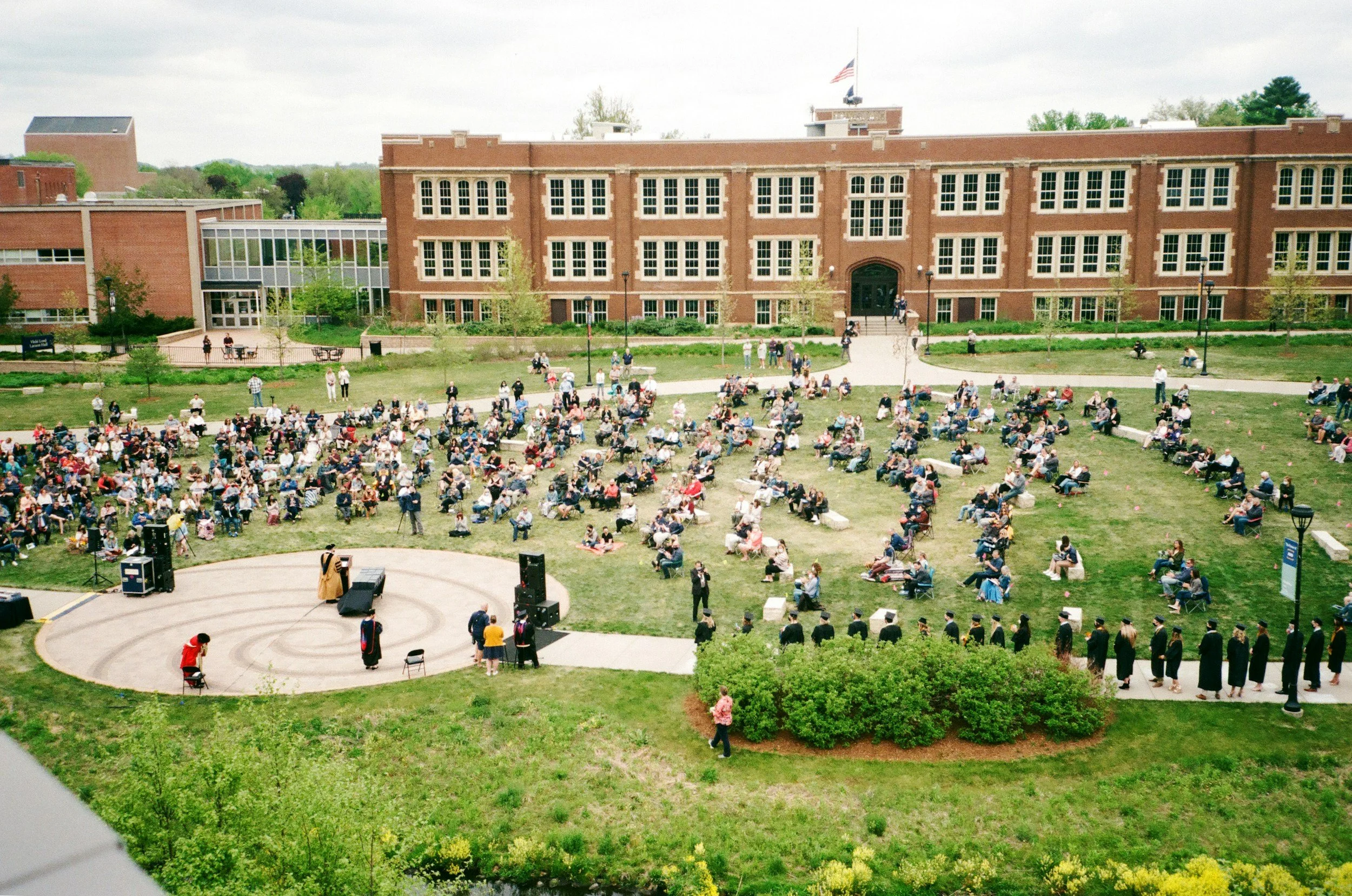
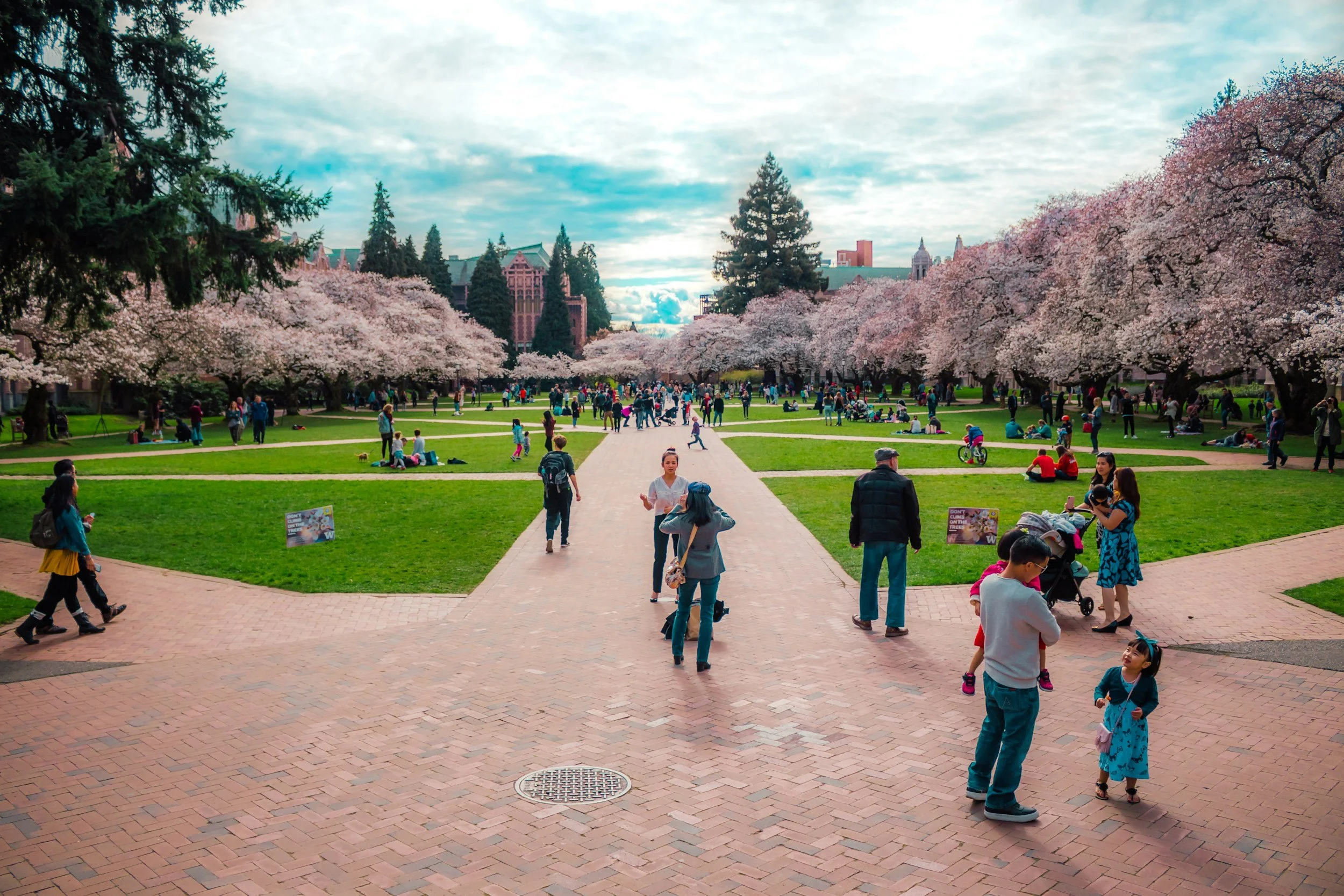
It can accommodate children’s play, dog exercise, picnics, outdoor classes, celebrations and the spontaneous activities that cannot always be predicted on a plan. It offers openness and flexibility. Its function may change from morning to evening and across generations of residents.
The problem is not the existence of lawn.
The problem is routinely allocating treated drinking water, mowing, fertilizer, labor and irrigation repairs to lawn that provides little social, ecological or spatial value.
AB 1572 asks communities to distinguish between turf that earns its place and turf that remains only because it has always been there.
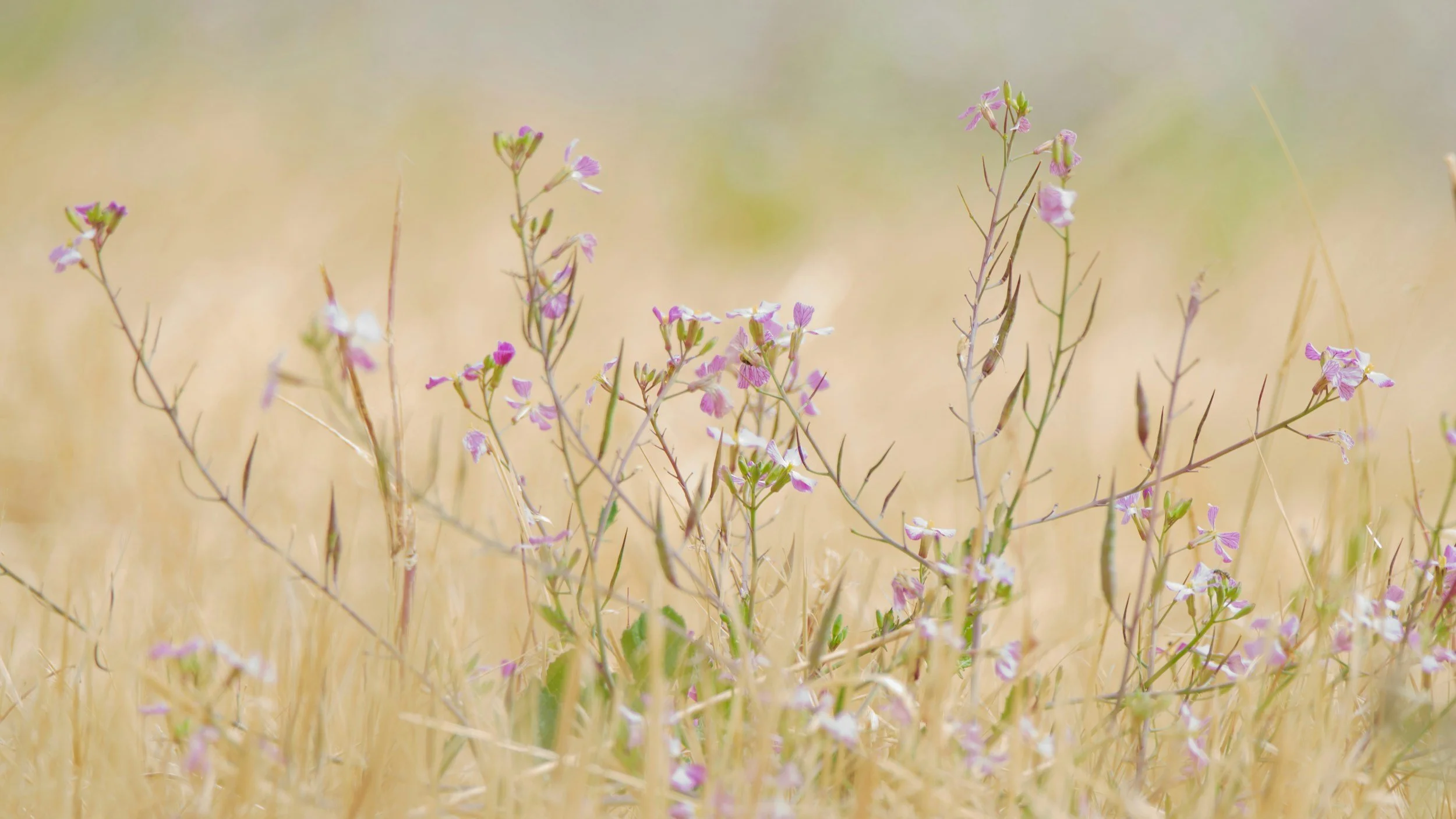
Functional lawn can remain a flexible outdoor room. Nonfunctional lawn can become a pollinator corridor, shaded path, seasonal garden, stormwater landscape, welcoming threshold or planted buffer.
That is not a loss of landscape. It is an expansion of what the landscape can accomplish.
From “turf monoculture” to living infrastructure
Conventional lawn is generally managed as a single, uniform vegetation layer: one height, one texture, limited flowering and repeated mowing.
A layered plant community can offer considerably more ecological structure.
Canopy trees provide shade, nesting opportunities and scale. Shrubs create shelter and spatial definition. Flowering perennials and grasses can establish a seasonal chain of nectar and pollen. Groundcovers protect soil, moderate temperature and reduce exposed mulch. Different root depths occupy different layers of the soil and help the planting use water more effectively.
The objective is not simply to install “drought-tolerant plants.” It is to build compatible plant communities that mature into a coherent landscape.
This also requires avoiding invasive ornamental species. The California Invasive Plant Council provides regionally appropriate alternatives through its Don’t Plant a Pest program, and current rebate requirements specifically exclude invasive plants.
Irrigation itself influences which organisms thrive. Regular summer moisture can favor invasive species adapted to irrigated urban environments. Argentine ants, for example, can protect aphids, mealybugs and other honeydew-producing pests from natural predators, interfering with biological pest control. UC Integrated Pest Management documents these relationships.
This does not mean every lawn creates an invasive-species problem. It means that water is an ecological design medium, not merely a utility expense.
See our Ecological Planting Plans
Considering a landscape project?
Receive a structured outline of your project, including design direction, phases, and estimated ranges - before any commitment.
Rebates are useful, well - but they are not a design strategy!
As of July 21, 2026, SoCal Water$mart publishes a Metropolitan base rebate of $2 per square foot (we have a project where we locked 7$ per square foot) for commercial and HOA turf replacement, covering up to 50,000 square feet per water-meter address per fiscal year. Some local water agencies may add funding, so the effective amount must be verified for the individual property.
Rebate values can change rapidly. The current program page still contains transition rules for projects previously approved at $7 per square foot while publishing a present base of $2. This illustrates why a design-ready community is in a stronger position when a limited funding window opens.
The commercial turf-replacement program currently requires an application and reservation of funds before work begins. Once approved, the program generally allows 180 days for completion.
Why preparing now is financially intelligent
A future supplemental incentive may be generous but brief. An HOA that waits until that announcement to begin measuring, assessing trees, investigating irrigation, preparing designs and obtaining approval may lose much of the available window.
A design-ready community can respond more quickly.
That does not mean applying prematurely or starting construction before rebate authorization. It means completing the professional thinking in advance: Existing conditions have been documented, Eligible turf has been measured, Tree and irrigation relationships are understood, A board-approved master plan exists, Construction phases and preliminary budgets are established, Rebate requirements have been considered within the design, The community knows what it is voting for, Technical documents can be advanced when funding and timing align.
This is the difference between reactive spending and planned capital investment.
Check how this community is planning - Oceanside HOA, Planning, Community engagement and ROI projection.
Understanding the upfront investment
An AB 1572 transition is not free simply because a rebate is available.
Professional assessment, landscape architecture, irrigation investigation, arboricultural consultation, engineering, documentation, community presentations, approvals and construction administration all require investment. A rebate may meaningfully reduce eligible construction costs, but it is unlikely to fund the entire transformation.
A commissioned design process with LASD Studio gives the community something credible to vote on!
Boards understandably need visuals and preliminary direction before approving major construction. But responsible landscape concepts cannot be produced from a few photographs or an intake form alone.
LASD Studio begins with a preliminary HOA discussion to understand the property, governance process, approximate scale, available documentation and decision timeline.
Property-specific design begins after professional engagement, contract authorization and the agreed initial payment.
Phase A - Landscape assessment and concept master plan
LASD Studio reviews available plans and documentation, measures and maps existing conditions, identifies functional and likely nonfunctional turf, studies mature trees and irrigation relationships, and develops a coherent landscape direction.
Board-ready materials may include concept alternatives, diagrams, visualizations, preliminary planting character, phasing recommendations and an initial budget framework.
This gives the board and residents something meaningful to evaluate—not speculative imagery detached from site conditions.
Board and community review
The design can then be presented in a clear visual format explaining:
What must change.
What can remain.
Why particular areas have been prioritized.
How trees and irrigation will be protected.
What the community will gain.
How the transformation can be phased and funded.
Phase B - Design development and technical coordination
Following approval of the selected direction, the design advances into coordinated documentation: planting, irrigation, grading or drainage considerations, demolition, materials, details, water calculations and other required plans.
LASD Studio coordinates appropriately qualified California professionals where regulated technical or licensed services are required.
Bidding and implementation
Clear documentation allows qualified independent contractors to price the same scope. Where appropriate, LASD Studio can support a transparent competitive-bid process and help the board compare proposals beyond the lowest initial number.
This maintains the distinction between independent design leadership and construction sales.
Considering a landscape project?
Receive a structured outline of your project, including design direction, phases, and estimated ranges - before any commitment.
A Southern California Roadmap of the Process
In LASD Studio’s planning work for University Canyon West in San Diego, the landscape question extended beyond removing turf.
The design process brought together existing-condition documentation, drone-supported measurement, CAD and three-dimensional studies, demolition and master planning, irrigation considerations, wildfire and fuel-modification constraints, biodiversity, shade and urban-heat mitigation.
Mineral surfaces such as gravel were considered where site and fire-safety conditions required them, but as part of a broader landscape system, not as a universal substitute for living planting.
The relevance to AB 1572 is methodological: water, fire, trees, ecology, maintenance and community character cannot be treated as unrelated problems.
A 2026-2029 roadmap for HOA boards
2026 - Establish the evidence
Define board, manager and committee responsibilities.
Assemble irrigation plans, water bills, maintenance contracts and prior drawings.
Commission an existing-condition and landscape-function assessment.
Map functional, nonfunctional and ambiguous turf.
Identify mature trees, irrigation dependencies, heat and resident use.
Begin reserve and capital-planning discussions.
2027 - Approve the long-term direction
Develop the community landscape master plan.
Establish the intended landscape identity and performance priorities.
Present board-ready alternatives to residents.
Identify construction phases and potential pilot areas.
Investigate irrigation, tree and technical requirements.
Monitor rebate programs without allowing them to dictate the design.
2028 - Complete documentation and begin implementation
Advance approved areas into technical design.
Coordinate arboricultural, engineering or licensed-professional input where needed.
Prepare realistic budgets and contingencies.
Obtain rebate authorization before eligible demolition.
Request comparable bids from qualified contractors.
Begin the highest-priority construction phases early enough to correct unforeseen conditions.
2029 - Complete compliance-critical work
Complete remaining high-priority transitions before January 1.
Verify that tree irrigation and perennial planting remain appropriately supported.
Establish long-term maintenance and monitoring protocols.
Retain project, irrigation and compliance records.
2031 and beyond - Monitor the living system
HOA properties with more than 5,000 square feet of irrigated common area should be prepared for certification beginning June 30, 2031.
Water use, tree condition, plant coverage, weeds, maintenance performance and resident use should continue to be monitored. The landscape is a living asset, not a finished object.
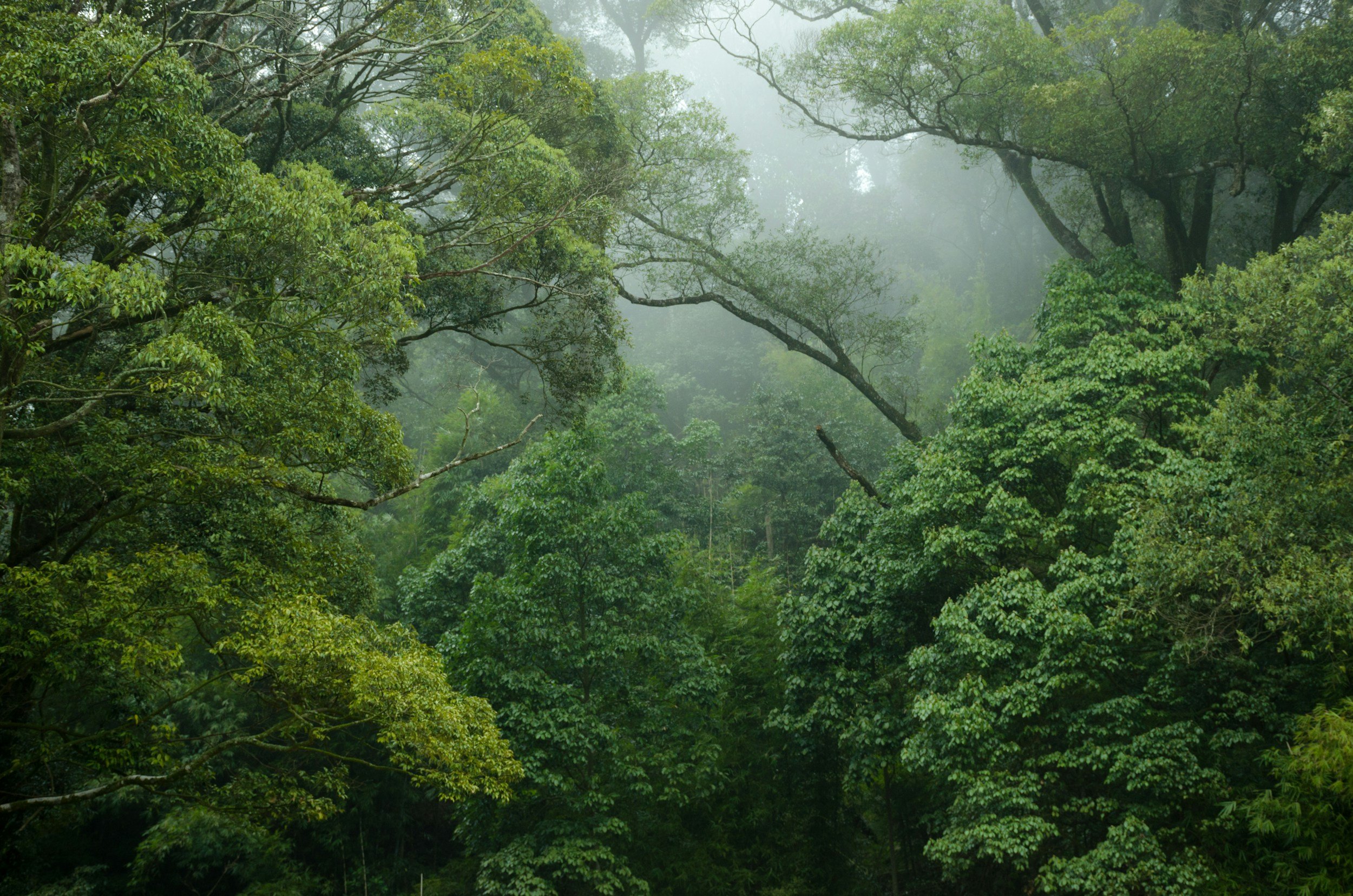
From compliance to Living Legacy
LASD Studio: Where Art and Nature Evolve into Living Legacy
AB 1572 may begin as a regulatory obligation, but it can become a generational opportunity for California communities.
The poorest outcome would be to remove nonfunctional turf, collect a rebate and leave everything else unresolved.
A landscape is not improved simply because it contains fewer square feet of grass.
It is improved when potable water is used responsibly; mature trees remain healthy; shade makes walking and gathering more comfortable; layered planting supports pollinators, birds and soil life; residents understand the transformation; and maintenance resources support a clear long-term vision.
A tree can provide identity, shade, habitat, stormwater interception and human comfort. A shrub layer can create privacy, protect soil and shelter wildlife. A groundcover can reduce erosion, moderate temperature and replace exposed mulch with living continuity. A functional lawn can remain a flexible social room. A former decorative strip can become a pollinator corridor, shaded path, rain garden or seasonal threshold.
That is the difference between turf removal and creating a long-term value for the community.
Regulation may initiate change. Thoughtful design determines whether that change produces a hotter, emptier landscape - or a resilient living system that becomes more valuable for decades to come.
Property-specific concepts and recommendations are developed following formal professional engagement. LASD Studio serves HOA and community landscapes throughout San Diego and Southern California.
This article provides general design and planning information and does not constitute legal advice. Classification and compliance questions should be confirmed with the HOA’s counsel, water provider and relevant authorities.