Landscape Design in Hillcrest San Diego - Baroque Garden Project
A Baroque-inspired garden in Hillcrest, San Diego. Designed with symmetry, geometric parterres, and sculpted greenery, this project revives the grandeur of European tradition while adapting to California’s climate and lifestyle.
A Timeless Symphony of Geometry, Ornament, and Elegance
The Baroque Garden in Hillcrest, San Diego, reinterprets the geometry, symmetry and theatrical composition of European Baroque gardens for a contemporary private residence in Southern California.
Rather than copying history literally, the project adapts classical garden principles - axial views, parterres, clipped planting, focal points, ornamental paving and water features - into a modern residential landscape shaped by California climate, lifestyle and maintenance realities.
This project demonstrates LASD Studio’s ability to work with historical garden languages as living design systems. Here, geometry is not decoration alone. It becomes a way to organize movement, frame architecture, create ceremony, guide views and transform a private garden into a composed outdoor room.
The result is a refined residential garden where heritage, structure and contemporary living meet.
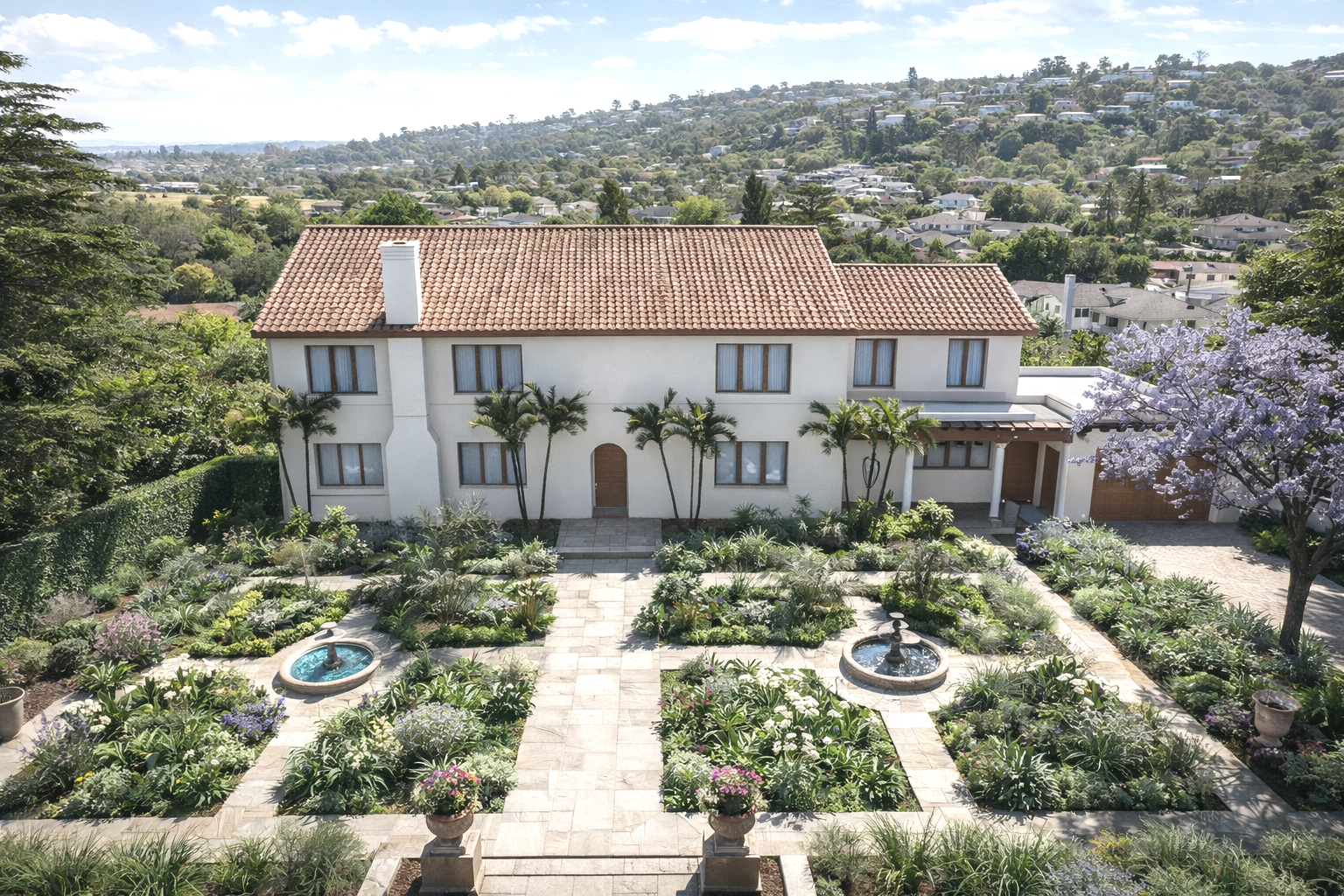
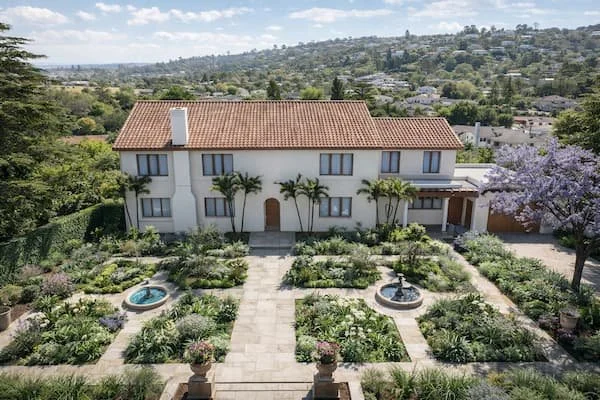
Baroque Garden design in Hillcrest, San Diego. Architectural visualization of vision.
Baroque gardens emerged in 17th century Europe as an extension of architecture into land. Not as decoration, but as structure.
In France and Italy, landscape was organized through long axes, controlled views, and precise ground geometry. Space was read from the house outward. Lines were not arbitrary. They directed movement, framed perspective, and established order.
Designers like André Le Nôtre refined this into a clear spatial language. A central axis anchors the composition. Secondary axes extend and balance it. Parterres define the ground plane. Water reflects light and stabilizes the visual field.
The garden becomes legible. You understand where you are, where you are moving, and how the space is held together.
Video walkthrough of a Baroque-inspired garden in Hillcrest, San Diego, showcasing parterres, symmetry, clipped hedges, fountains, and ornamental design adapted to Southern California living.
Baroque gardens were intended to illustrate the mastery of man over nature in a well structured composition to support architecture of the estate.
Baroque Garden Design Logic in Southern California
The Baroque approach remains relevant because it is not dependent on climate. It is based on structure.
Geometry organizes the site. Paths define circulation. Planting is layered and controlled, not spread loosely across the ground. Clipped forms are used with restraint. Mediterranean and drought-tolerant species replace traditional European palettes.
Water is reduced, but still present as a point of focus.
What remains is the underlying order. Not a historical reconstruction, but a translation into local conditions.
Relationship to Spanish Colonial Revival
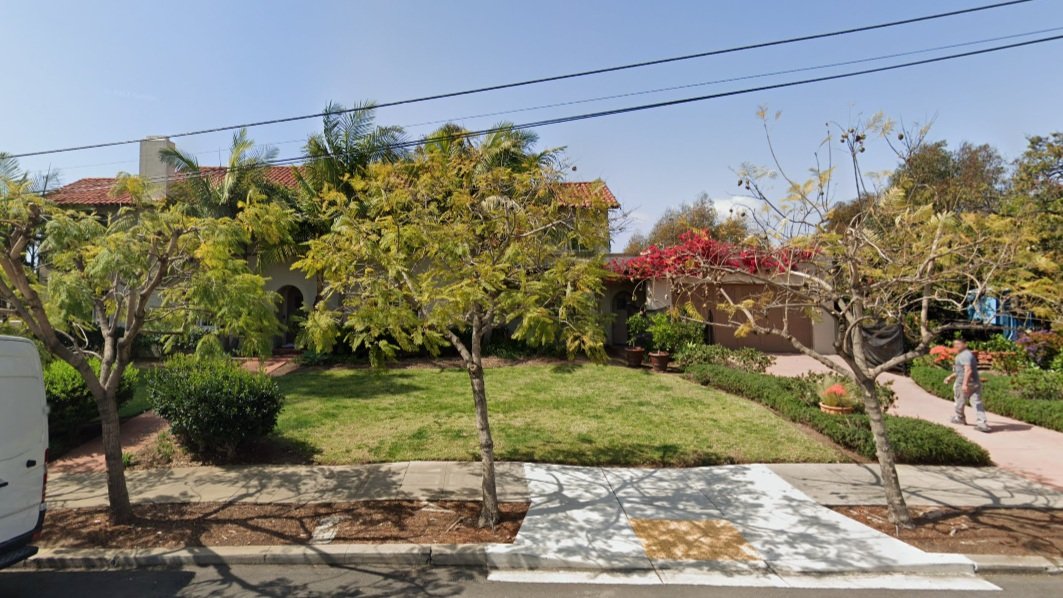
Spanish Colonial Revival architecture already carries this logic. In fact there are elements of Baroque architecture that influenced development of Spanish Revival Architectural style. In this proposal - what you see, is symmetry, entry alignment, the way courtyards are framed and defined. Open space is not accidental - It is in order.
This creates a direct connection to Baroque landscape principles.
The garden extends the architecture rather than competing with it. The central axis aligns with the entry. The foreground is held by geometry. Planting softens edges without dissolving structure.
Stone, shadow, and vegetation operate together as one system.
Please visit out
Series of Styles and Epochs of Art that Influenced Landscape Architecture and Garden Design.
Section #4 - The Spectacle of Renaissance & Baroque Gardens
Central to the design is the orchestration of space through symmetry, parterres, and focal points, creating a theatrical garden experience where every path and vista is carefully choreographed. Sculptural plantings, clipped hedges, and decorative paving set the stage, while water features and garden ornaments add layers of refinement.
Beyond its architectural beauty, the garden has been carefully planned with sustainable planting selections that honor the spirit of Baroque grandeur while ensuring year-round vibrancy in San Diego’s environment. This fusion of heritage and innovation results in a living work of art - a private sanctuary that reflects both cultural richness and modern luxury living.
Long Term Performance of Structured Landscapes
A structured landscape changes how a property functions over time.
Movement becomes intuitive. Views are intentional. Maintenance becomes predictable.
The site holds its form as it matures. This is where historical discipline meets contemporary performance. Not style as an image, but as a framework that supports the landscape over decades.