

From Neo-Georgian Order to California Wildness Garden
Set above the Pacific in La Jolla, this Neo-Georgian estate garden is conceived as a living composition of architecture, horticulture and ecological process. Formal terraces and a bespoke Hartley Botanic orangery gradually give way to meadow, habitat and the California horizon.
A Garden of Heritage, Art, and Evolving Life
A Neo-Georgian Revival Estate Garden in La Jolla
The residence possesses a distinctive Neo-Georgian / Colonial Revival character: architecture built upon proportion, hierarchy, repetition and an unmistakable sense of permanence. The challenge for LASD Studio was therefore not to place a new garden around an existing house, but to ask a more demanding question:
What kind of landscape could belong to this architecture so completely that house and garden would begin to read as one composition?
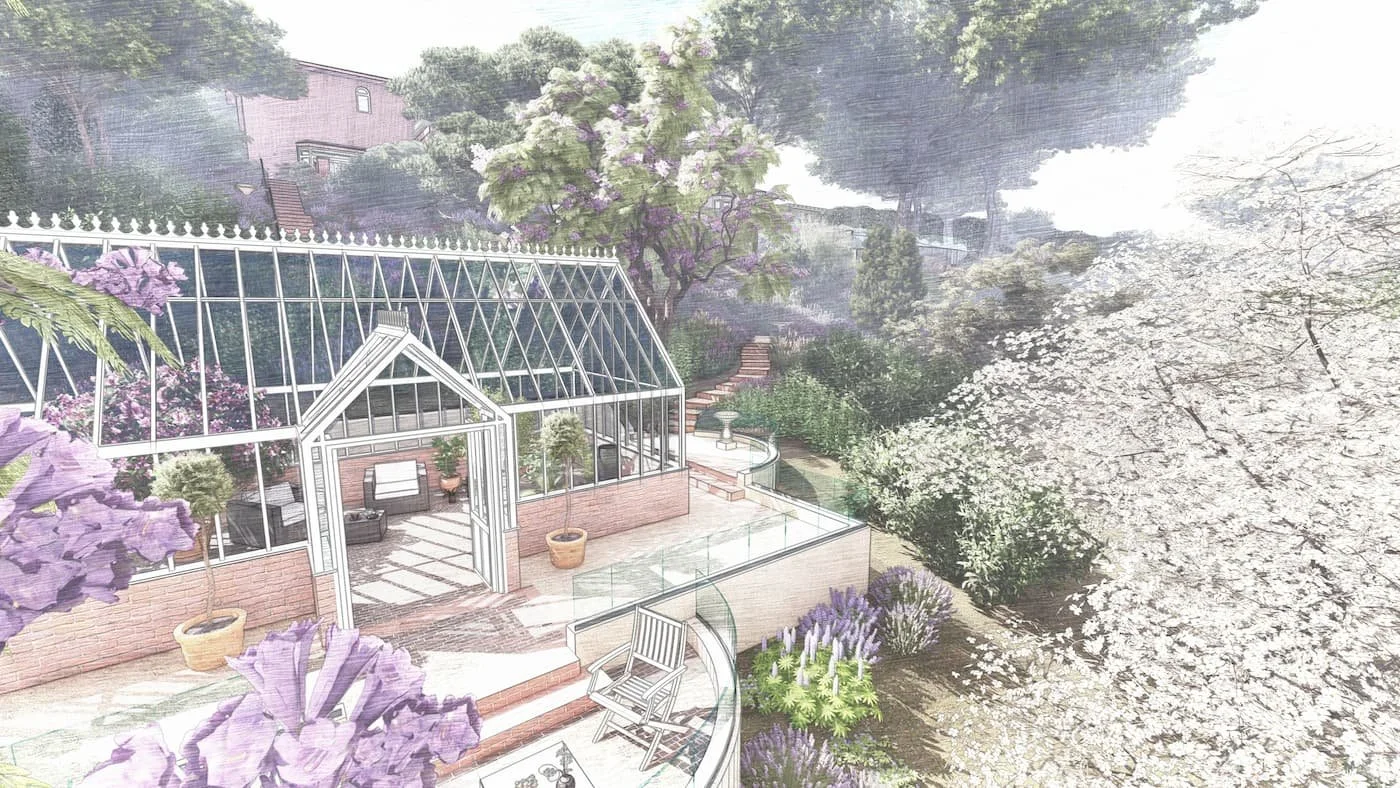
Neo Georgian Revival Garden with Hartley Botanic Orangery
Location: La Jolla, Southern California
Project Type: Private Residential Estate, Neo-Georgian Revival Garden
Design Scope: Estate Master Planning, Garden Design with Glass house - Orangery by Hartley Botanic, Planting Design, Hardscape Design and Coordination, Custom Architectural Details, Irrigation Strategy, Drainage and Stormwater Planning, Lighting Design, Habitat and Biodiversity Design, and Construction Documentation
Orangery: Bespoke Hartley Botanic Orangery, England
Construction: Landscape & Beyond, Project Management - John Beaudry
Construction cost: $850,000
Project Status: Built
Landscape Design Authorship & Project by: LASD Studio US and LASD Studio Spain
Landscape Designer: Yura Lotonenko
Video presentation of Neo- Georgian Revival Estate in La Jolla.
A Garden of Heritage, Art, and Evolving Life
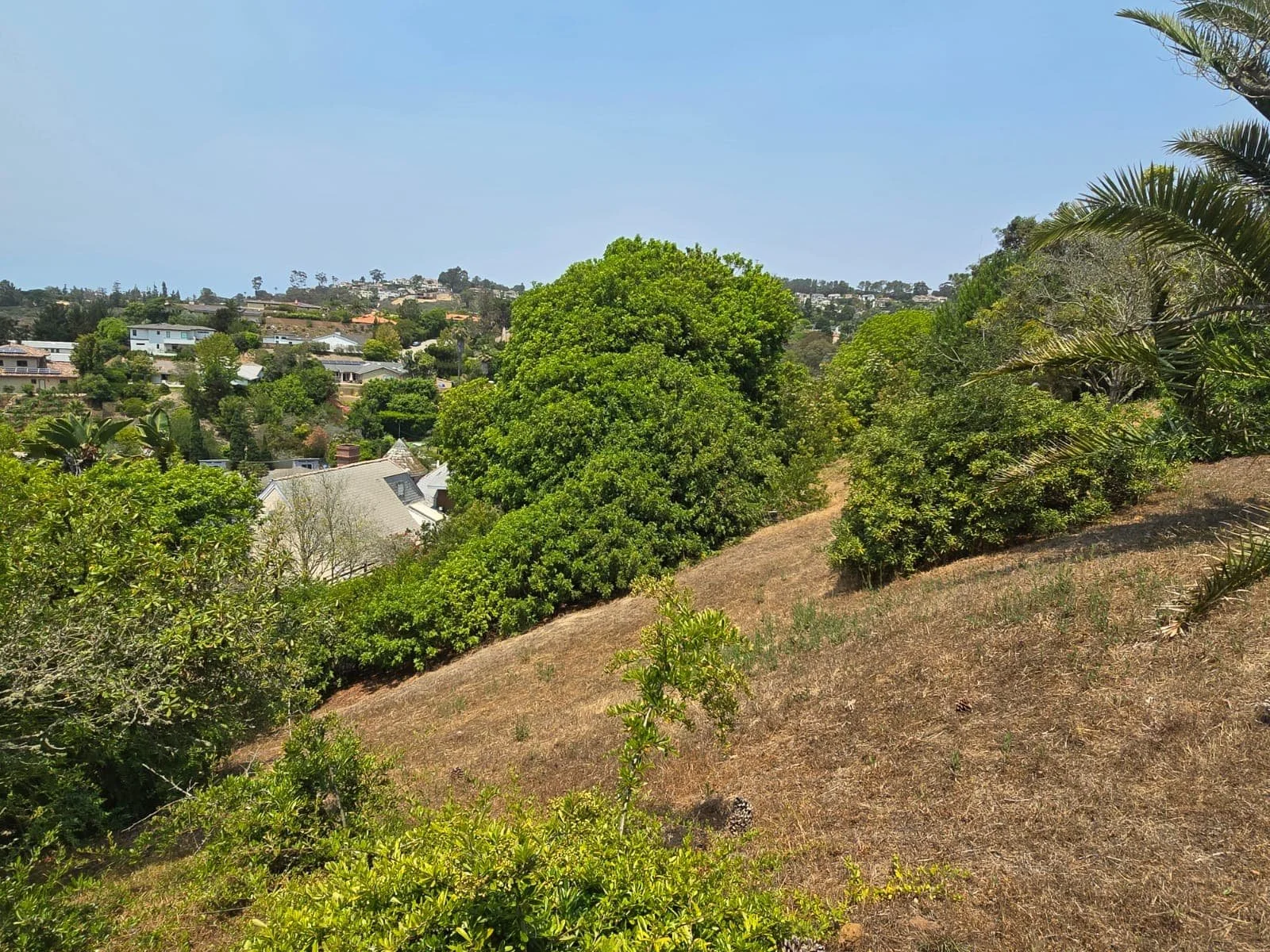
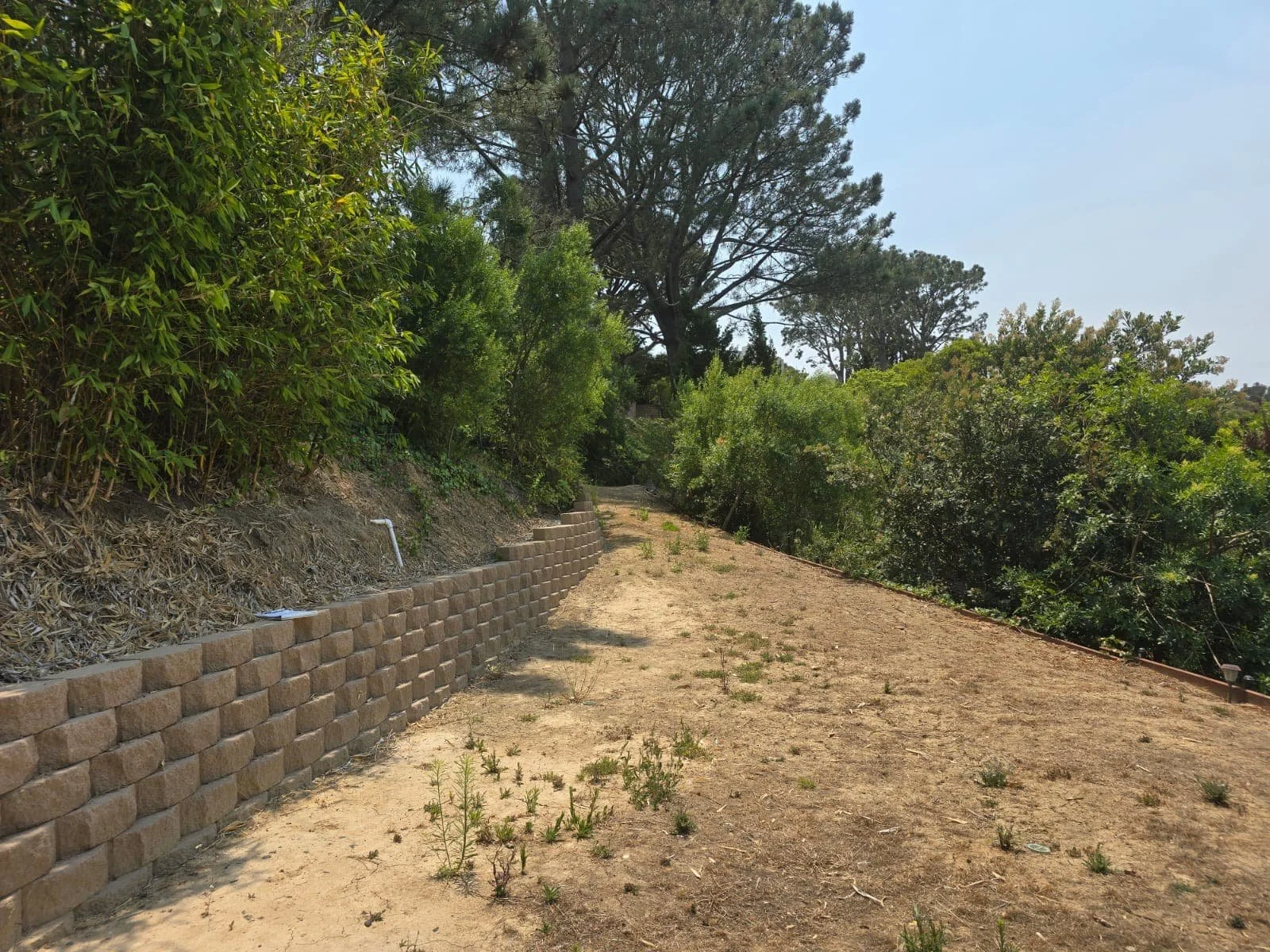
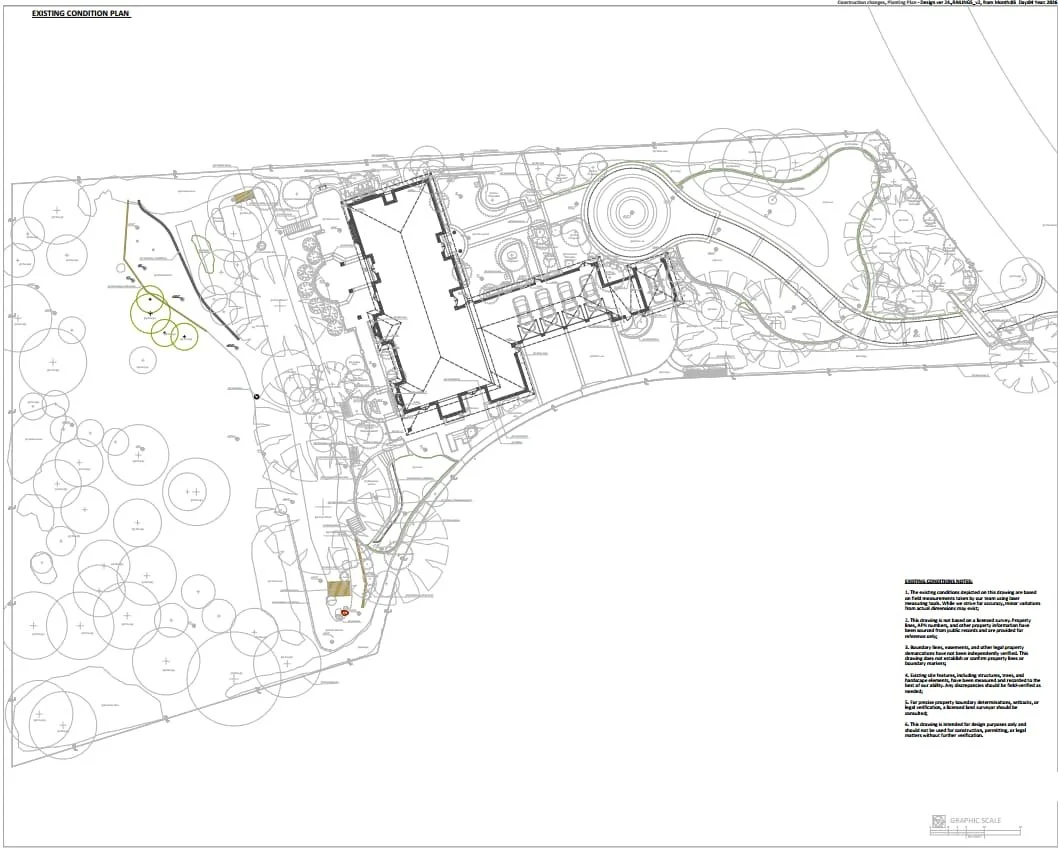
Existing Condition
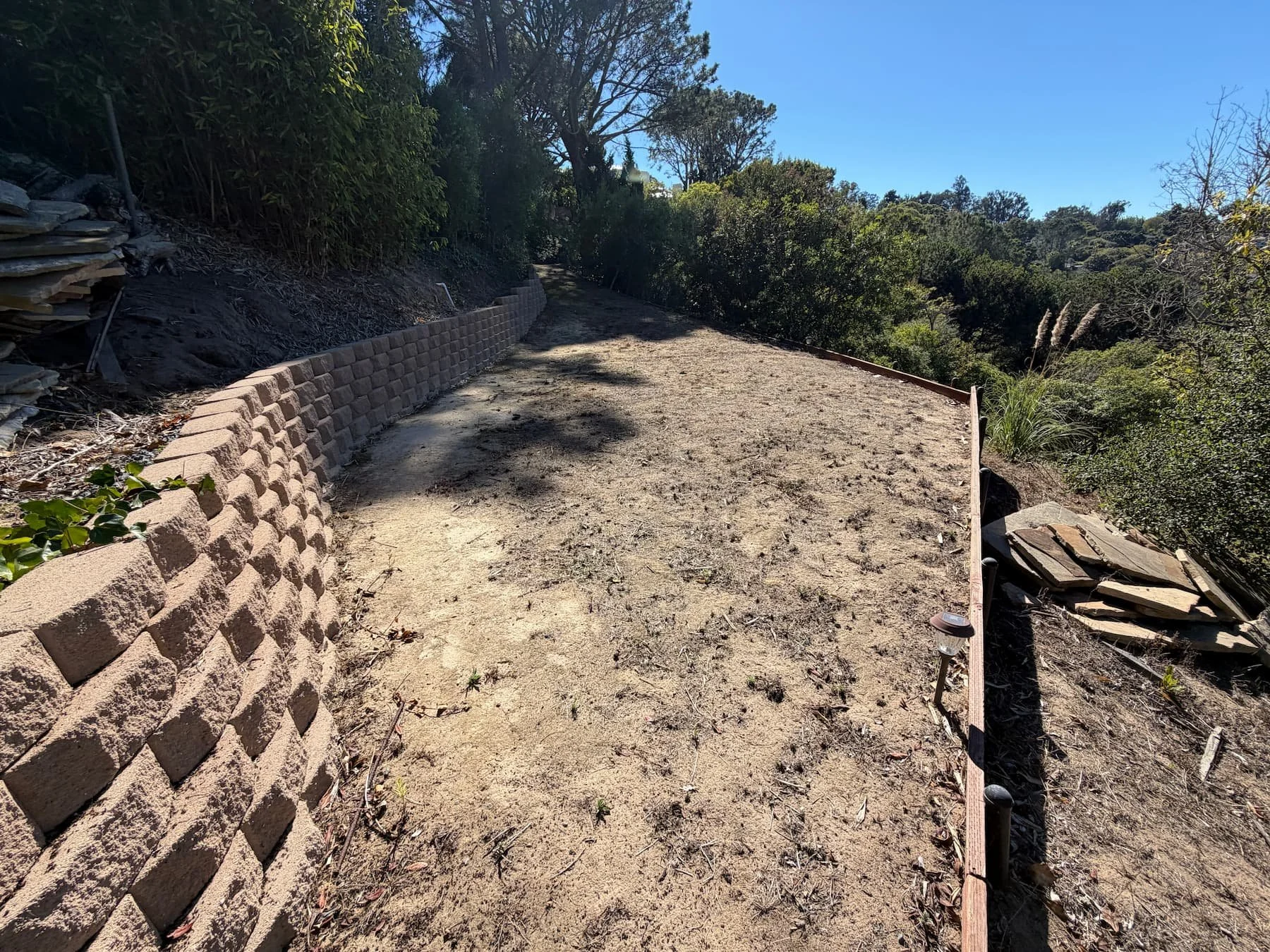
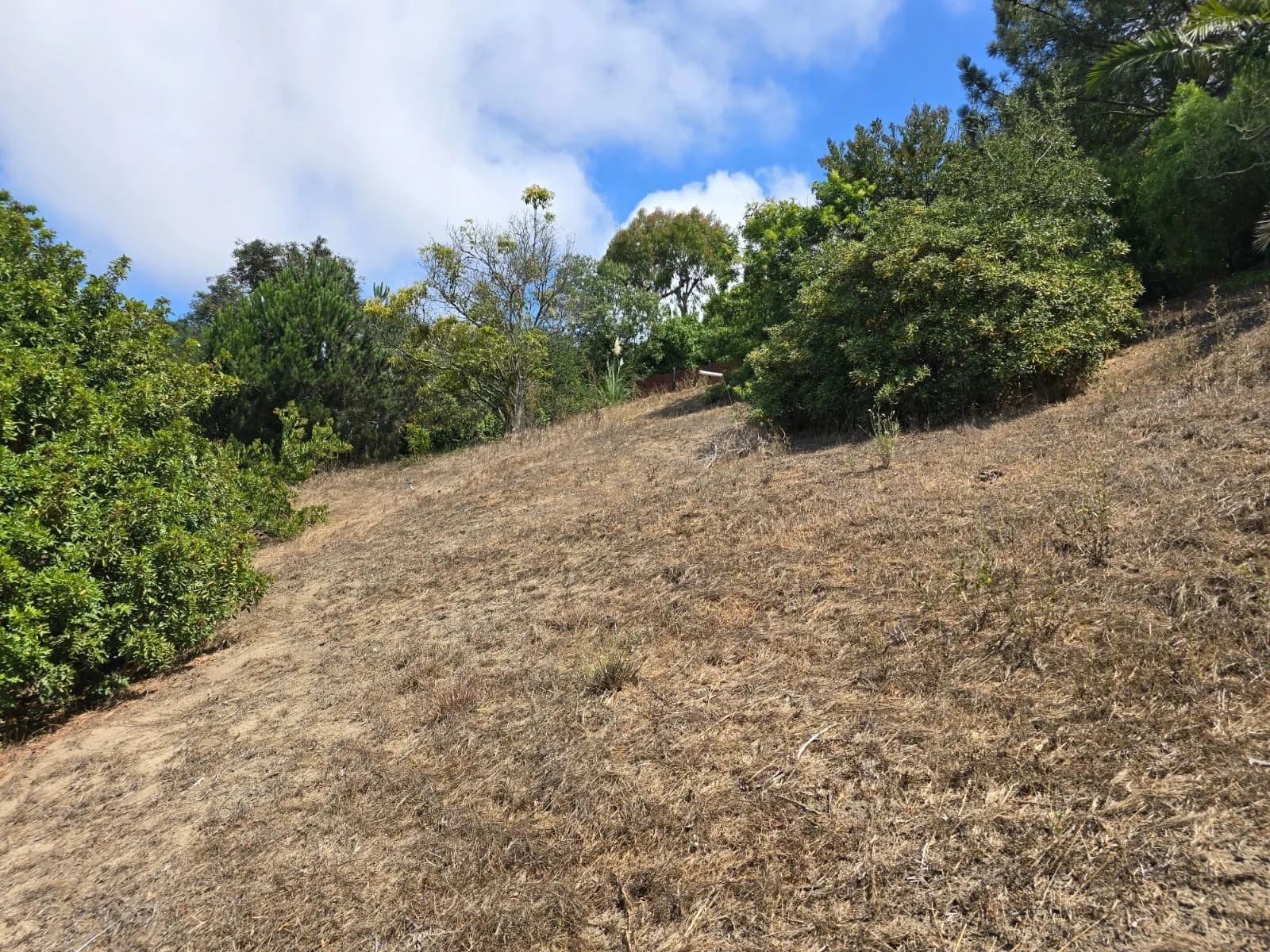
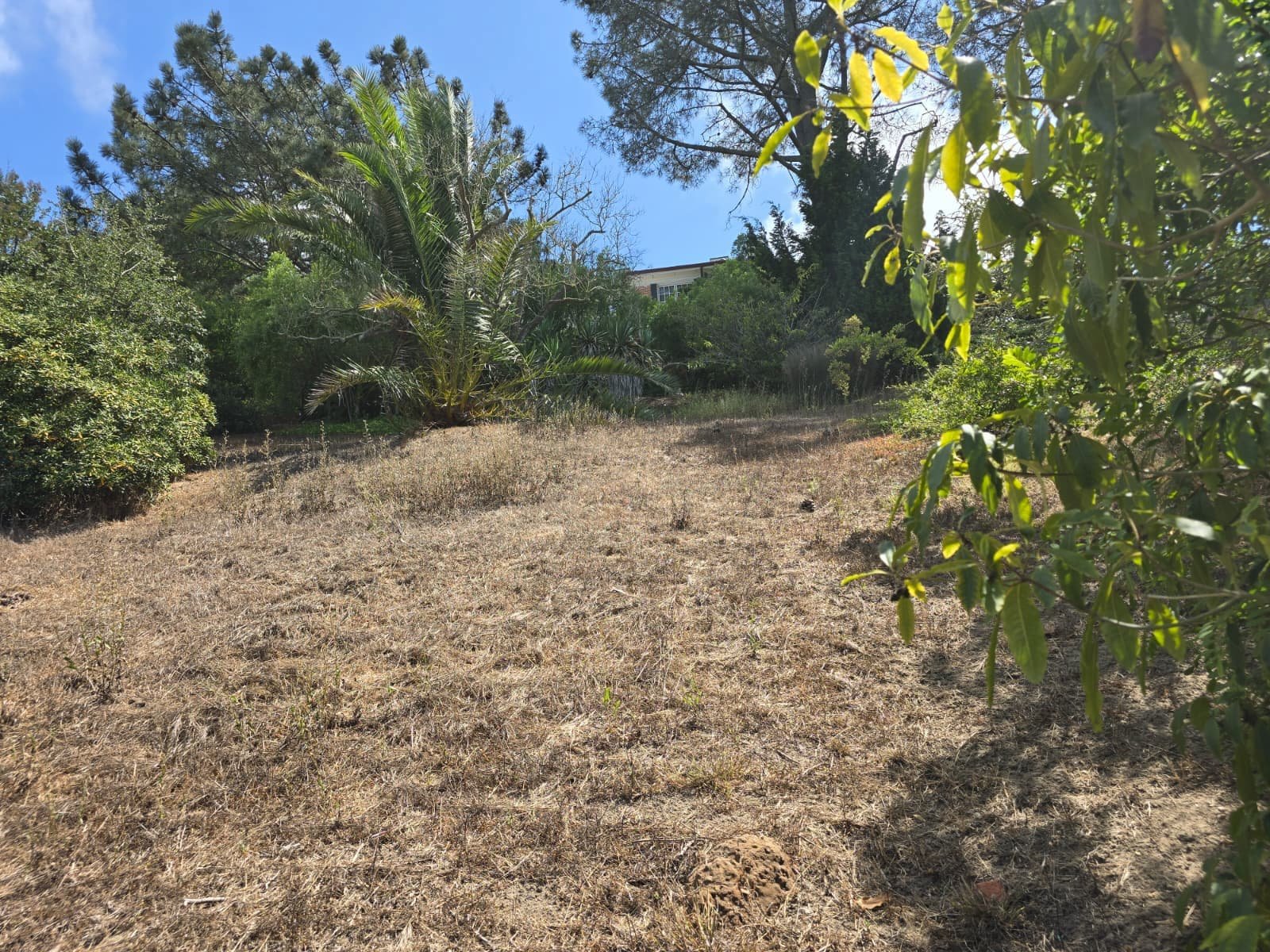
Slope Garden, untouched with potential.
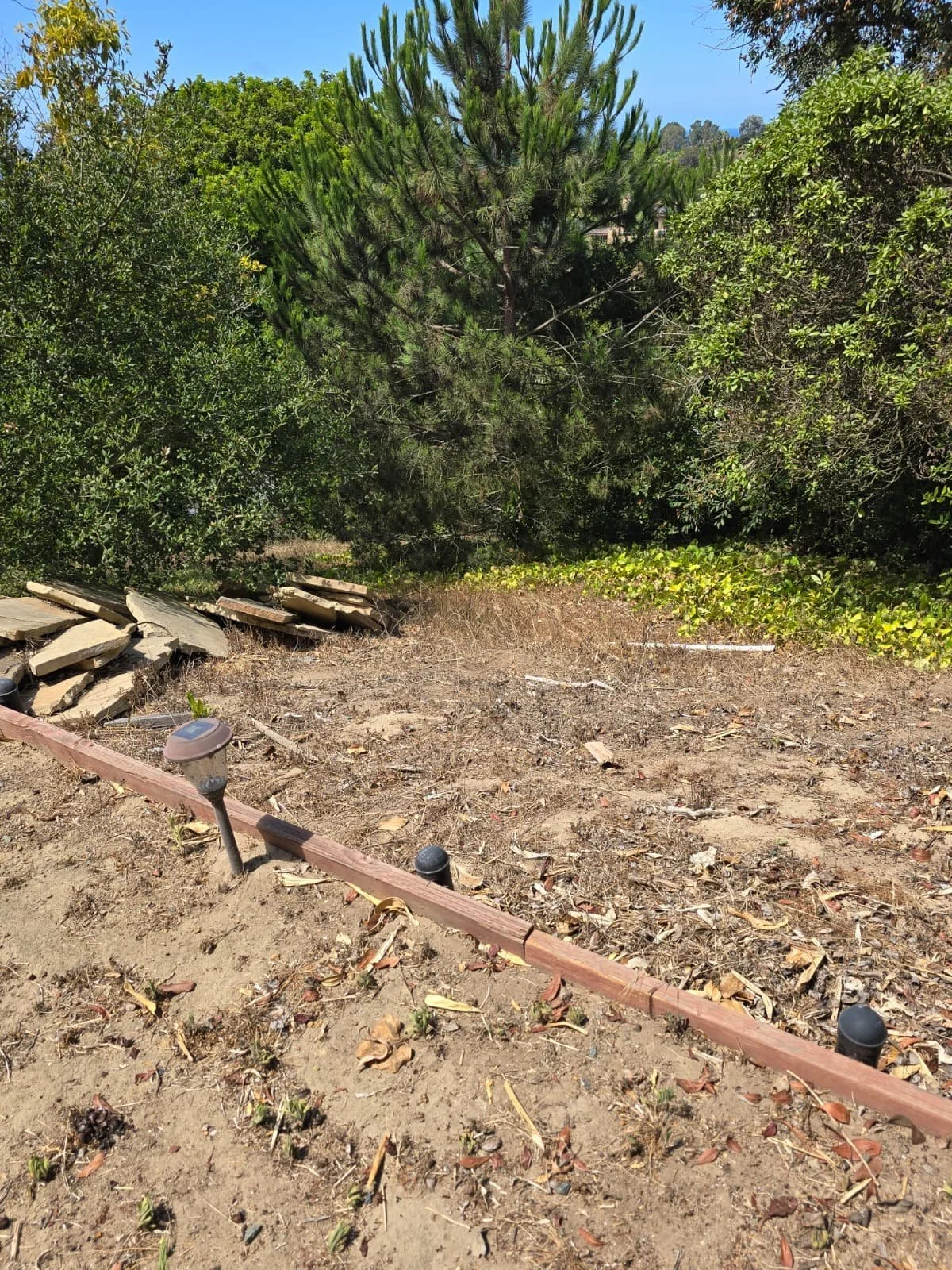
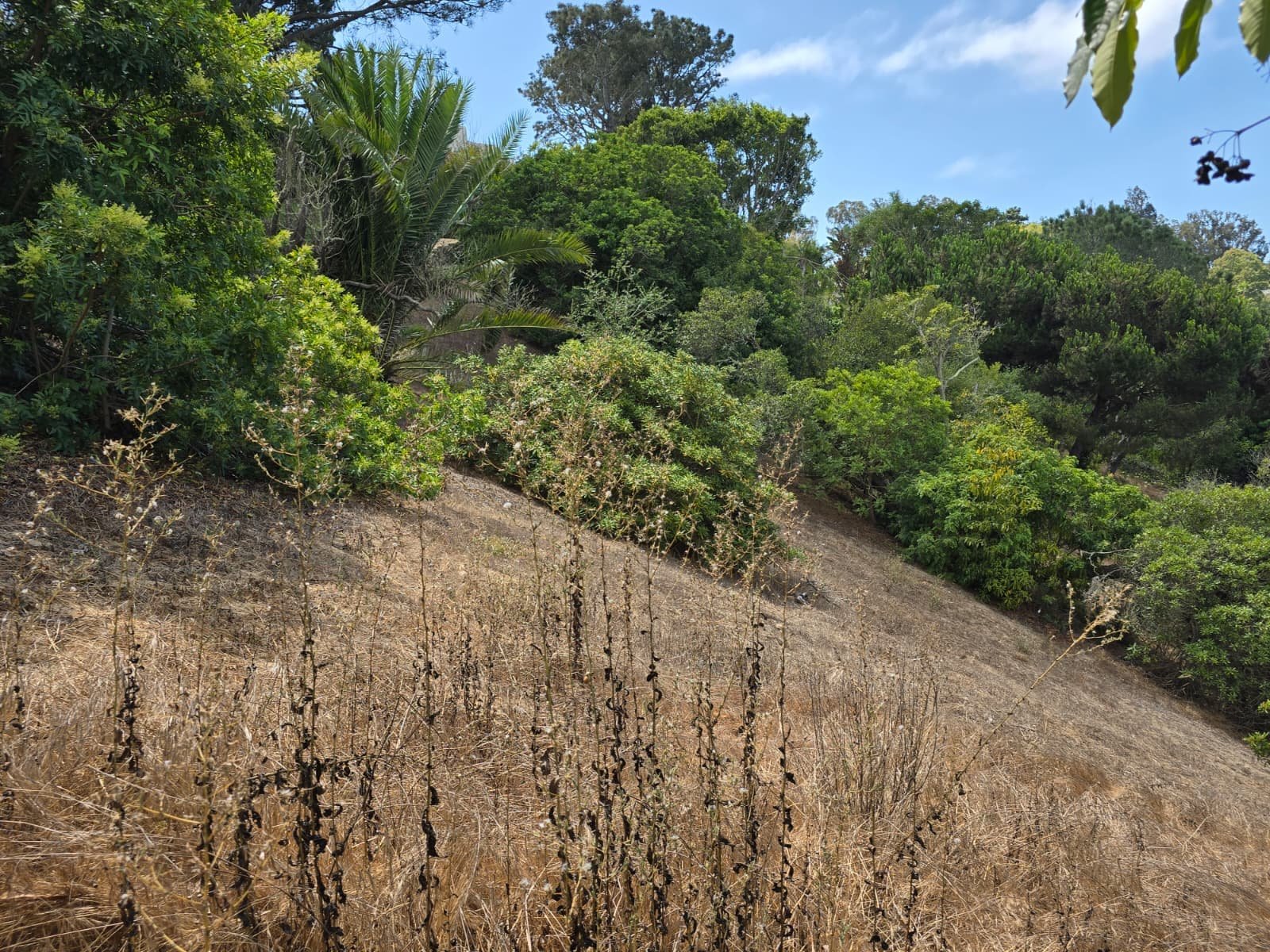
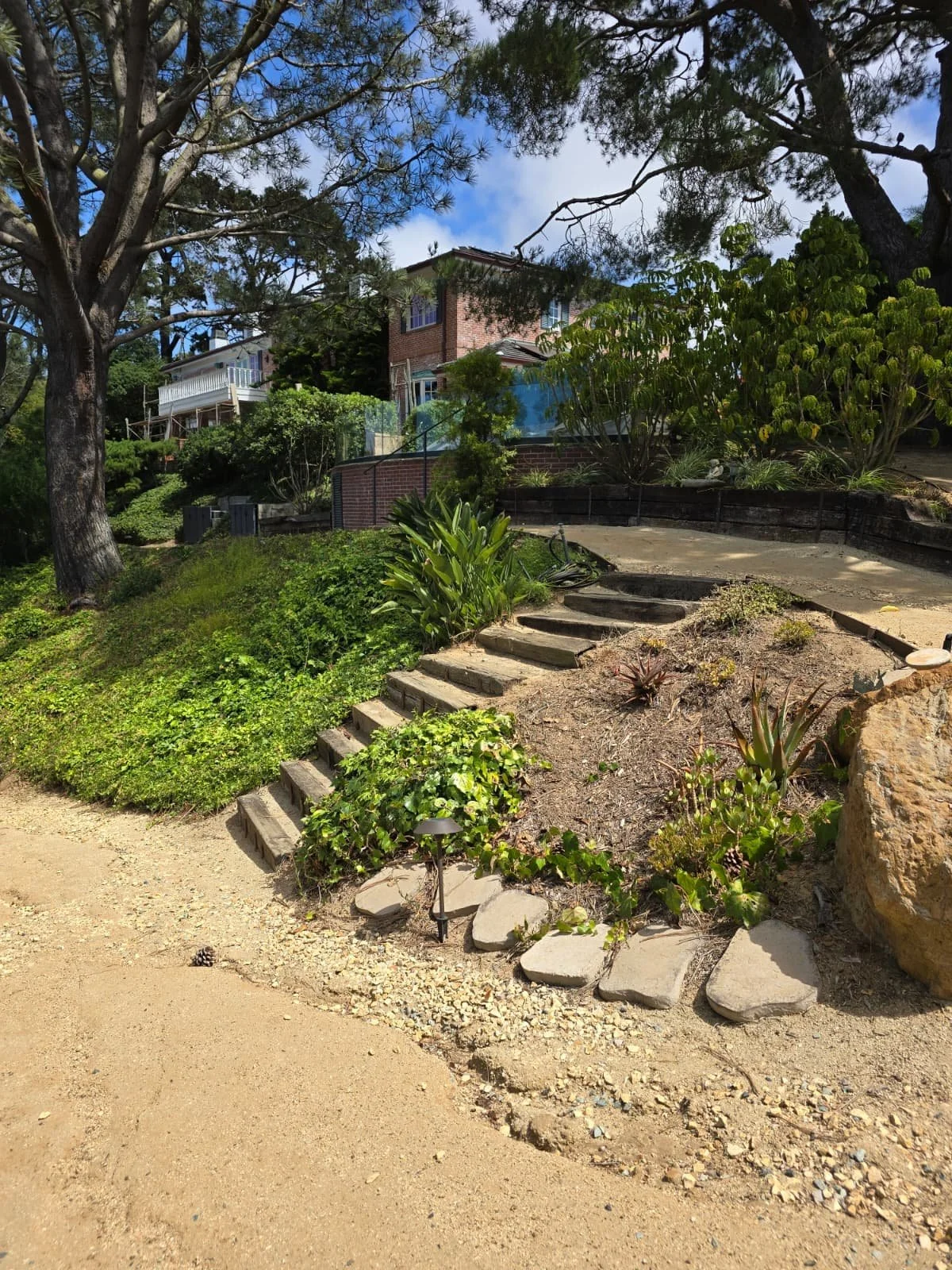
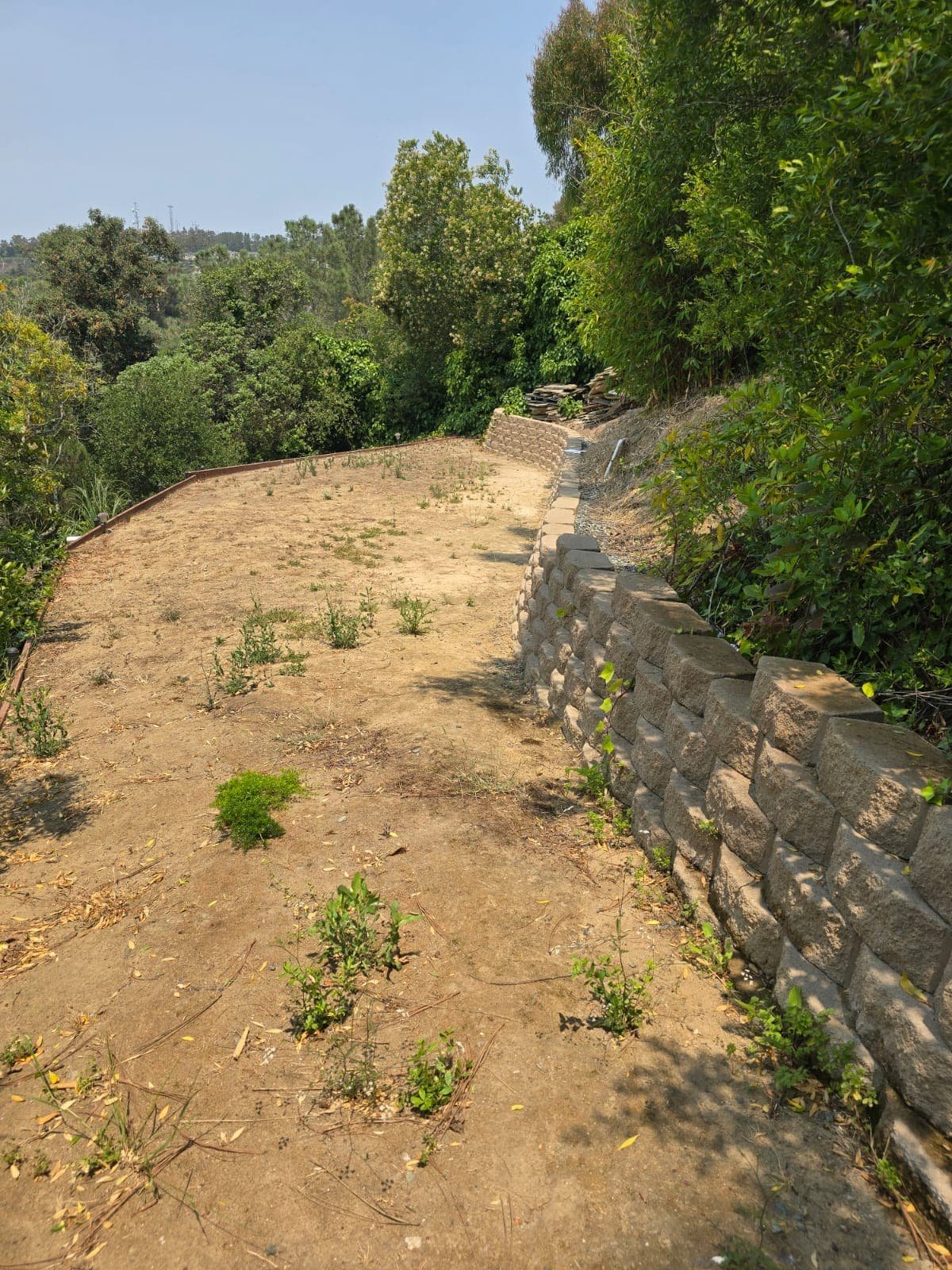
A Garden Imagined for Twenty Years
The project began with a deeply personal gesture. The owner approached LASD Studio with the wish to create a garden for his wife - a place she had imagined for more than twenty years. Their estate extends across a generous hillside in La Jolla, where the lower slope had remained a broad field of grass, difficult to enter and largely absent from the rhythms of daily life.
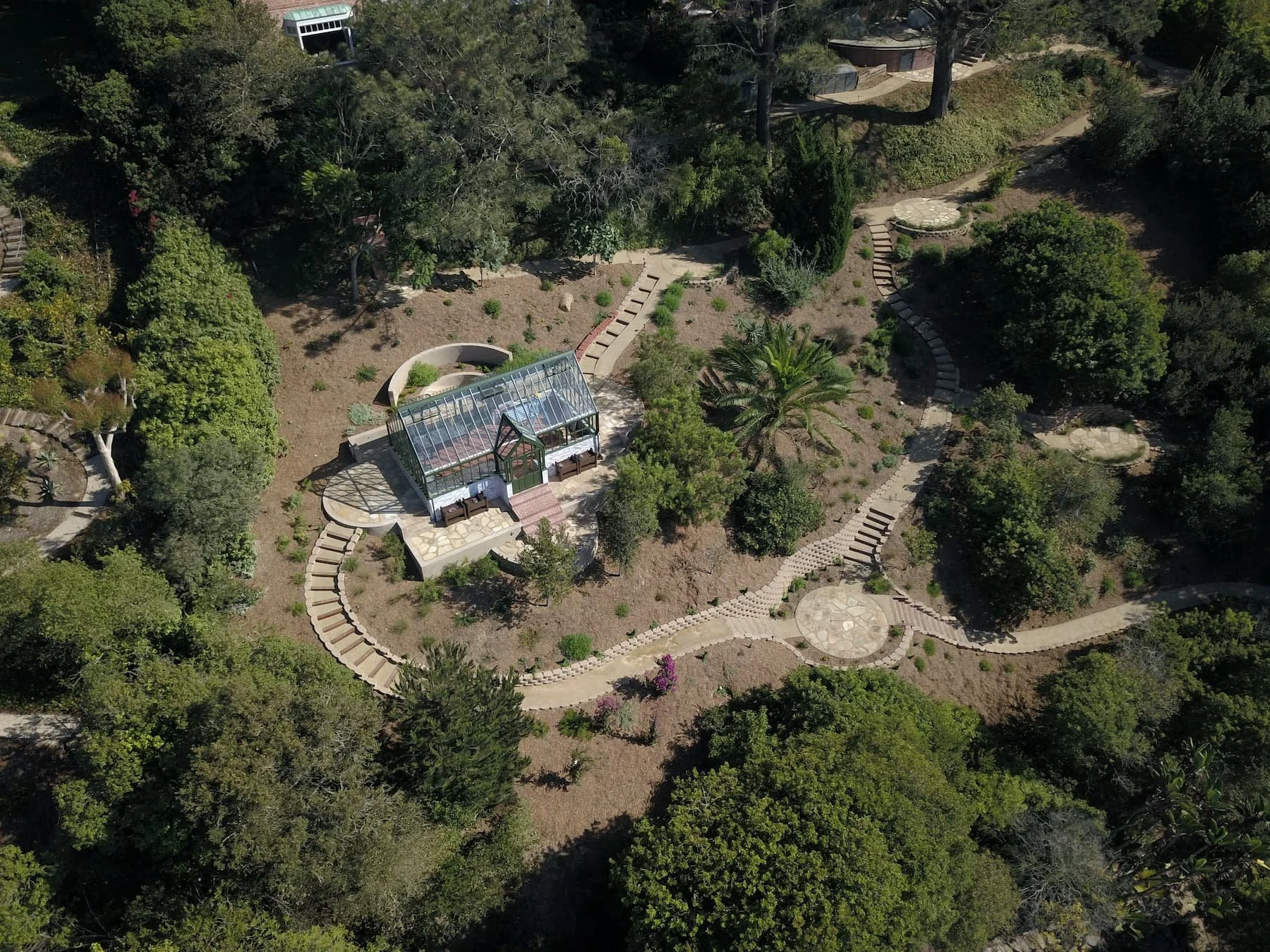
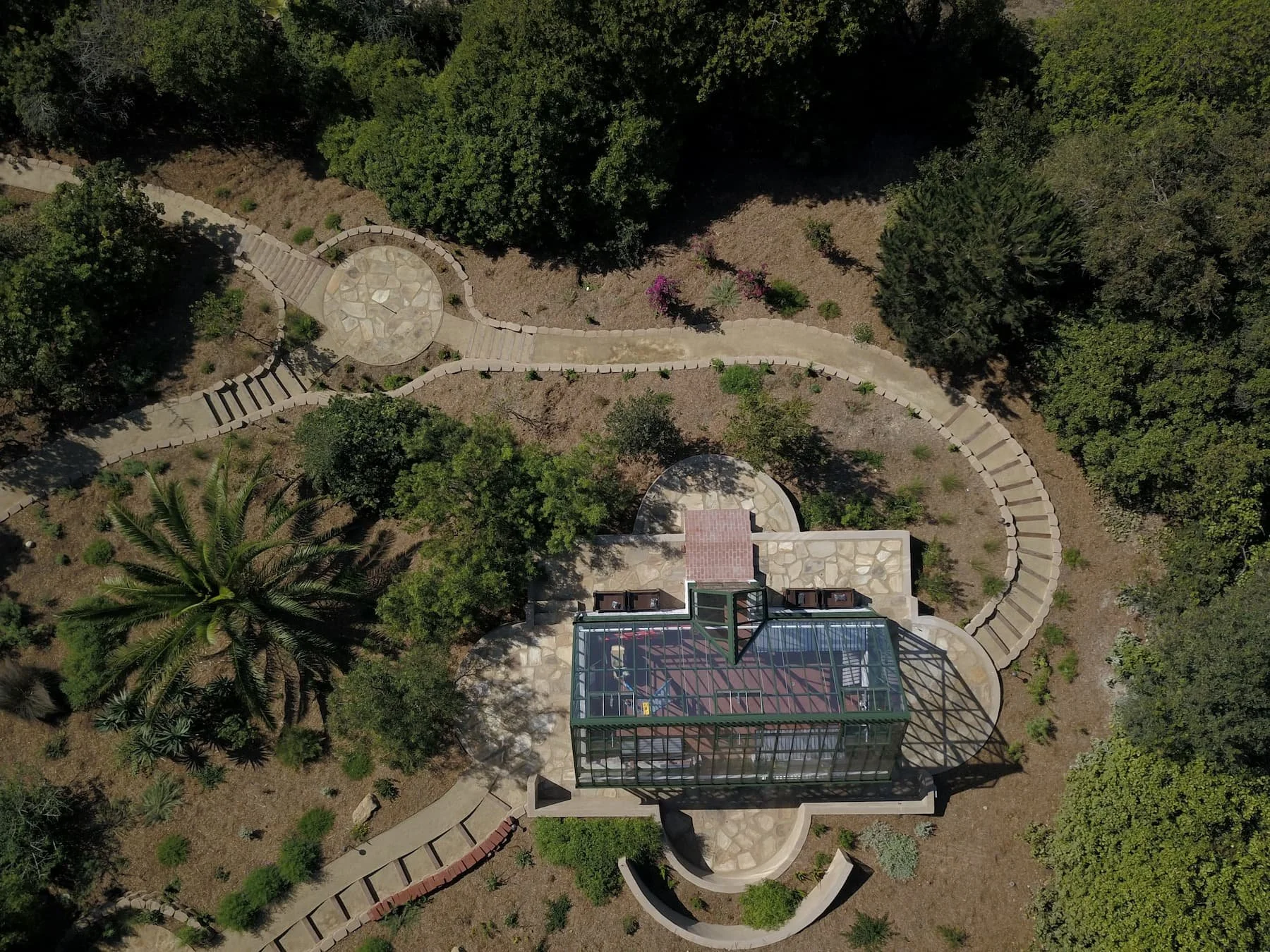
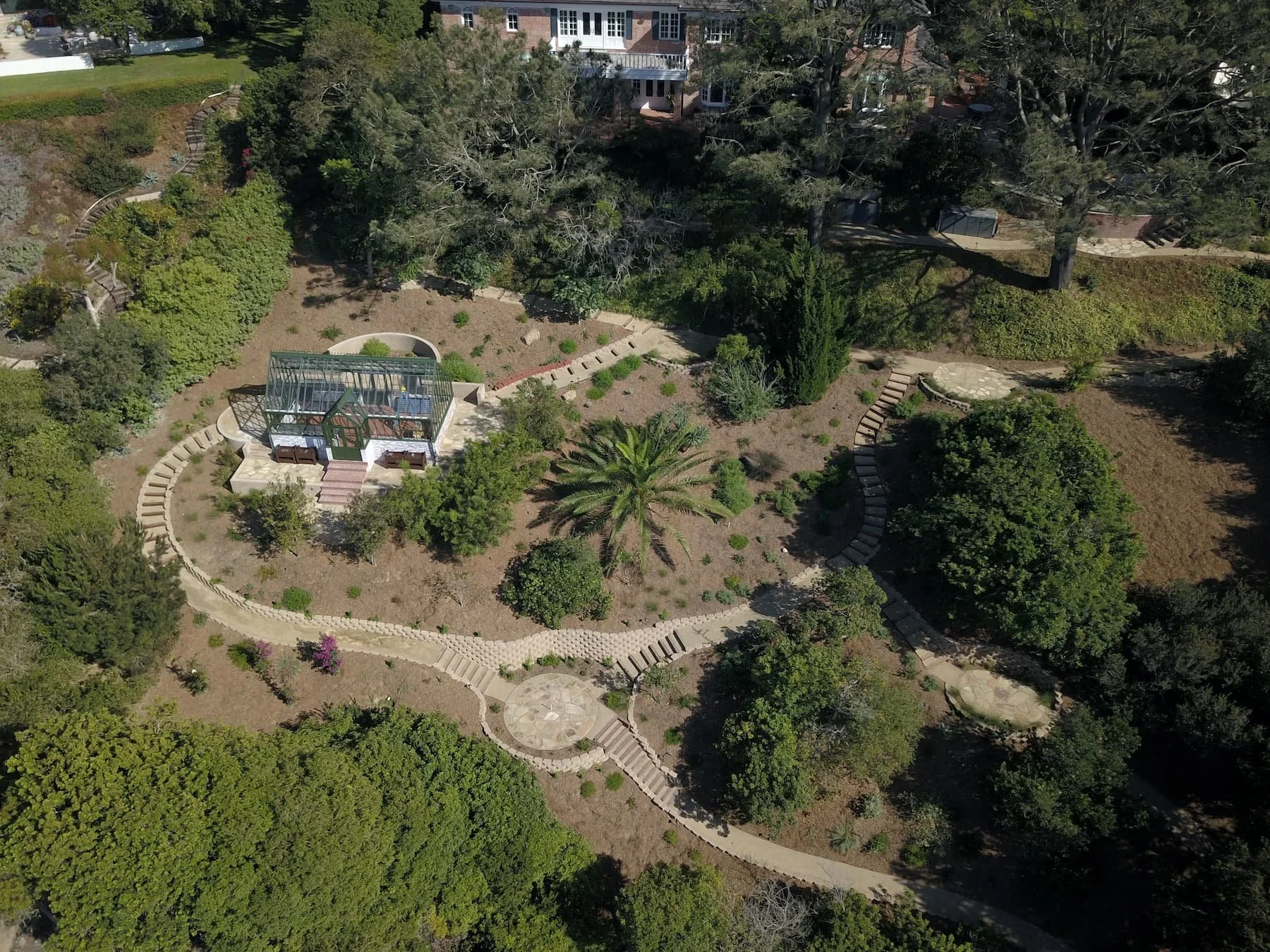
Her long-held wish became the emotional foundation of the design. We began with the proportions, symmetry and material language of the Neo-Georgian residence, allowing the garden to unfold across the slope as a sequence of destinations. Paths make the land accessible; terraces create places for conversation, dining and reflection; formal planting gives structure to the journey; and a bespoke Hartley Botanic orangery forms its horticultural heart.
As the garden moves deeper into the estate, geometry opens into flowering layers, meadow, habitat planting and the Pacific landscape. Architecture, horticulture and ecological process are woven into one living composition - a garden shaped for family life, cultivated over time, and rooted in the original promise from which the project began.

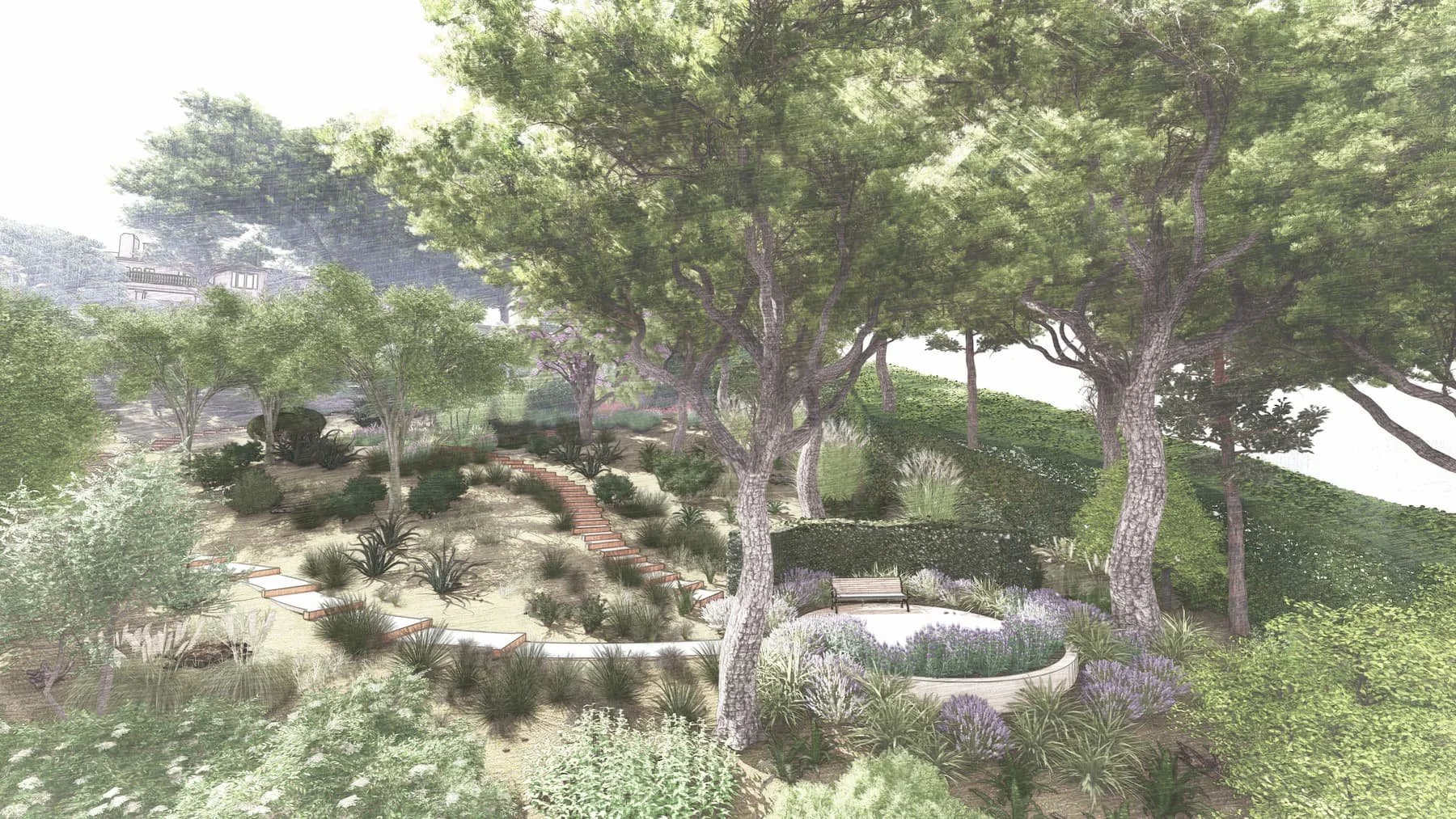

The First Garden Appeared in Drawings
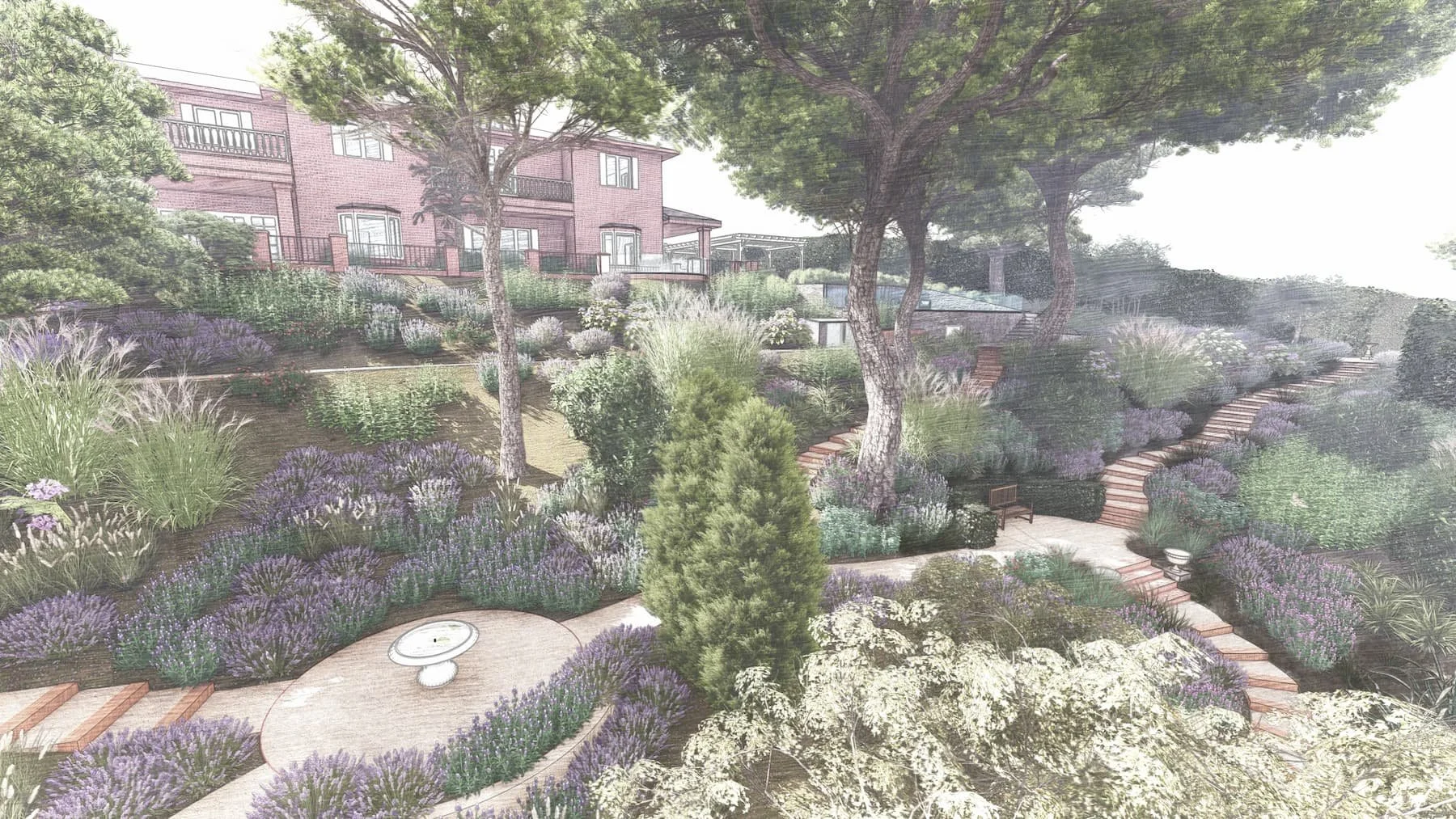
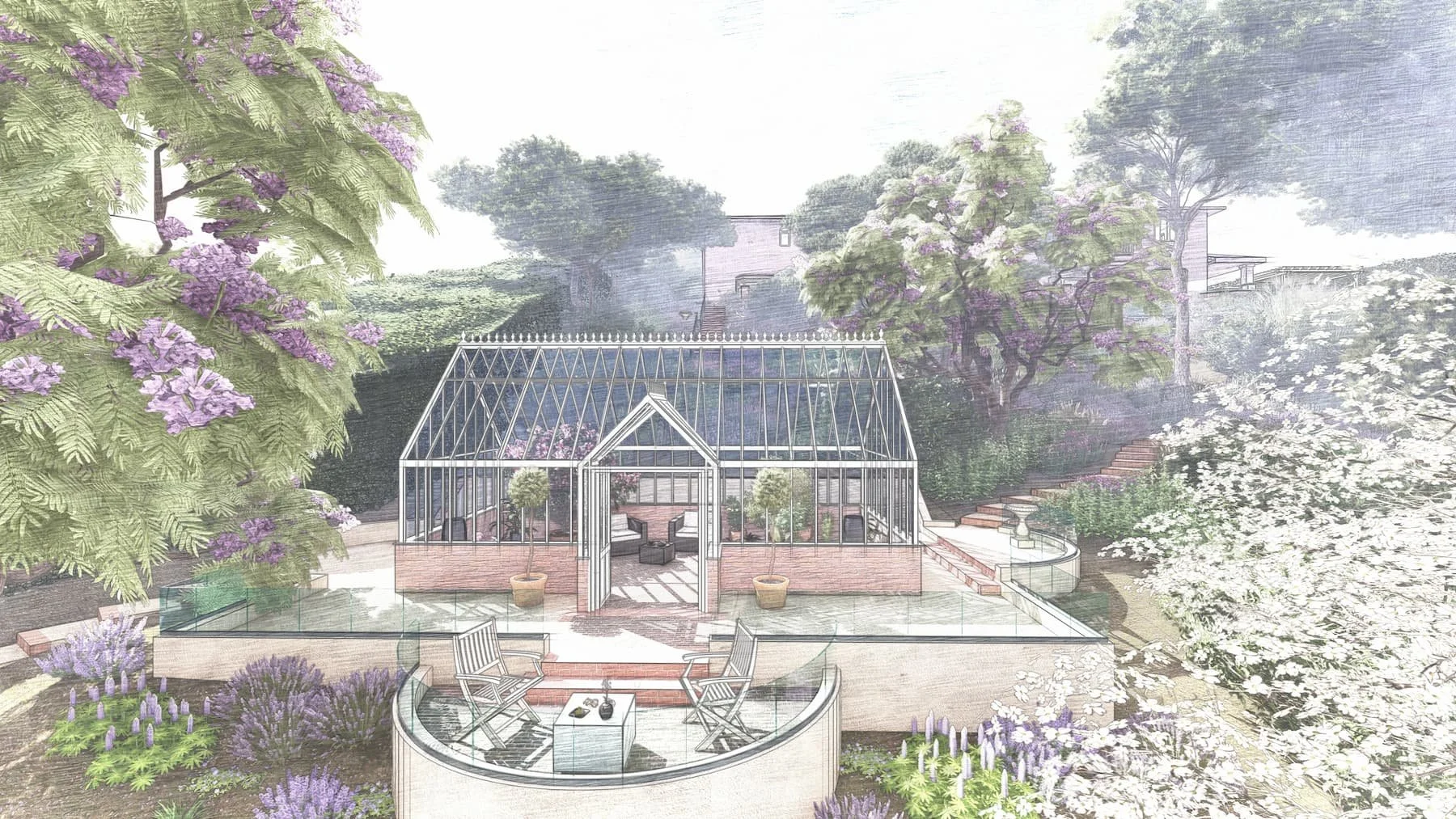
While the slope still held only grass, the first three-dimensional studies gave the owners a way to enter the future garden.
Each view tested a real spatial decision: the distance between terraces, the height of retaining walls, the approach to the orangery, the rhythm of paths and the depth required for planting to create enclosure. The visualizations followed the movement of the eye as carefully as the movement of the body. They established when the orangery would first appear, how the architecture would frame it and where the Pacific landscape would begin to enter the composition.
The house provided the first measure through its symmetry, proportions, brickwork and iron detailing. Those architectural qualities extended into the garden through walls, steps, terraces and planted structure.
The images developed alongside the design. They allowed individual spaces to be examined while preserving the coherence of the estate as a whole.
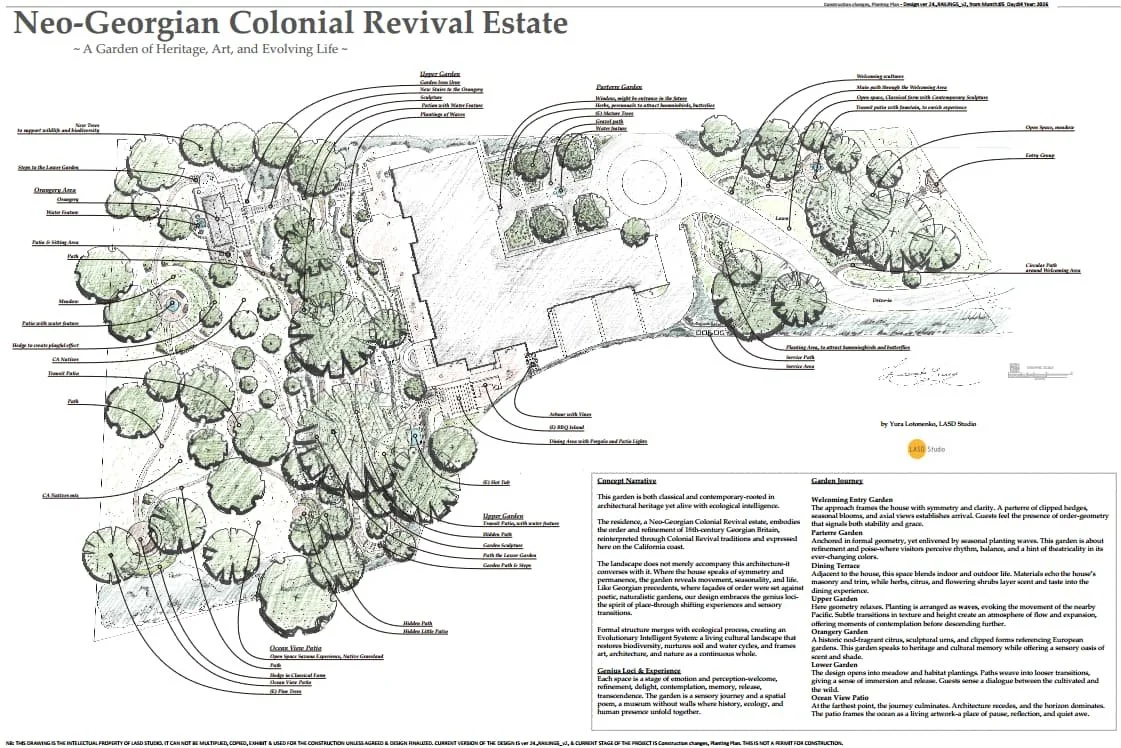

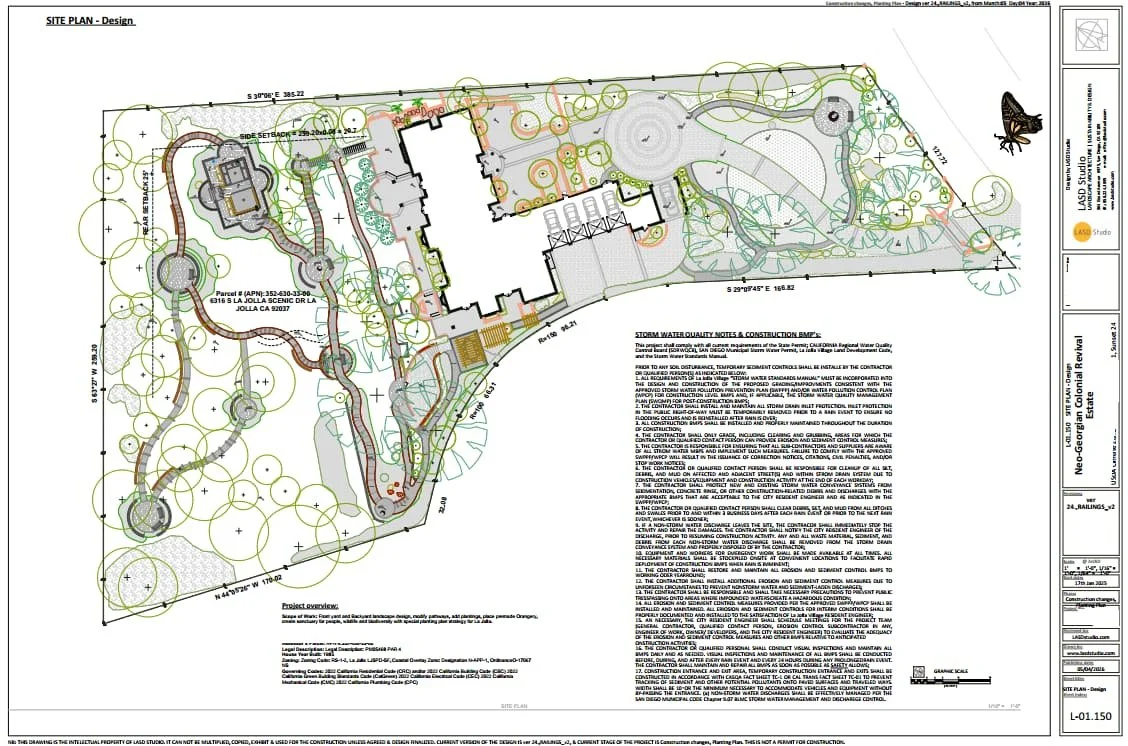





An Estate Composed as a Holistic Sequence of Experiences
The master plan gathers the property into a clear spatial order.
The arrival garden and parterre remain closely connected to the Neo-Georgian residence. Geometry is legible here. Clipped planting defines the edges, paths establish direction and the proportions of the house continue into the landscape.
The dining terrace draws family life outdoors. It occupies the threshold between the residence and the wider estate, bringing planting, fragrance and seasonal change close to everyday routines.
Further into the property, the upper garden begins to respond to the scale of the land. Planting gains depth and movement. The composition becomes increasingly atmospheric as the paths descend toward the orangery, the lower garden and the Pacific view.
The slope gives the garden its pace. Each change in level reveals another space, and each space prepares the experience that follows.
The Idea Enters the Drawing Set
Once the spatial structure had been established, its consequences were developed at construction scale.
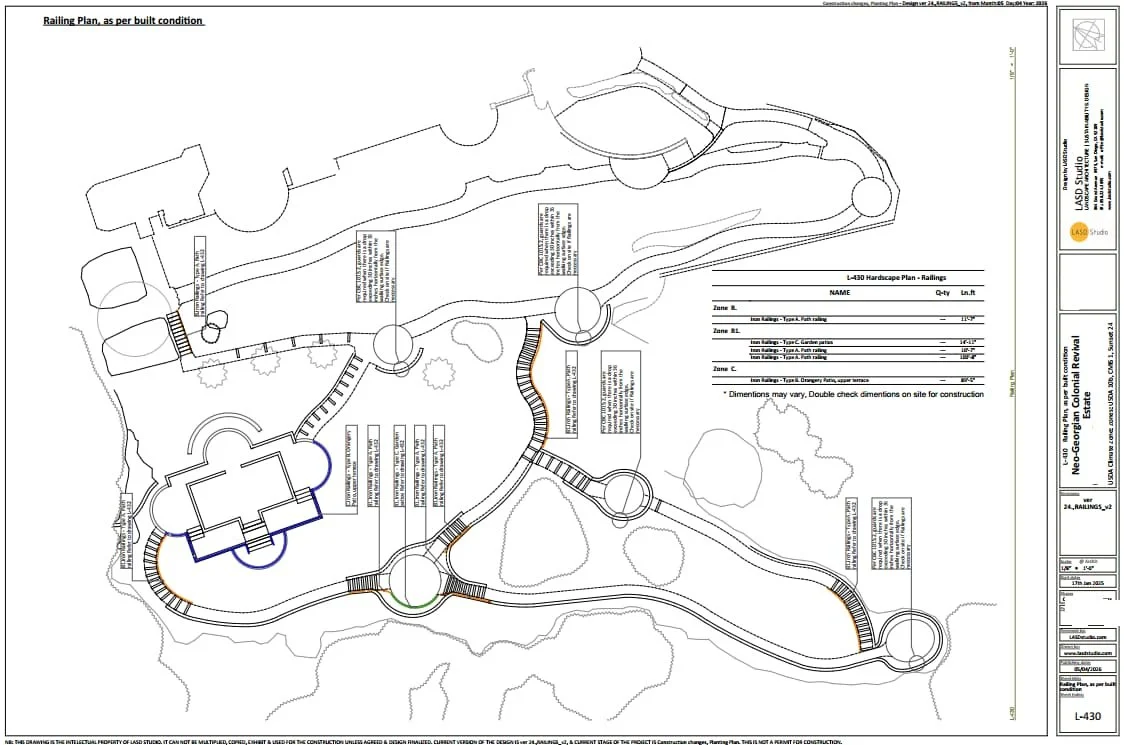
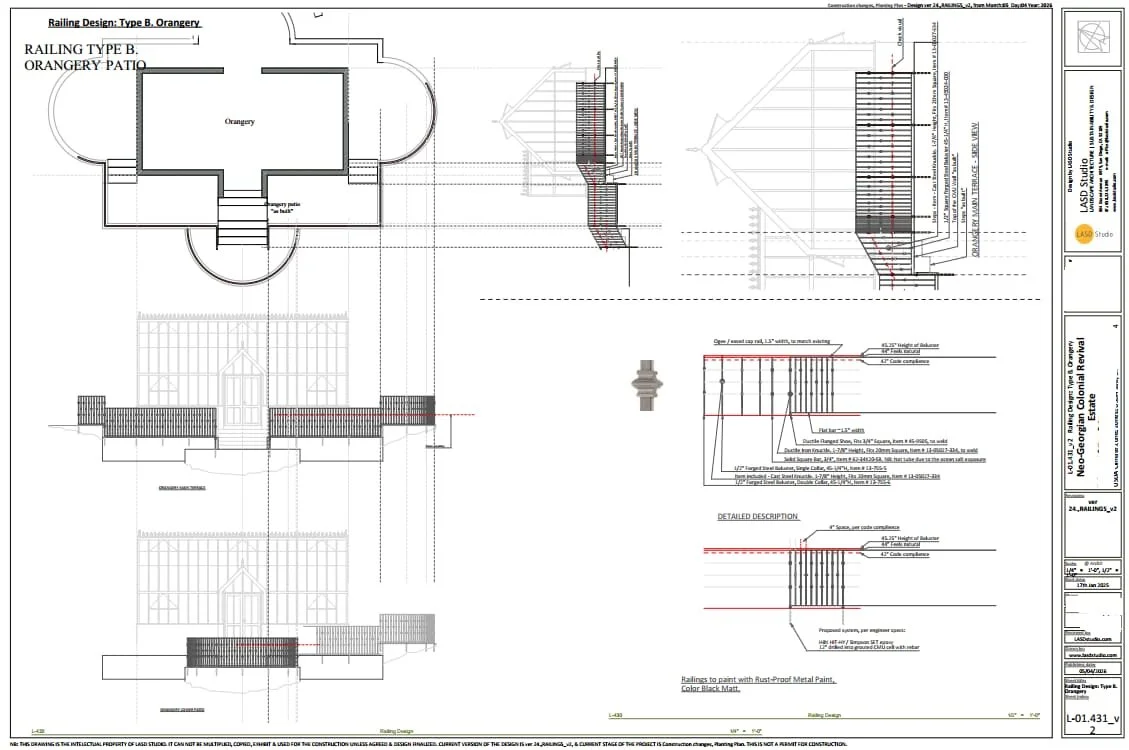
The CAD drawings coordinate grading, retaining structures, steps, paving, custom railings, lighting, irrigation, drainage and stormwater planning. These systems occupy the same ground, and every one of them influences the experience and long-term performance of the garden.
A railing determines safety, proportion and the rhythm of movement along a stair. The meeting of brick and stone carries the architectural language into the landscape. Drainage affects the life of a terrace long after its surface has been completed. Irrigation responds to planting zones, exposure and the changing water requirements of an establishing garden.
The construction documents hold these decisions together. They provide a common reference through which the larger composition can be understood, priced and built.
Planting Materials and Time
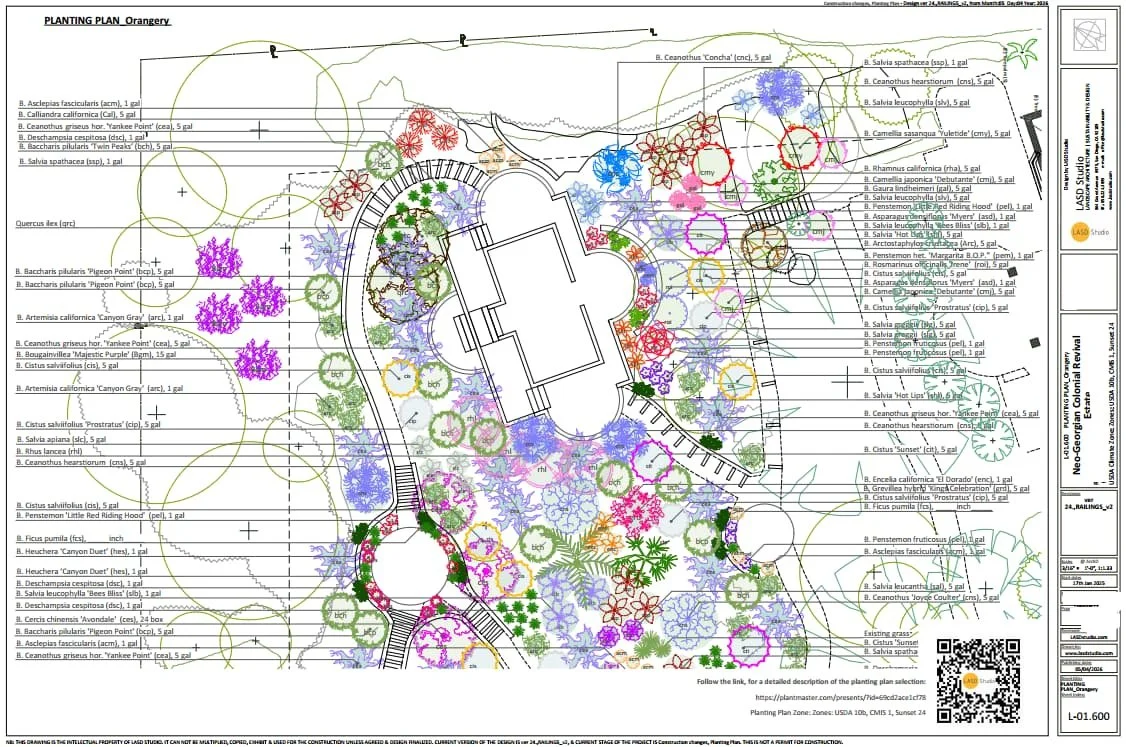
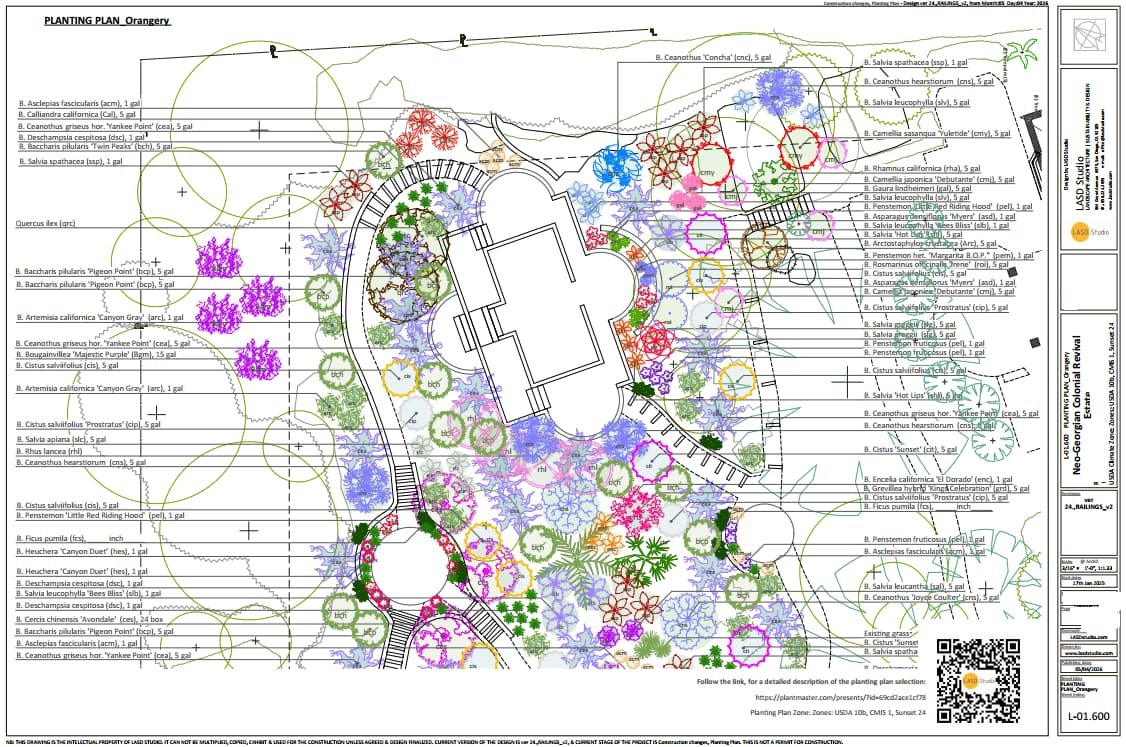
The planting plan carries the structure of the garden into season and growth.
Closest to the residence, planted forms reinforce the geometry of the architecture. Hedges, flowering compositions and carefully positioned specimens define the garden rooms and preserve important views. Their scale and density respond to the proportions of the terraces, paths and walls around them.
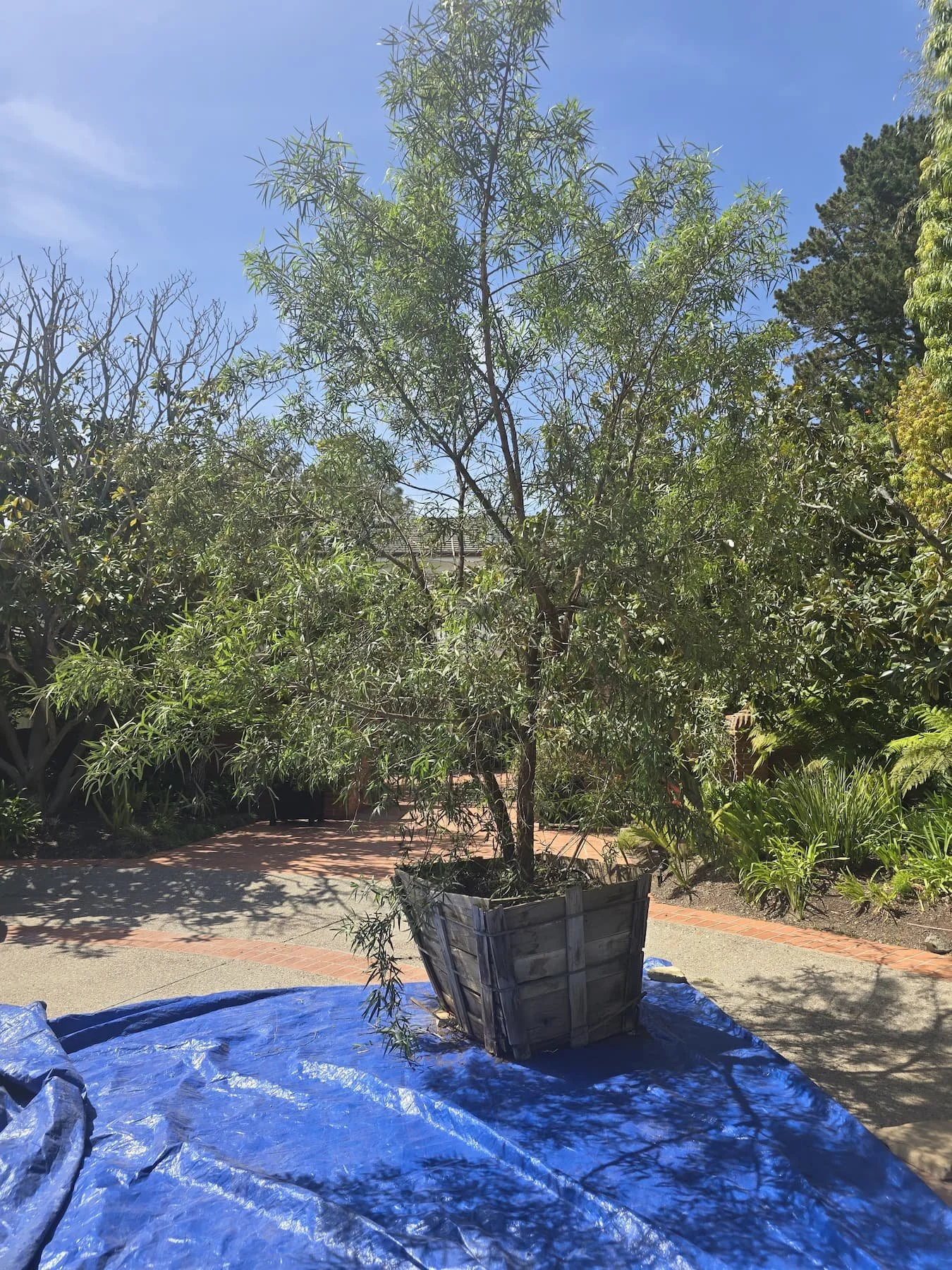
As the landscape extends across the estate, the planting develops greater movement and ecological depth. California-adapted and native species contribute flowering continuity, shelter and varied vegetation structure. Meadow conditions and habitat planting connect the cultivated garden with the wider living landscape.
Materials follow a related progression. Brick extends the architecture into terraces and retaining walls. Ironwork gives steps and edges a measured cadence. Stone, paving, glass and planted surfaces register changes in use, atmosphere and proximity to the house.
The material and planting studies were developed together. Growth, weathering, seasonal color and texture will continue to alter how the built geometry is perceived.



The Orangery Within the Garden
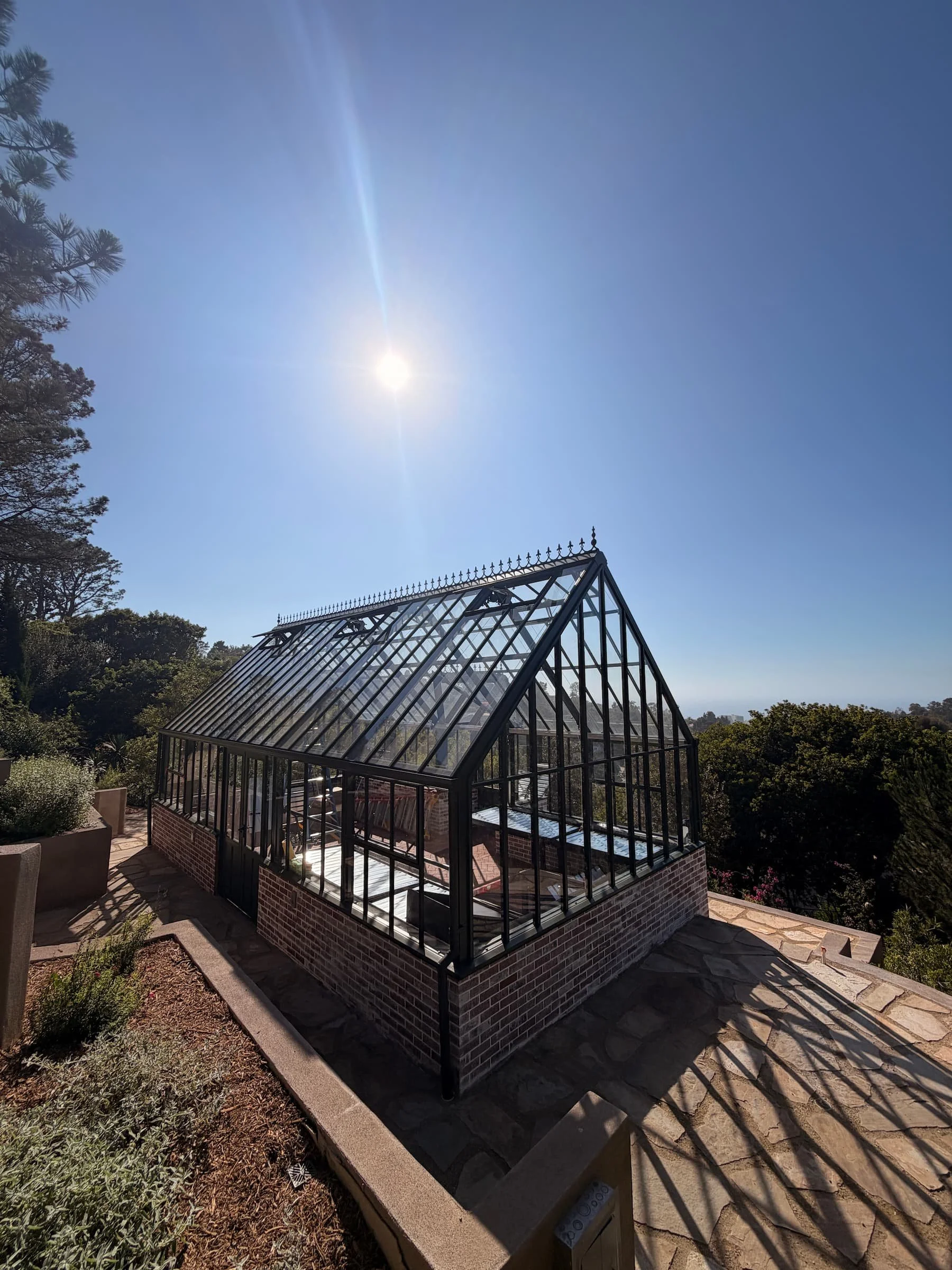
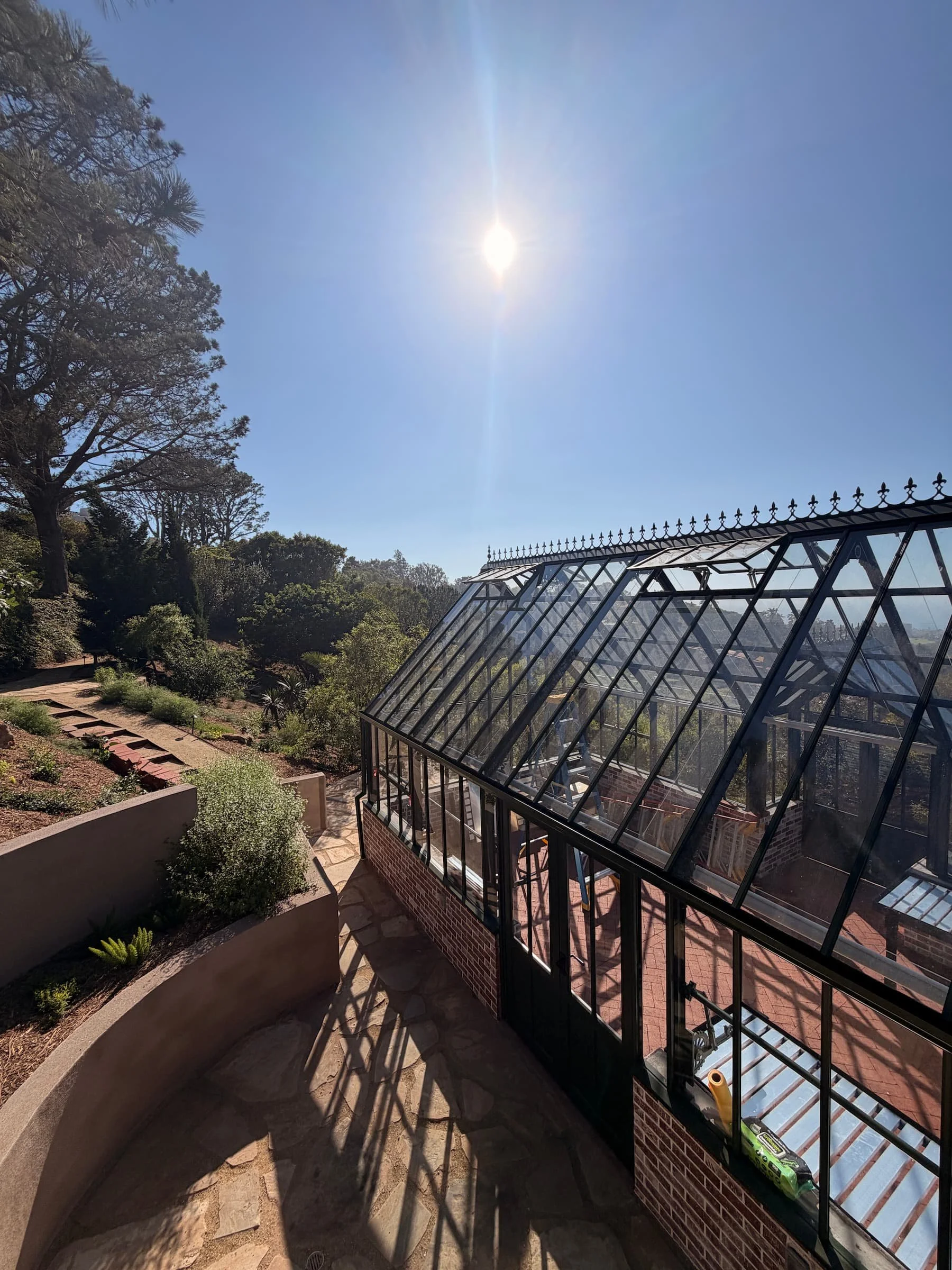
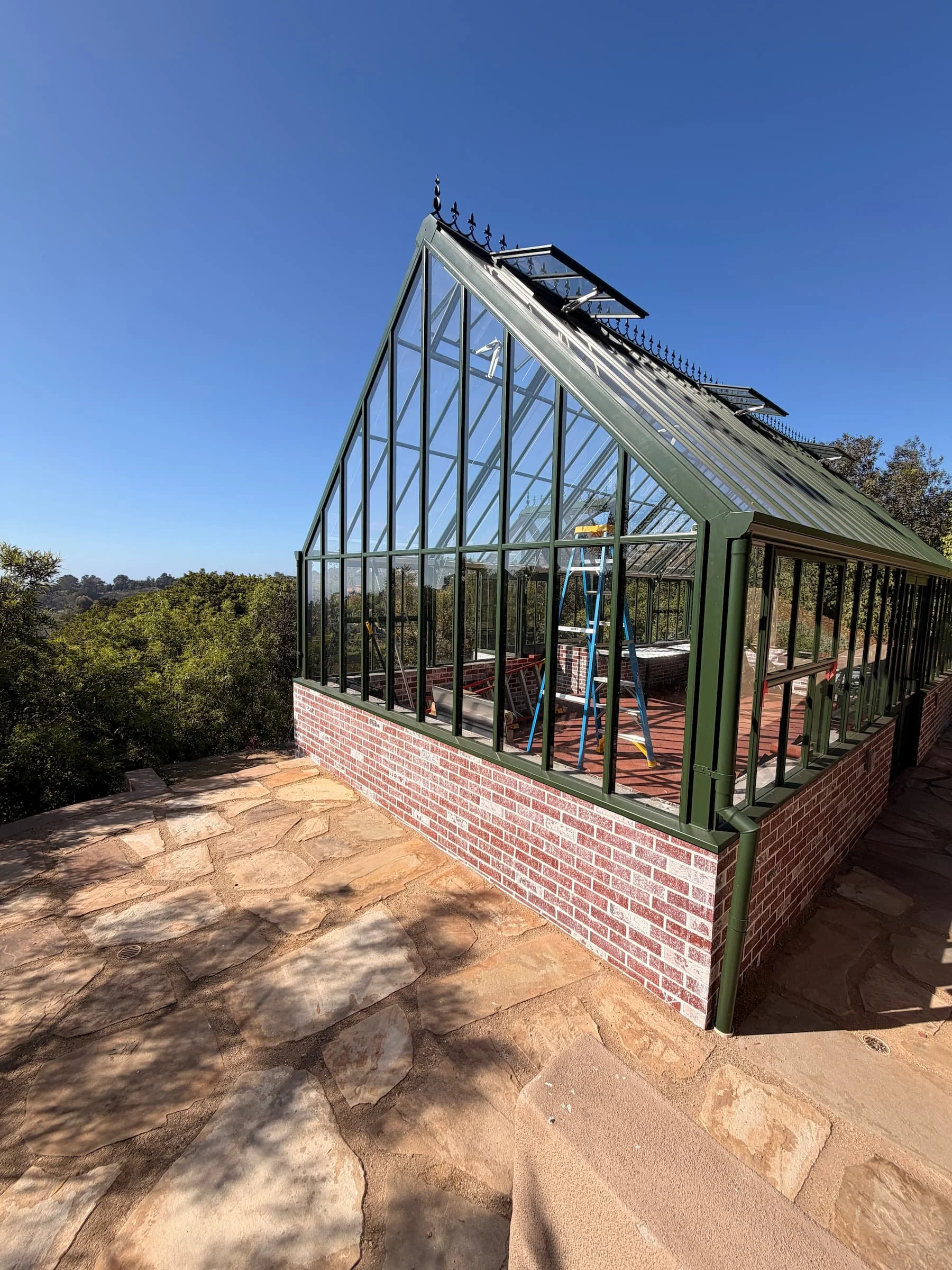
The Hartley Botanic orangery occupies one of the most carefully composed points in the estate.
Its metalwork and glazing carry a long horticultural lineage associated with cultivation, collecting and the movement of plants between climates. In La Jolla, that tradition enters a garden shaped by California light, coastal conditions and the architecture of the residence.
Terraces, steps, retaining walls, custom railings, lighting and planting establish the orangery within the slope. Sculptural urns and formal vegetation create a cultivated foreground, while the surrounding paths connect the structure with the upper and lower gardens.
Inside, specially fabricated Hartley staging tables continue the same attention to horticultural craft at the scale of furniture. Their joints, metalwork and relationship with the planting contribute to the experience of the room.
The orangery has become a place for cultivation, retreat and gathering. Its architecture provides a focal point, and the garden gives it a setting.
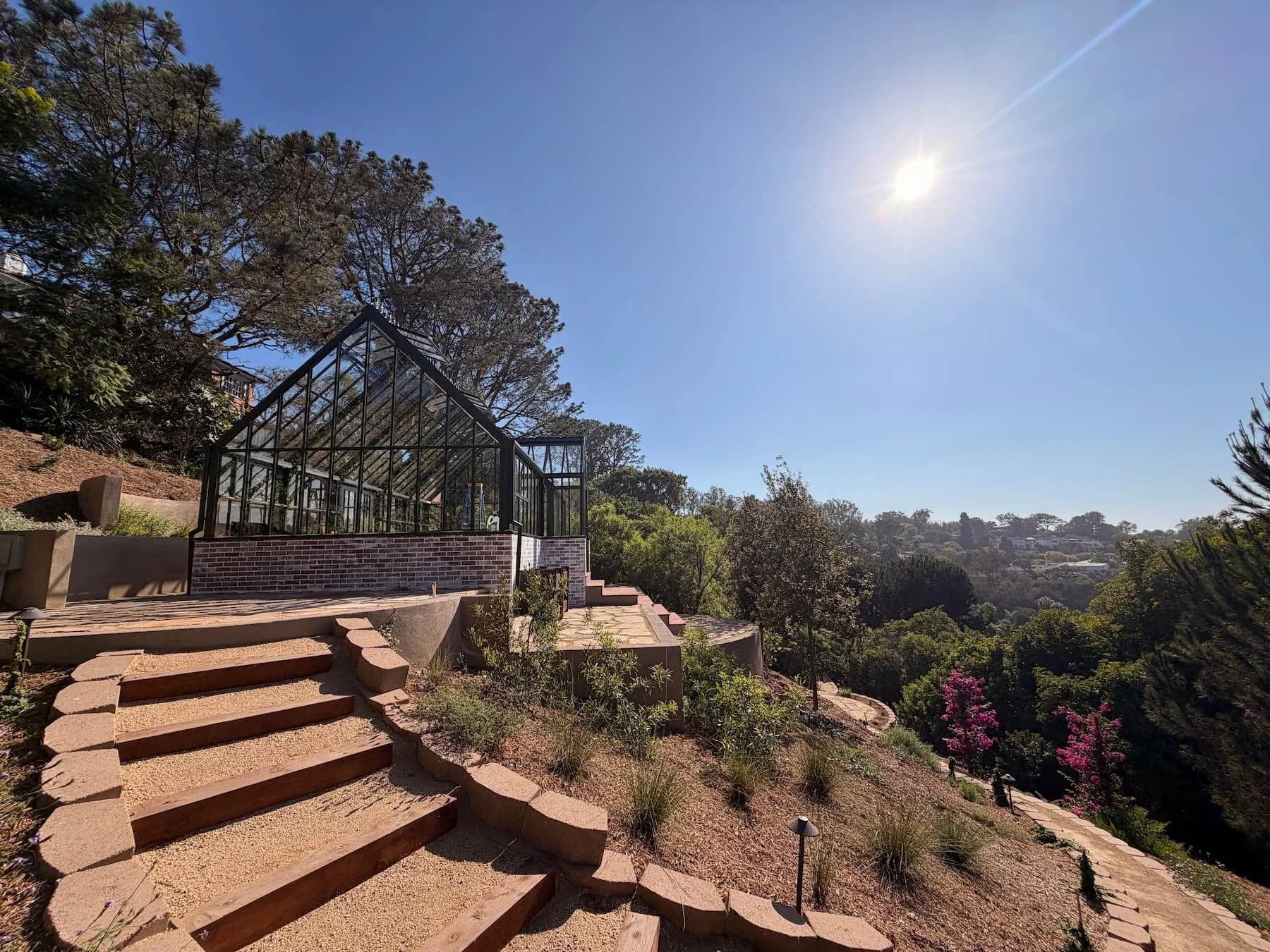
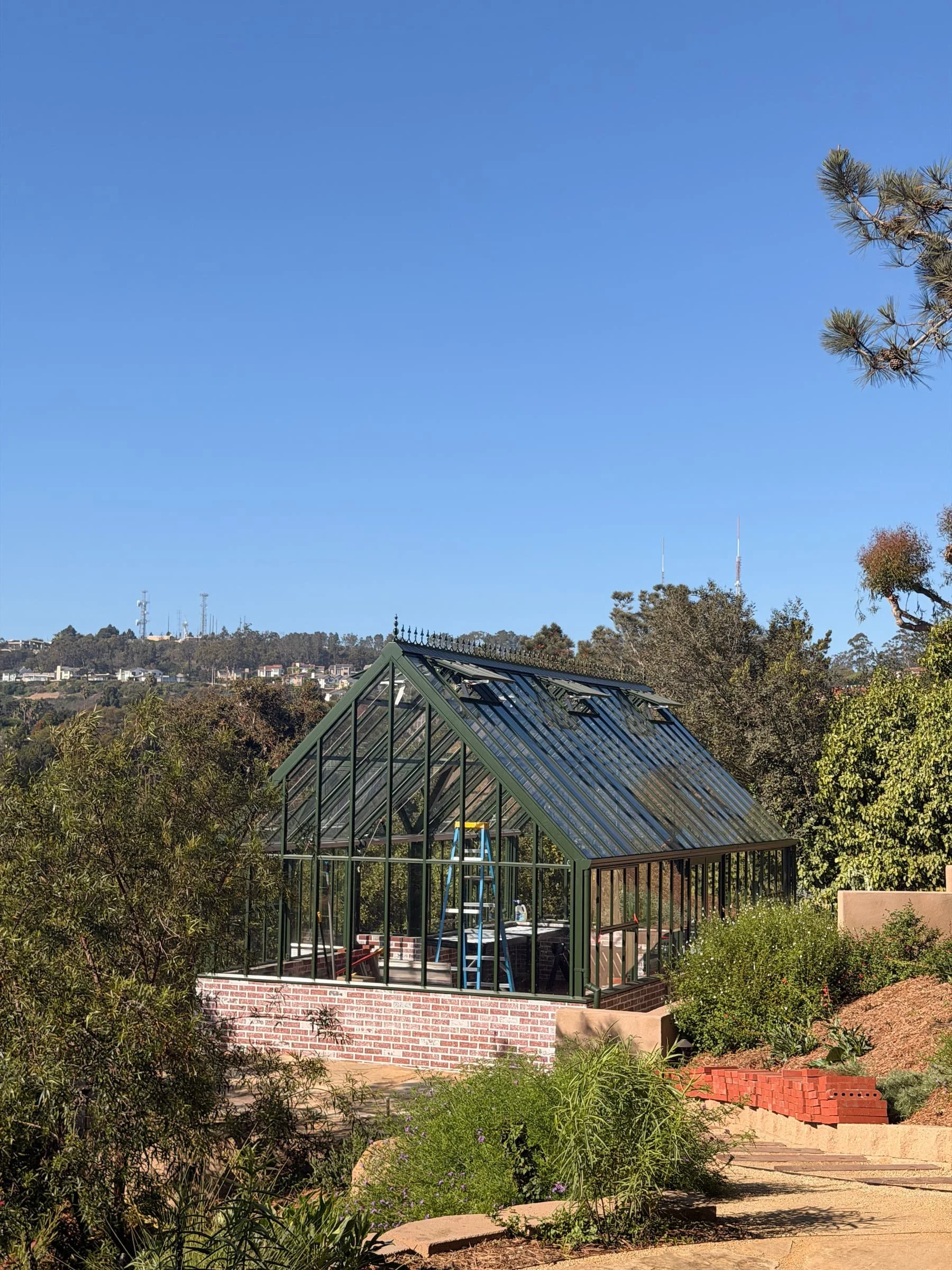
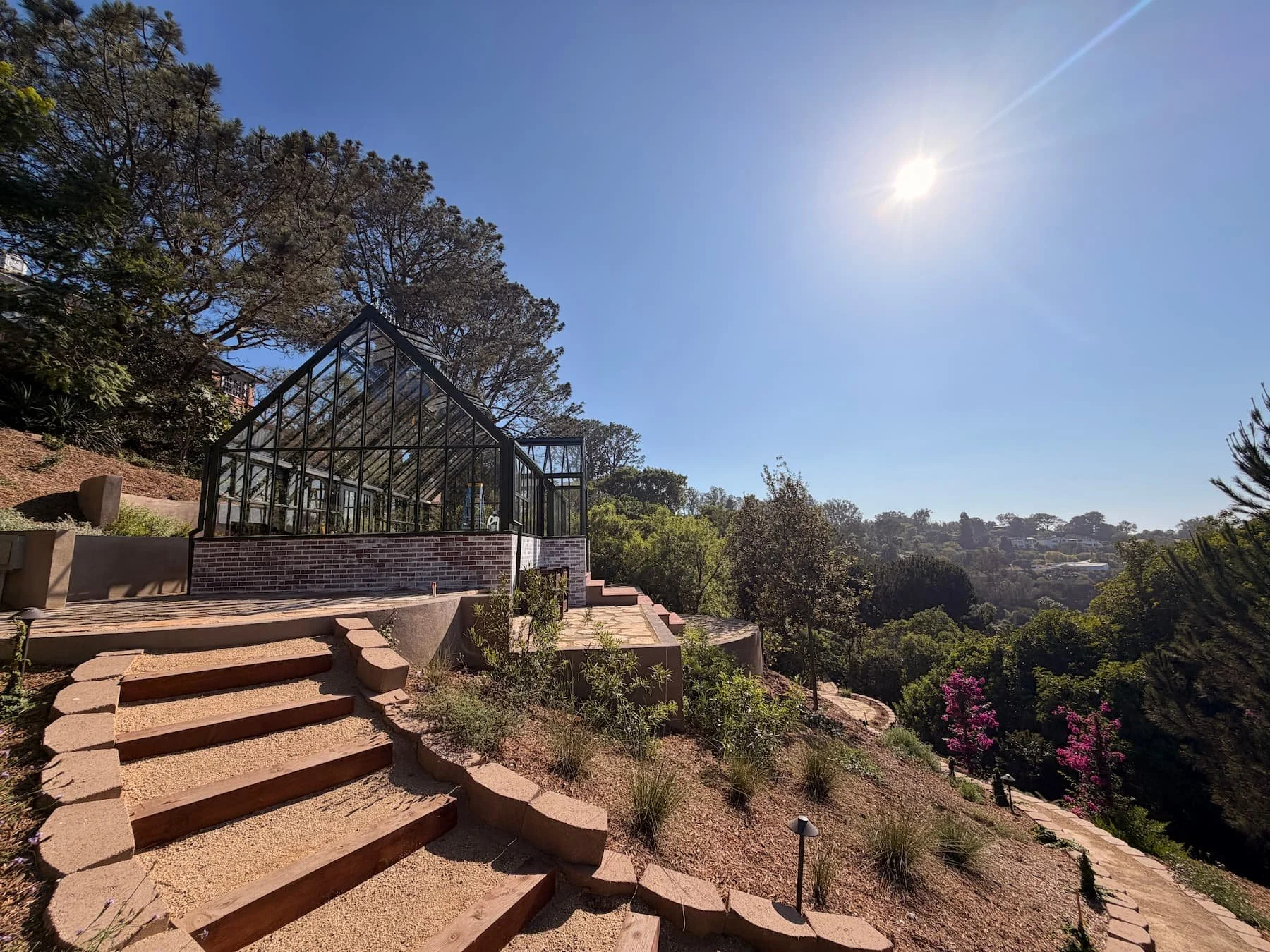
Construction Across the Slope
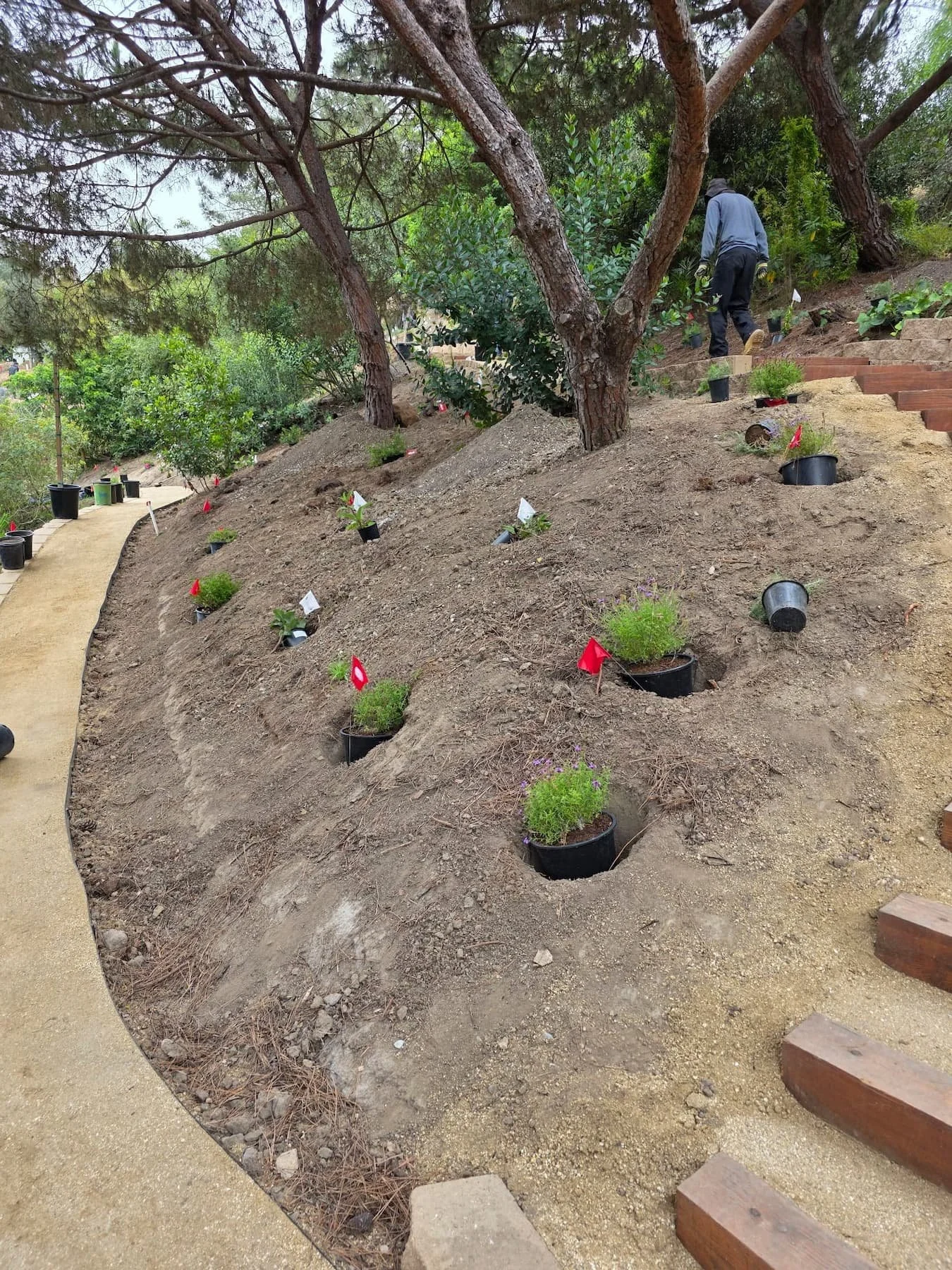
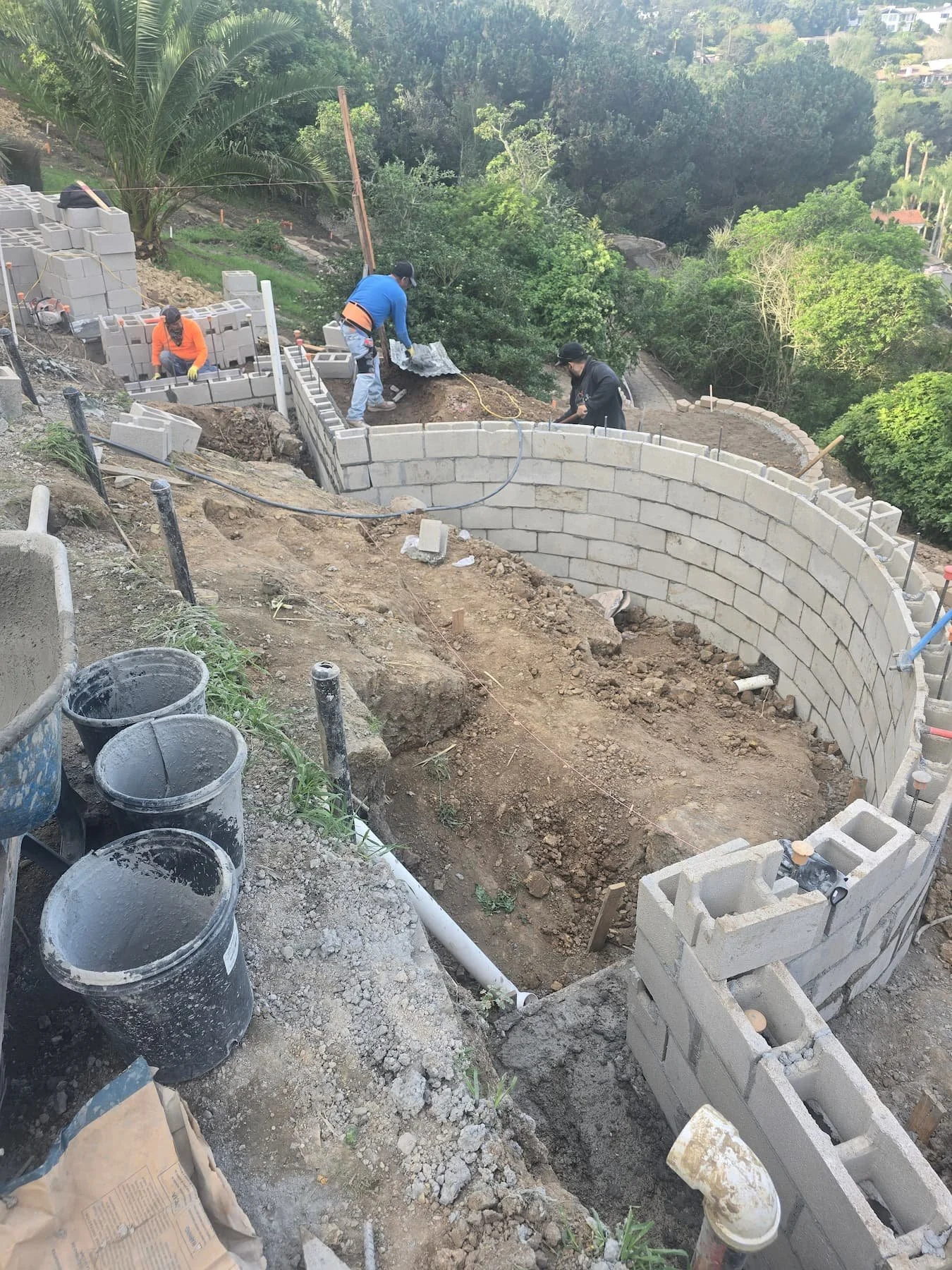
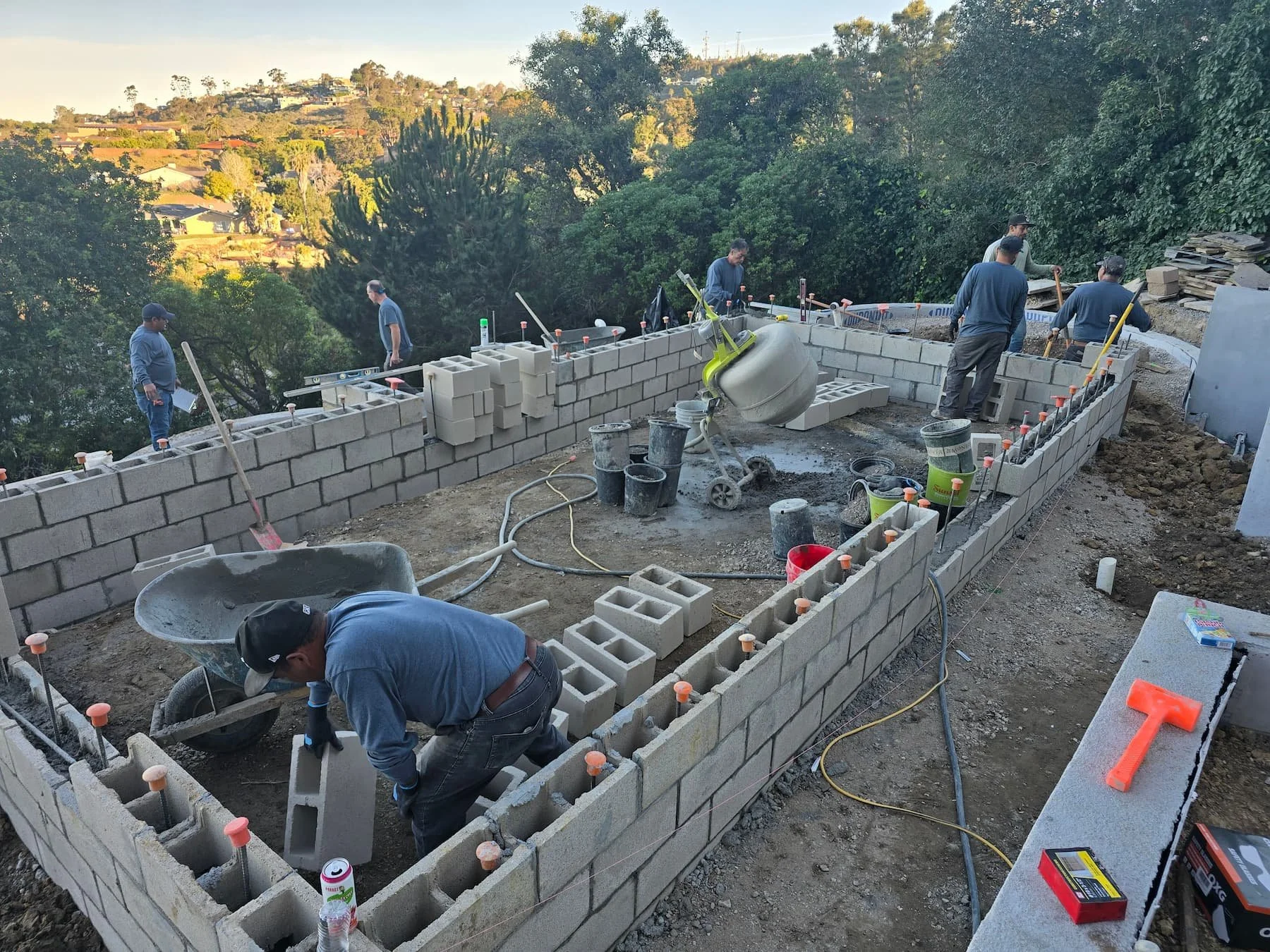
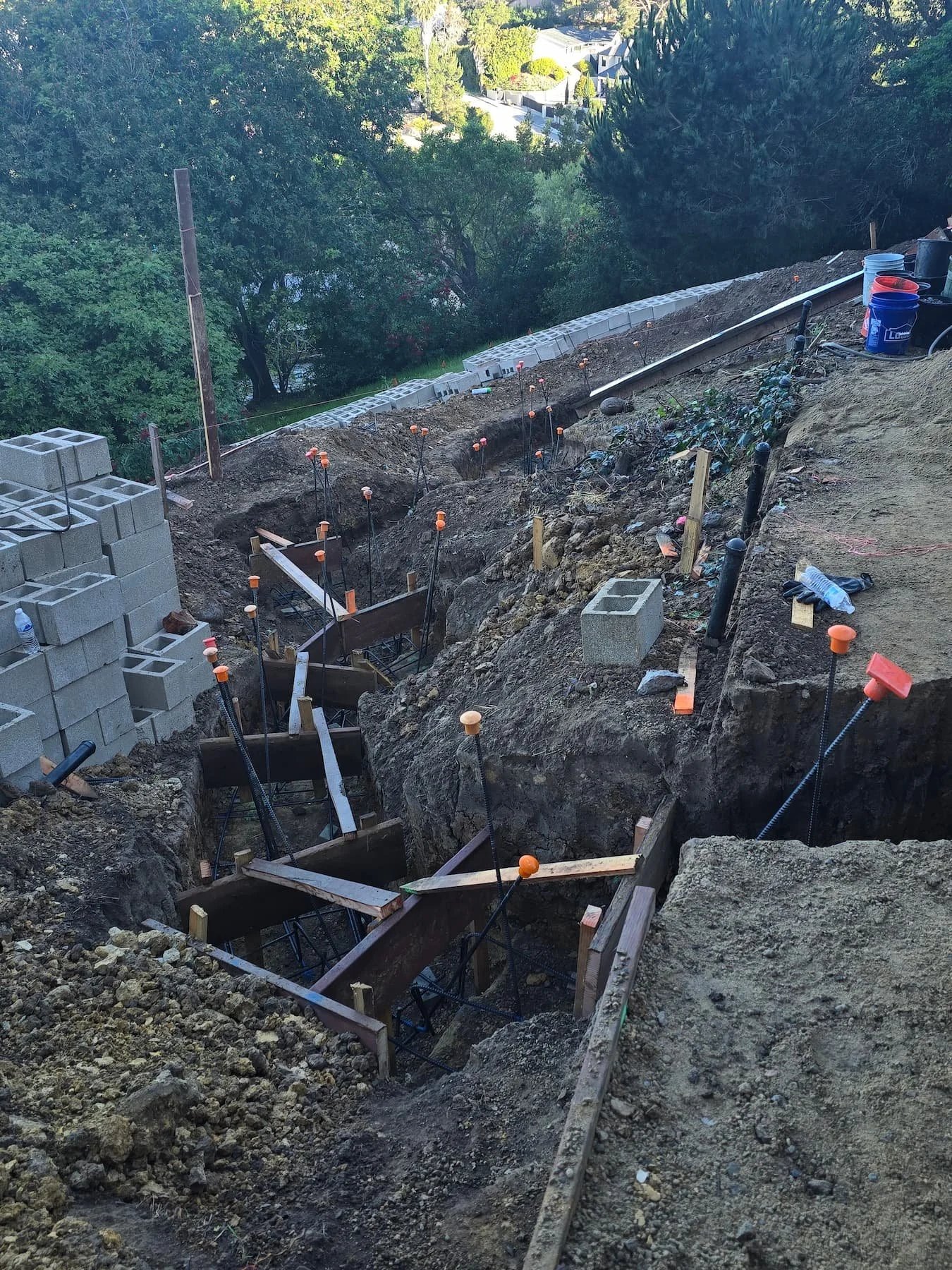
The construction photographs record a stage when the garden was closest to its anatomy.
Soil remained open. Retaining structures, drainage routes and irrigation lines were still visible. The alignment of paths could be read directly against the contours, and the relationship between each terrace and the slope became clear.
This stage reveals the coordination carried beneath the finished surfaces. Levels direct movement and water. Walls hold changes in elevation. Steps establish pace. Sleeves and service routes allow technical systems to cross the garden without interrupting its spatial order.
As construction progressed, the drawing set became physical. Brick lines defined the terraces, railings traced the changes in level and the orangery began to occupy its intended place within the estate. Planting then introduced depth, softness and seasonal movement into the constructed framework.



The Garden Begins to Live
- Where Art and Nature Evolve into Living Legacy
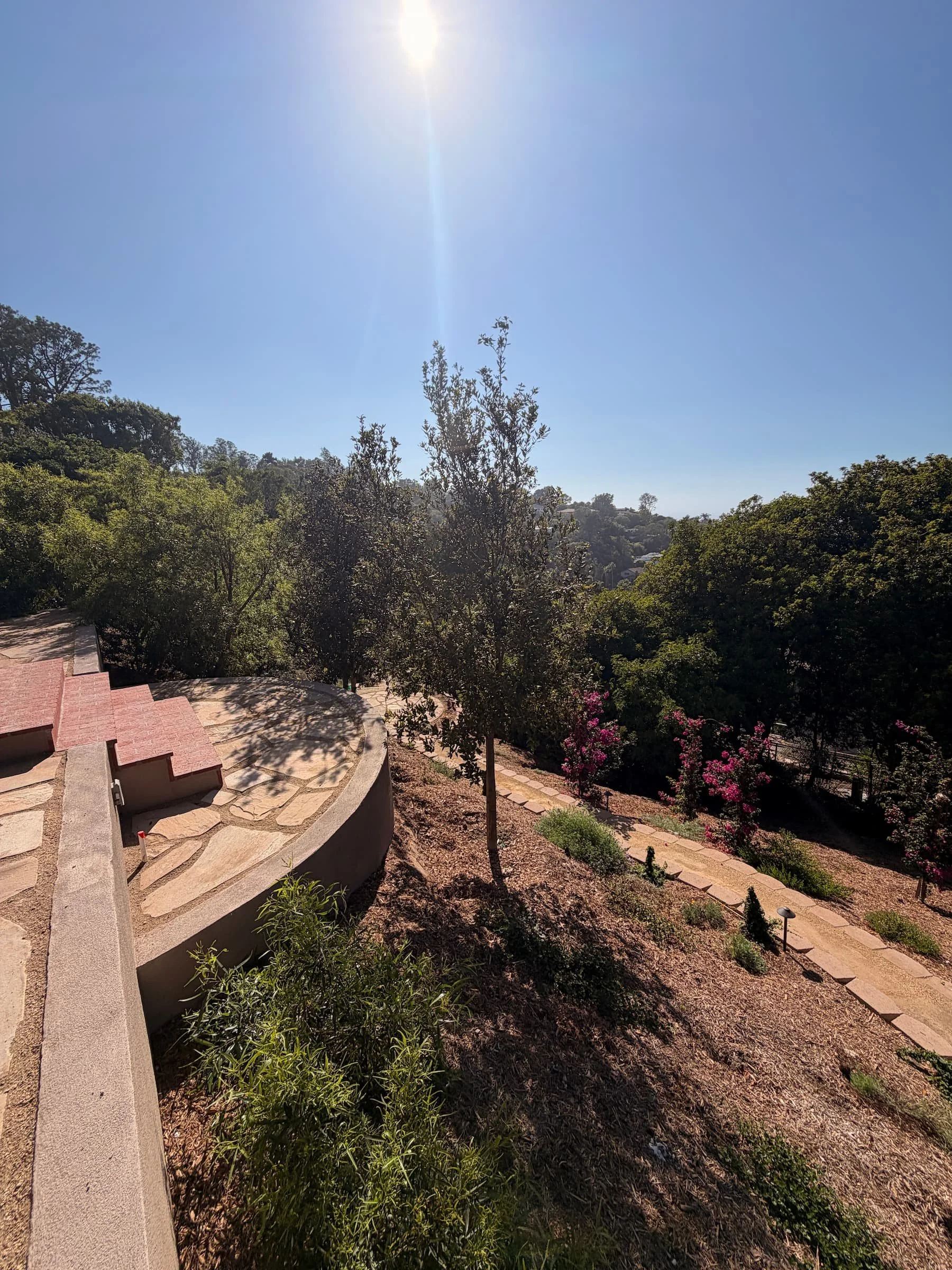
In its substantially completed state, the property can be experienced as a continuous landscape.
The formal gardens give the residence a clear setting. The dining terrace brings daily life into the open air. Paths make the hillside accessible and invite movement through the estate. The orangery creates a destination for cultivation and quiet occupation. Lower planting carries the composition toward meadow, habitat and the wider California landscape.
The garden is continuing to establish. Trees and hedges will gain volume, flowering layers will shift through the seasons and planted edges will gradually soften the constructed lines. Shade, habitat and enclosure will develop with them.
These changes belong to the design. The master plan provides a durable spatial structure, while planting, weather and family life continue to shape its character.

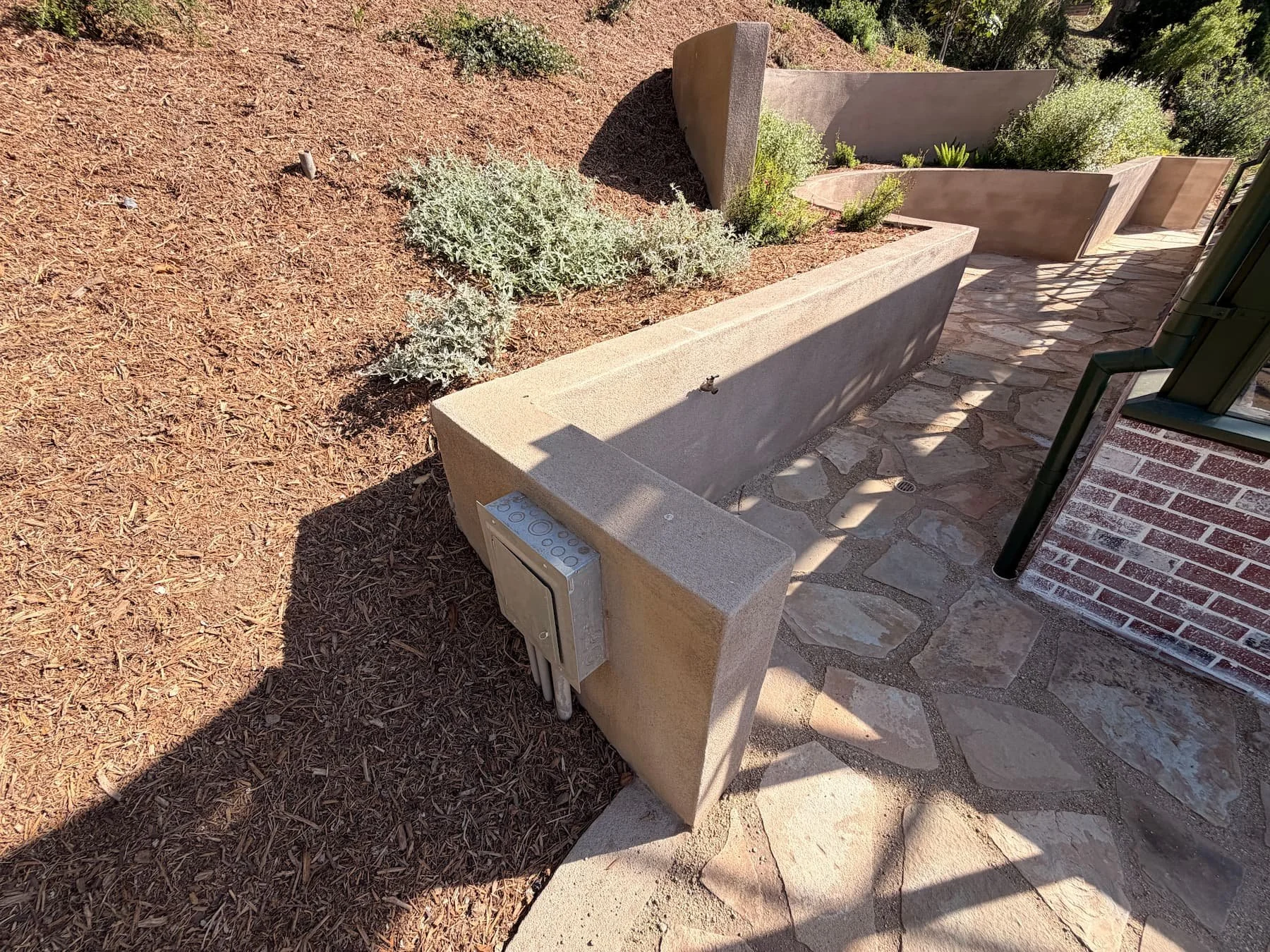
![Newly planting - NeoGeorgian Garden design in La Jolla, LASD].jpg](https://images.squarespace-cdn.com/content/v1/5cf86dc6d16d9100012cb943/1790111629494-92NX8IRYY8YC5TV2GC0F/Newly+planting+-+NeoGeorgian+Garden+design+in+La+Jolla%2C+LASD%5D.jpg)




The Pacific Holds the Final View
At the ocean-view terrace, the composition becomes quiet.
The residence, formal gardens, upper terraces and orangery remain present through memory and movement. The immediate landscape opens, and the horizon assumes the largest role. Here, the Pacific becomes part of the estate’s visual structure.
The project began with a personal wish: to create a garden for a woman who had imagined one for over twenty years. The hillside can now be entered, walked and inhabited. It holds places for cultivation, conversation, reflection and family life.
That original promise remains at the heart of the garden - Orangery by Hartley Botanic, Design by LASD Studio.
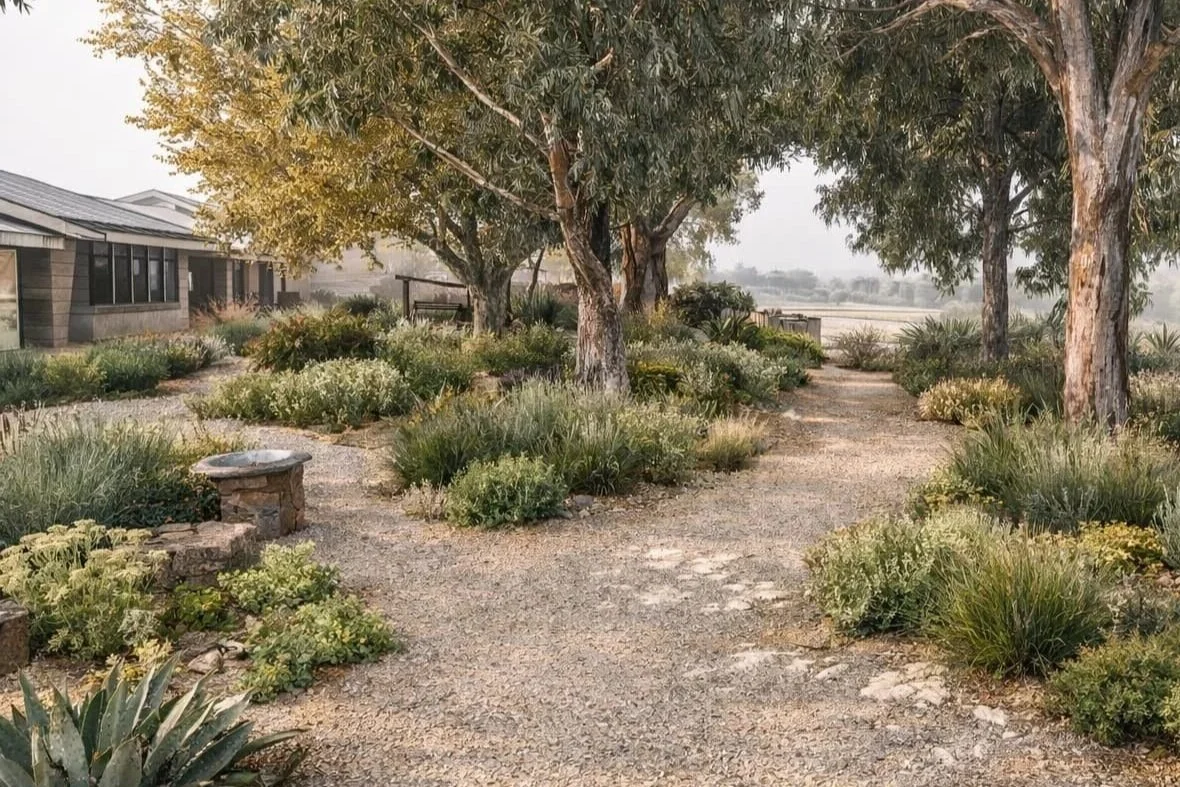
Rancho Santa Fe Rewilding Landscape Architectural Design
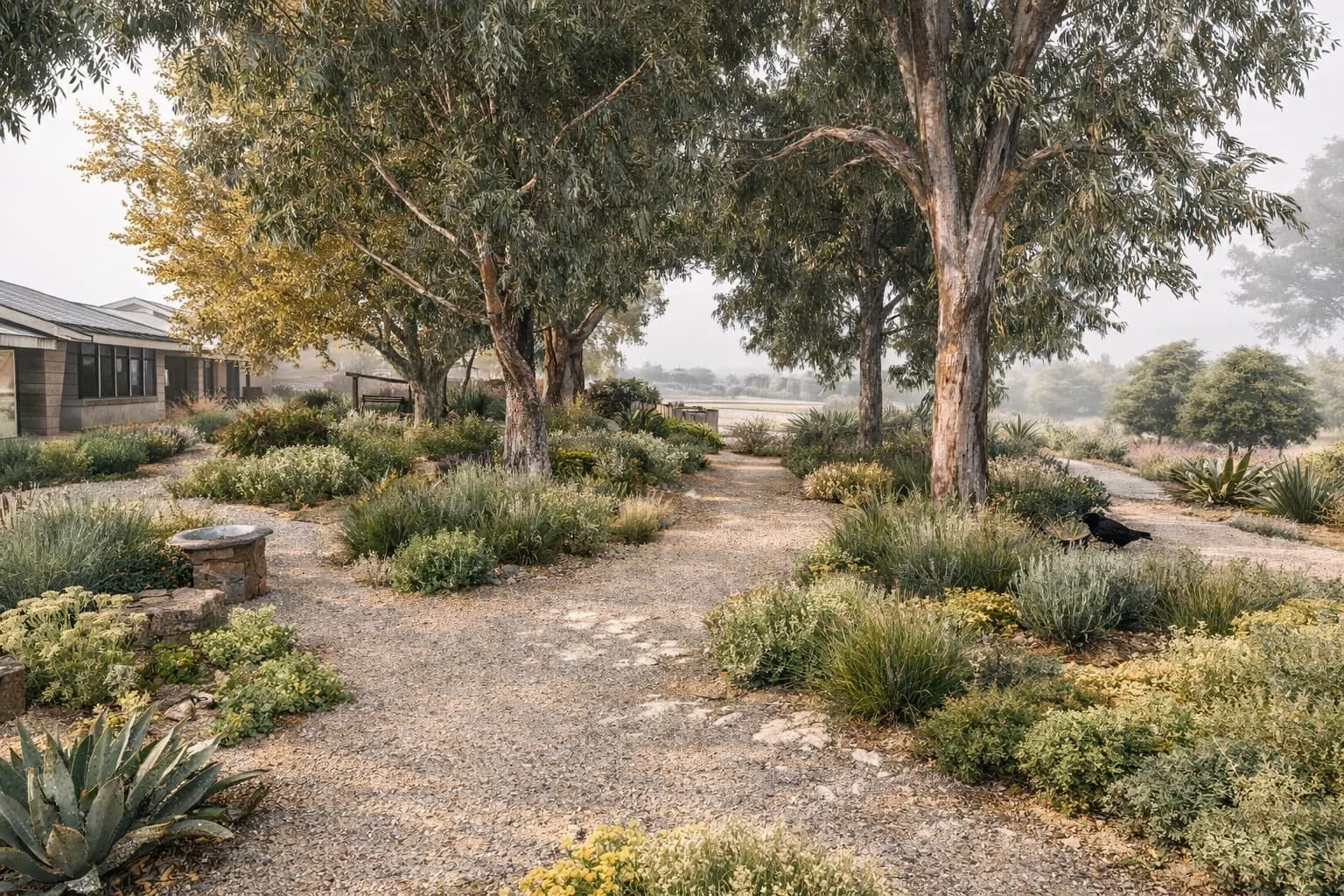
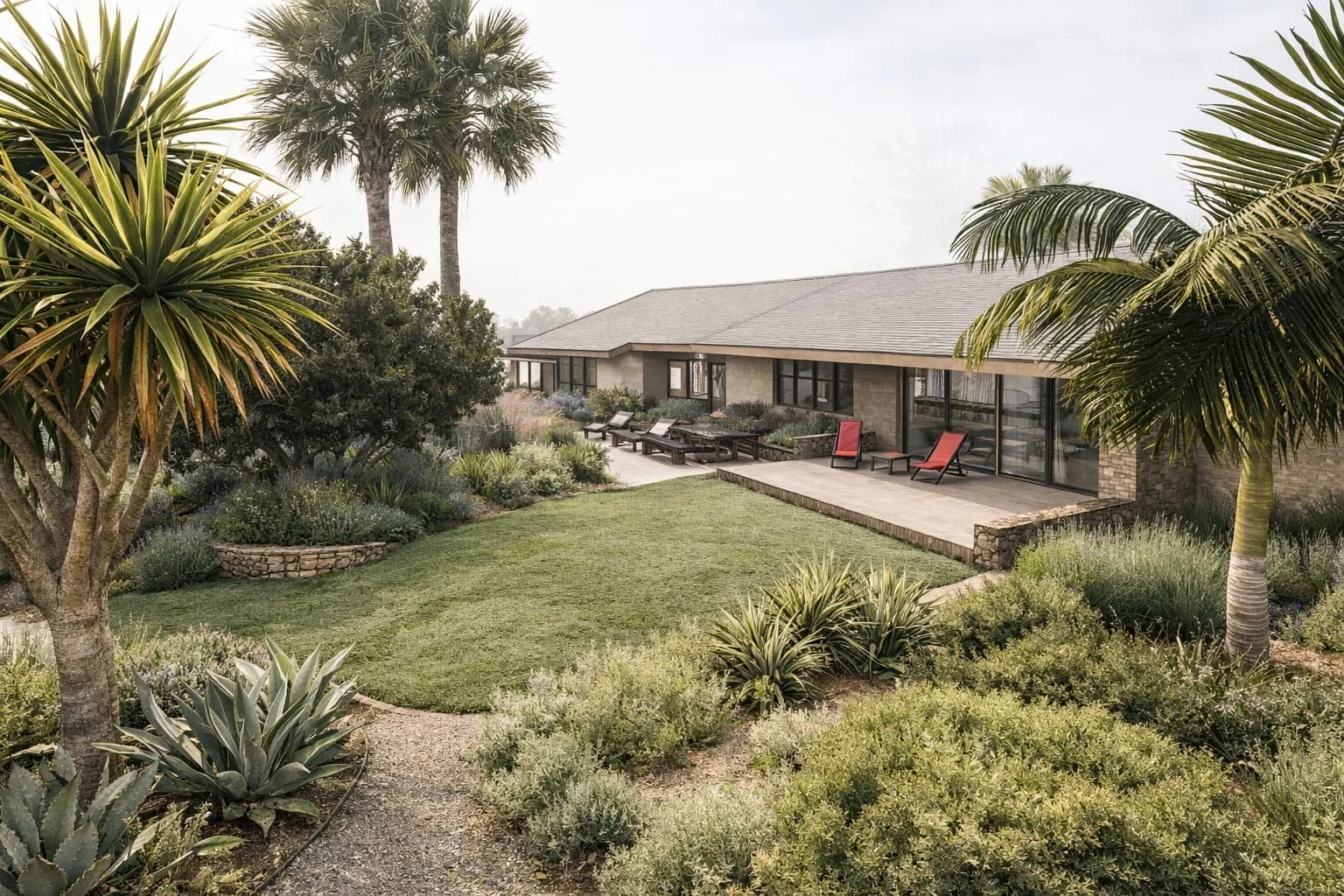
Rancho Santa Fe rewilding garden by LASD Studio - a fire-resilient, biodiversity-driven landscape architecture project integrating California native planting, fuel modification strategy, and long-term ecological design for large-scale estates.
“A Living Legacy: Proudly Designed as an Evolutionary Landscape for Future Generations.”
This project reflects a direction I’ve been developing since 2008: gardens designed as living ecosystems - resilient, biodiverse, and intended to evolve for decades.
In Rancho Santa Fe, where water, wildfire risk, and ecological fragmentation are no longer abstract issues, a garden can either become a fragile surface that demands constant control - or it can become a living system that grows more resilient with time. The Rancho Santa Fe Rewilding Sanctuary Garden was designed as the second kind: a legacy-level ecological landscape that reconnects beauty with function, and elegance with reality.
Created by LASD Studio in collaboration with The Image of Nature, the design rethinks the property as an evolving habitat. It is structured to reduce wildfire vulnerability, regenerate biodiversity, and restore the “biological intelligence” of the land: from soil microbes to pollinators, birds, reptiles, and the predator presence that stabilizes an ecosystem over the long horizon.
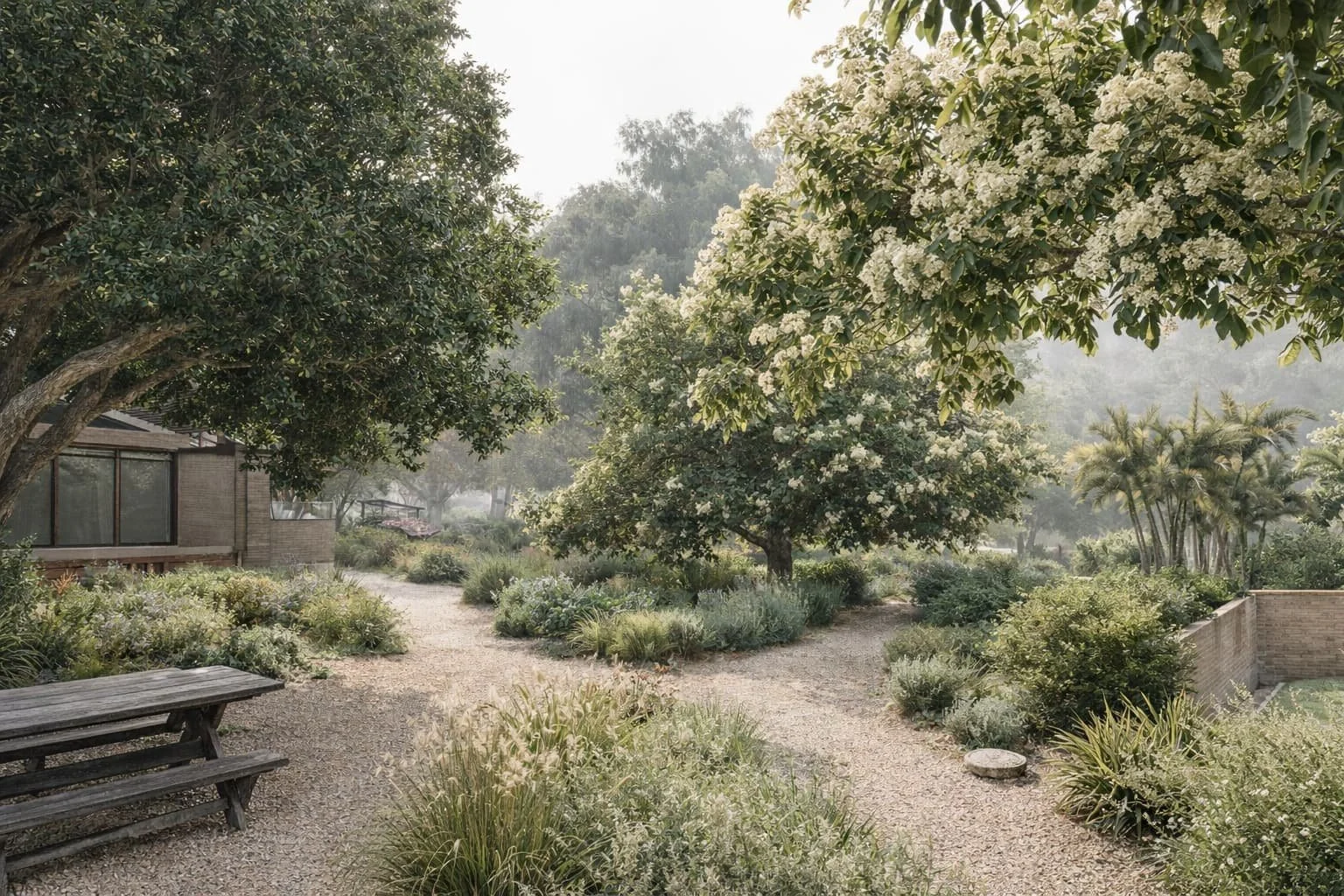
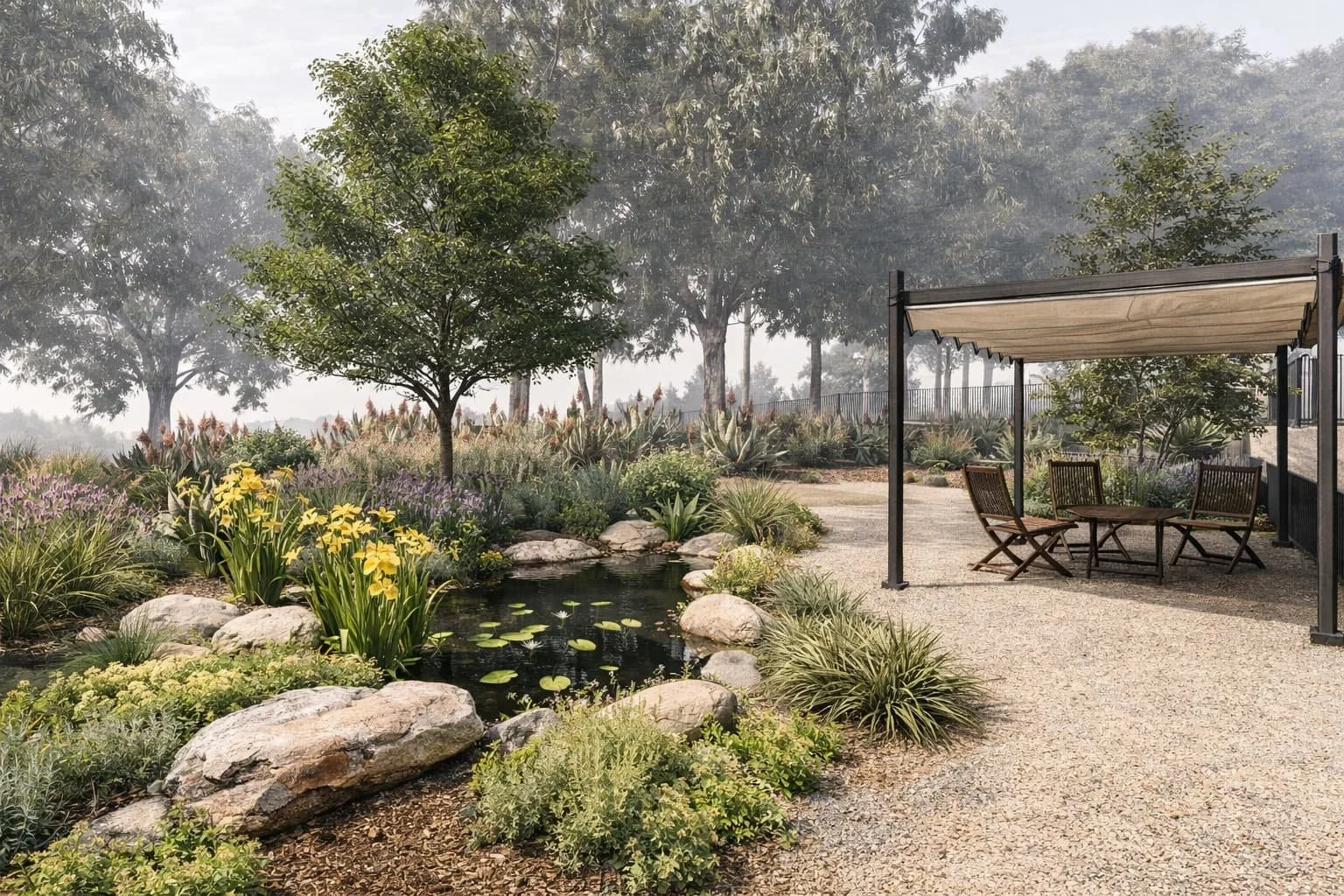
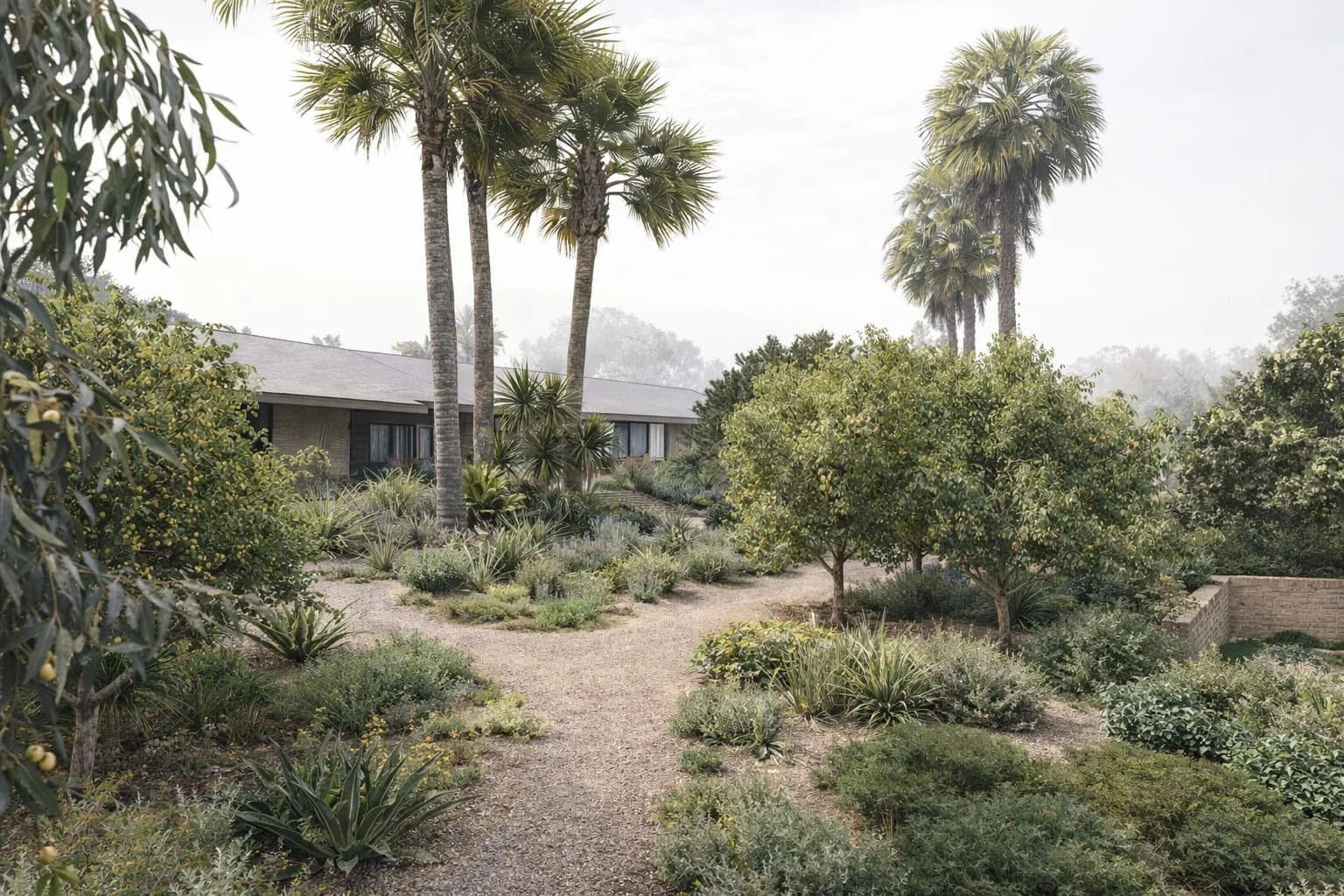
Location: Rancho Santa Fe, California
Project Type: Ecological restoration, per fire-defensible code. Evolving Estate Landscape and Ecological restoration
Design Scope: Concept development, Hardscape design, Irrigation, Drainage, Breath wall design, Lighting plan design, Stormwater Planning, Fuel Modification Plan, Soil and vegetation restoration, Construction Documentation.
Construction cost: $1,260,000
Code compliance & Landscape Architect in Record: Glen Sharrar, The Image of Nature
Fire department: Conor Lenahan, Rancho Santa Fe, Fire Protection District.
Soil testing lab: Wallace Laboratories & Waypoint Analytical
Construction and Fire cleaning: by Client
Design Studio: LASD Studio - Landscape Architecture, Sustainability & Design
A concept exploring how this garden could evolve over time.
Read more about research behind this garden - SoCal Wildlife and Biodiversity Landscape Restoration.
‘Rewilding Sanctuary Garden’, A Living Legacy: Designed as an Evolutionary Landscape.
Concept & Vision
This is not a native garden in the simplistic sense of replacing exotics with natives. It is a designed ecological structure - shaped by fuel modification constraints, drought realities, and the desire to create a property that feels calm, refined, and fully intentional, while also functioning as habitat.
The landscape is organized through a connected system of fire-resilient circulation routes, habitat-based planting typologies, micro-graded landforms that slow and infiltrate rainwater, and a soil restoration strategy that treats biology as foundational infrastructure. The goal is not a single “final image.” The goal is a trajectory: a landscape that becomes stronger, richer, and more self-supporting over time.
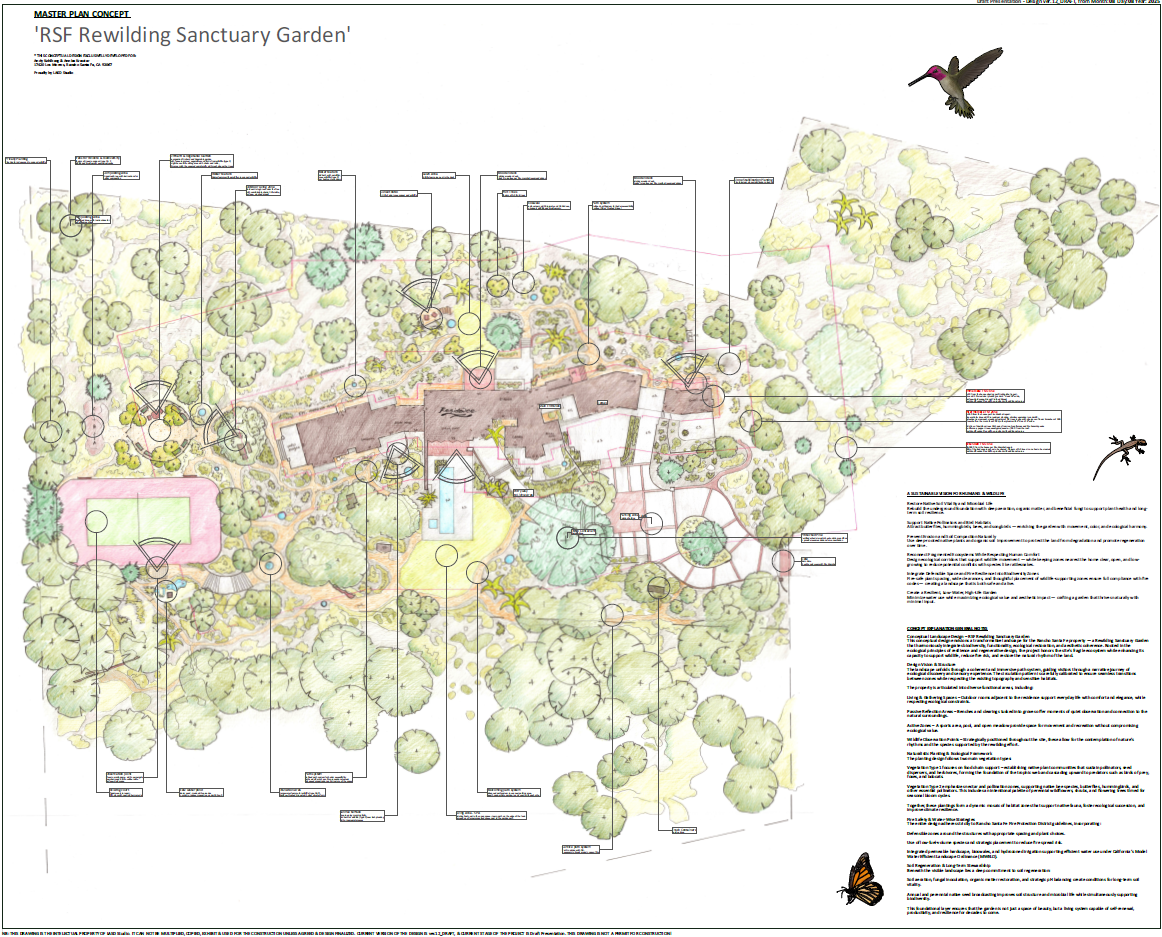
Conceptual Design Sketch, Phase 1. Design
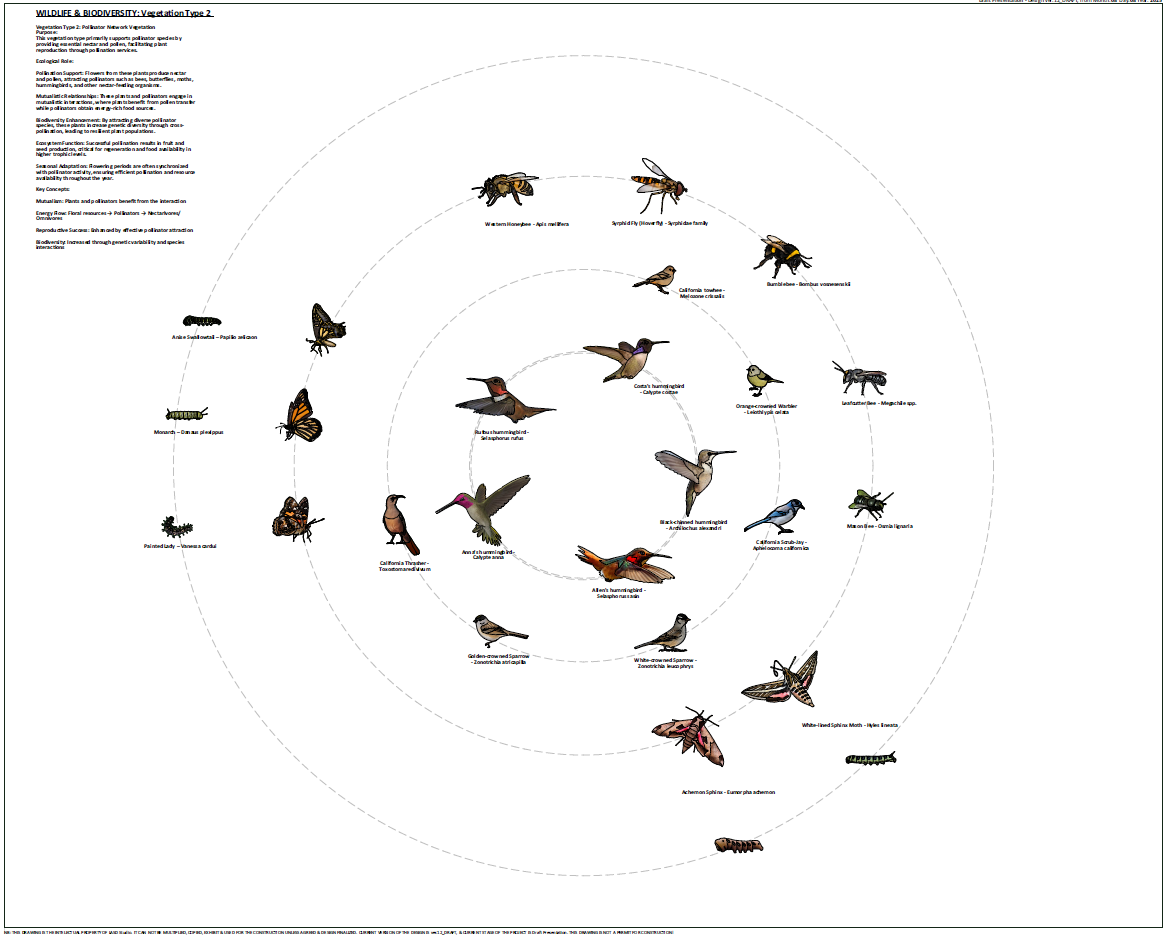
Wildlife and biodiversity, trophic layer establishment of pollinators.
Renderings
The renderings on this page show the intended atmosphere and spatial experience: the way paths become calm firebreaks rather than defensive strips, the way planting masses are shaped as habitat edges, and the way water harvesting can be expressed as landform rather than hidden engineering. These images are not “promises of identical outcomes.” They are a clear design intention - the direction the project is moving toward.
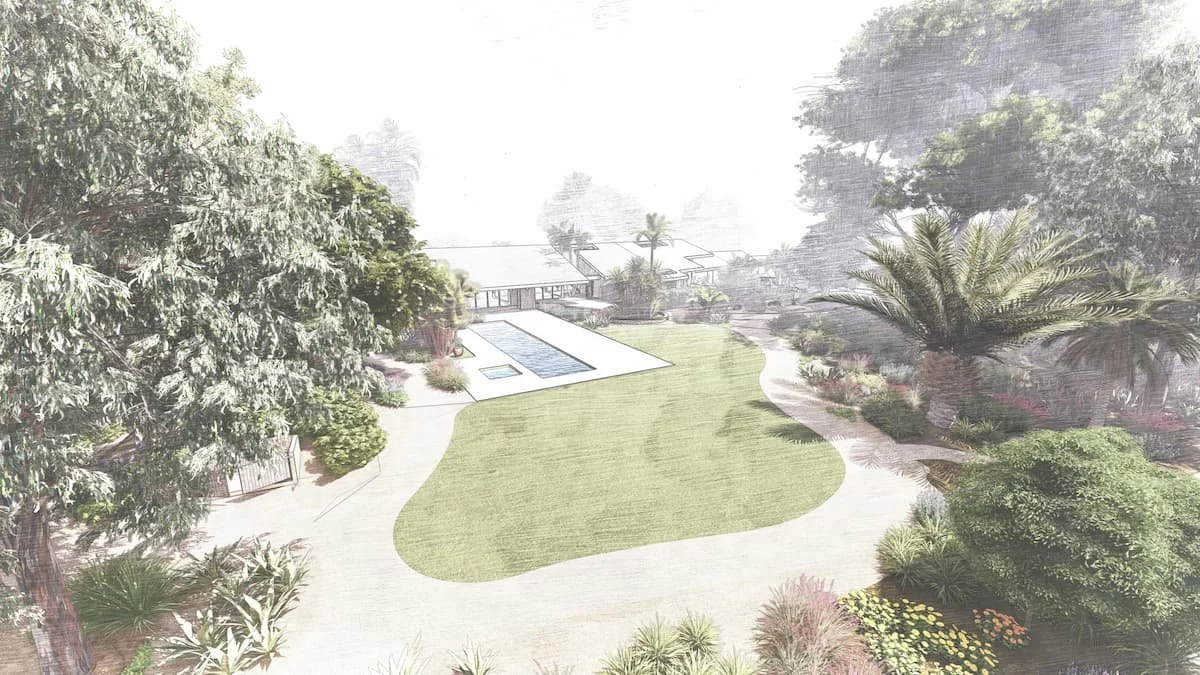
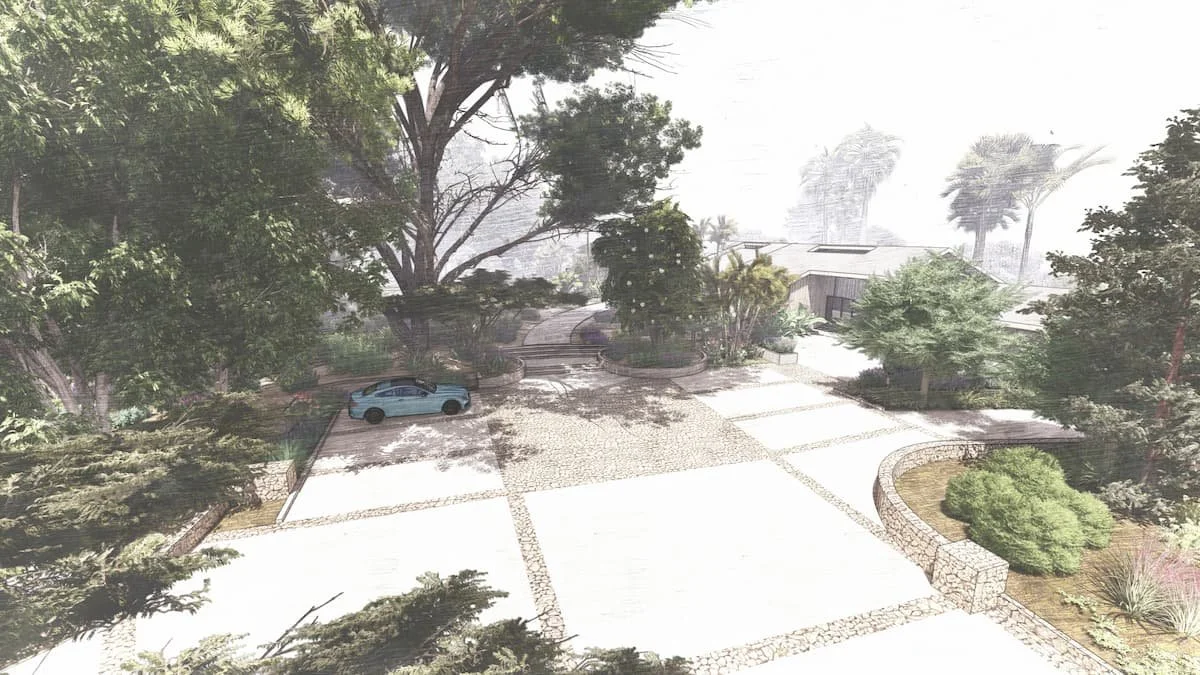
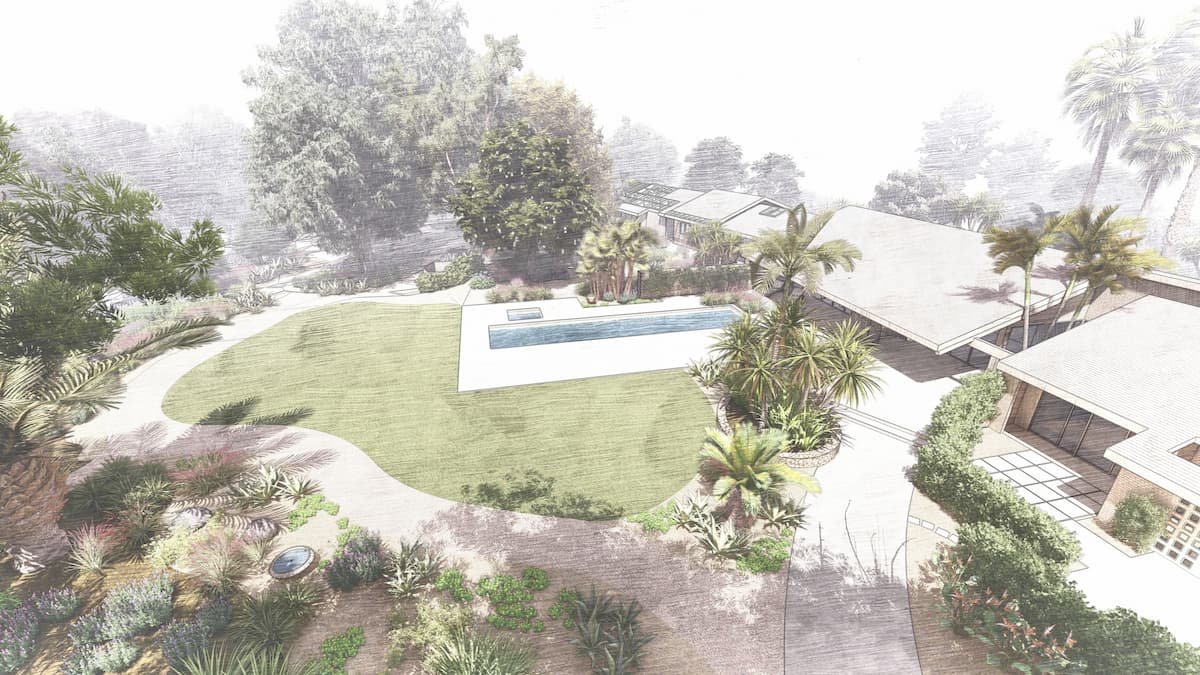
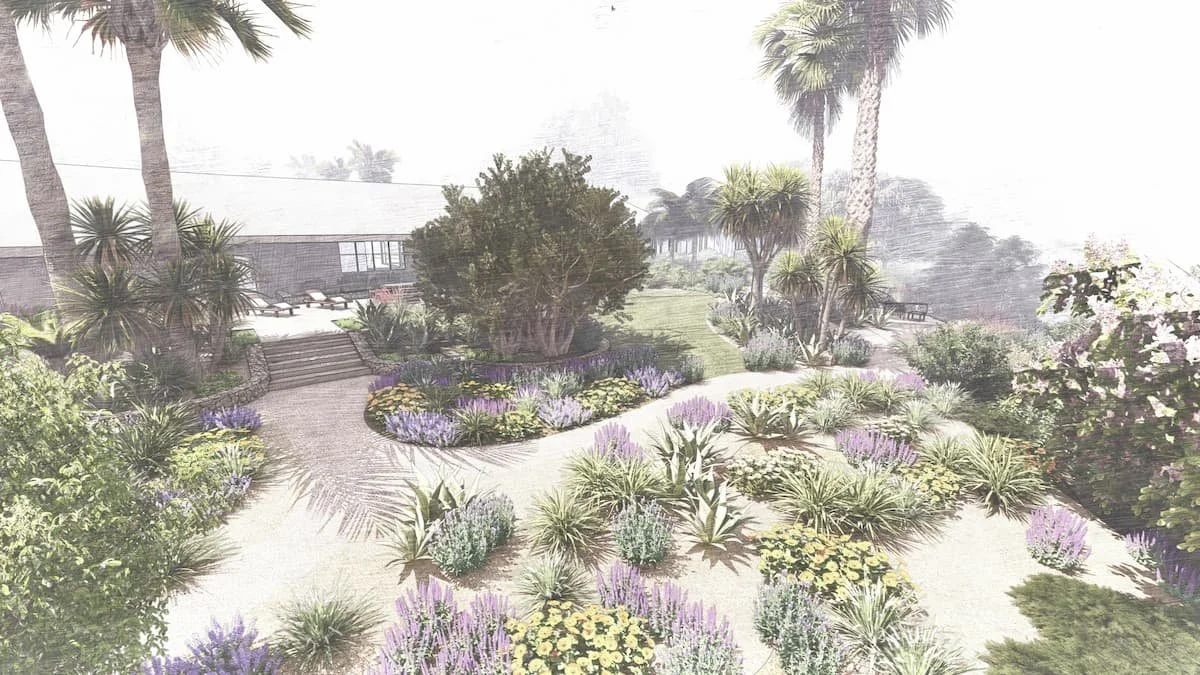
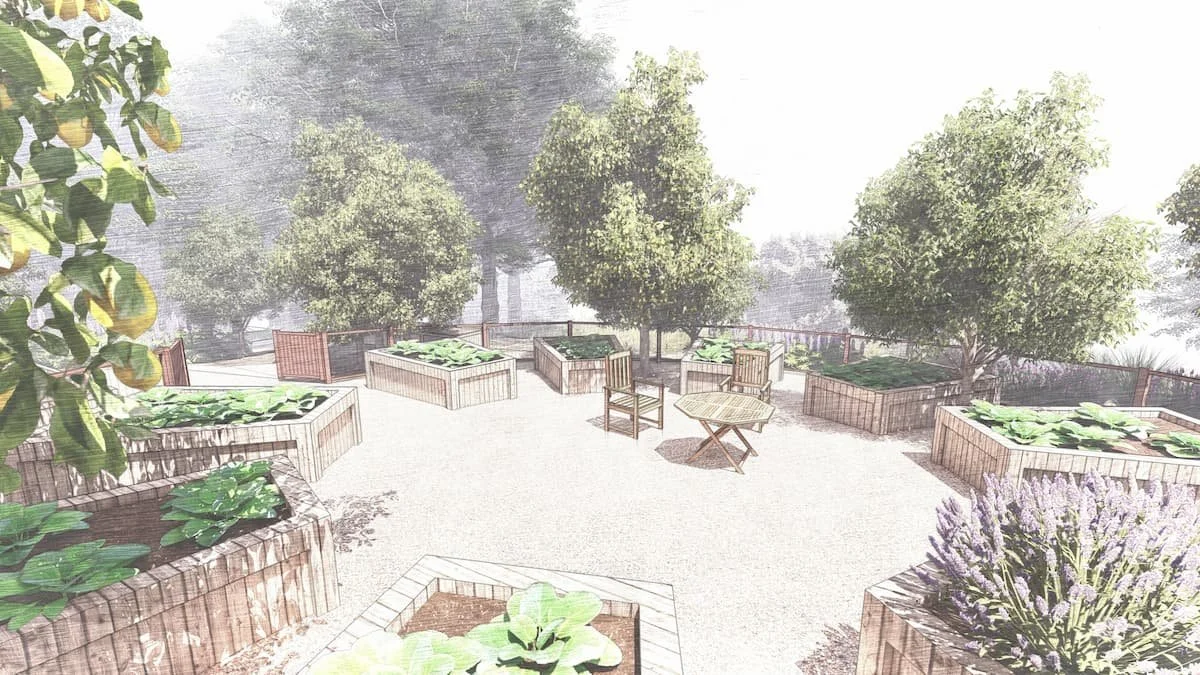
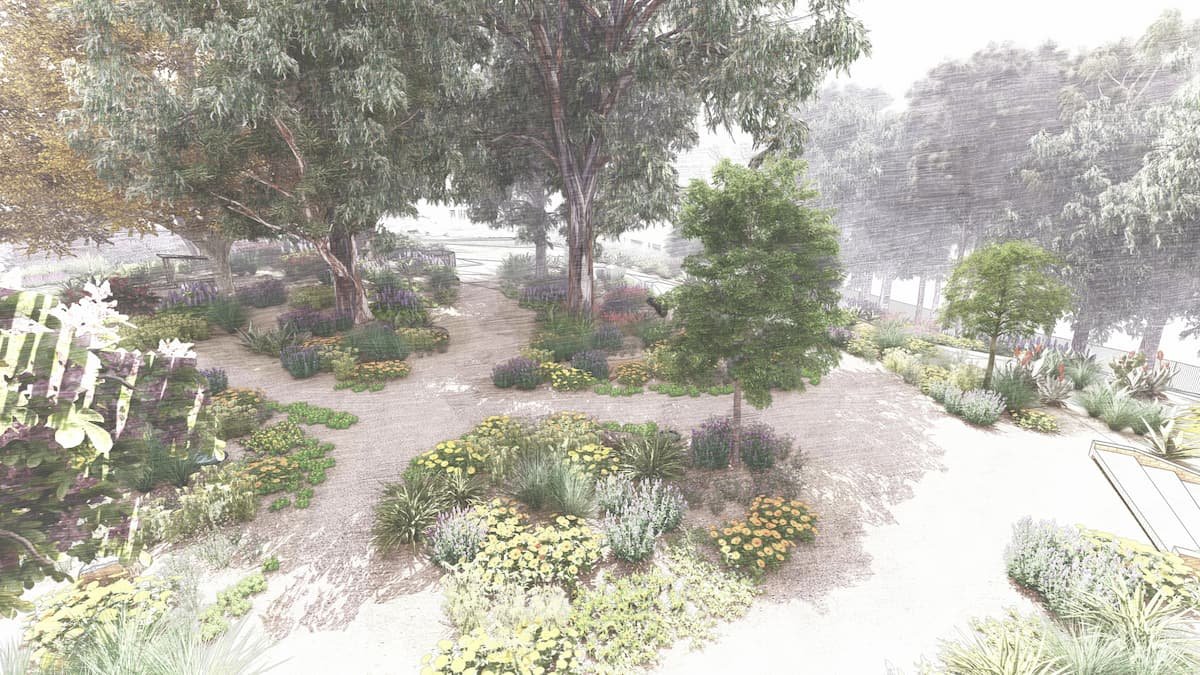
The drawings included here are selected to communicate something most portfolio pages avoid: how the landscape is actually structured to perform.
The master plan provides the overall composition and intent. The fuel modification plan shows how risk constraints become a coherent spatial framework. The grading and bioswale strategy demonstrates how water is slowed, absorbed, and redistributed across the site. The hardscape plan focuses on constructable geometry, circulation logic, and the materials that make the landscape durable. The wildlife and biodiversity diagrams show the habitat logic in a way that is visually legible, and the soil restoration concept explains the phased approach that allows a living system to establish with stability rather than fail through rushed planting.
Context: Why Rancho Santa Fe landscapes must evolve?
Southern California estate landscapes exist inside a set of pressures that continue to intensify: longer dry seasons, rising water costs, greater wildfire volatility, and shrinking habitat continuity. In many high-end properties, the default landscape model still assumes stable climate conditions and unlimited maintenance. That model is becoming fragile.
This project responds by designing the property as an ecological system with structure. It does not rely on heavy irrigation to force appearance. It does not rely on plant novelty as the main aesthetic driver. Instead, it builds a framework where water, fire, biodiversity, and human use are designed together so that each layer supports the others.
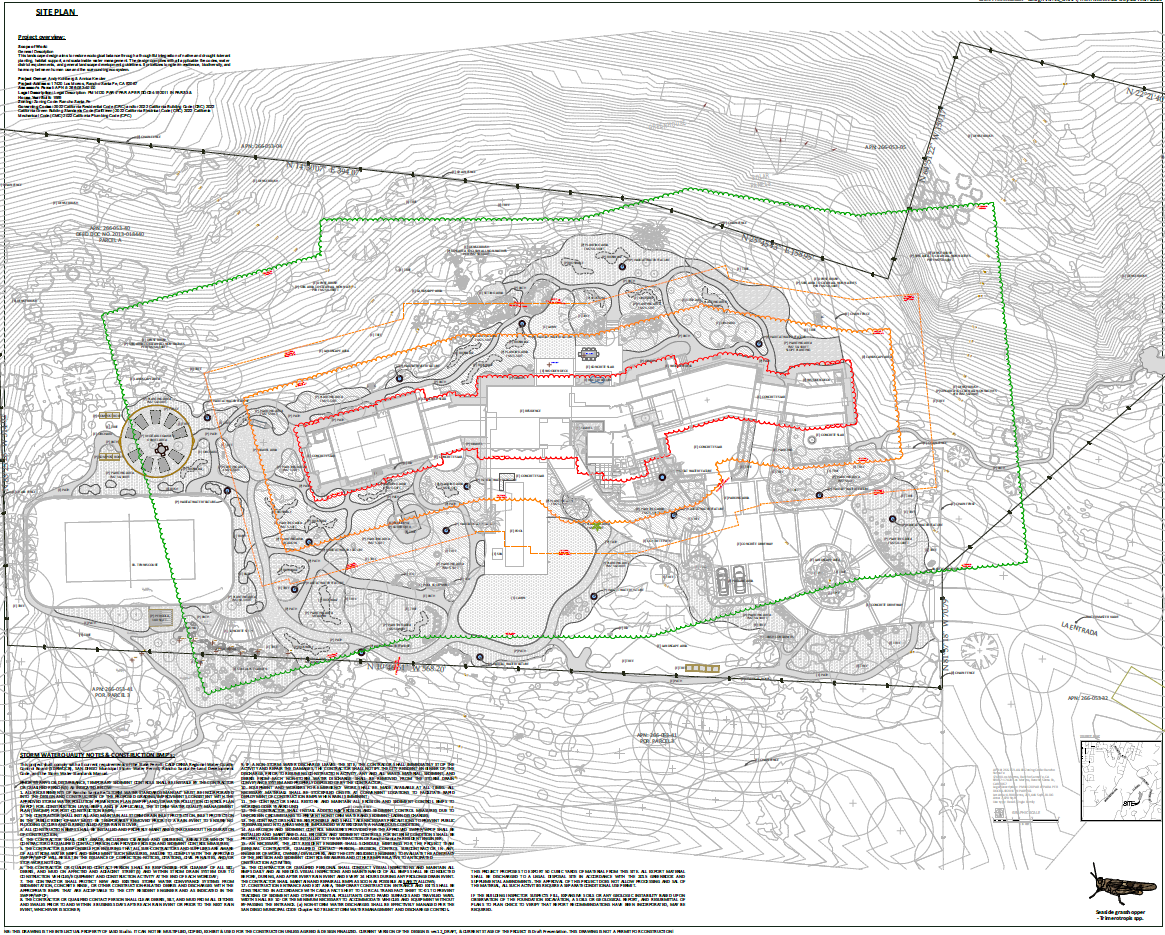
Wild-fire prevention strategy & Design narrative coordination
Fuel modification as design structure, not compromise to the design
Fuel modification requirements often produce landscapes that feel stripped, defensive, and ecologically empty. The design approach here treats fuel modification zones as a framework that can still carry beauty - and can still carry habitat.
Rather than thinking of fuel zones as something that is “drawn over” the design at the end, the zones shape the design from the beginning: how planting is spaced and layered, where circulation routes become natural firebreaks, how maintenance access and visibility are resolved, and how the transitions between zones remain soft instead of abrupt. When this is done correctly, compliance does not erase atmosphere. It becomes part of the logic of the place.
Water harvesting through grading and bioswales
In many landscapes, water is treated as a utility delivered through irrigation. In this project, water is treated as something the land can hold and distribute intelligently - especially during episodic rain events that, if unmanaged, become erosion and loss.
The grading concept is designed to slow runoff, support infiltration, and create subtle moisture gradients across the property. Bioswales are not only technical devices; they become landscape form, shaping planting conditions and supporting microhabitats. Over time, this shifts the site away from dependency and toward resilience.
Soil restoration: biology as infrastructure
A rewilding garden cannot be built on dead soil.
Soil here is treated as living foundation. The restoration approach is phased: stabilizing conditions, improving aeration and structure where needed, introducing and supporting microbial life, and using pilot planting as a feedback loop before scaling larger planting areas. This reduces risk, improves long-term performance, and allows the landscape to establish as a system rather than as a fragile composition that requires constant correction.
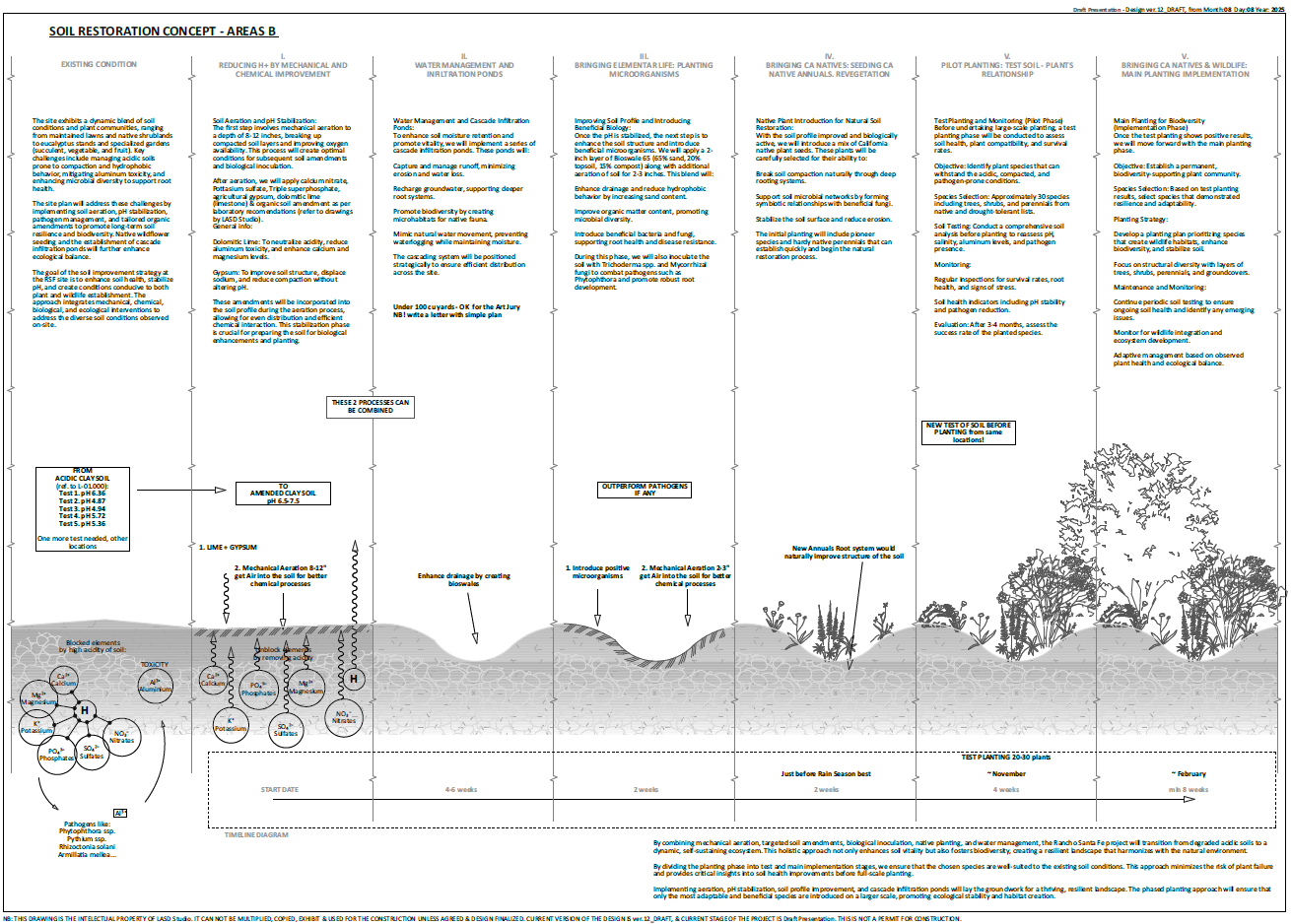
Soil restoration strategy for a long time sustainable development of life
Planting typologies based on habitat and trophic stability
Instead of organizing the planting as a list of species, the project organizes planting as a set of typologies - each with an ecological role.
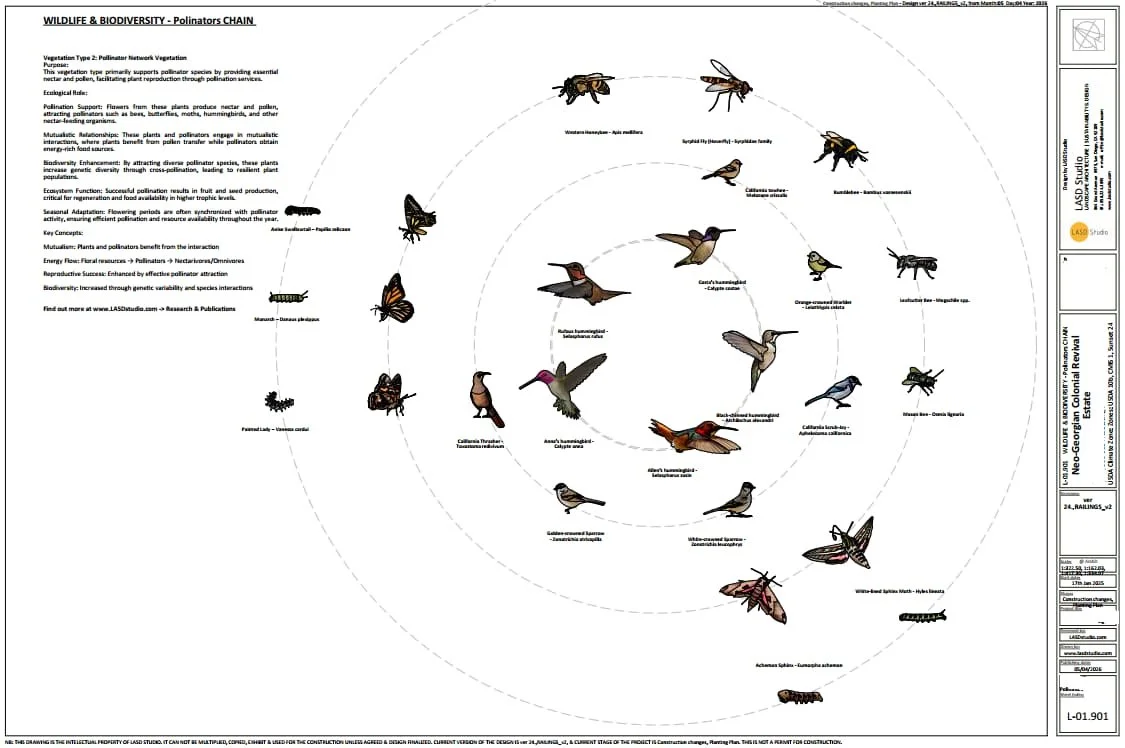
Some planting zones are structured for trophic network stability: shelter, food chain support, nesting opportunities, and the layered complexity that allows multiple species to coexist. Other zones are structured specifically for pollinator continuity, supporting hummingbirds, bees, butterflies, and seasonal nectar/pollen presence through time. The result is a landscape where biodiversity is not decorative; it is functional and intentional.
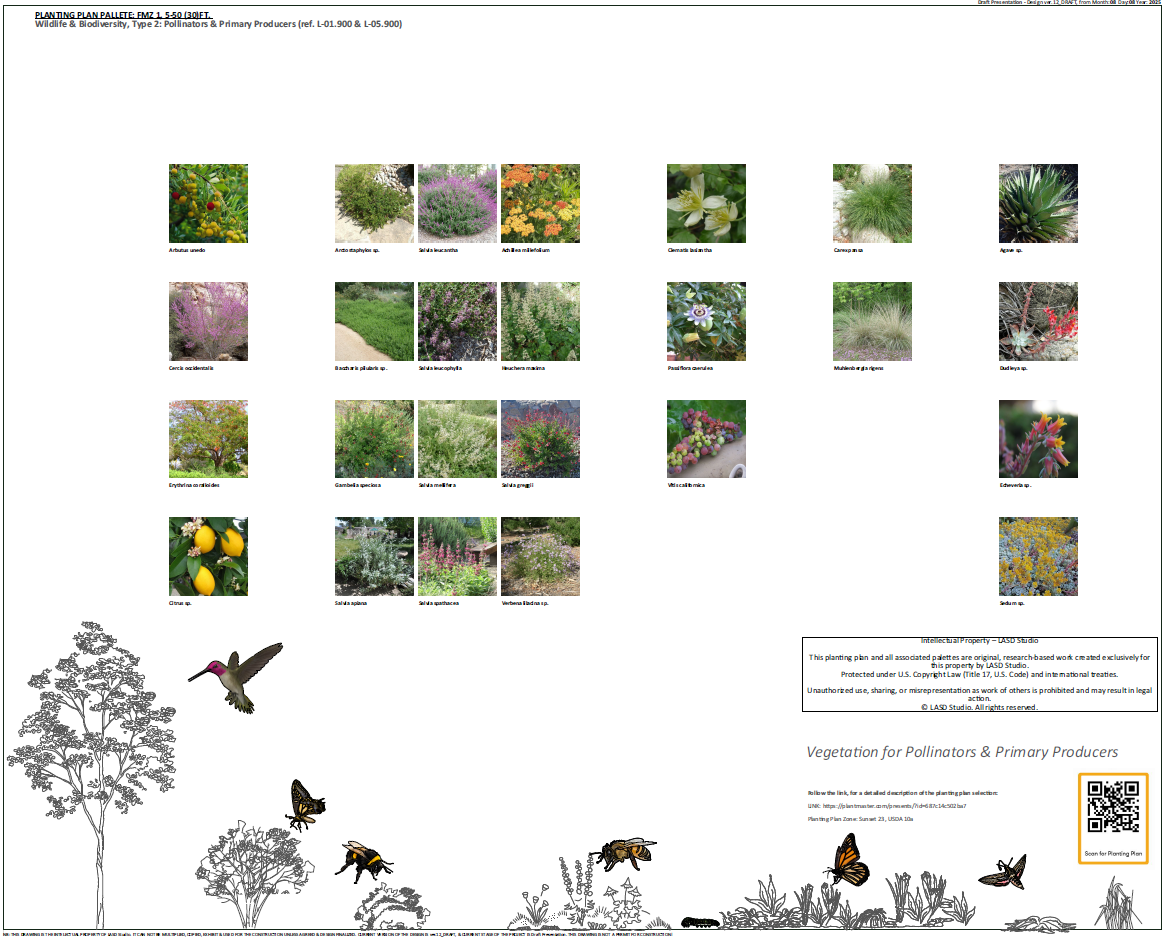
1 of 3 different wildlife and biodiversity specific planting design
Hardscape: elegance that does real work
Hardscape in this project is not separate from ecology. Paths and terraces are designed as both human circulation and risk-aware structure. In fire-prone landscapes, circulation can become strategic firebreak logic without ever feeling like a “fire plan.” When done with care, these routes feel natural and calm — and they are also practical, durable, and buildable.
This is the core LASD Studio approach: maximum ecological performance without losing architectural clarity.
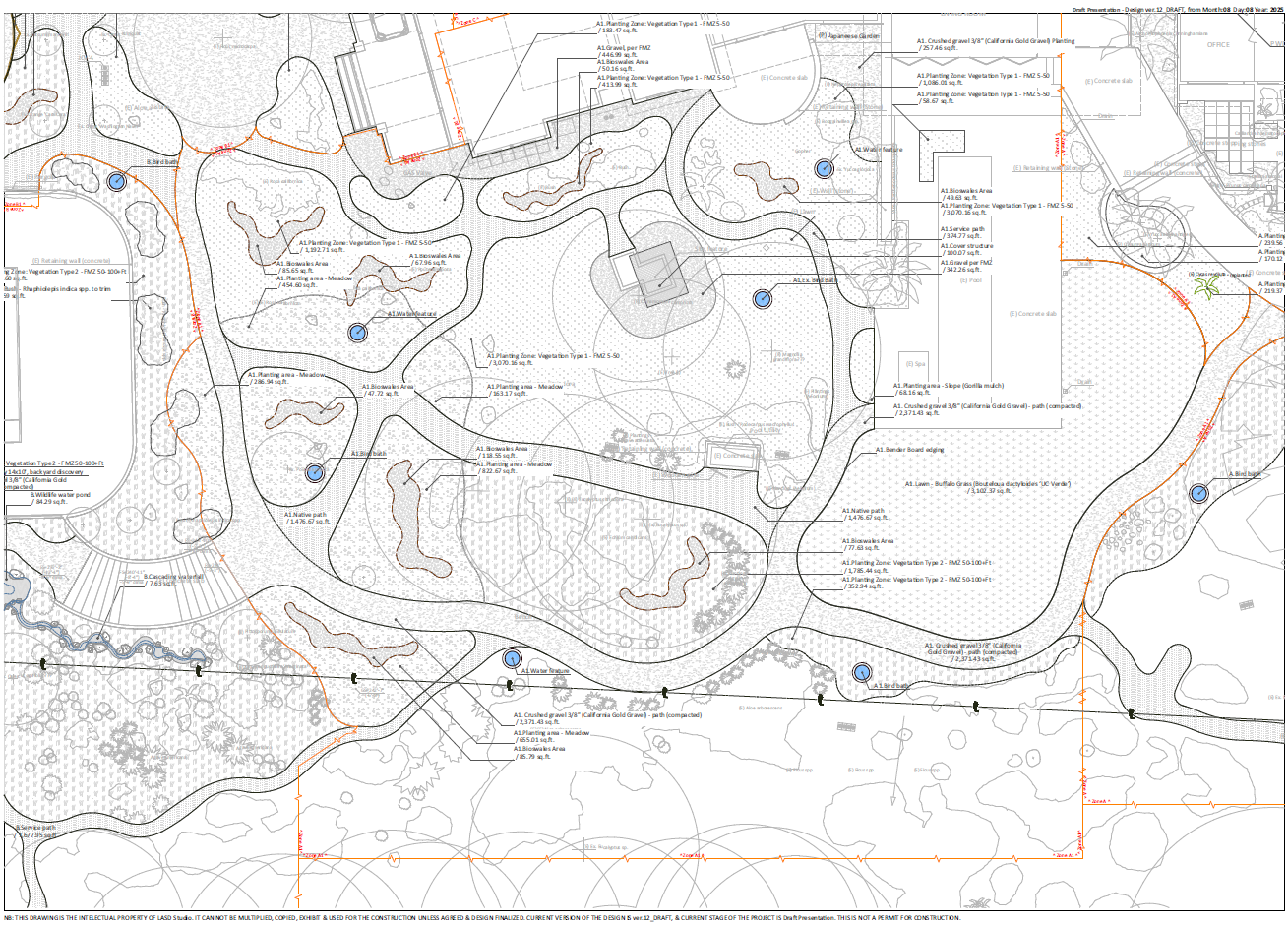
Hardscape, site plan layout
A note on maintenance
A landscape like this does not necessarily require more maintenance - but it requires a different kind of maintenance.
The establishment phase matters. Early monitoring matters. Selective pruning and zone-appropriate upkeep matter. Over time, when the system is structured correctly, the landscape becomes more stable and less wasteful than ornamental landscapes that depend on constant irrigation, constant replacement, and constant aesthetic control.
The Rancho Santa Fe Rewilding Sanctuary Garden is a blueprint for how high-end landscapes can evolve: not into scarcity aesthetics, and not into ecological performance that sacrifices beauty, but into environments where science, atmosphere, and long-horizon resilience exist as one coherent design.
If you are considering a legacy-level landscape in Rancho Santa Fe or coastal Southern California, LASD Studio can share process, phasing, and feasibility during consultation.
Learn more about LASD Studio research - https://www.lasdstudio.com/research
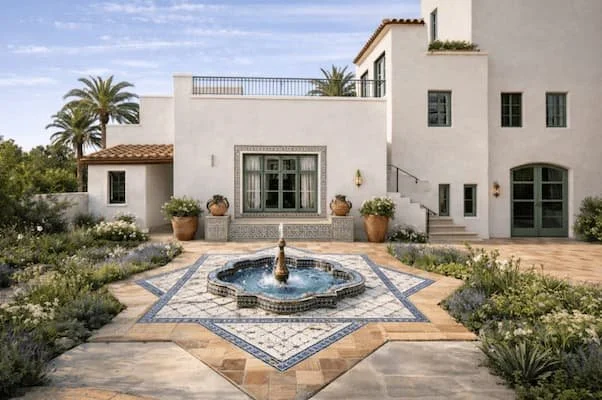
Spanish Revival Garden Design in Coronado, California
A Spanish Colonial Revival garden in Coronado, California, blending Moorish details, courtyards, fountains, and lush planting. This design complements historic architecture with timeless Mediterranean elegance.
Where heritage meets modern life style
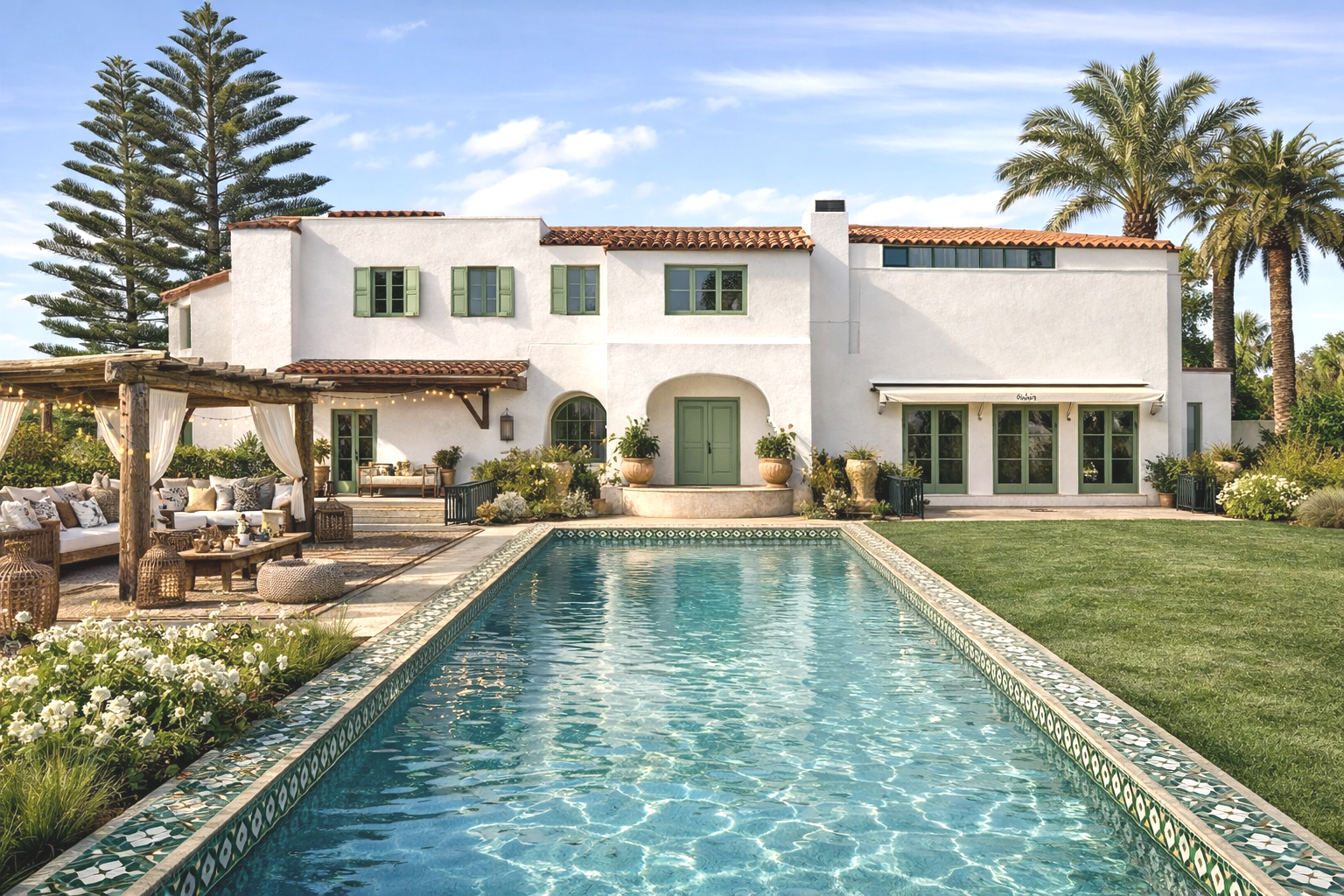
This Coronado estate reinterprets the elegance of Spanish Revival architecture through a carefully composed garden design. Rooted in the traditions of Mediterranean, Moorish, and Gothic influences, the landscape features courtyards, pergolas with vines, colorful tiles, and terracotta details that harmonize with the home’s historic architecture. A grand swimming pool, shaded outdoor rooms, and lush fruit tree plantings create both beauty and functionality, offering serene transitions from the street to private living spaces. Designed as a living cultural landscape, the garden merges history, ecology, and comfort, reflecting LASD Studio’s commitment to creating landscapes in balance with nature.
For context, see our Journal essay on Spanish Revival gardens in Southern California - Design with Soul.
We began this journey by looking at historical documents about the property and dive into Spanish Revival essence.
Spanish Revival (Colonial Revival) 1915-1931 …
This style appears in North America during Panama - California Exposition. This is eclectic combination of early Spanish colonization of North and South America, started in Florida and California. Roots of this style coming from traditional Spanish, Mediterranean architecture with earlier influence of Moorish and Gothic architecture. This style became known as Spanish Revival, Colonial Revival or Spanish Eclectic. The main elements of this style are: Curves and arches, white stucco exterior and wall, colored tiles with Spanish ornament, terracotta roof tiles, plenty of balconies with beautiful ironwork, wooden doors and gates, cozy courtyards and patios with large terracotta pots small fountains. Sometimes we can see influence of Moorish architecture like lanterns with colorful glass and pavement of with special ornament.
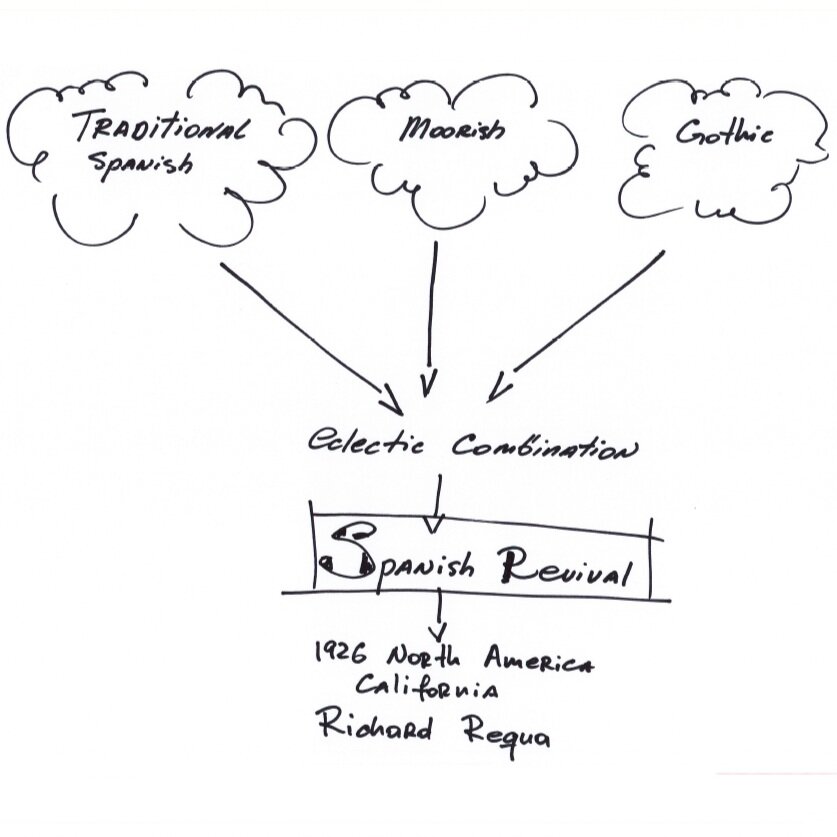
Spanish Revival Style Diagram

Referred to as Spanish Revival, Colonial Revival, or Spanish Eclectic, this architectural language is read through form before ornament; curved walls, shallow arcs, and thresholds that soften the transition between interior and exterior.
Surfaces are continuous; lime-toned stucco holding light across the day. Rooflines settle in terracotta; tiles repeating in measured rhythm, absorbing heat, releasing it slowly.
Detail is precise, but never isolated. Hand-painted ceramic tiles introduce color at moments of contact; risers, fountains, edges where water meets stone. Wrought iron defines boundaries lightly; balconies, gates, railings that filter rather than close. Wood carries weight at the threshold; doors set deep within walls, marking entry through shadow.
The courtyard remains the center; enclosed, scaled to the body, shaped by proportion rather than size. Water sits within it; a fountain, contained, reflective, cooling the air as it moves.
Moorish influence appears in pattern; geometry underfoot, light passing through lanterns, repetition creating order without rigidity.
In Coronado, this project works within that lineage; not as replication, but as continuation. The language remains, yet the space adjusts to present use; open, inhabited, aligned with contemporary life while holding its architectural origin intact.

Historic Site Plan and Garden Details

Historic Architectural Elevations
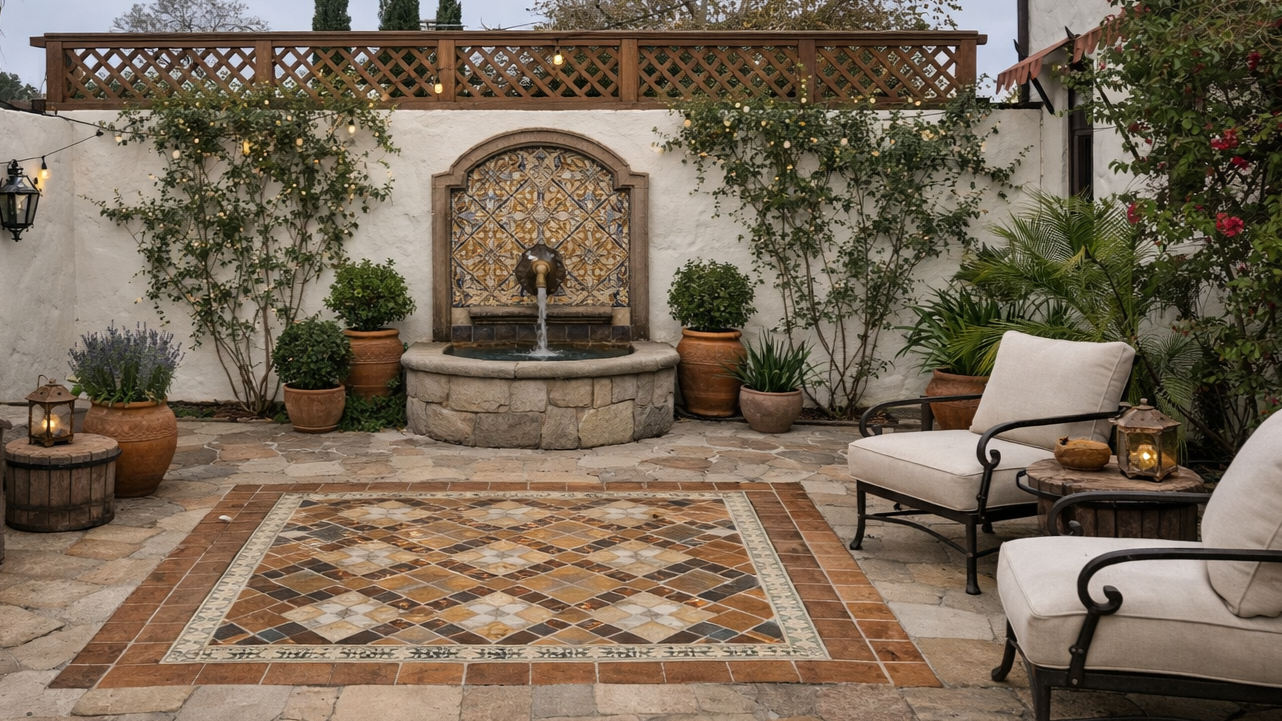
Intimate side-yard private patio with Santa Barbara stucco walls, traditional Spanish fountain and satillo tiles as carpet.
Historical Research and Foundations
Our journey began by studying historical documents and original architectural drawings of the property. This research allowed us to fully immerse ourselves in the essence of Spanish Revival, ensuring that the garden design would not only complement the home but also expand on its cultural narrative.
Visual boards and material palettes were prepared to experience the spirit of the style before design development began. From tiles to lanterns, from pergola structures to Mediterranean planting, every element was carefully selected to harmonize with the house.

Herb Garden Mood Board

Hardscape & Paving Mood Board

Herb Garden Mood Board
~ 7 architectural elements of Spanish Revival Garden Style ~
Designing Transitions and Garden Zones for life
One of the main responsibilities of this design was to respect and enhance the architecture while creating fluid outdoor transitions. Key design strategies included:
Main entrance courtyard. A welcoming sequence with fruit trees and a pergola covered in vines, leading visitors toward the front door with the sound of a small fountain.
Street buffer. Planting fruit trees along the street edge creates privacy, reduces noise, and strengthens the sense of arrival.
Garden circulation. From the entrance, pathways extend toward the main garden, vegetable garden, guest house, and outdoor dining terrace.
Private courtyard & pool. A secluded courtyard integrates a 40-foot swimming pool, surrounded by Mediterranean and Moorish-inspired planting. Pergolas and shaded seating areas create comfortable gathering spaces for family and guests.
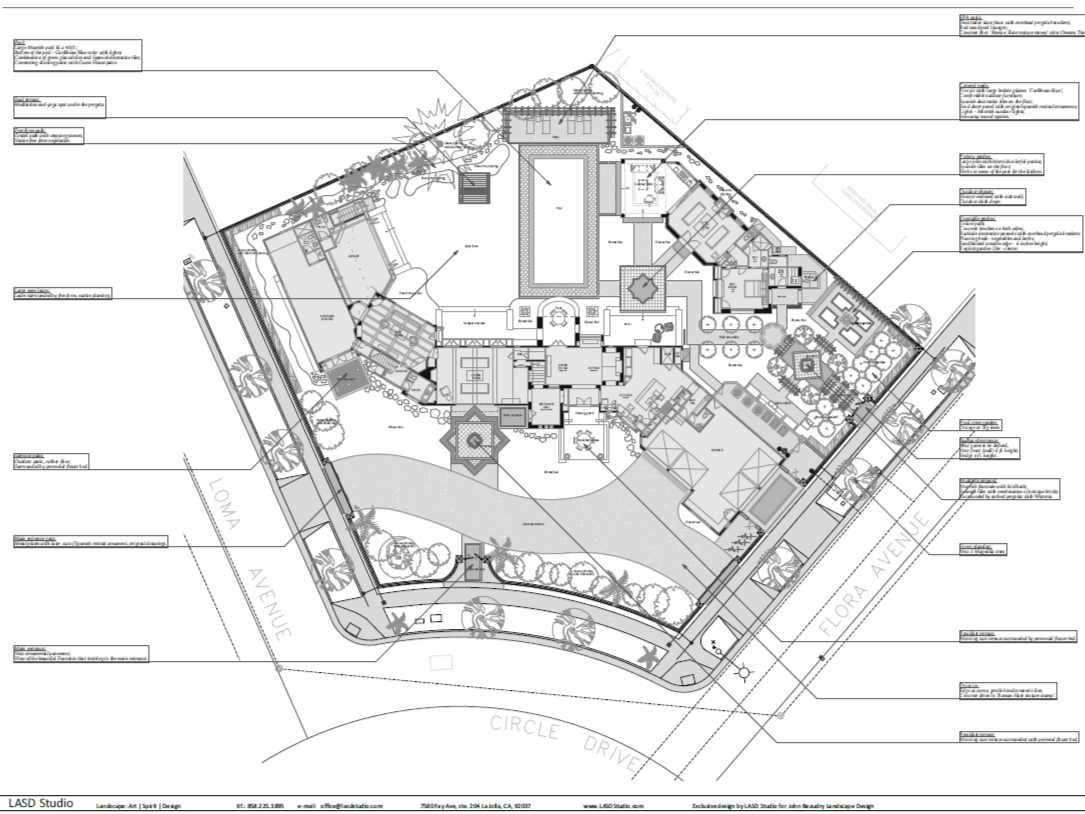
Spanish Colonial Revival - Full Site Masterplan - Coronado, Southern California
Moorish Influences
Under Moorish influence, the space begins to operate differently; not through objects, but through relationships.
The ground carries a quiet geometry. Patterns unfold beneath each step, sometimes noticed, often only felt; a subtle order that steadies movement without announcing itself.
Light drifts through the structure and catches on detail. Lanterns temper its intensity, breaking it into fragments that move across plaster and stone; by afternoon, shadow deepens, edges soften, the space becomes more intimate without closing.
Color gathers where use brings attention. At the edge of water, along a low wall, within tile set into the surface; blues, ochres, and earth tones held close, never extended too far, allowing the eye to rest.
There is a distant echo of the courtyards of Alhambra; not in replication, but in proportion and atmosphere. Water cools, shade protects, pattern gives clarity. The garden and the architecture are not separate conditions; they are read as one.
These references are absorbed rather than applied. They settle into the project, adjusting to its climate, its scale, its daily use.
What remains is a layered space, where history is present but quiet, and where light, material, and movement continue to shape the experience over time.

Entrance Courtyard Detail
LASD Studio Philosophy
At LASD Studio, we design landscapes as living cultural systems, shaped by history, but always evolving with ecology. Every project aims to close the cycle of clean water, fresh air, fertile soil, and biodiversity for future generations.
Our Spanish Revival Garden in Coronado reflects this vision: it honors architectural tradition, enriches ecological performance, and creates a timeless sanctuary where people and nature thrive together.

Entrance Courtyard Perspective
Here we solved important issue of the traffic from the street by planting a fruit trees. Pergolas with vines will create a great transition, that will be followed by little additional courtyard fountain.
What a great way to come home.
From here, we can go to main garden, vegetable garden, guest house and garden table.

Garden Axis Plan with Fountain
Private courtyard shared with guests. Here we will have 40ft size swimming pool.

Pool and Patio Plan - enclosed patio - Spanish Revival Garden Design

Ethno Village – Reykjavik, Iceland
Ethno Village in Reykjavik, Iceland, is a free-form cultural and ecological campus. Featuring spherical traveler pods, a carnival center with a green roof, and an outdoor concert area, it offers space for festivals, retreats, and sustainable community living.
“A Cultural Landscape of Connection, Nature, and Community”

Ethno Village Reykjavik Cultural Landscape Vision
A Living Sanctuary in Icelandic Nature
Ethno Village is envisioned as a free-form cultural landscape where visitors can fully connect with the natural rhythms of Reykjavik. Designed for both locals and travelers, the space offers opportunities for weekend retreats, ethnic festivals, meditation and yoga classes, team-building, and cultural events.
Concept video of Ethno Village in Reykjavik, Iceland, presenting a futuristic cultural retreat with spherical eco-pods, geothermal steam, and communal gathering spaces, designed by LASD Studio.
Design Features
Spherical Traveler Pods – movable eco-pods that offer unique accommodation in harmony with the land.
Carnival Center – a main facility building with a green roof, blending architecture and ecology.
Concert & Event Area – an open-air gathering space for music, art, and community celebrations.
Sustainable Vision
The design embodies flexibility, ecological balance, and cultural storytelling. With relocatable pods and natural zoning, Ethno Village evolves over time, responding to the needs of its visitors while maintaining biodiversity and minimal impact on the land.
Global Relevance
Ethno Village reflects LASD Studio’s philosophy: creating landscapes that balance human culture with ecological continuity. It is both a destination and a living artwork — where tourism, community, and sustainability converge.