
Wildlife, Biodiversity, and the Future of Landscape Design in San Diego, Southern California
San Diego is one of the most beautiful places to live, but it is also one of the most ecologically sensitive.
Our landscapes sit between ocean, canyon, chaparral, coastal sage scrub, dry slopes, urban neighborhoods, and rapidly changing climate conditions. A private garden in La Jolla, Mission Hills, Del Mar, Point Loma, Rancho Santa Fe, or an HOA community in San Diego is never just a decorative outdoor space. It is part of a larger living system.
For many years, residential landscape design in Southern California was often treated as a visual exercise: lawn, palms, shrubs, hardscape, irrigation, lighting, and outdoor living. If the result looked clean and attractive, it was considered successful.
But San Diego is asking for more intelligent landscapes now.
Water is limited and increasingly expensive. Fire-conscious planning is becoming part of everyday property decisions. Slopes, erosion, drainage, heat, invasive species, and long-term maintenance are not abstract environmental topics. They directly affect homeowners, estates, communities, and the future value of the land itself.
Because of this, landscape design can no longer be understood as decoration alone.
A property is alive with relationships. Soil, water, plants, insects, birds, reptiles, mammals, fungi, shade, wind, architecture, and human use all shape how a landscape performs over time. Every design decision either strengthens or weakens these relationships.
At LASD Studio, we believe that the future of landscape architecture in San Diego depends on understanding this more clearly.
A landscape should still be beautiful. It should feel elegant, intentional, comfortable, and connected to the architecture of the home. It should support family life, outdoor dining, privacy, movement, shade, atmosphere, and long-term enjoyment.
But beauty becomes more meaningful when it also supports life.
A garden can be refined and ecologically intelligent at the same time. It can be artistic, functional, and deeply connected to place while also supporting pollinators, birds, beneficial insects, soil health, reduced water use, and long-term resilience.
This is not about turning every property into wilderness. It is about designing landscapes where people and nature can coexist with more intelligence.

San Diego Landscapes Are Living Systems
Our approach begins with a simple idea: landscapes are not static objects. They are living, evolving systems.
This direction comes from Yura Lotonenko’s long-term research and publications, including Designing Landscapes as Evolutionary Systems, which explores how landscape architecture can move beyond fixed stylistic compositions and engage with ecological processes, adaptation, and time.
In practice, this means we do not look at a site only as a place to arrange plants and materials. We look at how the property actually works.
How does water move through the land? Where does erosion occur? Which areas are exposed to heat, wind, or fire risk?
What soil conditions are present? Which existing trees, shrubs, or habitat fragments are worth preserving? How does the property connect to nearby canyons, slopes, open spaces, or urban wildlife corridors? How do people want to live in the garden every day? Good landscape design begins when these questions are taken seriously.
In San Diego, this is especially important because many properties exist at the edge of complex ecological conditions. A canyon lot, a coastal property, a hillside estate, or an older neighborhood garden may contain opportunities that are easy to overlook if the design process is only focused on appearance.
Every site has limitations. But almost every site also has ecological potential.
Why Biodiversity Matters
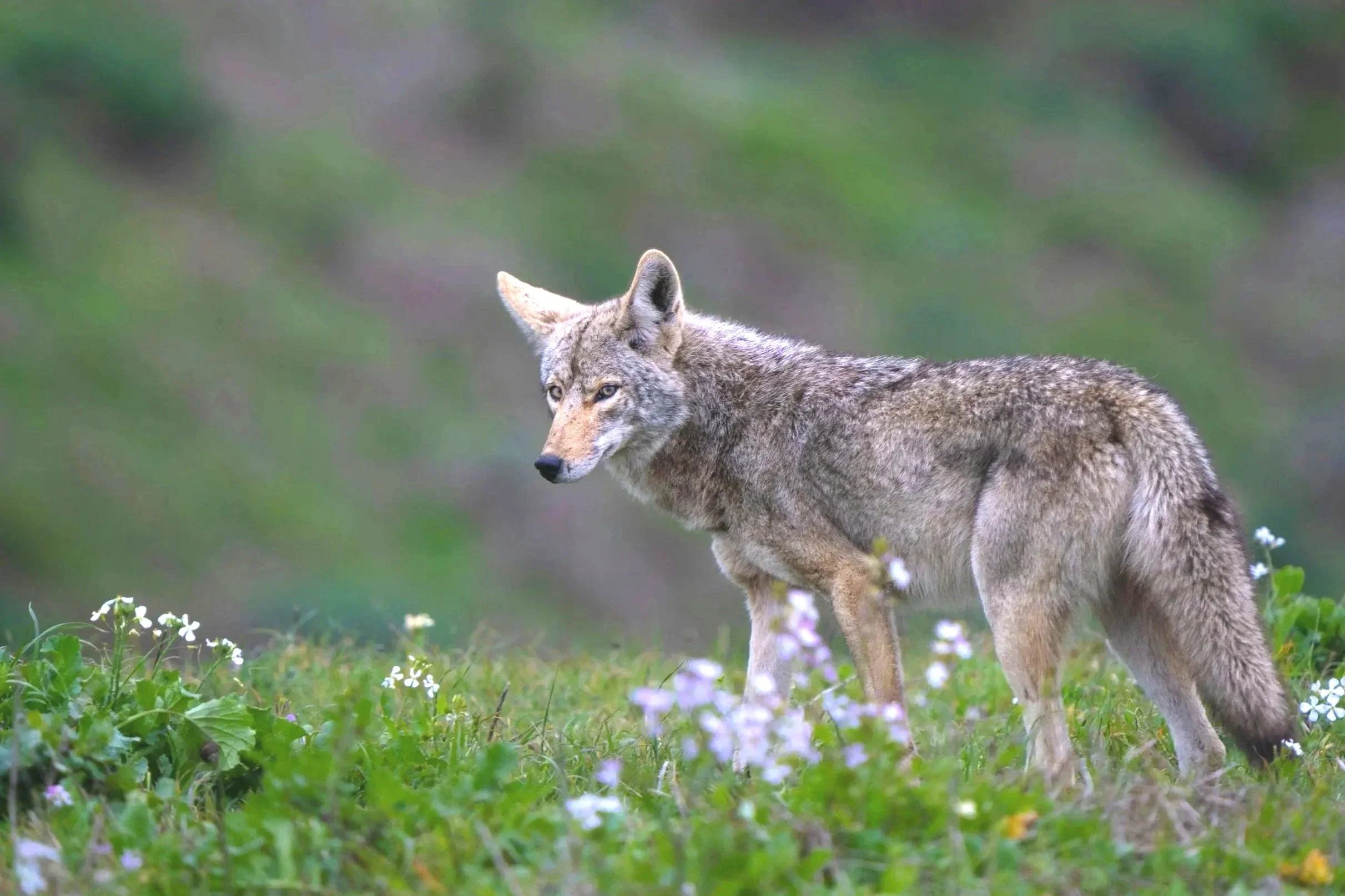
Biodiversity is often misunderstood as simply “adding native plants.” Native plants can be very important, but biodiversity is not only about plant selection. It is about relationships.
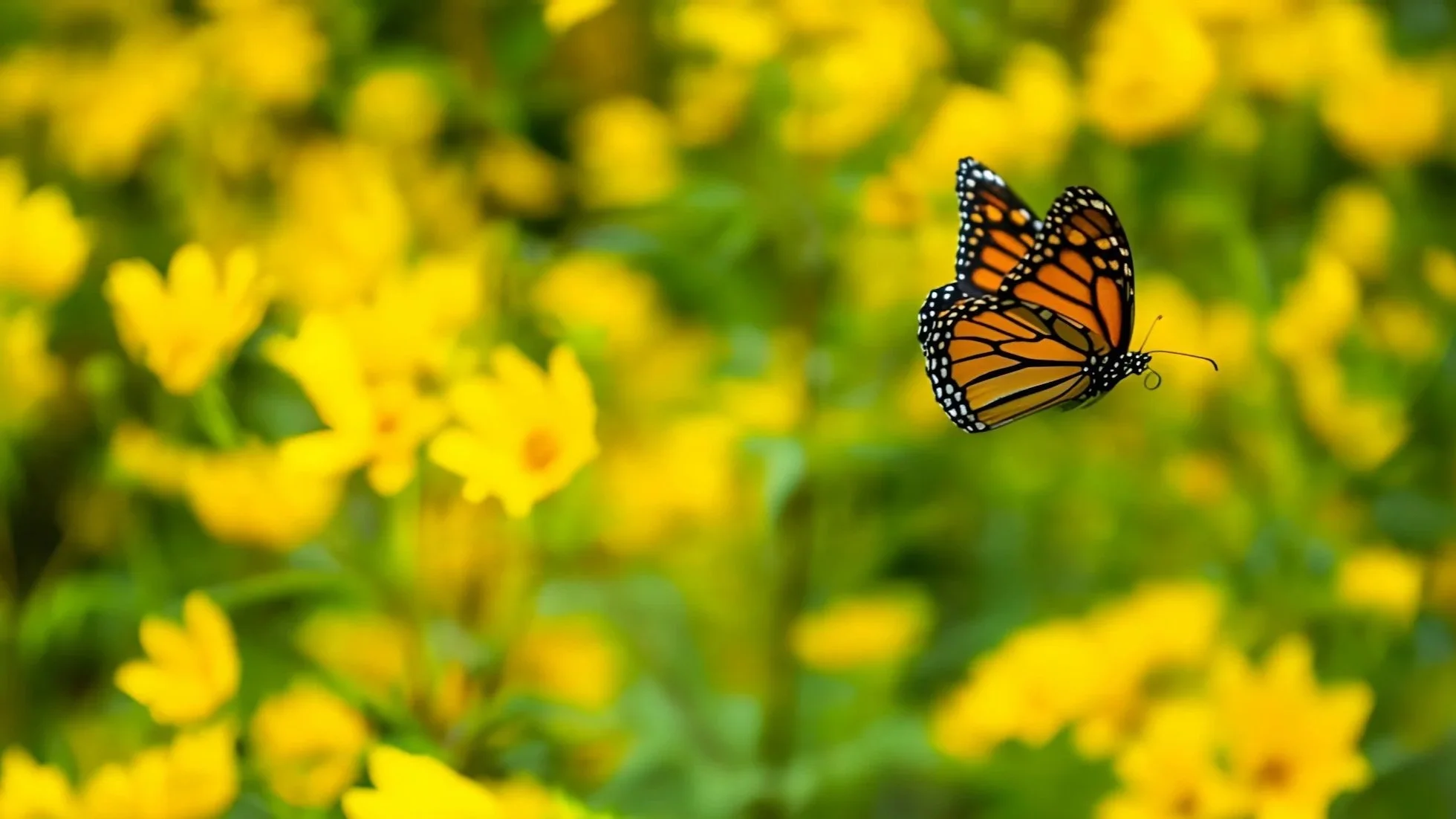
Plants support insects. Insects support birds, reptiles, and small mammals. Fungi and microorganisms support soil life. Leaf litter, roots, shade, flowering cycles, seeds, and seasonal change all contribute to the living intelligence of a place.
A healthy landscape is not only beautiful at eye level. It is active at many levels of life.
This is where ecological and trophic relationships become important. In a functioning ecosystem, life is connected through multiple layers: soil organisms, plants, herbivores, pollinators, decomposers, predators, and broader wildlife movement. When a landscape is designed with these relationships in mind, even a residential property can begin to support a healthier ecological network.
Not dramatically. Not artificially. But quietly, one site at a time.
In Southern California, where native habitats have been fragmented by development, private landscapes can play a meaningful role. A single garden will not restore an entire ecosystem, but many thoughtful gardens, slopes, canyon edges, estates, and community landscapes together can begin to create better conditions for life.
Progressive Thinking, Practical Results
Progressive landscape design should not feel abstract or disconnected from real life.
For homeowners in San Diego, ecological thinking can mean a garden that feels more alive, seasonal, and connected to the land. It can mean less dependence on excessive irrigation, stronger plant health, improved shade, better drainage, and a deeper sense of place.
For estate properties, it can mean creating a legacy landscape that matures intelligently over decades rather than becoming outdated or increasingly difficult to maintain.
For HOA communities, it can mean reducing waste, improving long-term landscape performance, responding to changing fire and water expectations, and creating shared outdoor spaces that serve both residents and the land itself.
For Southern California as a whole, it means rethinking the role of private landscapes.
Private properties occupy an enormous amount of land. When designed conventionally, they can contribute to habitat fragmentation, water waste, soil degradation, and ecological simplification. But when designed intelligently, they can become part of a larger repair process.
The LASD Studio Approach
At LASD Studio, our work combines design, research, technical systems, and ecological thinking.
We develop each project through a structured process that considers the human experience of the landscape as well as its environmental performance. Depending on the site, this may include spatial design, planting strategy, irrigation planning, grading and drainage coordination, fire-conscious landscape planning, water-use calculations, soil improvement strategies, and long-term ecological development.
Our publications and design philosophy explore how landscapes can evolve as living systems and how biodiversity can become part of the design process rather than an afterthought.
We believe sustainability should not be used as a decorative label.
It should be part of how a landscape is conceived, designed, built, and allowed to mature.
That does not mean every project has to become a scientific experiment. Most clients simply want a beautiful, functional, lasting landscape. But with the right thinking, that same landscape can also support pollinators, birds, beneficial insects, soil life, water efficiency, and ecological resilience.
This is where intelligent design can help normal people make better decisions without needing to become ecologists themselves.
A Different Way to Think About Your San Diego Property
If you are considering a landscape project in San Diego or Southern California, we invite you to think beyond appearance alone.
Ask not only how your property could look, but how it could function.
How could it respond to water more intelligently?
How could it support more life?
How could it become more resilient over time?
How could it connect to the ecology of its place rather than simply sit on top of it?
How could it become part of a healthier future for Southern California?
At LASD Studio, we design landscapes where art, nature, and ecological intelligence evolve together. Our goal is not only to create beautiful outdoor spaces, but to help each site become more alive, more resilient, and more meaningful through time.
If these ideas resonate with you, we invite you to explore our publications and design approach:
Designing Landscapes as Evolutionary Systems
Wildlife & Biodiversity Landscape Design
Ecological Restoration & Site-Specific Landscape Thinking
Landscape Architecture in San Diego
Because the future of landscape design in San Diego is not only about creating beautiful places.
It is about creating living systems that deserve to endure.