Award-Winning Butterfly & Bird Garden in Poway, California
An early LASD Studio garden where extensive lawn was transformed into an intimate living sanctuary for butterflies, birds, pollinators and people.
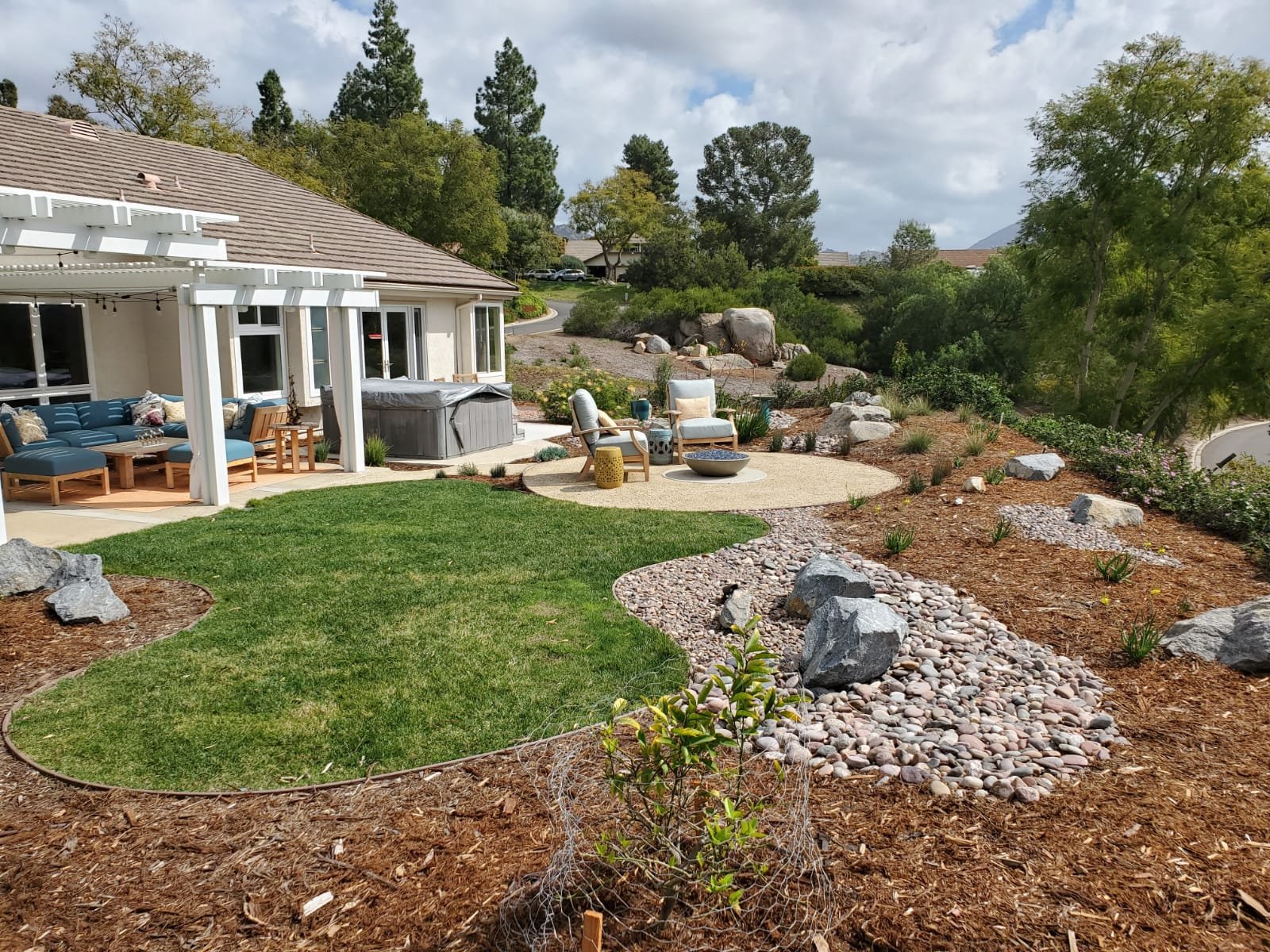
The Butterfly Garden in Poway, California, is a small ecological restoration project that transforms a neglected, dry landscape into a living private sanctuary for butterflies, pollinators, wildlife and people, designed as a living ecosystem.
Designed entirely by LASD Studio founder Yura Lotonenko, this was one of his first gardens in Southern California, and one of the projects that began shaping the studio’s ecological design philosophy.
The completed landscape received multiple awards through San Diego-area garden tours, but its deeper achievement is quieter. A neglected, water-demanding yard became a place where people could sit among grasses, flowers, stone and birdsong while a small but increasingly complex habitat developed around them.
From Water-Intensive Lawn to Living Habitat
Before the habitat garden could begin, a substantial portion of the existing lawn had to be removed.
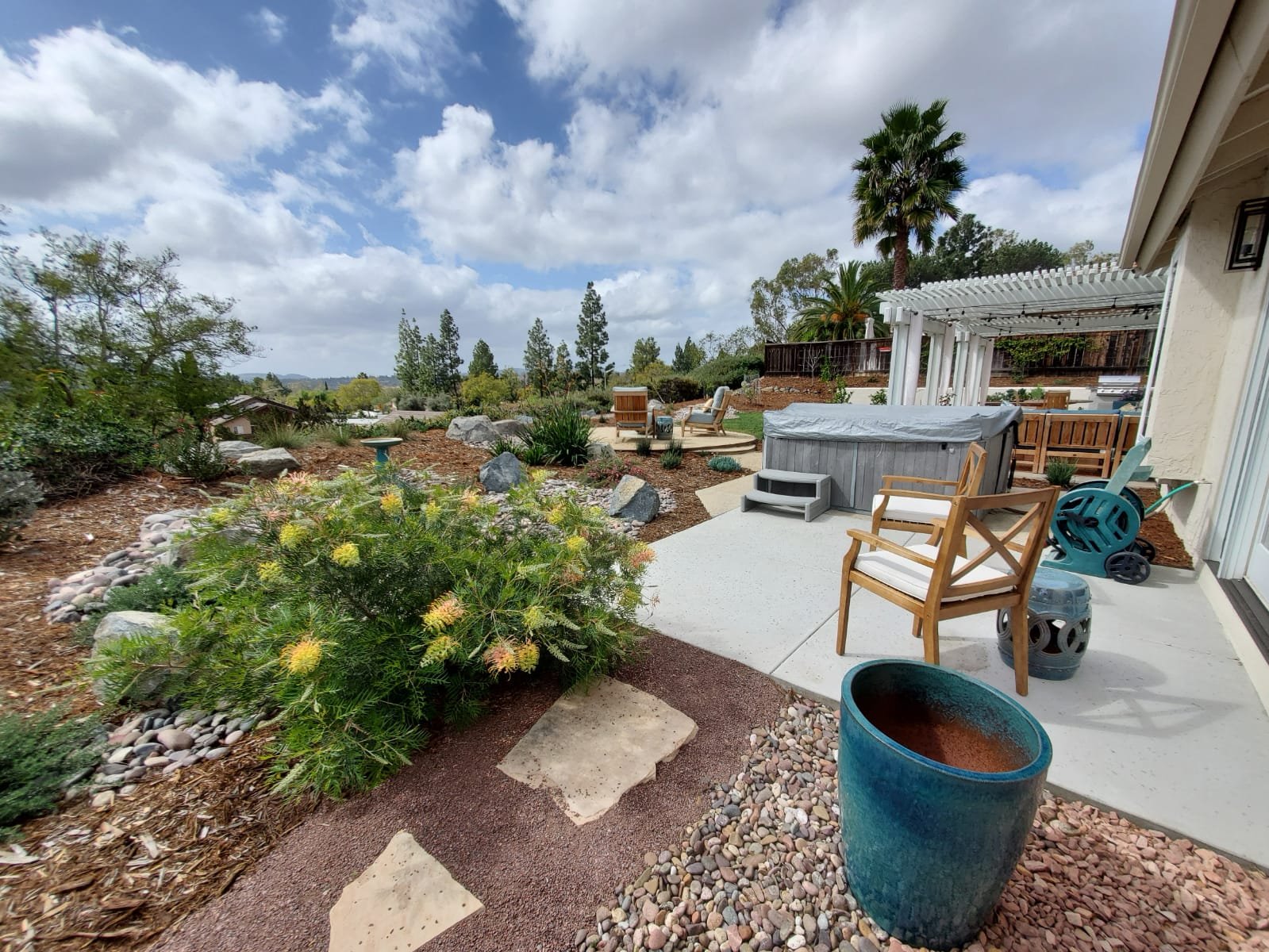
This was not simply a visual change. Conventional turf occupied valuable ground while offering limited structural diversity for butterflies, birds and other wildlife. Replacing it created room for a layered landscape of milkweed, nectar-rich flowers, ornamental grasses, shrubs, groundcovers, boulders, permeable gravel and a dry creek.
The transformation reduced the dominance of one uniform surface and introduced multiple ecological conditions: flowers for nectar and pollen, host planting for butterfly life cycles, seeds for birds, protected soil, perching points, shallow water and spaces of shelter.
What had been an open, depleted ground plane became a sequence of living relationships.

Butterfly garden at sunset with birdbath and seating, Poway, California
Art and Ecology in One Composition
The garden is carefully composed, but it is not static.
Pink grasses catch the low evening light. Boulders hold the structure of the landscape while plants move around them. Gravel and rounded creek stone establish a calm ground plane, and the dry creek traces a natural line through the garden.
During rain, the channel can receive and guide runoff, slowing the movement of water through the property. In dry weather, it remains as a visible memory of water - a sculptural element that organizes the planting and gives the garden a sense of depth.
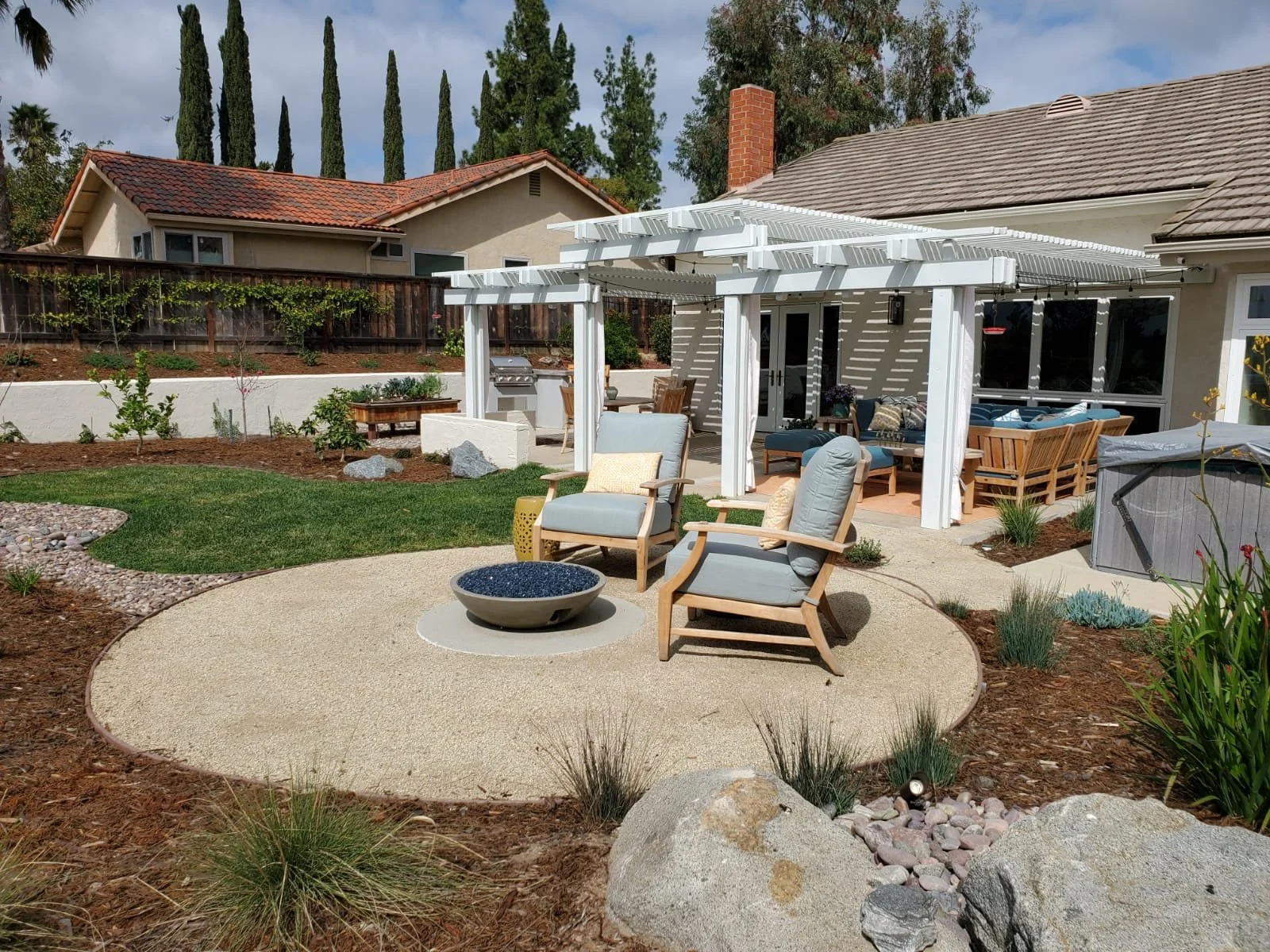
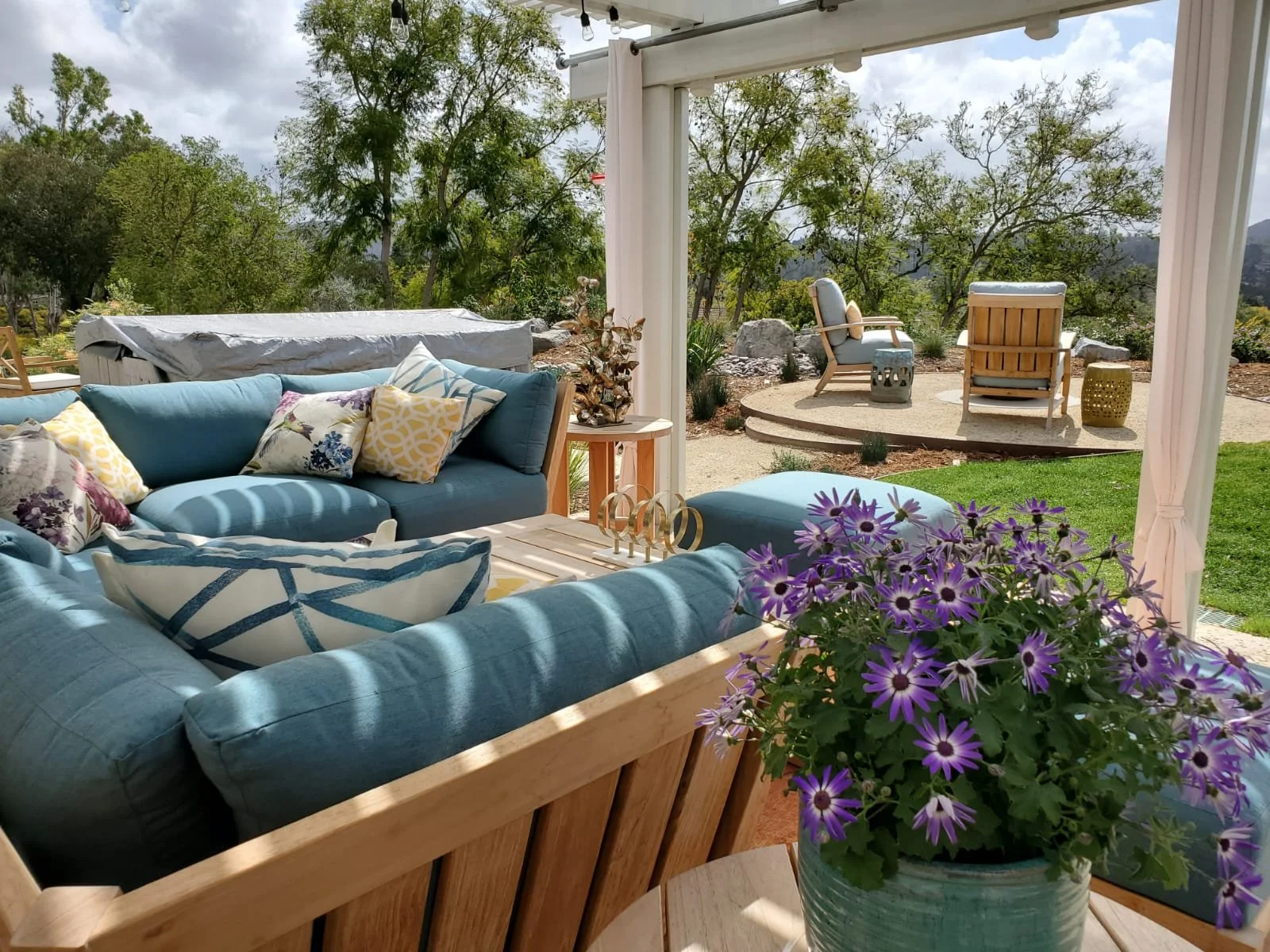
Paths are suggested through openings between plant masses rather than imposed as rigid corridors. The seating area settles within the planting, oriented toward the garden, birdbath and changing sunset rather than away from them.
This is the project’s artistic and ecological synergy: every practical element contributes to the atmosphere, and every beautiful element participates in how the garden functions.
Our vision was to create more than a decorative garden - it is a synergetic system where plants, pollinators, and people coexist. Carefully selected planting palettes ensure year-round color, fragrance, and habitat. The dry creek feature provides both an aesthetic focal point and a functional stormwater solution, creating a microclimate that cools the backyard naturally.

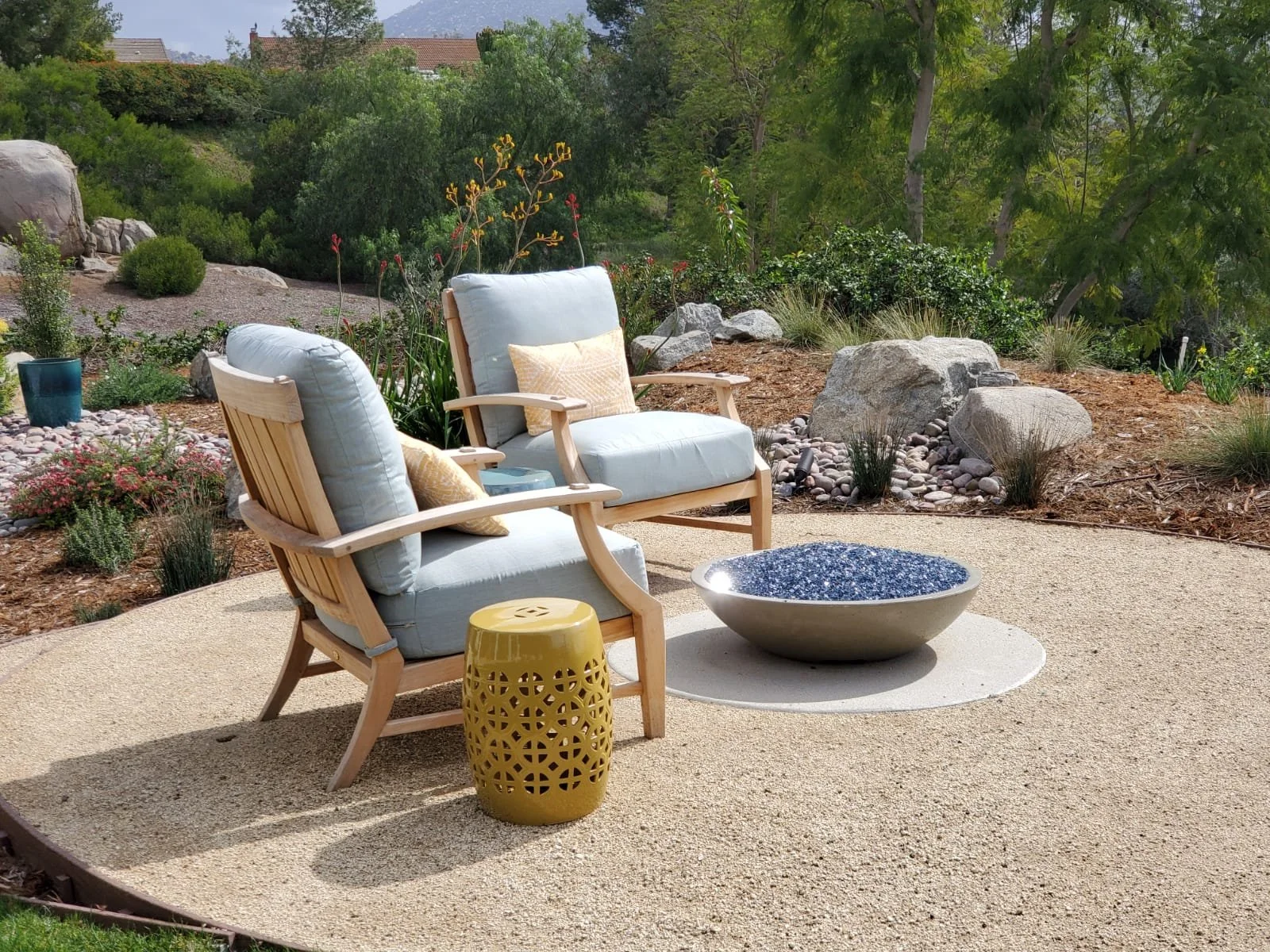
Cozy seating patio with fire bowl in butterfly garden, Poway, California
A Garden for the Butterfly Life Cycle
A butterfly garden cannot be created with flowers alone.
Adult butterflies need nectar, but caterpillars require particular host plants. Milkweed is therefore more than a colorful garden accent: it supports the breeding cycle of monarch butterflies (Danaus plexippus). A longer seasonal sequence of nectar-producing flowers helps extend the garden’s value beyond a single flush of bloom.
Butterflies recorded across San Diego County that may visit suitable Poway gardens include: Monarch - Danaus plexippus, Gulf fritillary - Agraulis vanillae, Western tiger swallowtail - Papilio rutulus, Anise swallowtail - Papilio zelicaon, Common buckeye - Junonia coenia, Painted lady - Vanessa cardui, Orange sulphur - Colias eurytheme.
Their presence depends on season, weather, surrounding habitat and the availability of appropriate nectar and host plants. These species are potential regional visitors rather than a claim that every one has been formally recorded within this garden. The San Diego County butterfly checklist documents the remarkable diversity found across the region.
Bees, moths, hoverflies and other beneficial insects also use flowering landscapes, often performing less visible but equally important work within the garden.
A Birdwatching Garden in the City
The garden was designed not only for butterflies but also as a place for observing birds.
A birdbath provides an open place to drink and bathe, while layered planting offers seeds, insects, perches and protected spaces. Nectar-producing flowers can attract hummingbirds; seed-bearing plants support small songbirds; and insect-rich planting gives wrens and other insectivorous birds somewhere to forage.
Potential visitors within Poway’s wider landscape include: Anna’s hummingbird - Calypte anna, Black-chinned hummingbird - Archilochus alexandri, California quail - Callipepla californica, California towhee - Melozone crissalis, Spotted towhee - Pipilo maculatus, Bushtit - Psaltriparus minimus, Bewick’s wren - Thryomanes bewickii, Lesser goldfinch - Spinus psaltria.
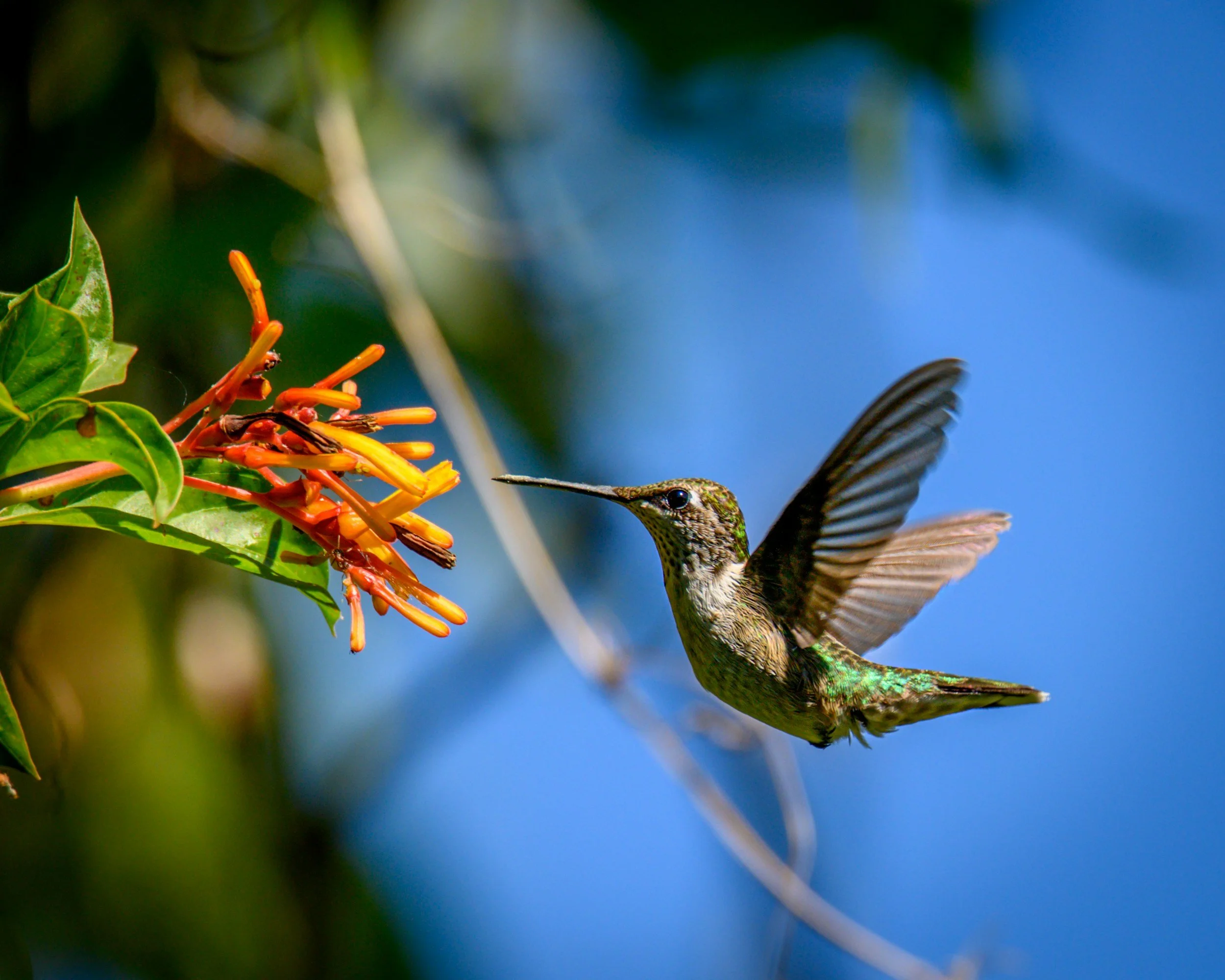
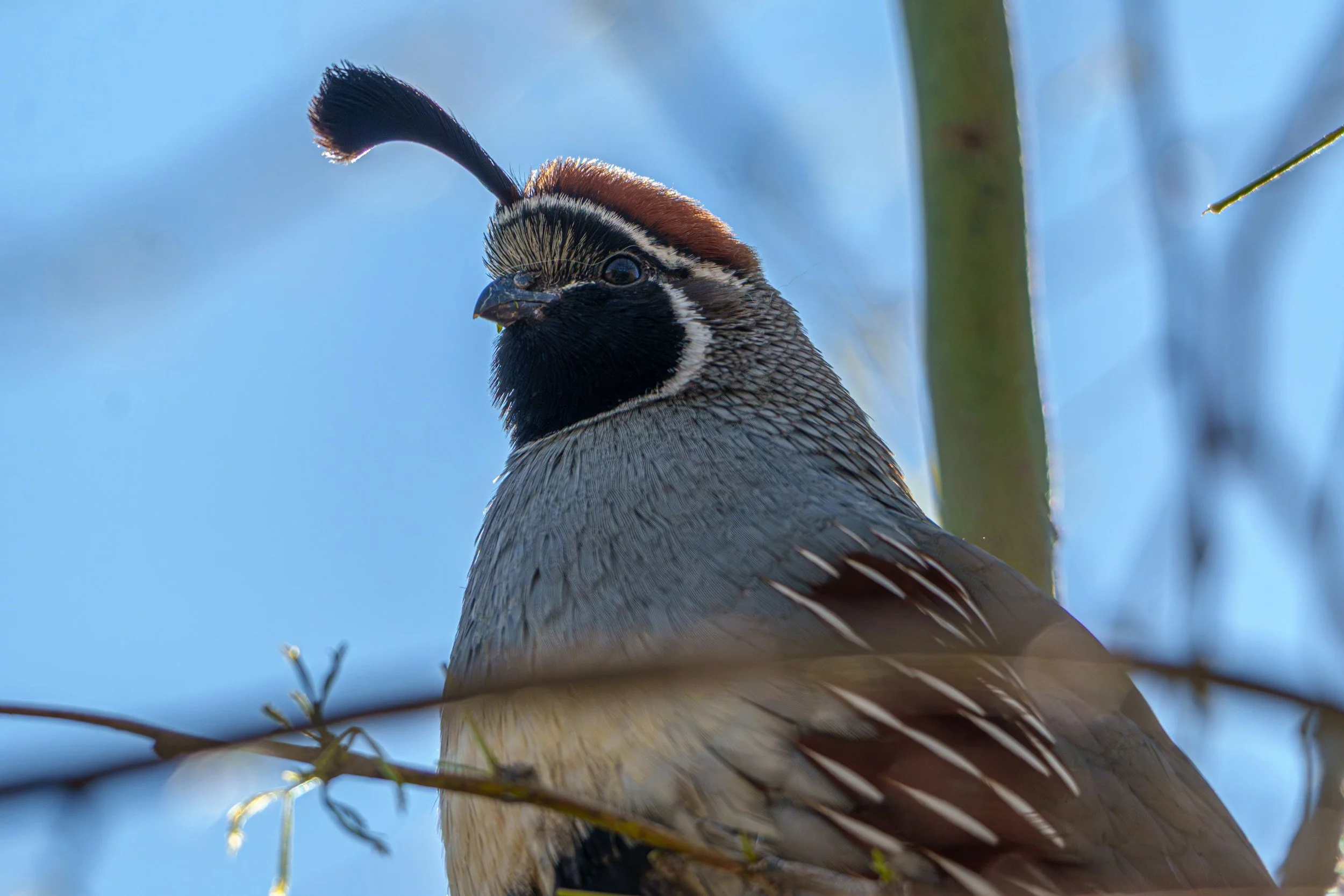
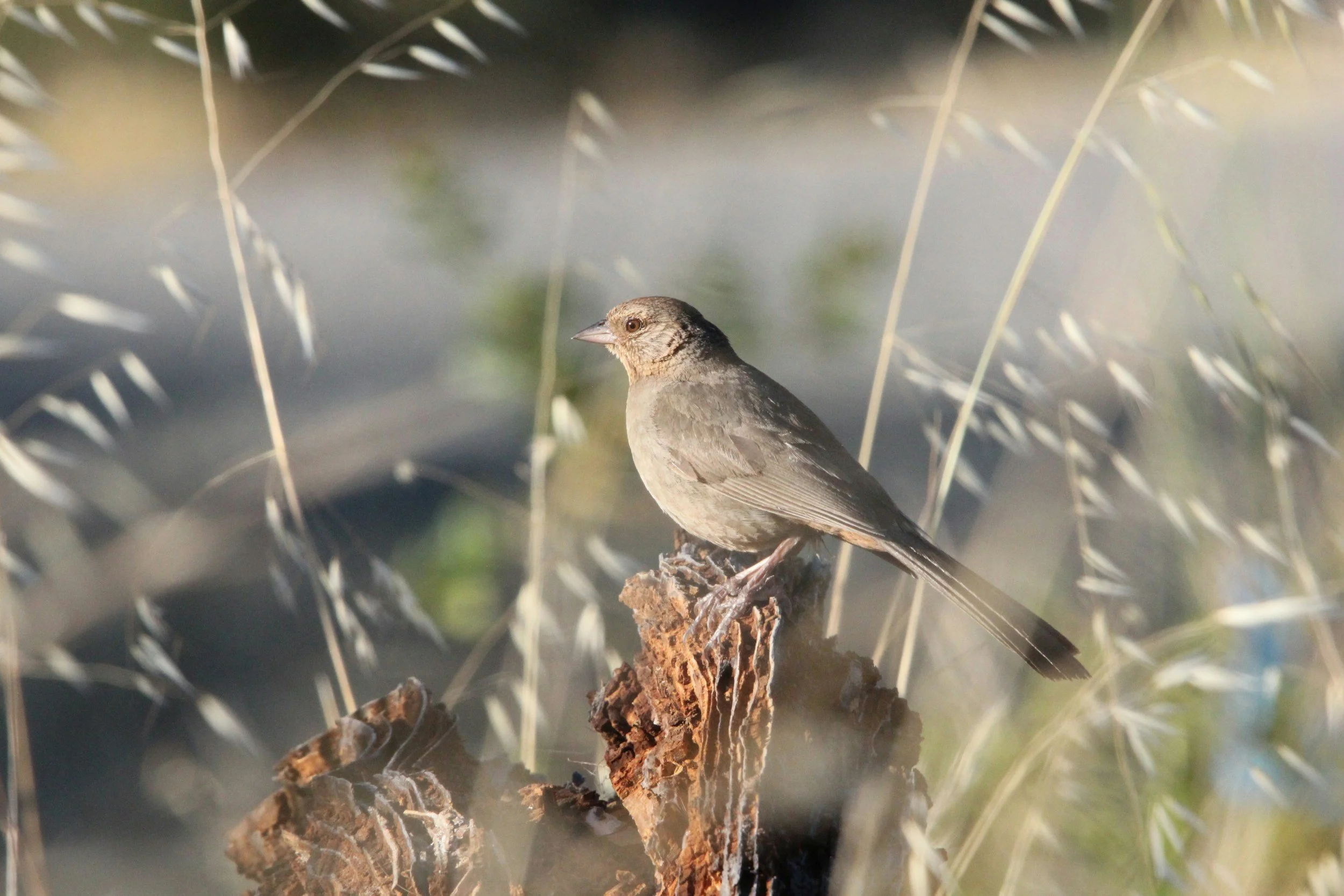
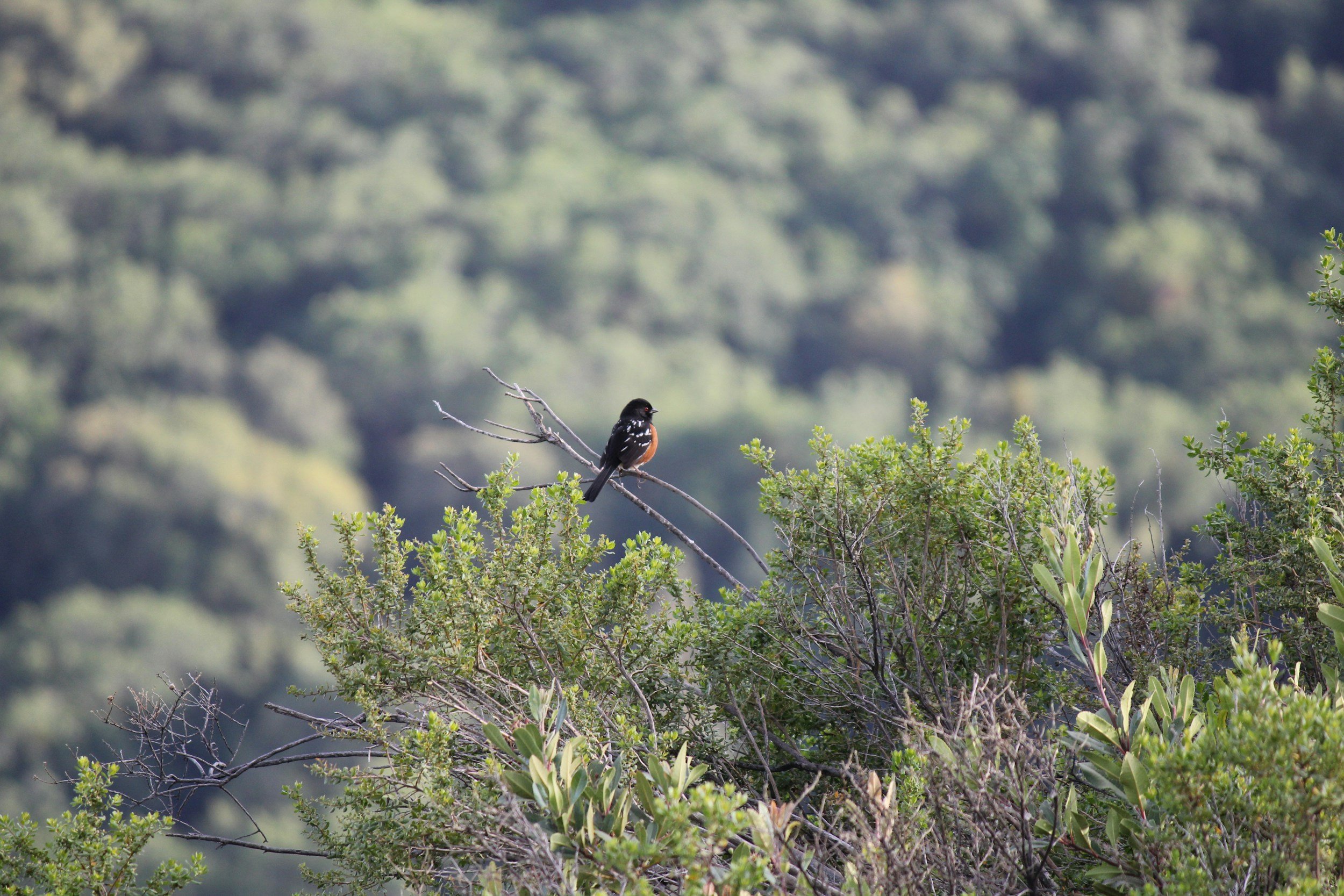
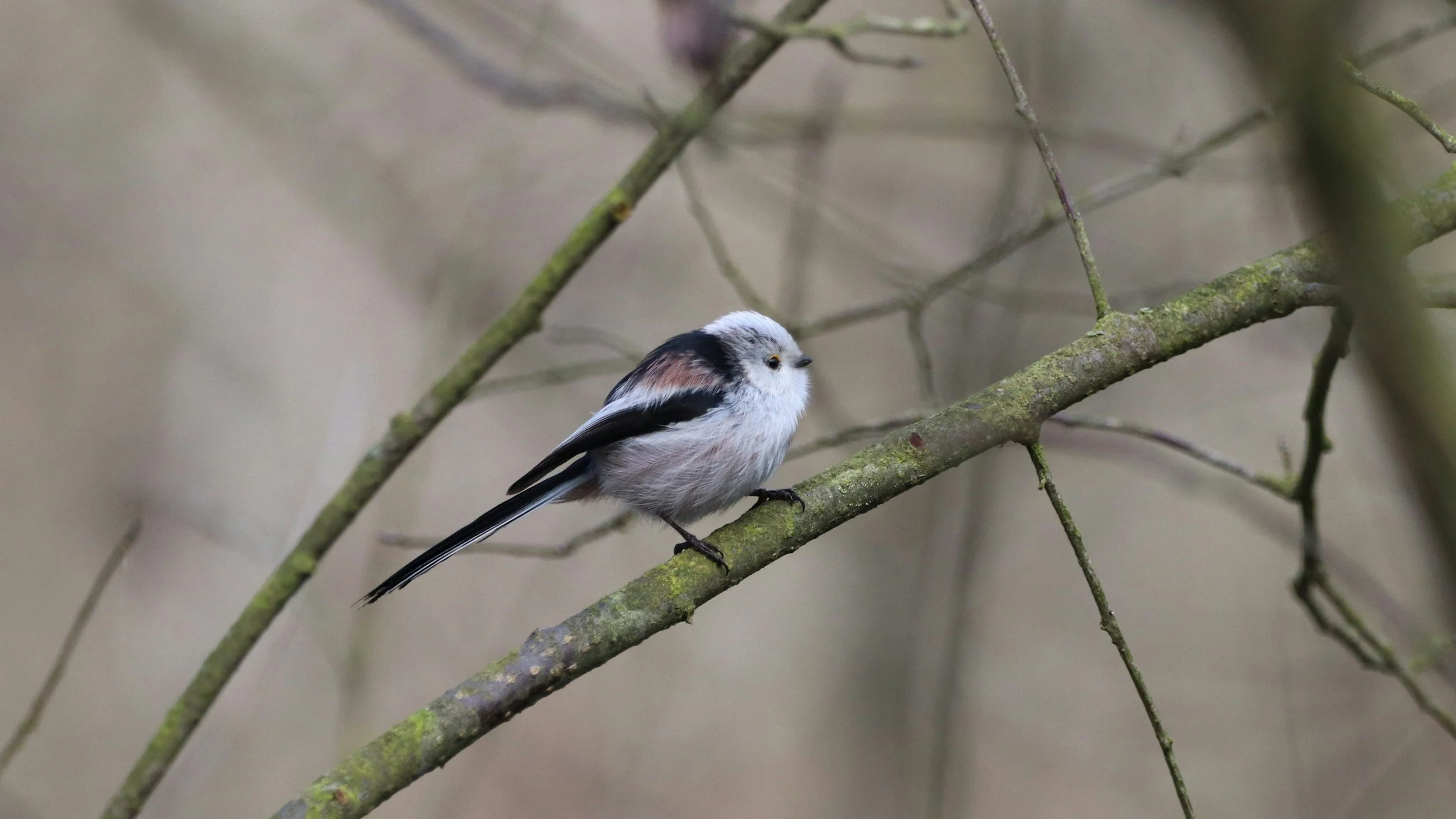
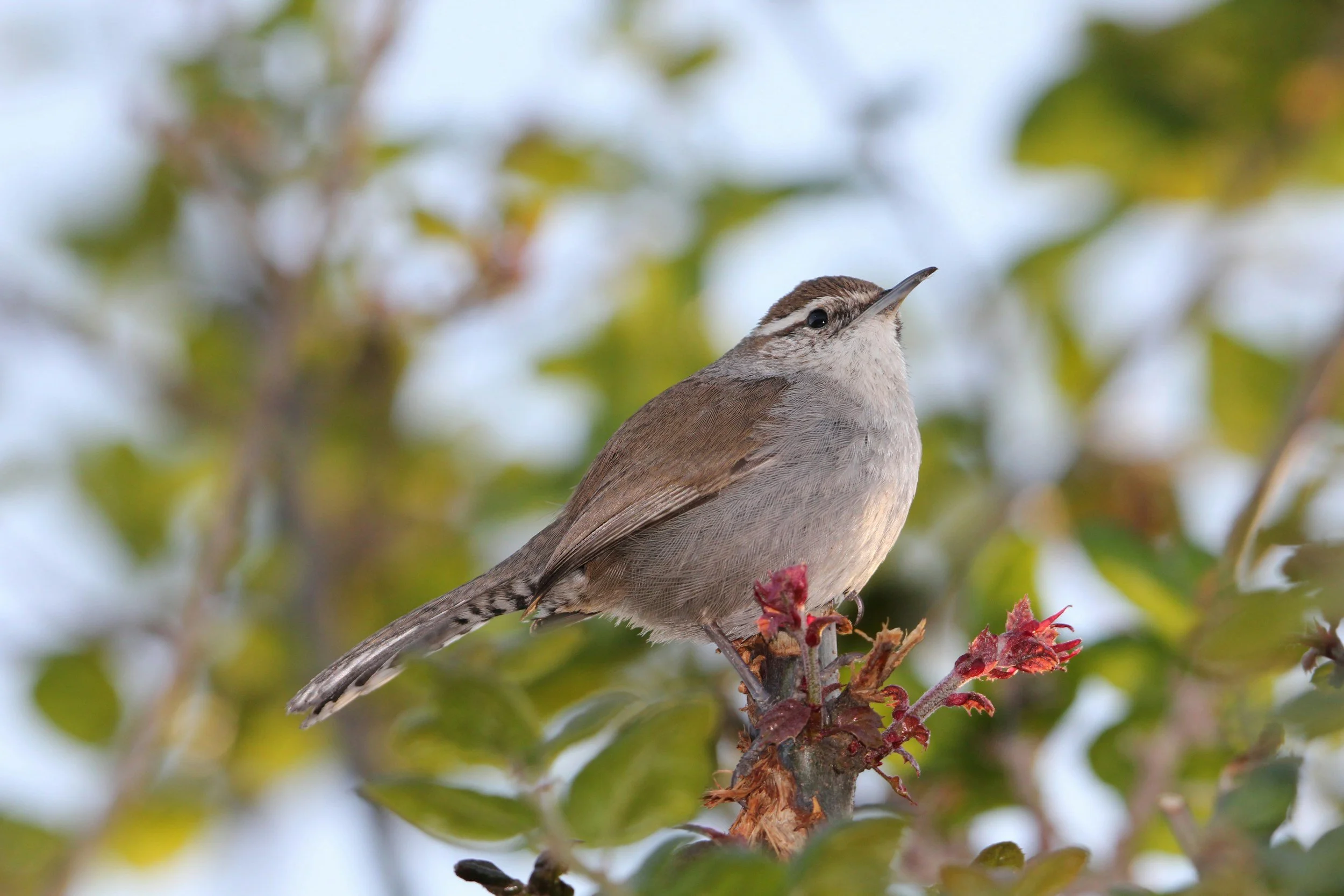
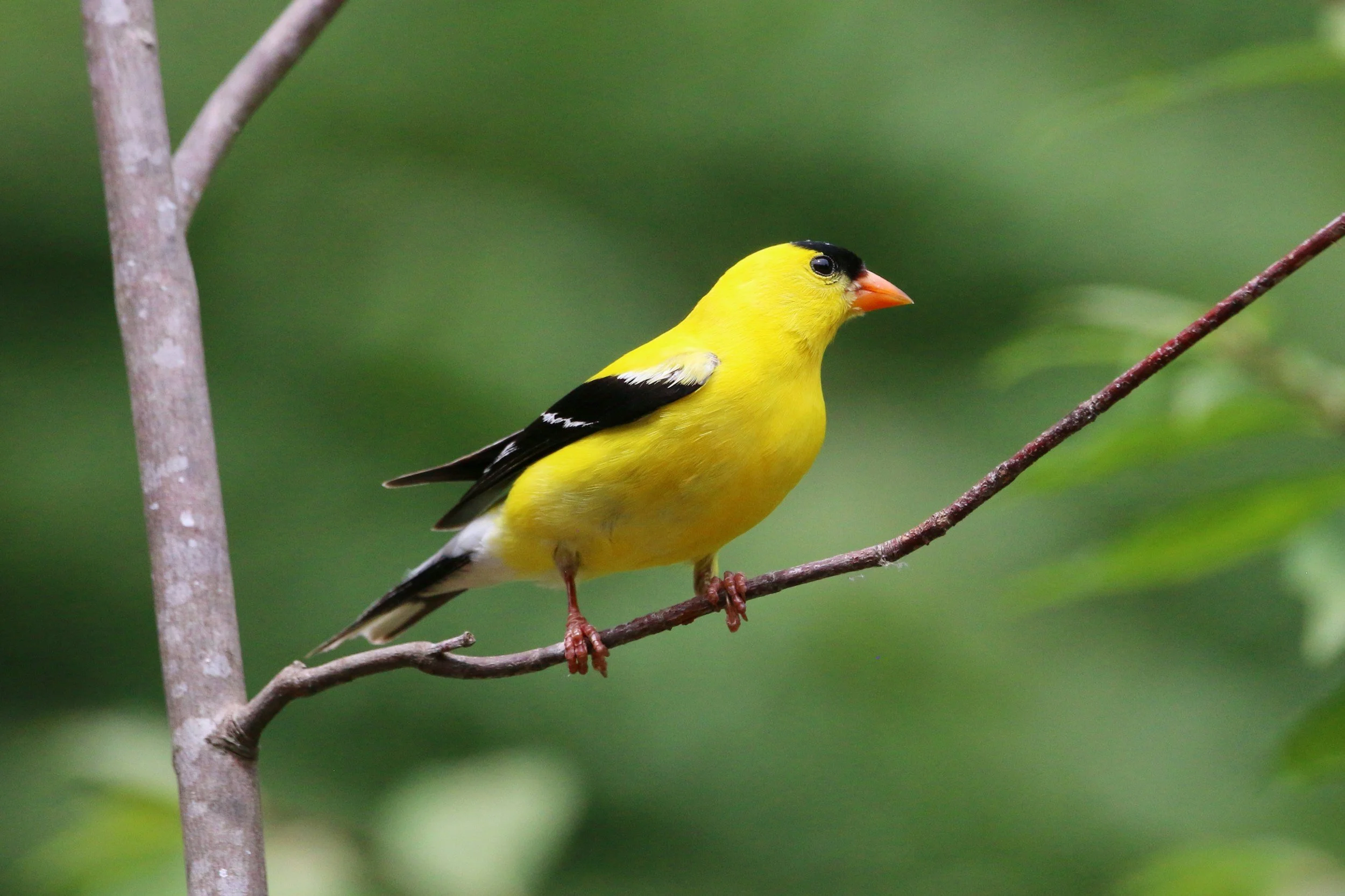
Nearby Blue Sky Ecological Reserve contains riparian woodland, coastal scrub and mixed chaparral, illustrating the wider mosaic of habitat surrounding Poway. Local birding guidance identifies towhees, bushtits, wrens, quail and hummingbirds among the birds expected within this landscape. California Department of Fish and Wildlife · San Diego Bird Alliance
Not every bird is a pollinator. Hummingbirds may carry pollen between tubular flowers, while wrens and other insect-eating birds contribute differently—by participating in the garden’s food web. Together, they bring movement, sound and changing patterns of activity throughout the day.
The Hidden Ecological Challenge: Argentine Ants
One of the garden’s most important lessons appeared only after installation.
The later discovery of invasive Argentine ants (Linepithema humile) revealed that creating habitat involves much more than selecting attractive flowers. A garden may look abundant above ground while less visible pressures are altering its ecological relationships below.
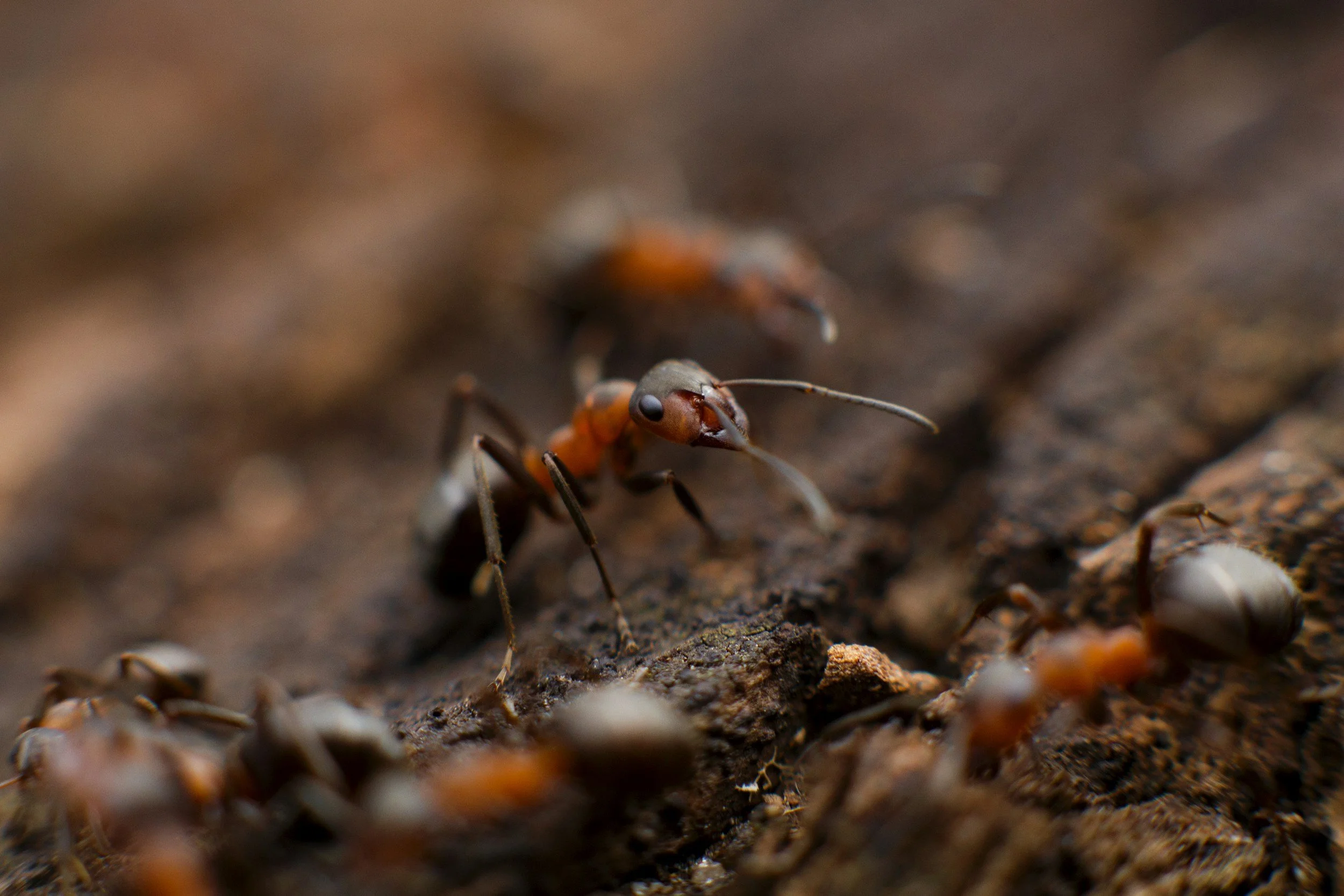
Argentine ants can reach high densities in irrigated urban landscapes. They displace native ant species, interact with honeydew-producing insects such as aphids and scale, and can affect wider arthropod communities. Southern California research has documented their strong effects on native ant communities, particularly near developed landscape edges. Ecology study · UC Riverside Center for Invasive Species Research.
Their presence made observation and carefully targeted management part of the project’s continuing stewardship. Broad, indiscriminate pesticide use could harm the same butterflies and beneficial insects the garden was created to support. The response must therefore be informed, specific and compatible with the larger habitat objective.
This discovery did not diminish the project. It made its ecological purpose more truthful. A living landscape is never finished; it must be watched, understood and guided as relationships change.
A Garden That Evolves with Time
The first year of a habitat garden is primarily about establishment. Roots expand, soil begins responding and the planting learns the site.
During the second and third years, the composition becomes denser and more interconnected. Flowering cycles lengthen, grasses acquire greater presence, birds discover dependable water and forage, and the garden begins to develop its own recognizable rhythms.
Maintenance consequently changes from control to guidance: selective pruning, seasonal adjustment, observation, irrigation refinement and careful responses to emerging pressures.
Over time, the garden becomes less like an installation and more like a place with its own life.
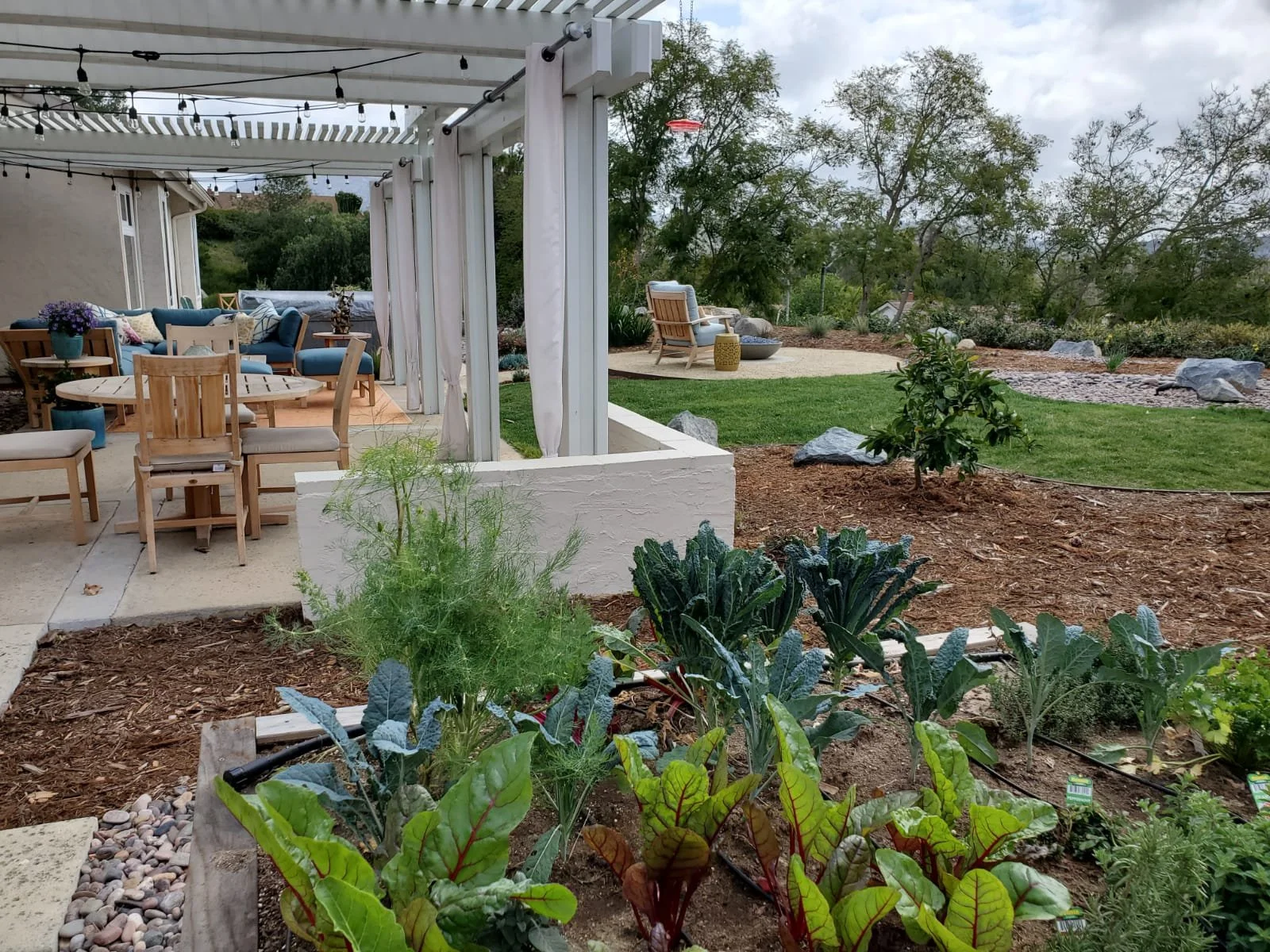
First Year Pictures after the Garden Installation