
Contemporary Landscape Design in Chula Vista, California
A pool-centered contemporary garden in Chula Vista where clean geometry, shaded outdoor rooms and climate-responsive planting support elegant daily life, privacy and biodiversity.
A pool-centered private garden where architectural clarity, outdoor life and ecological intelligence become one composition.
A successful contemporary landscape is not defined by how many features it contains. It is defined by how naturally every element belongs together.
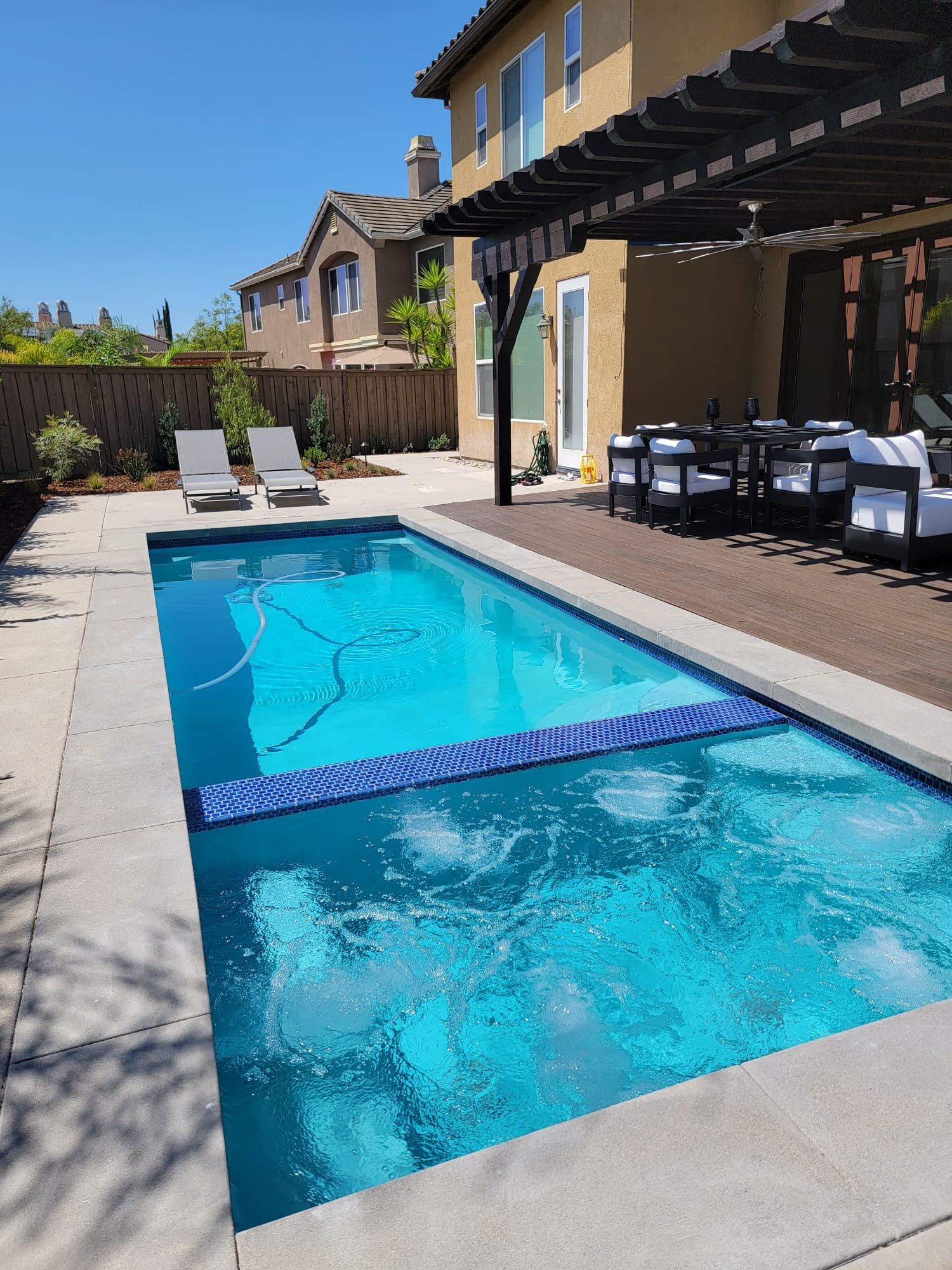
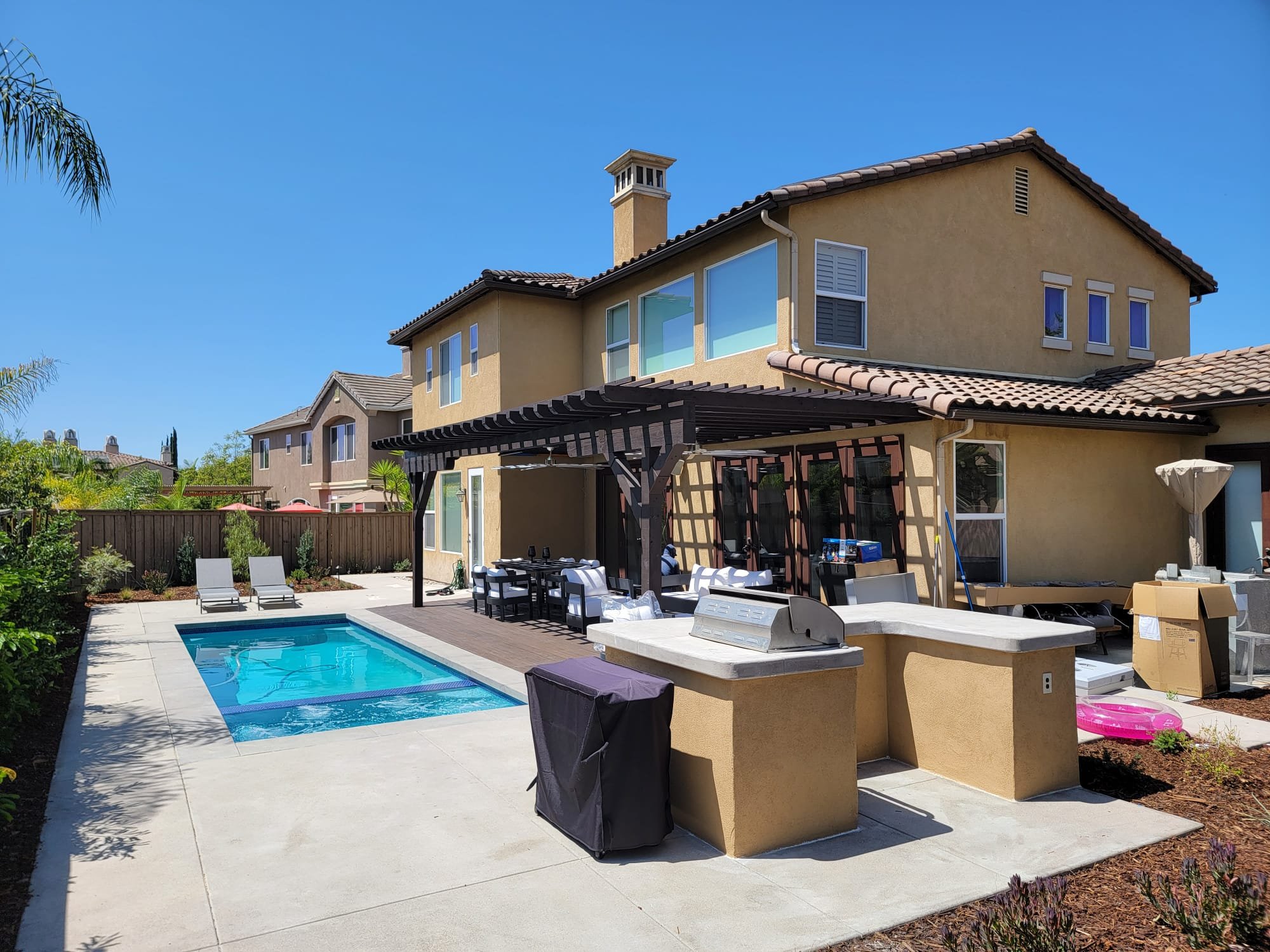
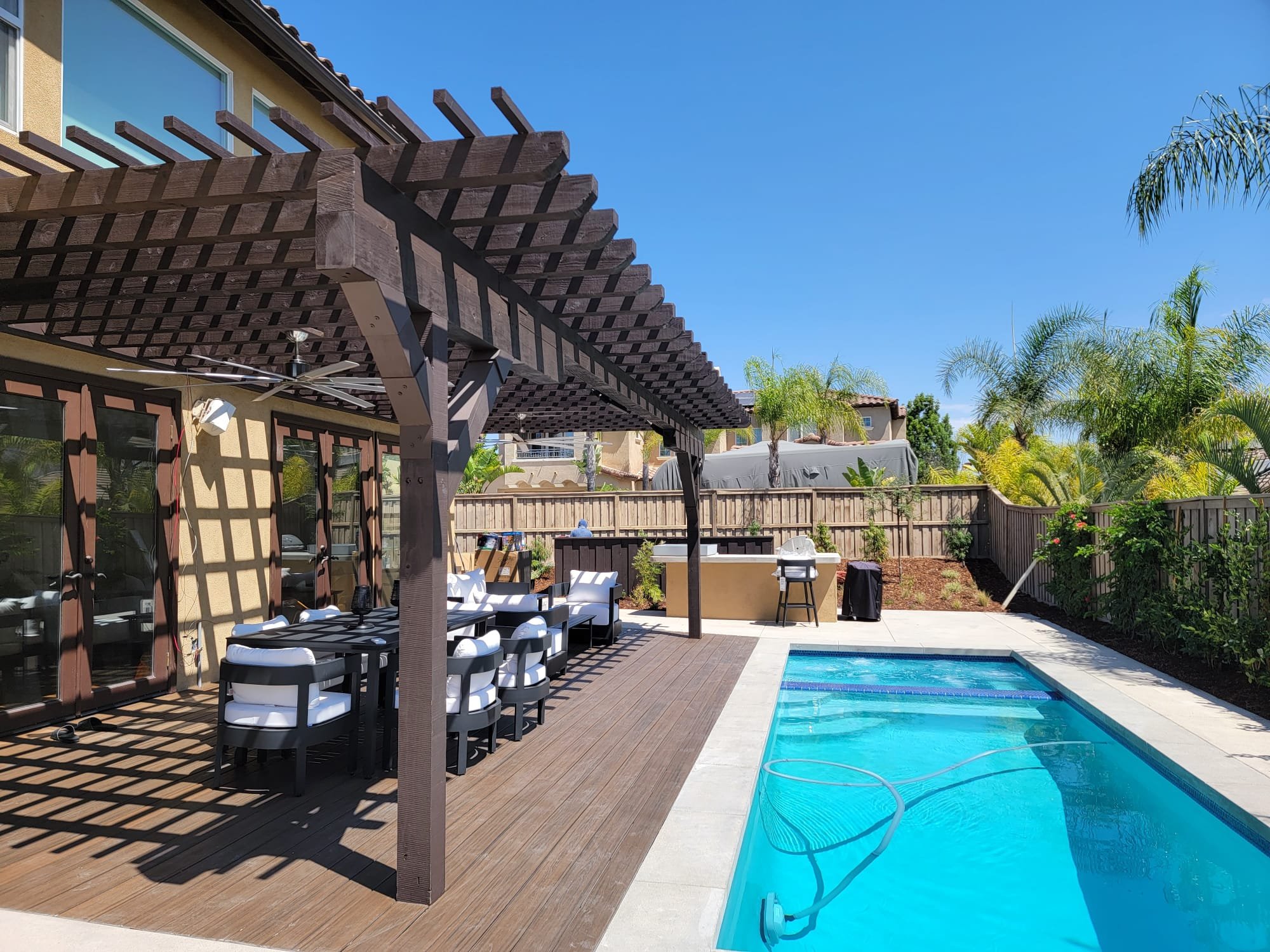
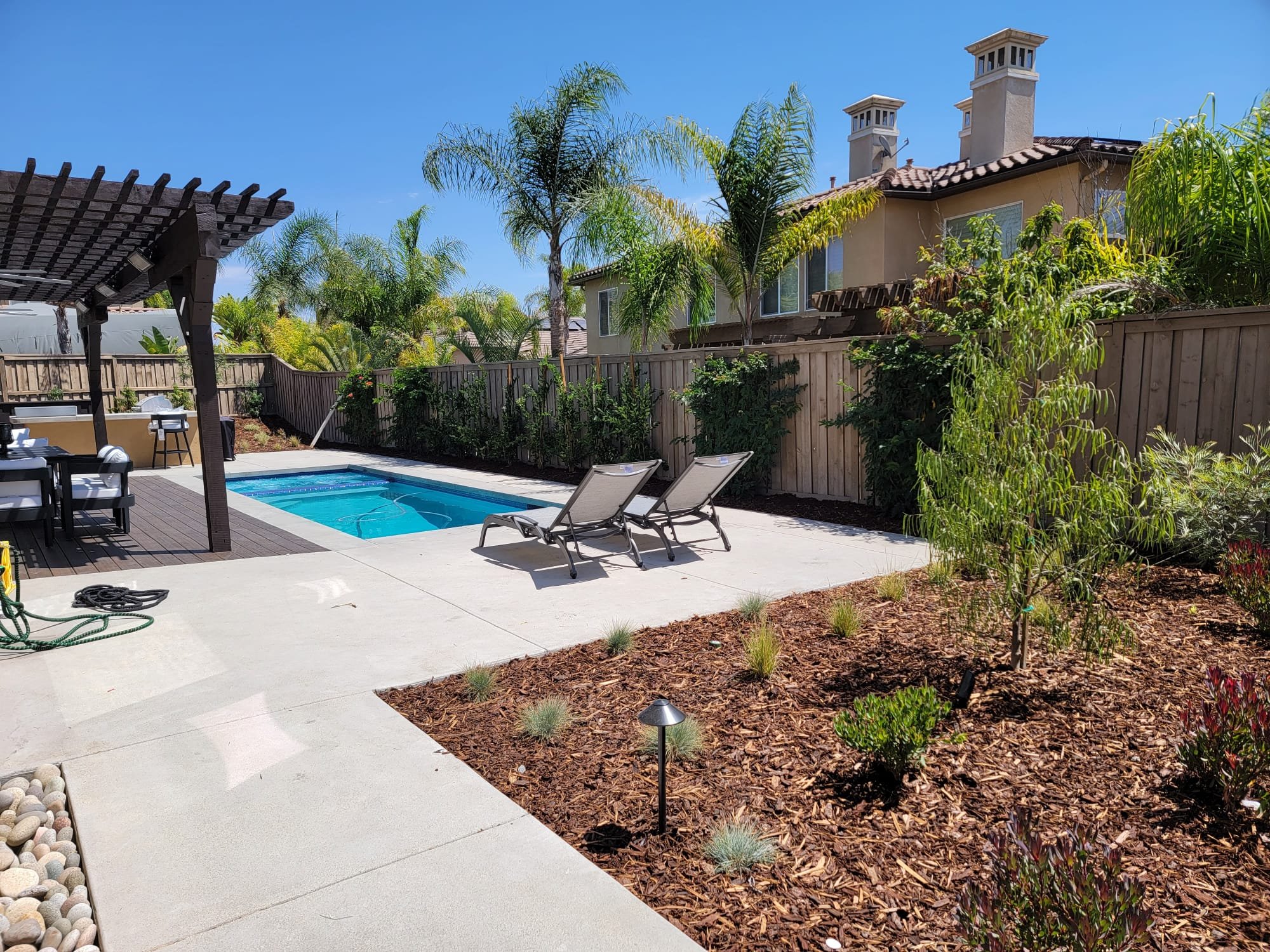
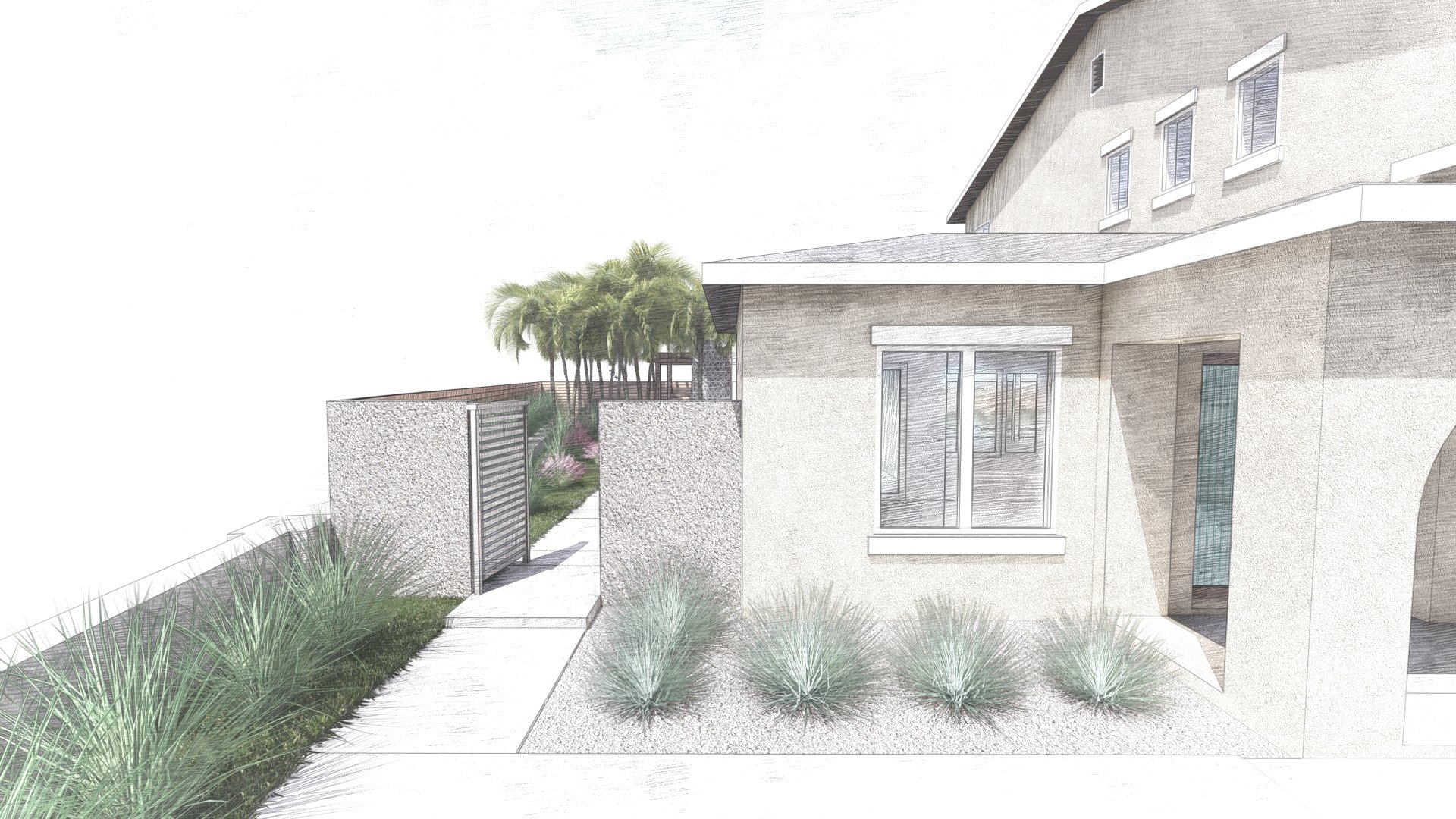
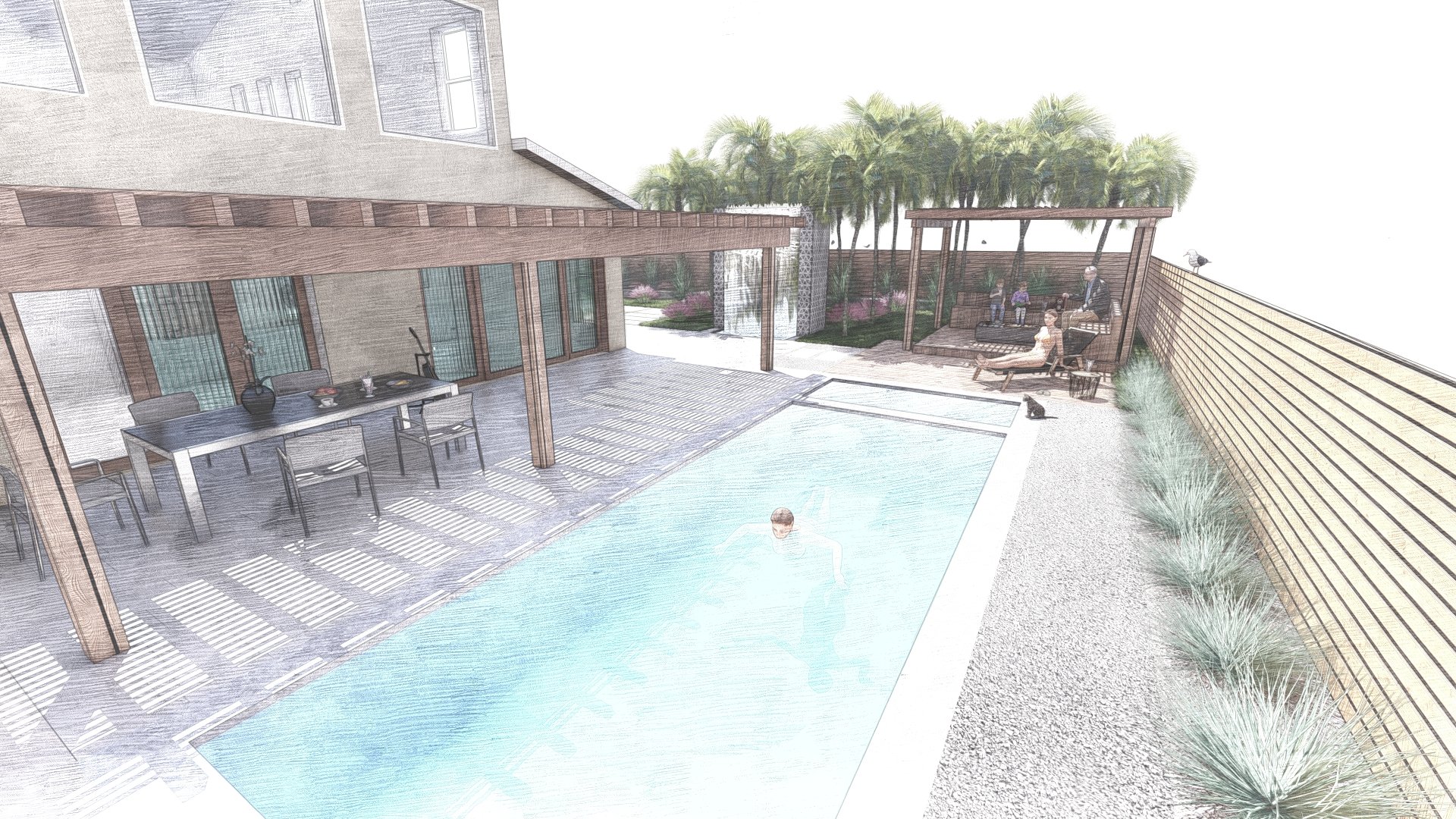
For this private Chula Vista property, LASD Studio organized the landscape around a clear architectural framework: a calm swimming pool, a generous terrace, a shaded pergola, an outdoor kitchen and layered perimeter planting. Rather than competing for attention, these elements work as one continuous environment for daily life, entertaining and quiet retreat.
The result is controlled without feeling sterile, refined without unnecessary ornament, and ecologically alive without losing its contemporary character.
Location: Chula Vista, California
Project Type: Private Residential Landscape, Contemporary Patio, Lounge Zone and Garden Design
Design Focus: Poolside living, shaded dining, outdoor kitchen, contemporary ecological planting, privacy, water and soil performance
Status: Built / Installed
Construction cost: $280,000
Design Studio: LASD Studio
One Clear Composition for the Entire Property
The house opens outward, and the garden begins at that threshold.
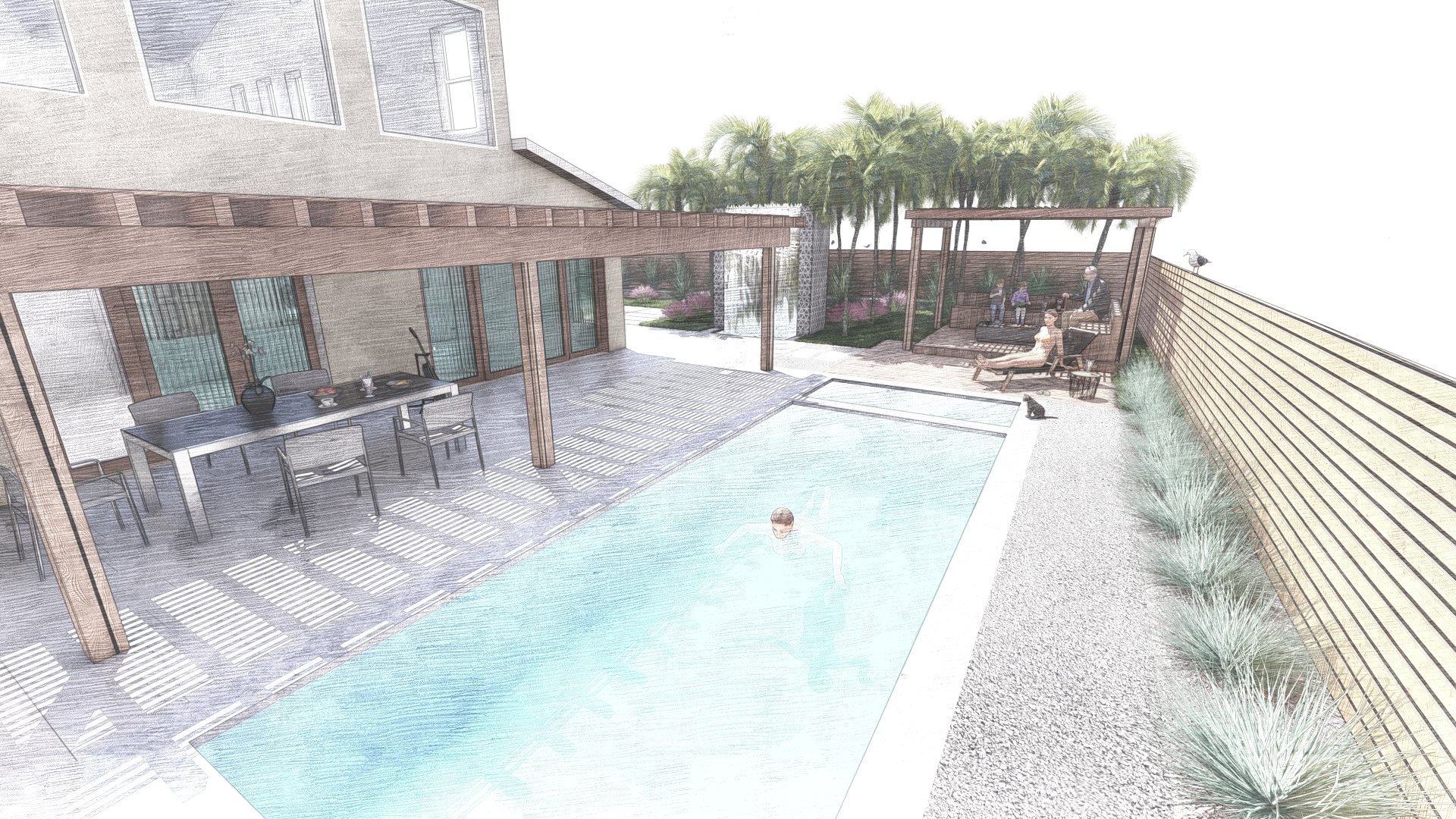
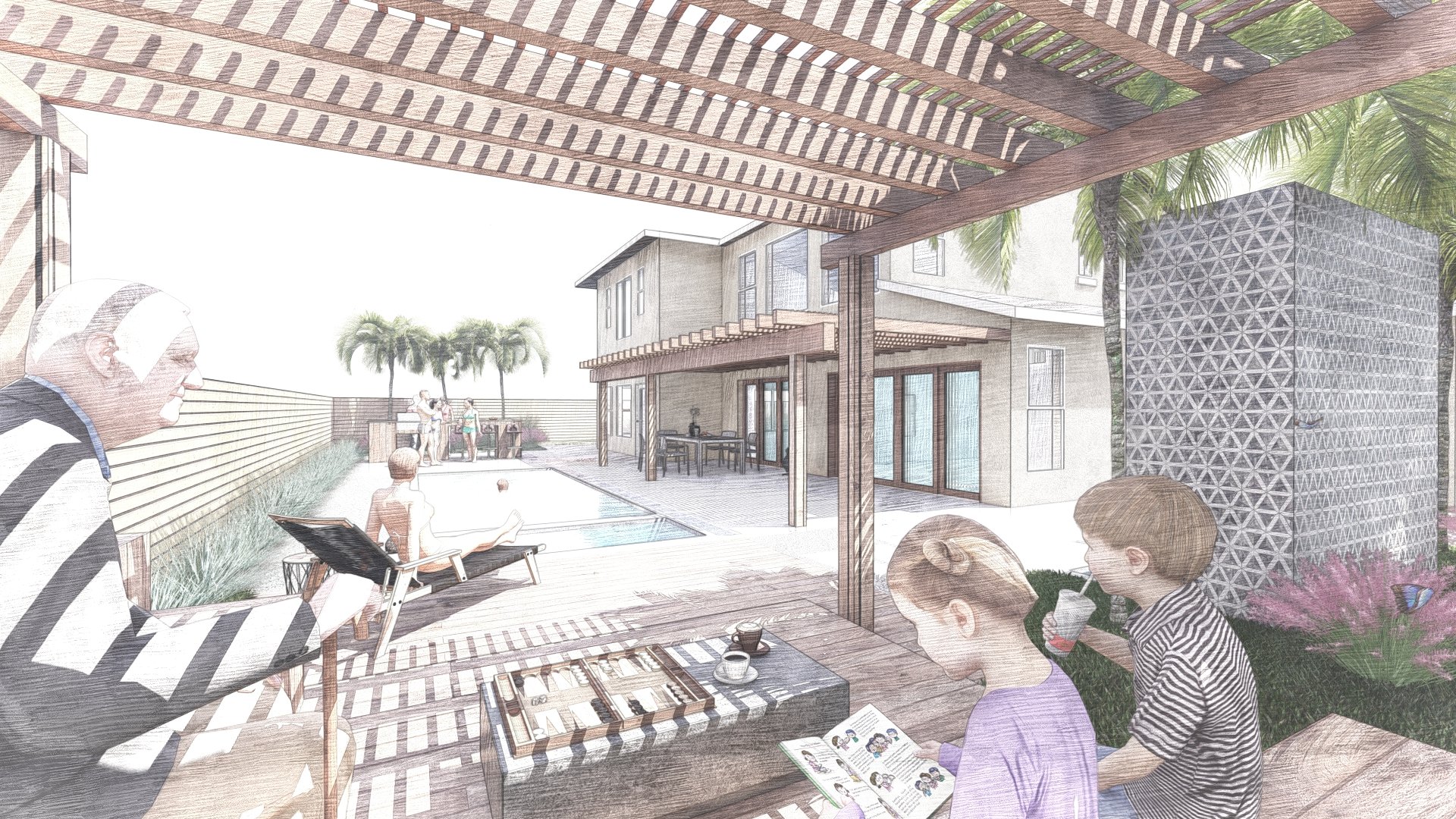
A visual line extends from the interior, crosses the long patio and continues toward the water. The pool becomes the central organizing plane: reflecting sky and architecture, bringing light into the composition and establishing a sense of calm across the property.
Terrace, pergola, lounge, outdoor dining, kitchen and planting are positioned in relationship to this center. Movement is direct and intuitive. Spaces feel generous because circulation is resolved before decorative elements are introduced.
This clarity matters on a substantial landscape project. Without a strong organizing idea, individual contractor decisions can gradually produce a collection of expensive but disconnected objects. Here, every decision reinforces the architecture and protects the coherence of the overall investment.
Outdoor Rooms Designed for Real Life
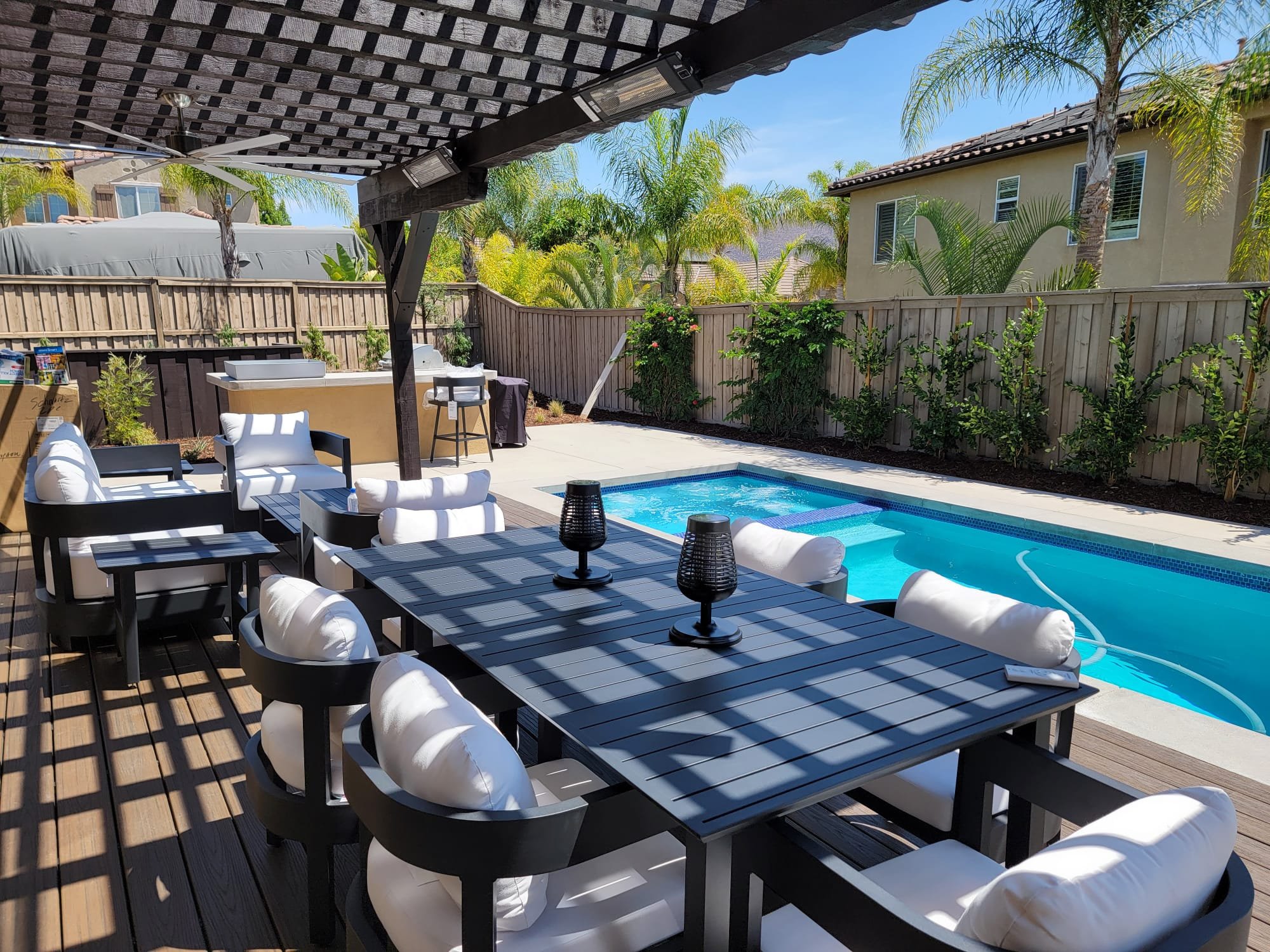
The pergola creates a room without walls.
Its overhead structure introduces rhythm and moving shadow while preserving air, openness and connection to the pool. Morning light reaches across the dining area; midday shade makes the terrace comfortable; later in the day, shadows move gradually across wood, fabric and water.
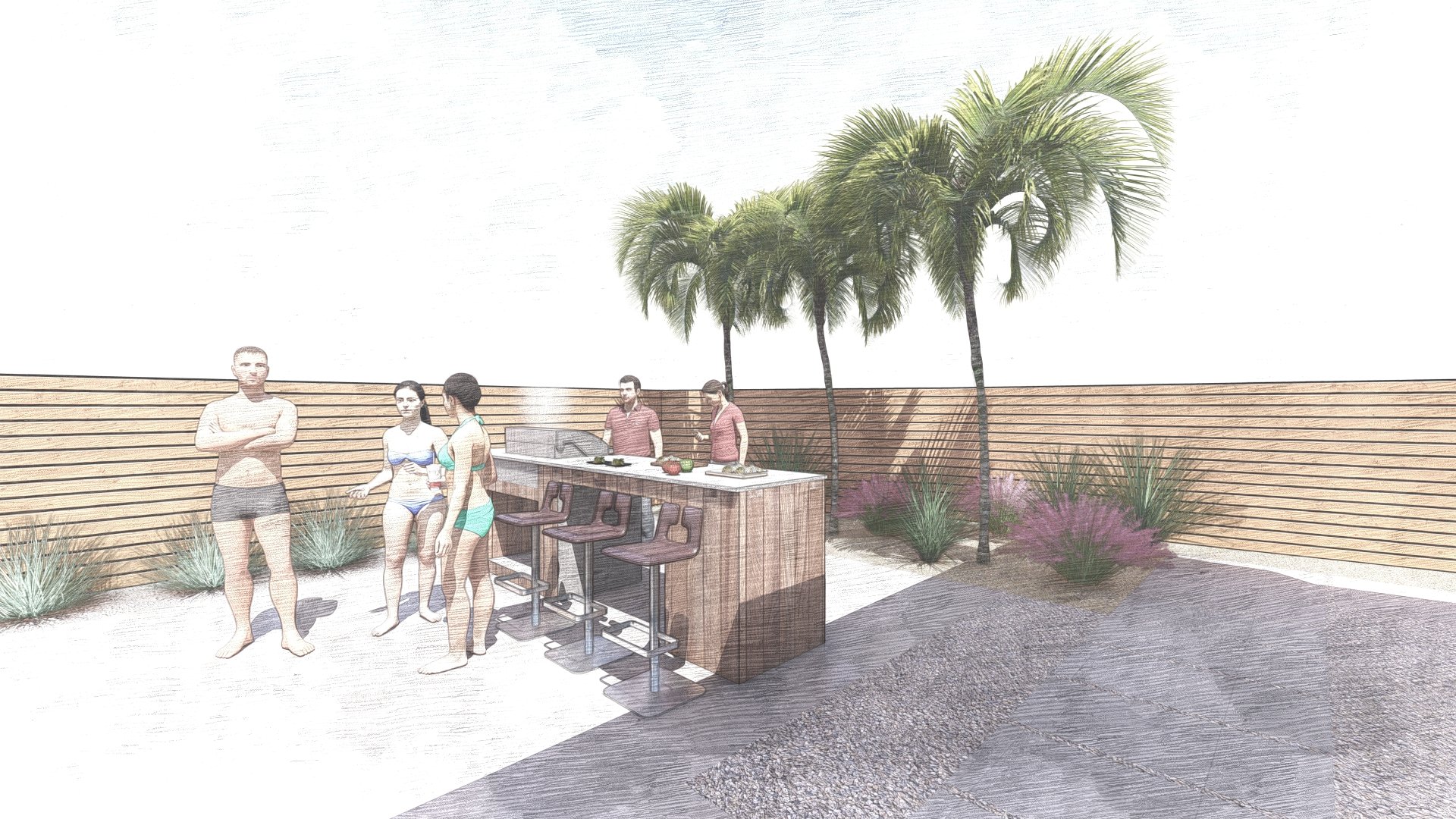
The outdoor kitchen is treated as an extension of the architecture rather than a freestanding appliance area. It supports family meals, larger gatherings and relaxed evenings without dominating the garden.
These spaces were conceived around the life that happens within them:
Quiet mornings beside the pool.
Comfortable outdoor dining protected from the strongest sun.
Informal gatherings around food, water and fire.
Open space for movement without visual clutter.
Privacy that does not make the garden feel enclosed.
The deeper luxury is not excess. It is resolution: a landscape that feels effortless because hundreds of decisions have been brought under one clear design direction.
Experience the Contemporary Garden in Chula Vista. A luxury estate design with modern pool, pergola, outdoor dining, and sustainable landscape architecture.
Materials That Create Calm and Continuity
Concrete establishes the primary ground plane. Its continuous geometry reinforces the contemporary architecture and gives the long patio visual order.
Wood introduces warmth and a more tactile human scale beneath the pergola and around the principal areas of use. The transition between concrete and wood is deliberately restrained—a change experienced through temperature, sound and movement rather than applied decoration.
Planting softens these architectural surfaces without obscuring them. The result is a balanced relationship between precision and growth, structure and seasonal change.
A Contemporary Garden Can Still Be Alive
Contemporary design does not need to produce a biologically empty landscape.
The open center of this garden is balanced by layered planting along its edges. Taller elements lift the canopy, shrubs create privacy and depth, and lower planting protects the soil surface while softening the boundary between hardscape and garden.
The planting strategy is conceived as a pollinator-supporting network rather than a collection of isolated ornamental specimens. A sequence of flowering plants can provide nectar and pollen through different parts of the season, while layered vegetation offers shelter and opportunities for wildlife movement.
This approach creates a garden that remains visually controlled while supporting butterflies, bees, hummingbirds and other beneficial species. Movement, sound and seasonal change become part of the experience of the property.
The California Department of Fish and Wildlife identifies pollinators as important contributors to plant reproduction and biodiversity. USDA Natural Resources Conservation Service guidance similarly emphasizes continuous and diverse bloom, nesting opportunities and protection from disturbance as fundamental components of pollinator habitat. California Department of Fish and Wildlife · USDA NRCS Pollinator Habitat Guidance
Water, Soil and Long-Term Landscape Performance
Ecological intelligence is not added to the project as a decorative narrative. It influences how the landscape performs. Planting is organized through hydrozoning so plants with compatible water requirements can be irrigated together. Soil strategy supports moisture retention where water is beneficial and drainage where roots require greater aeration. Groundcover helps reduce exposed soil and evaporation, while irrigation remains visually quiet within the composition. These principles align with California’s broader water-efficient landscape framework, which connects plant selection, hydrozones, irrigation efficiency, soil preparation and long-term water management. California Department of Water Resources — MWELO No universal water-saving percentage is claimed for this project. Actual performance depends on the final planting palette, irrigation equipment, installation, establishment period and ongoing management. The design objective is a landscape that uses water purposefully while maintaining shade, enclosure, seasonal interest and a genuinely garden-like atmosphere.
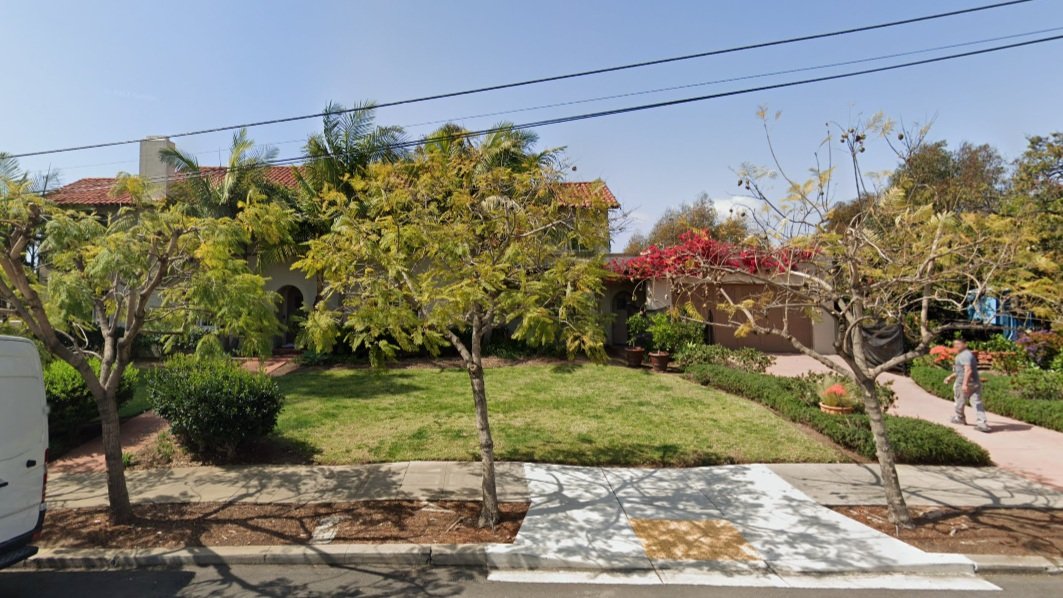
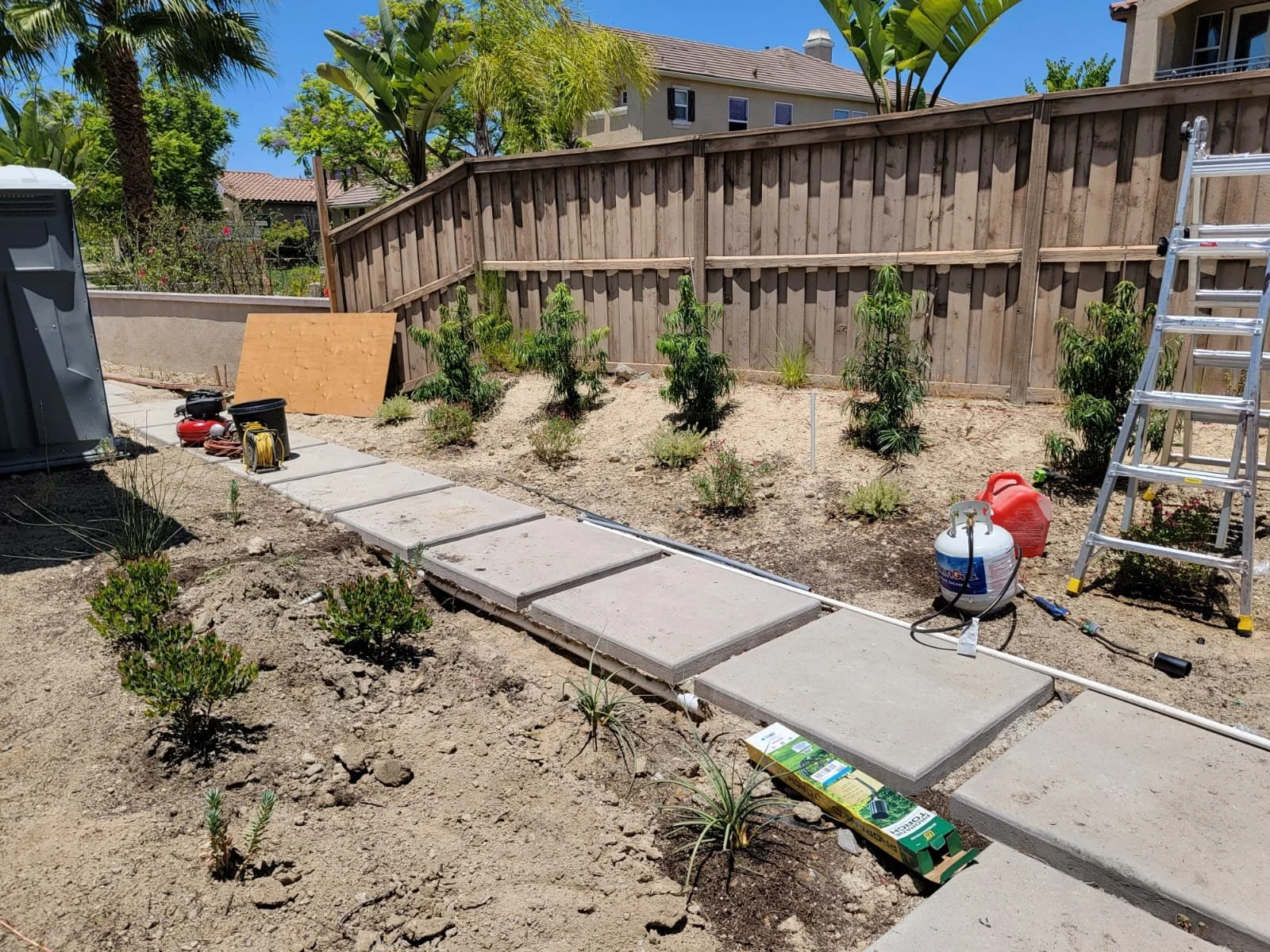
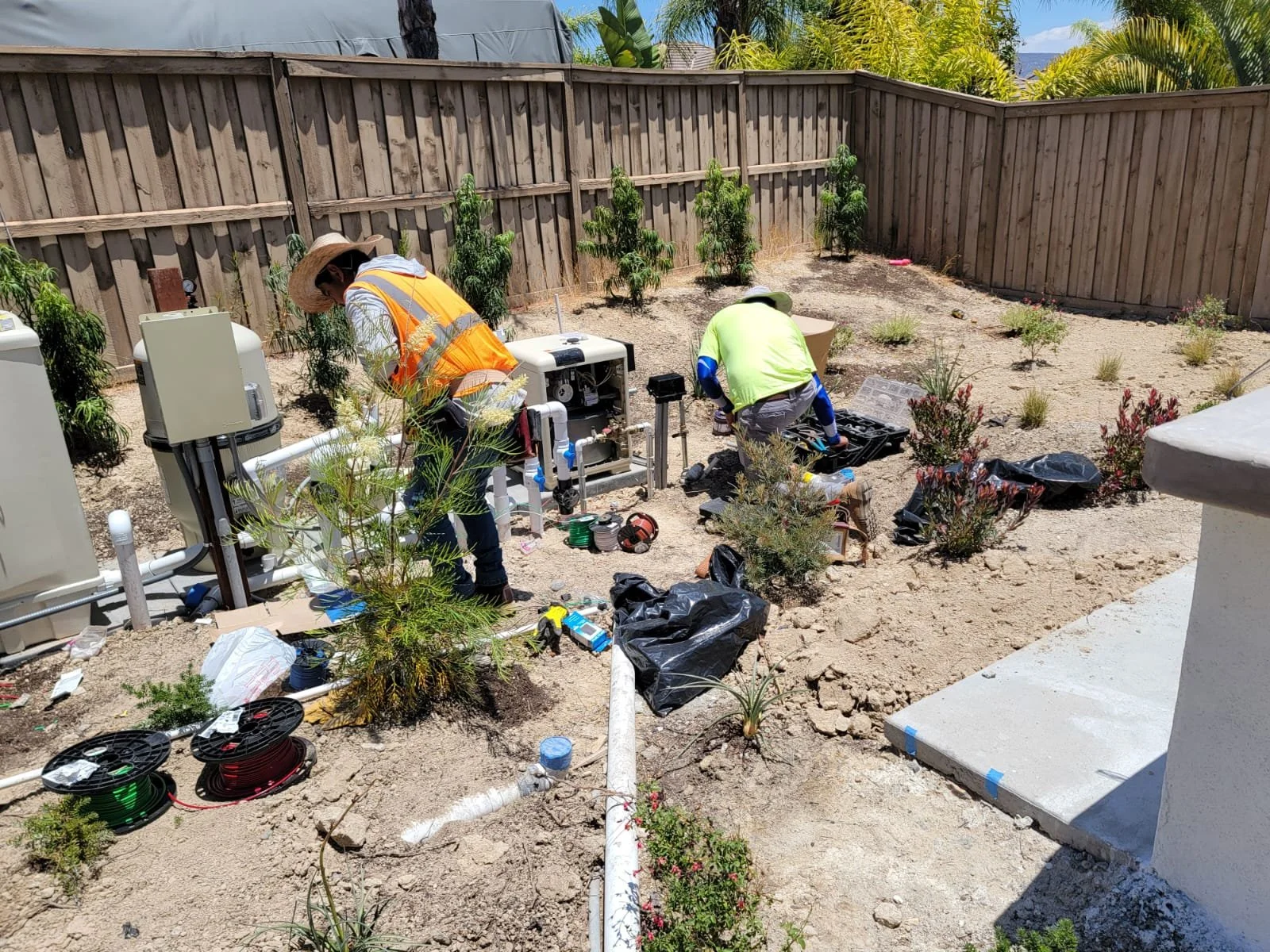
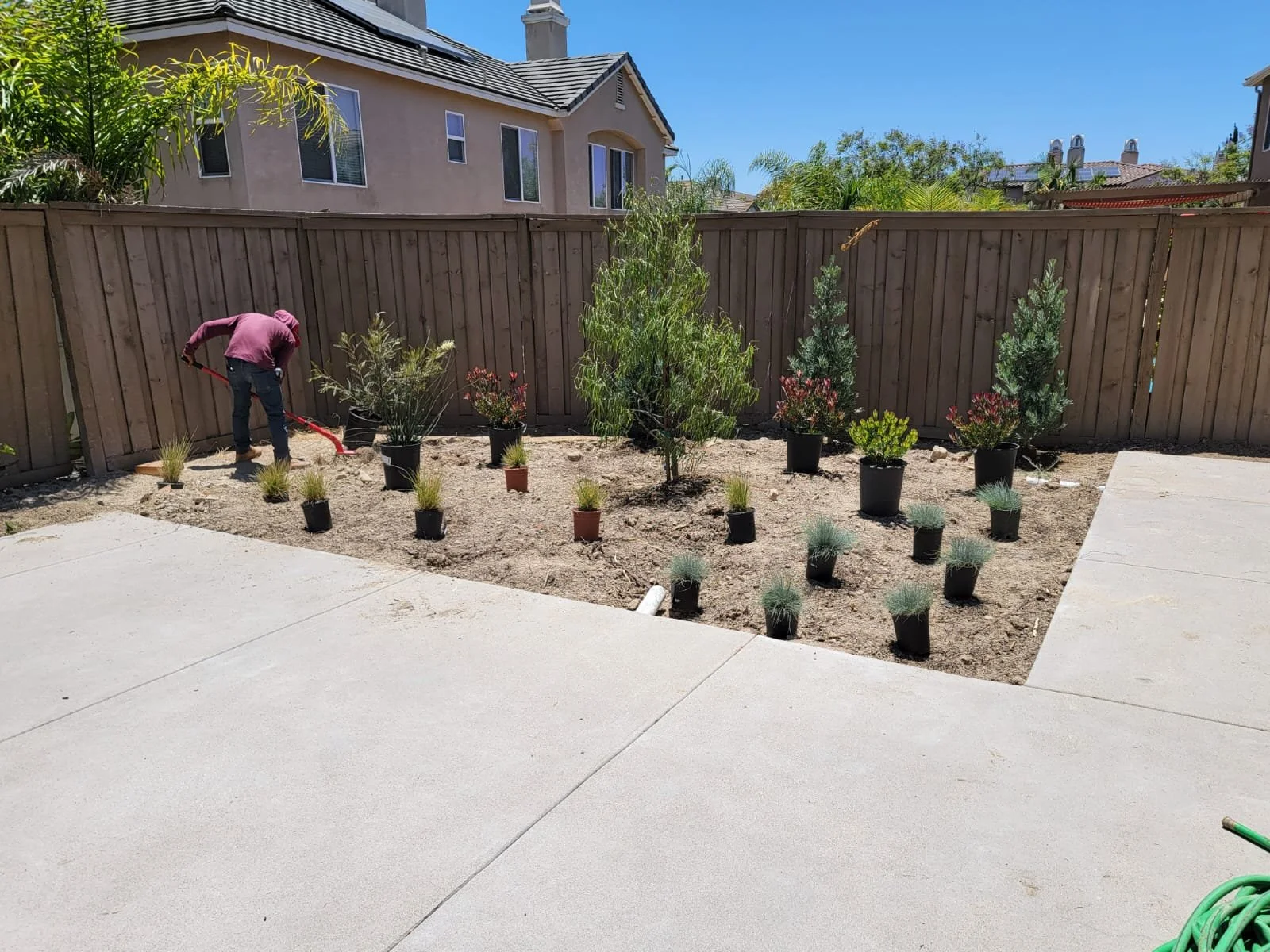
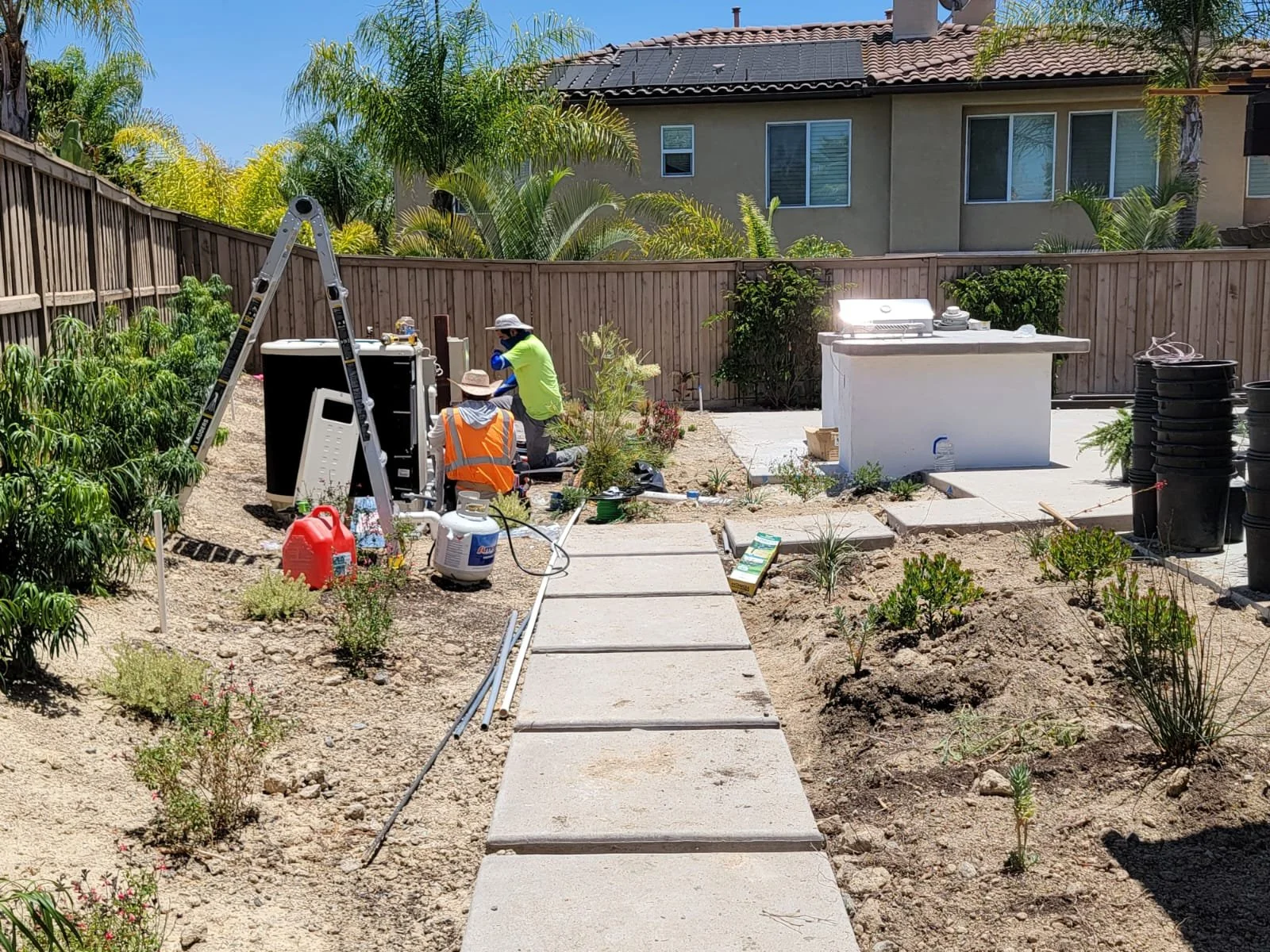
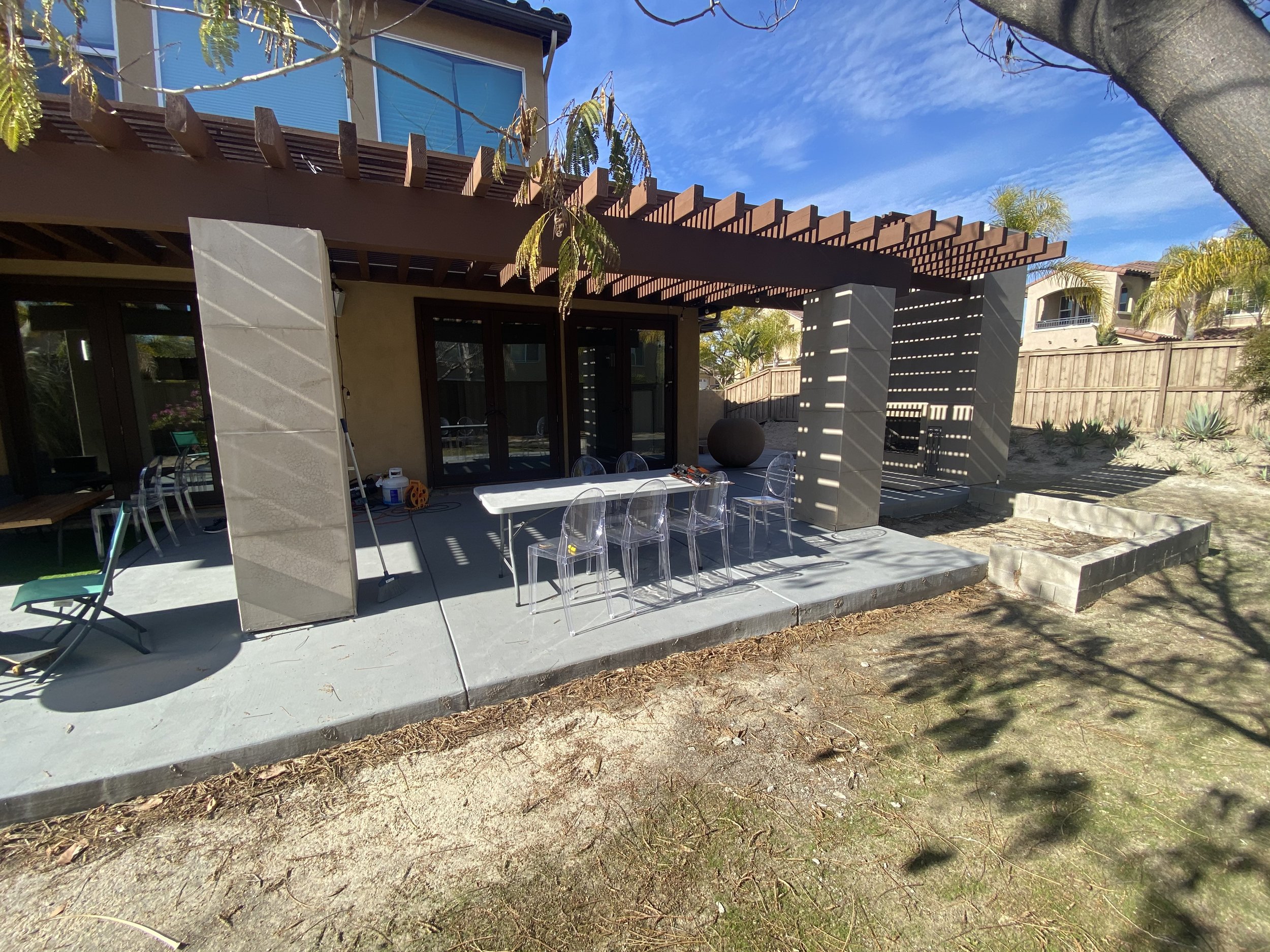
Work in Progress - Design Installation
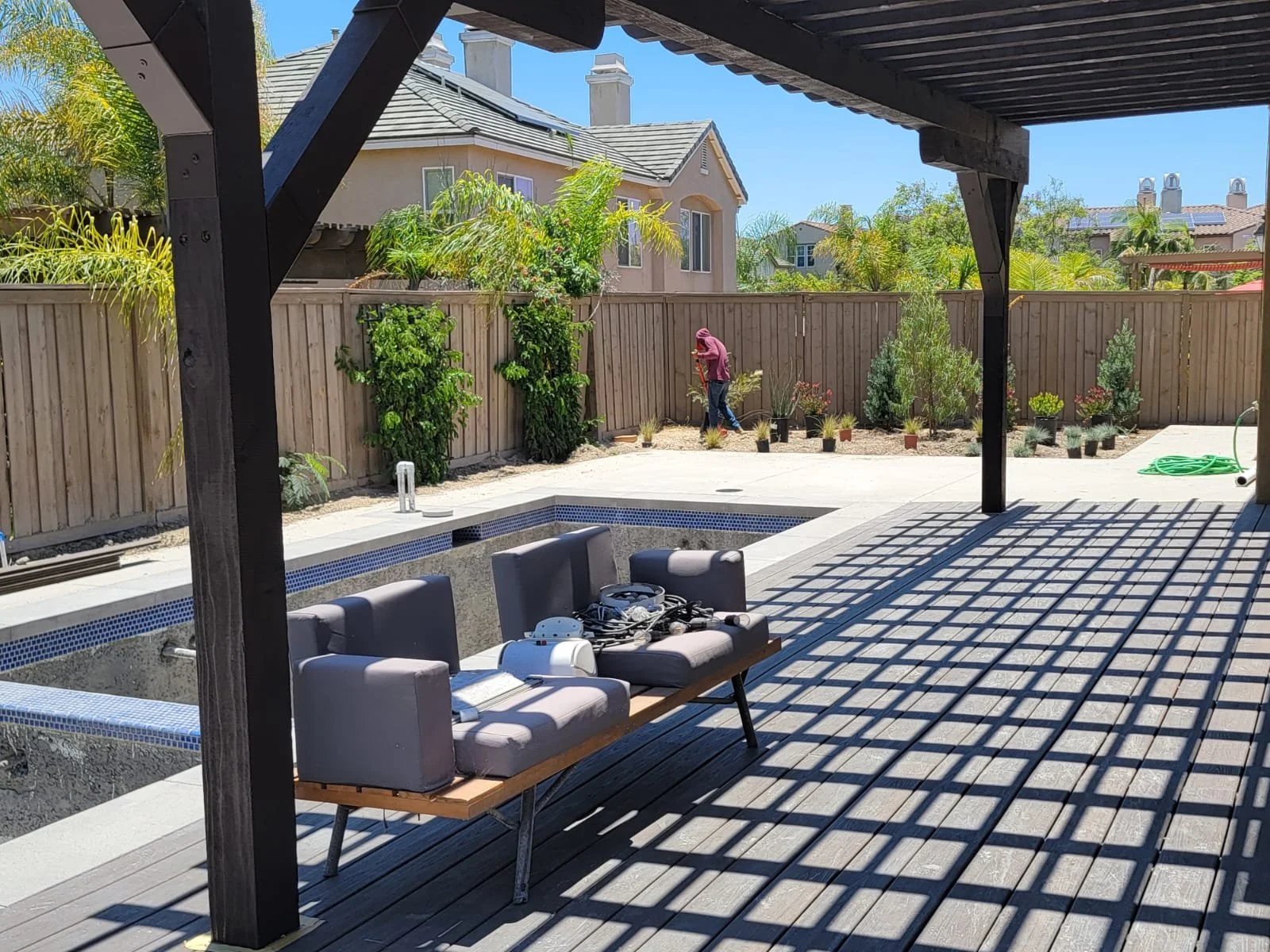
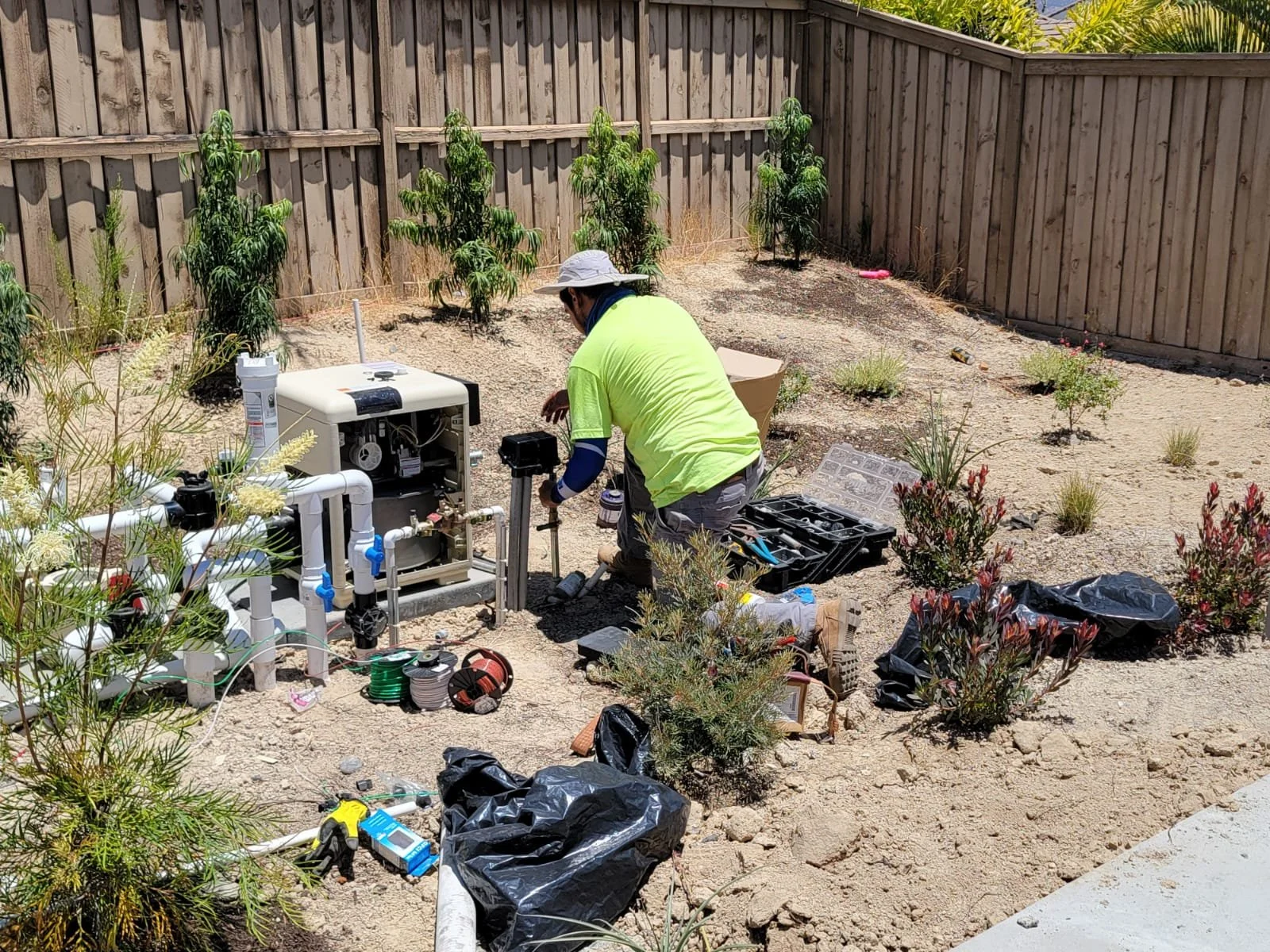
Architecture, Ecology and Everyday Wellbeing
The garden is experienced in layers: water, shade, planting, fire, material and movement. Nothing is isolated.
From the pool, the architecture appears lighter. From the pergola, planting creates a soft frame around the open terrace. From inside the house, the garden becomes a composed view rather than an unrelated exterior area.
Over time, the planting can become fuller, habitat value can increase and the relationship between the built and living elements can grow richer. This is the principle behind LASD Studio’s approach to landscapes as evolving systems: the garden is not designed as a static installation-day image, but as a living trajectory.
The ultimate value is a property that feels clearer, calmer and more complete—beautiful for entertaining, comfortable for everyday life and capable of supporting a more resilient relationship with Southern California’s climate and living environment.
Begin with a Clear Direction
f you are considering a complete landscape transformation, LASD Studio begins with the architecture, the property and the way you want to live outdoors.
The preliminary consultation is a focused conversation with the Lead Designer about your goals, existing conditions, design direction, anticipated phases and estimated investment range.
Design and Ecological References
California Department of Water Resources — Model Water Efficient Landscape Ordinance
California Department of Fish and Wildlife — Pollinator Science
California Native Plant Society — Benefits of California Native Plants
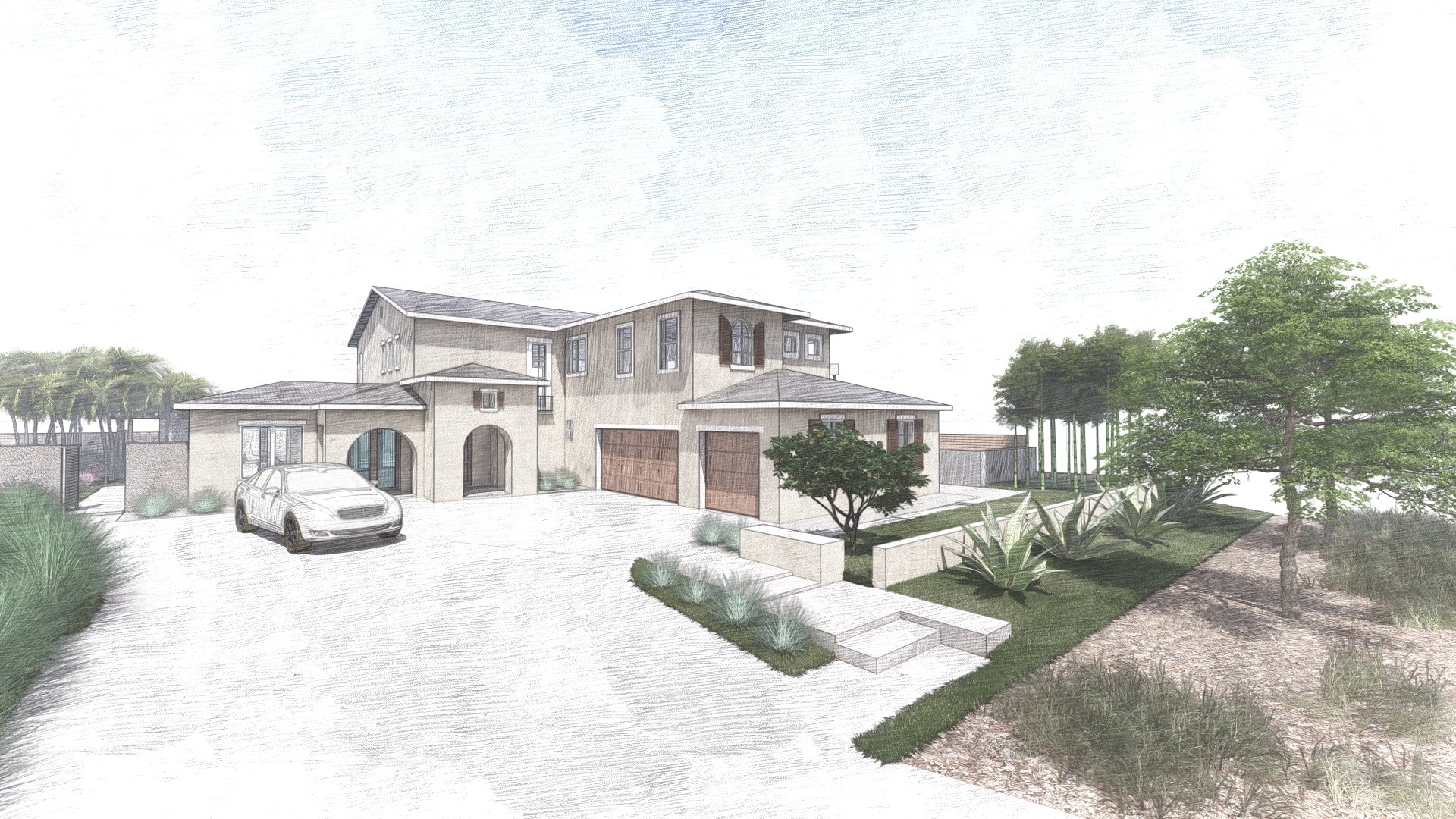
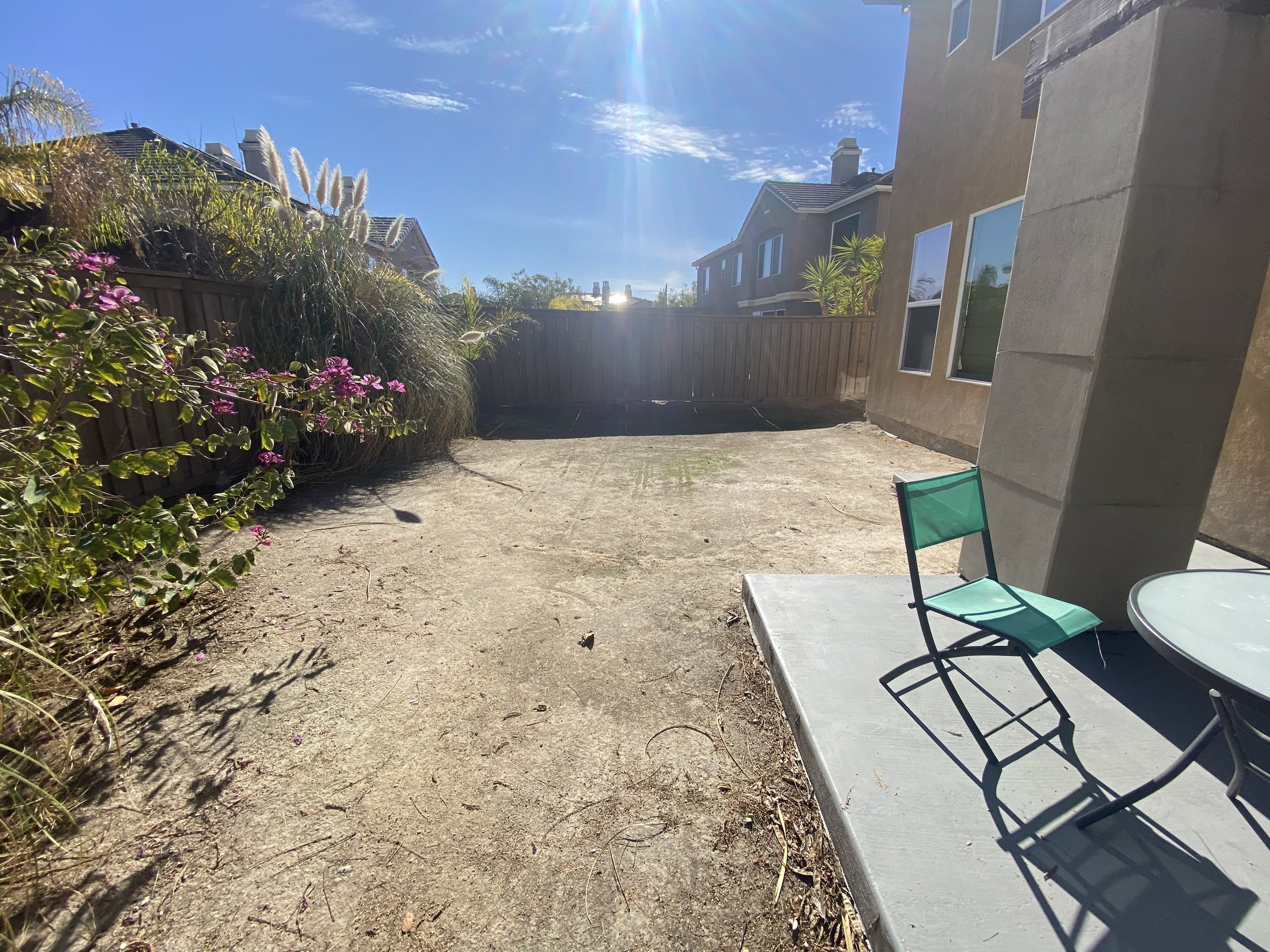
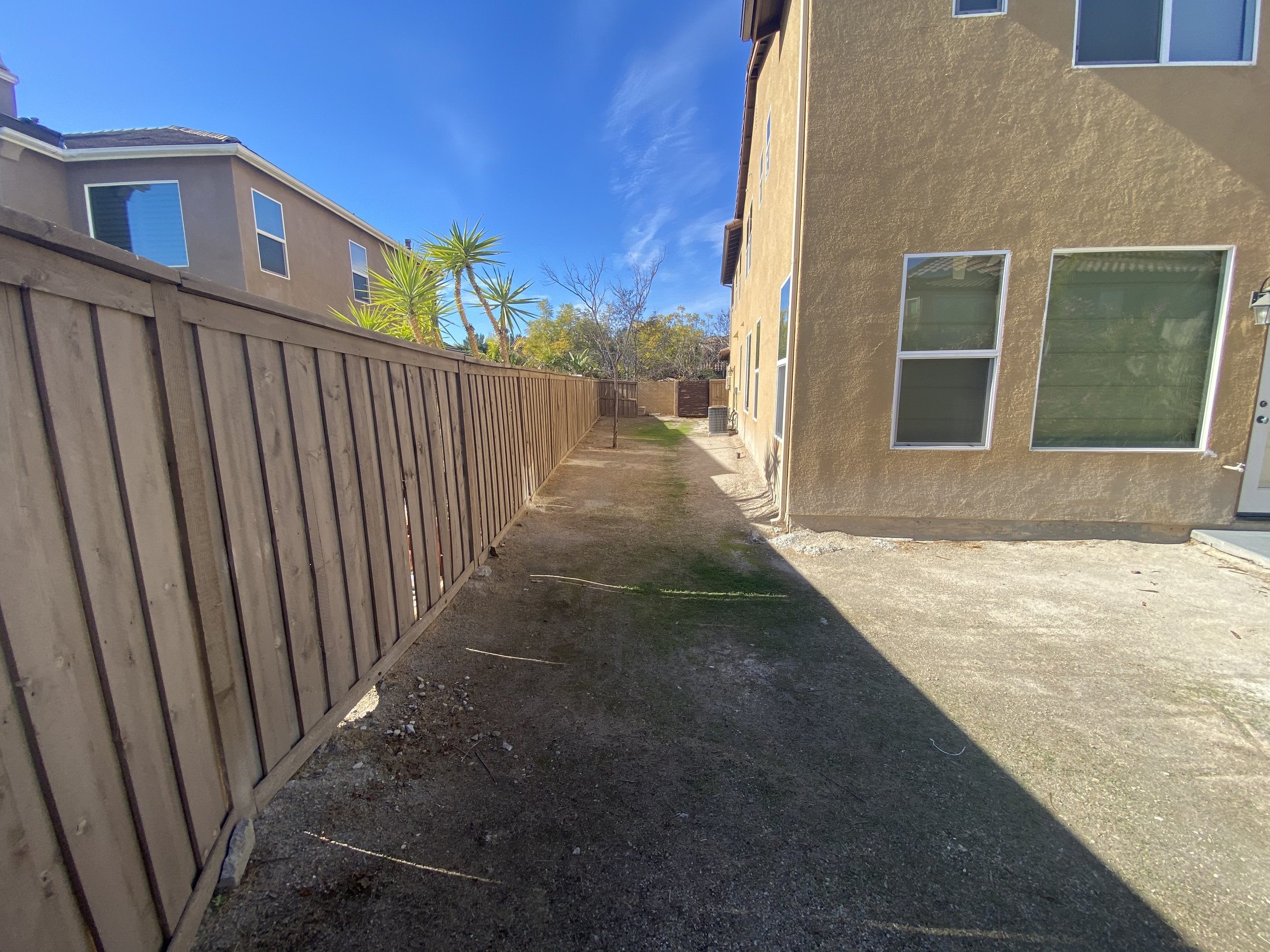
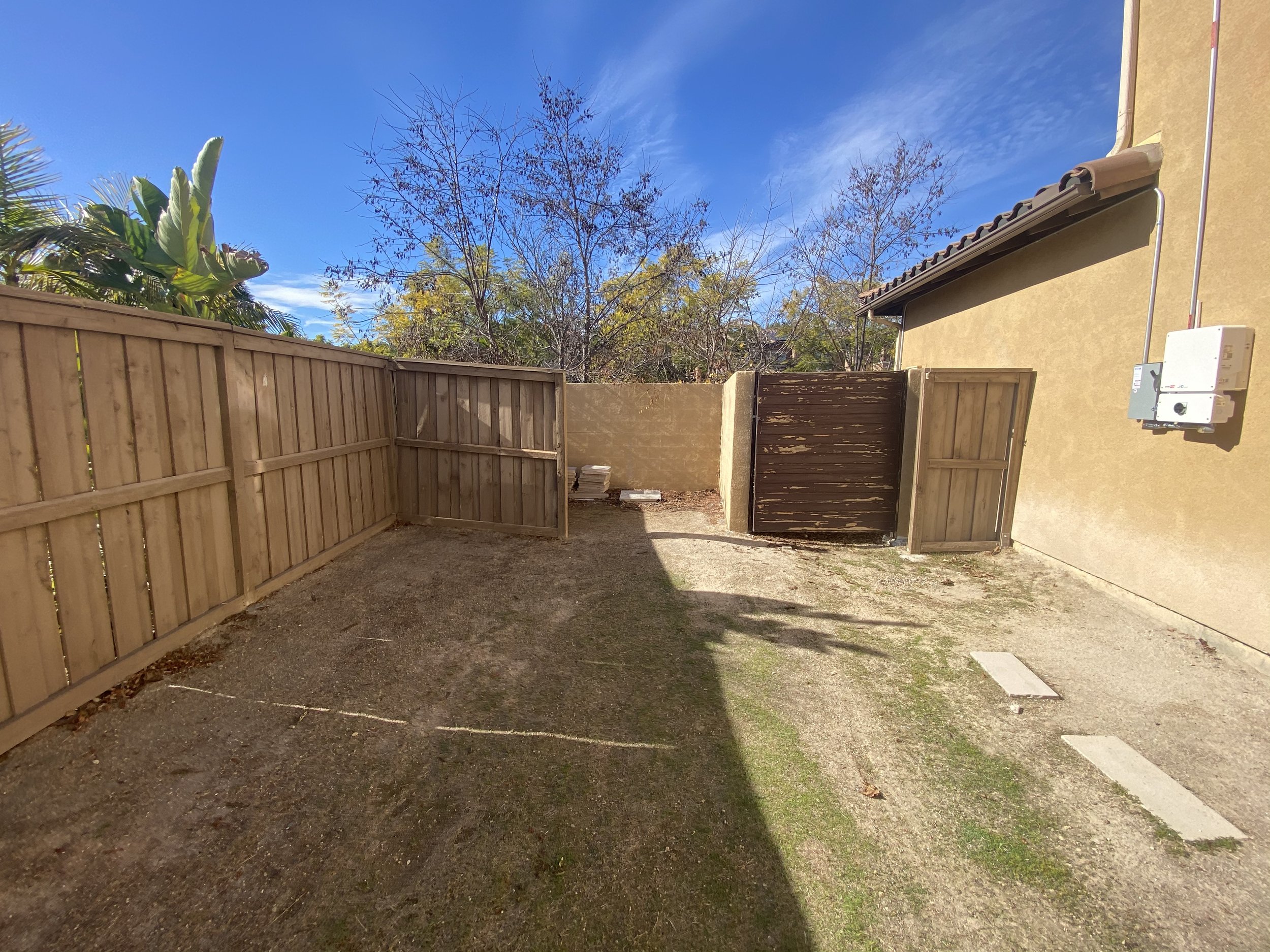
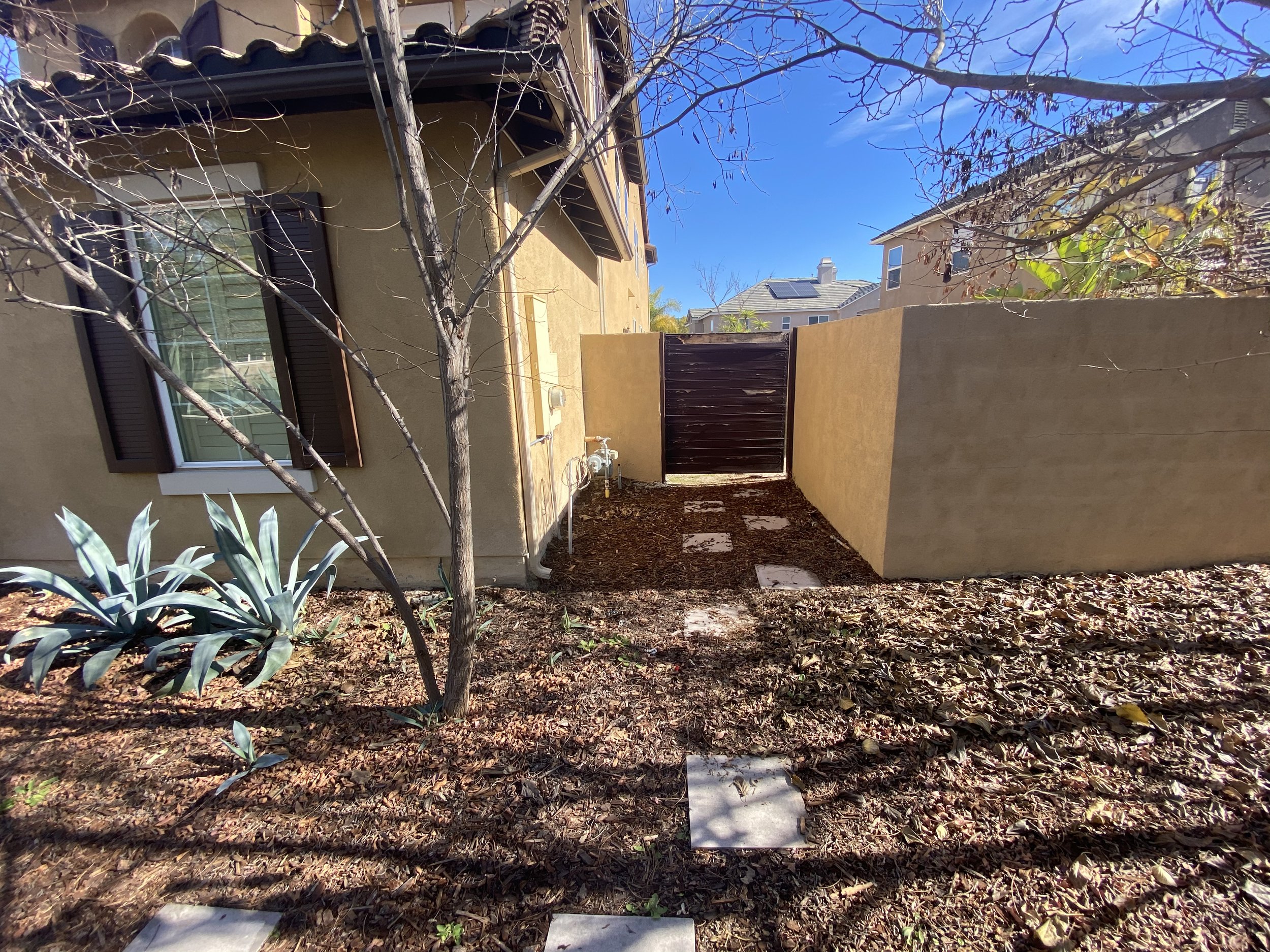
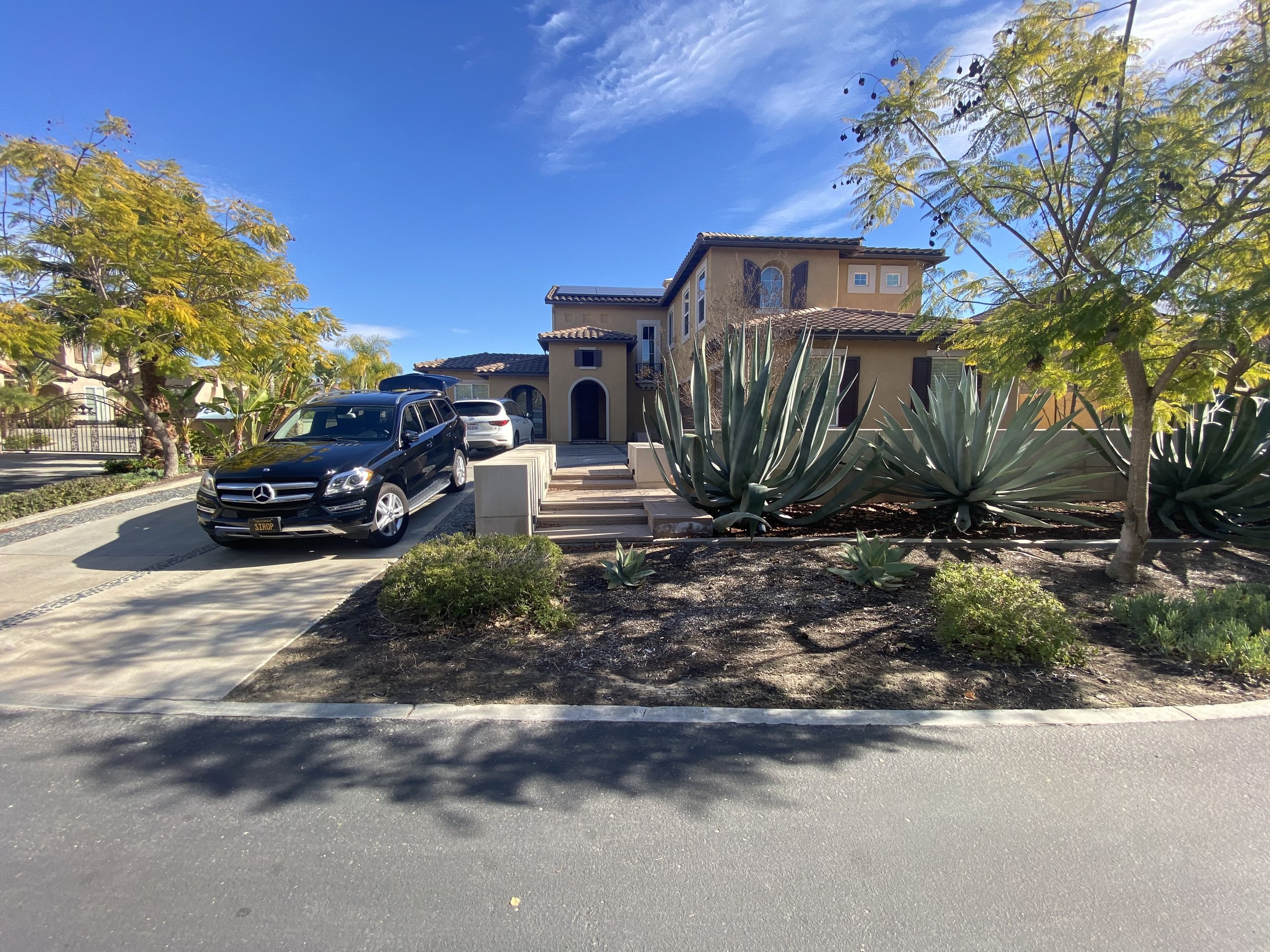
Existing Condition Situation - Before & Progress of Installation
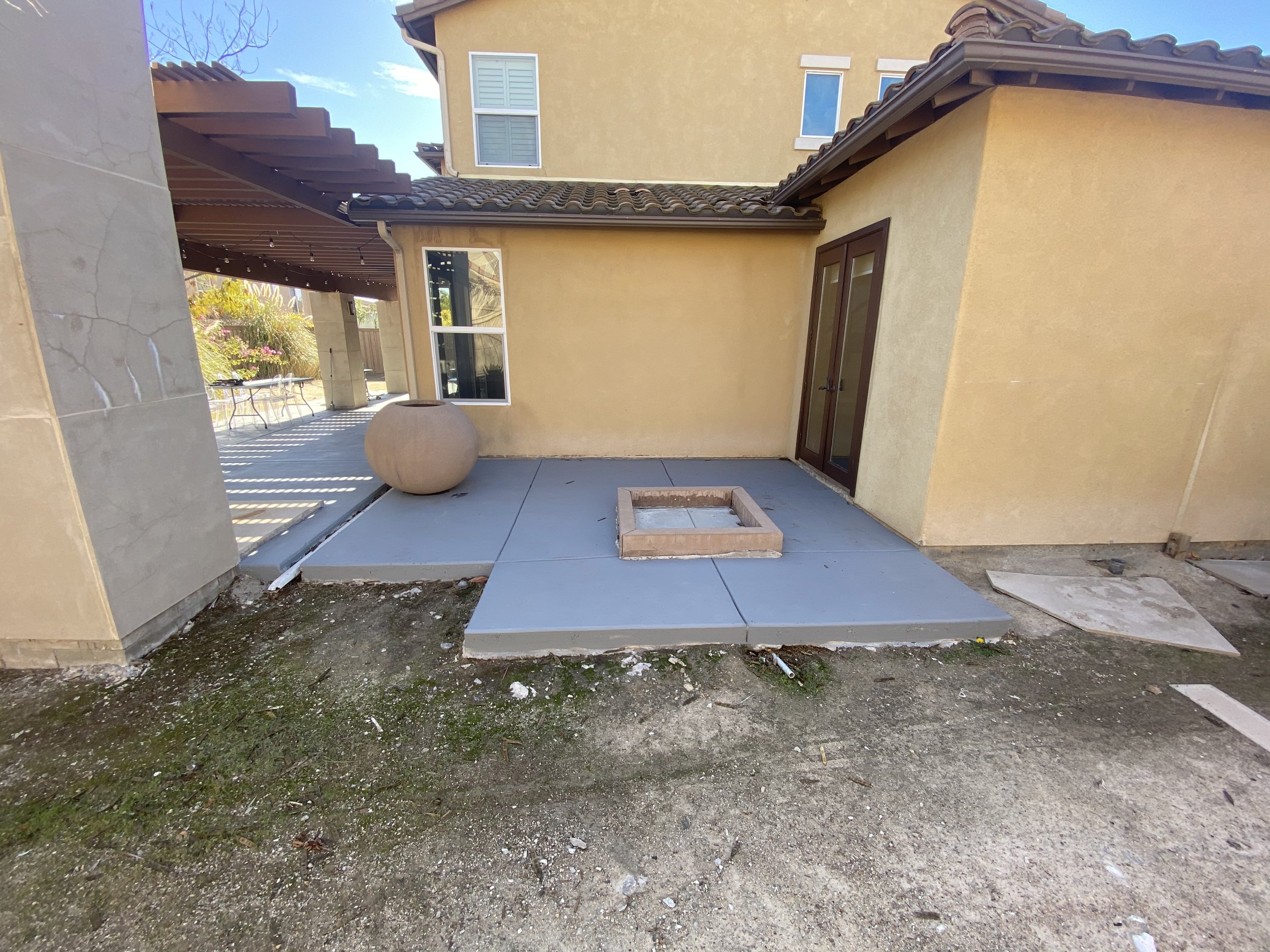
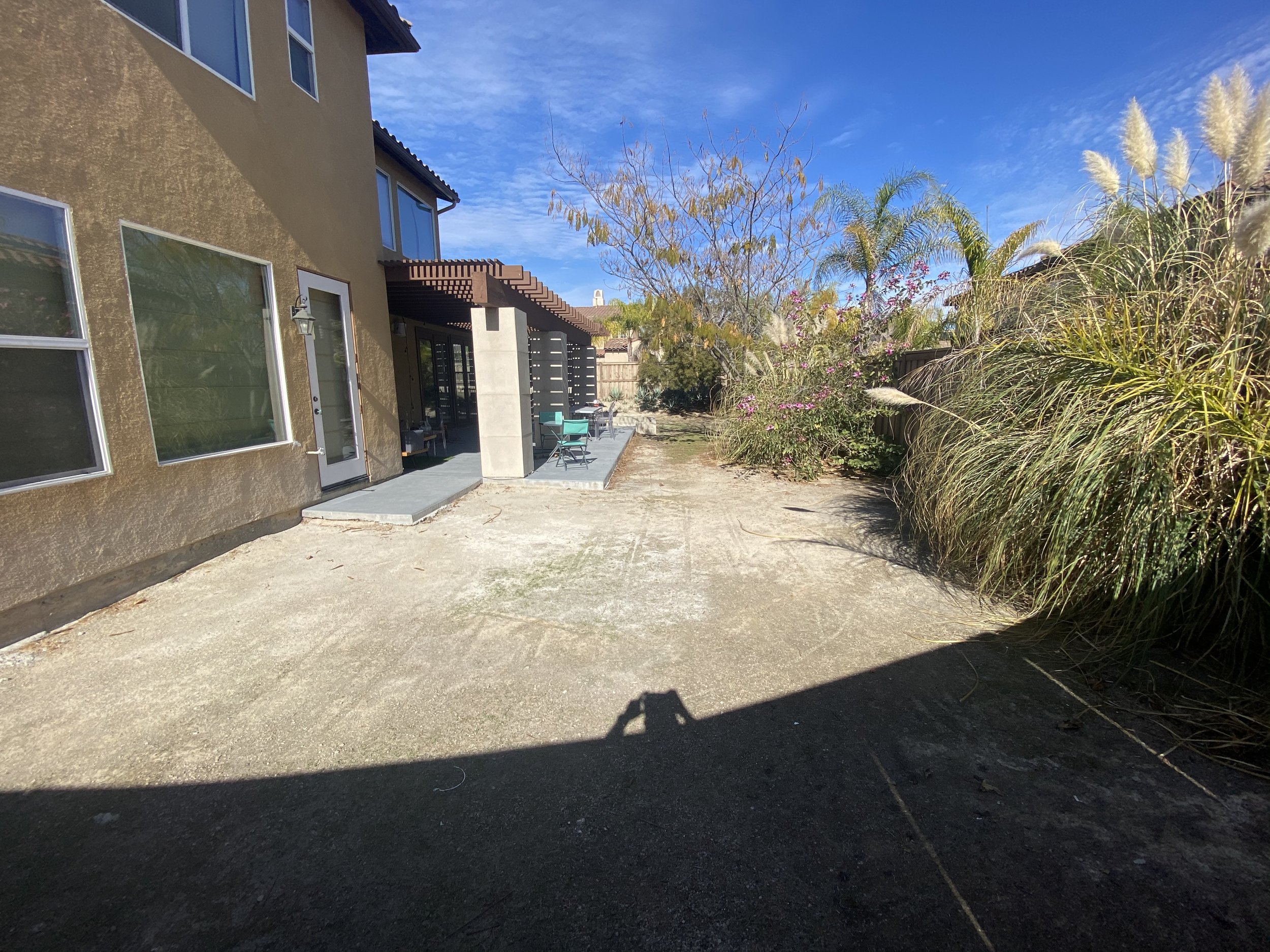
Chula Vista · Contemporary Landscape Design · Pool Garden · Outdoor Living · Climate-Responsive Design · Southern California
Spiritual Rebirth: Ecological Sanctuary Estate - Landscape design in Encinitas, California
A Sanctuary Garden in Encinitas, California, designed as a vision of spiritual rebirth. Featuring meadows, meditation gardens, bioretention ponds, and native plantings, this landscape merges ecology, art, and wellness into a living sanctuary.
Where Art and Nature Evolve into Living Legacy
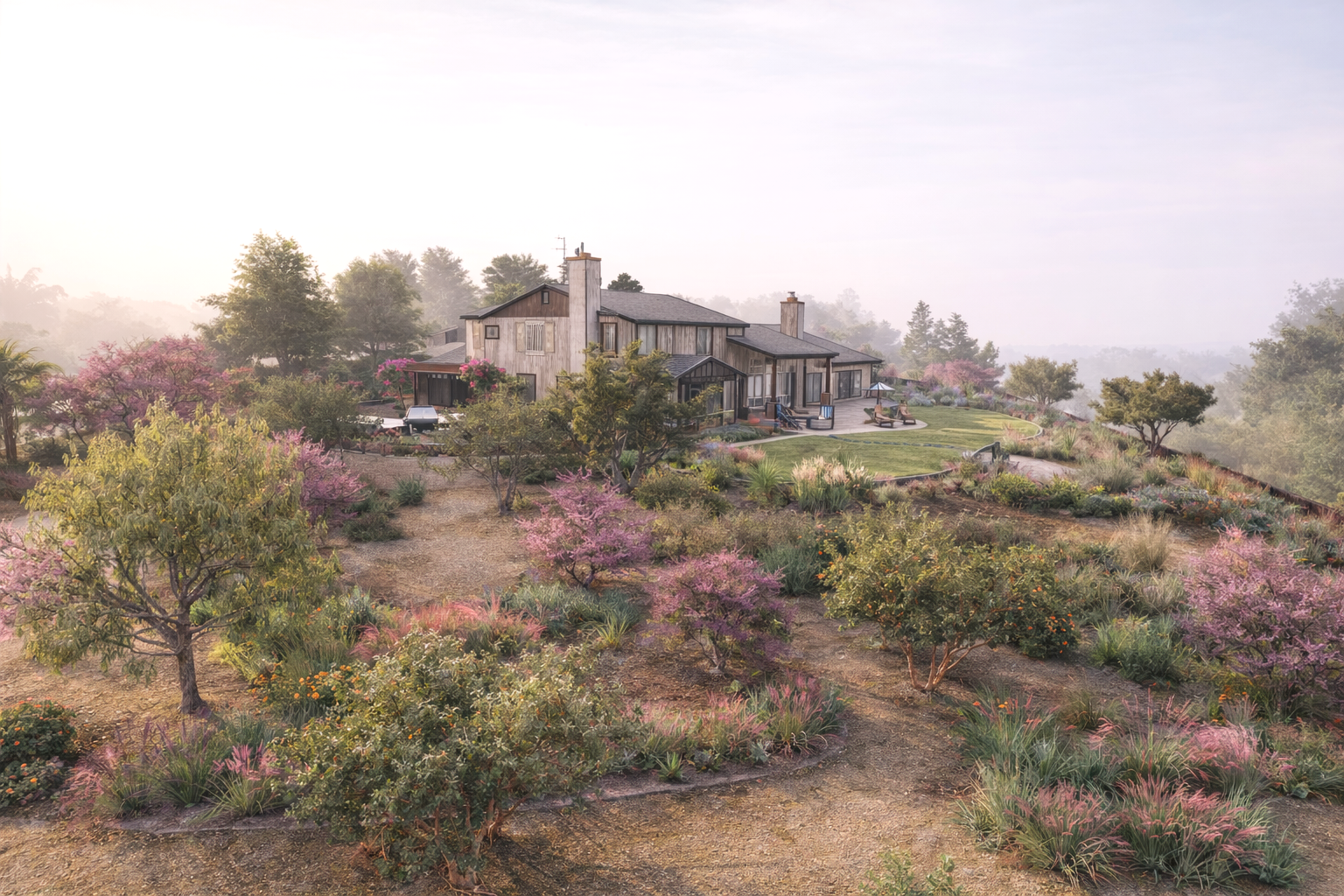
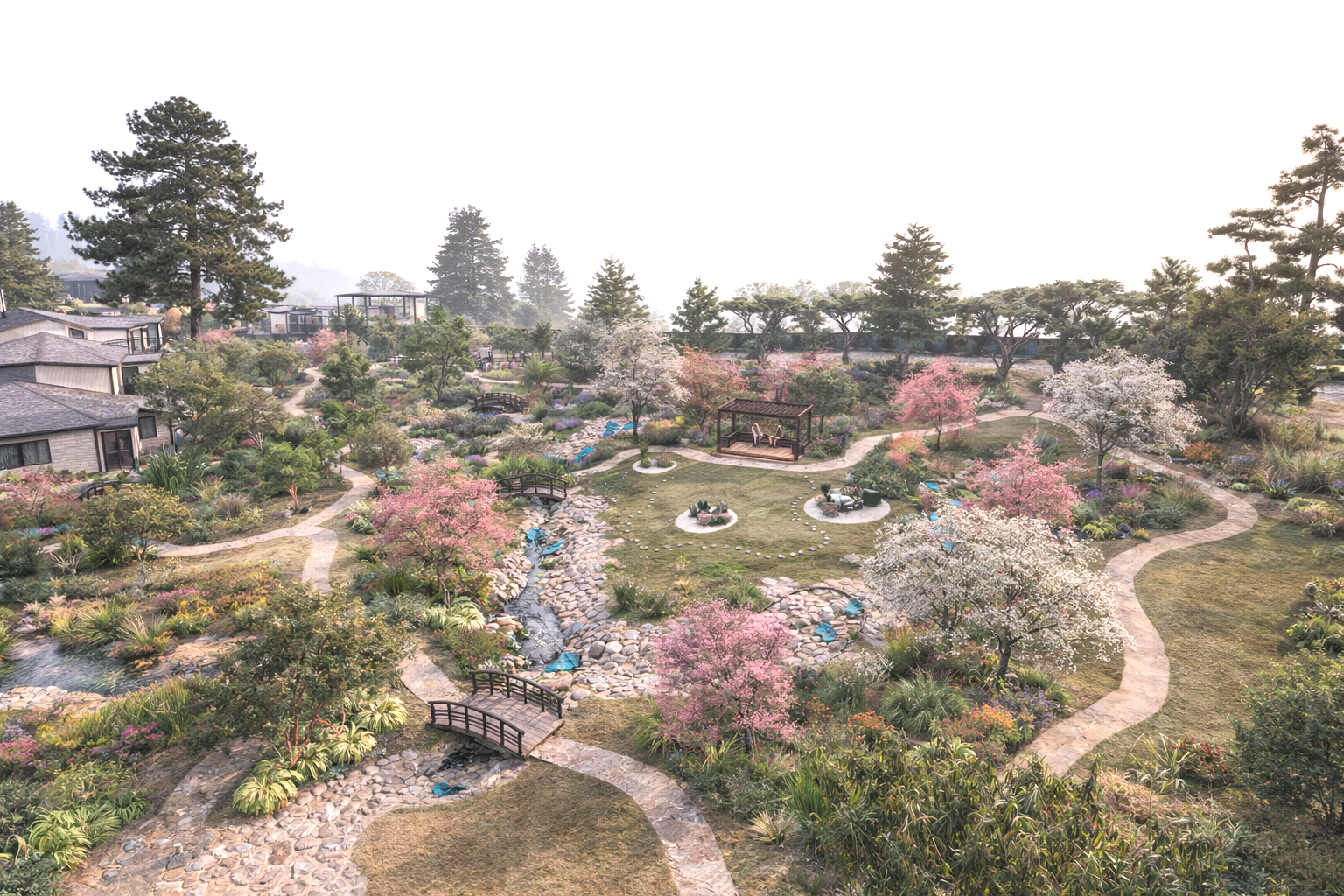
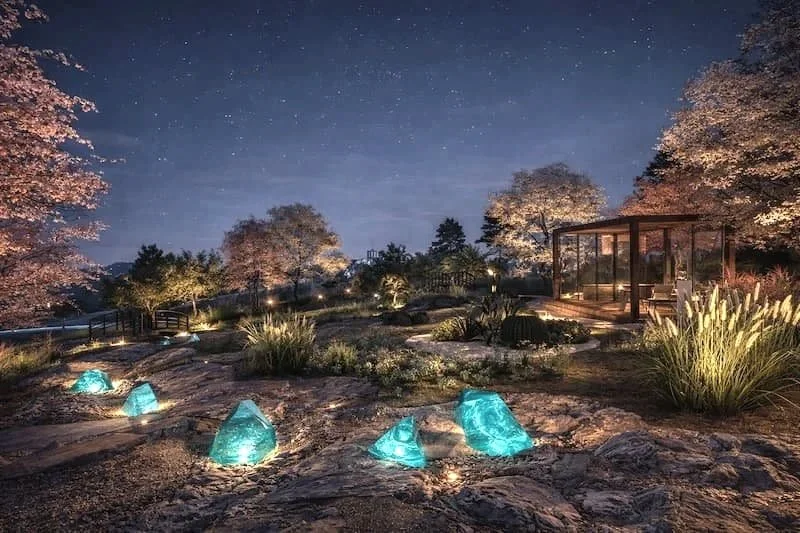
Location: Knightsbridge, Olivenhain, Encinitas, California
Project Type: Private Ecological Sanctuary Estate. Evolving Estate Landscapes & Ecological Sanctuary
Design Scope: Complete Garden Design, Planting Design, Hardscape Coordination, Irrigation Strategy, Stormwater Planning, Construction Documentation
Status: Built / Installed
Construction: Contractor & Project Management by Client.
Construction cost: ~ $340,000
Design Studio: LASD Studio
A Living Landscape for Restoration and Renewal
The Spiritual Rebirth Sanctuary Estate was conceived as more than a private garden. It is a living landscape designed to help its inhabitants slow down, reconnect with natural rhythms and experience the property as a continuous journey.
Set within the semi-rural landscape of Olivenhain in Encinitas, the garden brings together ecological California planting, productive garden spaces, water, sculpture and places for quiet daily life. The result is not one large decorative composition, but a sequence of distinct garden worlds held together by a gentle, continuous presence.
The idea of spiritual rebirth is expressed through movement and transition: from architecture into planting, from open lawn into intimate habitat, from dry stone into water, and from the productive landscape of herbs and fruit trees into spaces intended only for observation and stillness.
At LASD Studio, we believe gardens can become sanctuaries - places where people reconnect with nature, art, and themselves. The Spiritual Rebirth Sanctuary Garden in Encinitas was envisioned as more than a private garden: it is a living landscape of healing, renewal, and ecological balance.
Video presentation of the Spiritual Rebirth Sanctuary Garden in Encinitas, California - a meditative landscape design by LASD Studio featuring flowing pathways, water features, ecological planting for pollinators, and contemplative spaces that unite spirituality, biodiversity, and modern garden design.
An Estate Composed as a Journey
Rather than revealing the entire property at once, the design unfolds gradually with spaces and garden rooms.
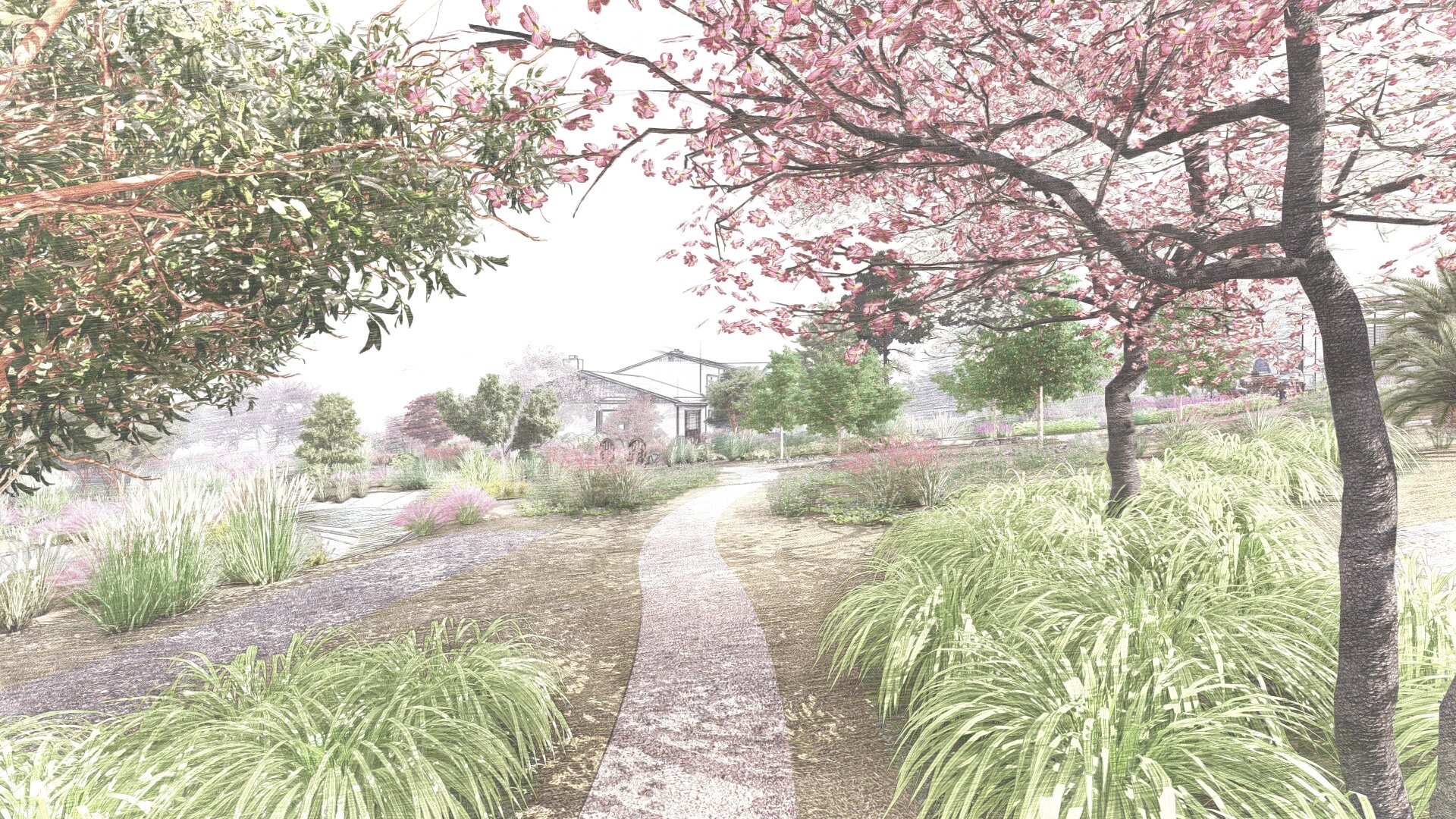
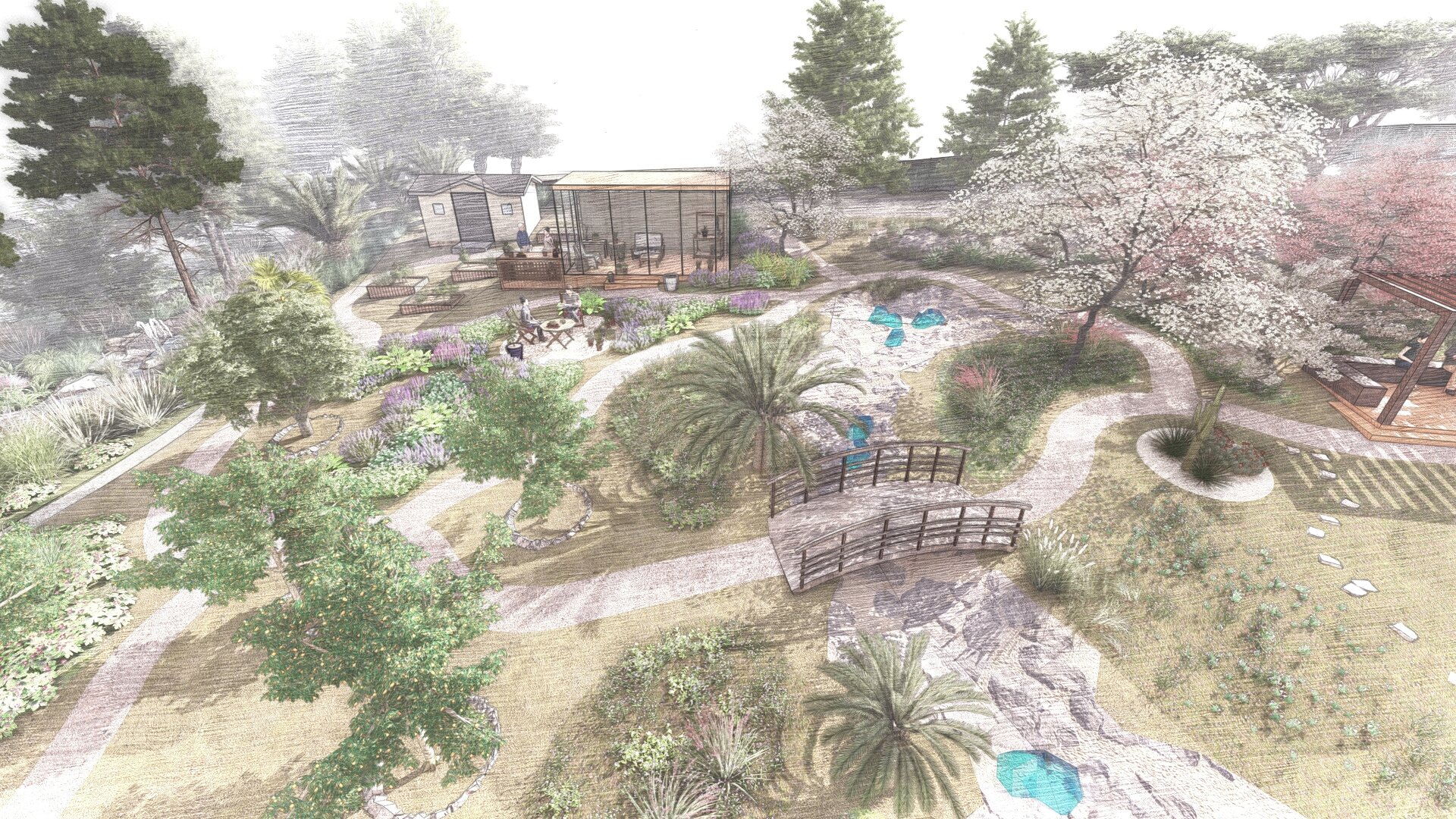
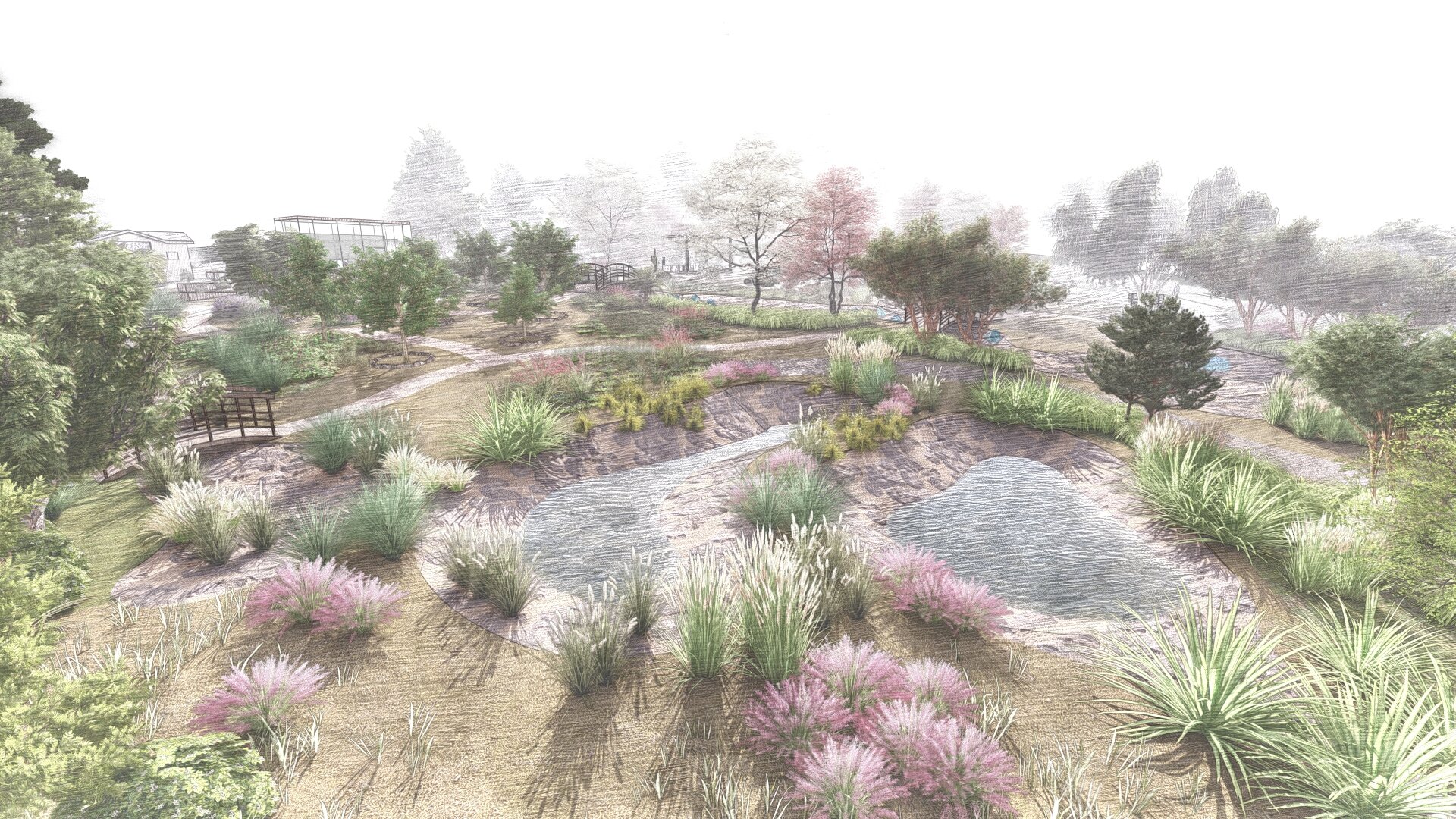
Curved paths travel through the main garden and continually alter the visitor’s view. A flowering tree, pond, sculptural rock or distant terrace disappears and reappears as one moves. This principle of partial revelation gives the estate a sense of depth and discovery that a straight path could not create.
The primary path forms a continuous loop around the garden. It can be used as everyday circulation, but it also becomes a meditative walk: a place to move without a destination, decompress after a demanding day and allow the mind to return to a calmer rhythm.
There are no visual tunnels or long, static corridors. Every turn introduces a new relationship between planting, water, stone, architecture and sky.
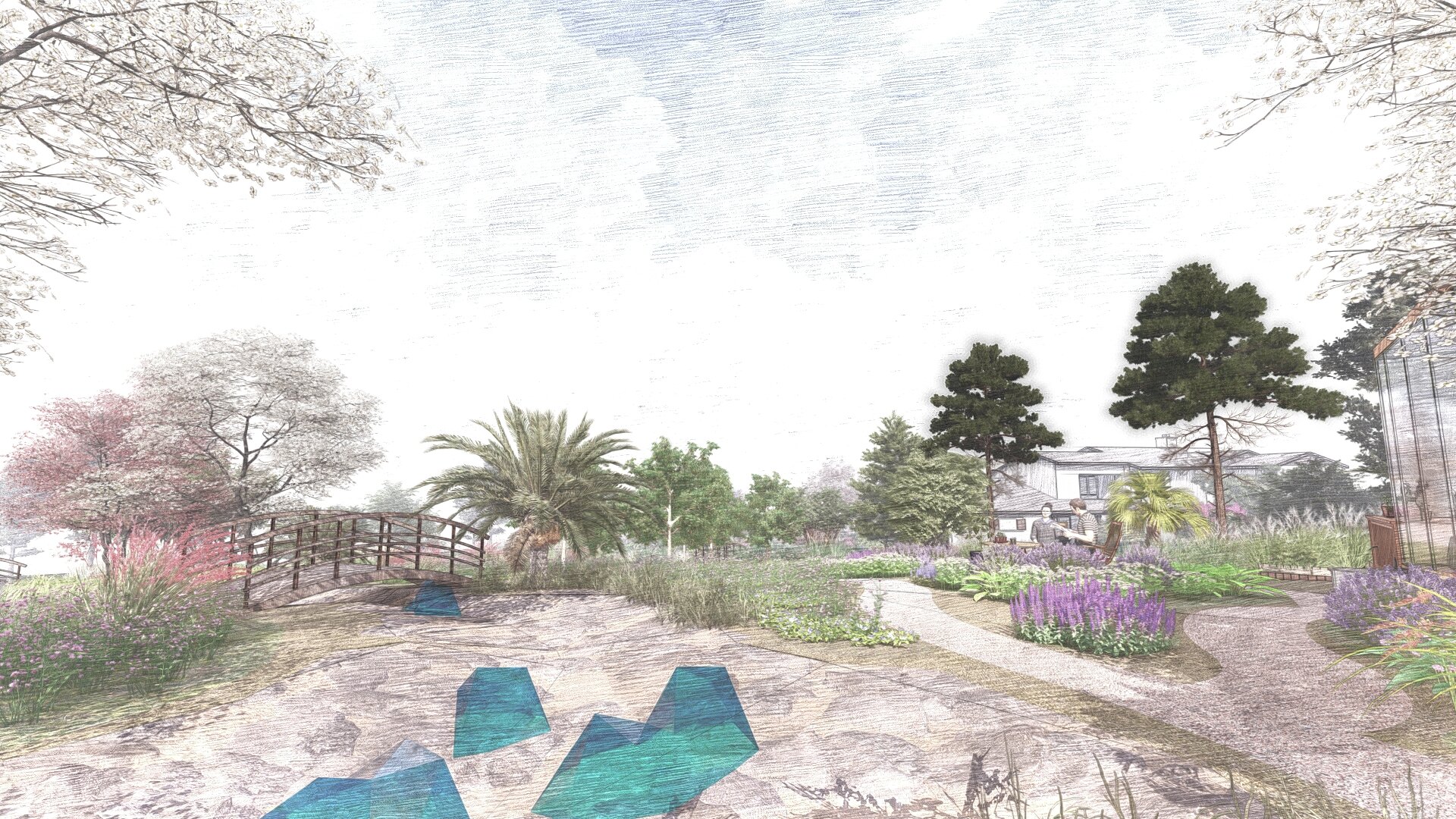
Five Garden Worlds Within One Landscape
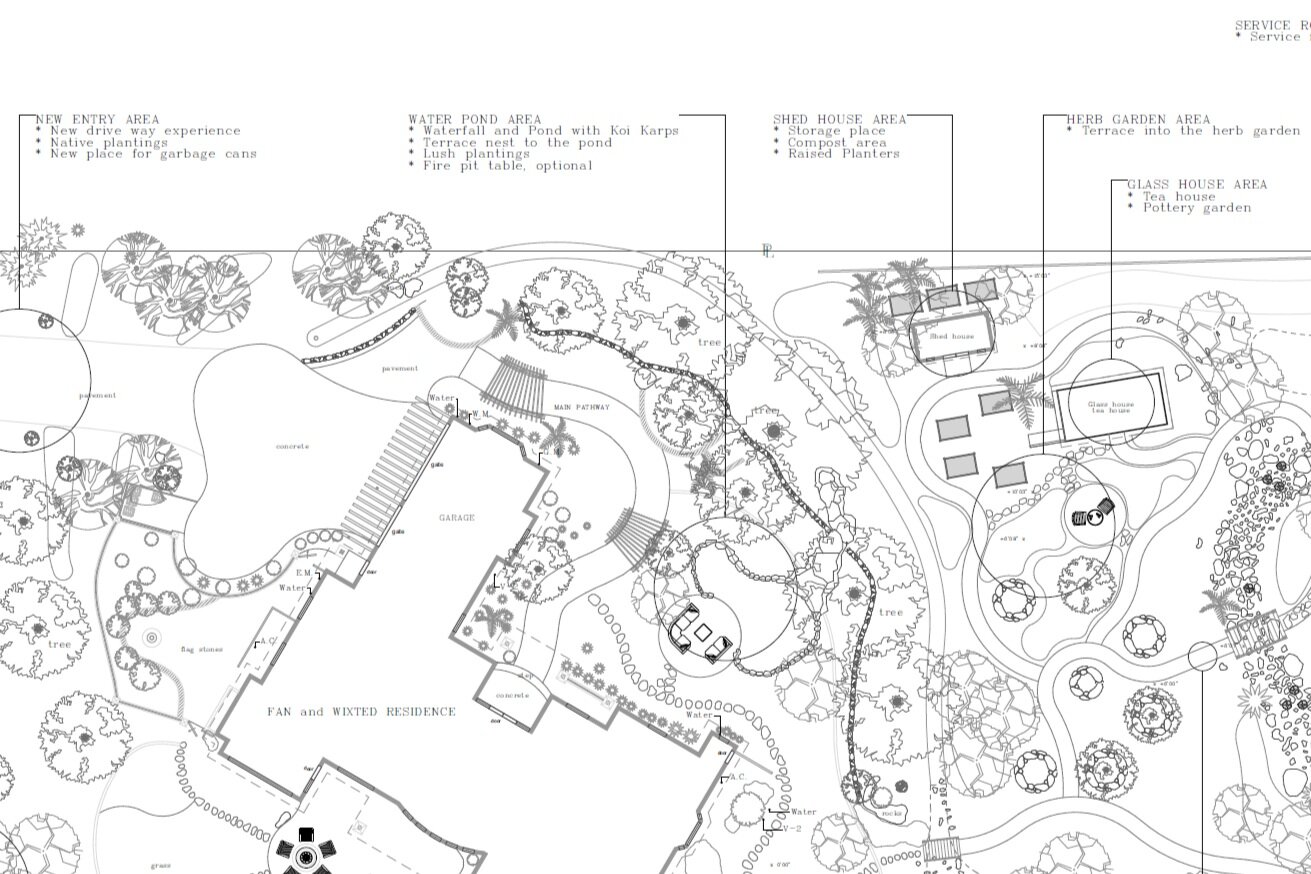
Herb Garden, Terrace and Orangery
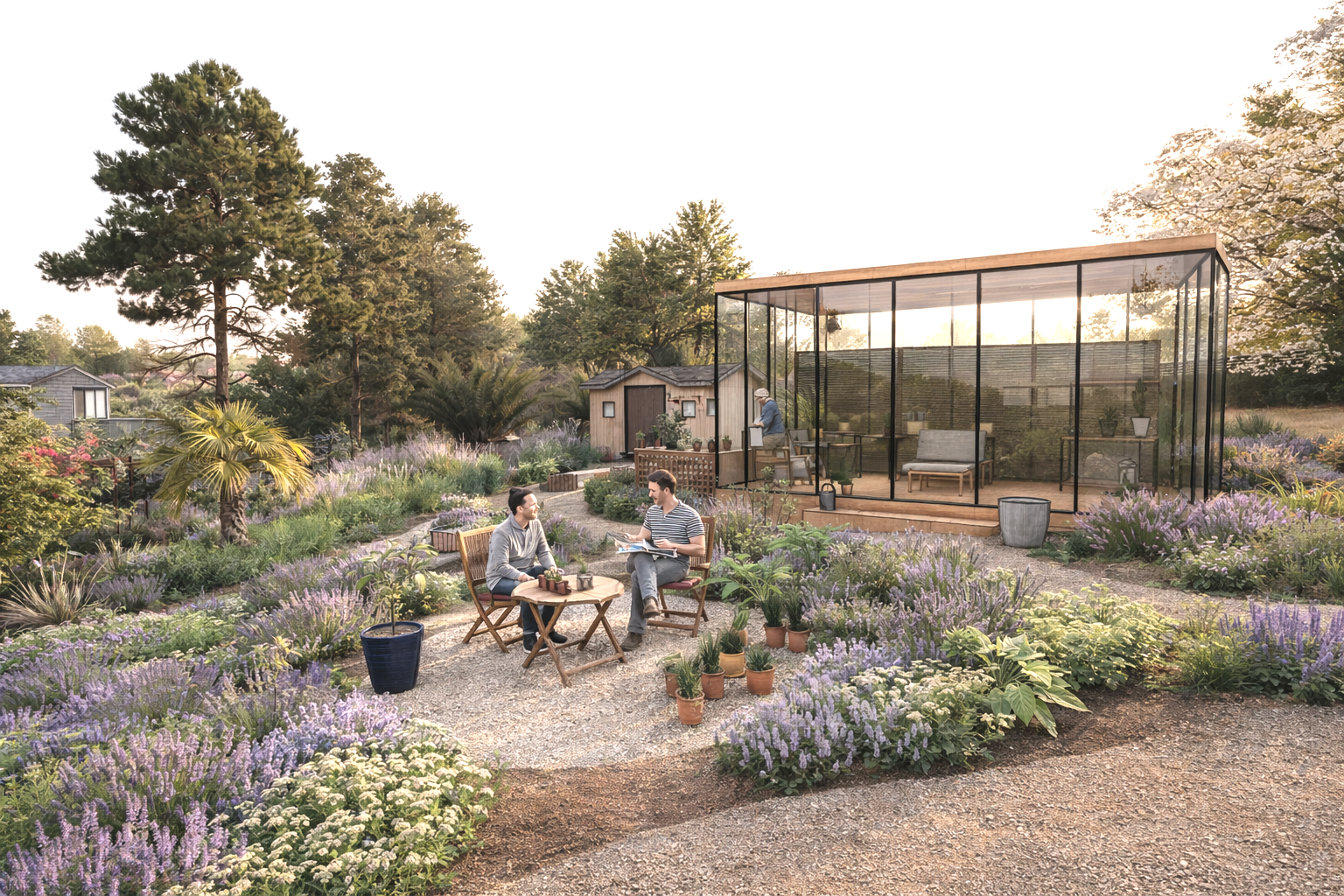
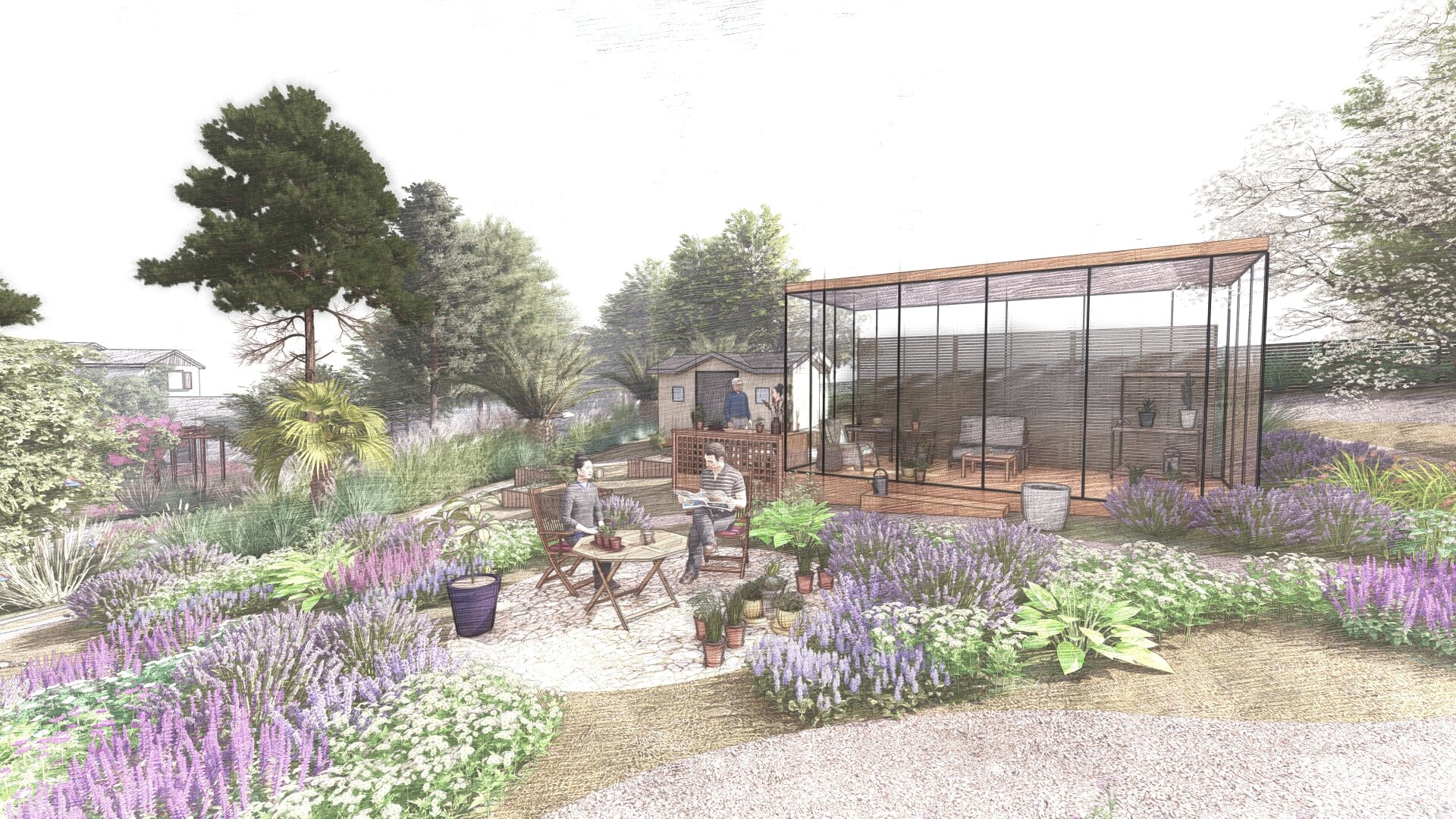
The productive heart of the estate combines a herb garden, outdoor terrace and glass orangery.
The orangery extends the growing season and creates a protected place for plants, work and quiet observation. Outside, herbs and flowering plants surround a terrace where cultivation becomes part of daily life. The composition is productive, but never utilitarian: scent, texture, flowers and seasonal change transform the kitchen garden into one of the estate’s most atmospheric gathering places.
Lounge Lawn Beside the Residence
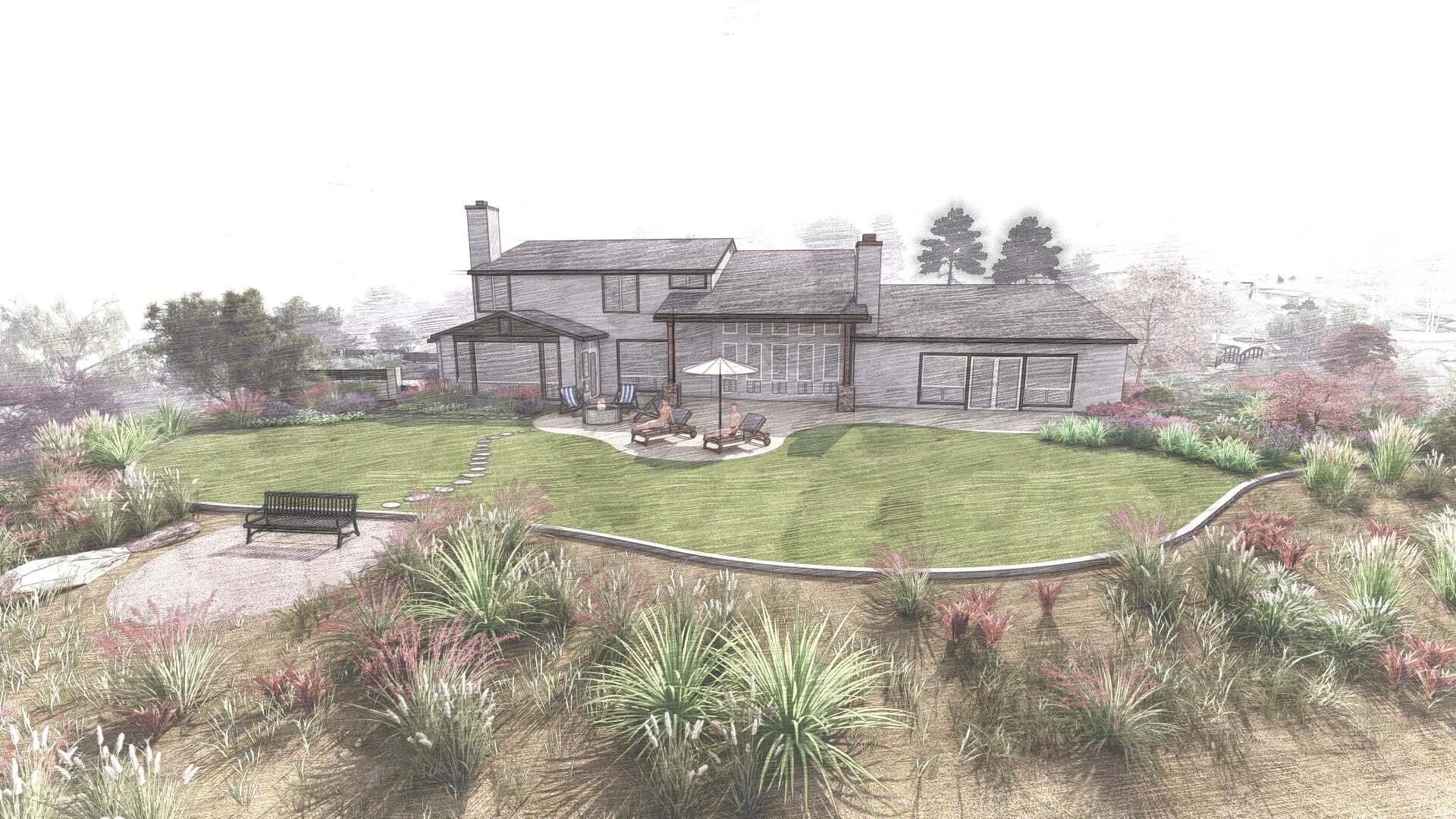
Close to the house, a purposeful lawn creates a clear and comfortable place for lounging, informal gatherings and time with family.
Instead of spreading lawn across the entire property, the design concentrates it where an open, soft surface contributes directly to how the garden is used. This restrained green plane provides visual calm beside the architecture and creates a deliberate contrast with the looser ecological planting beyond.
Pond and Biodiversity Garden
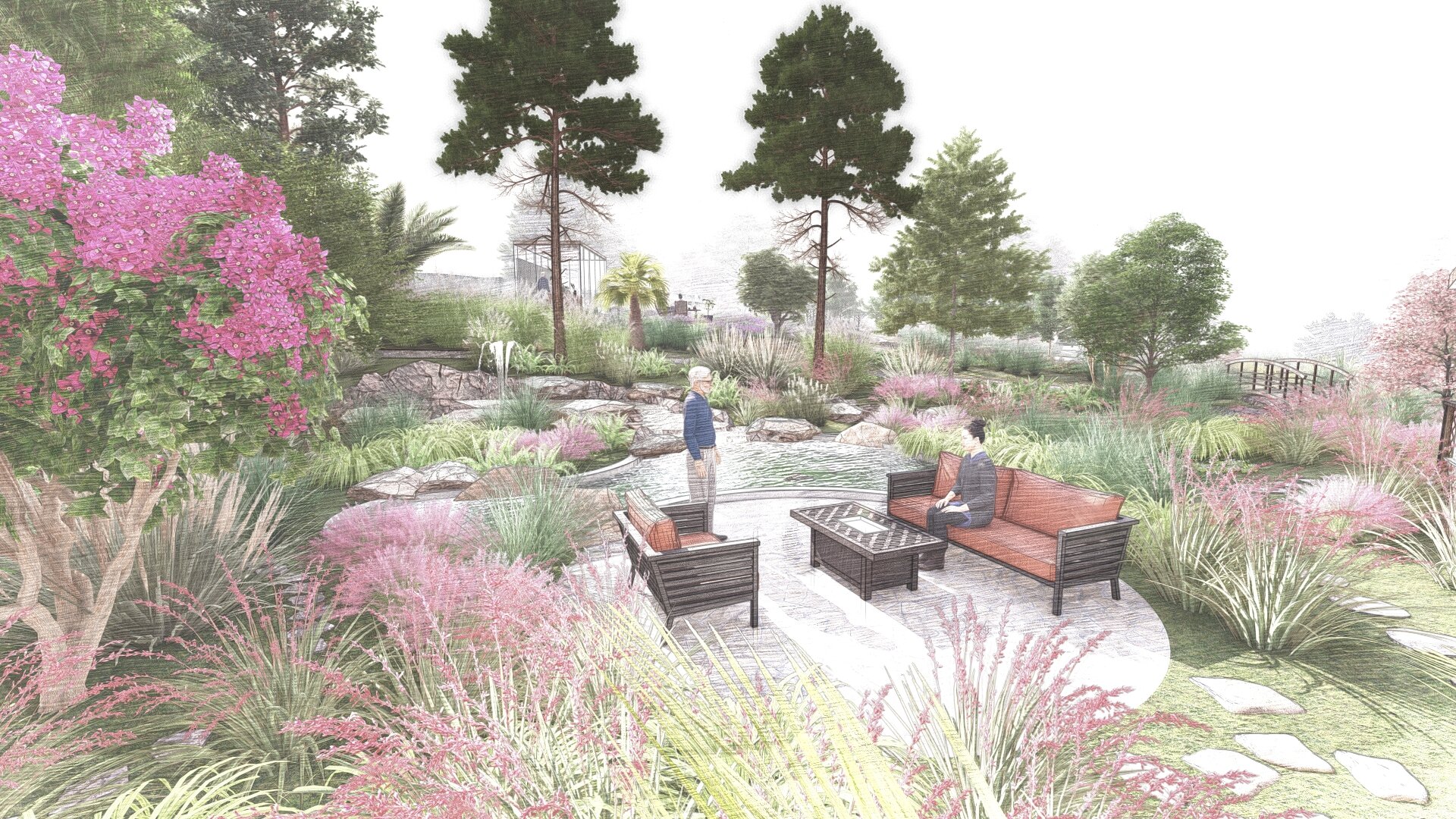
The pond forms one of the landscape’s quietest ecological zones.
Water, rocks, marginal vegetation and layered planting create different conditions for insects, birds and other wildlife. The surrounding landscape is allowed to feel softer and less controlled, giving the pond the character of a small habitat rather than a conventional ornamental feature.
From the walking path, the pond becomes a place to pause and observe reflections, movement and changing light. It brings another rhythm into the estate - slower, cooler and more contemplative.
Succulent Garden
A succulent garden introduces a more sculptural expression of Southern California’s dry climate.
Strong plant silhouettes, mineral surfaces and carefully positioned rocks create a composition that is visually precise without becoming sterile. This area offers a quieter seasonal structure and contrasts with the softer movement of flowering perennials and grasses elsewhere in the garden.
Orchard
The orchard gives the estate another productive and temporal layer.
Fruit trees provide blossom, summer shade, harvest and a visible record of the passing seasons. Over time, their canopies will become increasingly important to the spatial structure of the property, creating a garden that becomes richer and more established as it matures.
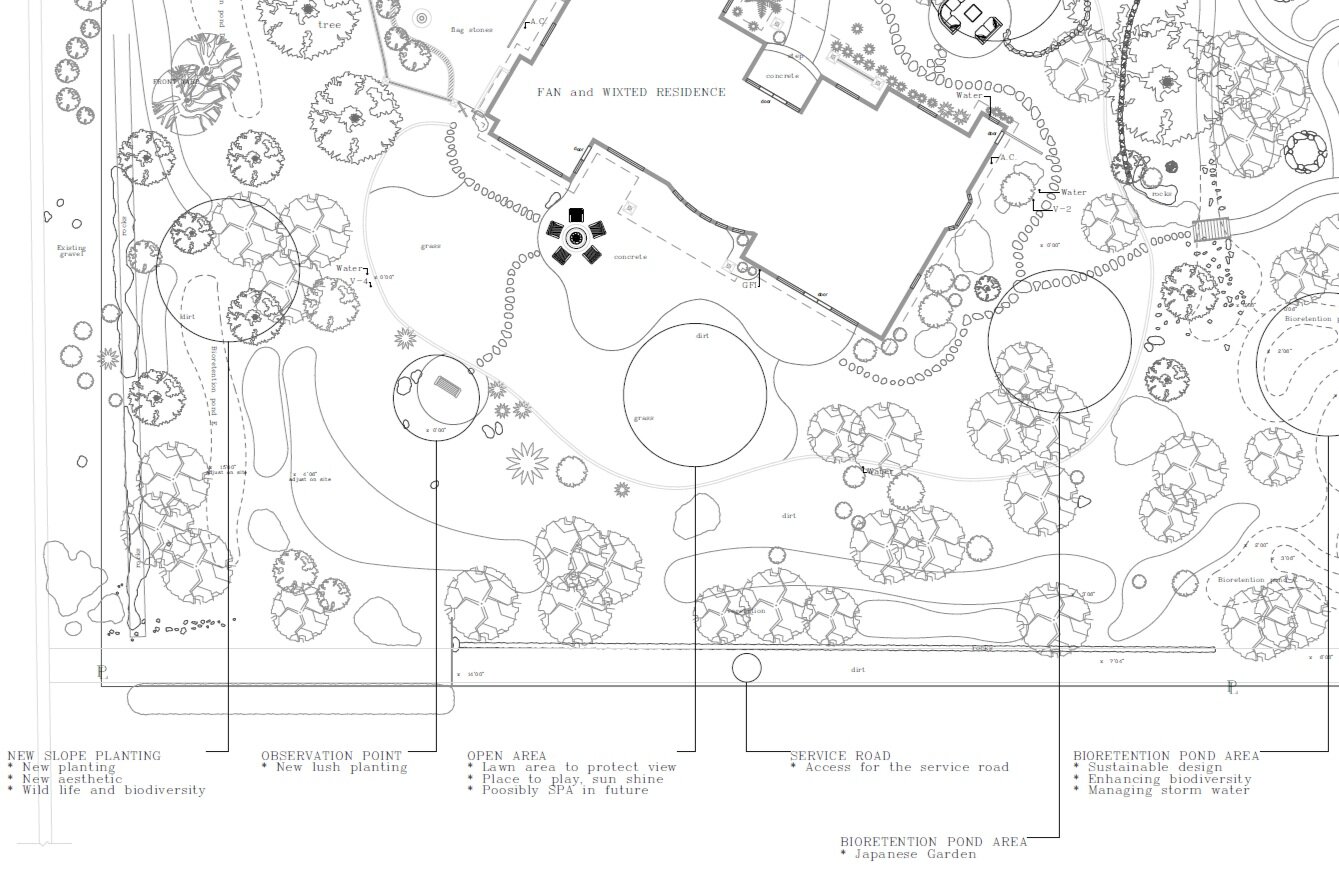
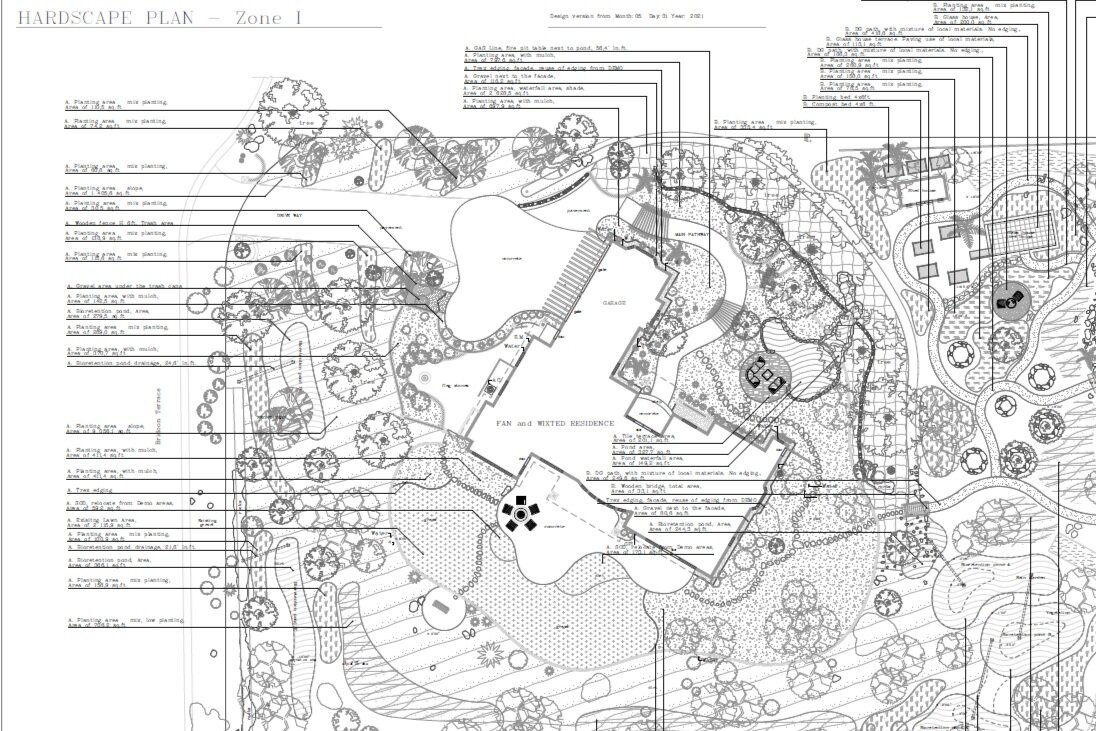
A dry rock river moves through the garden and connects its different zones.
Functionally, it forms part of the site’s stormwater strategy. Visually, it becomes a continuous geological thread - a dry canyon passing through planting, paths and gathering spaces.
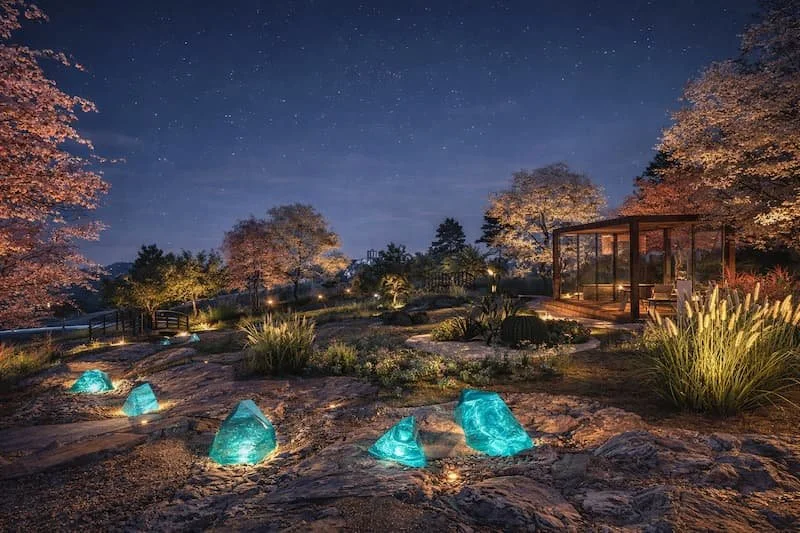
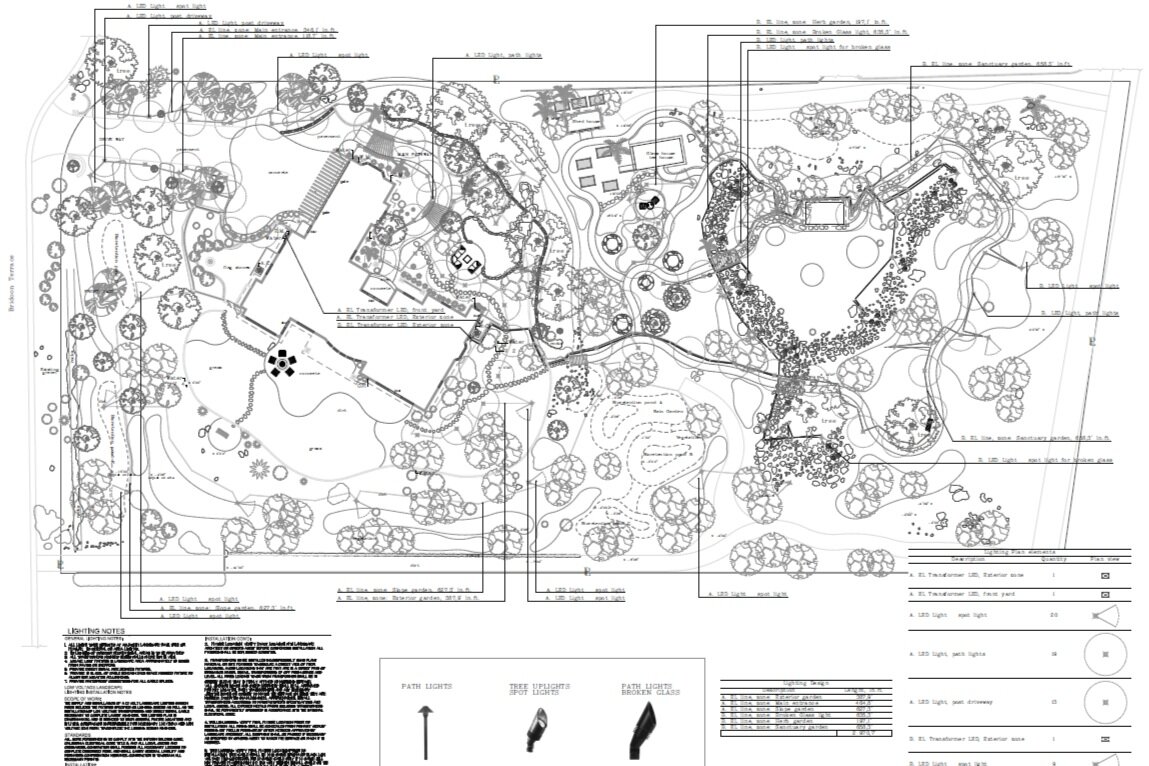
Large pieces of Turkish-blue sculptural glass are positioned among the boulders and illuminated after dark. During the day, the glass catches sunlight and introduces flashes of translucent color between the stone. In the evening, the pieces begin to glow, transforming the dry river into an atmospheric field of blue light.
This artistic intervention elevates the rock river beyond conventional drainage infrastructure. Stone, glass, shadow and reflected light create an almost celestial atmosphere, allowing the garden to remain alive and compelling after sunset.
Holding Stormwater Within the Estate
Stormwater is treated as a resource belonging to the landscape rather than something to be removed as quickly as possible.
Rainwater is directed toward the dry creek system, where its movement can be slowed and guided across the property. From there, water is collected within a larger retention area, reducing rapid discharge toward municipal drains or neighboring land.
This creates more time for water to settle and, where site and soil conditions permit, return gradually to the ground. The system combines practical stormwater management with the visual language of a natural Southern California canyon.
During dry weather, the rock river remains an important spatial and sculptural element. During rain, it becomes active infrastructure. The same landscape therefore performs differently in response to changing environmental conditions.
Planting as an Evolving California Ecology
The planting composition is lush, calm and contemporary, while remaining connected to the ecology of coastal Southern California.
California native and climate-adapted plants are arranged in layered communities rather than isolated decorative specimens. Groundcovers protect and soften the soil. Perennials and flowering shrubs create seasonal nectar and seed. Grasses introduce movement, while trees and larger shrubs provide shade, shelter and long-term structure.
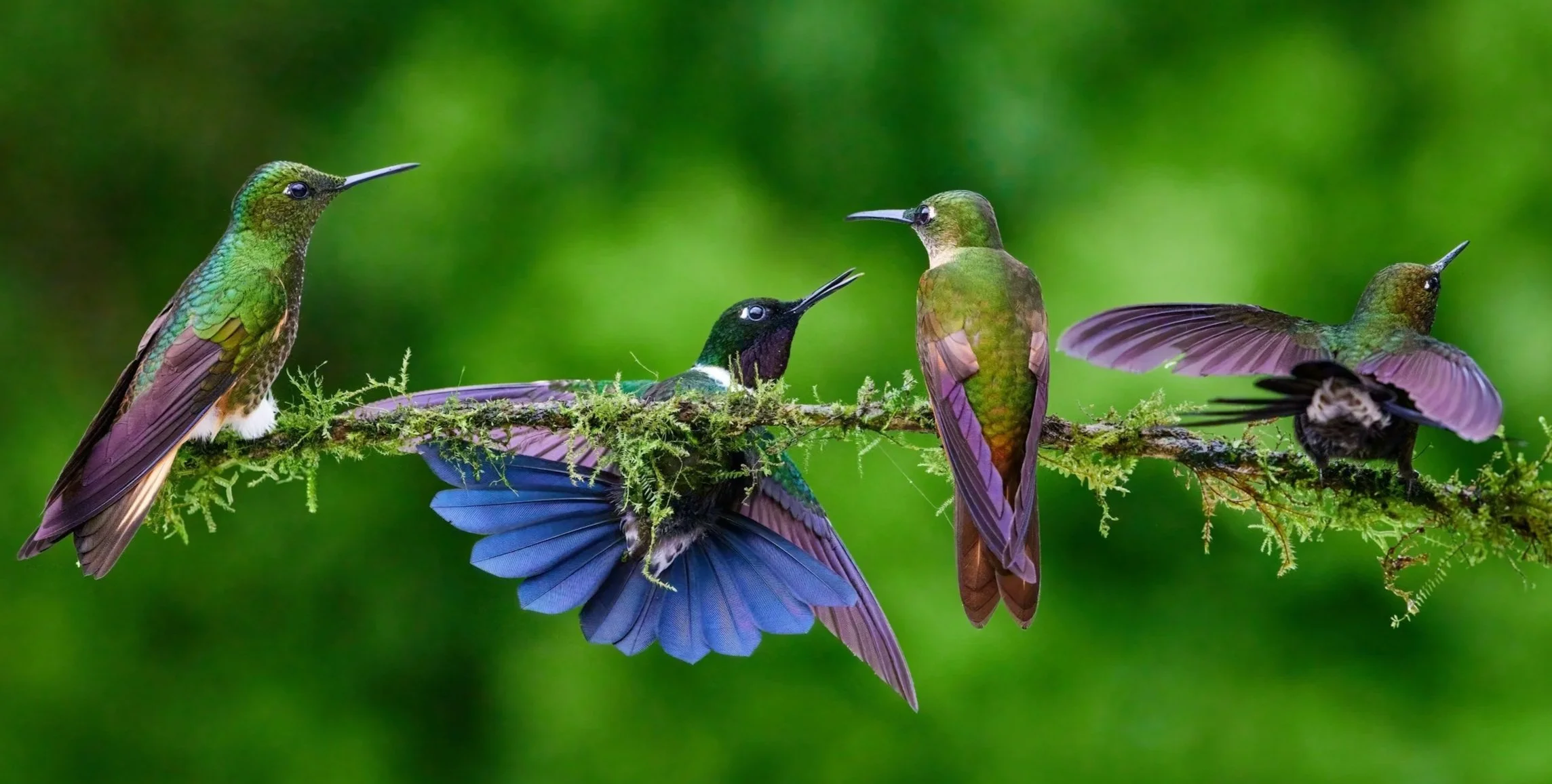
Bloom is distributed across the seasons so the garden can offer changing color and forage over an extended period. Depending on the final plant palette and surrounding habitat, this kind of planting can support monarchs, painted ladies and swallowtails, as well as native bees and other beneficial insects.
Anna’s and Allen’s hummingbirds may visit nectar-rich flowers, while black phoebes, house finches and lesser goldfinches can use the garden for insects, seeds, water and shelter.
At the upper levels of the local food web, the wider Olivenhain habitat mosaic may also be visited by Cooper’s hawks or red-tailed hawks. Their presence cannot be manufactured as a decorative effect. It becomes possible when the lower trophic levels- soil life, plants, insects, seeds, water and smaller birds, are functioning together.
This is the foundation of LASD Studio’s approach to Designing Landscapes as Evolutionary Systems. The objective is not to install a frozen picture, but to establish the conditions from which a richer living system can continue to develop.
Considering an Ecological Estate or Sanctuary Garden?
LASD Studio designs private landscapes that bring architecture, daily life, water, planting and ecological processes into one coherent experience.
A preliminary conversation can help determine how your property could become a more restorative, biodiverse and enduring landscape.

Sanctuary of YUM: Exotic Orchards & Wellness Programs. Bonsall, California.
The Sanctuary of YUM in Bonsall, San Diego, is a landscape of exotic orchards, healing gardens, and wellness programs. Designed as a retreat, it integrates ecological intelligence with community, art, and regenerative farming practices.
A private estate reimagined as a sanctuary of wellness, exotic orchards, and ritual spaces.
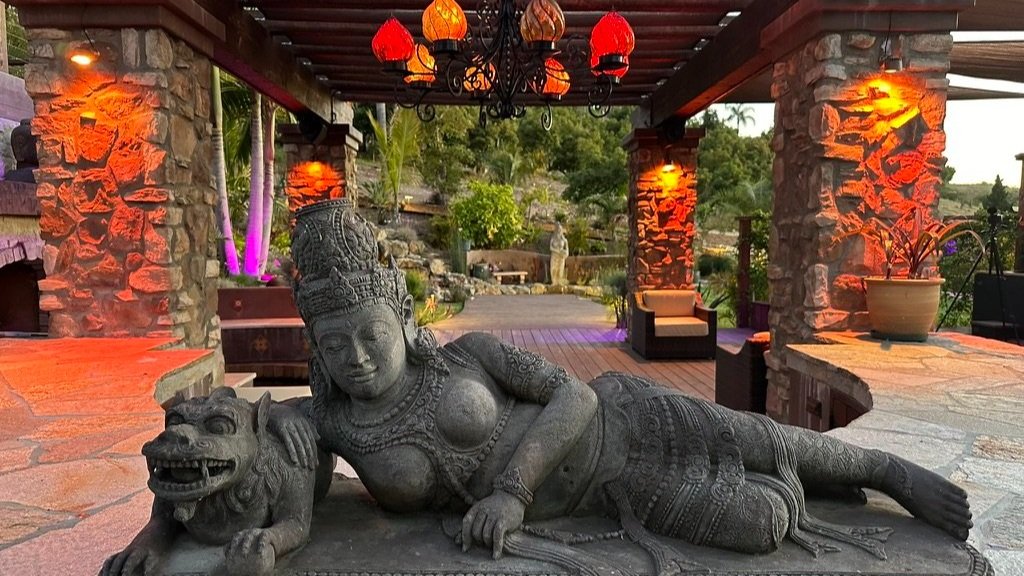
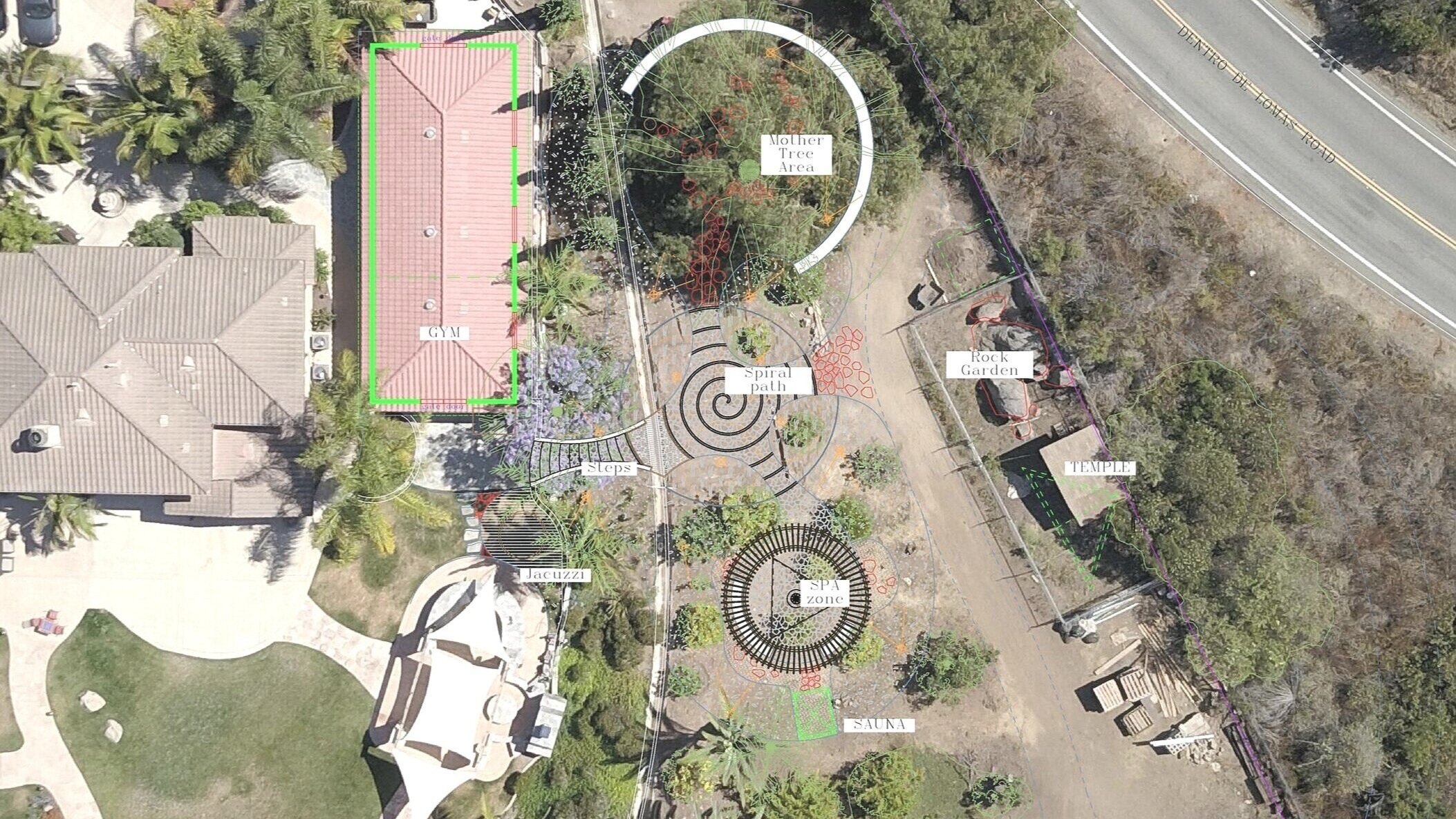
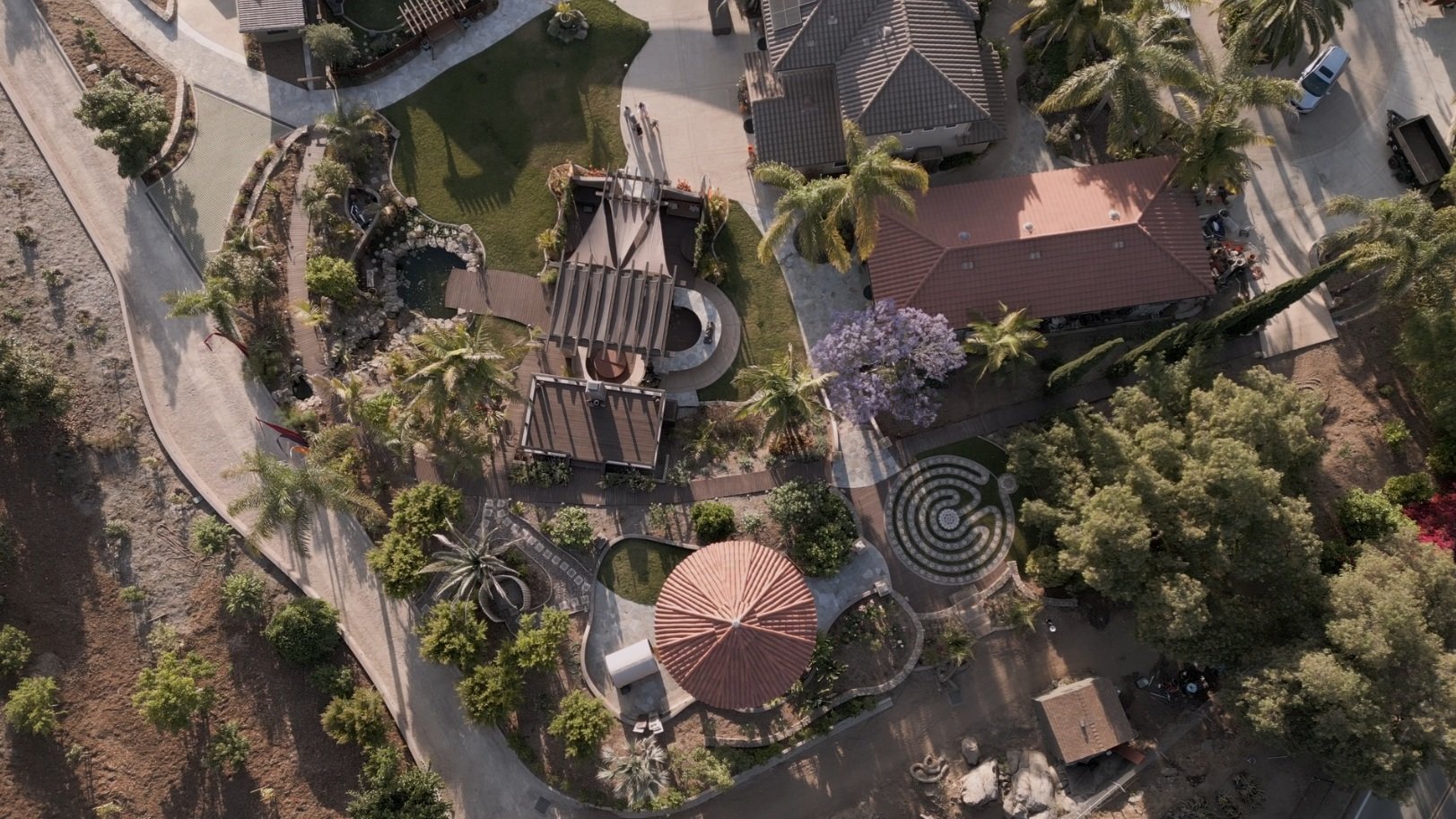
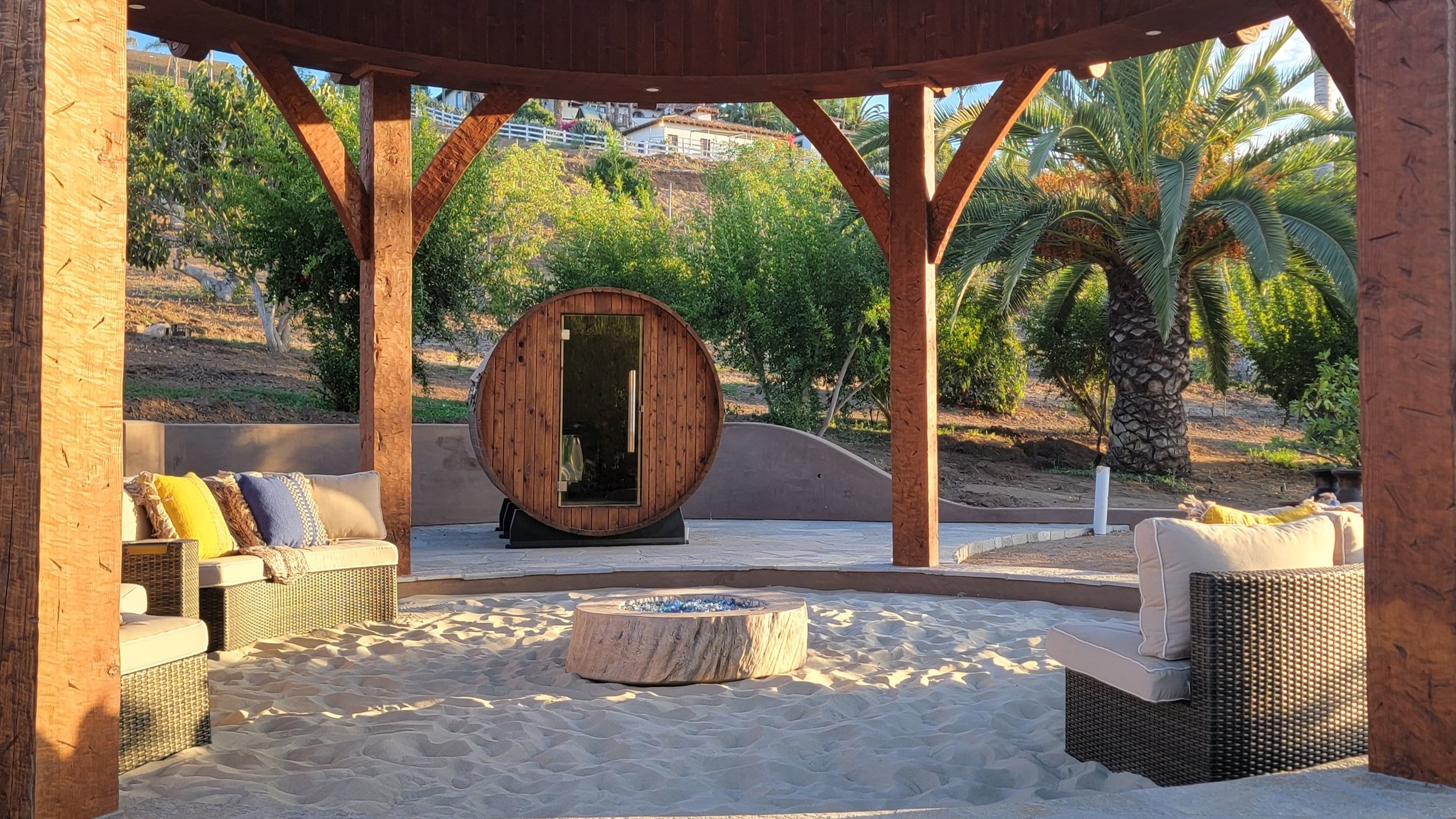
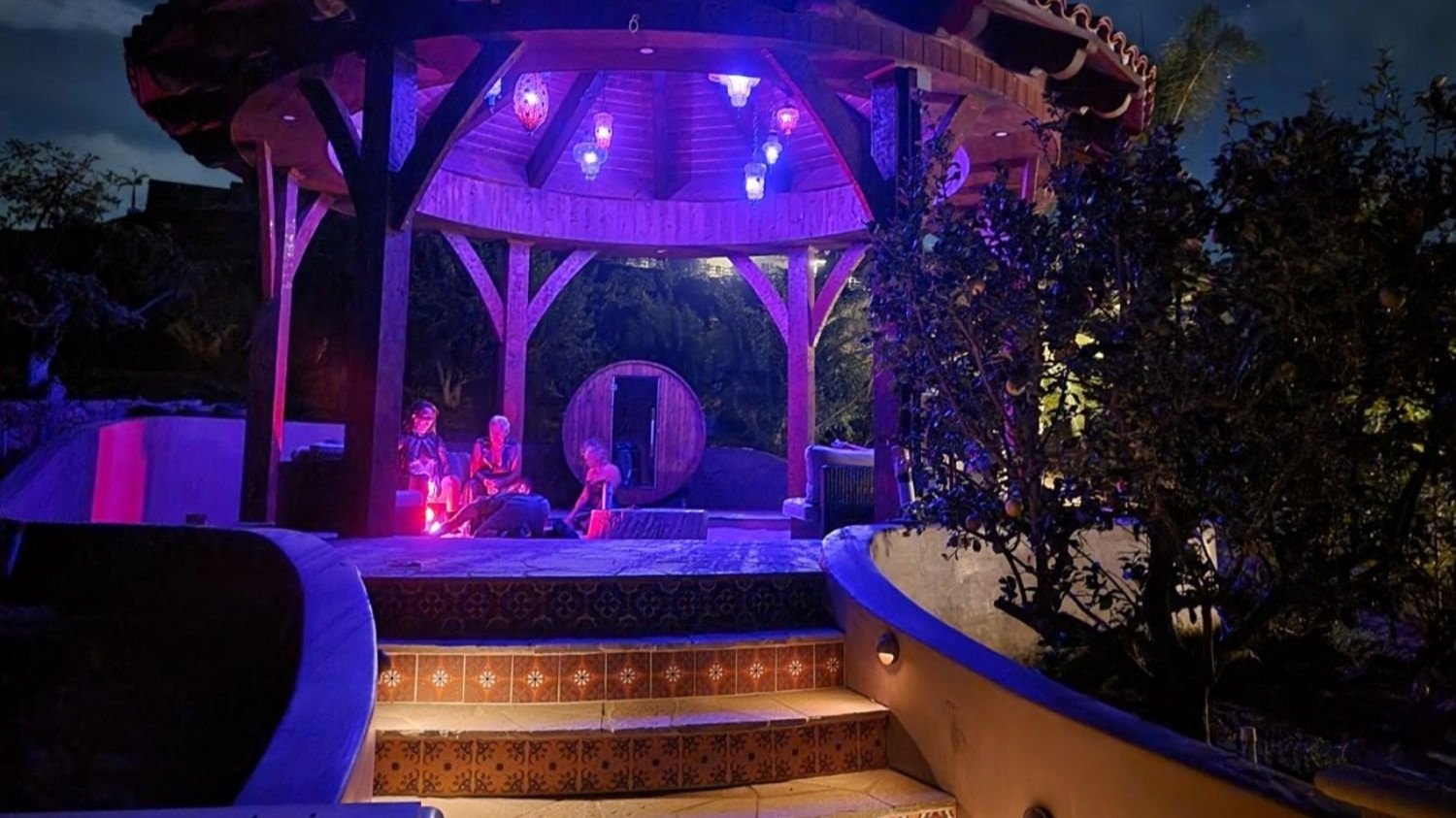
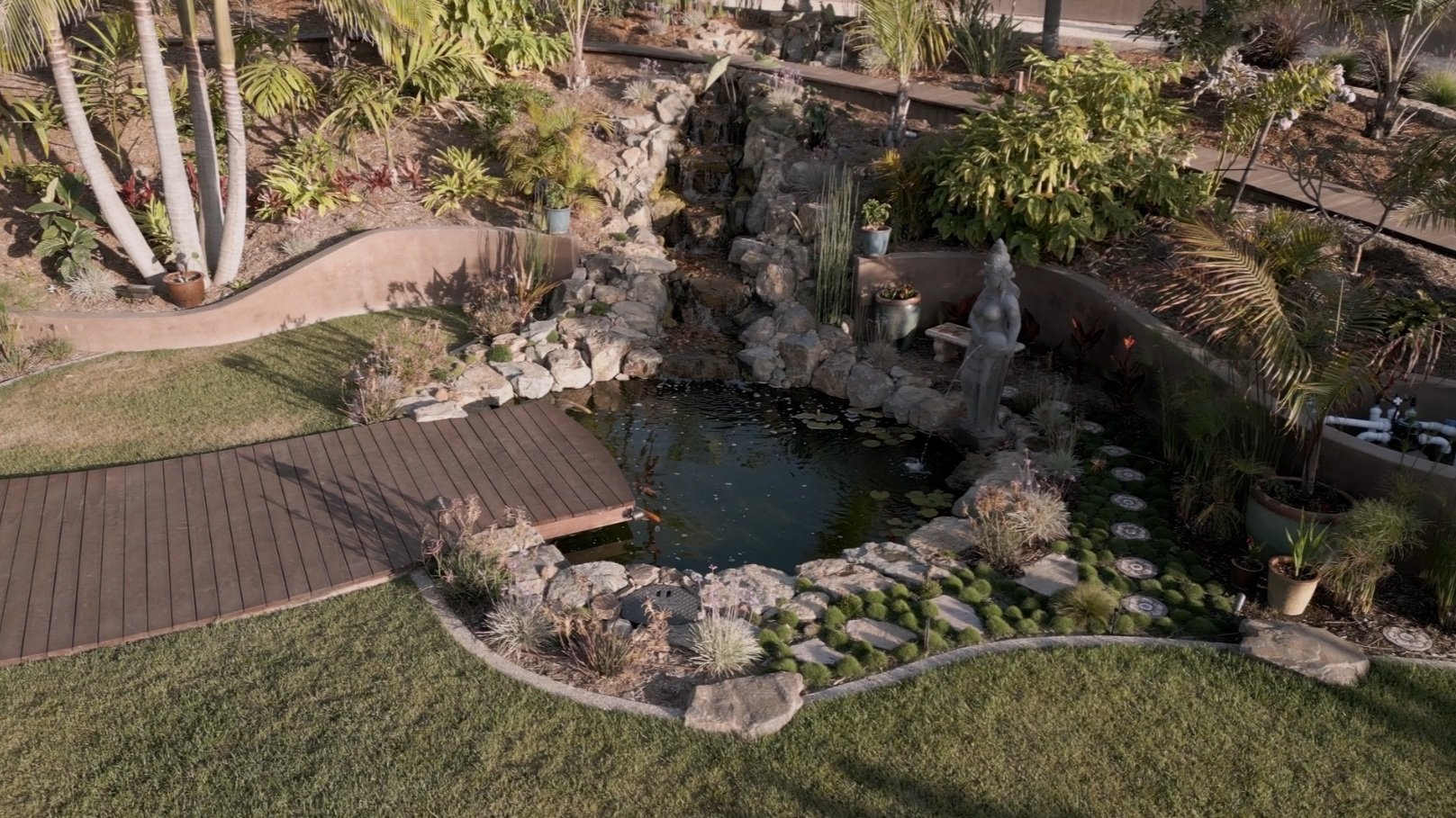
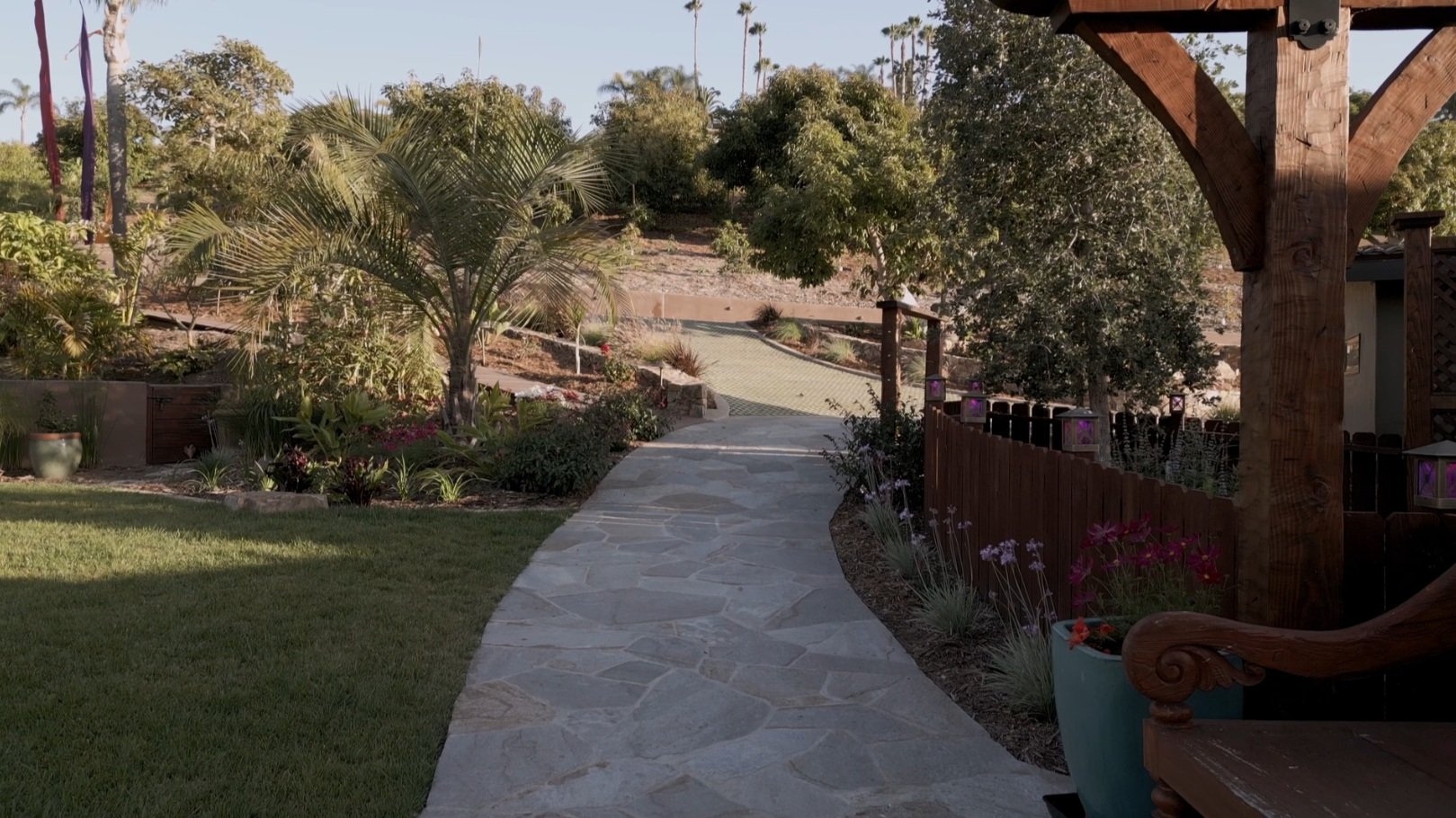
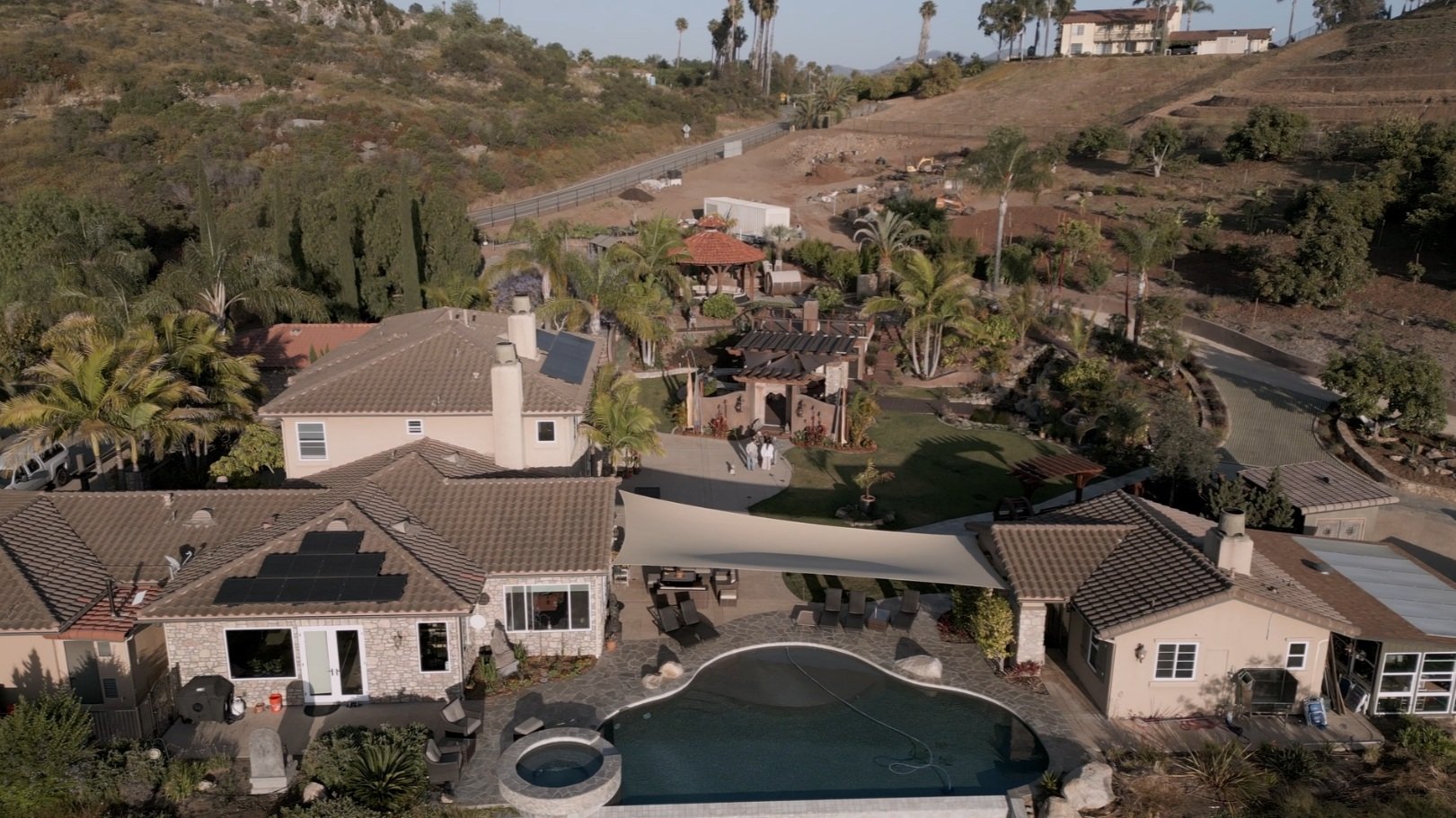
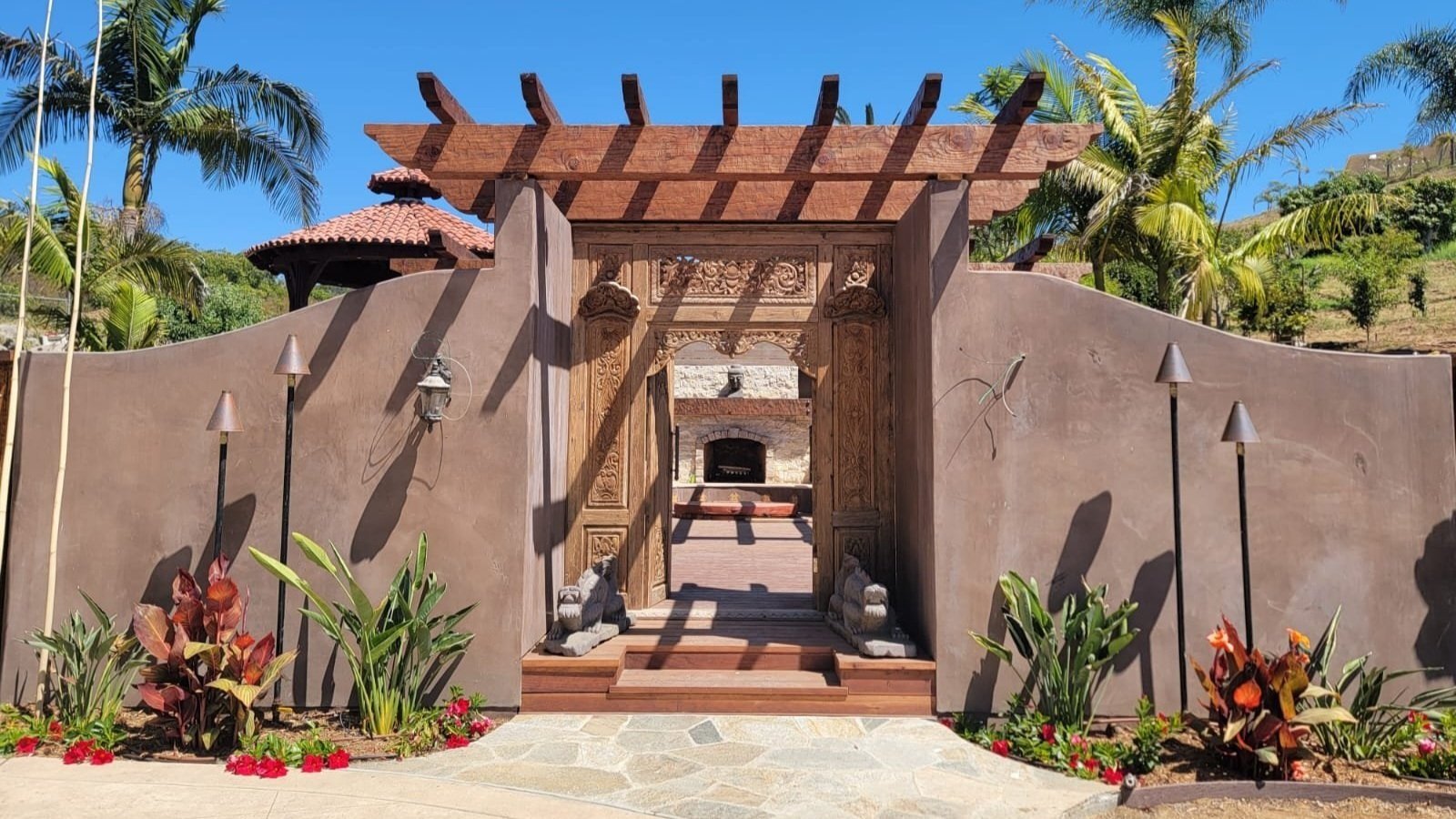
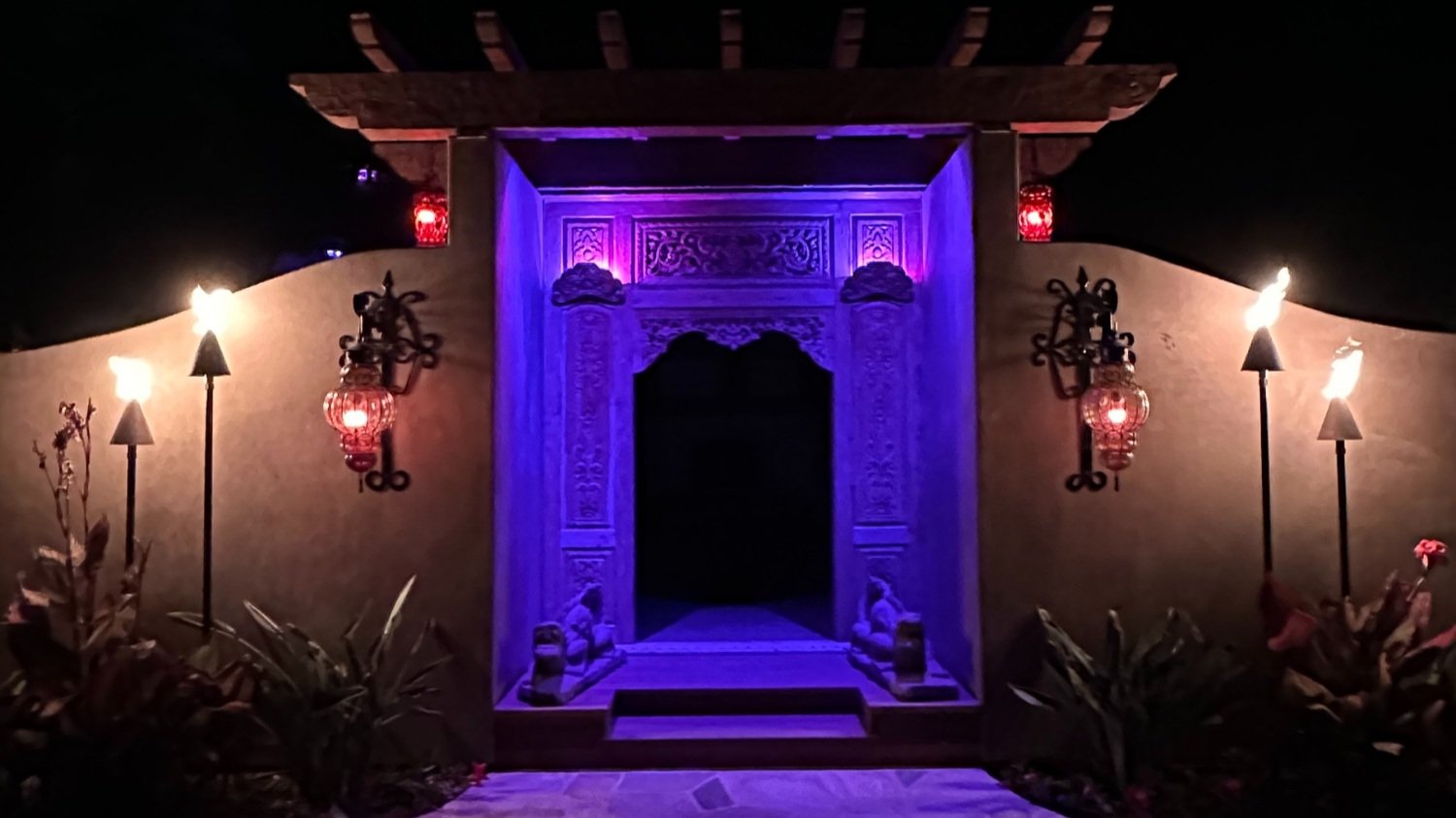
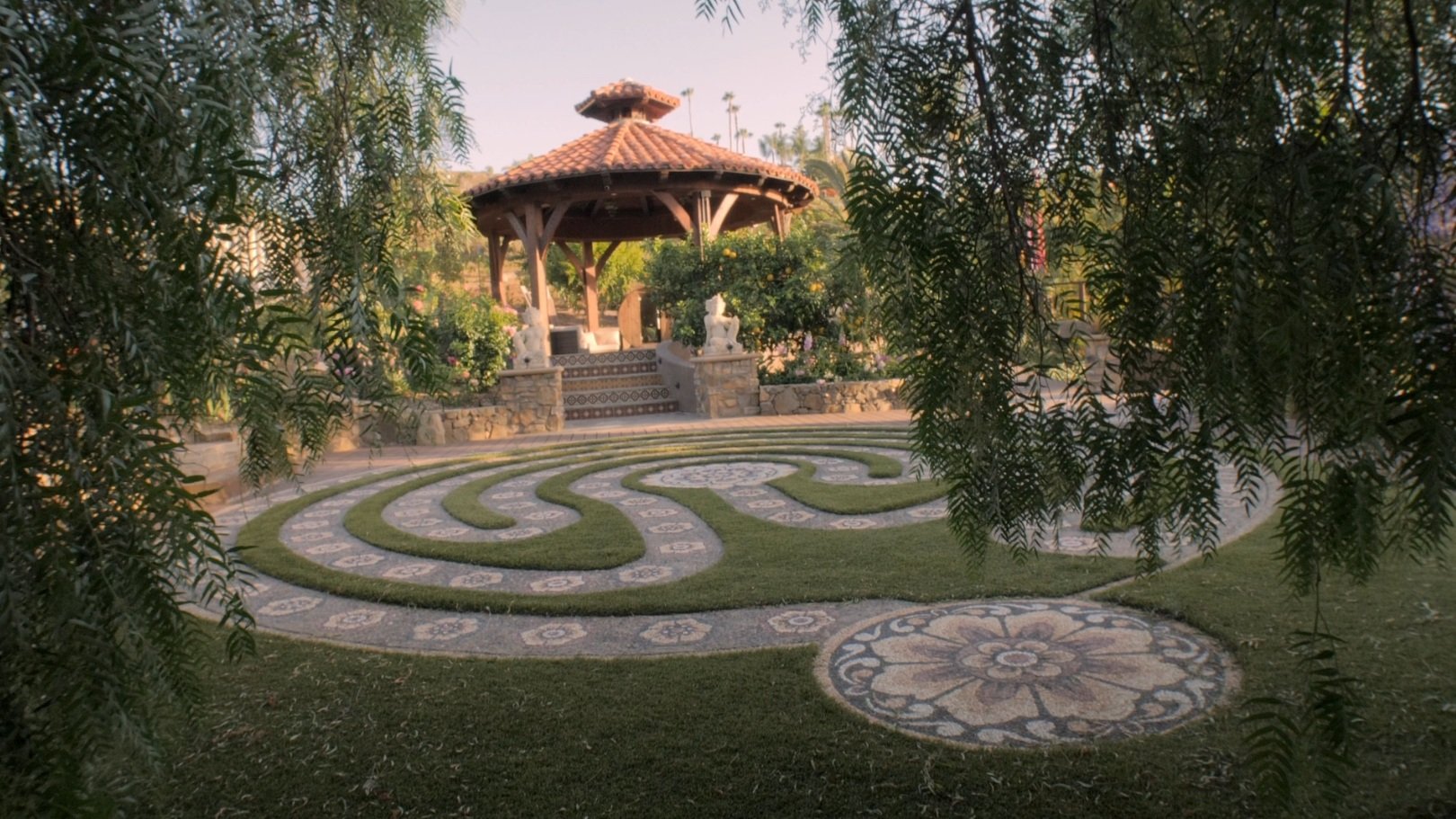
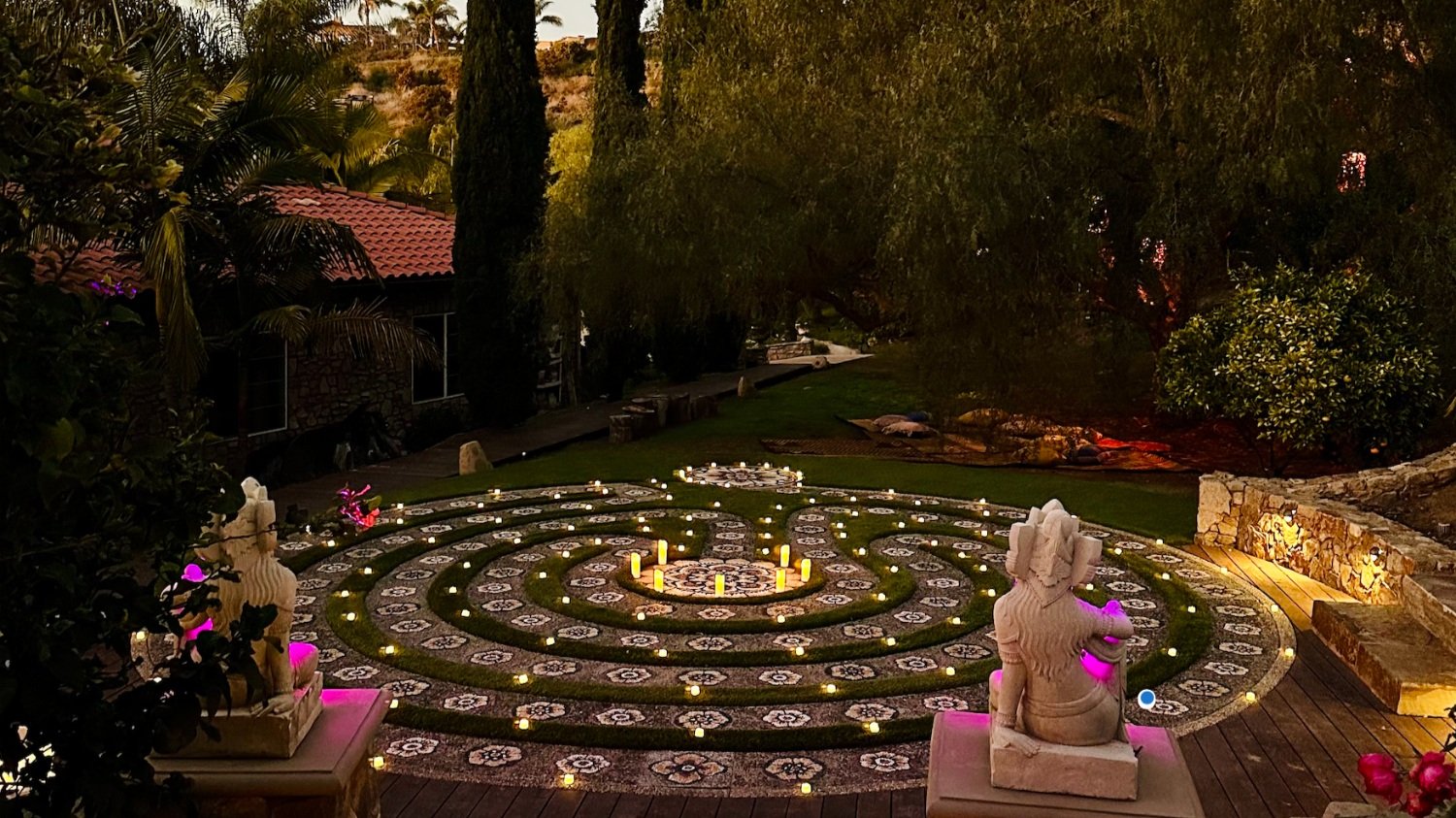
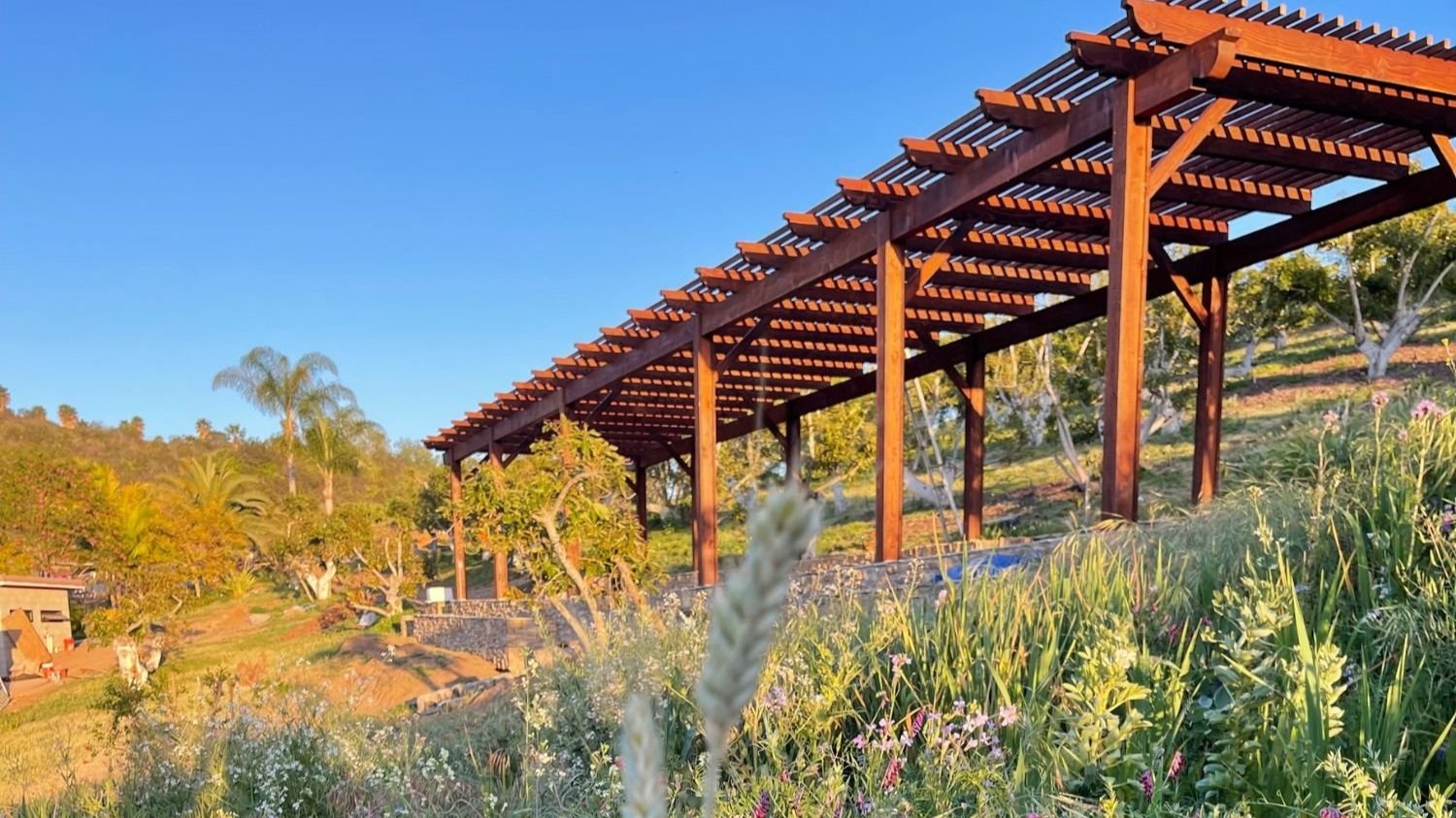
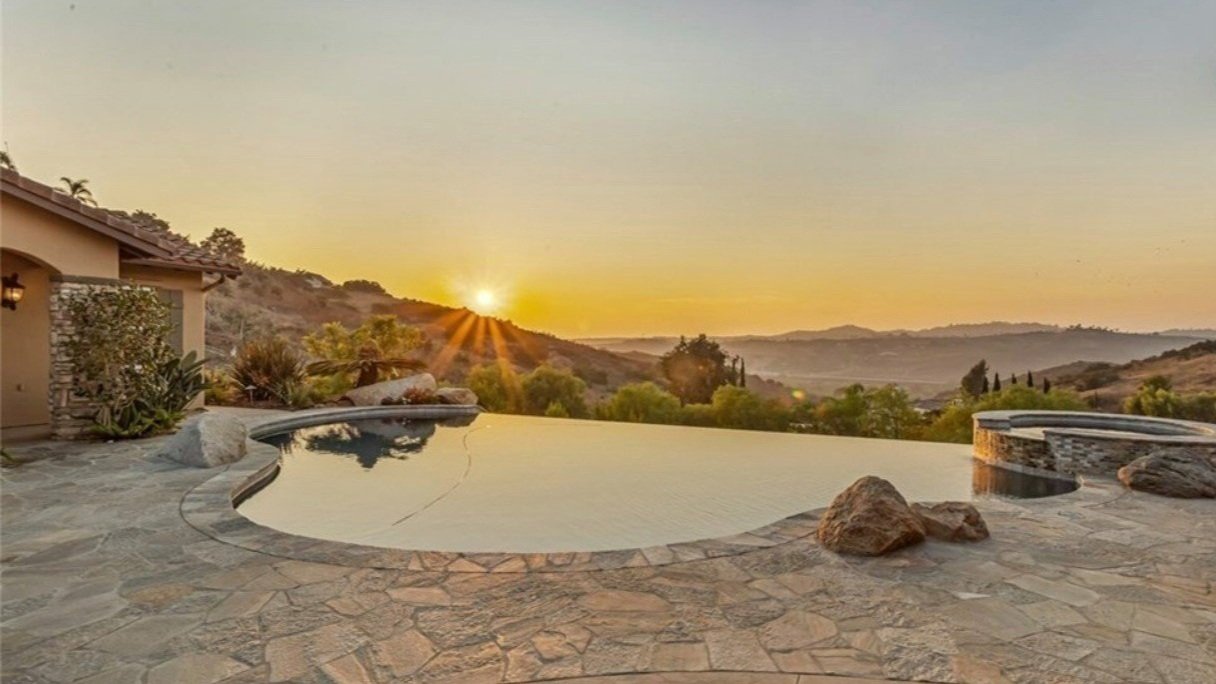
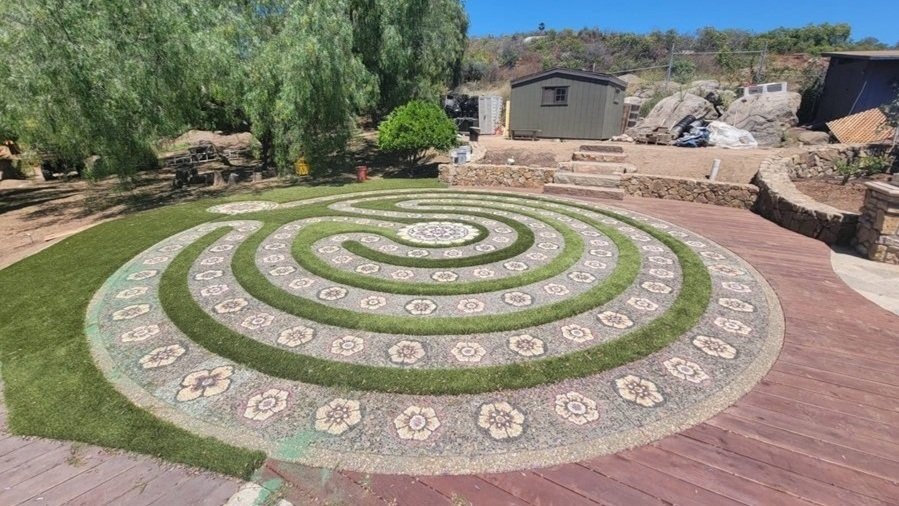
The Sanctuary of YUM in Bonsall, California is a landscape designed to nourish both body and spirit. Blending exotic orchards with native California systems, the garden creates a place where food, art, and wellness come together. At its heart lies a ritual labyrinth, a space for walking meditation and reflection. Every element is designed as part of an evolutionary intelligent system, supporting ecological cycles while providing spaces for contemplation, community, and healing.
A short film of the Sanctuary of YUM in Bonsall, a four-acre retreat blending exotic orchards, a meditation labyrinth, wellness spaces, and farm-to-table gardens. Designed by LASD Studio, it is a living sanctuary for restoration, community, and ecological beauty.
Concept Vision: Landscape as Healing Sanctuary
The Sanctuary of YUM was imagined as more than a garden - it is a living sanctuary where every element contributes to restoration, wellness, and beauty. The design draws inspiration from both ancient ritual landscapes and contemporary ecological science, creating a place where visitors feel grounded in nature while connected to something larger than themselves. Pathways, water, and planting flow as one continuous system, offering an experience of balance, serenity, and renewal.
Exotic Orchards & Edible Gardens
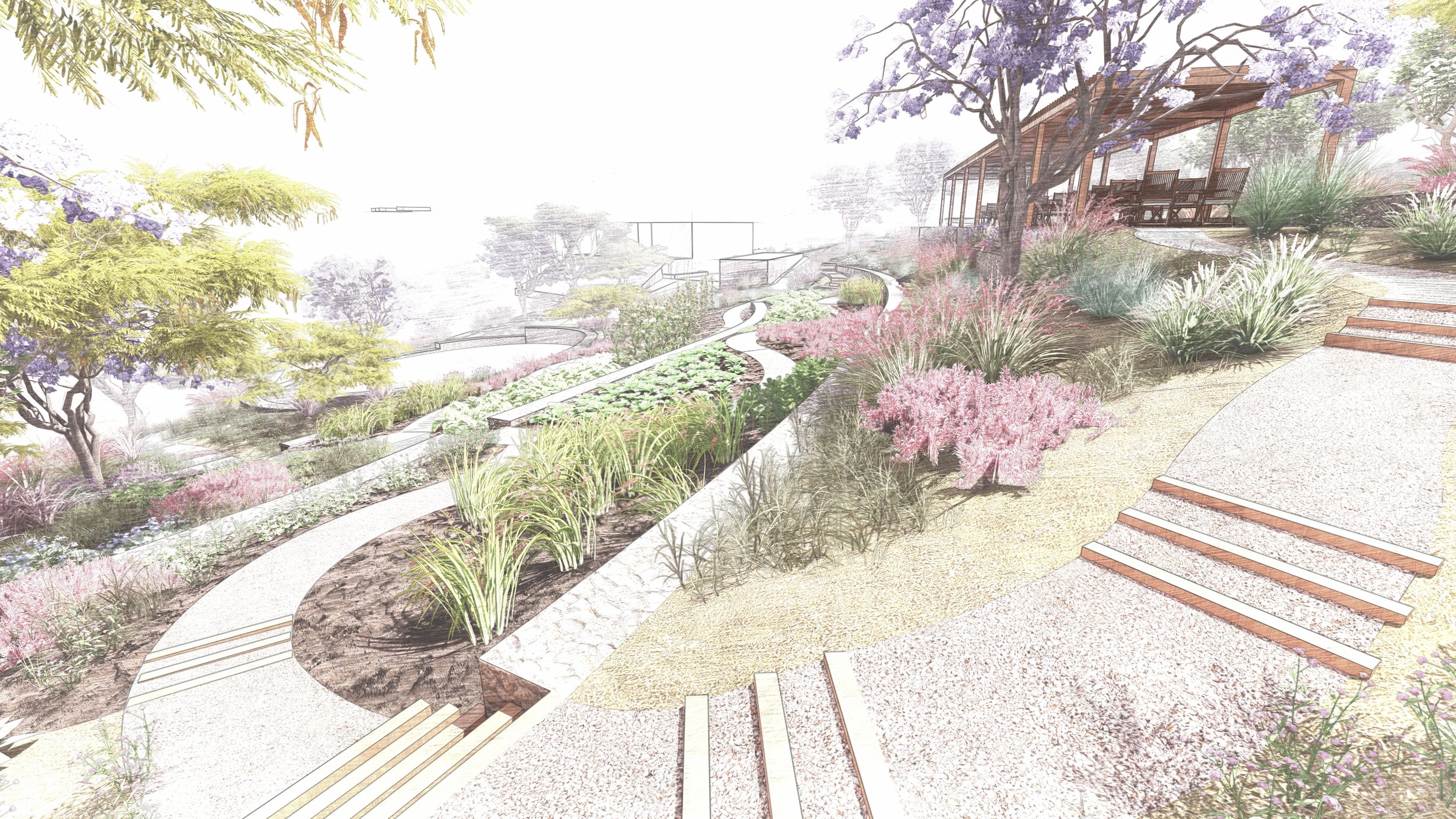
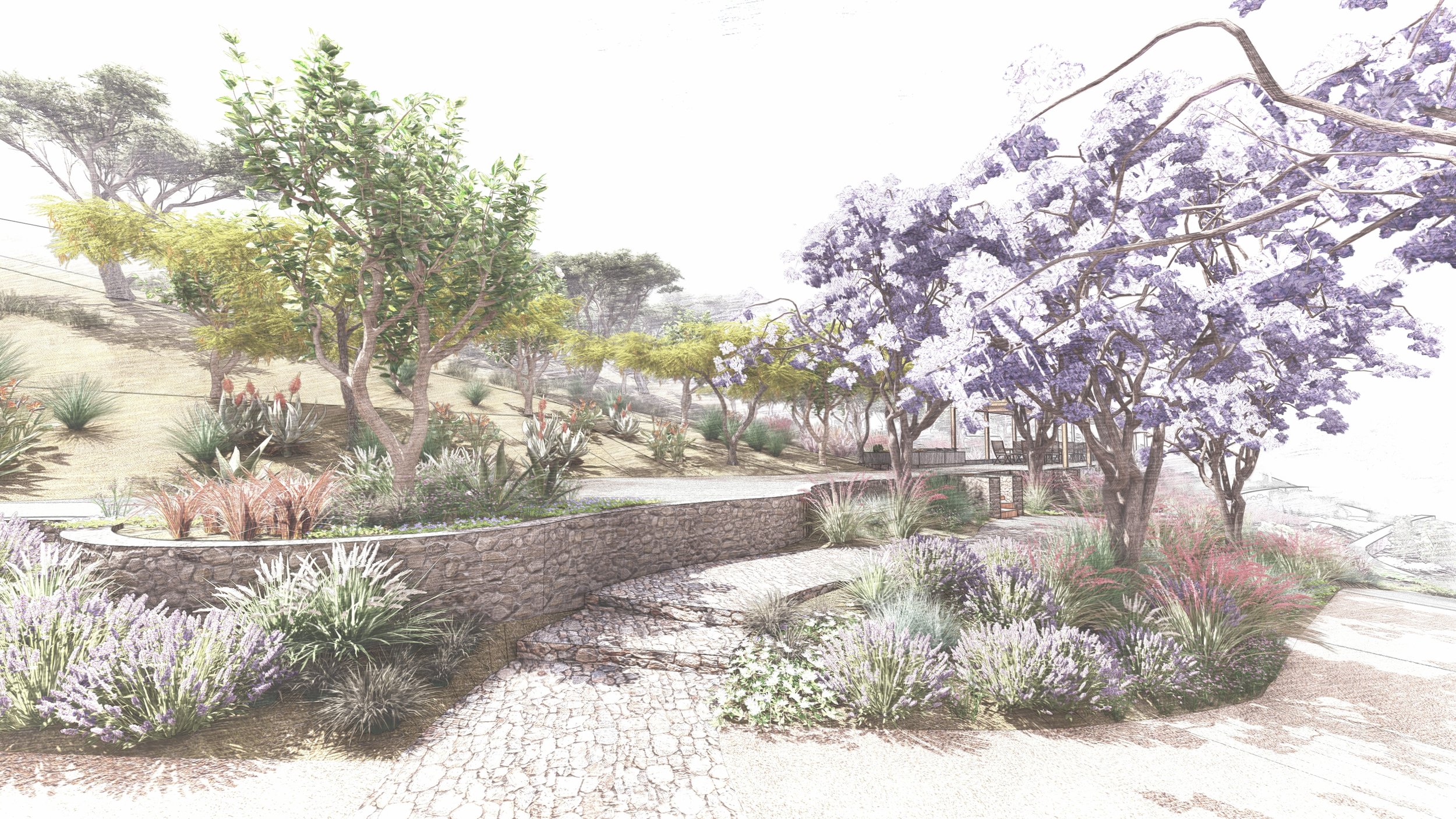
At the heart of the design lies an orchard of exotic and Mediterranean fruit trees, weaving productivity with artistry. Citrus, figs, olives, pomegranates, and subtropical species form a lush edible landscape, supporting both culinary delight and ecological resilience. Interplanted herbs and pollinator-friendly groundcovers attract bees and butterflies, ensuring that the garden is as alive with biodiversity as it is with flavor. The orchard becomes a daily ritual of nourishment - a reminder of the cycles of growth and harvest.
Ritual Labyrinth: Path of Reflection
The labyrinth is conceived as a sacred journey - a place for meditation, mindfulness, and personal reflection. Inspired by traditional forms yet adapted for this site, its spiraling path encourages slow movement and inner focus. Surrounded by aromatic planting and shaded by native trees, the labyrinth serves as the spiritual core of the sanctuary, a space where landscape, body, and spirit come into alignment.
Outdoor Living & Wellness Programs
The estate is structured around a series of outdoor rooms designed for wellness, family life, and celebration. Shaded terraces, yoga decks, water features, and contemplative seating areas invite both activity and stillness. Every gathering space is framed by views of orchards and hills, reinforcing the connection between healthy living and ecological abundance. The garden becomes not only a place to inhabit, but a lifestyle rooted in nature’s rhythms.
Ecological Foundations: Water, Soil, and Biodiversity
Beneath its beauty, the Sanctuary of YUM is built on strong ecological foundations. Advanced irrigation systems optimize water use, while soil restoration techniques improve fertility and resilience. Native California species are interwoven with exotic plantings to support biodiversity and ensure long-term sustainability. By aligning horticultural practices with ecological intelligence, the landscape thrives as a self-sustaining system that evolves gracefully over time.
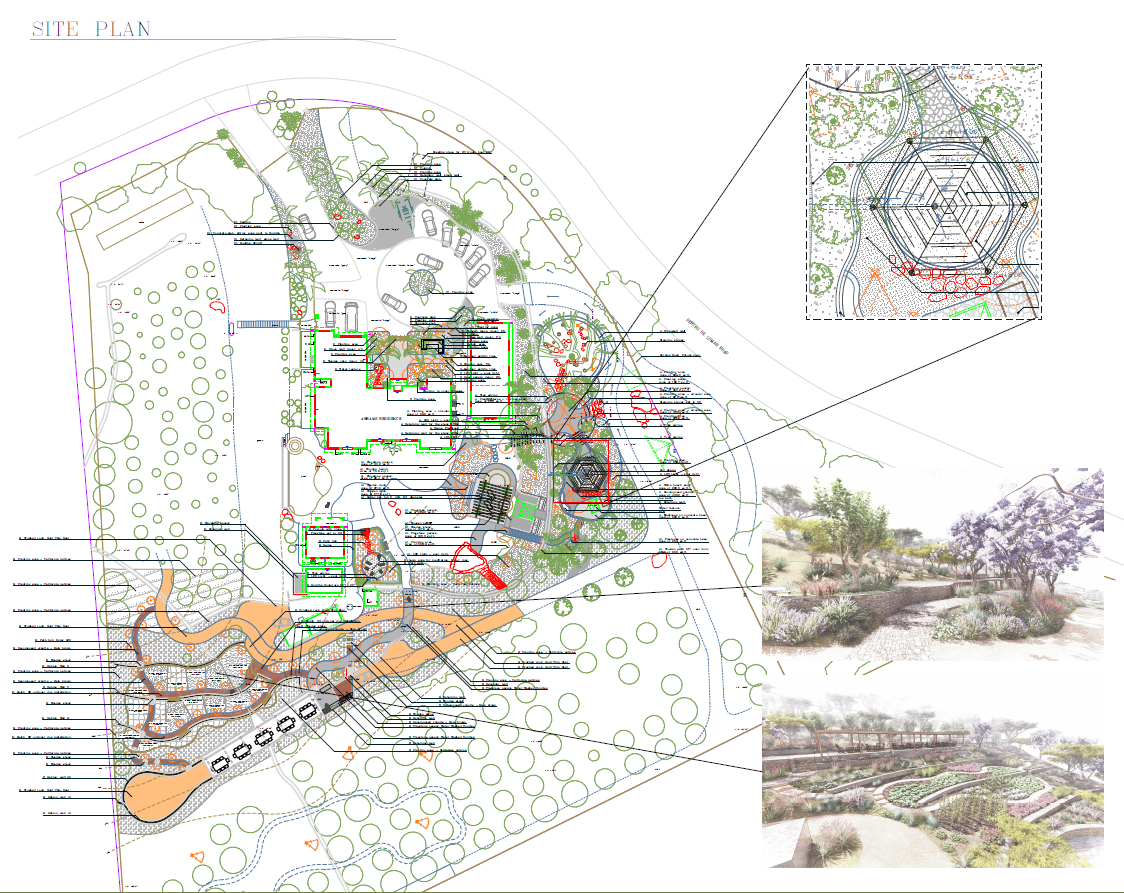
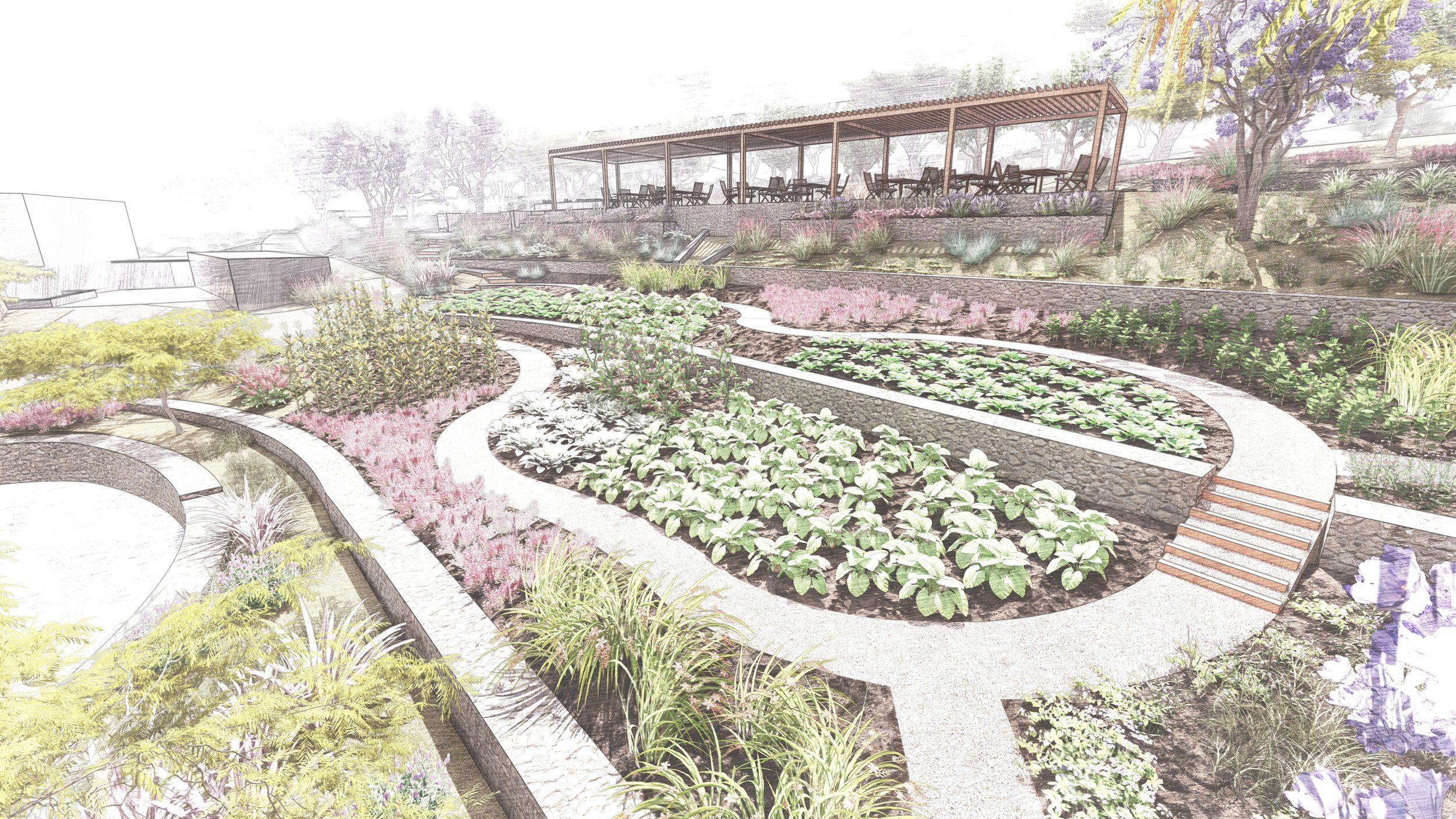

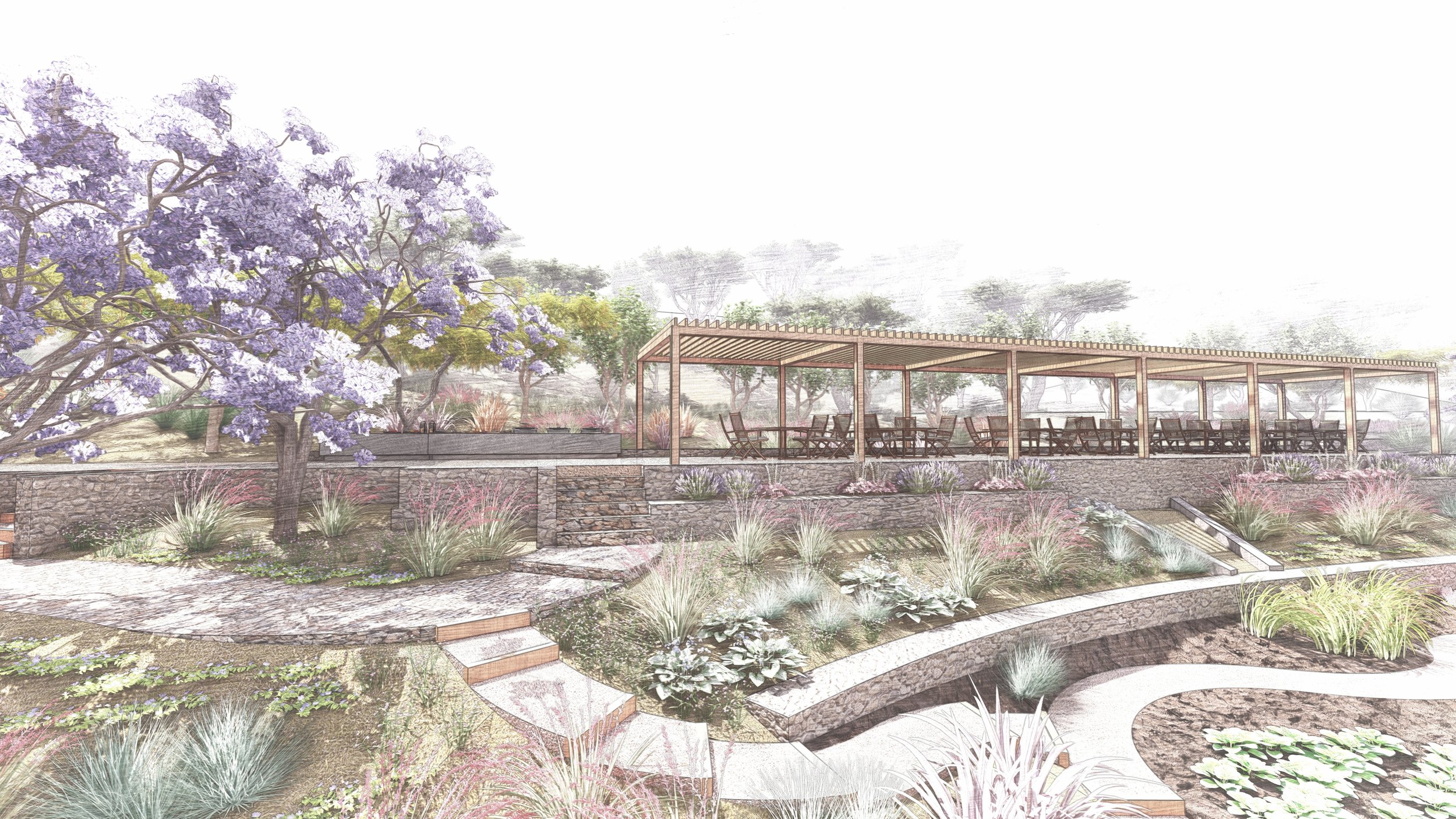
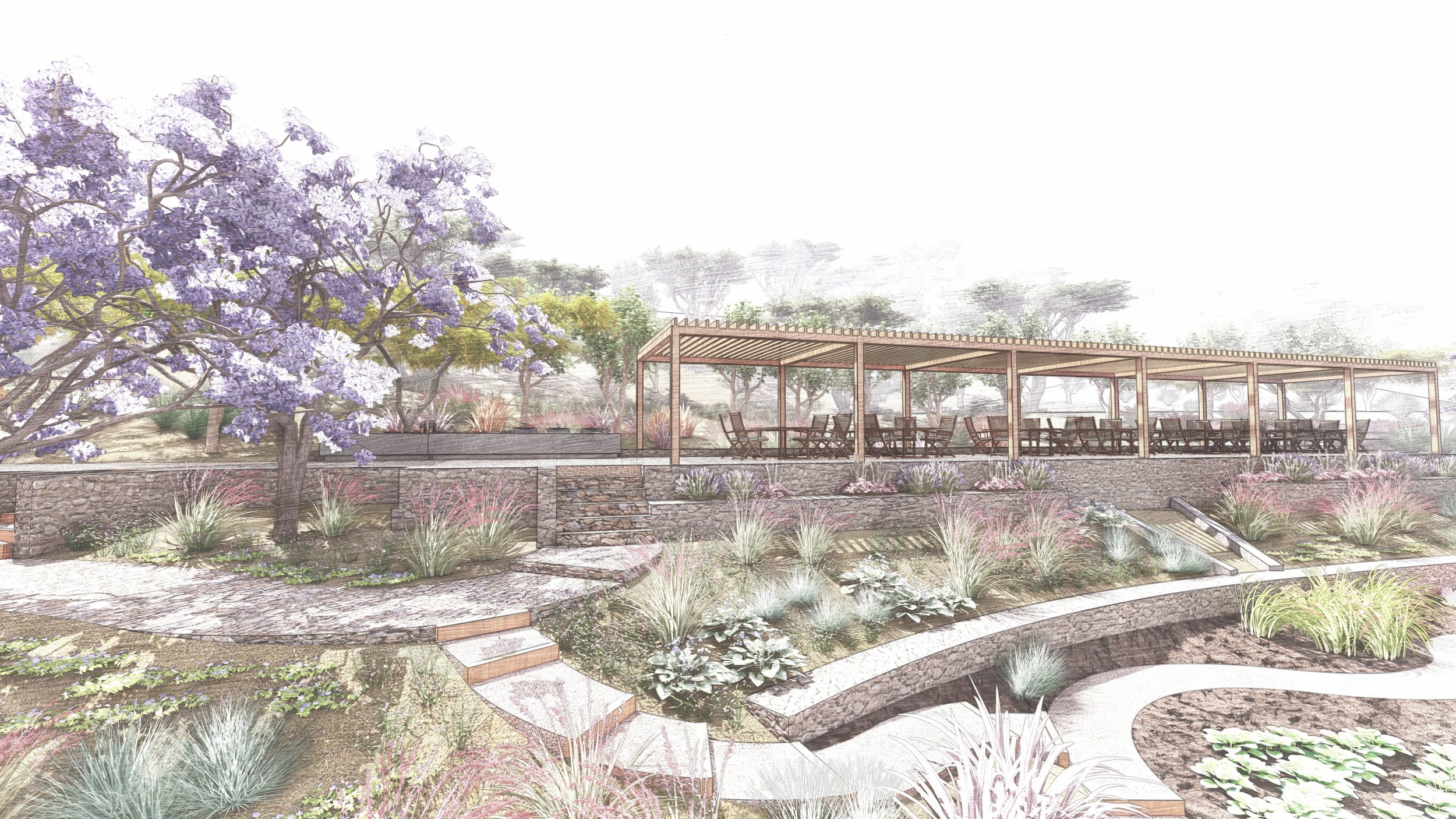

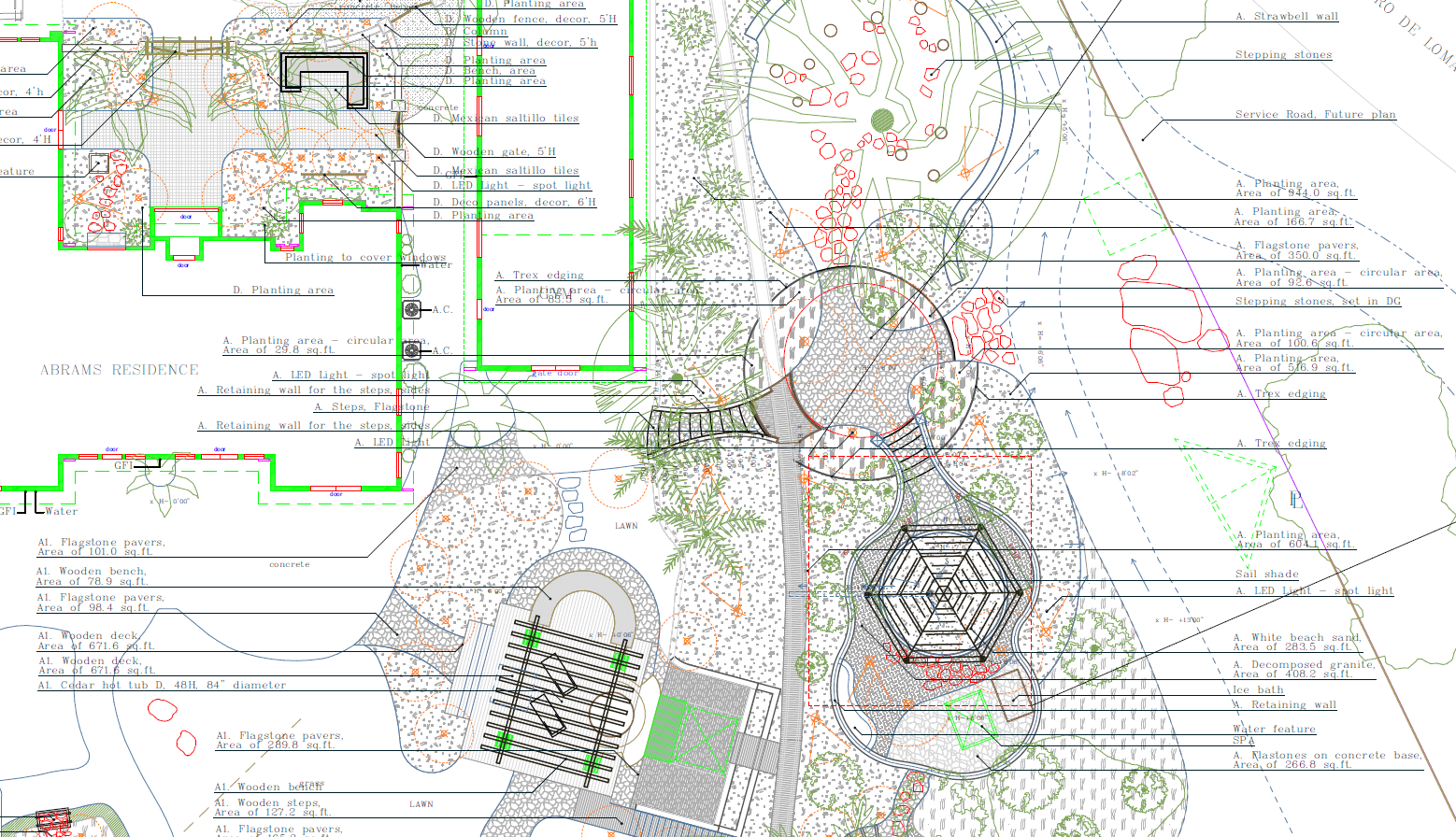
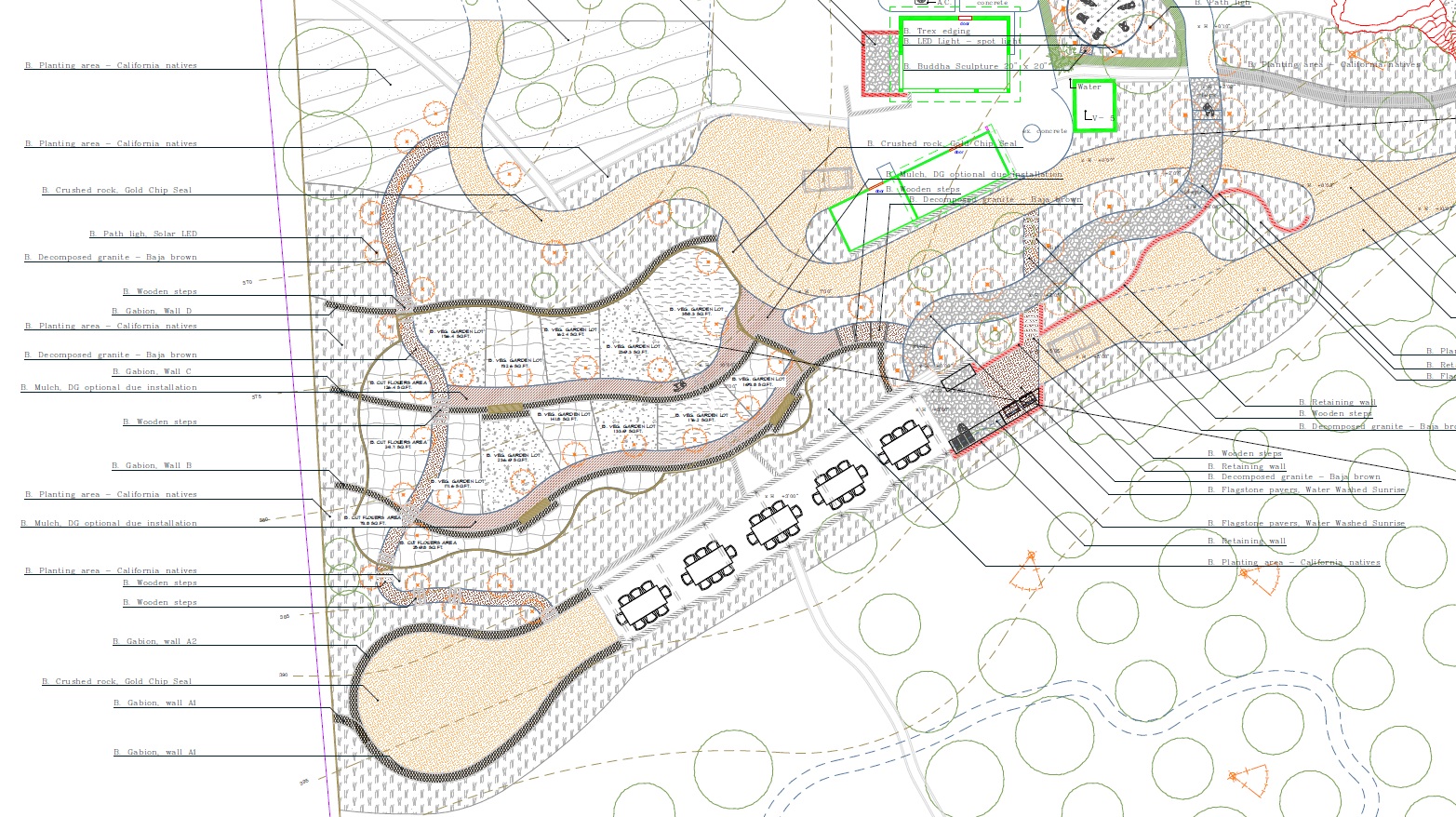
EXISTING CONDITION
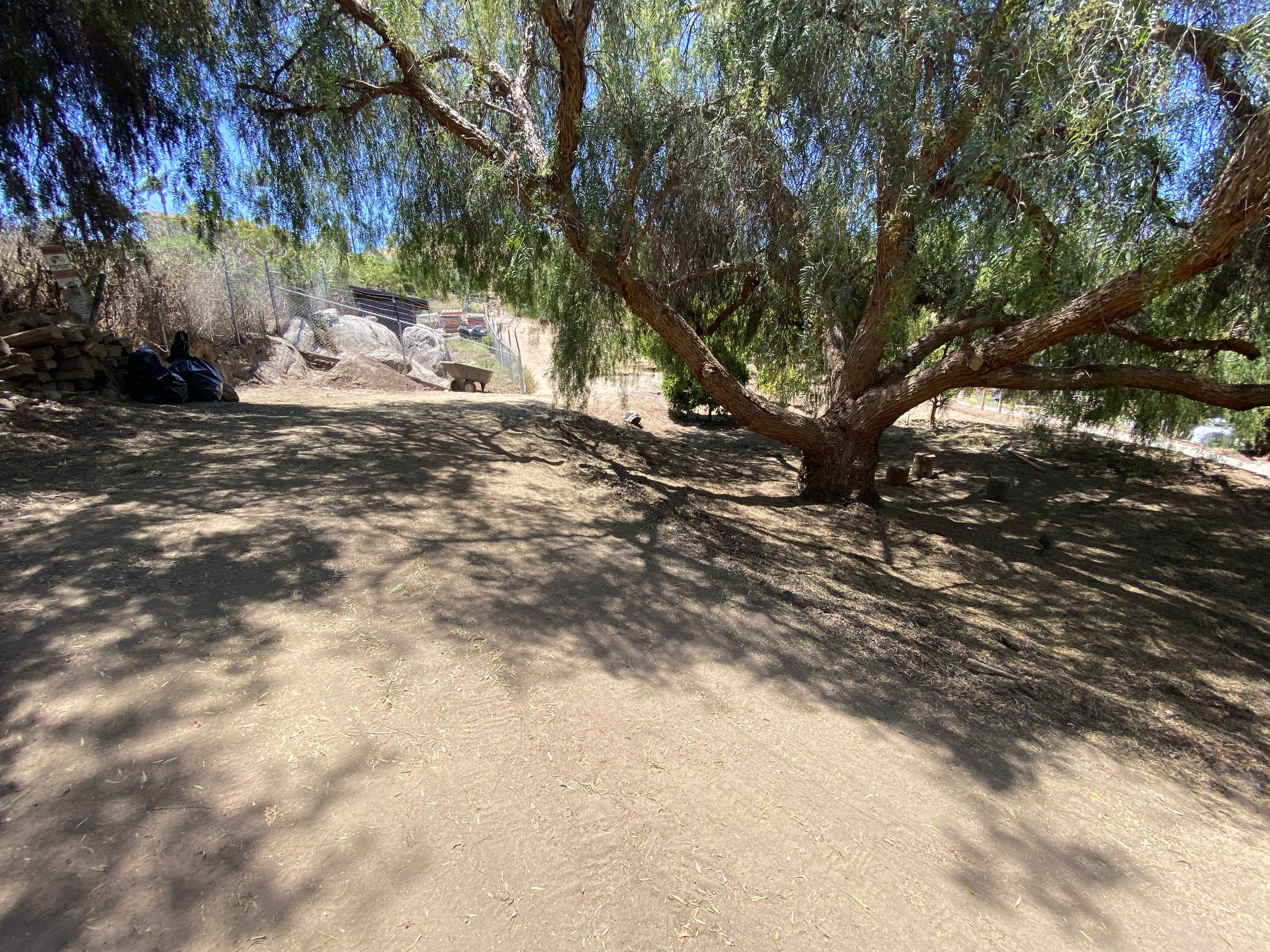


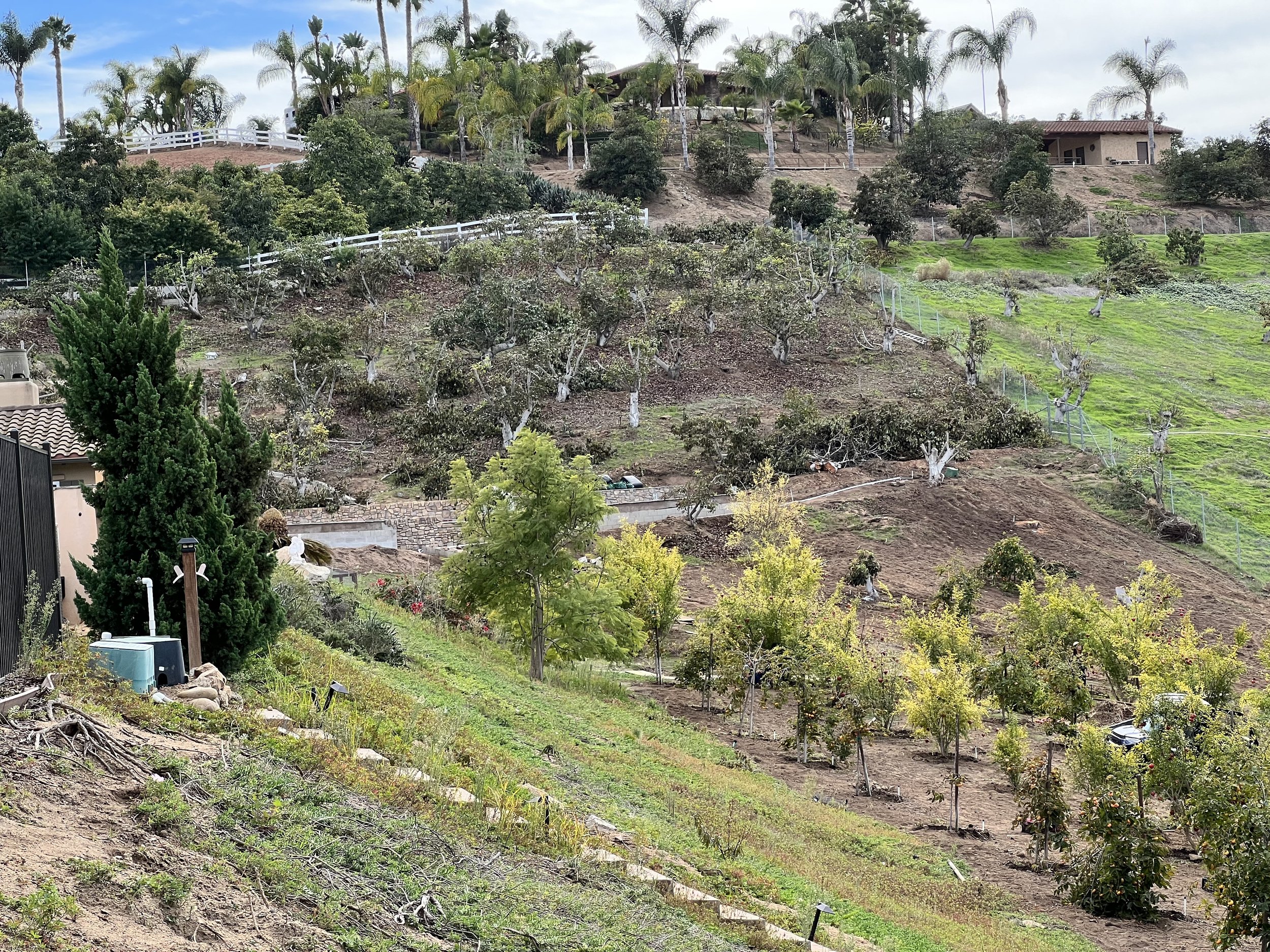


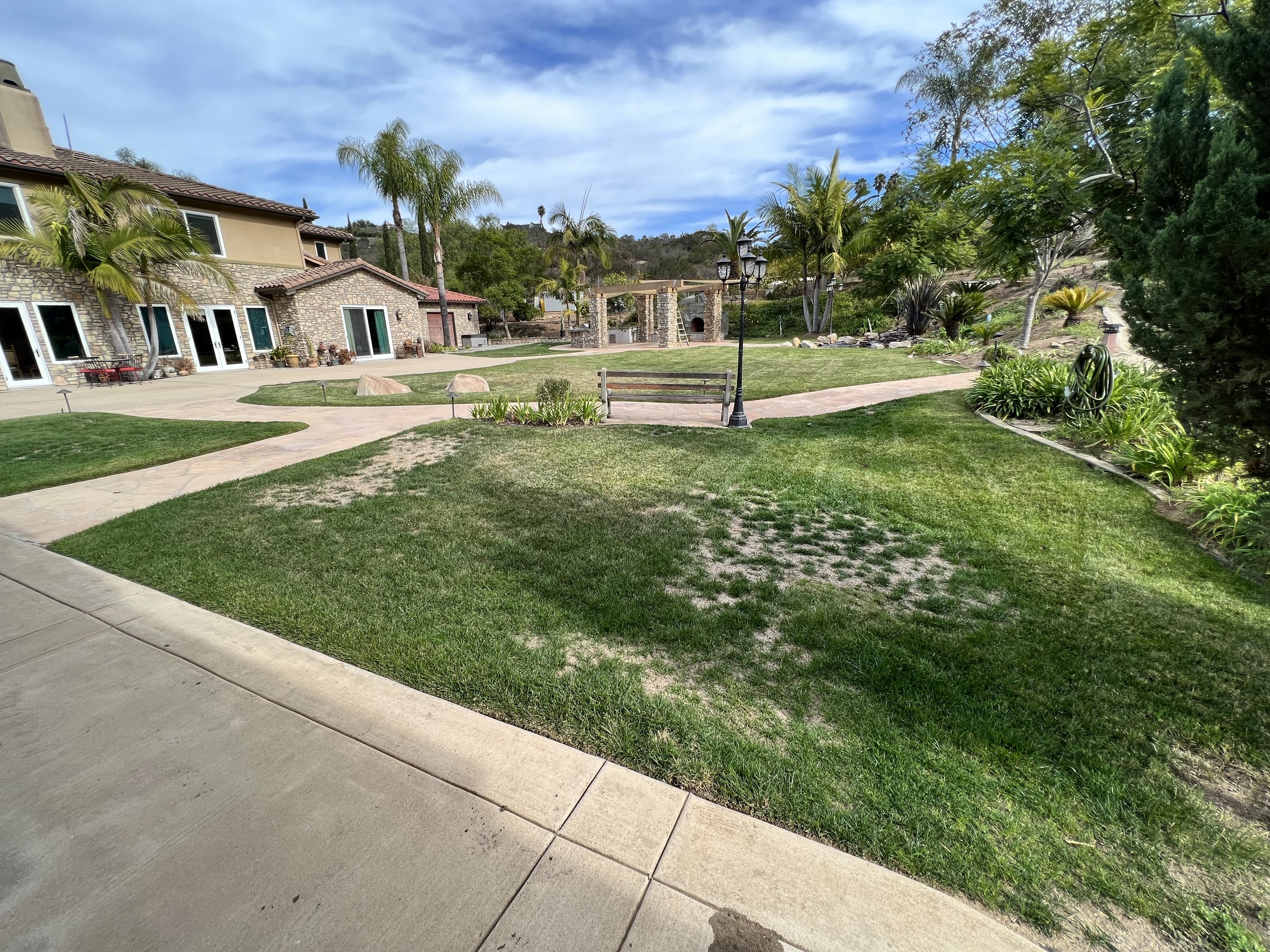


PROJECT DESCRIPTION
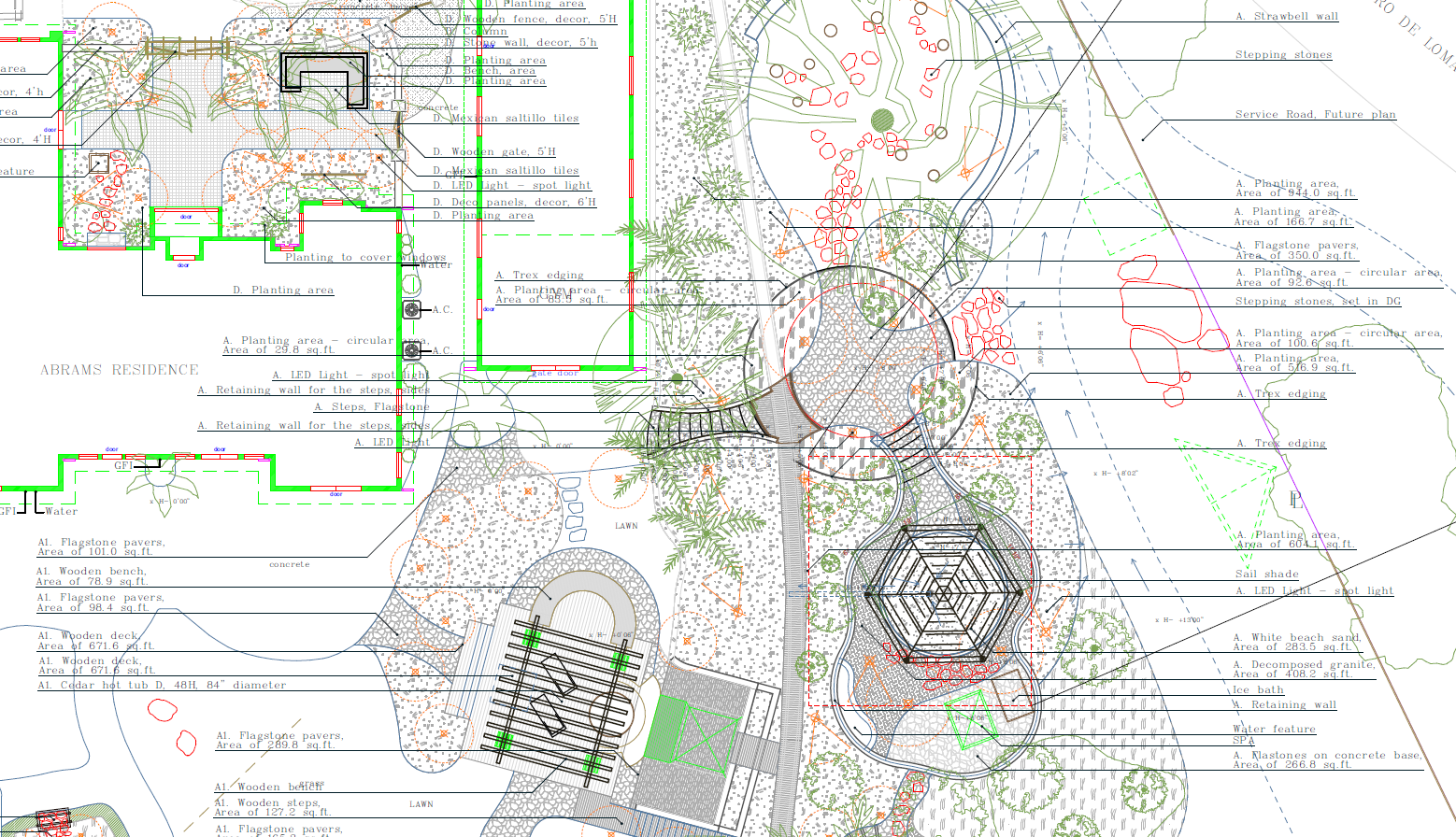
This four-acre estate in Bonsall has been transformed into a sanctuary of exotic orchards and wellness programs, designed to host both private and group retreats. Our collaboration began in 2020, when owners Laurence and Yulia reached out with a dream of creating a retreat center but were unsure how to bring it to life.
Together, we developed a holistic vision for the landscape. Over the course of two years and many thoughtful refinements, that vision evolved into the sanctuary you see today. What impressed us most was the passion of Laurence and Yulia - not only did they understand the design intentions, they became deeply engaged in shaping every step of the process.
Originally, the land held fifty-year-old avocado and pomegranate orchards in decline. Through careful pruning, planting of cover crops, and natural methods to attract pollinators, the owners lovingly restored these orchards. We complemented their work with new design layers:
A temple garden for meditation and spiritual practice
The Dragon’s Den, a multipurpose retreat space with hot/cold tubs, dining and dance areas, and a Balinese entryway
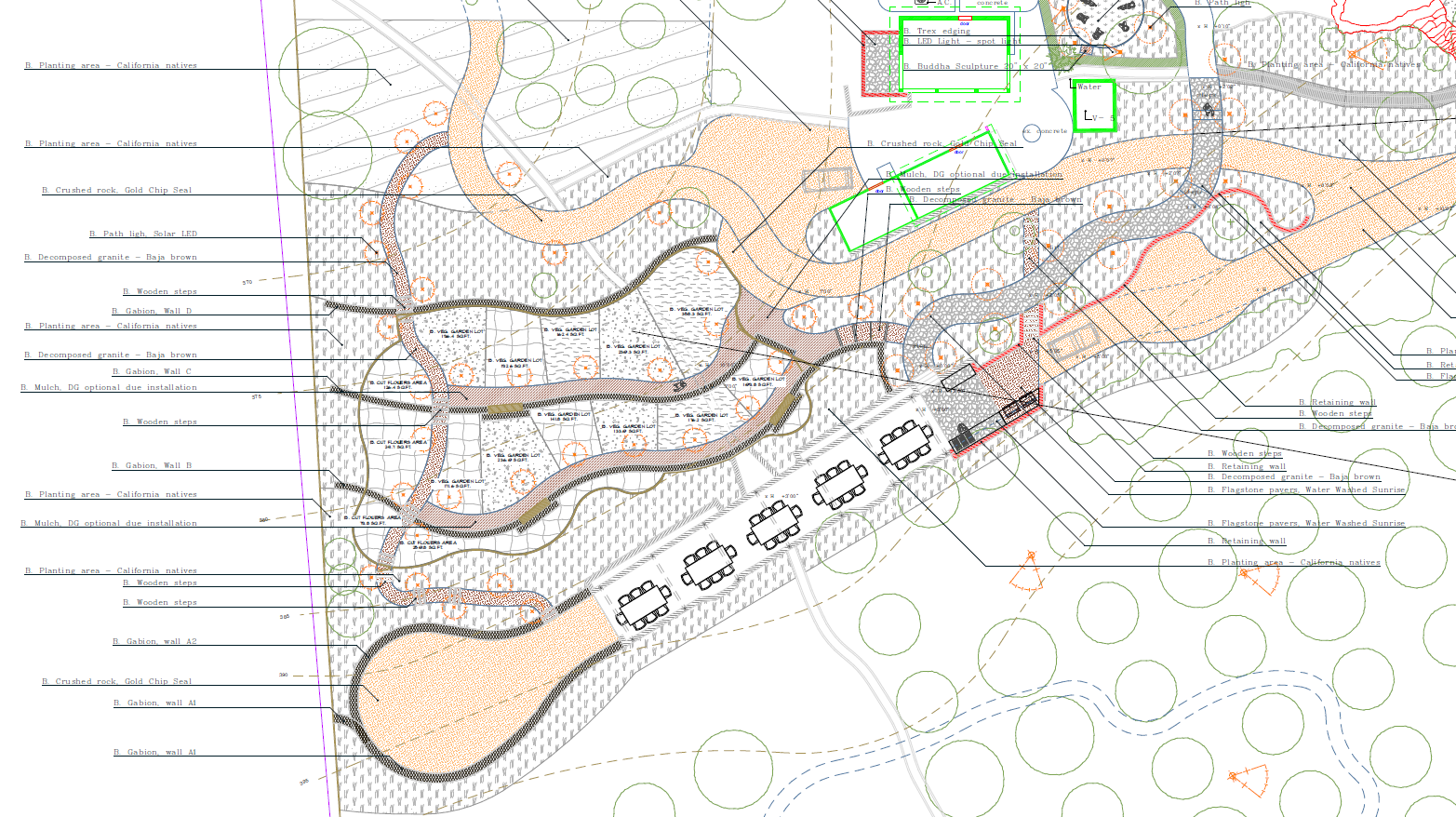
An eighty-foot pergola farm table for farm-to-table events
Over 3,000 square feet of vegetable and flower terraces
A new waterfall and pond adding movement and reflection to the landscape
Today, the Sanctuary of YUM is a true oasis, a place where people come to restore energy, celebrate life, and connect with nature through food, art, and community.
Please check Sanctuary of YUM - https://sanctuaryofyum.com/
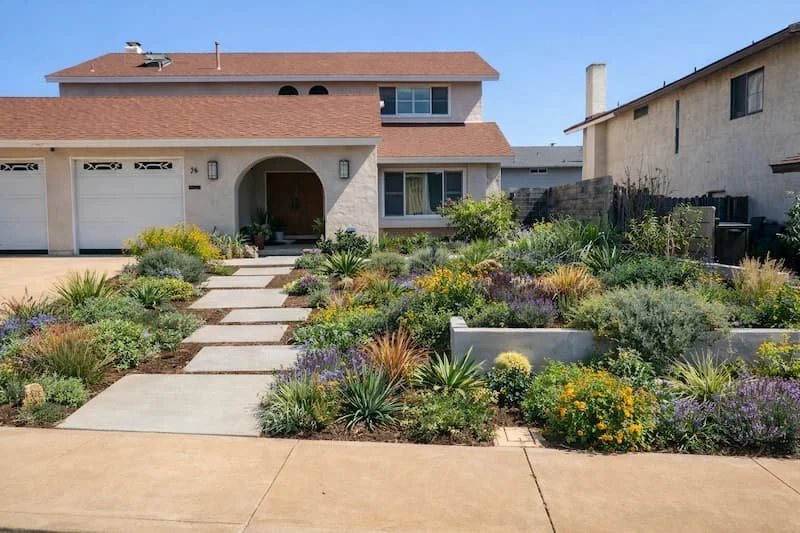
Simplicity as Sophistication - Modern Garden Design in Chula Vista, San Diego
A modernist garden design in Chula Vista, San Diego, inspired by simplicity and clean lines. Featuring poolside living, patios, and asymmetrical spaces, this project reflects the timeless influence of modernist landscape architecture.
“A contemporary backyard retreat inspired by modernist principles of clarity, functionality, and elegance.”
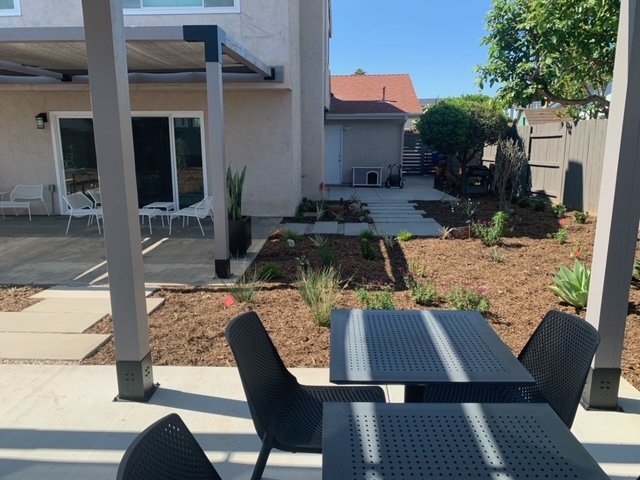
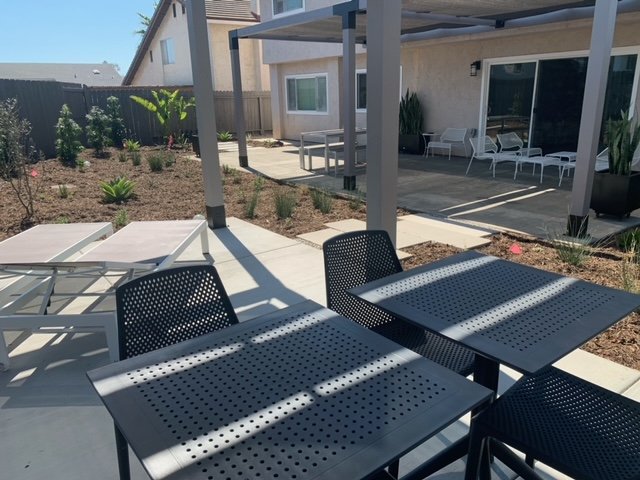
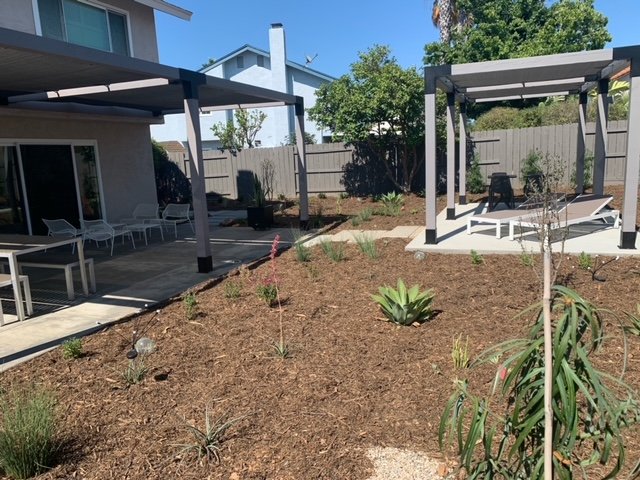
The Origins of Modernist Landscape Architecture
Modernist garden design emerged in the early 20th century alongside modernist art and architecture. Pioneers such as Le Corbusier and Frank Lloyd Wright championed simplicity, functionality, and a rejection of ornamentation. In landscape design, this translated into clean geometry, minimal material palettes, and functional outdoor rooms — spaces shaped for living, not decoration.
Simplicity as a Key Element
The heart of modern garden design lies in removing excess and allowing essential elements to define the experience. Straight lines, uncluttered patios, and geometric pools create a calm, structured setting. This simplicity highlights the beauty of materials, planting textures, and architectural form, resulting in spaces that are both efficient and deeply inviting.
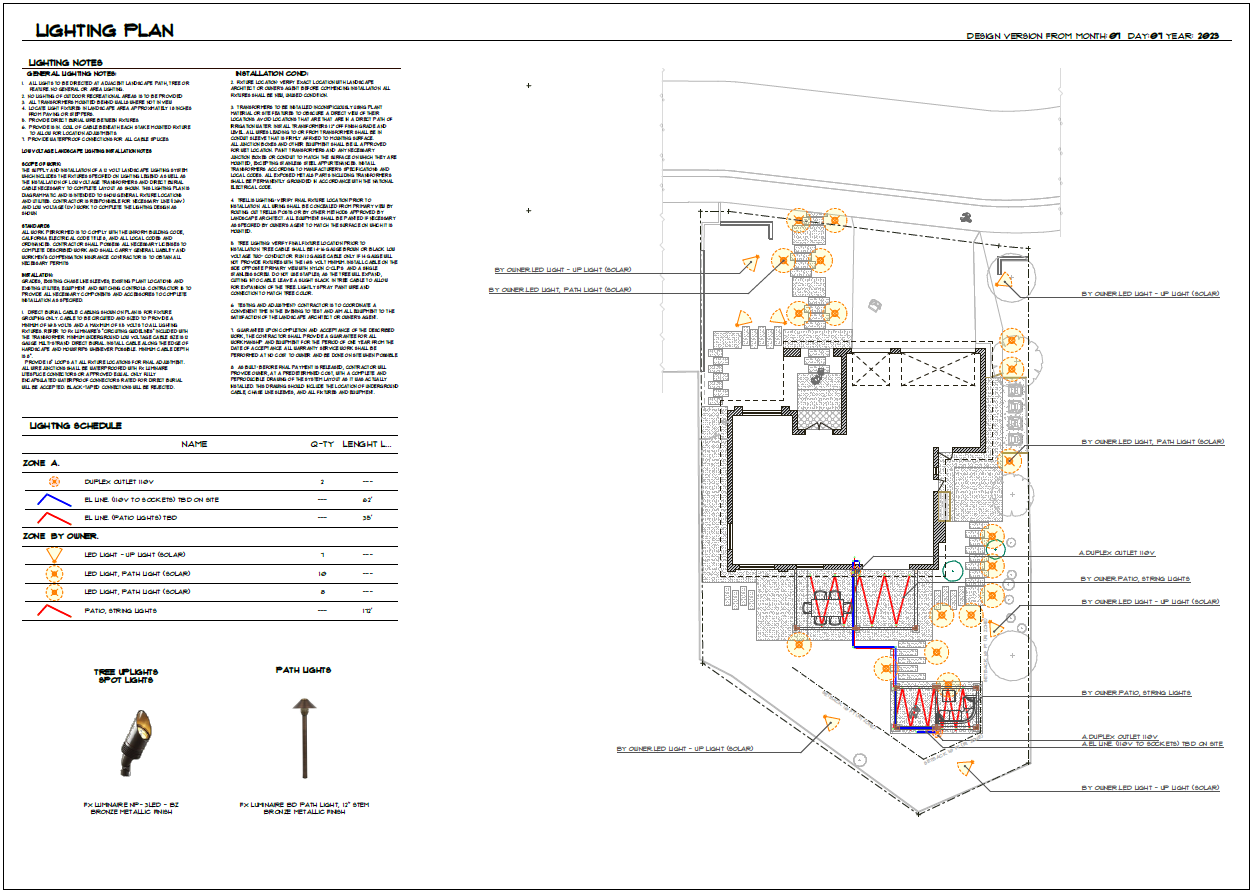
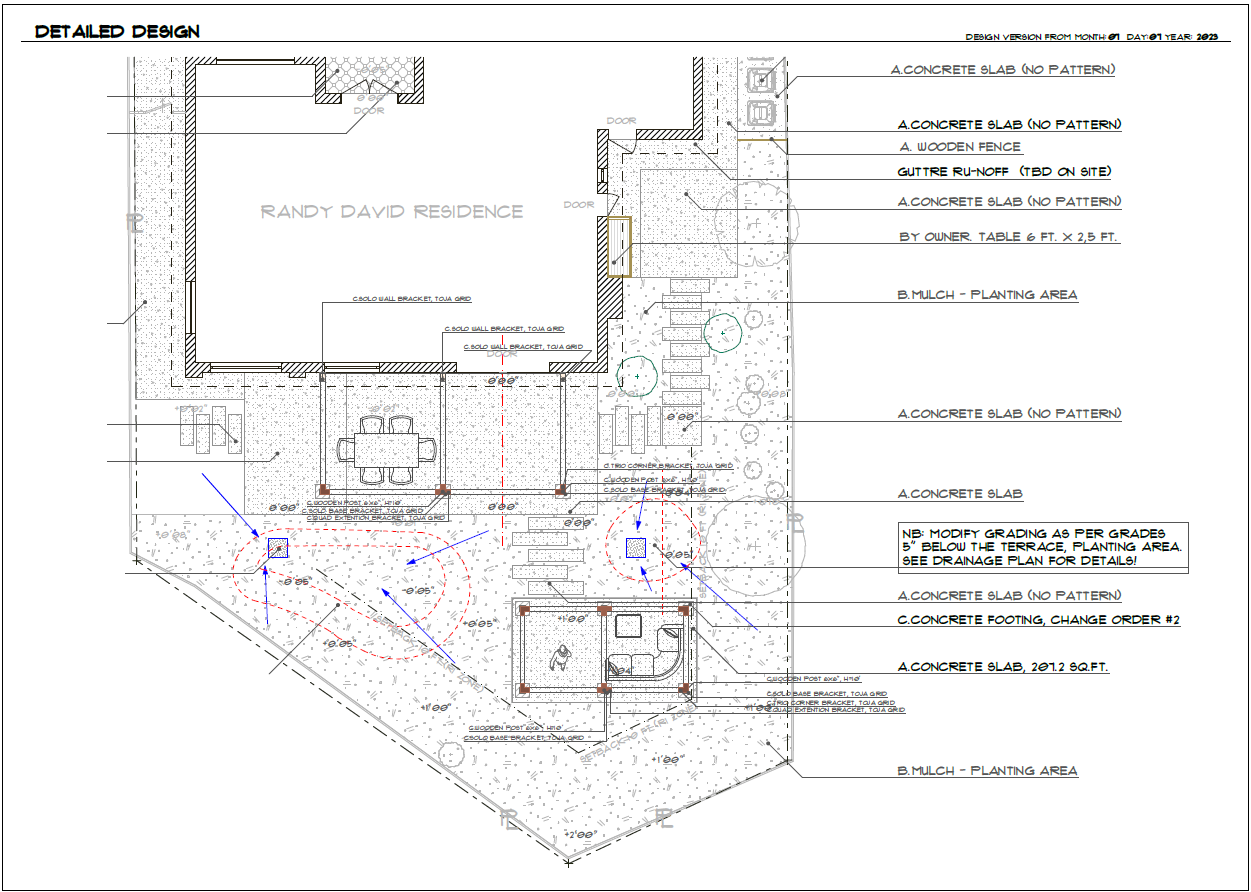
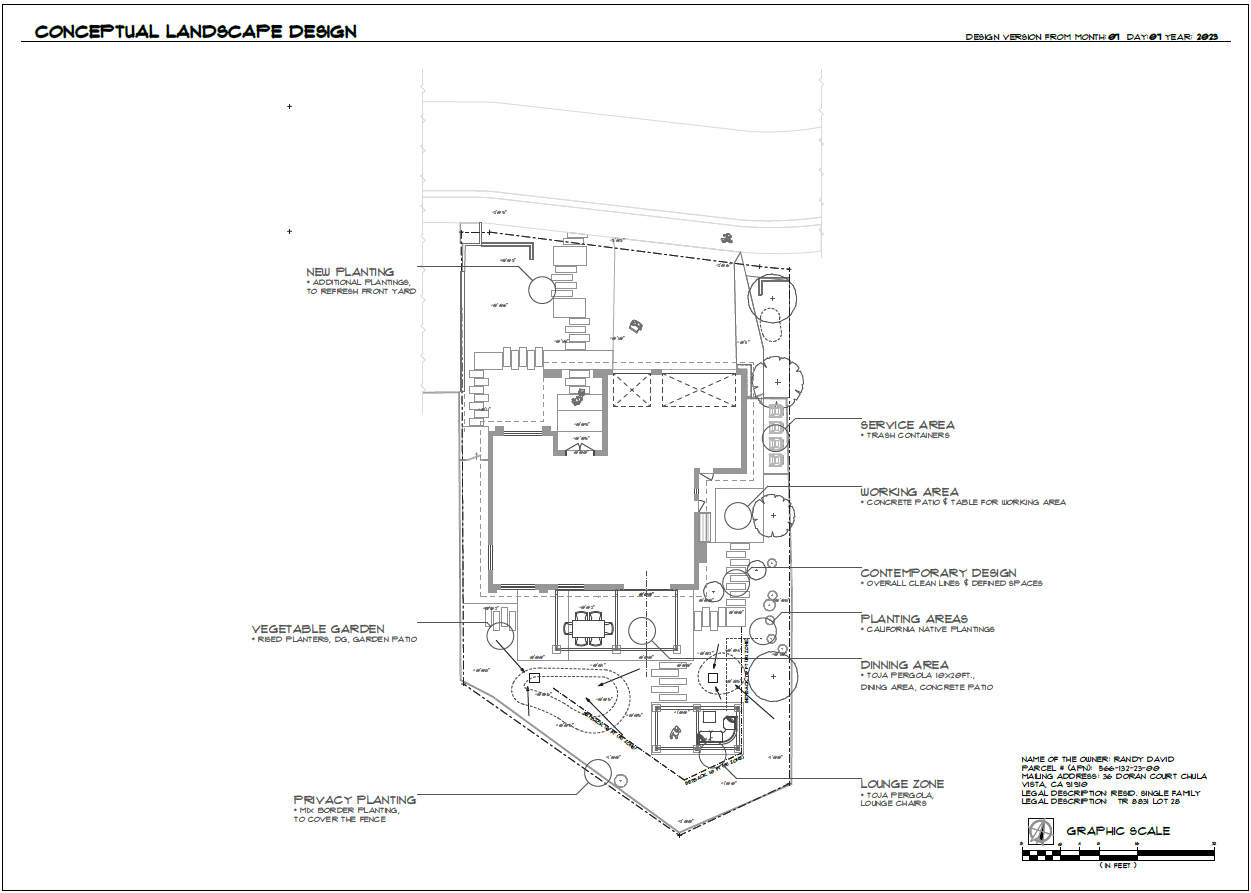
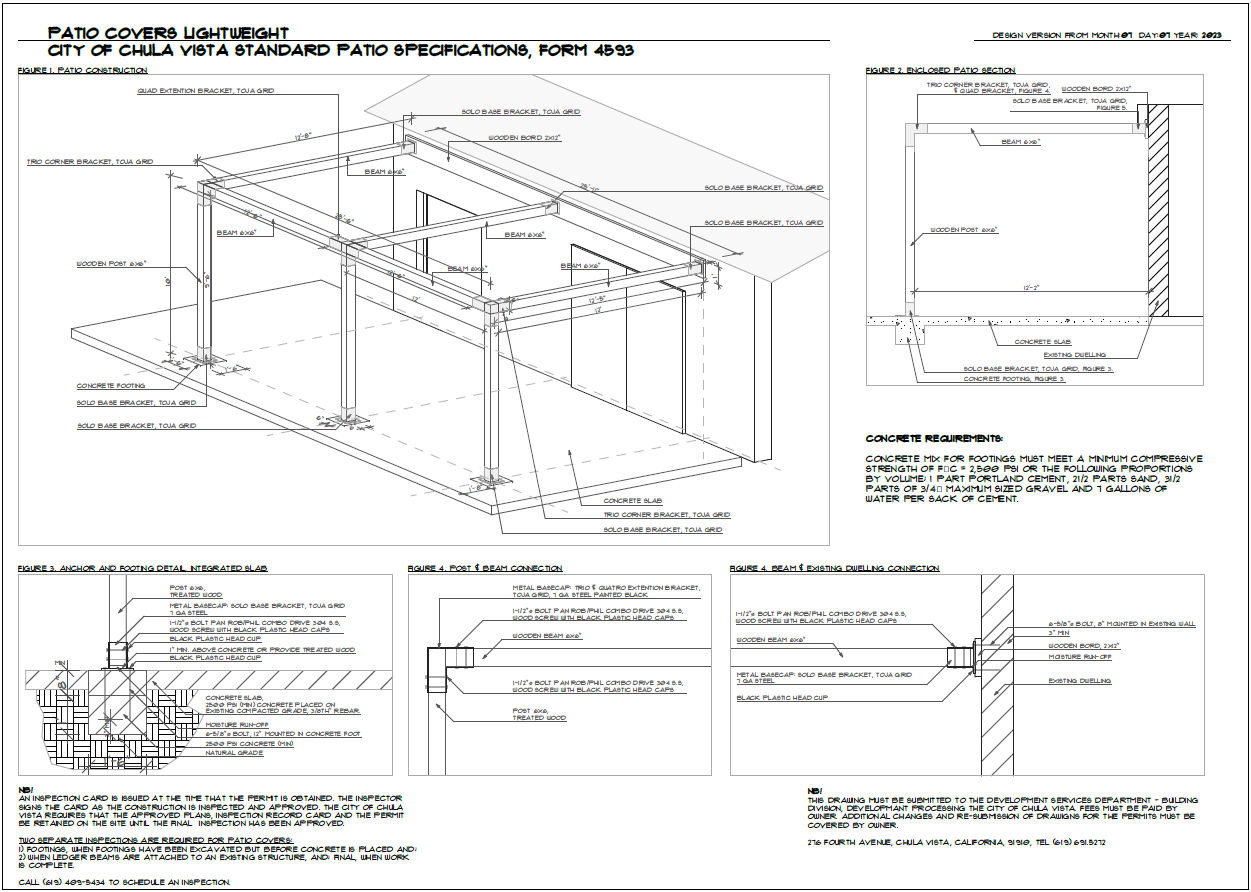
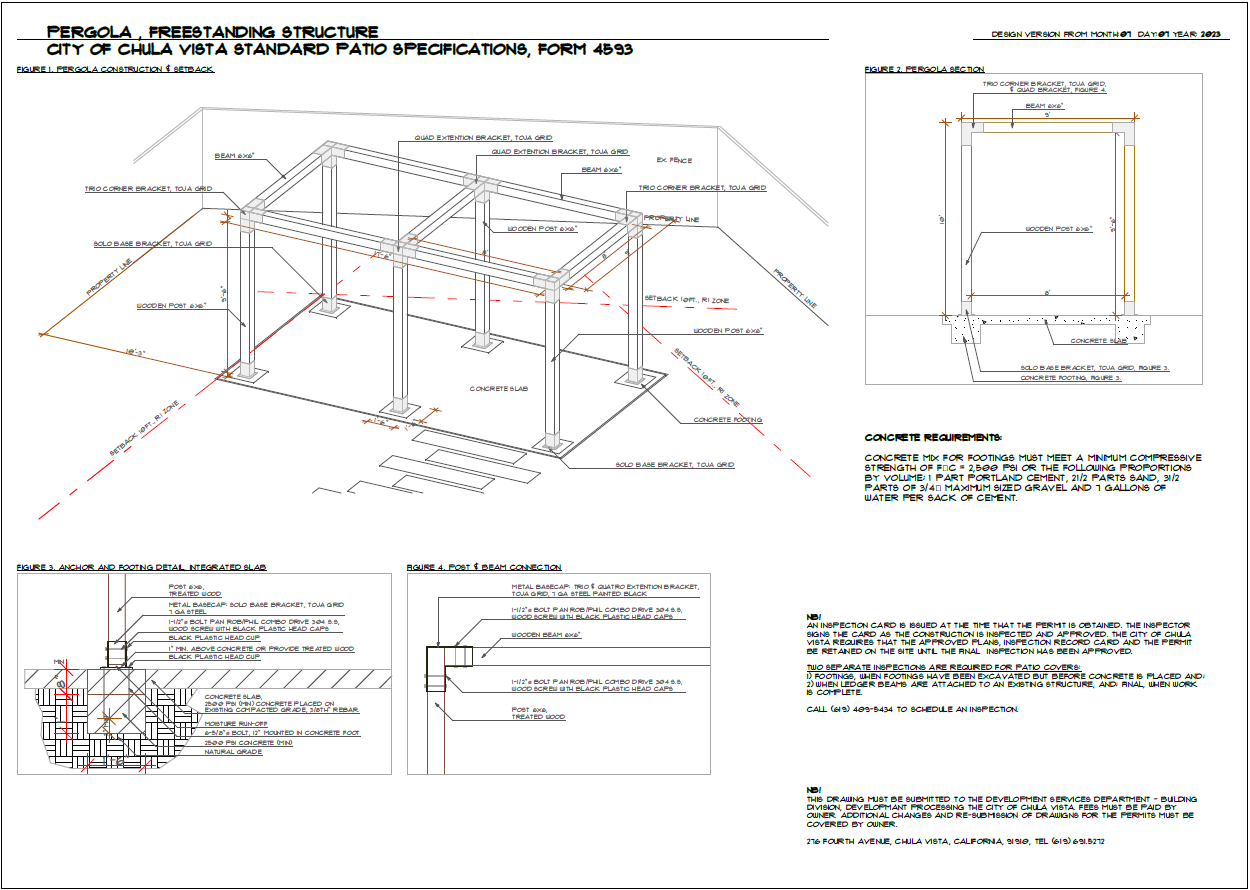
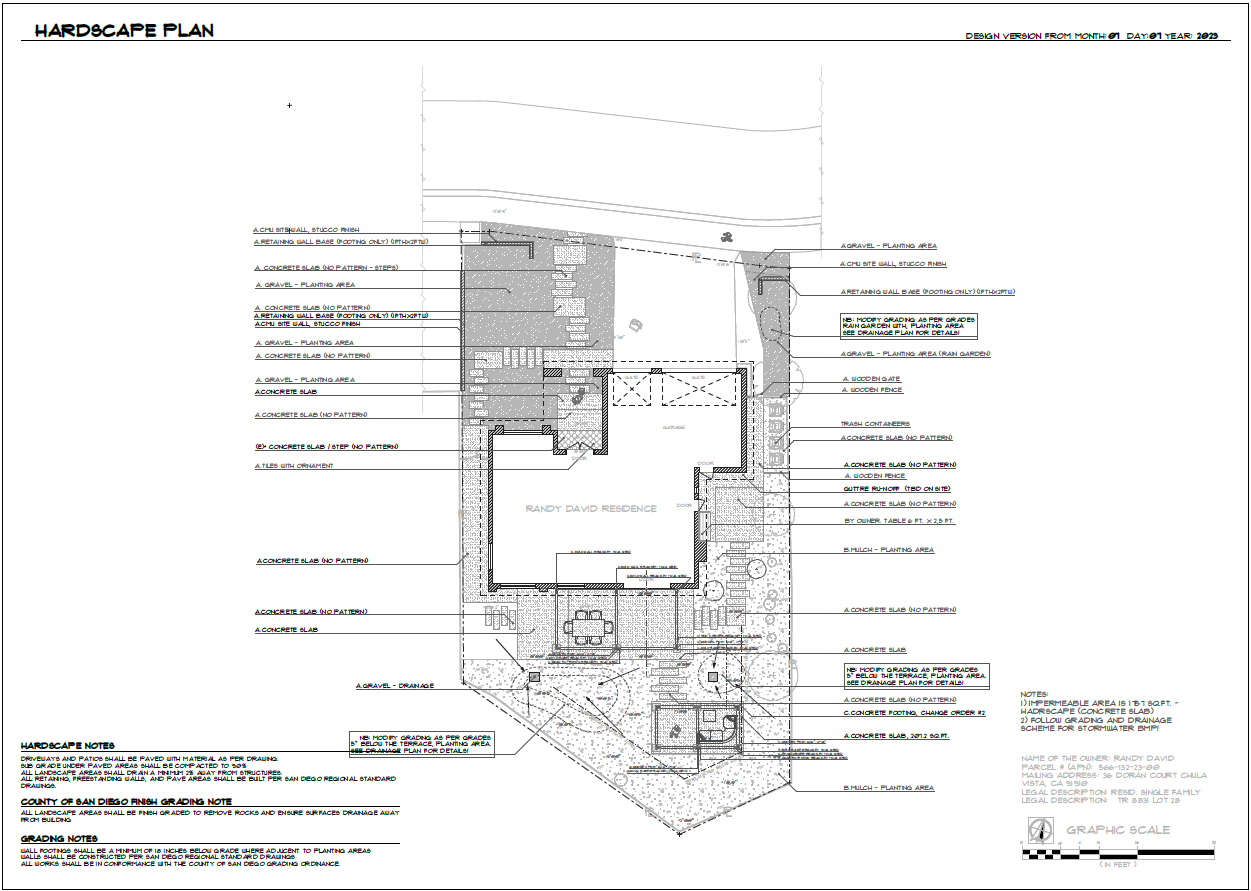
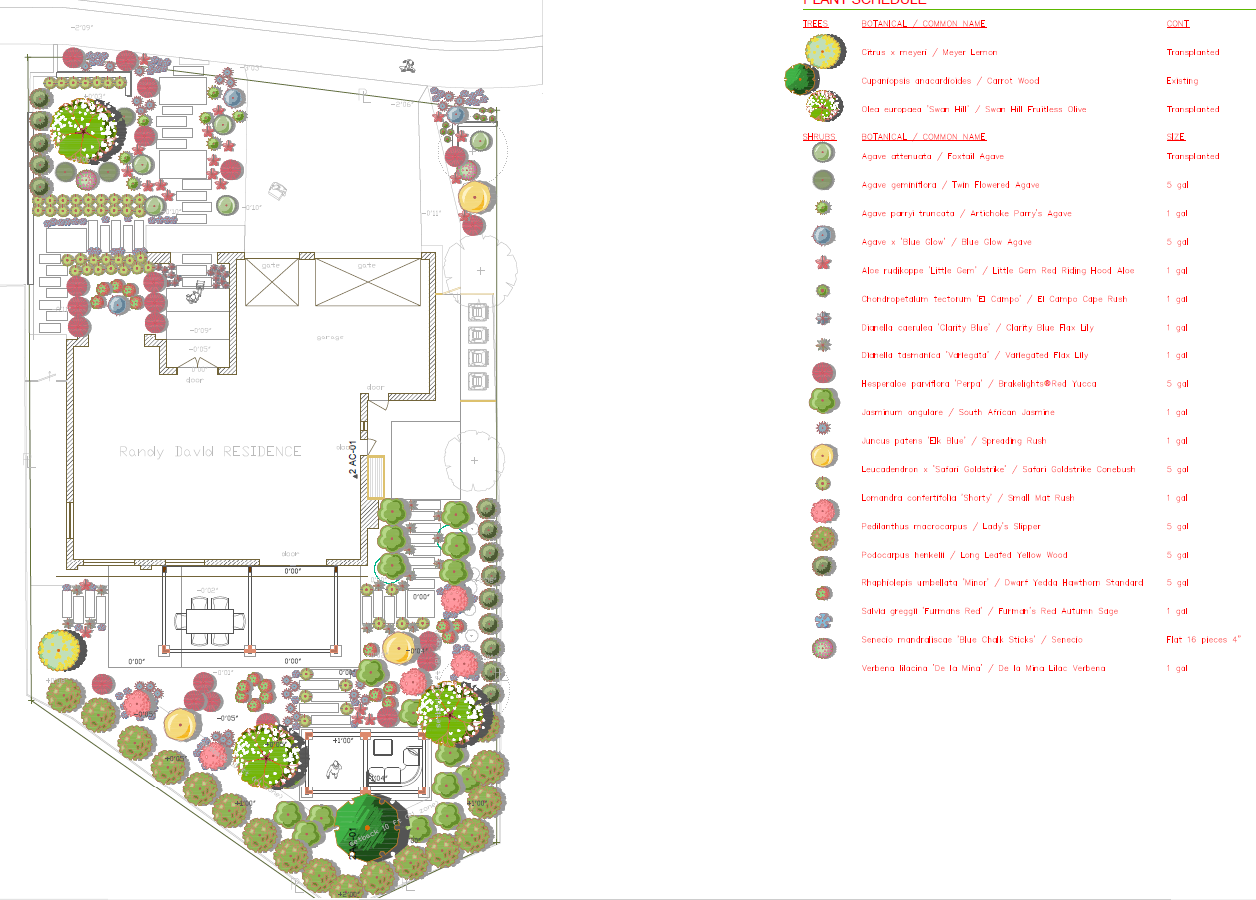
Patios: A Modernist Oasis
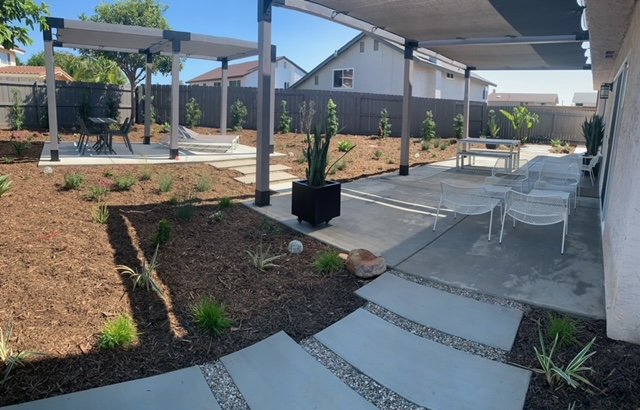
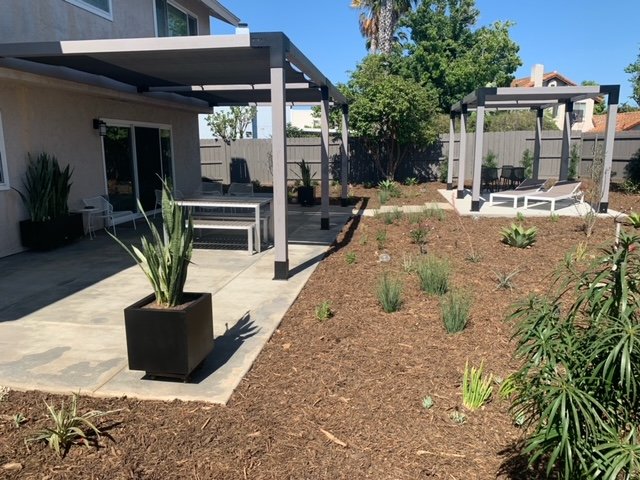
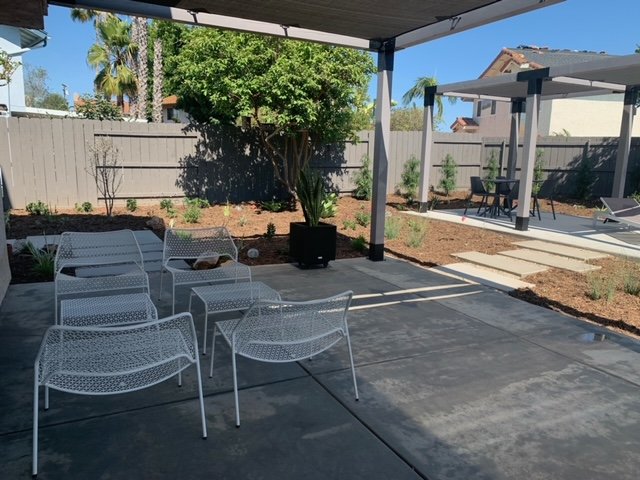
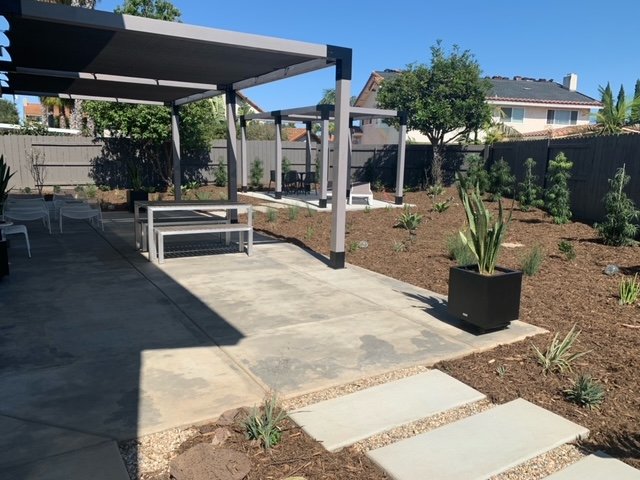
In this project, the patio becomes the seamless extension of indoor living. Paved with stone and concrete in clean lines, and framed with minimalist built-in seating, it flows effortlessly from house to garden. Designed for relaxation and gatherings, the patio represents modern garden design at its core — simple, open, and functional.
Spaces in Simple Architecture
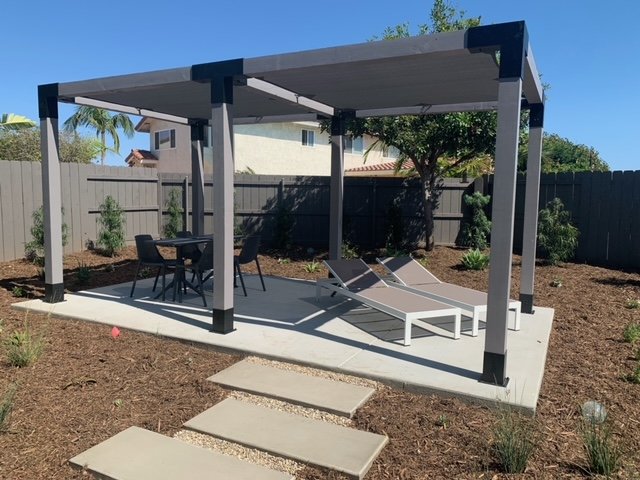
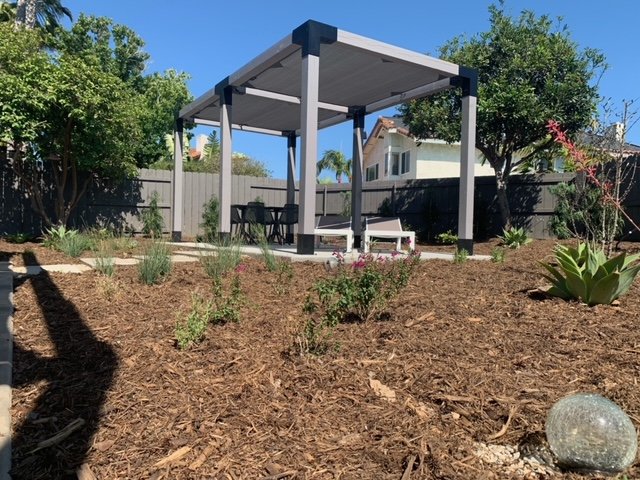
The garden extends beyond the pool and patio into a network of functional outdoor rooms: a fire pit lounge for evenings, a space for outdoor cooking, and contemplative corners inspired by zen gardens. Each area is carefully proportioned, balancing comfort with modernist clarity.
EXISTING CONDITION
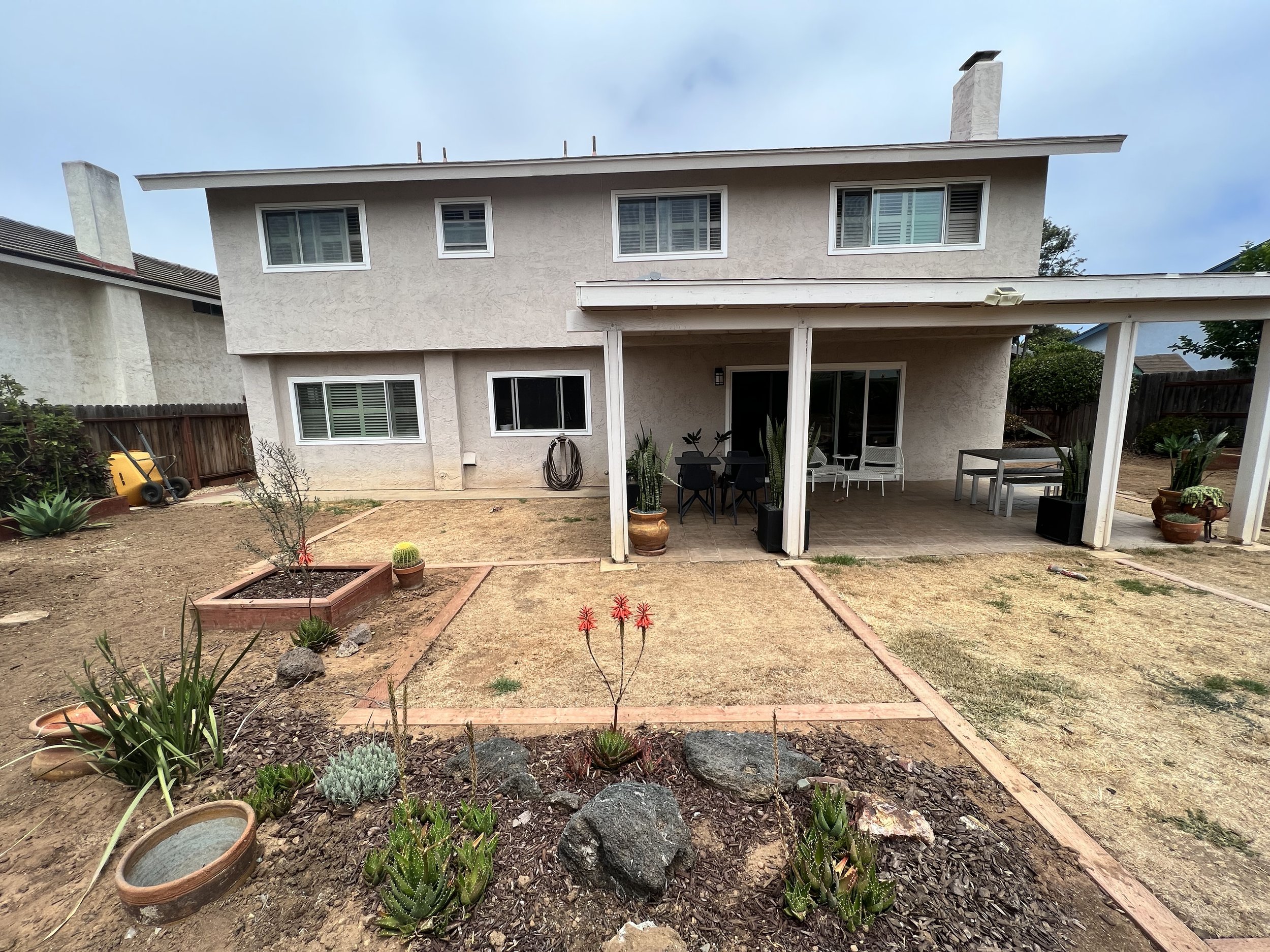
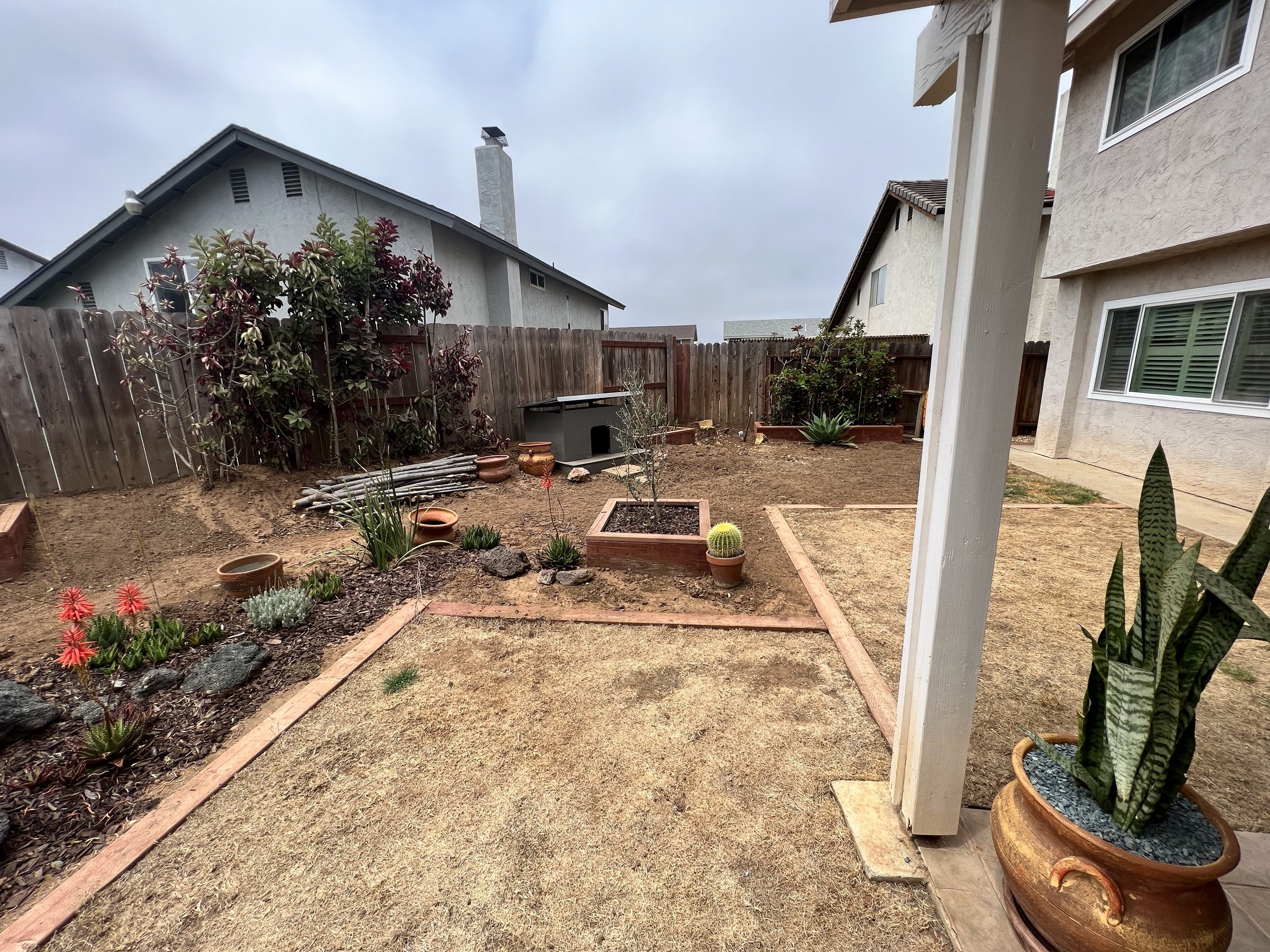
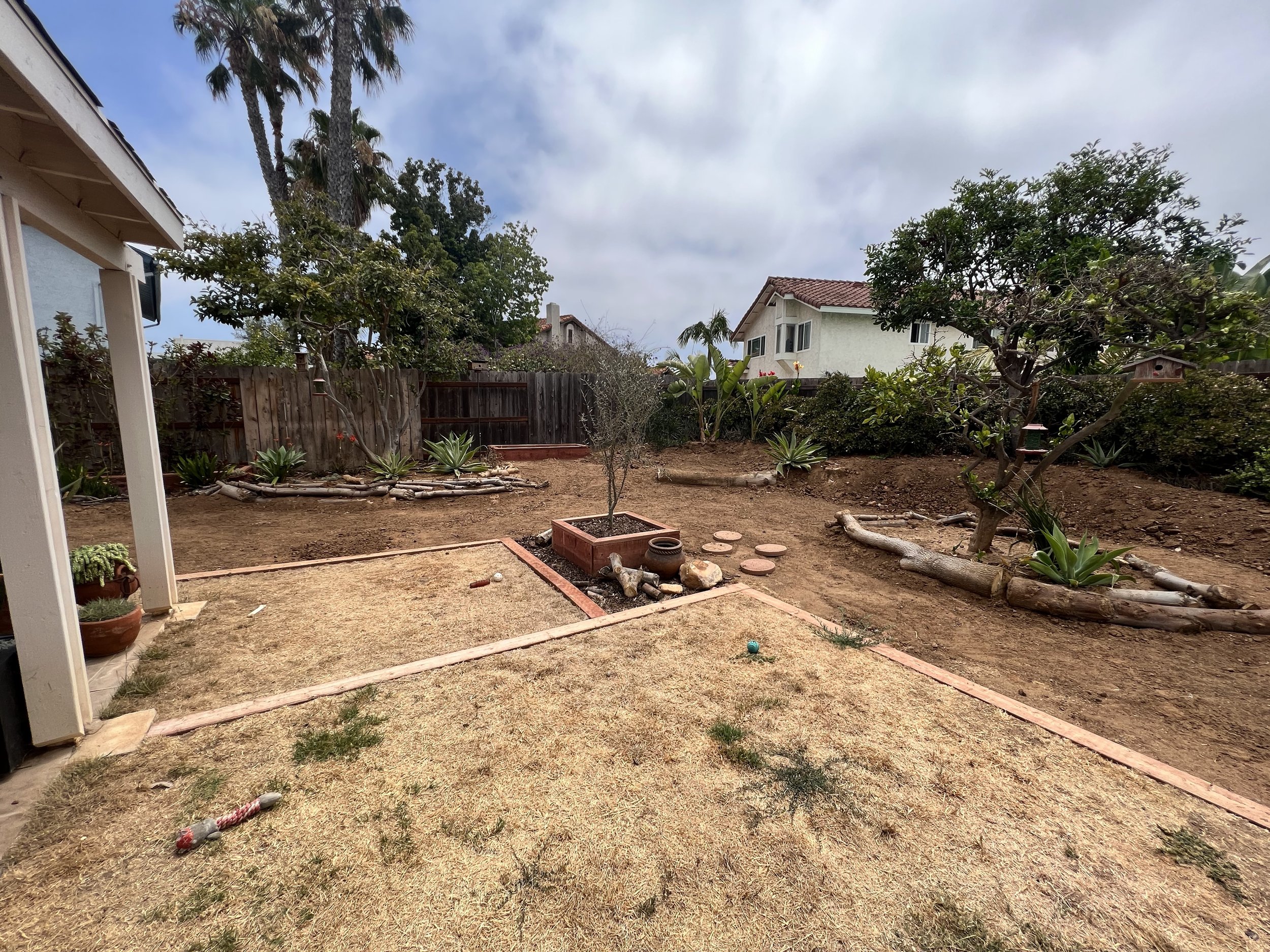
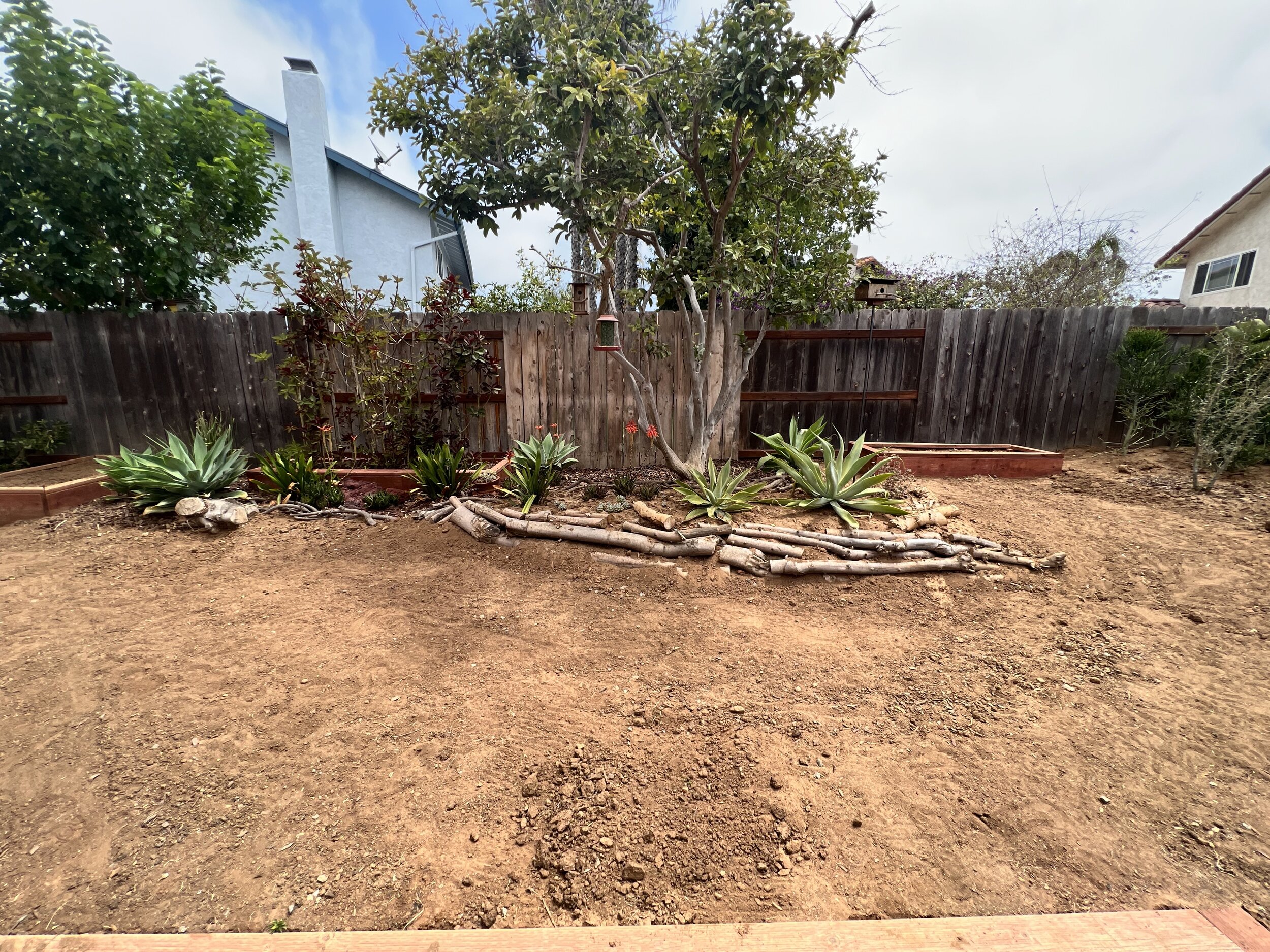
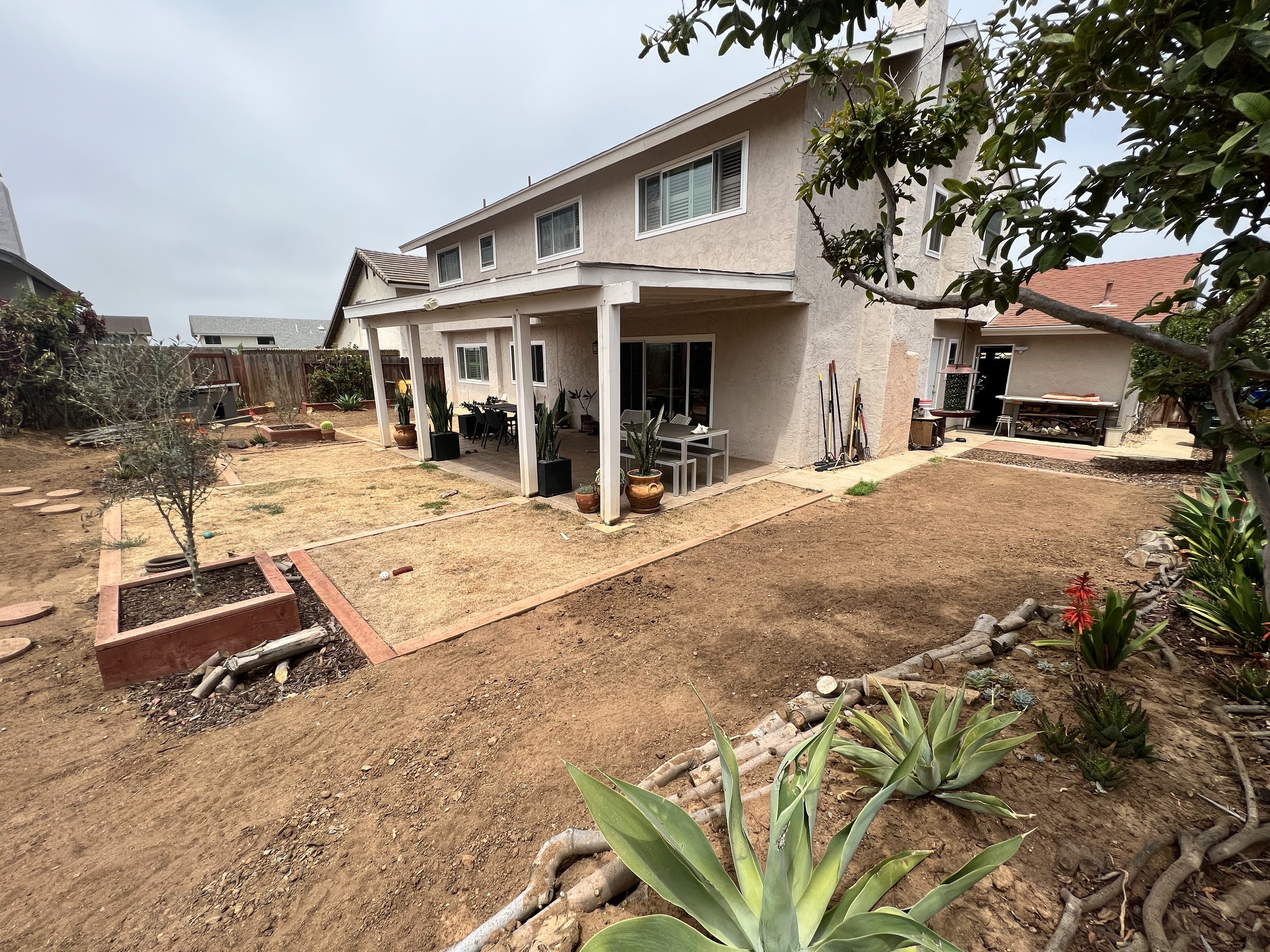
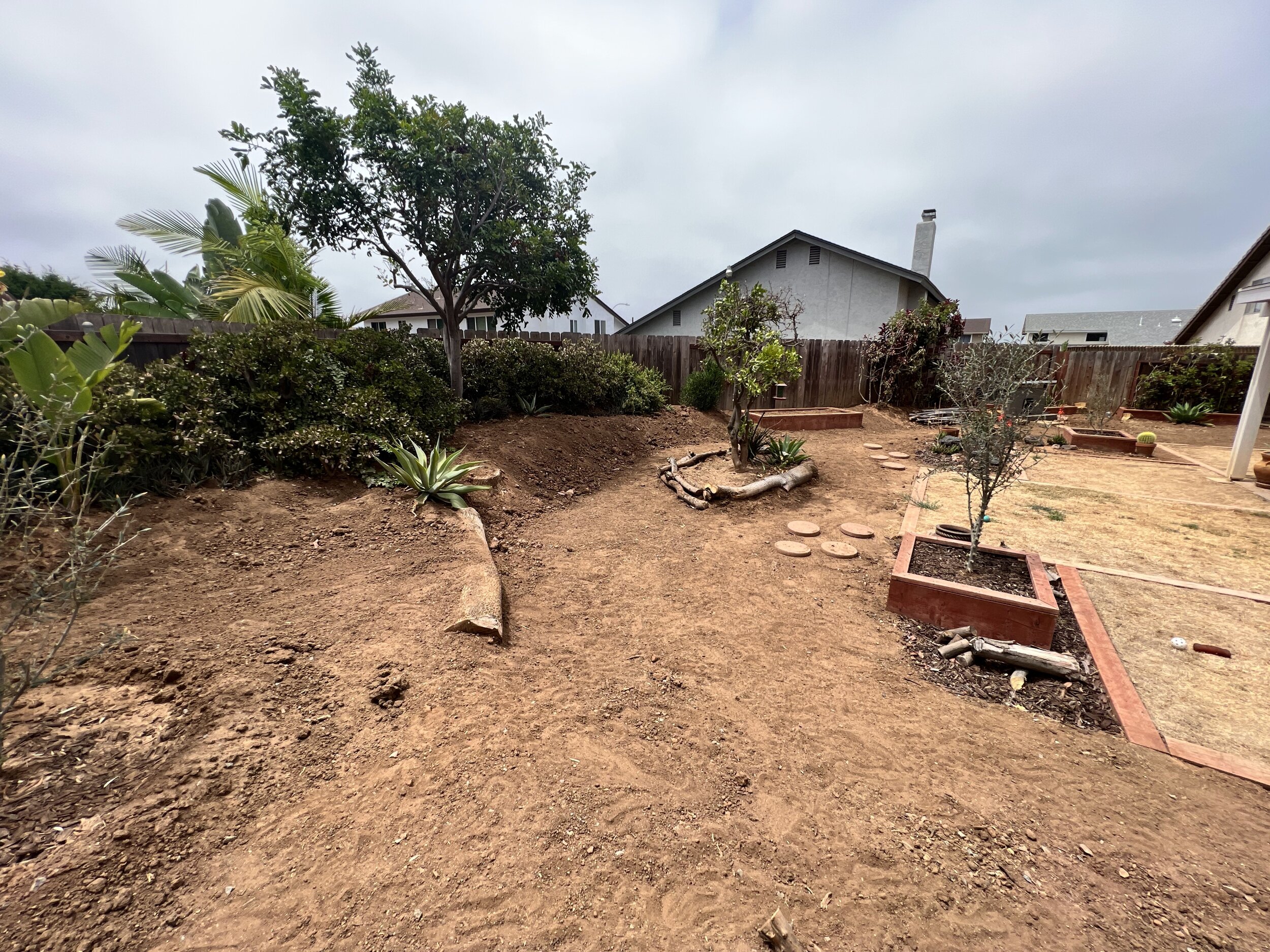
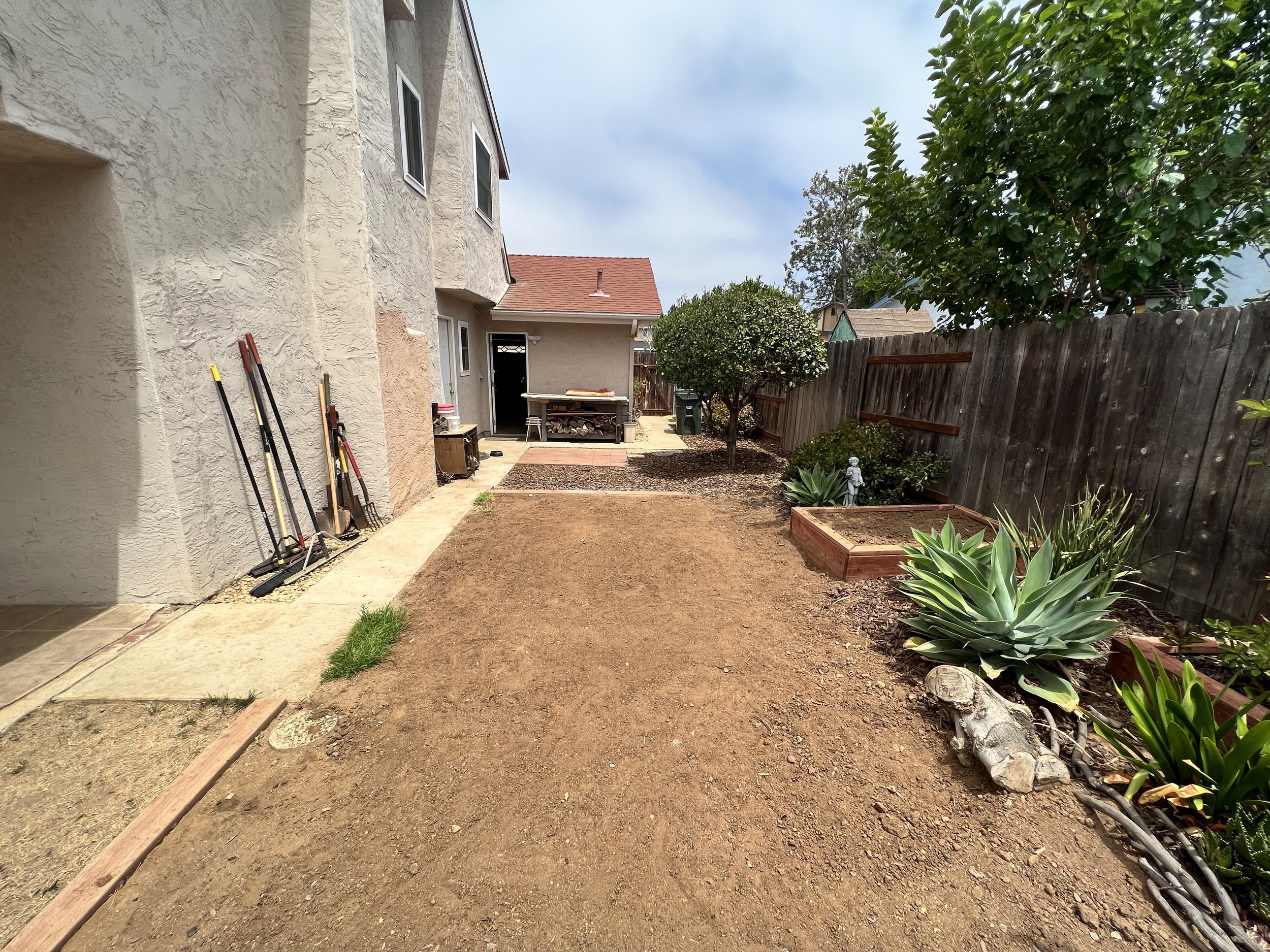
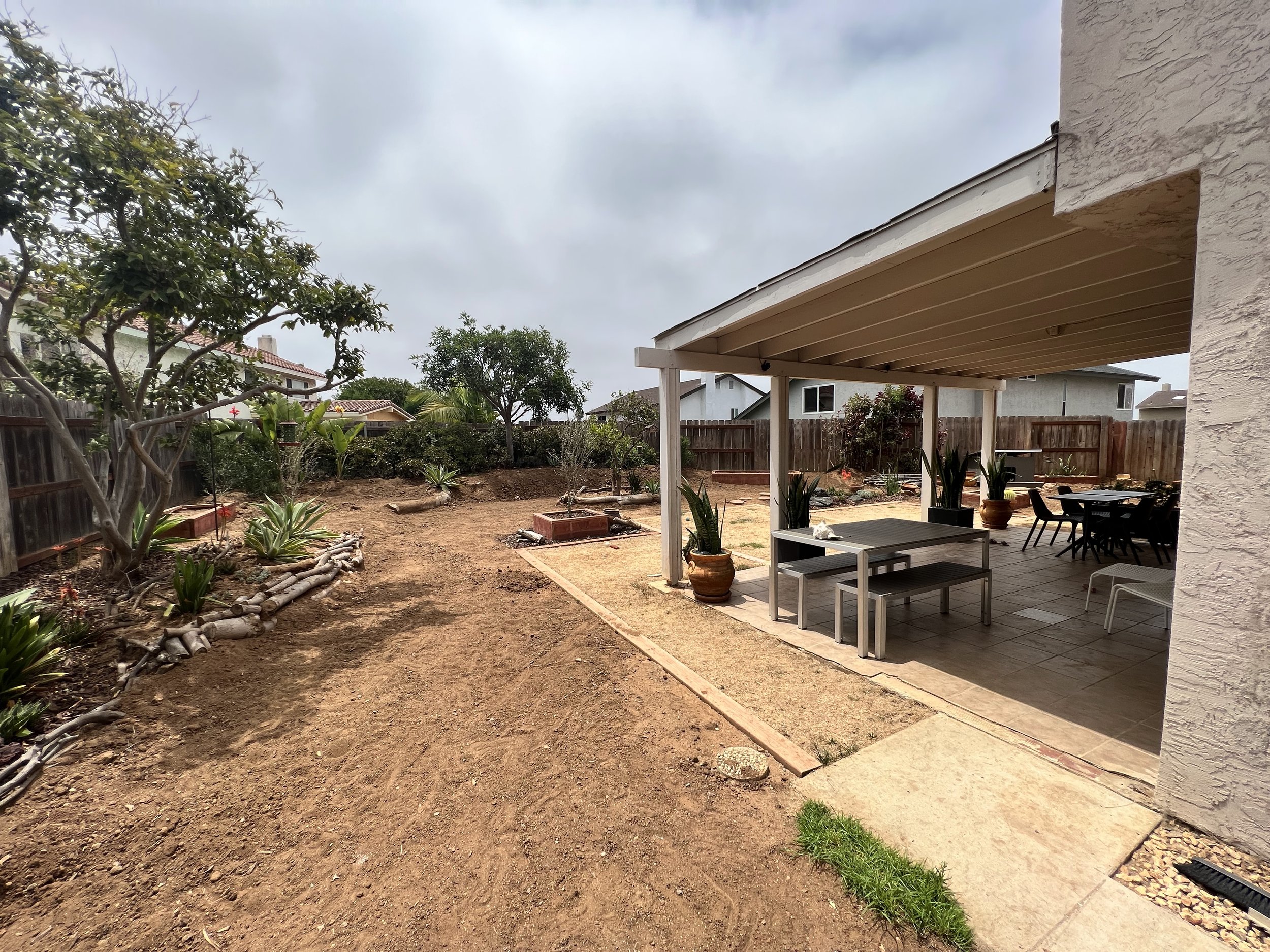
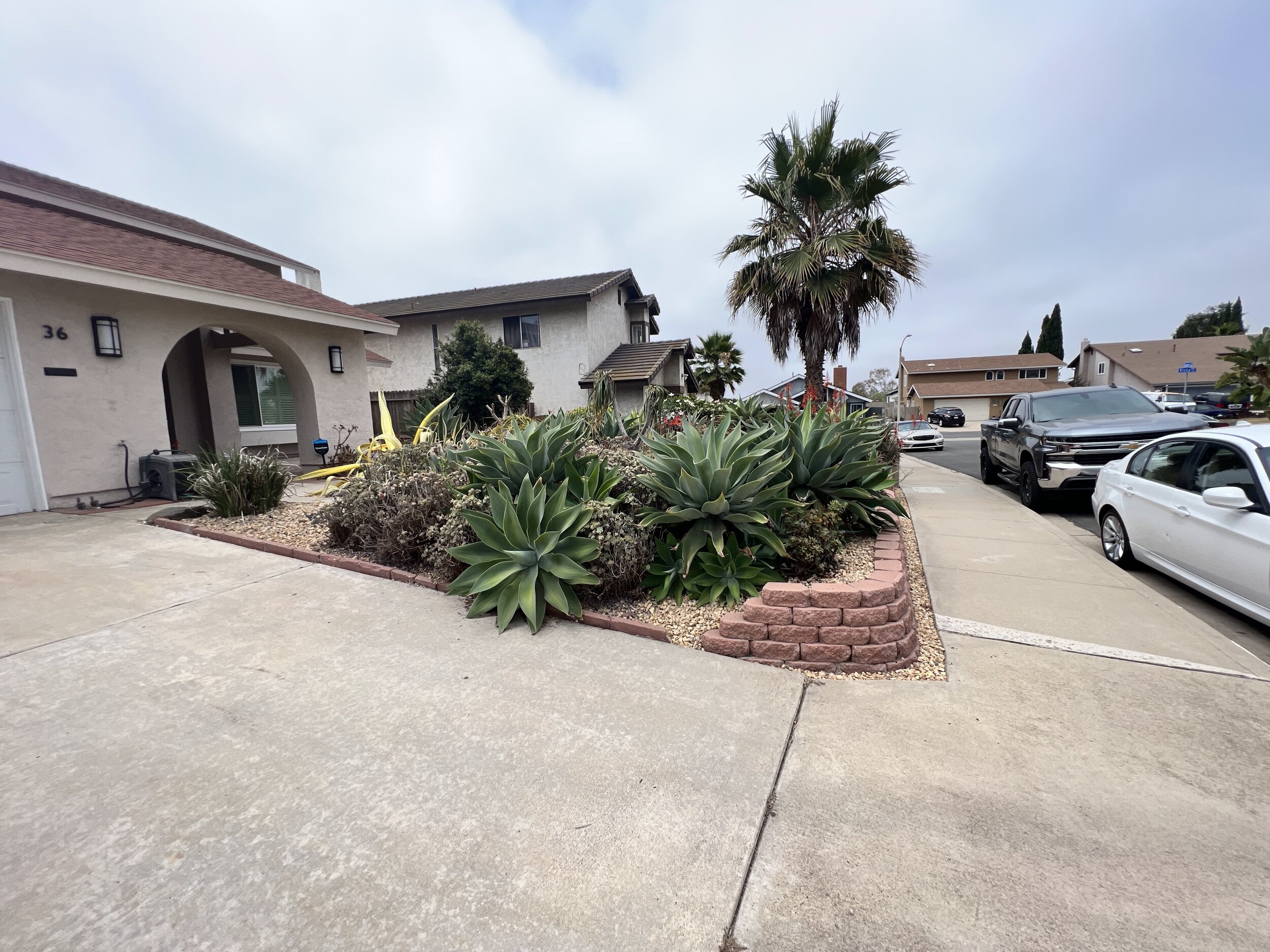
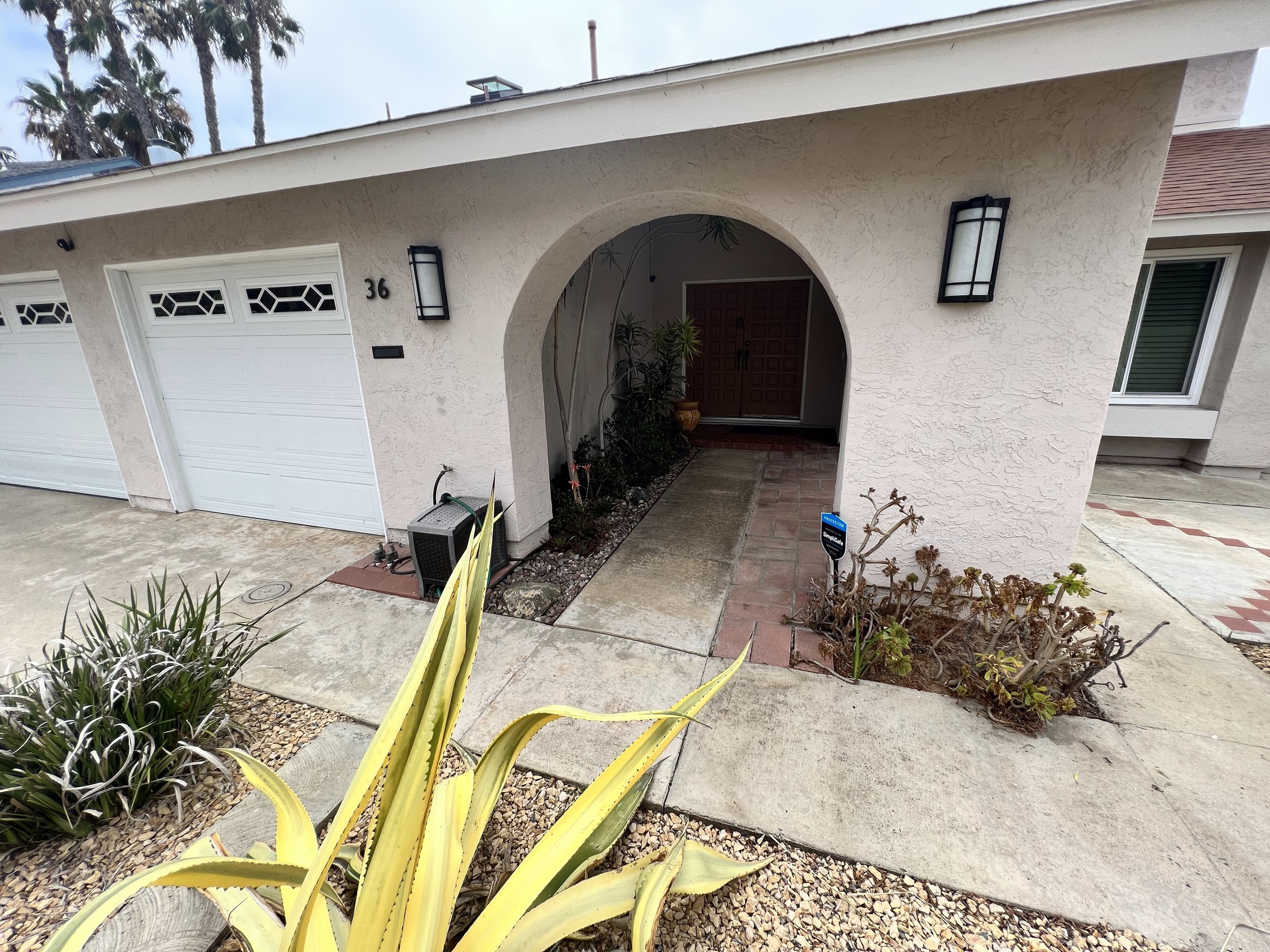
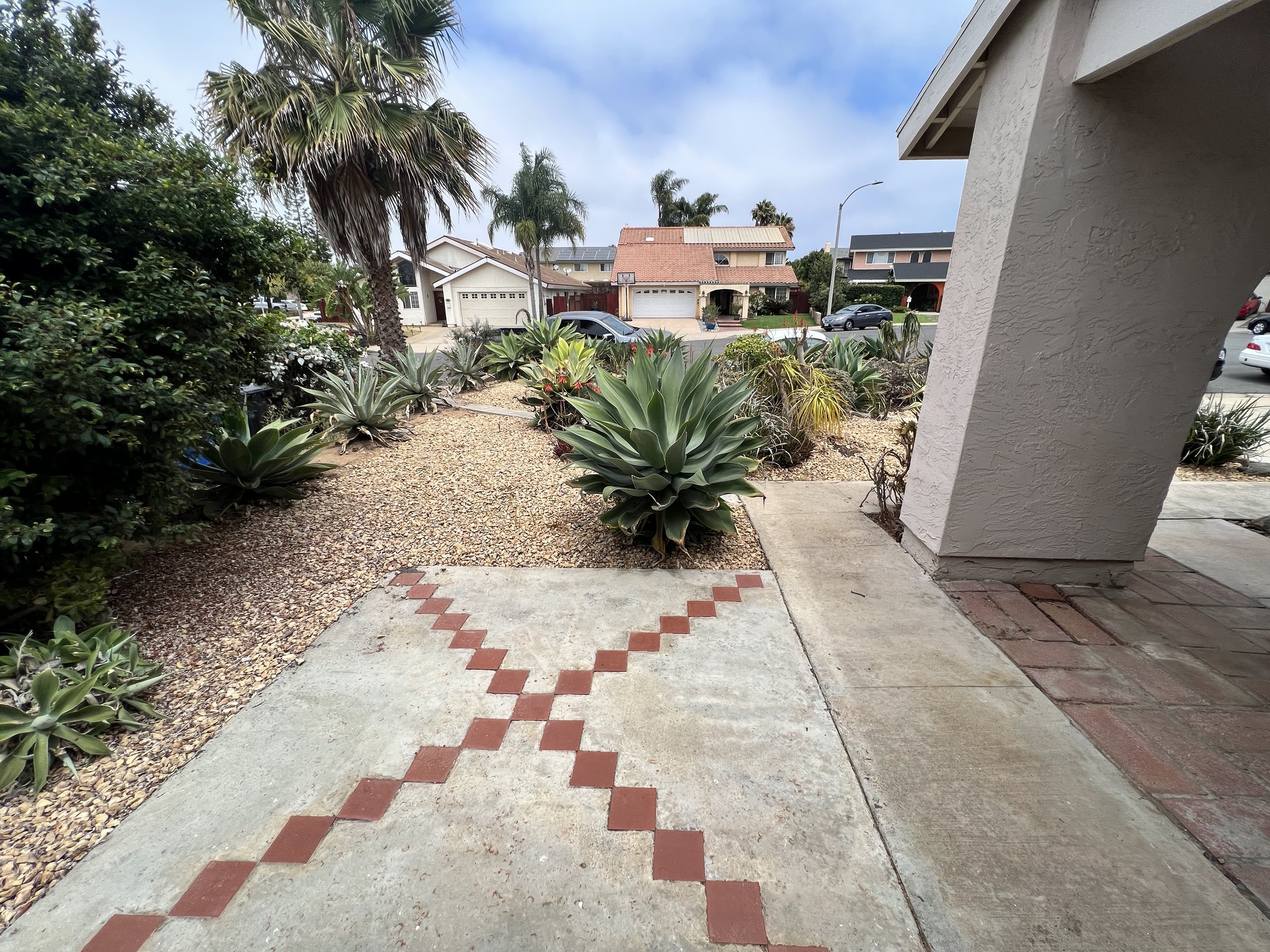
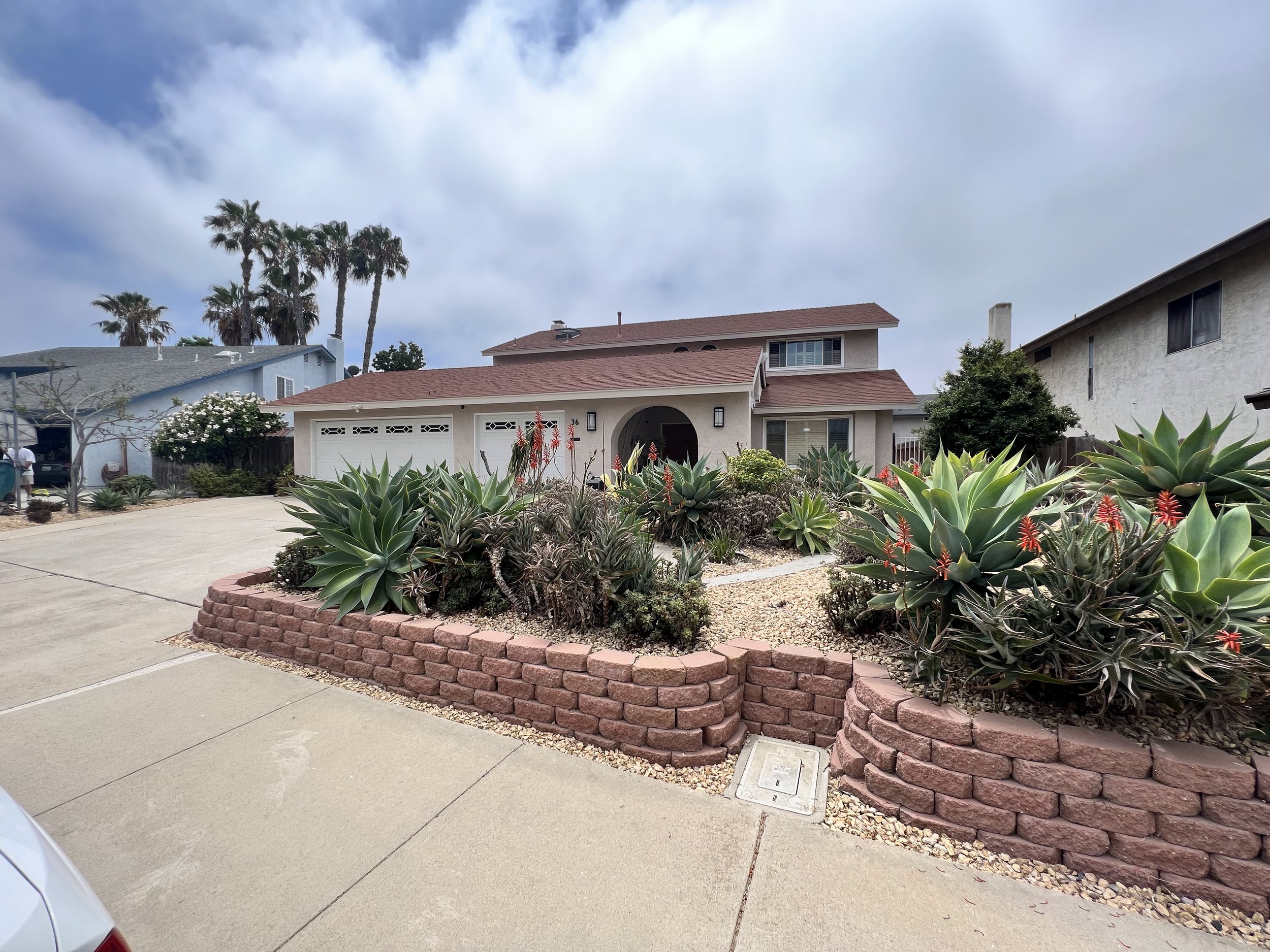
Existing Condition
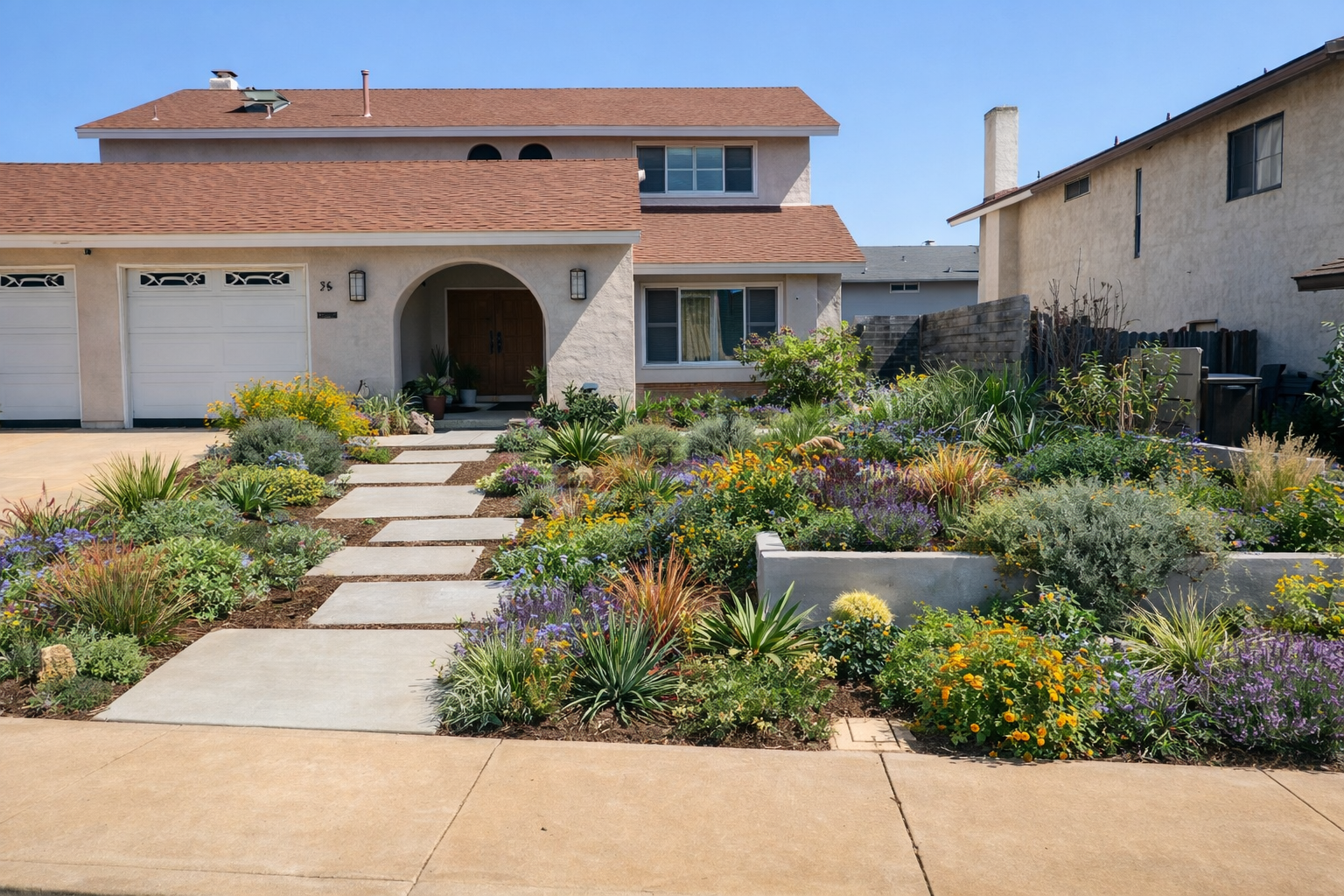
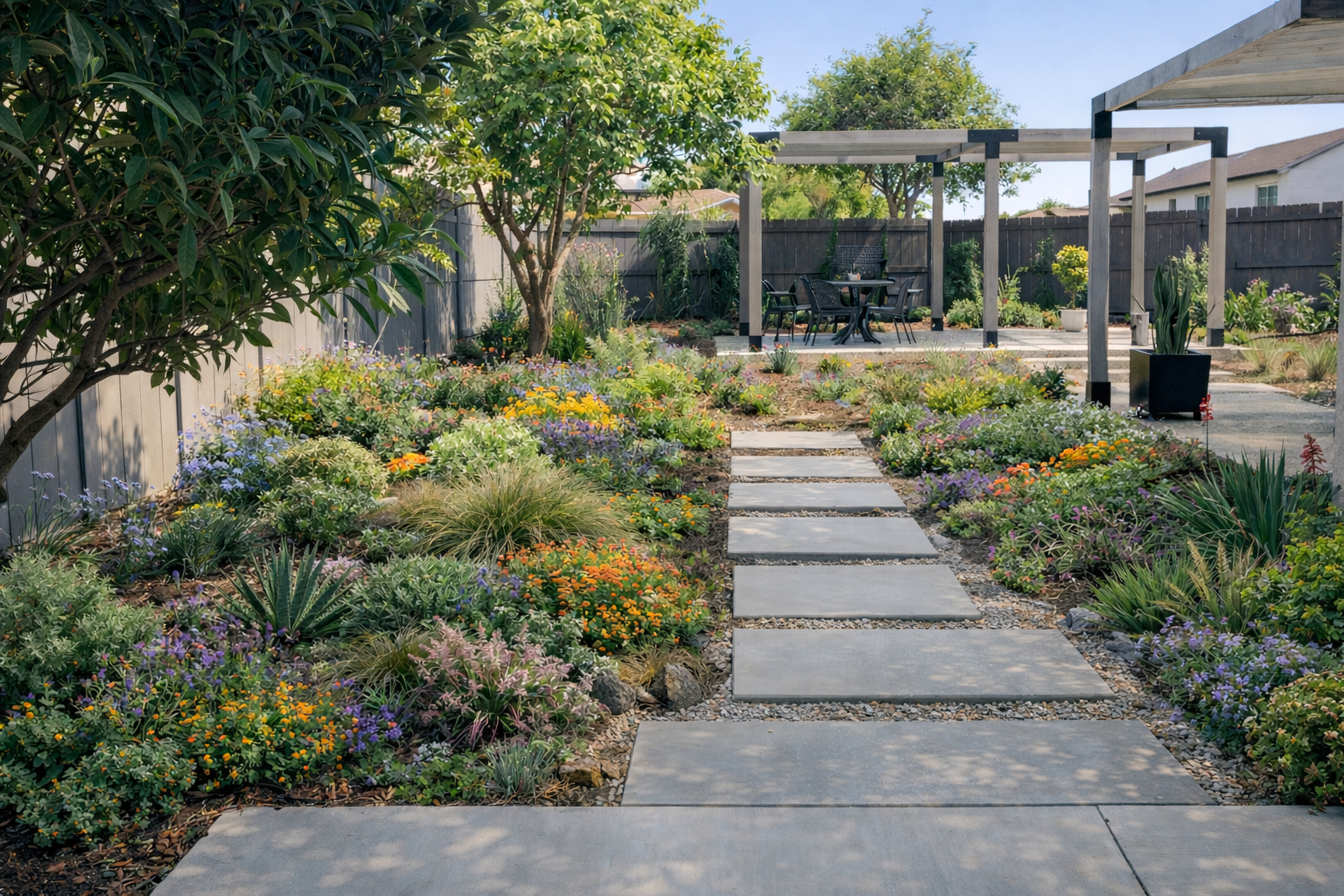
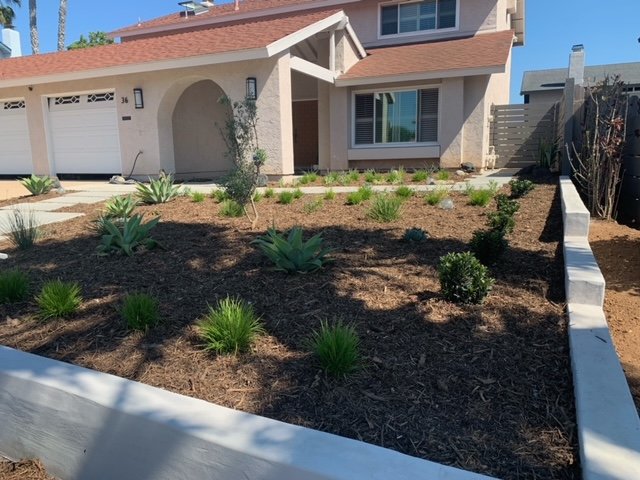
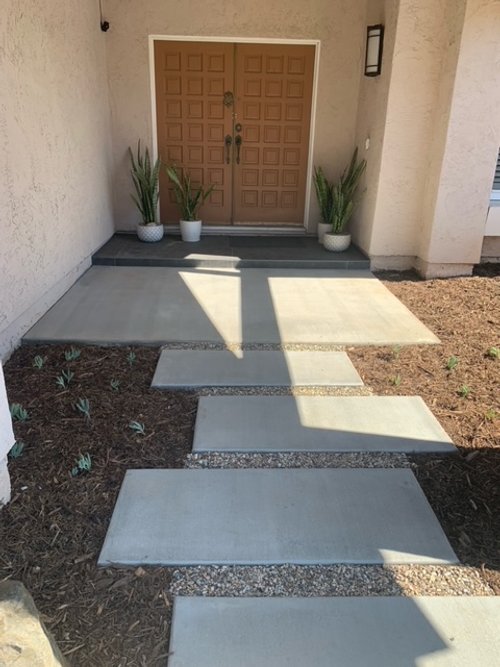
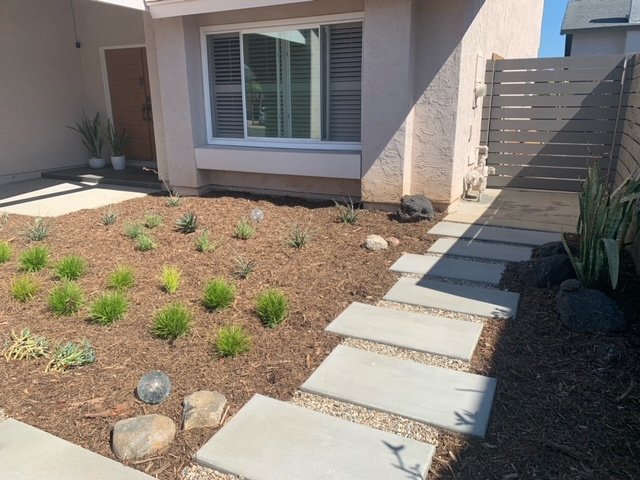
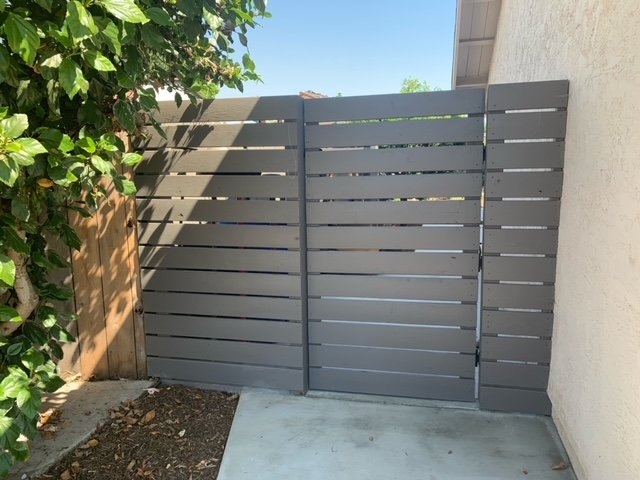
When LASD Studio began, the site was defined by underused lawn and disorganized planting. By reshaping the layout with strong geometry, drought-tolerant planting, and refined hardscape, the property has been transformed into a modernist retreat that reflects both the client’s lifestyle and San Diego’s climate.
The Influence of Modernist Garden Design on LASD Studio
Modernist principles strongly influence LASD Studio’s philosophy. Every project is a dialogue between architecture, ecology, and human life. In Chula Vista, these principles guided the creation of a garden that feels timeless and functional, contemporary and ecological - proving once more that simplicity is the ultimate sophistication.
Check out Styles in Landscape Architecture and Garden Design.

La Jolla Cottage Garden Design - La Jolla, California.
An English Cottage Garden in La Jolla, California. Using traditional materials, dense informal planting, and cozy spaces — from edible gardens to a sunset terrace — this design blends warmth, charm, and timeless craftsmanship.
“A Coastal Retreat Full of Charm”
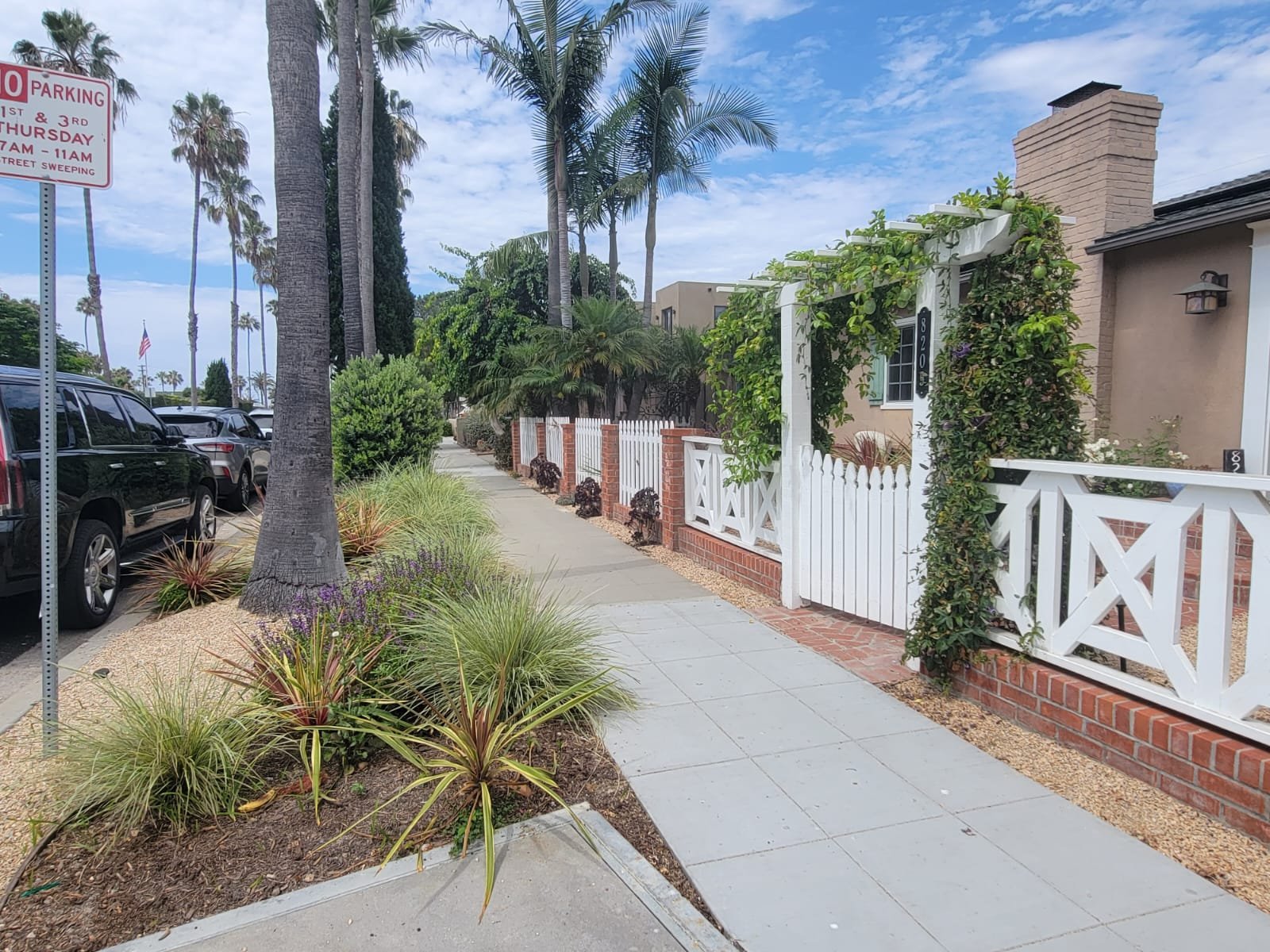
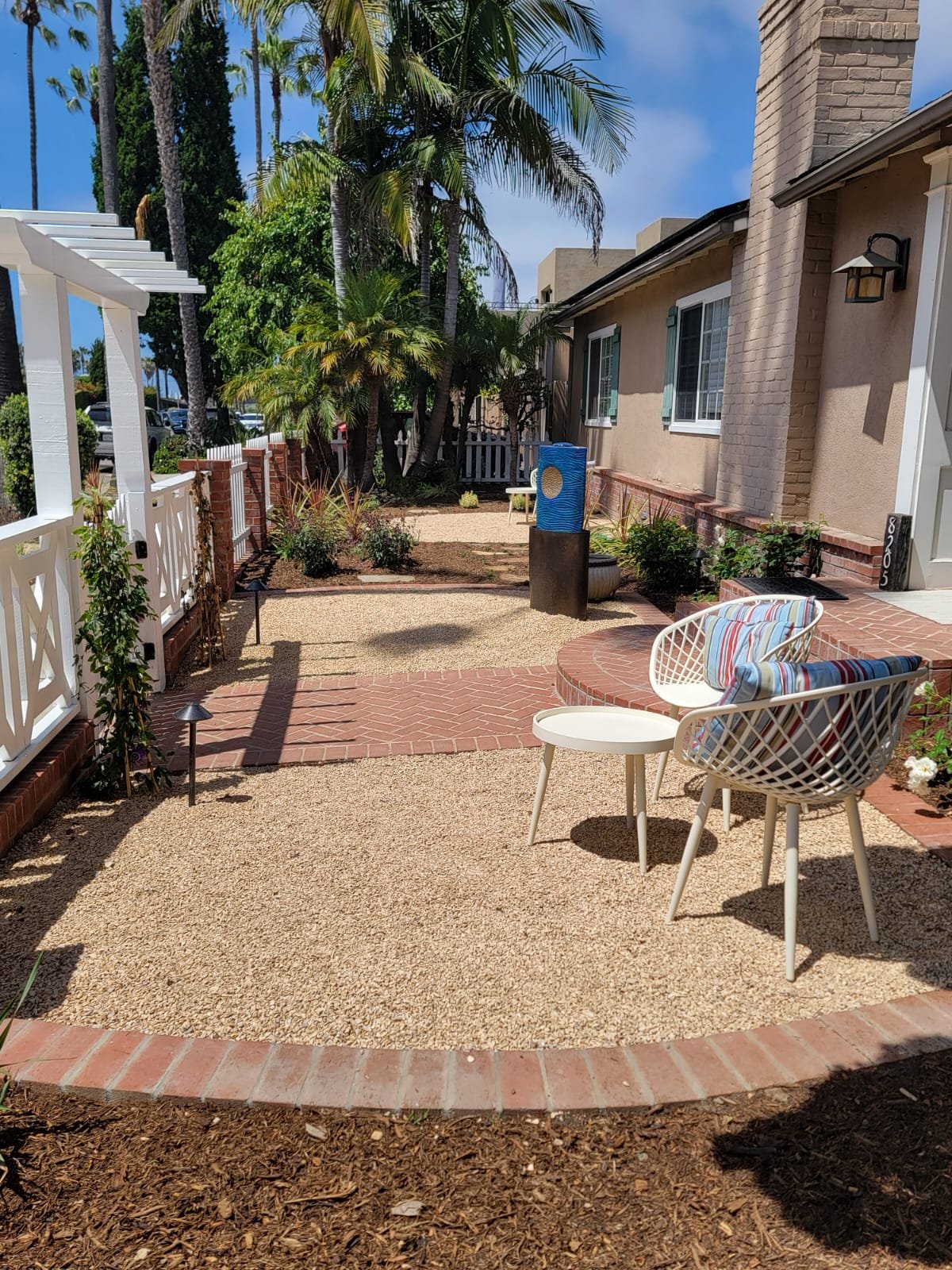
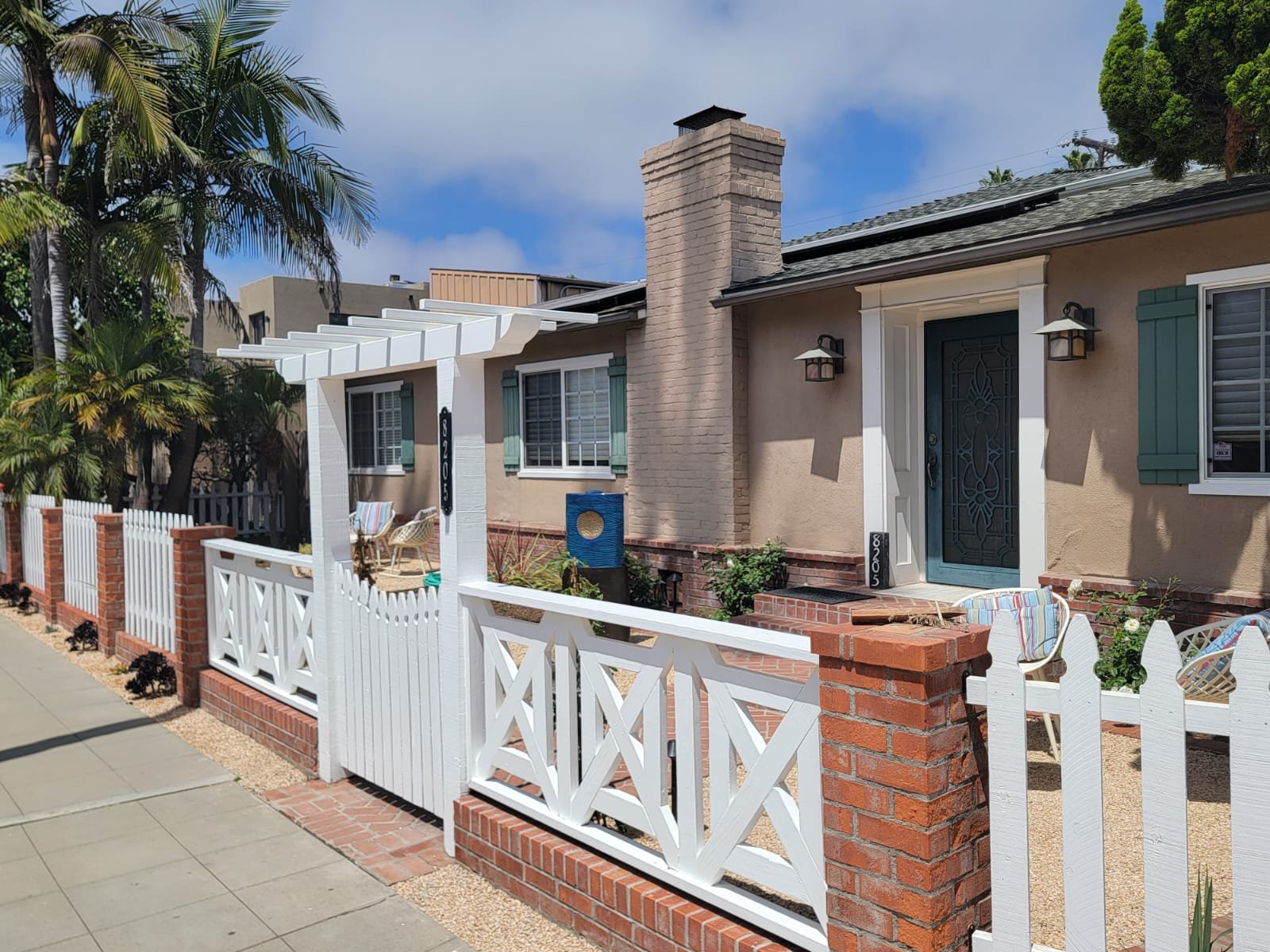
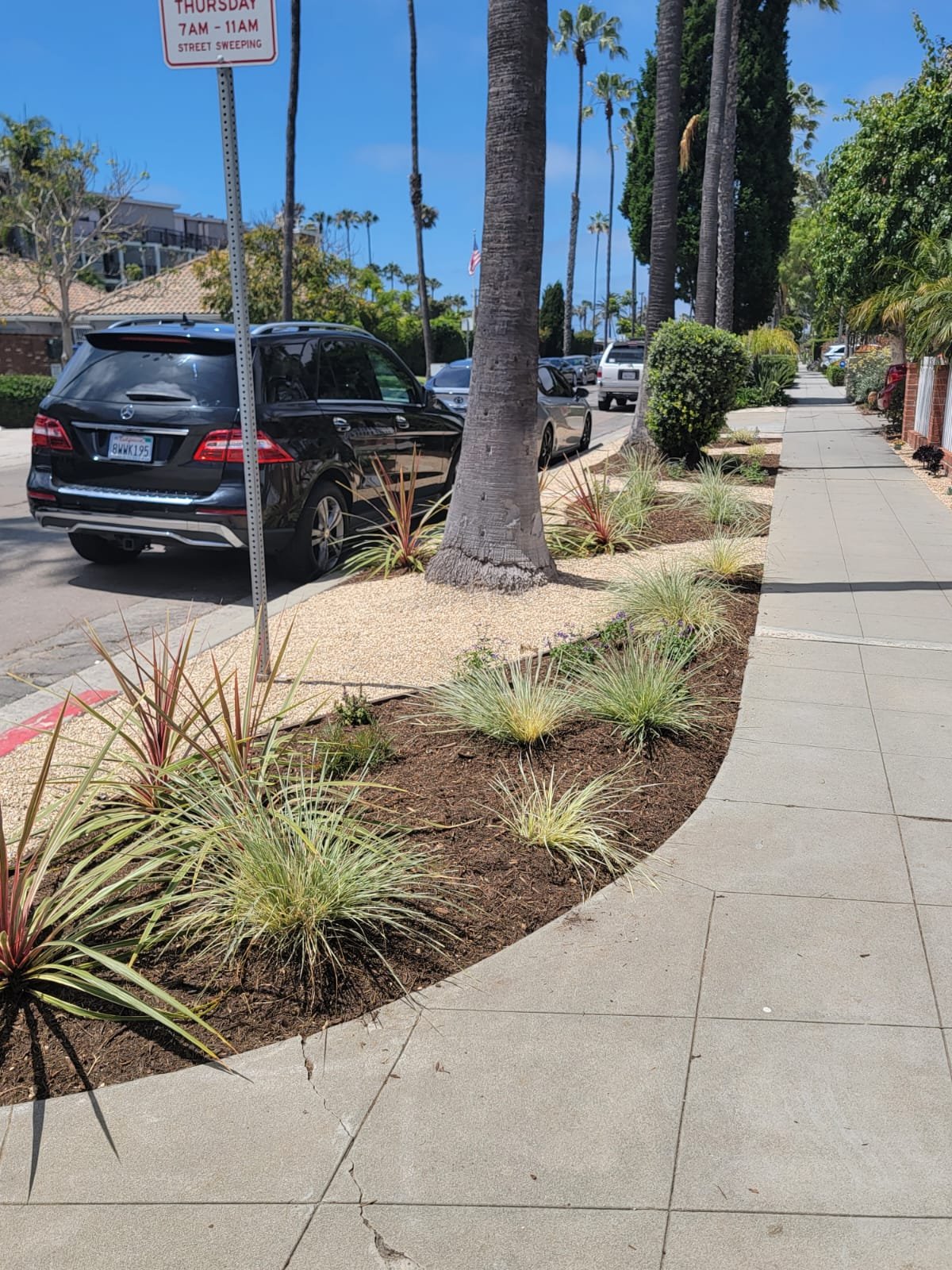
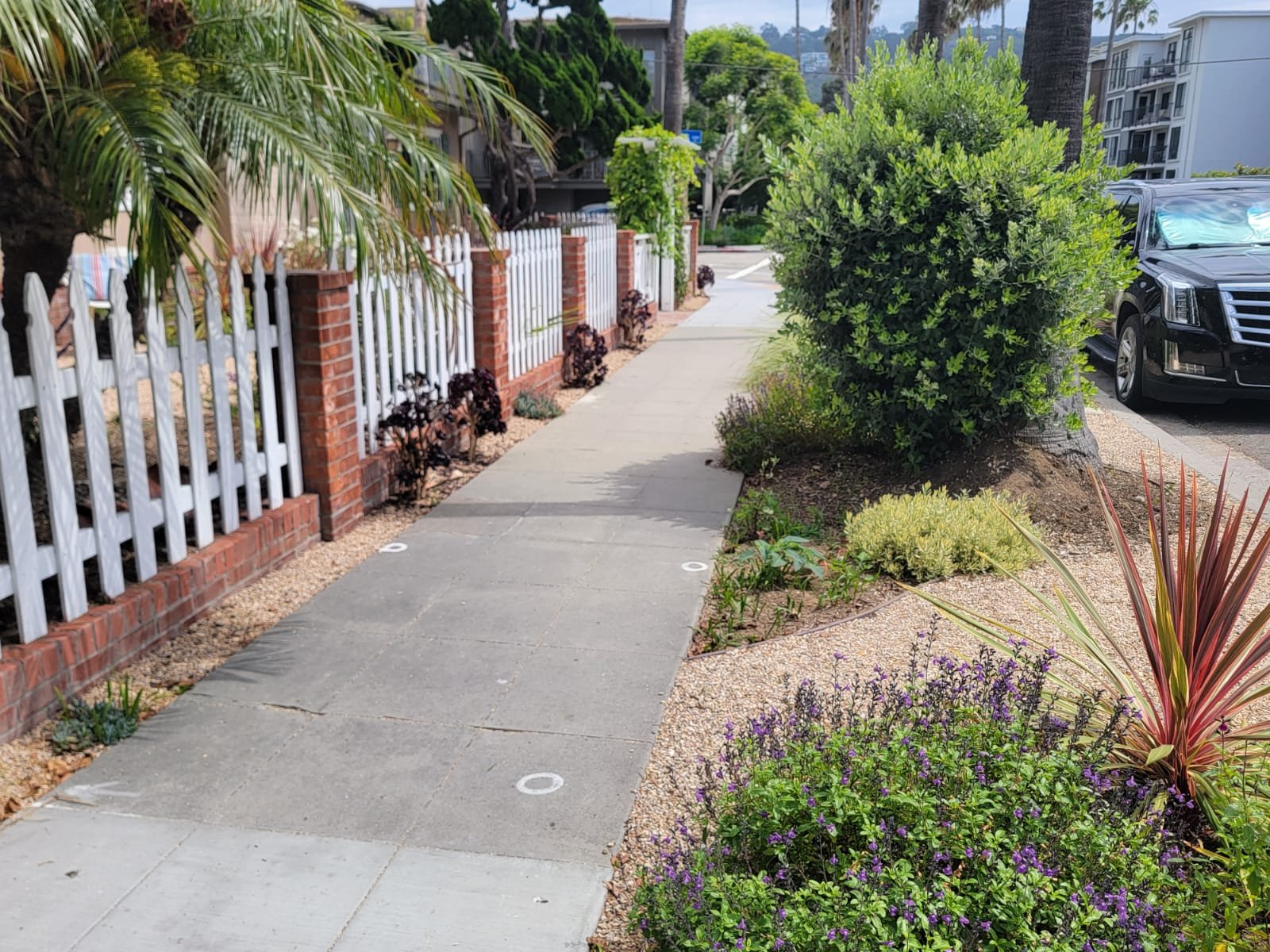
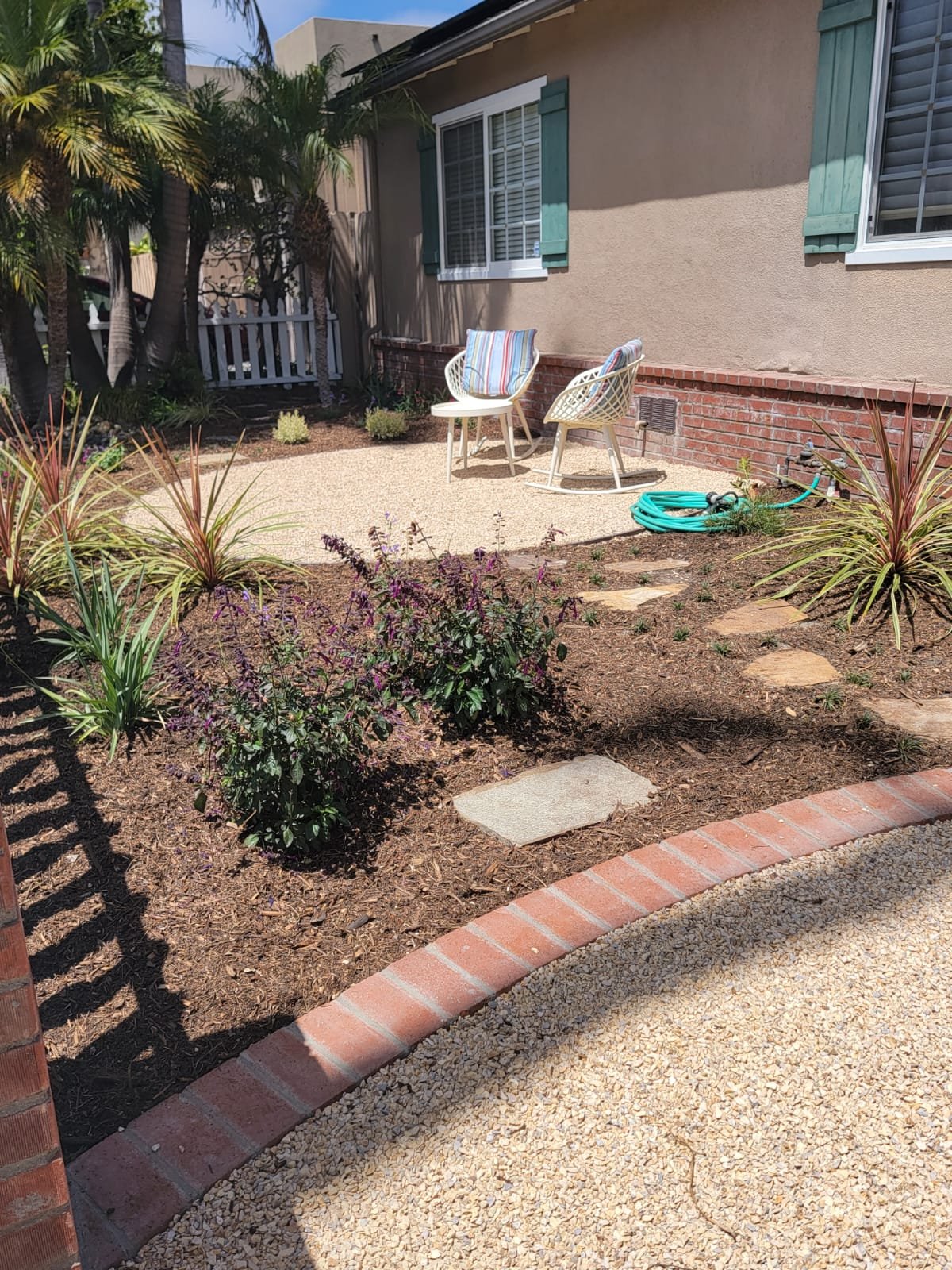
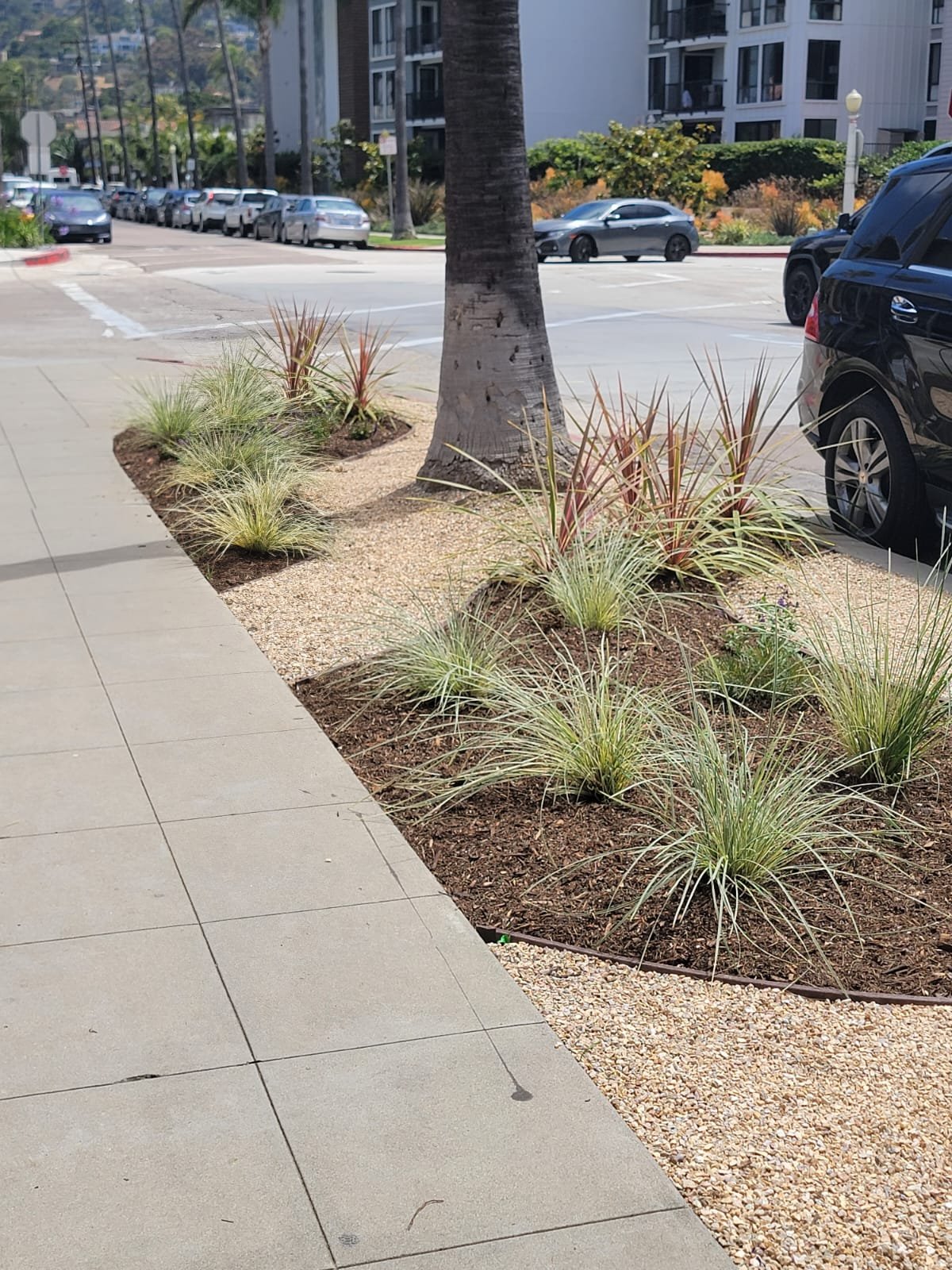
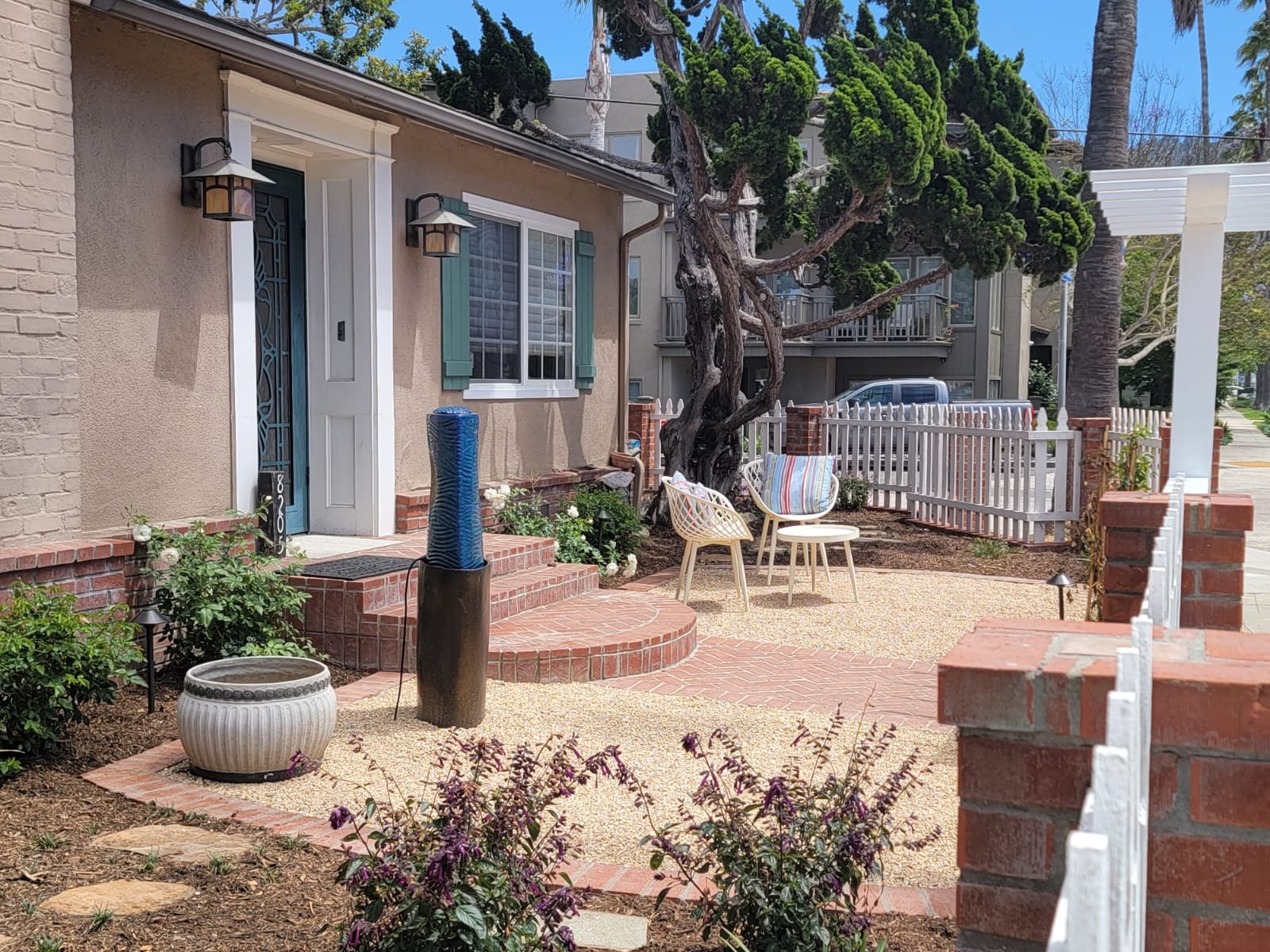
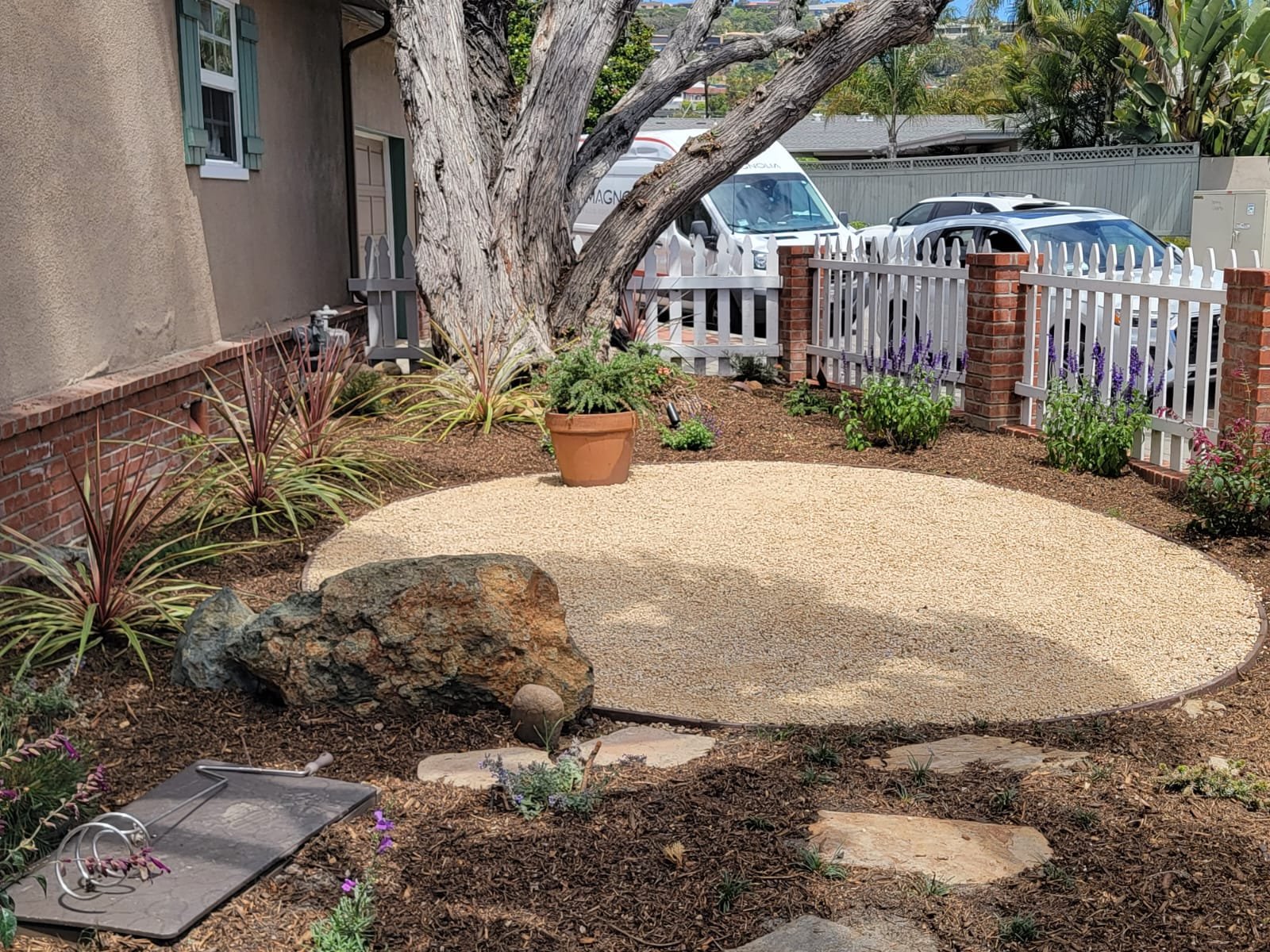
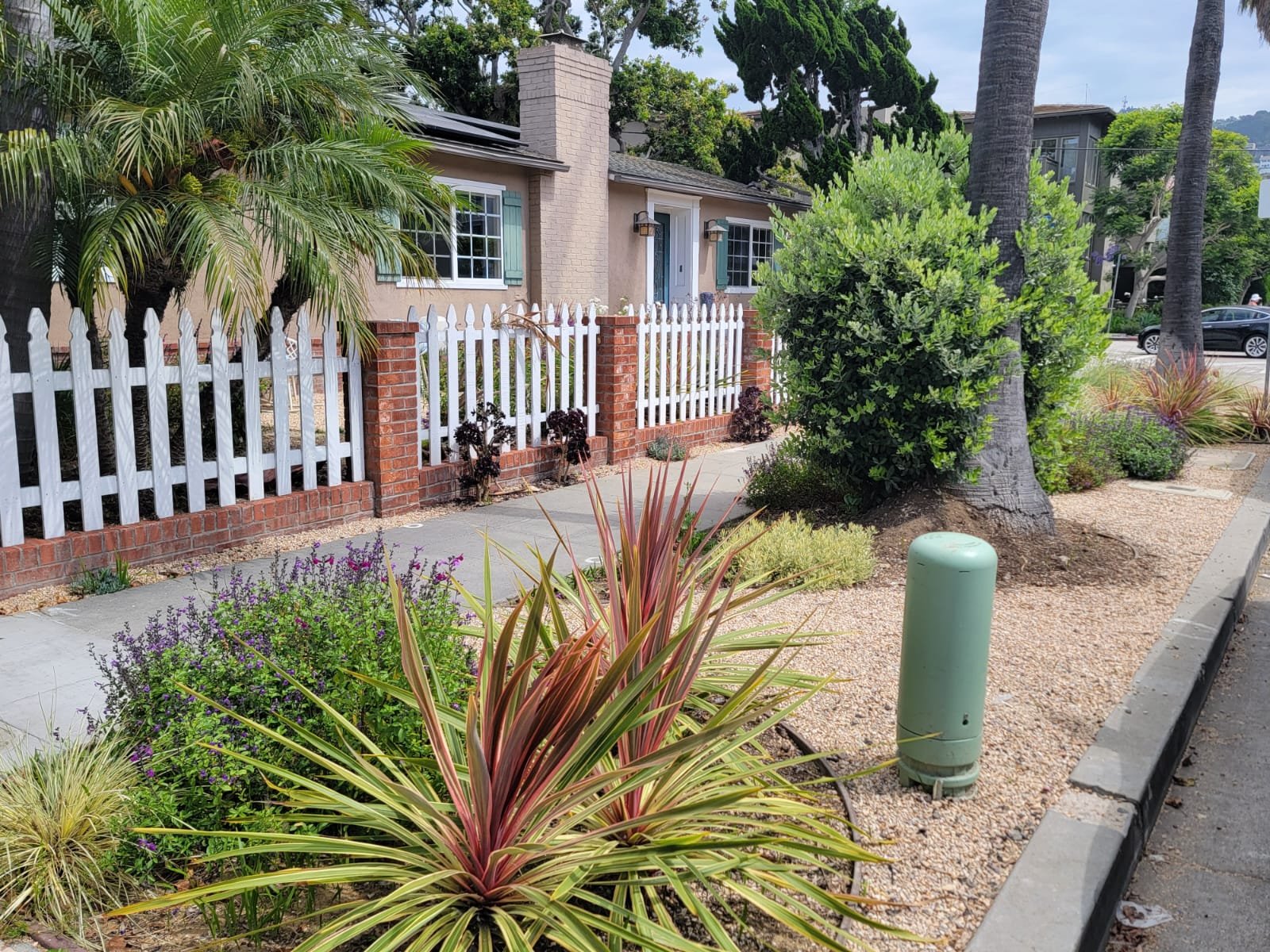
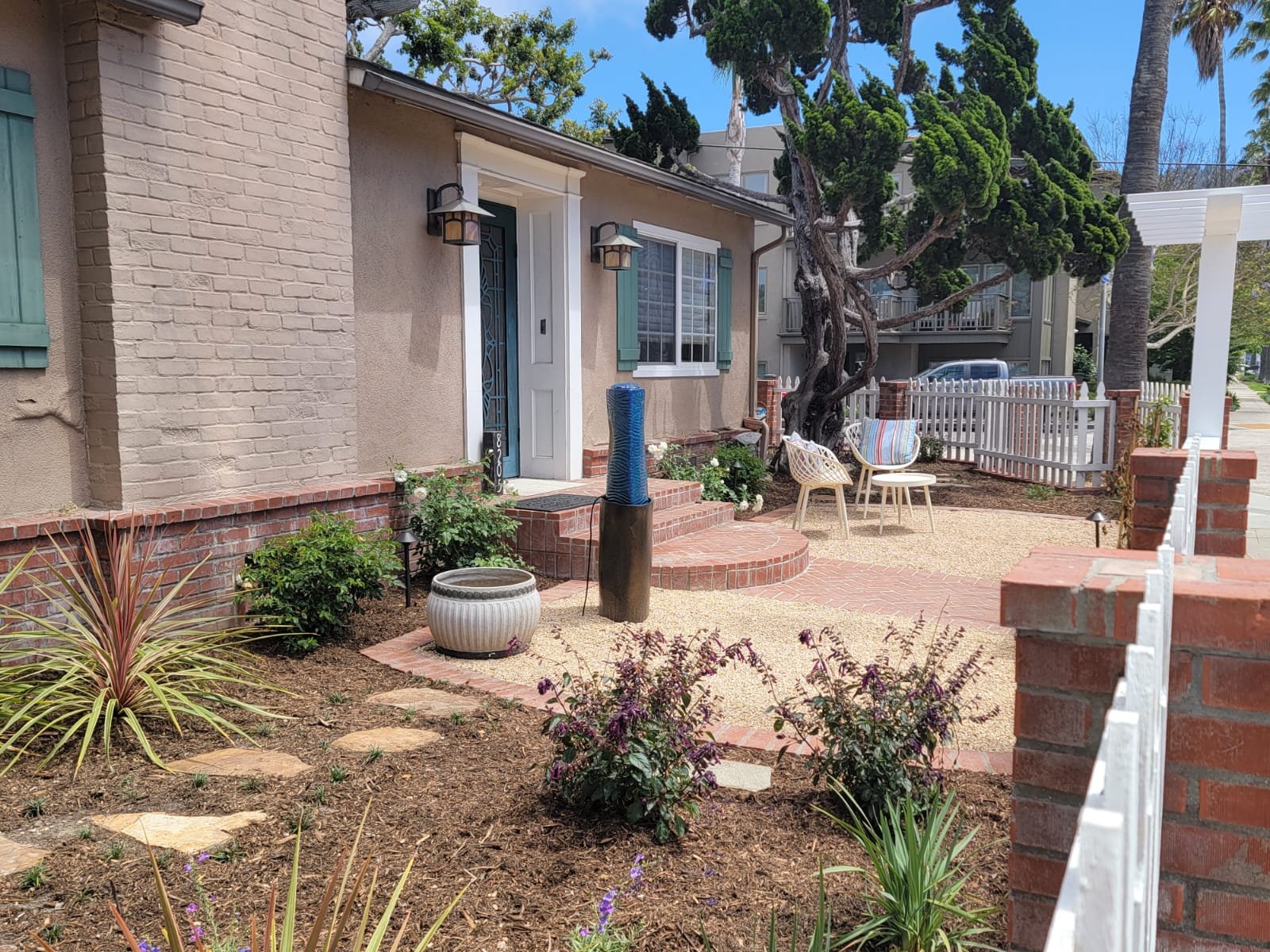
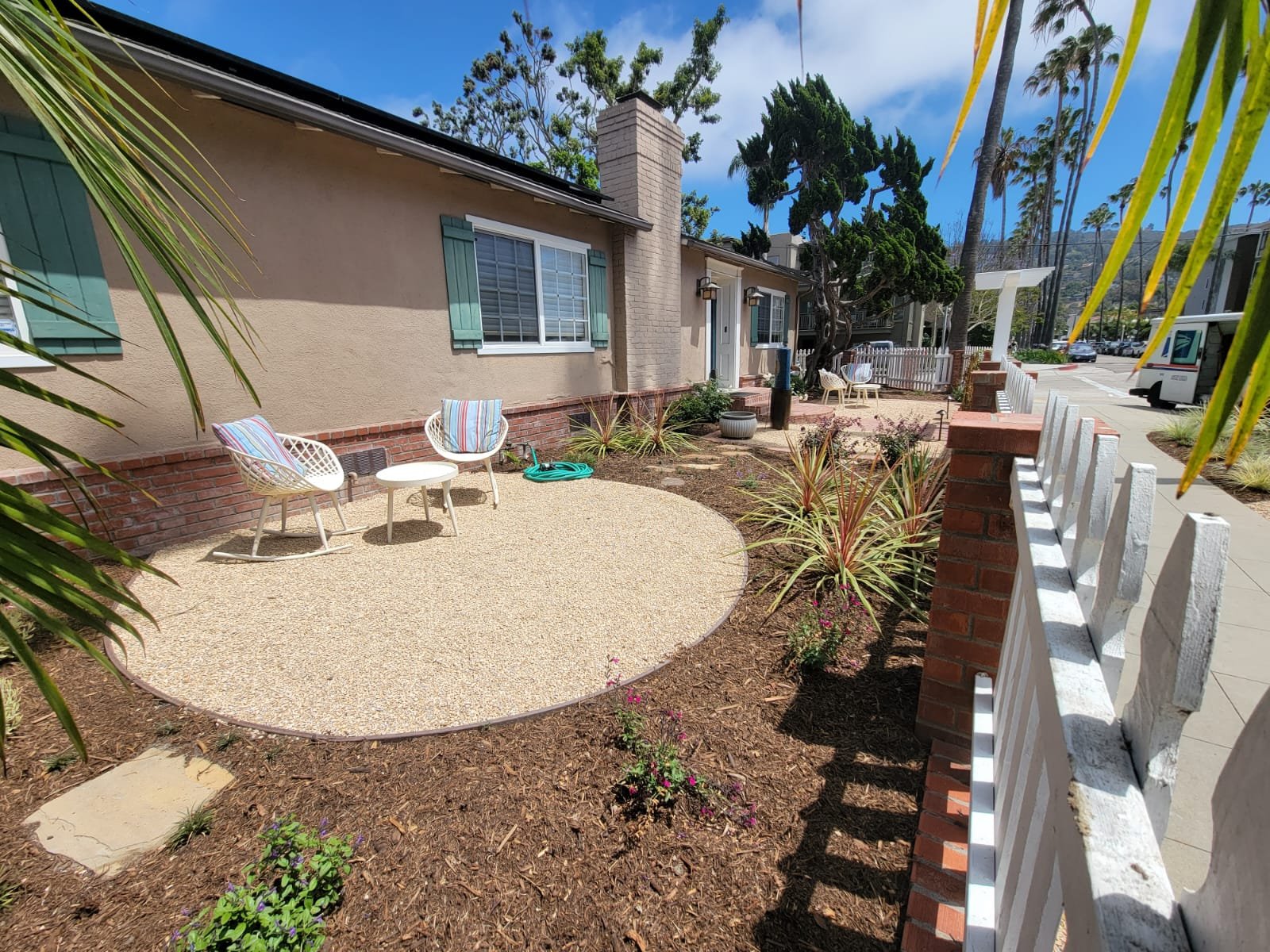
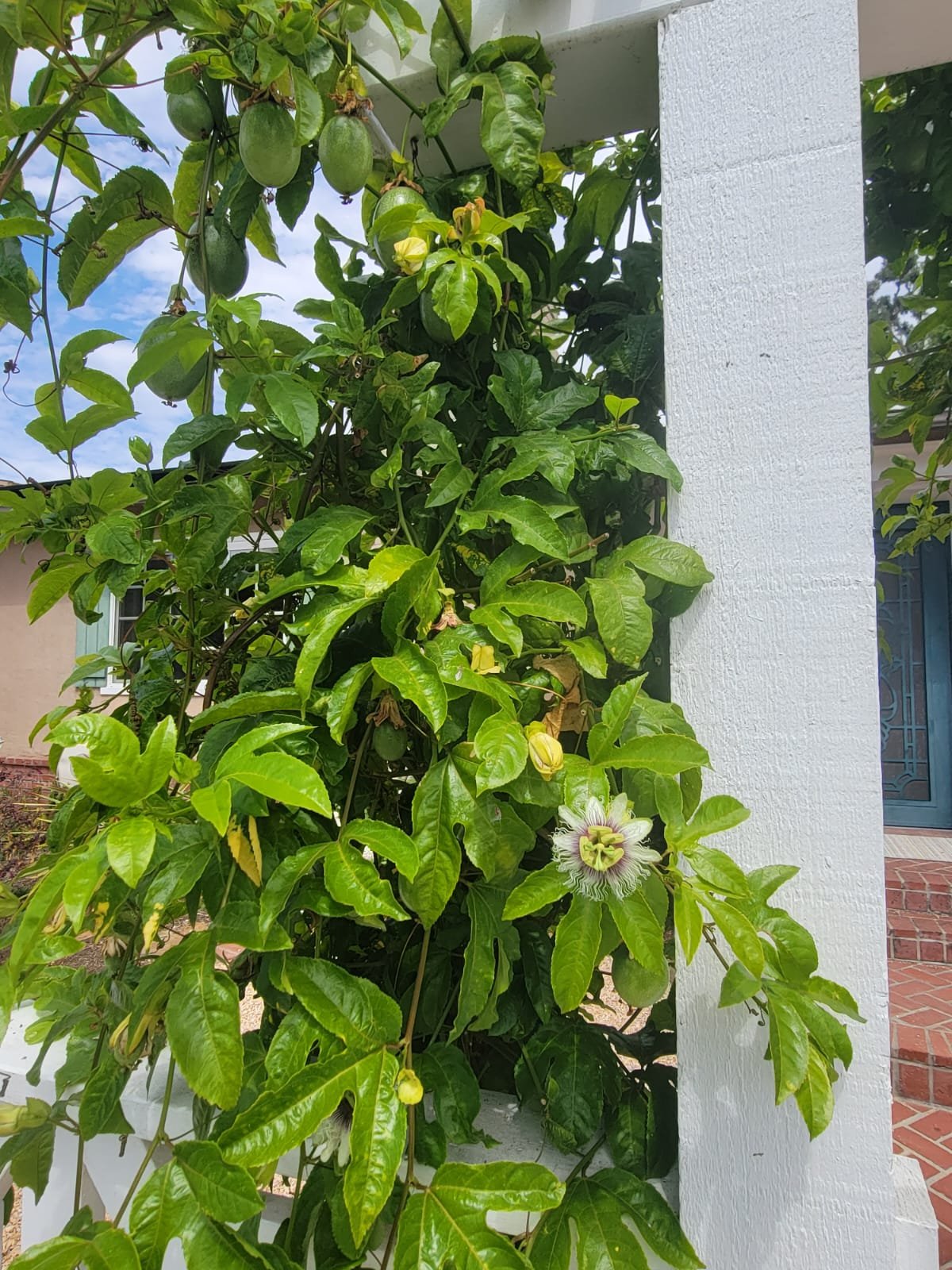
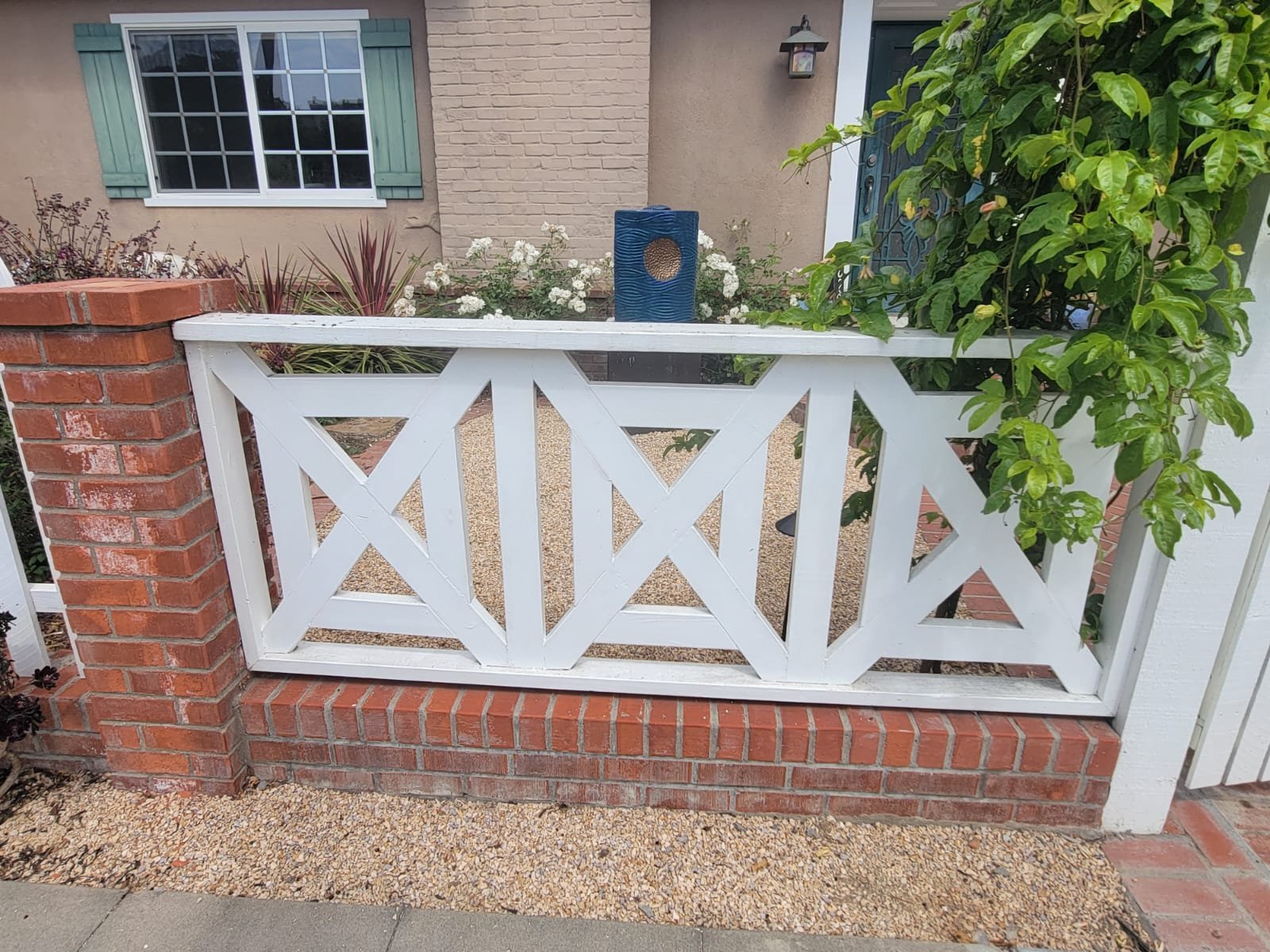
Nestled in the coastal community of La Jolla, this project reimagines a private garden into a cottage-style retreat where architecture, planting, and outdoor living come together as one. The design celebrates informal beauty, layered plantings, and timeless charm, offering both intimacy and openness in a space influenced by the California coast.
Design Philosophy - A Living, Evolving Garden
LASD Studio approached this project with the idea of designing a garden that feels alive, adaptive, and deeply personal. Inspired by the relaxed atmosphere of cottage gardens, the layout blends curved paths, seasonal blooms, and textured greenery, creating spaces that are never static but constantly shifting with time, light, and growth.
Key Design Elements
Front Garden Welcome - Framing the cottage with flowering perennials, vines, and textured groundcovers to create a warm, inviting entry.
Backyard Sanctuary - A layered planting palette of native and Mediterranean species provides habitat for pollinators and year-round interest.
Outdoor Living Corners - Cozy seating areas, small patios, and shaded trellises for relaxation and gatherings.
Pathways & Circulation - Meandering stone paths that guide visitors through the garden, emphasizing discovery and intimate views.
Planting Palette – Informal Elegance
The garden design incorporates California natives, drought-tolerant perennials, and cottage favorites like salvias, lavender, rosemary, and ornamental grasses. Flowering vines climb over trellises, while fragrant herbs add a sensory dimension. This planting strategy reduces water use while enhancing biodiversity.
A Garden for Daily Life
More than just a beautiful space, the La Jolla Cottage Garden is designed as a functional retreat for everyday living. Whether it’s morning coffee under a trellis, evening gatherings with friends, or quiet walks along planted borders, this garden reflects the lifestyle and spirit of its owners.
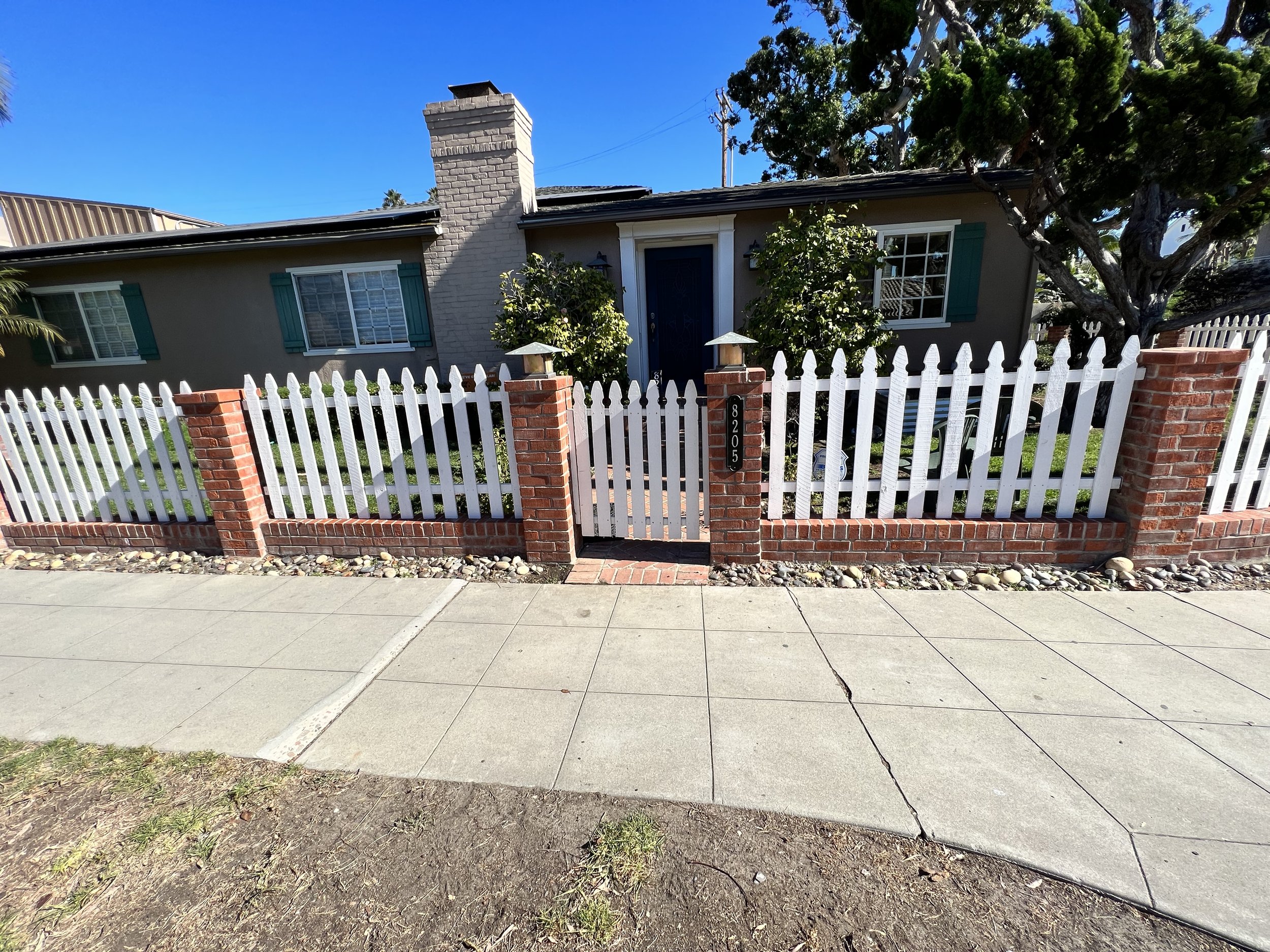
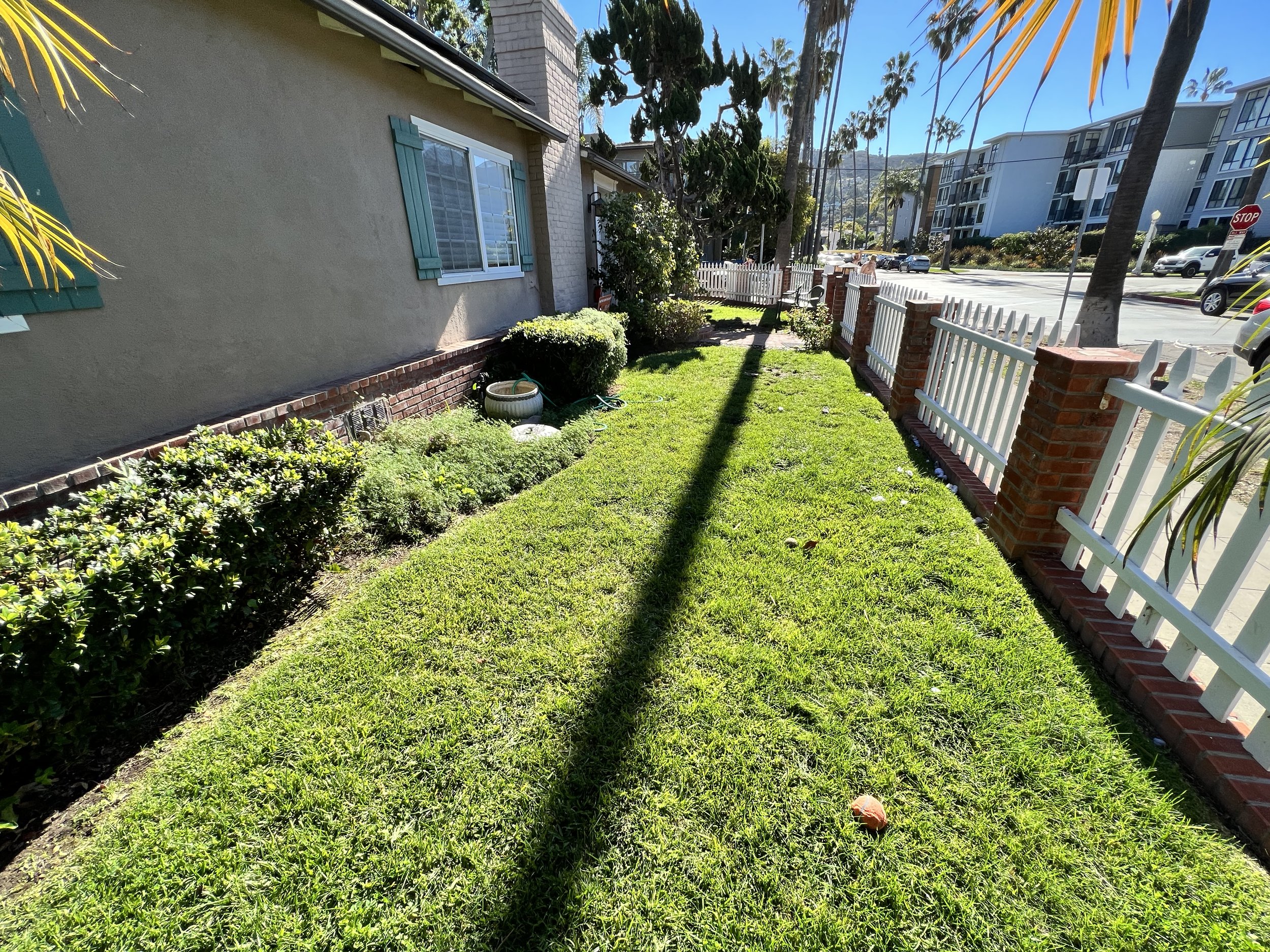
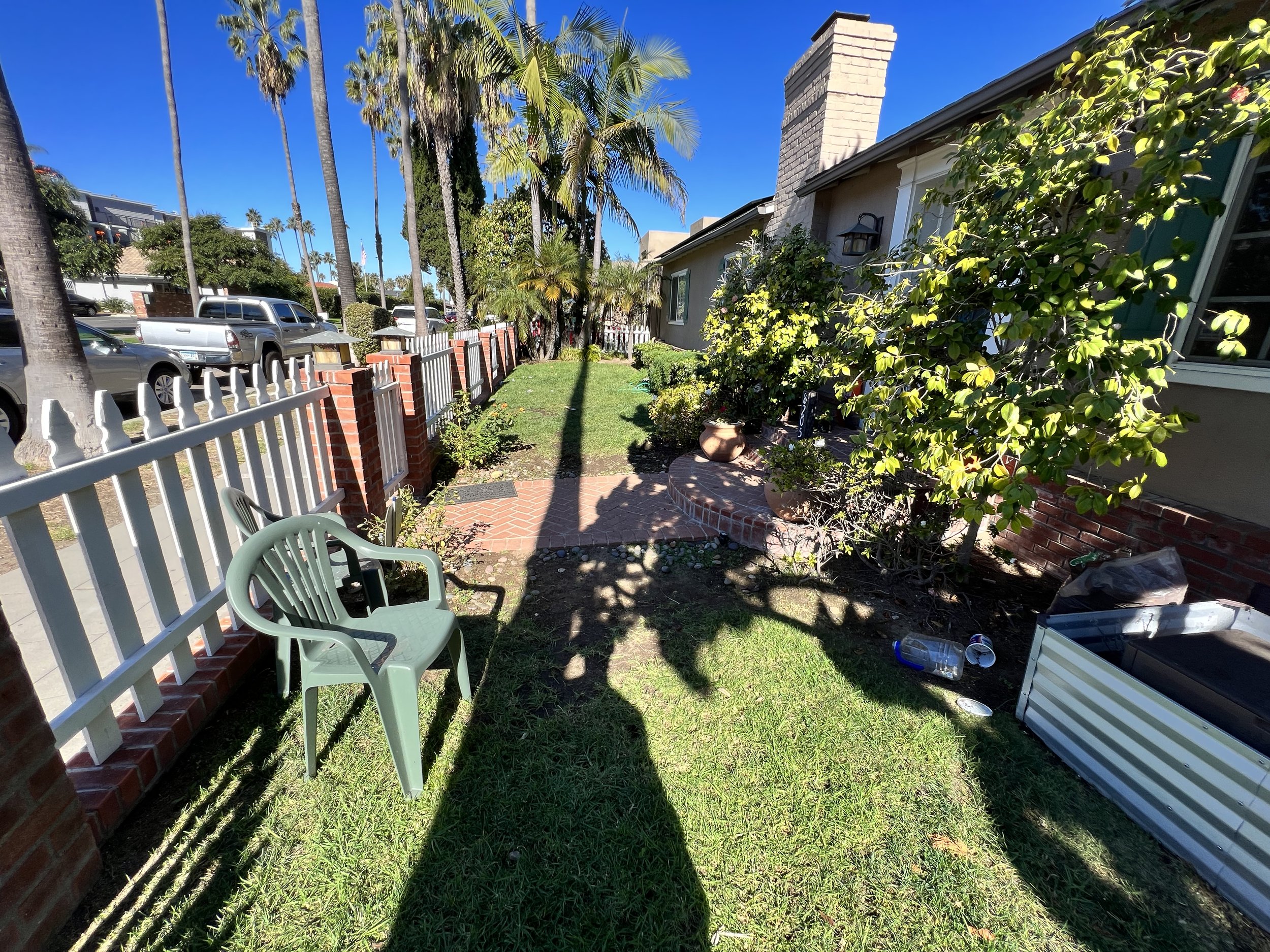
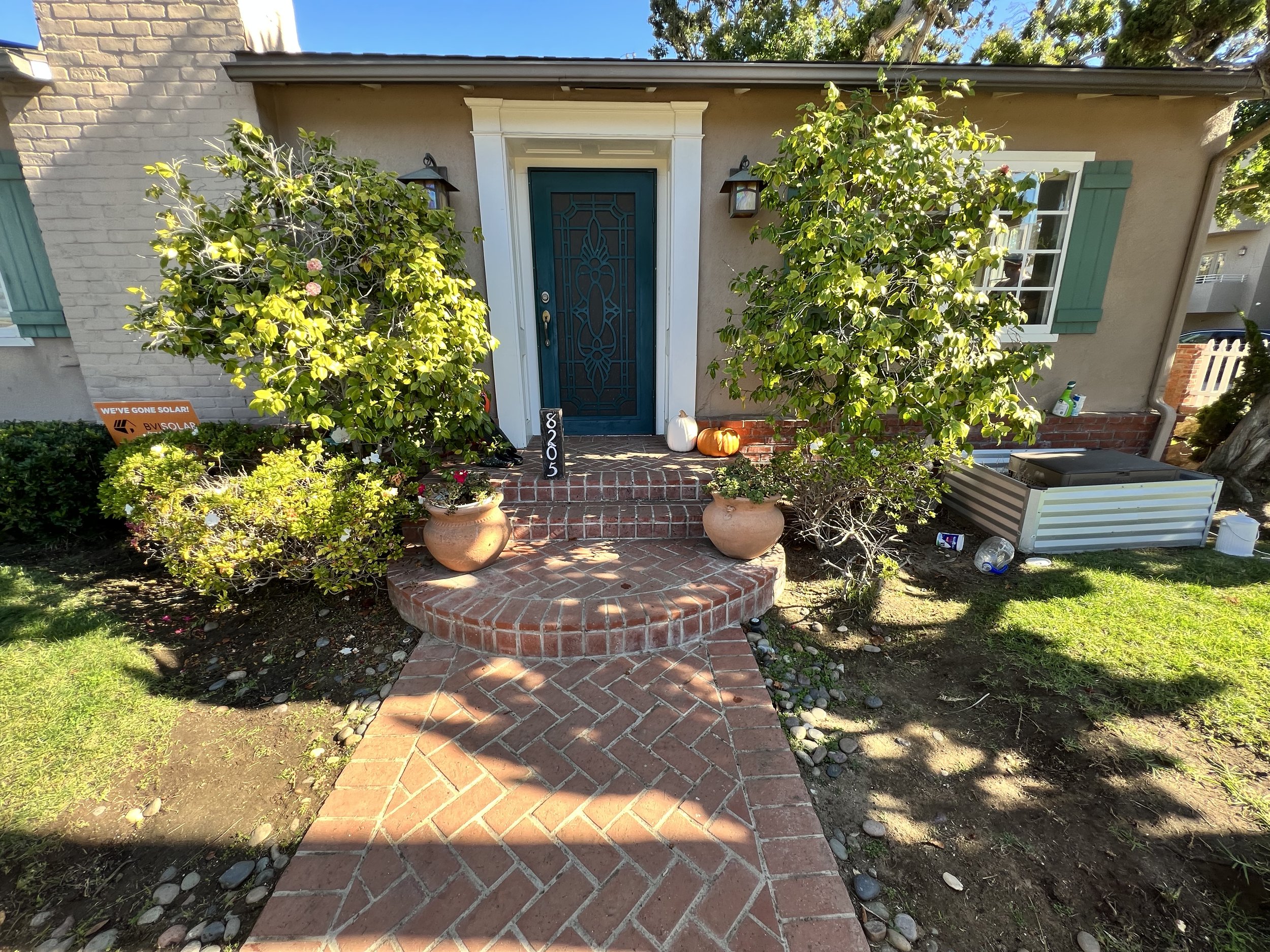
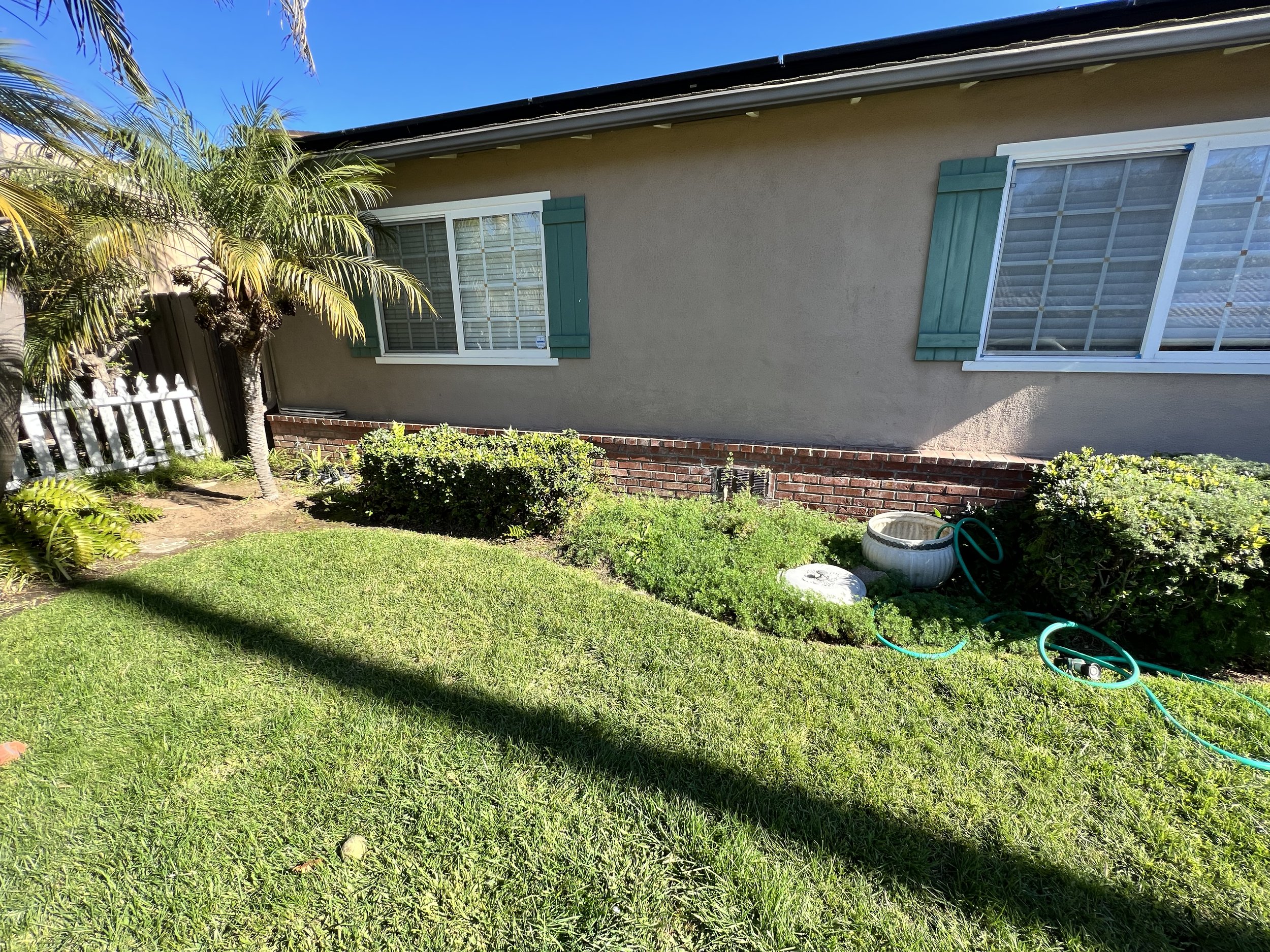
EXISTING CONDITION
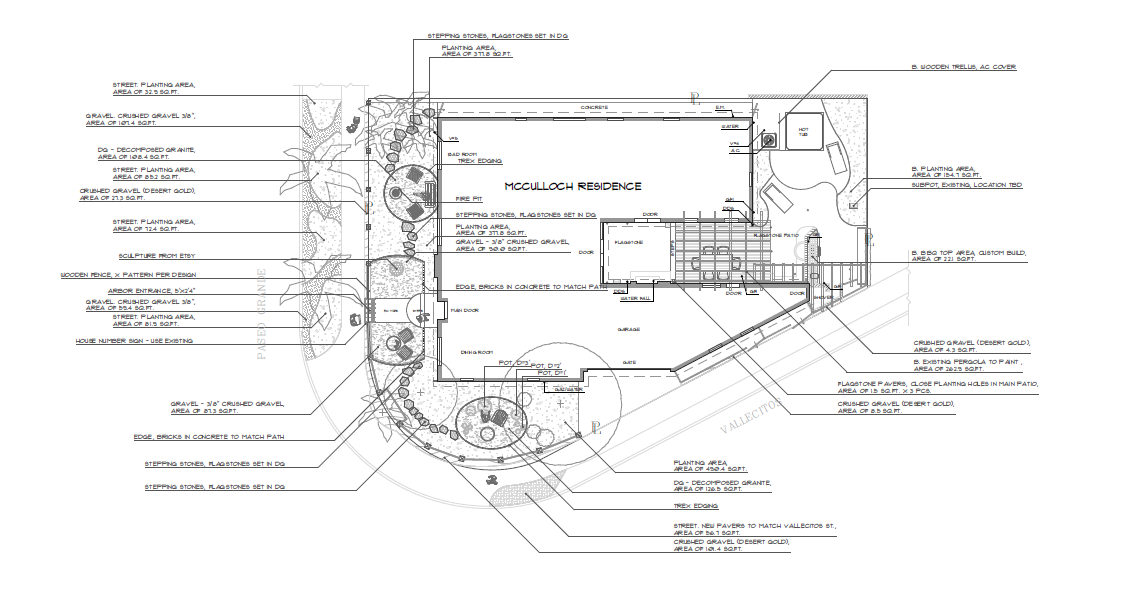
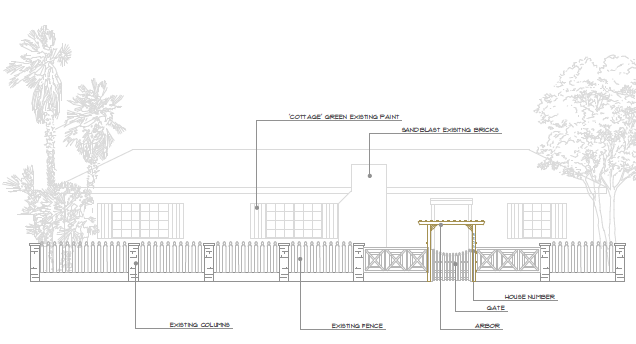
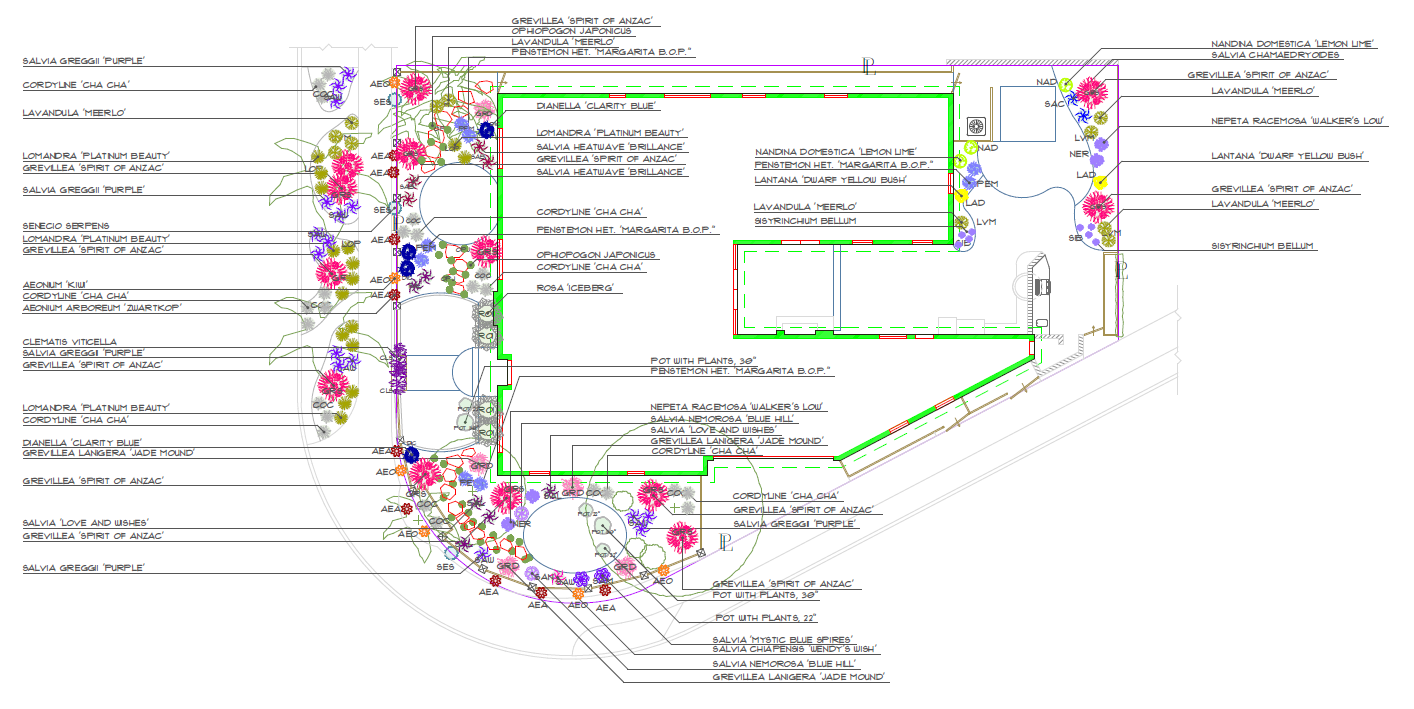
PROJECT DESIGN DRAWINGS
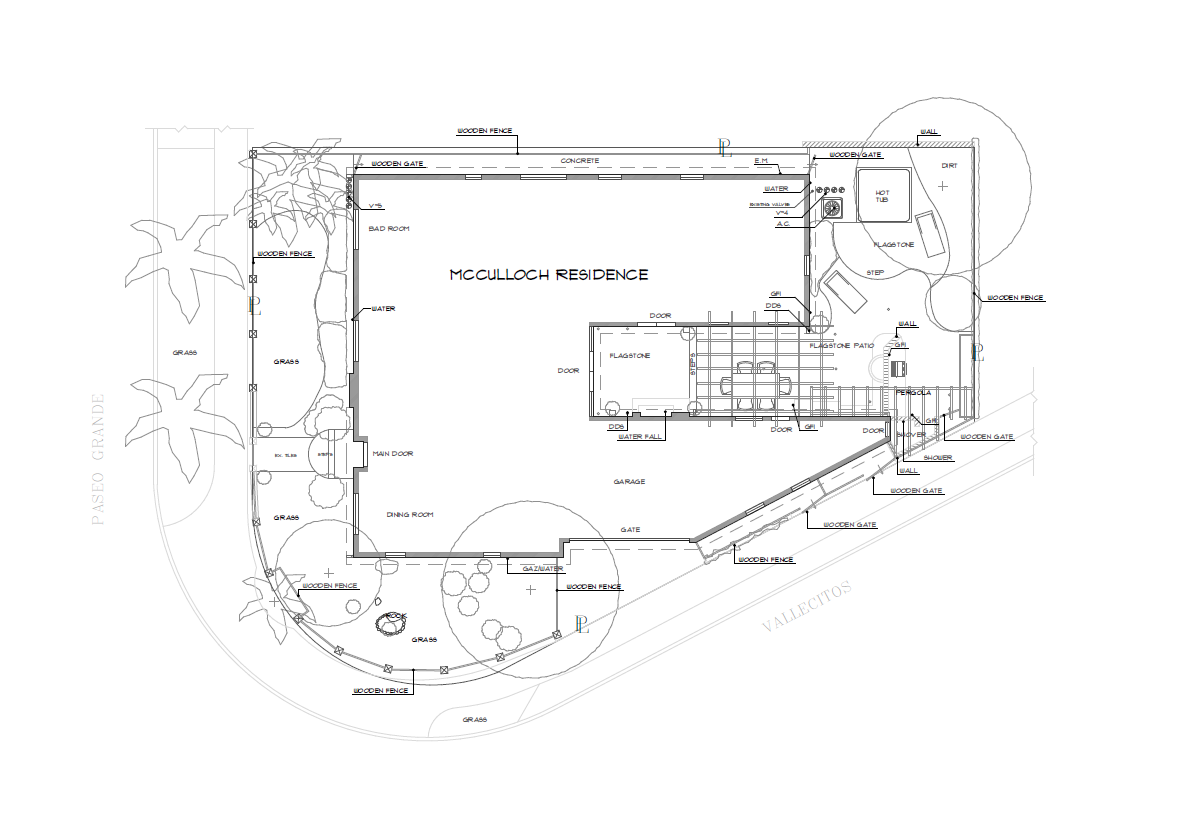
The La Jolla Cottage Garden is more than a design — it’s a living sanctuary. Every curve, trellis, and bloom was chosen to enrich daily life, blending coastal resilience with timeless charm. It is a garden that grows with its owners, evolving season by season, becoming not just a backdrop but a true extension of home and spirit.

Capistrano HOA Urban Scape - San Diego, California
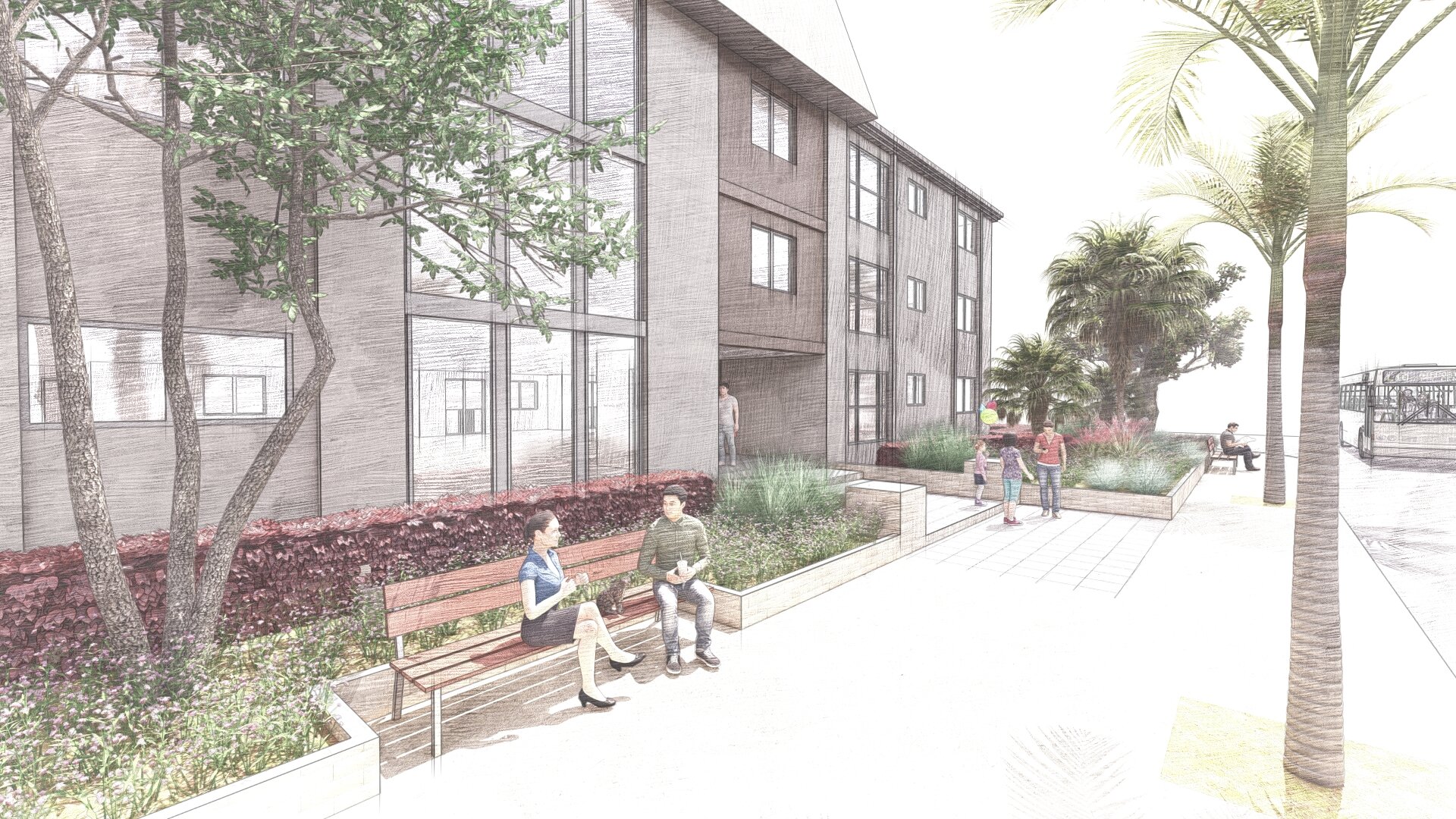
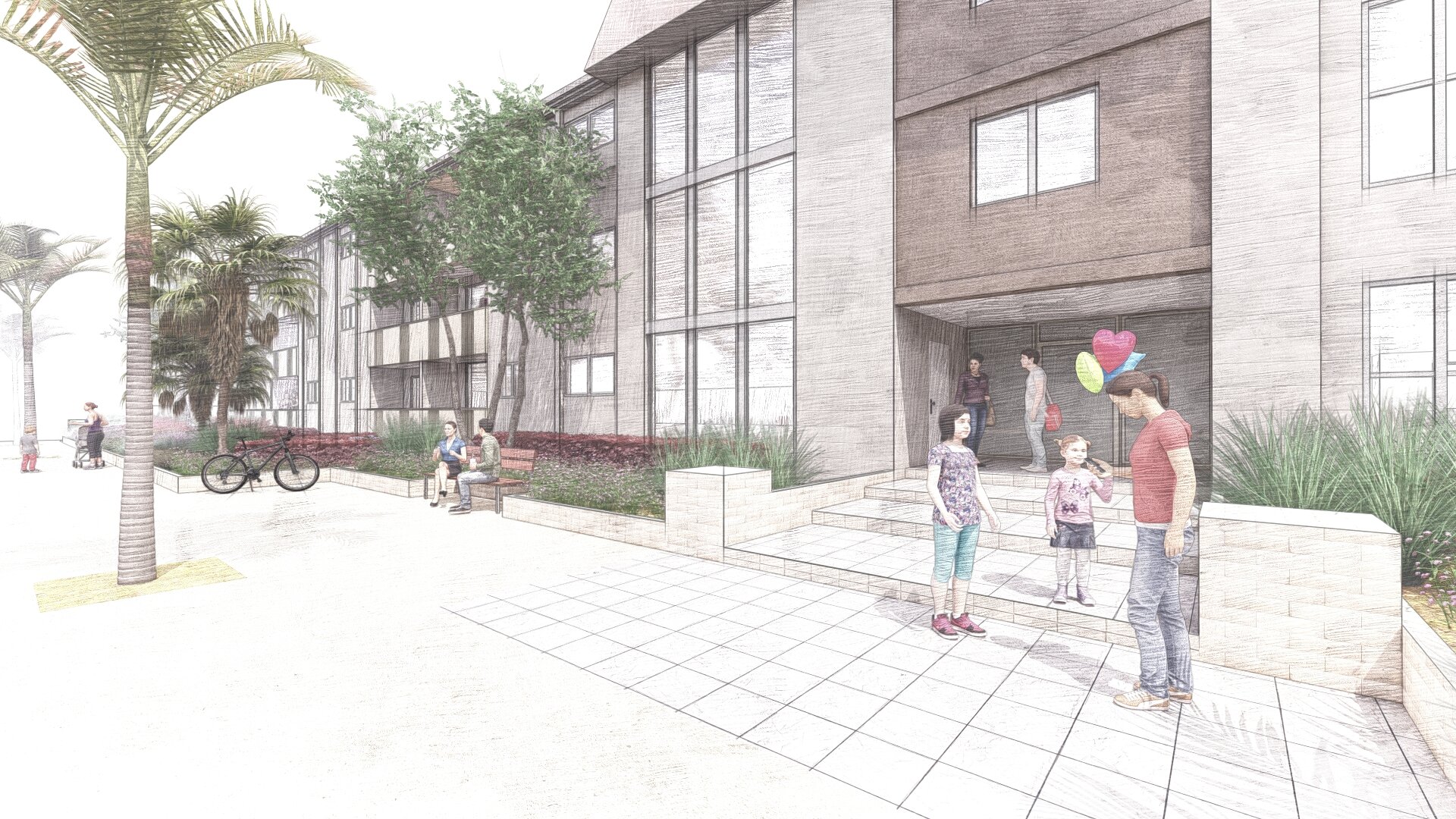
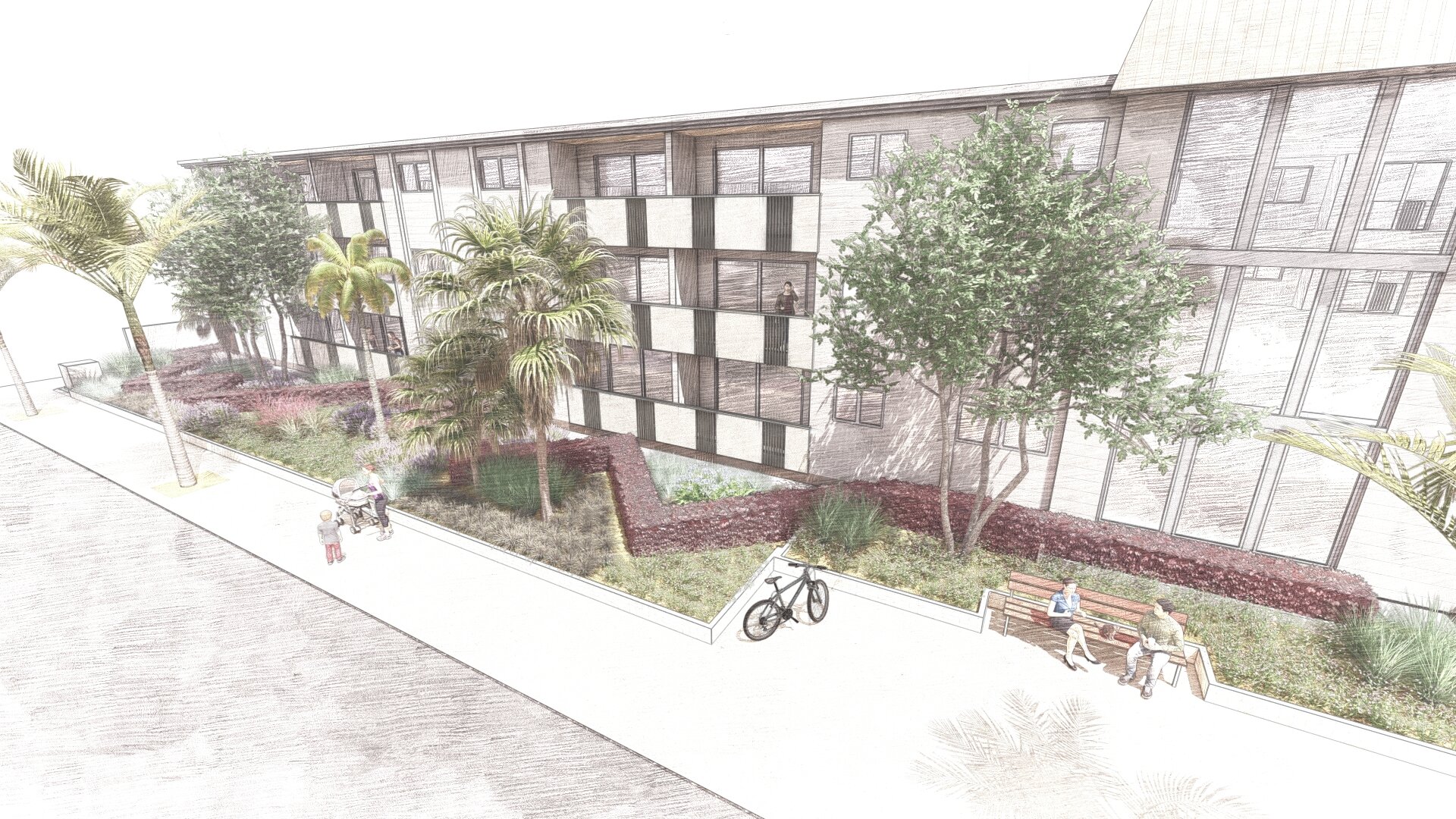
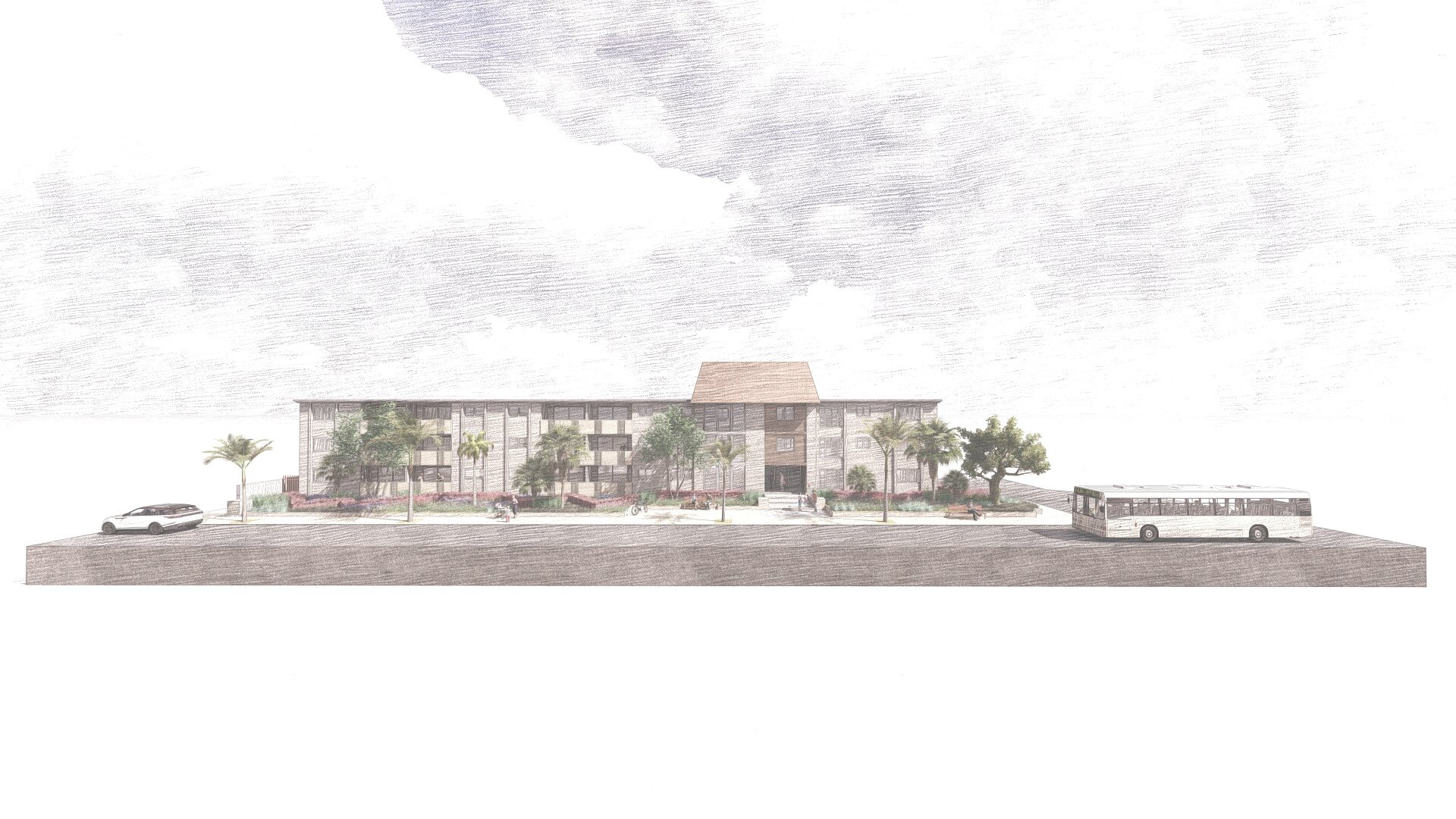
The Capistrano HOA Urban Scape in San Diego transforms streetscapes with bold planting and unified design. A purple Coprosma hedge frames diverse garden rooms, creating elegance, cohesion, and an enhanced neighborhood identity.
The Capistrano HOA Urban Scape is an example of how a single unifying design element can transform a community. By introducing Coprosma repens ‘Pacific Sunset’ hedges, LASD Studio created a bold yet elegant framework that ties the entire site together while leaving room for diversity and layered experiences.
Video presentation of LASD Studio’s Capistrano HOA Urban Scape in San Diego, featuring the bold use of Coprosma repens ‘Pacific Sunset’ hedges, redefined streetscapes, and ecological planting design that enhances community identity and urban biodiversity.
Design Philosophy
Urban landscapes are more than visual settings - they are shared ecosystems. Our approach focused on enhancing daily life for residents while addressing larger ecological needs. The hedge becomes both a design spine and ecological corridor, creating pockets of space where planting diversity can thrive.
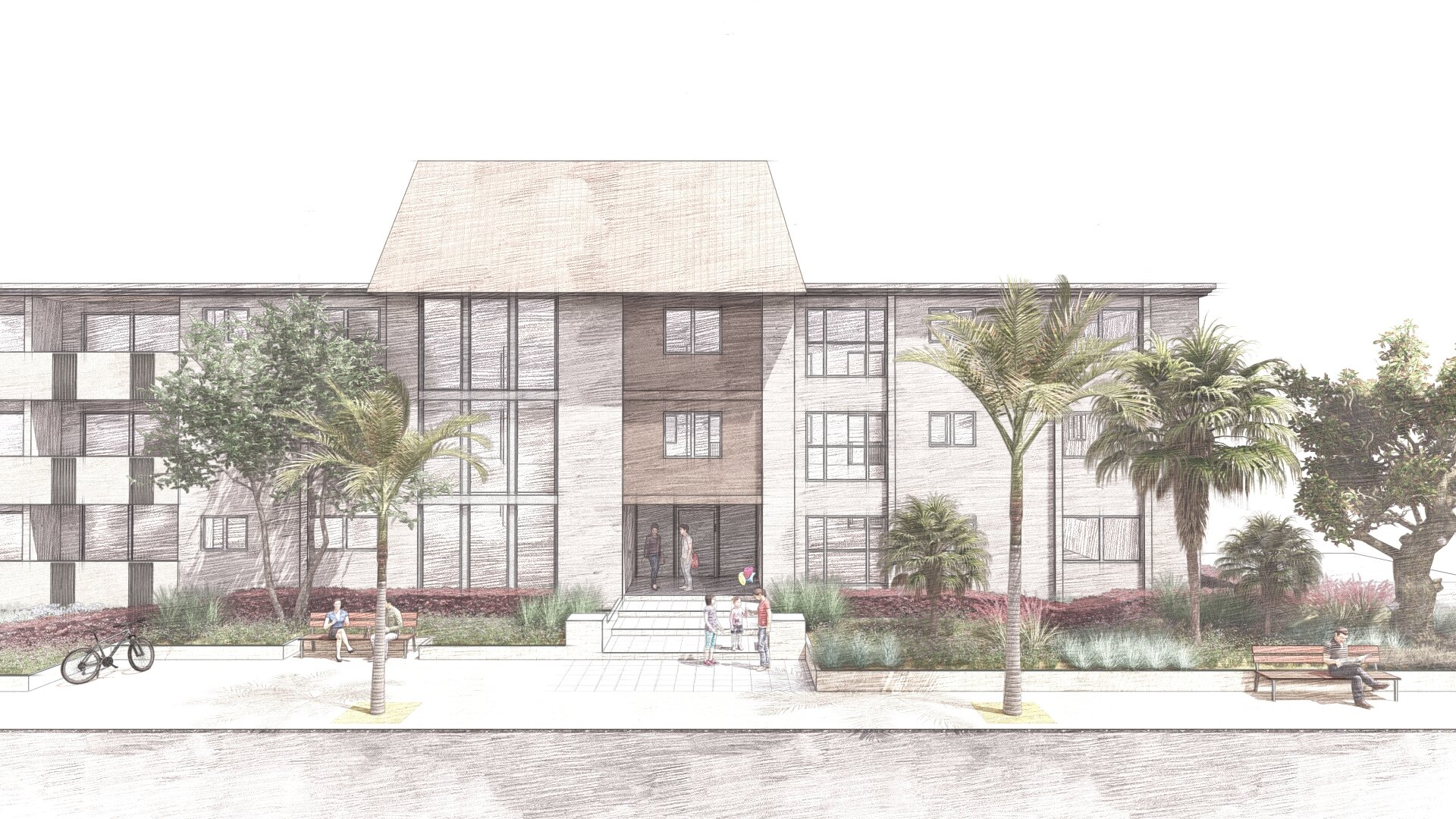
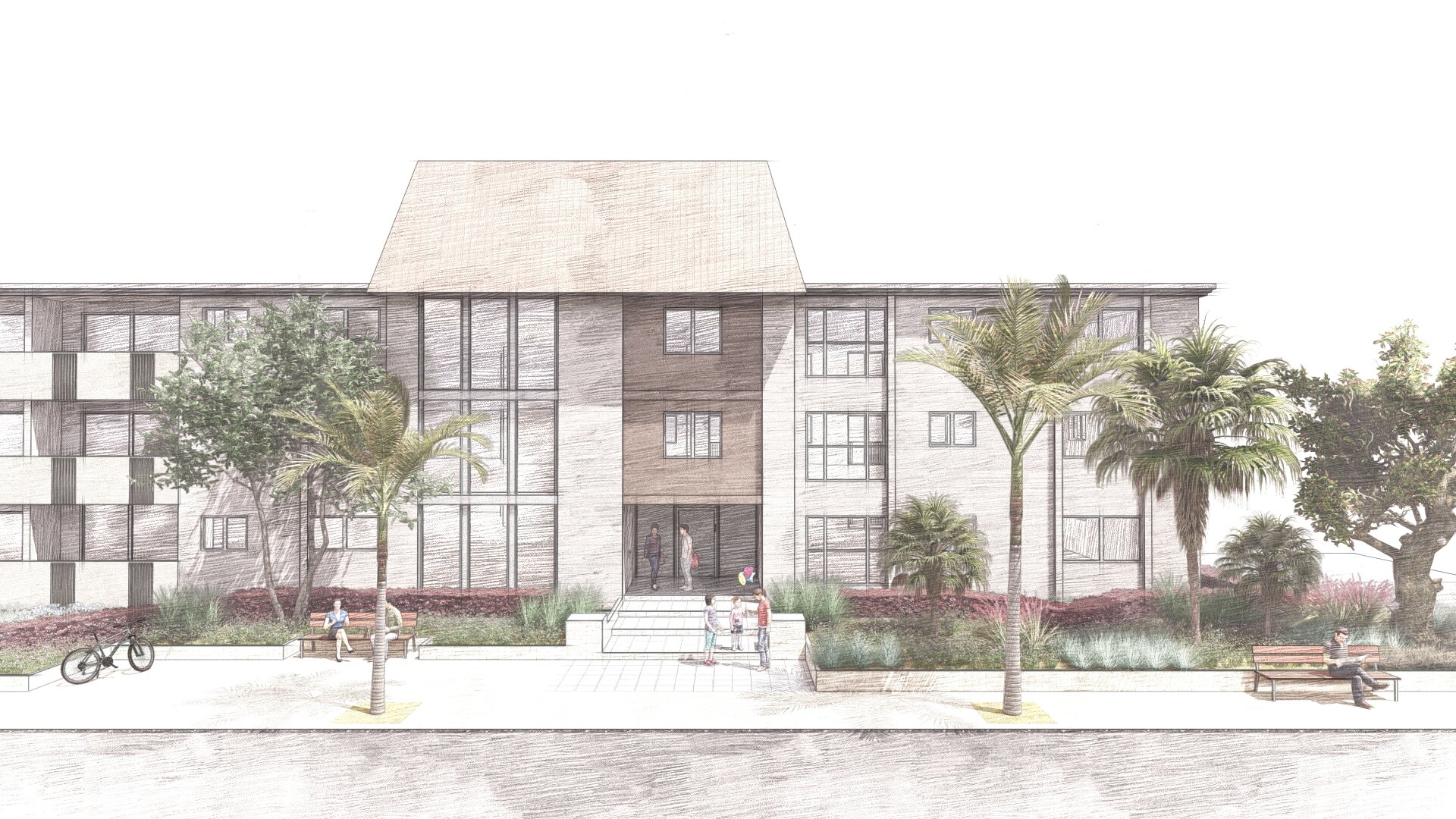
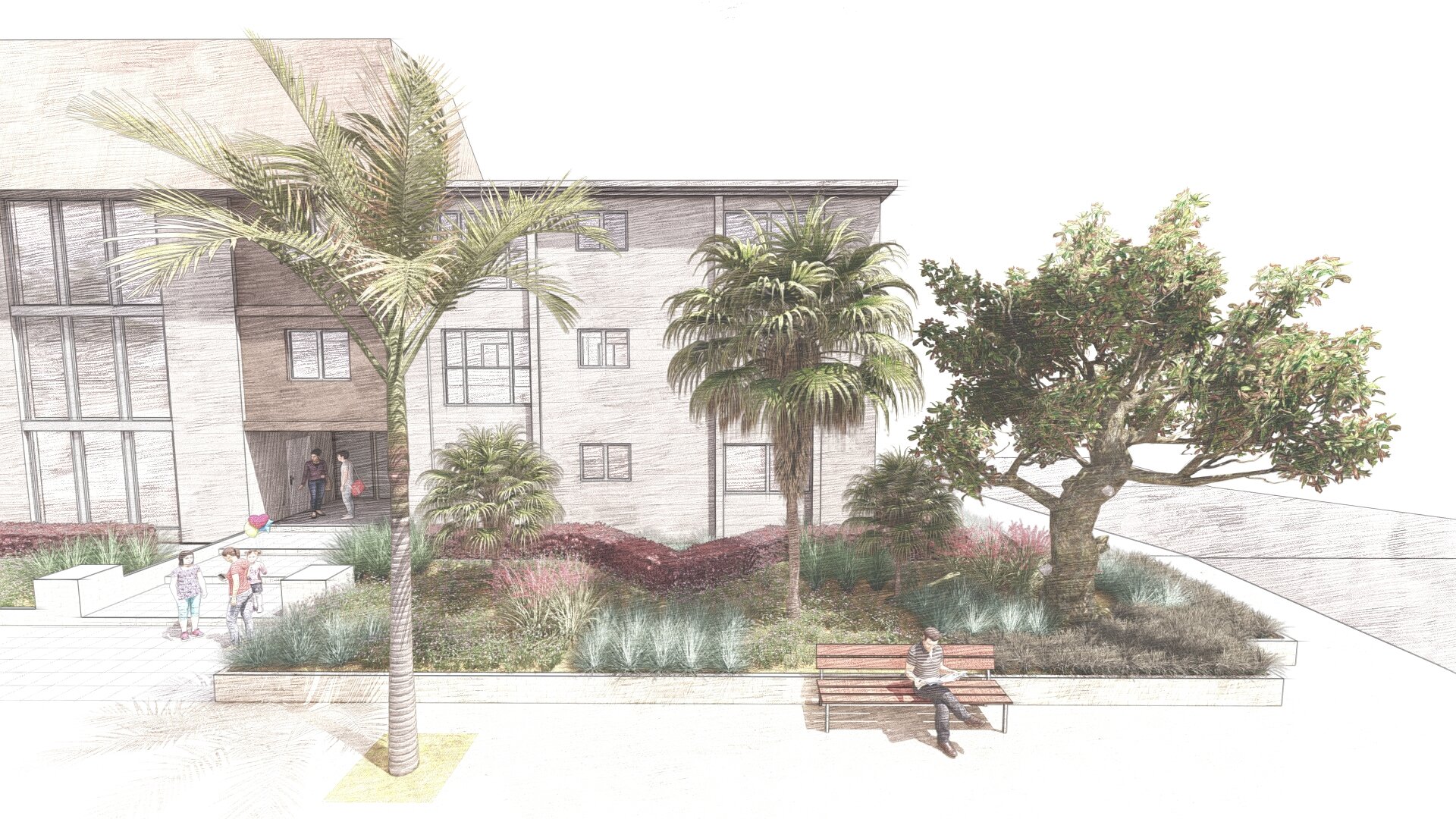
Perspective view of the Capistrano HOA urban scape project featuring California native planting, shaded benches, and sustainable pathways integrated into the residential building frontage.
Key Features of the Design:
Unifying Hedge Design
A continuous purple hedge acts as the backbone, framing the community and creating a recognizable identity.
Diverse Planting Pockets
Spaces within the framework allow for seasonal variation, native planting, and microhabitats that attract pollinators and wildlife.
Streetscape Redefined
Pathways, edges, and circulation are softened, reducing heat island effect and enhancing comfort for residents.
Community Identity
The project creates a shared aesthetic that strengthens pride and connection among residents.
Ecological Impact
Beyond aesthetics, the design supports urban biodiversity, soil restoration, and water efficiency. By reducing hardscape and increasing green mass, the project contributes to cleaner air, cooler streets, and healthier ecosystems in San Diego’s urban fabric.
PROJECT DRAWINGS & DOCUMENTATION

Concept plan for the Capistrano HOA landscape renovation in San Diego showing coherent design elements, waiting areas, service paths, and sustainable plantings for community use.

Detailed planting and hardscape plan for the Capistrano HOA urban scape project with decomposed granite paths, retaining walls, hedge planting areas, and drought-tolerant design.
HOA Landscape Renovation for Vibrant Community - San Diego, California.
Client Reflection
“We never really thought of red hedge. Such a simple and strong element creates a huge difference for the appearance and aesthetic of the building. Thank you for your effort in this design.”
- Capistrano board HOA

The Sanctuary Garden Design of Tranquility, Solana Beach
A Sanctuary Garden in San Diego designed for a family home. Terraced orchards, vegetable beds, water features, and lounge areas create a landscape that nurtures biodiversity, celebrates daily life, and connects generations through nature.
“A space where family life, biodiversity, and artful garden design come together in harmony.”

LASD Studio designed this San Diego sanctuary garden as a living tribute to family, memory, and the enduring relationship between people and nature. The project is divided into three main zones — each crafted with intention, functionality, and ecological richness.
Video presentation of the Sanctuary Garden in San Diego designed by LASD Studio. The project showcases terraced fruit gardens, outdoor living spaces with pergola dining and lawn, and a backyard slope with a cascading waterfall that enhances biodiversity and attracts wildlife. A sustainable family garden where nature and people thrive together.
Front Yard Terraced Fruit Garden
The front yard has been transformed into a terraced orchard, designed for both beauty and practicality. Fruit trees cascade across gentle levels, allowing for easy harvest while celebrating the seasonal rhythm of nature. This edible landscape provides nourishment and a connection to the land — a reminder that gardens are not only to be seen, but lived with and cared for.
Living Space at the Heart of the Garden
At the core of the design lies the social heart of the garden — a generous lawn area paired with a lounge zone beside the BBQ island, and an outdoor dining terrace sheltered by a pergola. A morning terrace captures the first light of the day, while raised vegetable beds allow for homegrown harvests. This zone balances everyday living with the joy of outdoor gatherings, creating a place where family life unfolds in harmony with nature.
Backyard Slope & Waterfall Sanctuary
The backyard slope is a lush sanctuary anchored by a cascading waterfall. More than a visual centerpiece, the water feature serves as an ecological engine, attracting hummingbirds, butterflies, and pollinators. Layers of native and adapted planting restore biodiversity and give life to the slope, turning a challenging area into a thriving ecosystem.

Rendered view of a lush backyard slope with cascading waterfall, native plantings, and a pergola dining area, designed to attract hummingbirds, butterflies, and enhance biodiversity.
Our Philosophy
Water, planting, and thoughtful design weave together a coherent system where humans and nature coexist. This garden embodies LASD Studio’s mission: to create sustainable sanctuaries that nourish people while restoring ecological balance.
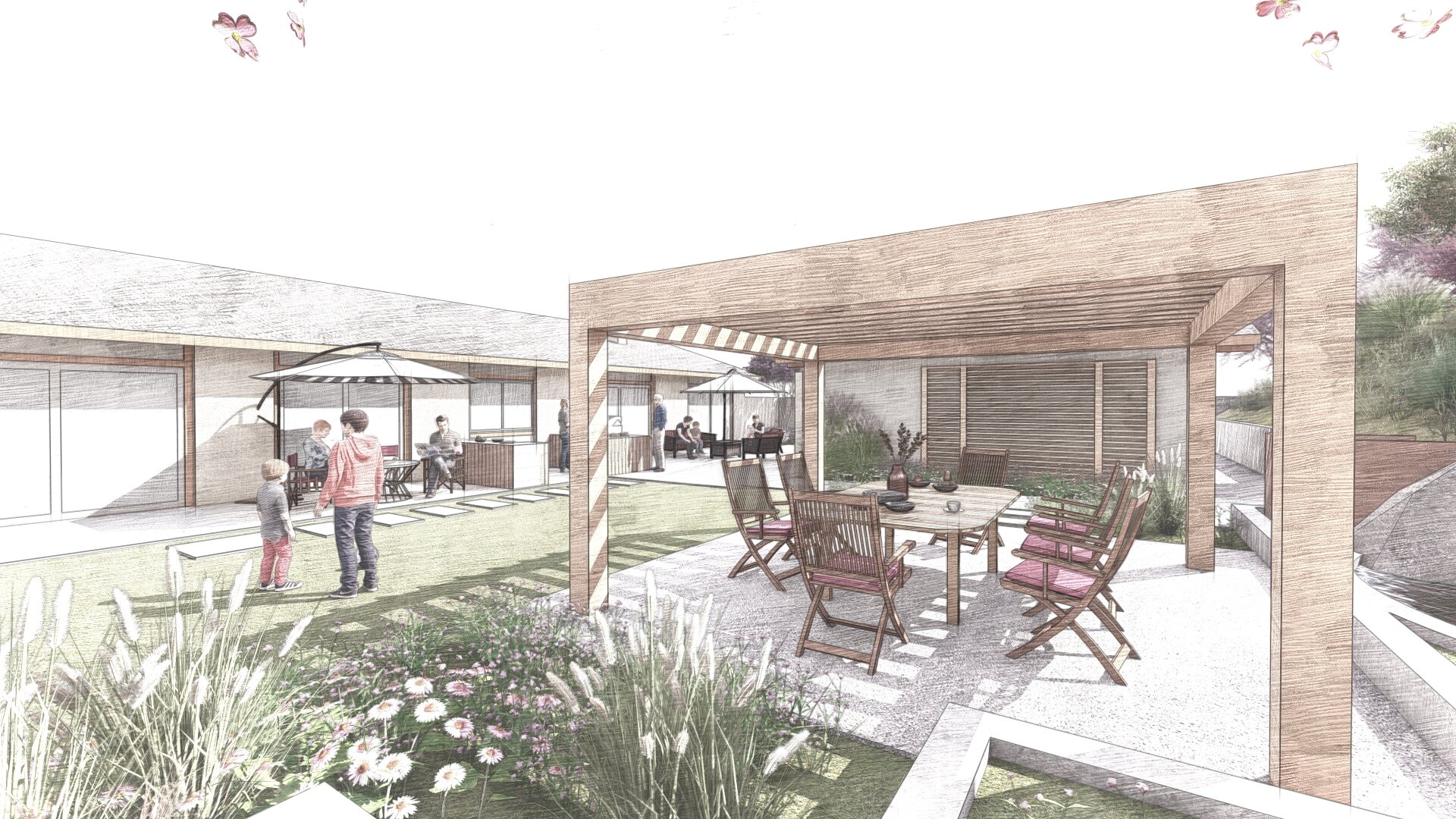
Rendering of a shaded pergola dining area framed by wildflowers and ornamental grasses, connecting indoor living to a sustainable outdoor sanctuary.

Rendering of a backyard BBQ island with seating and lounge spaces, blending family living with sustainable planting and contemporary hardscape design.

Black and white site plan of the Sanctuary Garden showing three main zones: terraced fruit garden, central lawn with pergola and BBQ island, and a sloped backyard with a waterfall for biodiversity and water management.

Detailed garden layout drawing showing pergola, BBQ zone, waterfall, terraced planting beds, and slope restoration for sustainable living and biodiversity support.
Join us in shaping landscapes where nature and humanity grow together - sustainable now, and for generations to come.

A Coastal Landscape Architectural Design in Del Mar, California
“Heaven” is a sanctuary garden in Del Mar, San Diego, inspired by Claude Lorrain’s pastoral visions. With contemporary structures, lush planting, and timeless philosophy, the design creates unity between people and nature.
The Heaven: Blending Sustainable Design, Native Planting, and Coastal Living

The Heaven Del Mar Sanctuary Garden transforms a coastal property into a living sanctuary where architecture, ecology, and lifestyle seamlessly connect. Designed by LASD Studio, this project balances California coastal resilience with a refined garden aesthetic, creating spaces for relaxation, biodiversity, and sustainable living.
A cinematic video tour of the Heaven Del Mar Sanctuary Garden in California, showcasing outdoor living areas, pergolas, water features, and coastal native planting that supports biodiversity and sustainable living.
Project Description
Nestled in the coastal town of Del Mar, this sanctuary garden is designed to embrace both the natural rhythms of the ocean and the refined character of a private residence. The design integrates multiple functional and ecological layers, making the garden both timeless and forward-looking.
The project is divided into interconnected zones:
Entry Garden
A welcoming approach framed by native and drought-tolerant planting, setting a serene tone.
Living Spaces
Outdoor dining under pergolas, a BBQ island, and family lounge areas that extend the indoor lifestyle into the garden.
Water and Biodiversity
Reflecting pools and planted slopes that attract pollinators, birds, and butterflies while managing stormwater.
Coastal Plant Palette
Native California and Mediterranean plants selected for resilience, seasonal color, and ecological function.
PROJECT DESIGN DOCUMENTATION

The plan integrates Mediterranean and California-native species, including olive trees, manzanita, and Ginkgo, designed for resilience, biodiversity, and timeless beauty.
3D Landscape Design Perspectives - Del Mar, San Diego, California.
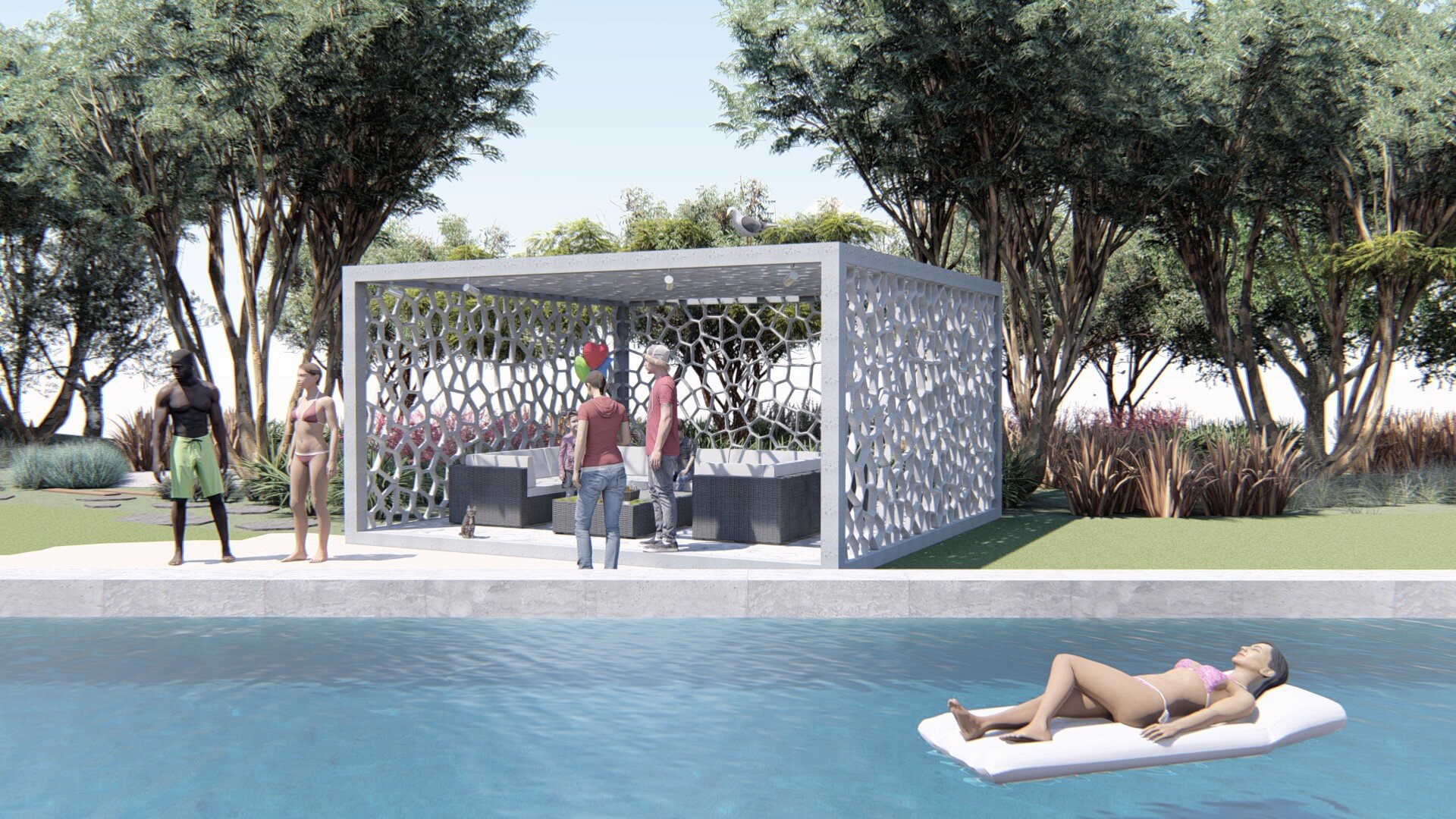
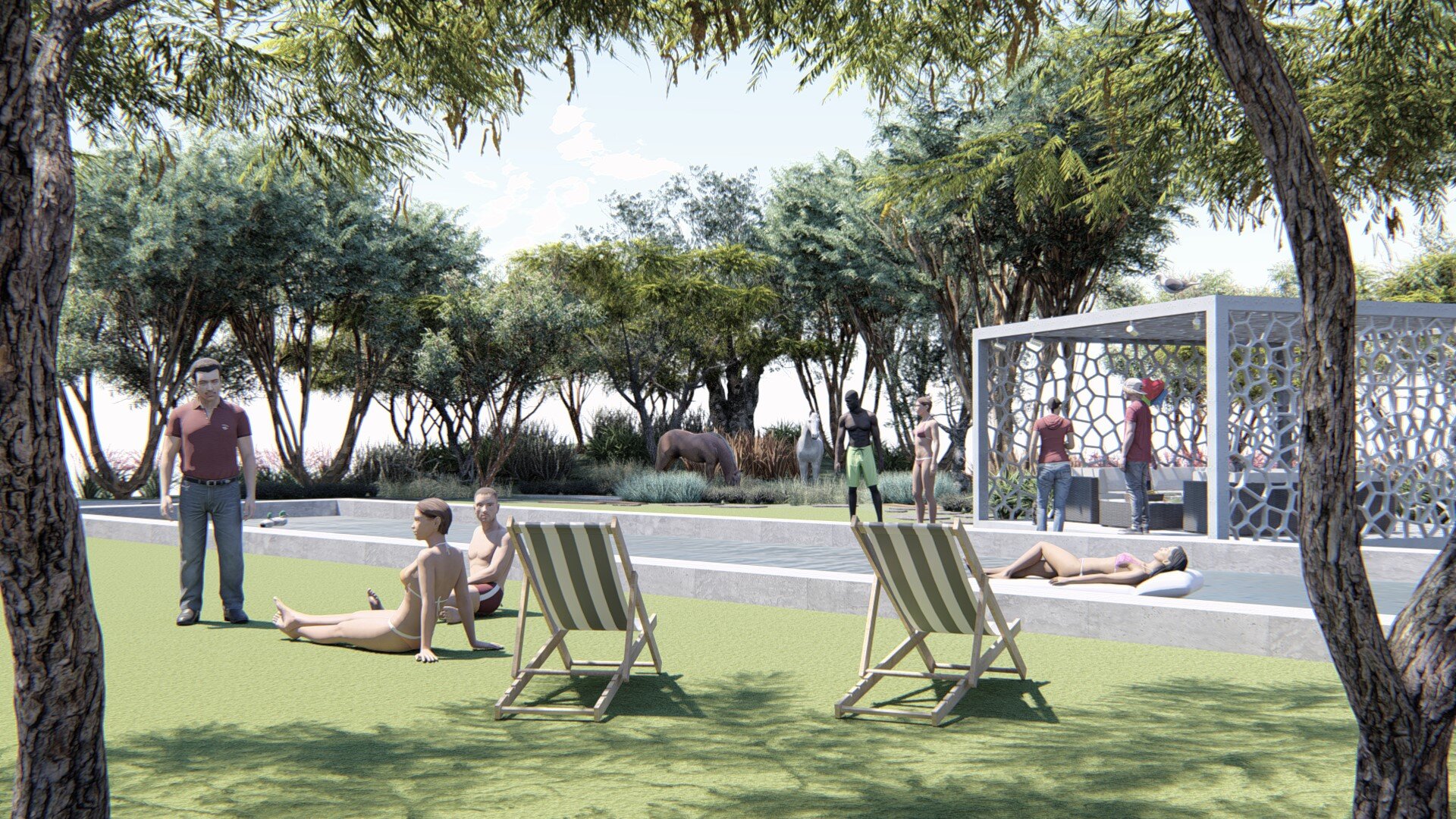
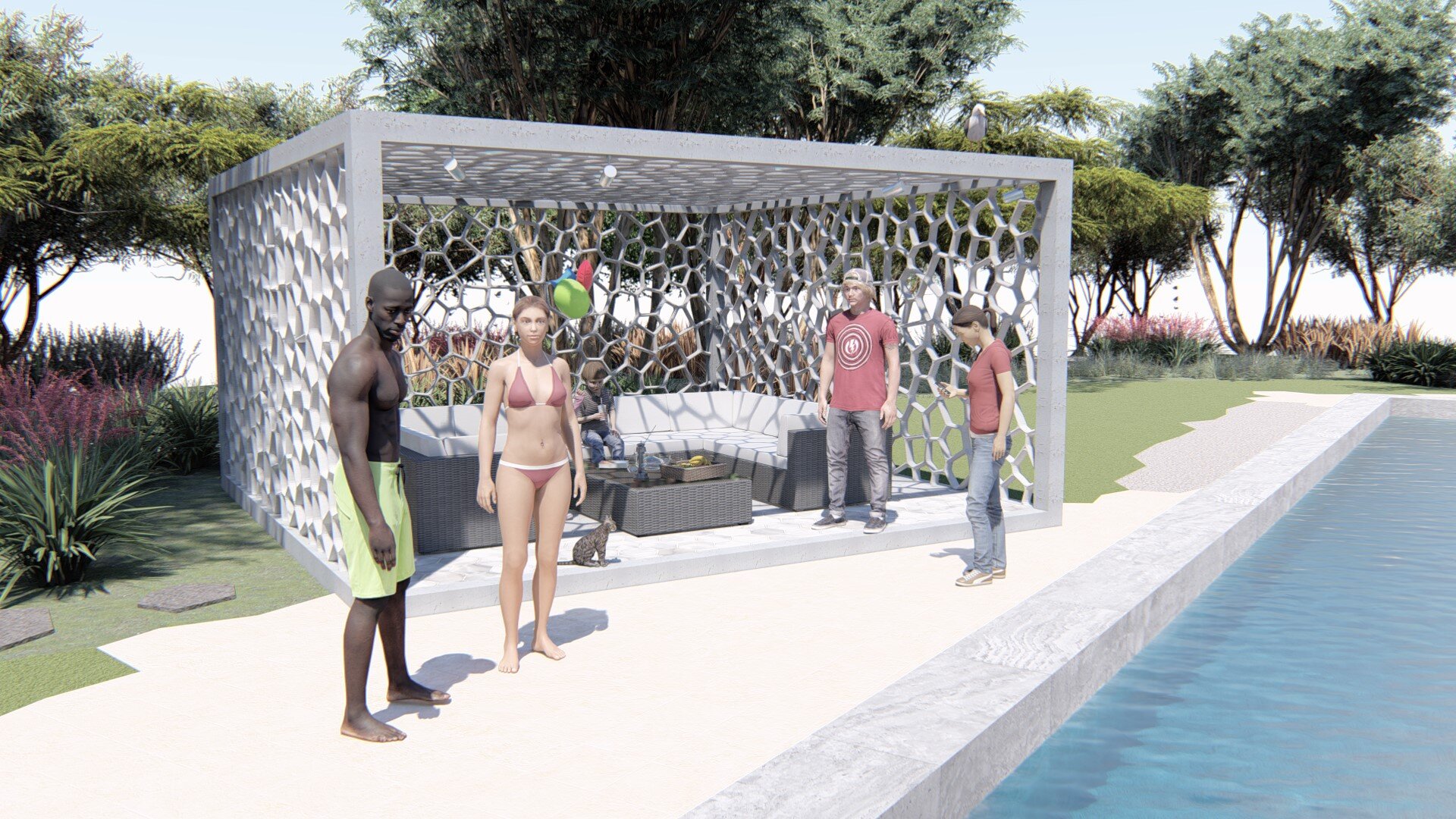
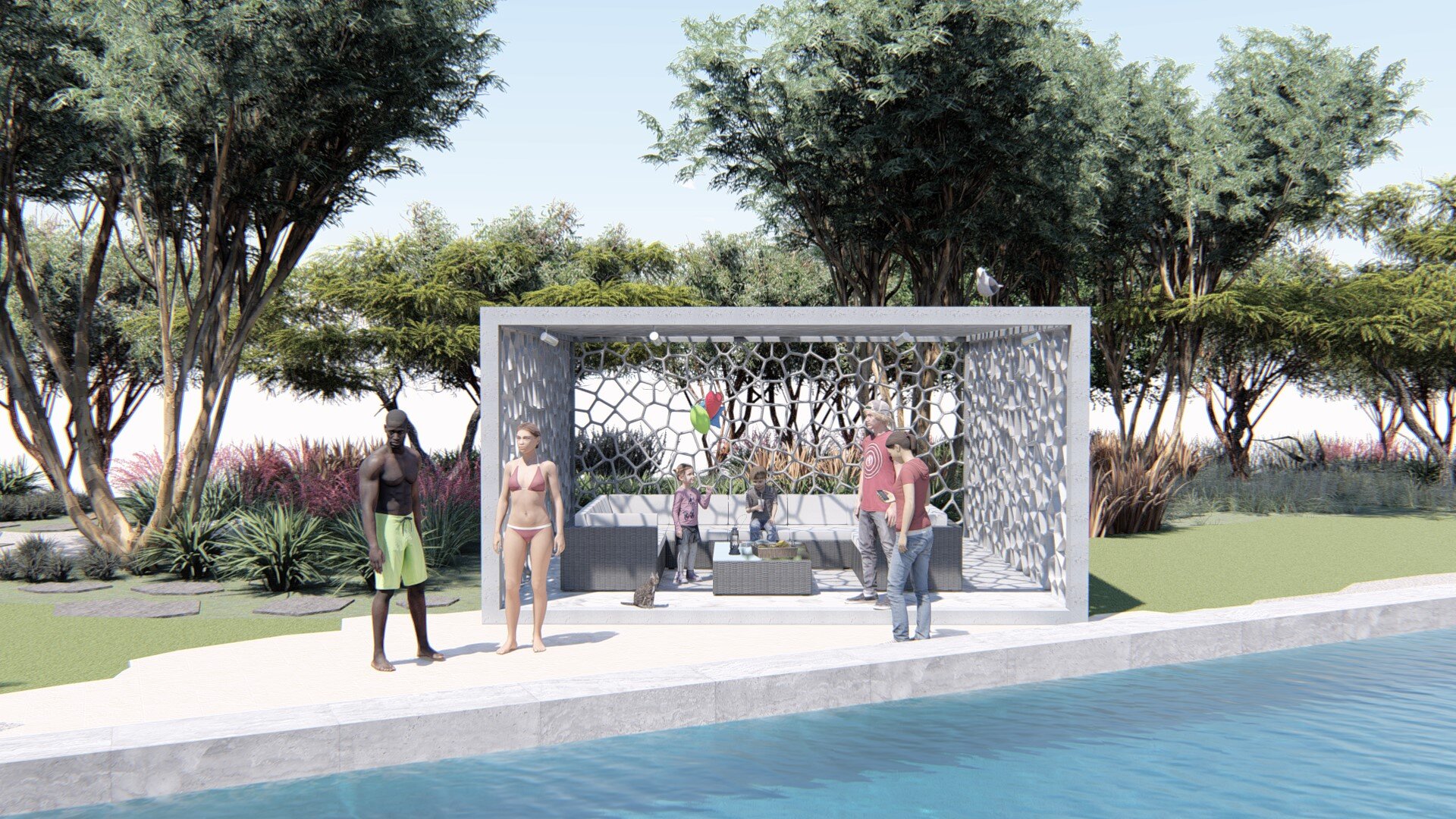
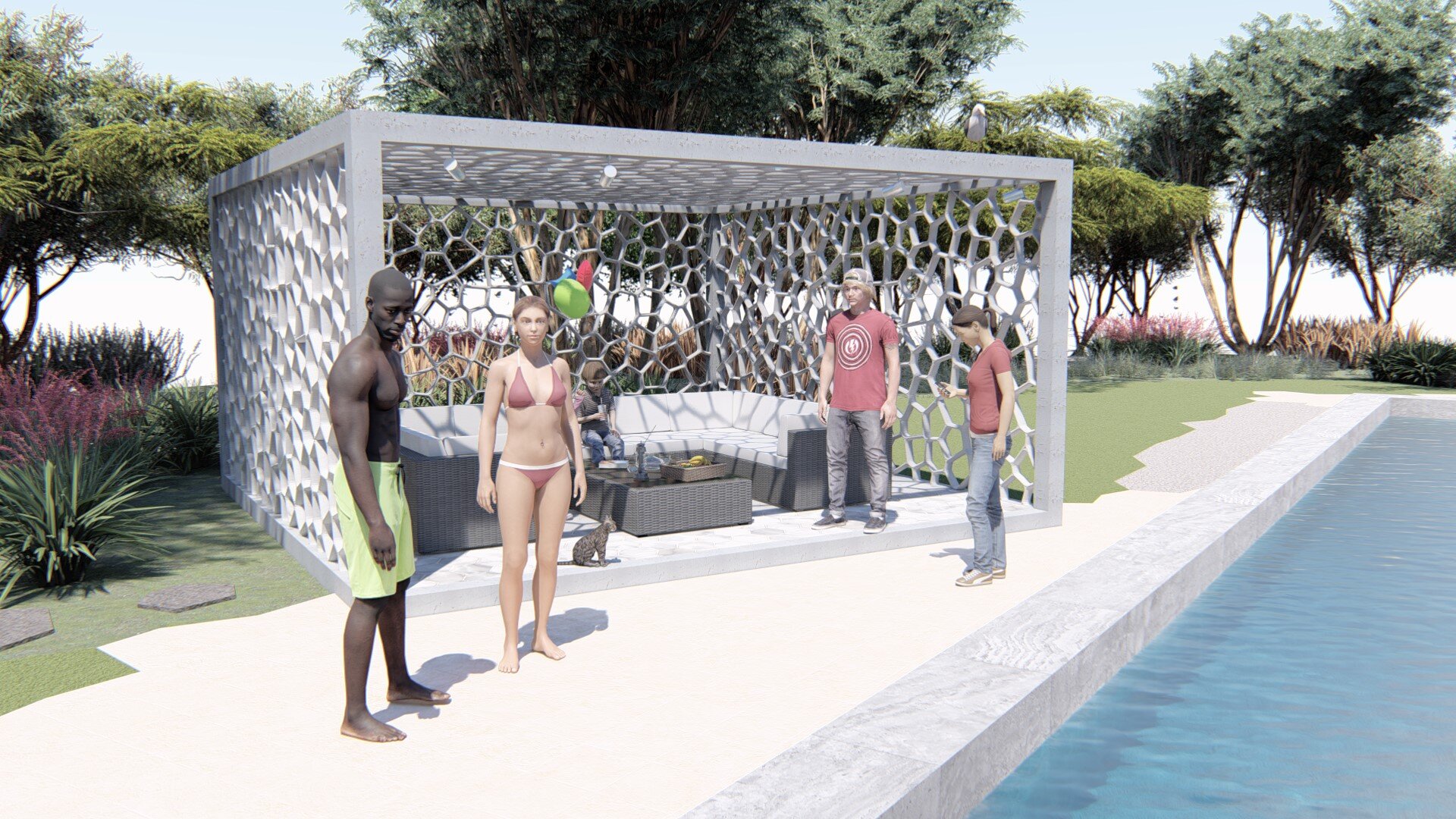
By weaving together these layers, LASD Studio created a sanctuary where people and wildlife thrive side by side. The garden is not just designed for today - it is a living, evolving system that will continue to mature, adapt, and give back to the land for generations.

French Garden – La Mesa, California
A French-inspired garden in La Mesa, California, blending classical and contemporary design. With soft, drought-tolerant planting, outdoor rooms, and ecological features, the landscape enhances biodiversity and timeless beauty.
“A Contemporary Reimagining of Classical French Garden Traditions”

This private estate in La Mesa transforms the elegance of French garden traditions into a modern living landscape. Clean architectural lines are balanced with lush planting, ecological sensitivity, and carefully composed “garden rooms” inspired by Renaissance, Baroque, and contemporary influences. The design enhances biodiversity, supports pollinators, and manages stormwater naturally, while creating refined outdoor spaces for dining, leisure, and family life. By merging history with innovation, this French Garden exemplifies LASD Studio’s vision: landscapes as living works of art that evolve in harmony with nature.
French Garden La Mesa – LASD Studio landscape architecture project video showcasing a modern interpretation of classical French garden design with symmetrical layouts, outdoor rooms, ecological planting, and elegant living spaces in Southern California.
This project reimagines the elegance of classical French gardens for modern California living. Symmetry, geometry, and refined details set the tone, while ecological planting ensures the garden evolves as a living, sustainable system.
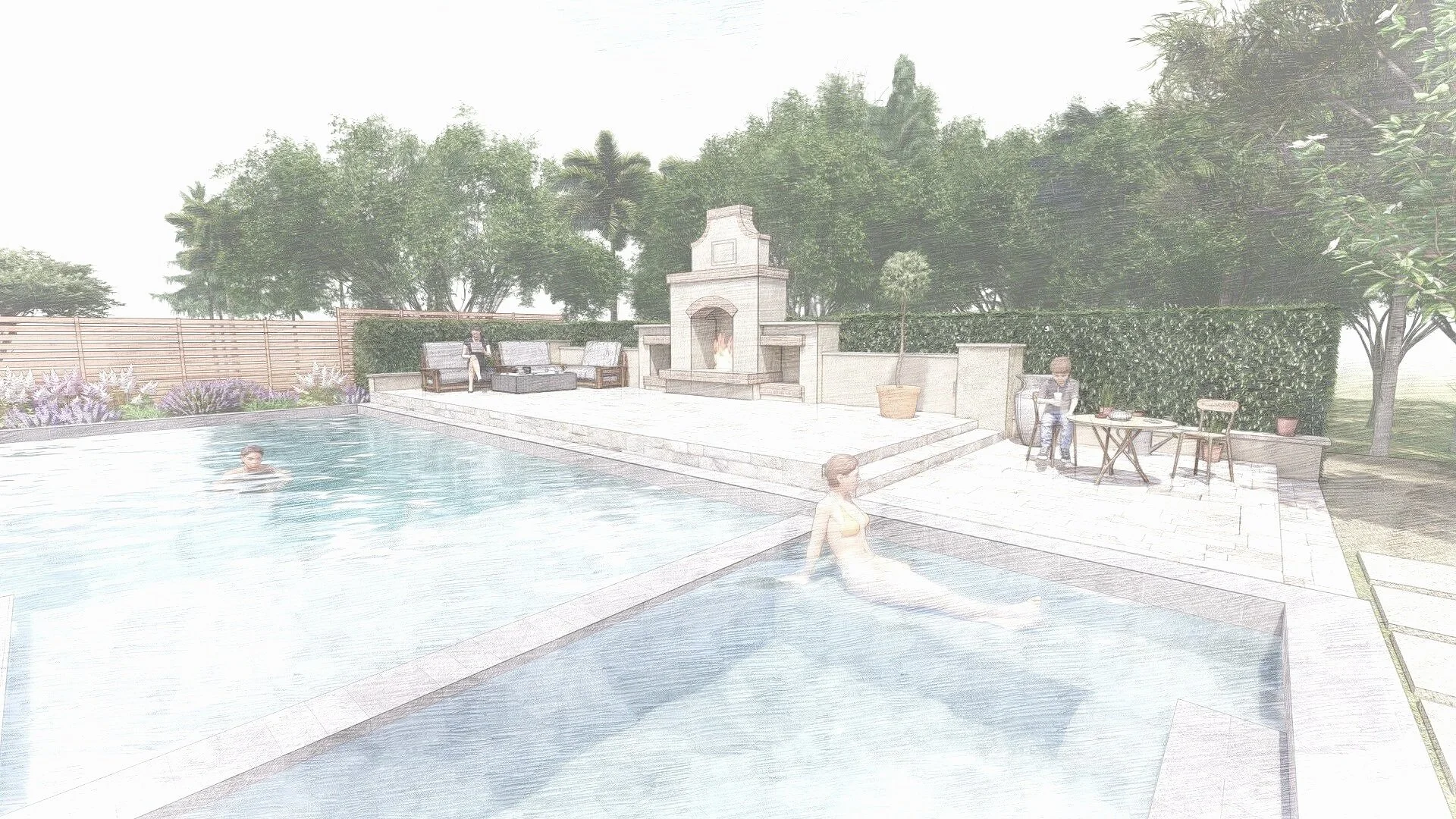
While architecture, style and atmosphere of the space are important, we also considering enhancing of wildlife, biodiversity, solving stormwater issues, and reaching a new standards for social, economical and environmental sustainability.

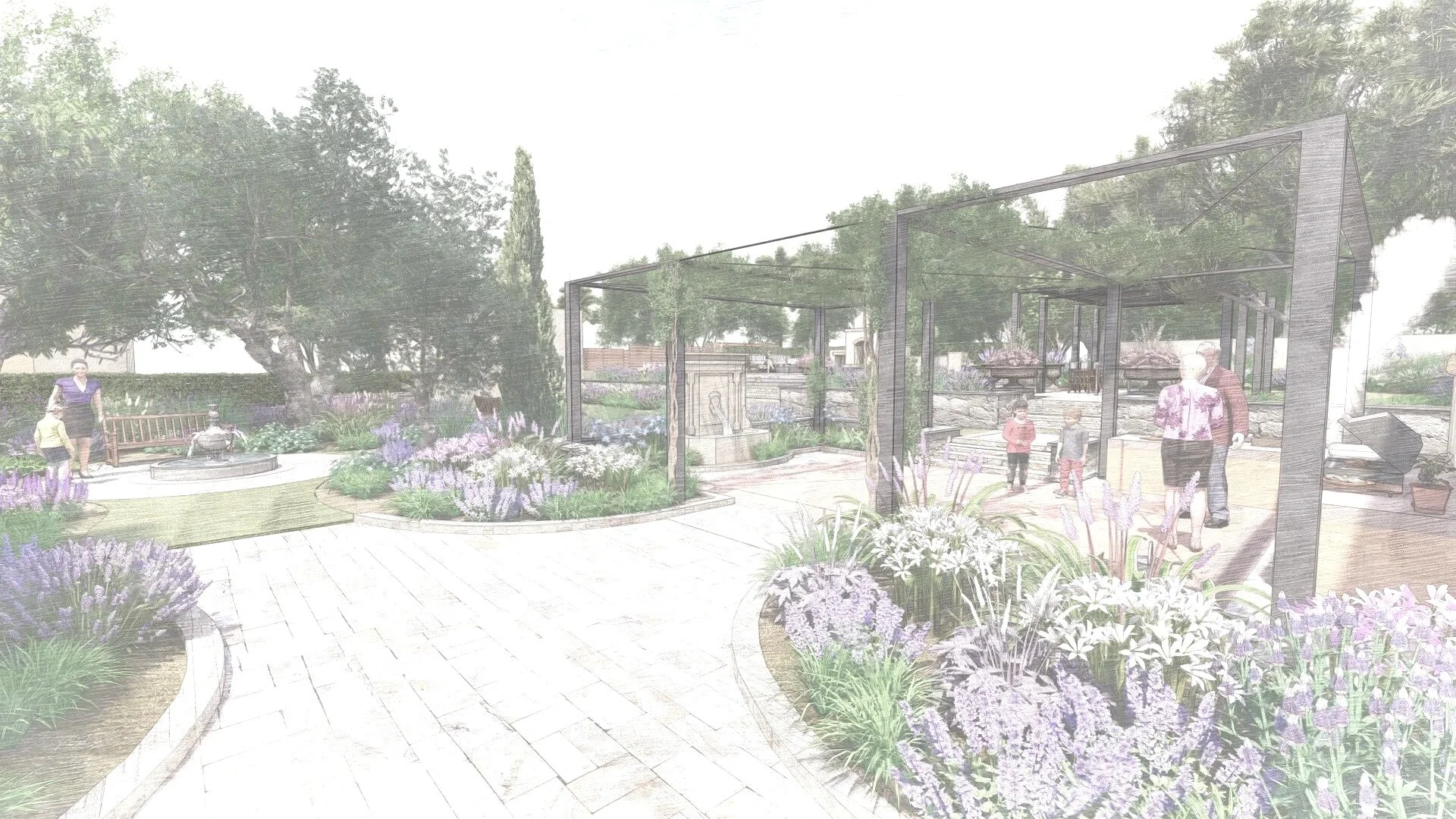
Structured Outdoor Living
The garden is organized into distinct outdoor “rooms,” framed by hedges and pathways. These spaces support family gatherings, dining, and leisure, while maintaining the sense of order that defines French garden design.
Planting for Elegance and Ecology
Formal structure is softened with pollinator-friendly planting, seasonal flowers, and Mediterranean species well-adapted to Southern California’s climate. This ensures year-round beauty, reduced water use, and a thriving habitat for biodiversity.
Water, Shade, and Comfort
Fountains, shaded seating areas, and tree canopies create a comfortable microclimate. These features honor French garden traditions while adapting them to La Mesa’s sun-filled environment.
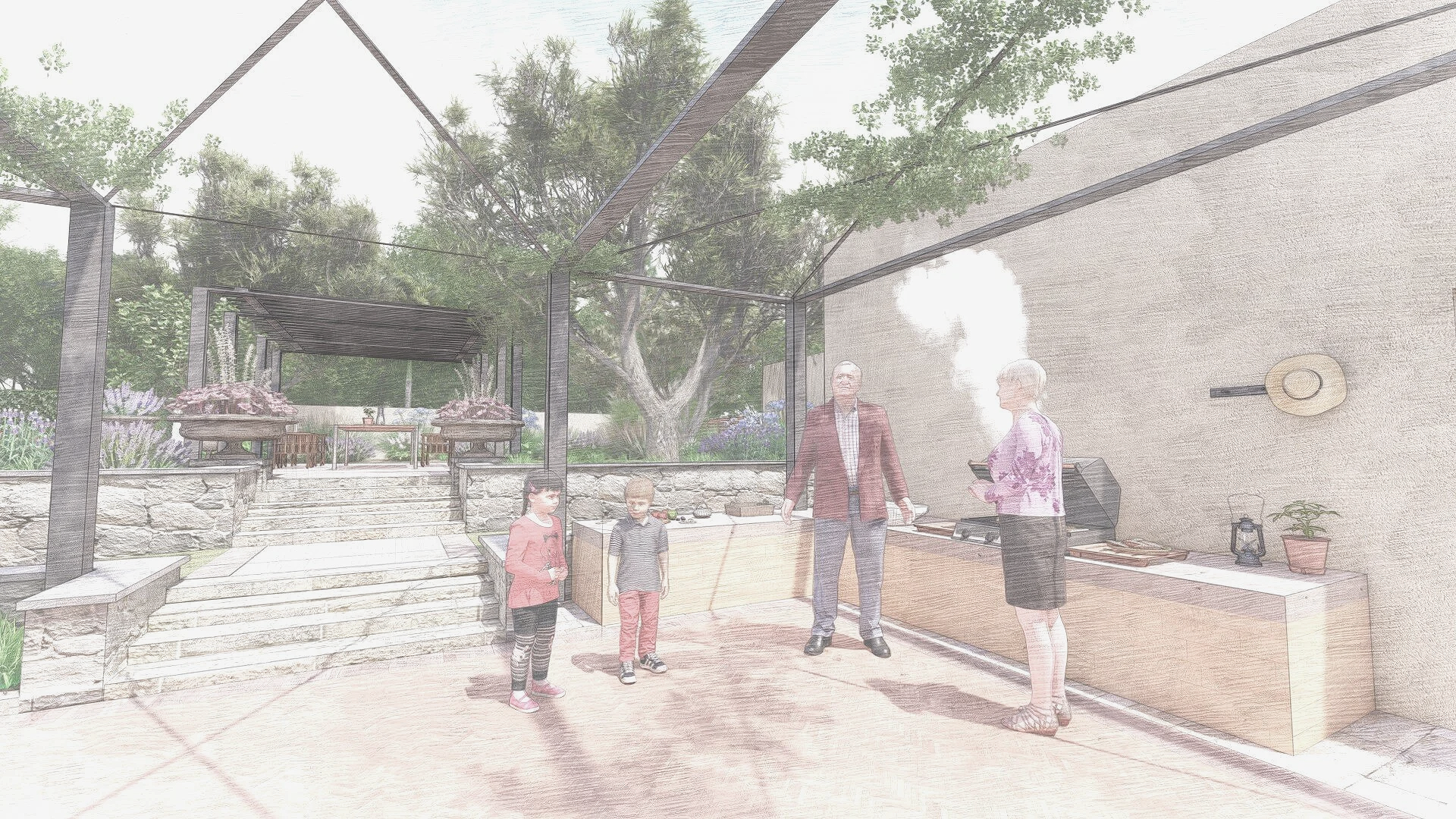
A Garden That Evolves with Time
More than a static design, this landscape is intended to grow, adapt, and evolve. As plants mature, pathways settle, and wildlife finds refuge, the garden becomes a cultural landscape — blending history, family life, and ecological intelligence.
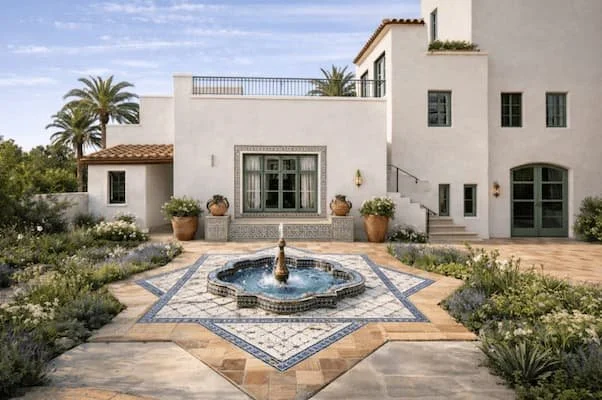
Spanish Revival Garden Design in Coronado, California
A Spanish Colonial Revival garden in Coronado, California, blending Moorish details, courtyards, fountains, and lush planting. This design complements historic architecture with timeless Mediterranean elegance.
Where heritage meets modern life style
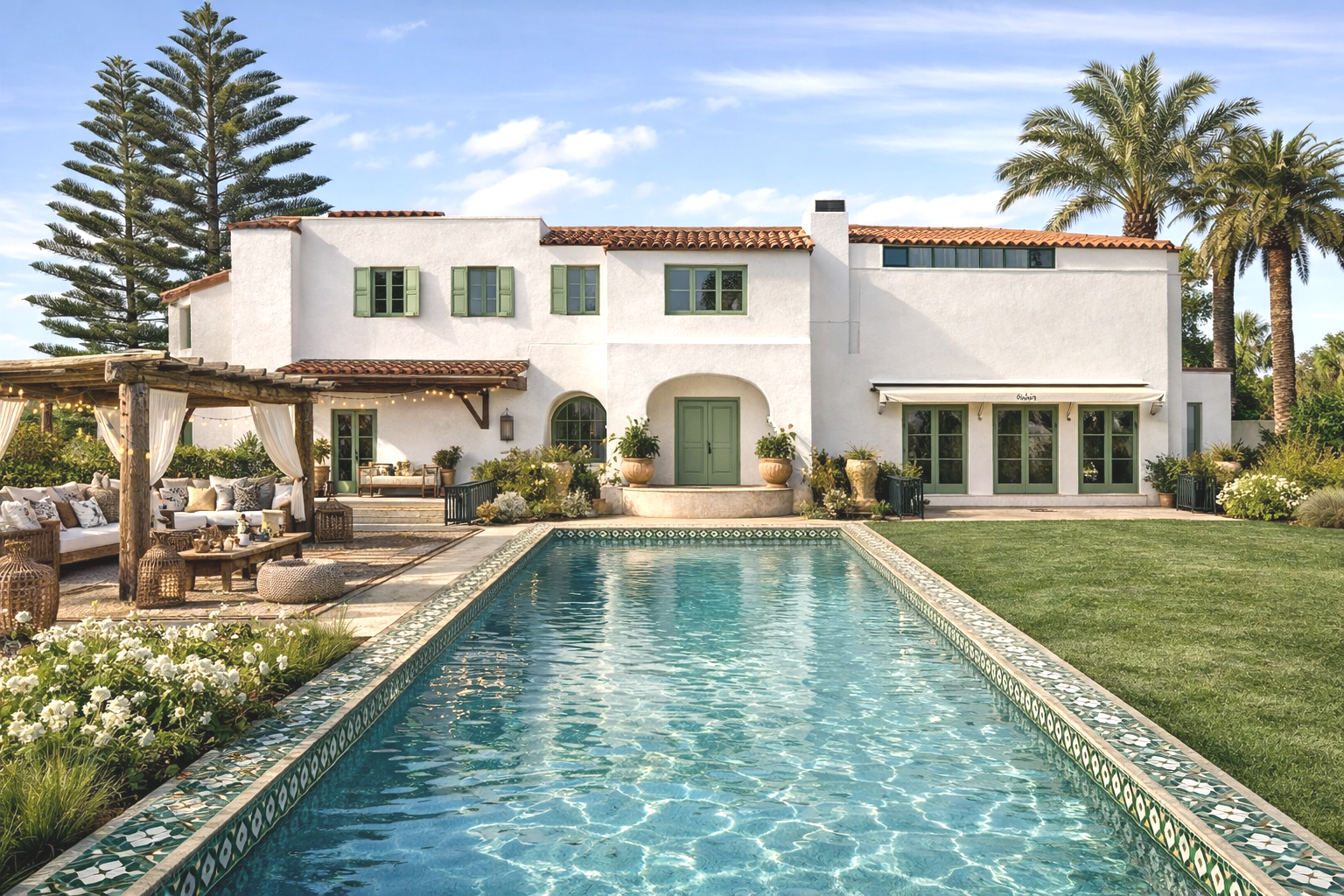
This Coronado estate reinterprets the elegance of Spanish Revival architecture through a carefully composed garden design. Rooted in the traditions of Mediterranean, Moorish, and Gothic influences, the landscape features courtyards, pergolas with vines, colorful tiles, and terracotta details that harmonize with the home’s historic architecture. A grand swimming pool, shaded outdoor rooms, and lush fruit tree plantings create both beauty and functionality, offering serene transitions from the street to private living spaces. Designed as a living cultural landscape, the garden merges history, ecology, and comfort, reflecting LASD Studio’s commitment to creating landscapes in balance with nature.
For context, see our Journal essay on Spanish Revival gardens in Southern California - Design with Soul.
We began this journey by looking at historical documents about the property and dive into Spanish Revival essence.
Spanish Revival (Colonial Revival) 1915-1931 …
This style appears in North America during Panama - California Exposition. This is eclectic combination of early Spanish colonization of North and South America, started in Florida and California. Roots of this style coming from traditional Spanish, Mediterranean architecture with earlier influence of Moorish and Gothic architecture. This style became known as Spanish Revival, Colonial Revival or Spanish Eclectic. The main elements of this style are: Curves and arches, white stucco exterior and wall, colored tiles with Spanish ornament, terracotta roof tiles, plenty of balconies with beautiful ironwork, wooden doors and gates, cozy courtyards and patios with large terracotta pots small fountains. Sometimes we can see influence of Moorish architecture like lanterns with colorful glass and pavement of with special ornament.
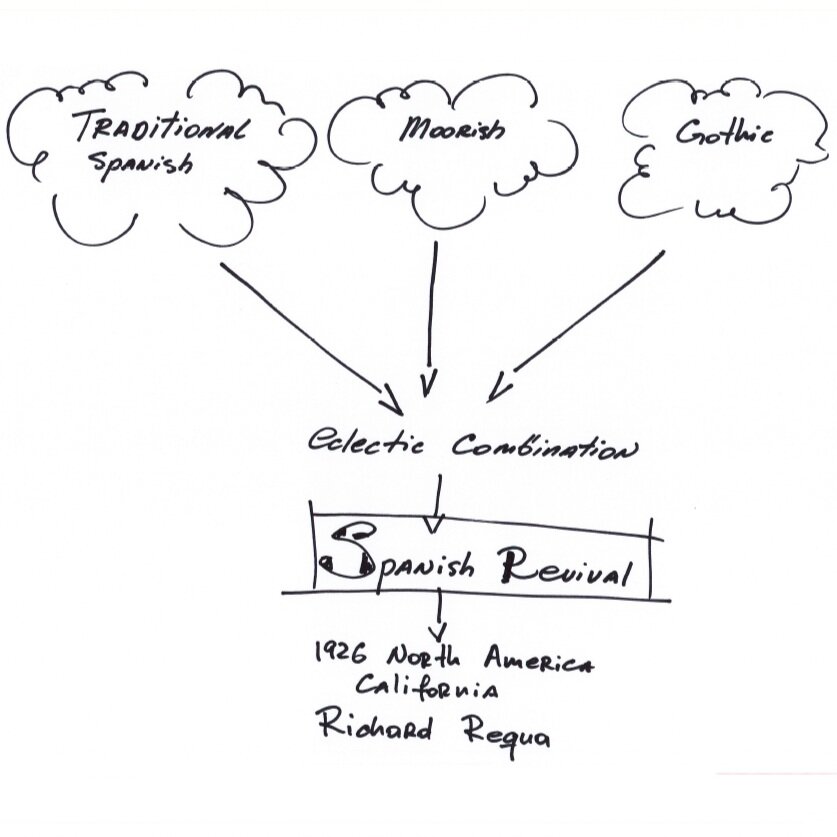
Spanish Revival Style Diagram

Referred to as Spanish Revival, Colonial Revival, or Spanish Eclectic, this architectural language is read through form before ornament; curved walls, shallow arcs, and thresholds that soften the transition between interior and exterior.
Surfaces are continuous; lime-toned stucco holding light across the day. Rooflines settle in terracotta; tiles repeating in measured rhythm, absorbing heat, releasing it slowly.
Detail is precise, but never isolated. Hand-painted ceramic tiles introduce color at moments of contact; risers, fountains, edges where water meets stone. Wrought iron defines boundaries lightly; balconies, gates, railings that filter rather than close. Wood carries weight at the threshold; doors set deep within walls, marking entry through shadow.
The courtyard remains the center; enclosed, scaled to the body, shaped by proportion rather than size. Water sits within it; a fountain, contained, reflective, cooling the air as it moves.
Moorish influence appears in pattern; geometry underfoot, light passing through lanterns, repetition creating order without rigidity.
In Coronado, this project works within that lineage; not as replication, but as continuation. The language remains, yet the space adjusts to present use; open, inhabited, aligned with contemporary life while holding its architectural origin intact.

Historic Site Plan and Garden Details

Historic Architectural Elevations
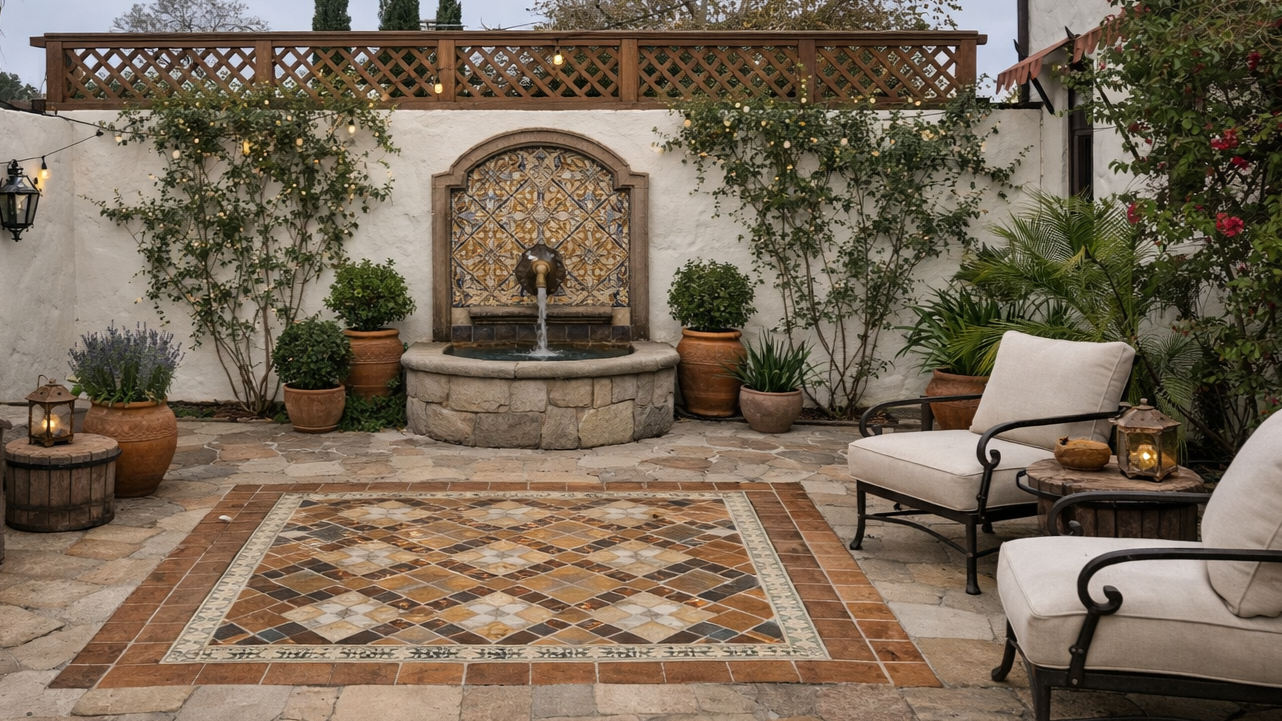
Intimate side-yard private patio with Santa Barbara stucco walls, traditional Spanish fountain and satillo tiles as carpet.
Historical Research and Foundations
Our journey began by studying historical documents and original architectural drawings of the property. This research allowed us to fully immerse ourselves in the essence of Spanish Revival, ensuring that the garden design would not only complement the home but also expand on its cultural narrative.
Visual boards and material palettes were prepared to experience the spirit of the style before design development began. From tiles to lanterns, from pergola structures to Mediterranean planting, every element was carefully selected to harmonize with the house.

Herb Garden Mood Board

Hardscape & Paving Mood Board

Herb Garden Mood Board
~ 7 architectural elements of Spanish Revival Garden Style ~
Designing Transitions and Garden Zones for life
One of the main responsibilities of this design was to respect and enhance the architecture while creating fluid outdoor transitions. Key design strategies included:
Main entrance courtyard. A welcoming sequence with fruit trees and a pergola covered in vines, leading visitors toward the front door with the sound of a small fountain.
Street buffer. Planting fruit trees along the street edge creates privacy, reduces noise, and strengthens the sense of arrival.
Garden circulation. From the entrance, pathways extend toward the main garden, vegetable garden, guest house, and outdoor dining terrace.
Private courtyard & pool. A secluded courtyard integrates a 40-foot swimming pool, surrounded by Mediterranean and Moorish-inspired planting. Pergolas and shaded seating areas create comfortable gathering spaces for family and guests.
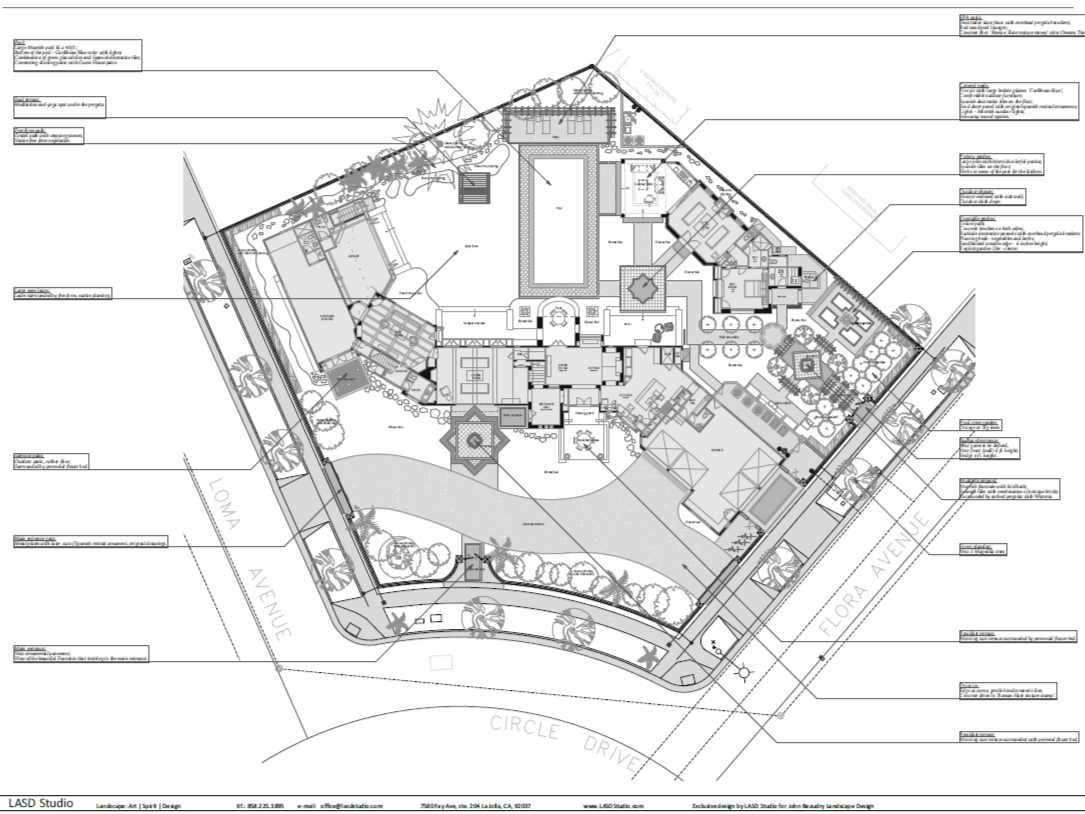
Spanish Colonial Revival - Full Site Masterplan - Coronado, Southern California
Moorish Influences
Under Moorish influence, the space begins to operate differently; not through objects, but through relationships.
The ground carries a quiet geometry. Patterns unfold beneath each step, sometimes noticed, often only felt; a subtle order that steadies movement without announcing itself.
Light drifts through the structure and catches on detail. Lanterns temper its intensity, breaking it into fragments that move across plaster and stone; by afternoon, shadow deepens, edges soften, the space becomes more intimate without closing.
Color gathers where use brings attention. At the edge of water, along a low wall, within tile set into the surface; blues, ochres, and earth tones held close, never extended too far, allowing the eye to rest.
There is a distant echo of the courtyards of Alhambra; not in replication, but in proportion and atmosphere. Water cools, shade protects, pattern gives clarity. The garden and the architecture are not separate conditions; they are read as one.
These references are absorbed rather than applied. They settle into the project, adjusting to its climate, its scale, its daily use.
What remains is a layered space, where history is present but quiet, and where light, material, and movement continue to shape the experience over time.

Entrance Courtyard Detail
LASD Studio Philosophy
At LASD Studio, we design landscapes as living cultural systems, shaped by history, but always evolving with ecology. Every project aims to close the cycle of clean water, fresh air, fertile soil, and biodiversity for future generations.
Our Spanish Revival Garden in Coronado reflects this vision: it honors architectural tradition, enriches ecological performance, and creates a timeless sanctuary where people and nature thrive together.

Entrance Courtyard Perspective
Here we solved important issue of the traffic from the street by planting a fruit trees. Pergolas with vines will create a great transition, that will be followed by little additional courtyard fountain.
What a great way to come home.
From here, we can go to main garden, vegetable garden, guest house and garden table.

Garden Axis Plan with Fountain
Private courtyard shared with guests. Here we will have 40ft size swimming pool.

Pool and Patio Plan - enclosed patio - Spanish Revival Garden Design
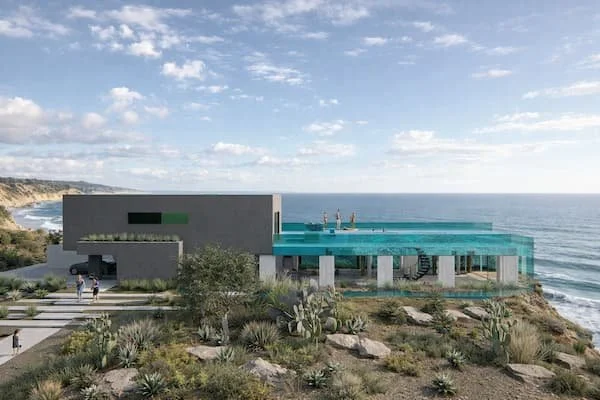
Contemporary Landscape Architecture & Garden Designer in Del Mar, California
A contemporary garden in Del Mar, California, inspired by abstract design and freedom of expression. Asymmetry, natural textures, and ecological planting create a landscape that balances modern living with timeless coastal beauty.
“A Modern Garden Inspired by Movement, Ecology, and Ocean Proximity”
Landscape design is the art of shaping land and living systems to enrich daily life. From private gardens to city parks, every designed landscape reflects the dialogue between nature, architecture, and people. In Del Mar, a coastal town where the ocean meets modern living, this Contemporary Garden was conceived as a living artwork: abstract, asymmetrical, and ever-changing.
What is Abstract Landscape Design?
Abstract landscape design breaks free from traditional symmetry and rigid geometry. Instead of identical hedges, mirrored axes, or a central focal point, the design embraces curvilinear lines, contrasts, asymmetry, and layered textures. A tall hedge may balance a short one; a curved pathway may guide the eye toward unexpected plant groupings. Every space tells its own story.
This approach creates a garden that feels alive, fluid, and dynamic - more like a forest or meadow than a structured parterre. Plants are not lined up in rigid rows but arranged in natural rhythms, with intentional randomness that mimics the patterns of wild landscapes.

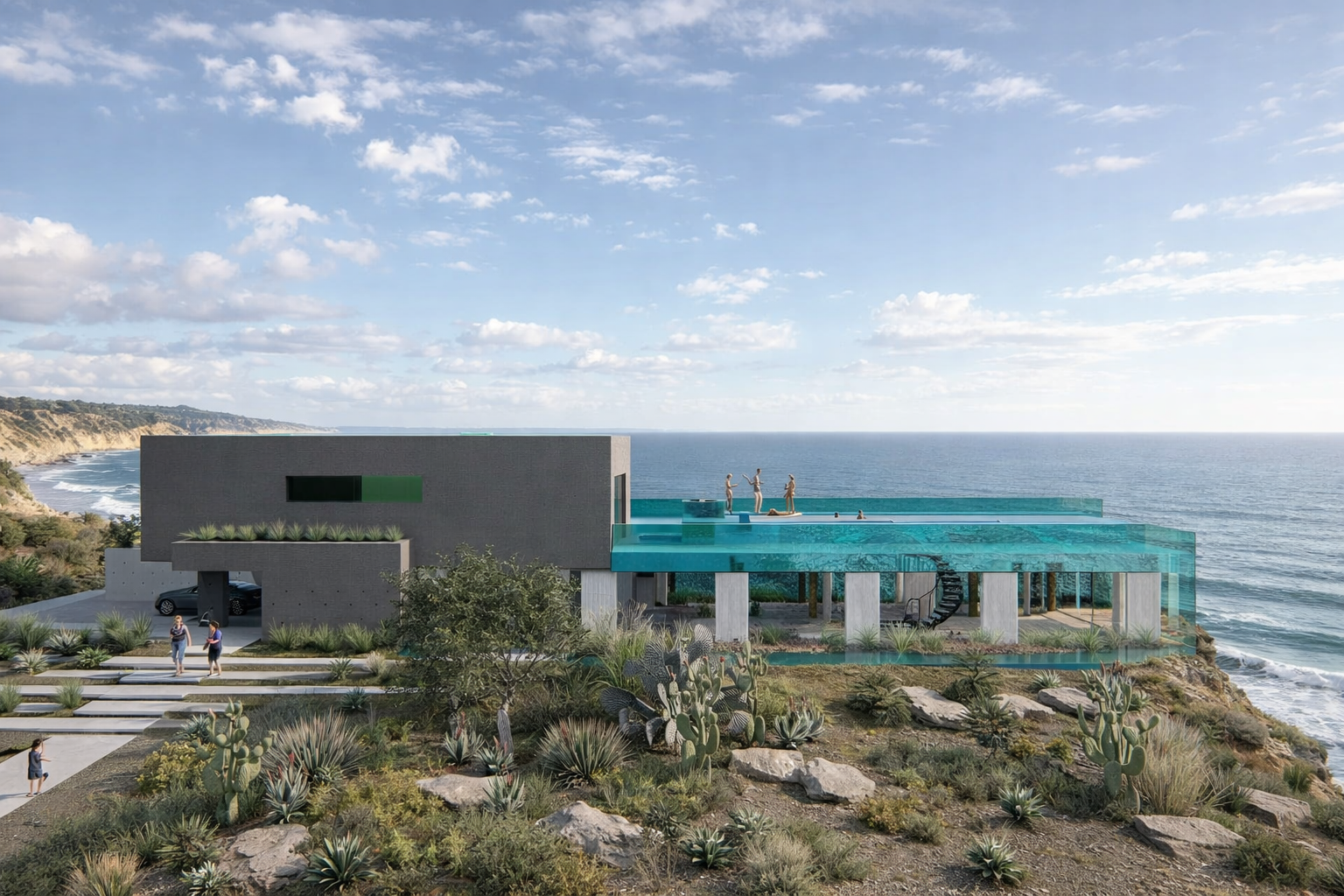
Lounge Area Under the Pool with Glass, Architectural visualization
Modern Garden Design Elements in Del Mar, California
Curved paths and fluid geometry that invite movement and discovery;
Asymmetry and contrast-each corner is distinct, offering new perspectives rather than uniformity;
Planting palettes with Mediterranean and native species, resilient in Del Mar’s coastal climate, reducing water use and supporting pollinators;
Play of textures and colors, from ornamental grasses to bold architectural shrubs, creating depth and visual rhythm;
Outdoor living zones, designed for relaxation, gatherings, and the enjoyment of sea breezes.
Ecology Meets Art
This garden is not just for beauty—it is sustainable and ecological. By selecting drought-tolerant and pollinator-friendly plants, the garden thrives with minimal maintenance while restoring balance to the coastal environment. Water management and soil health were carefully considered, ensuring the garden adapts and evolves with time.
Video presentation of Contemporary Garden in Del Mar, California, featuring abstract landscape design with asymmetry, sustainable Mediterranean planting, and modern outdoor living inspired by the ocean.
A Garden That Grows With You
Unlike static architecture, landscapes live, change, and transform. The Contemporary Garden in Del Mar captures this truth: plants grow, seasons shift, and light plays across pathways and textures. The result is a timeless garden, modern yet rooted in ecology, structured yet free, intimate yet expansive.
At its heart, this project reflects LASD Studio’s philosophy: landscapes as evolutionary intelligent systems, where people, art, and biodiversity evolve together in balance.
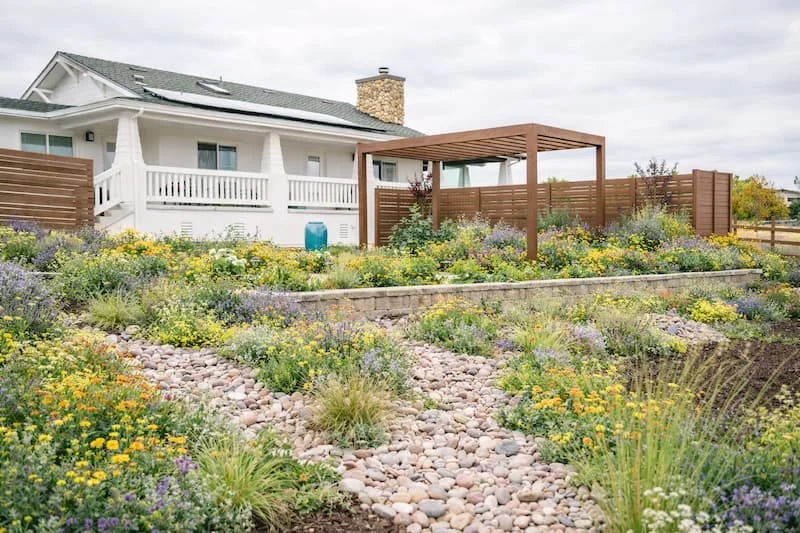
Ecological Landscape Design in San Diego - Sanctuary Garden
A Sanctuary Garden in San Diego designed with front-yard infinity stripes and a backyard butterfly garden. Featuring stormwater ponds, patios, and biodiversity planting, this project creates harmony, intimacy, and ecological resilience.
A Private Retreat Rooted in Nature and Balance
The Sanctuary Garden in San Diego was designed as more than a private residence - it is a living system, a peaceful retreat that restores balance between people and nature. Our goal was to create an ecological sanctuary where biodiversity, beauty, and function seamlessly merge.
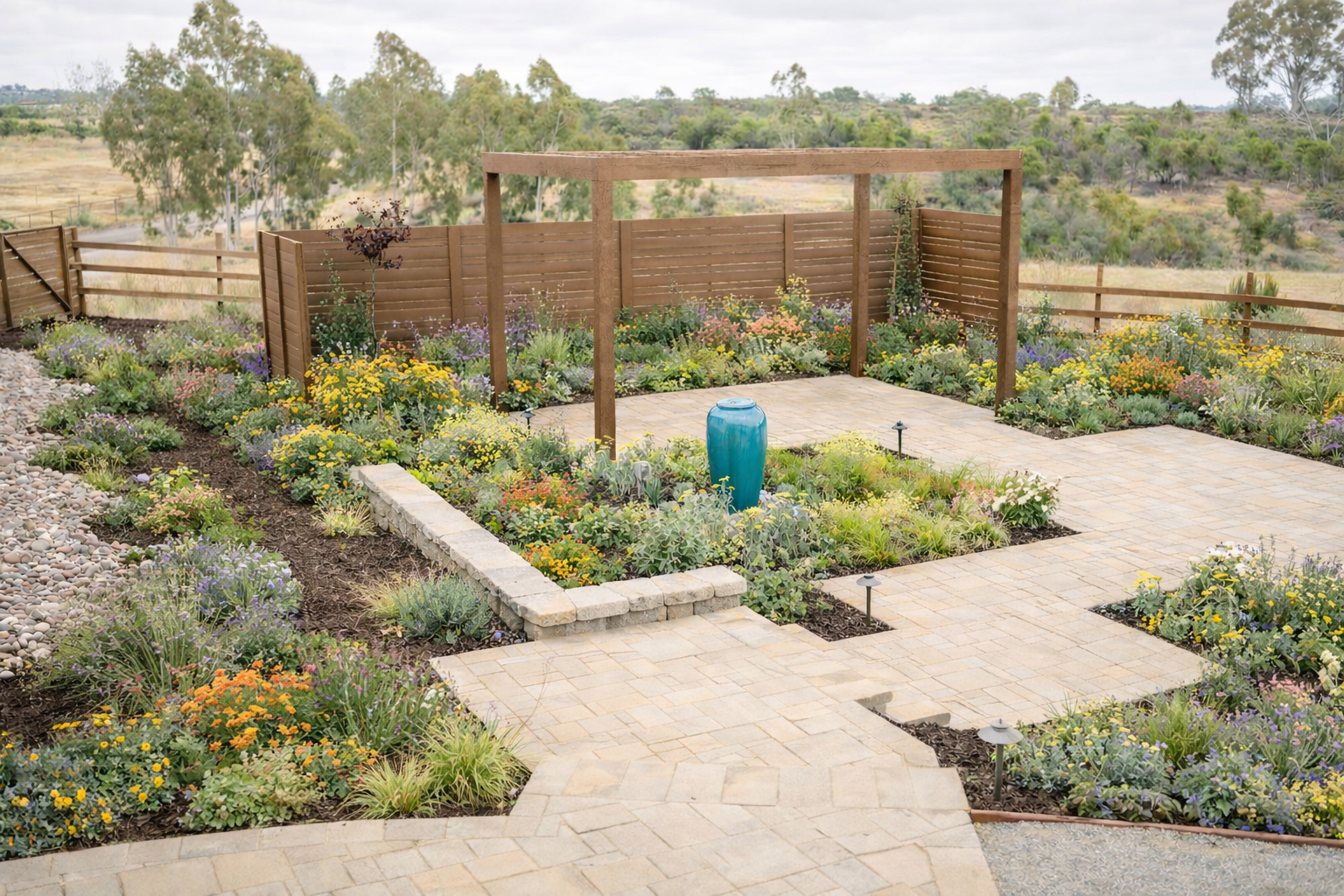
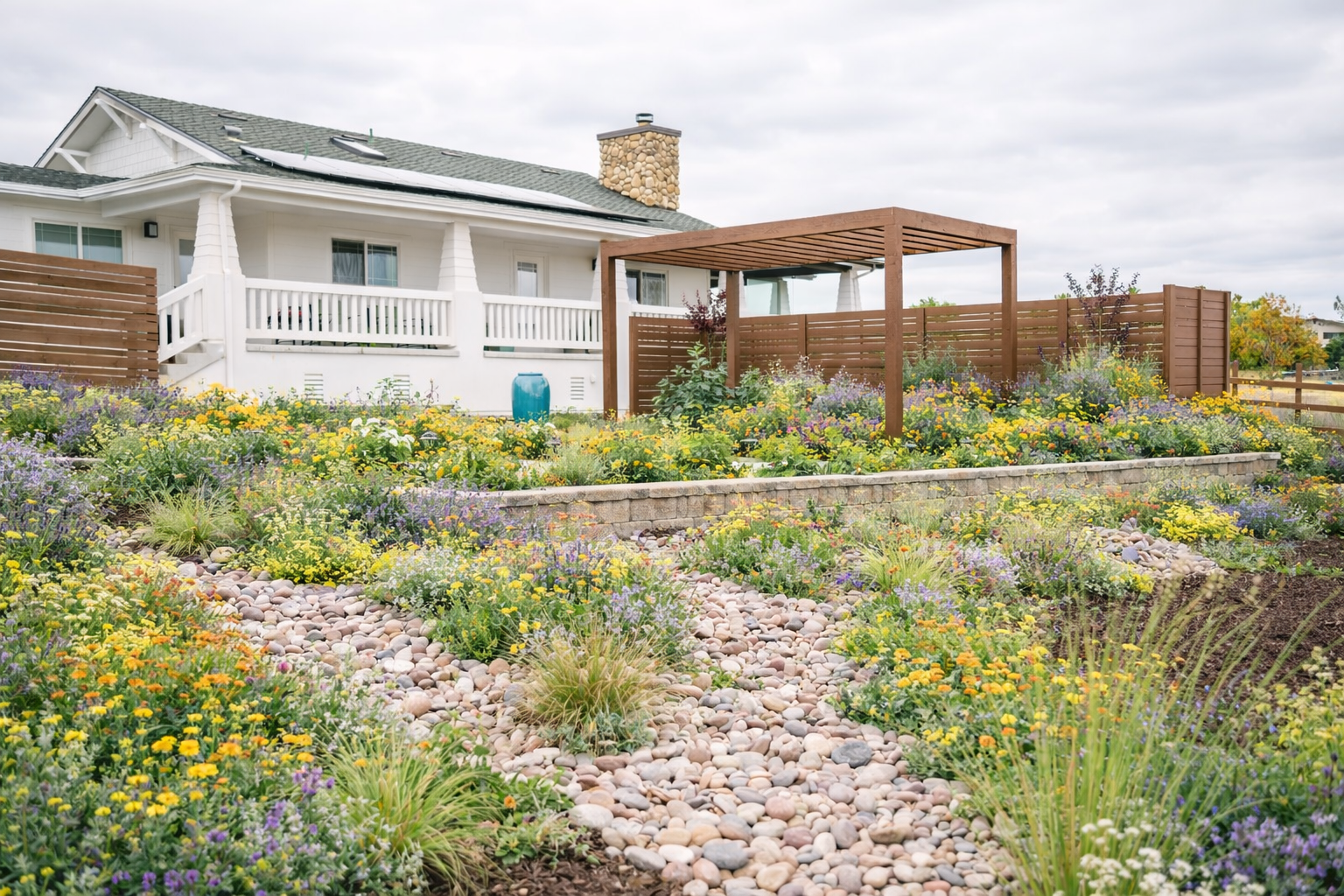
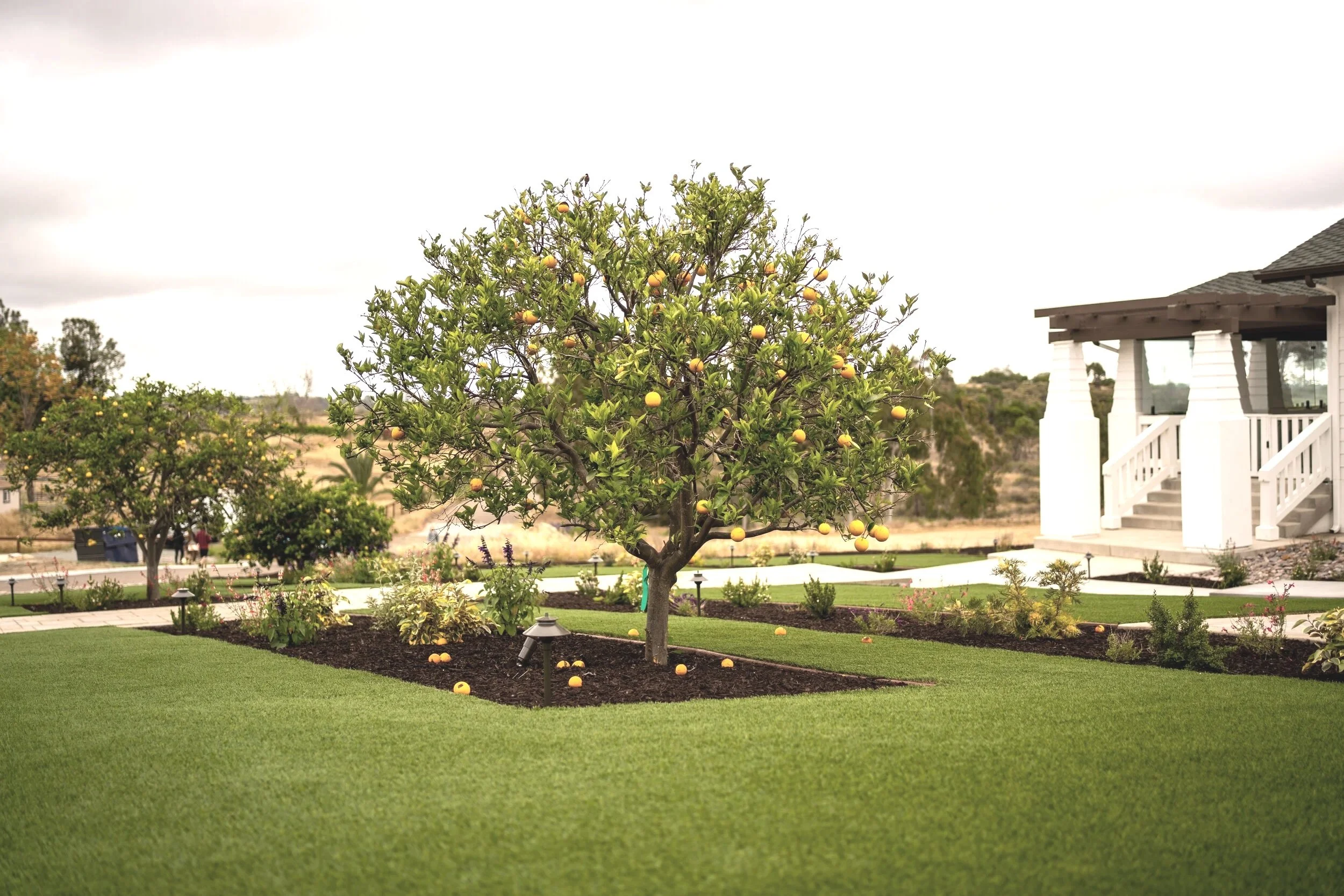
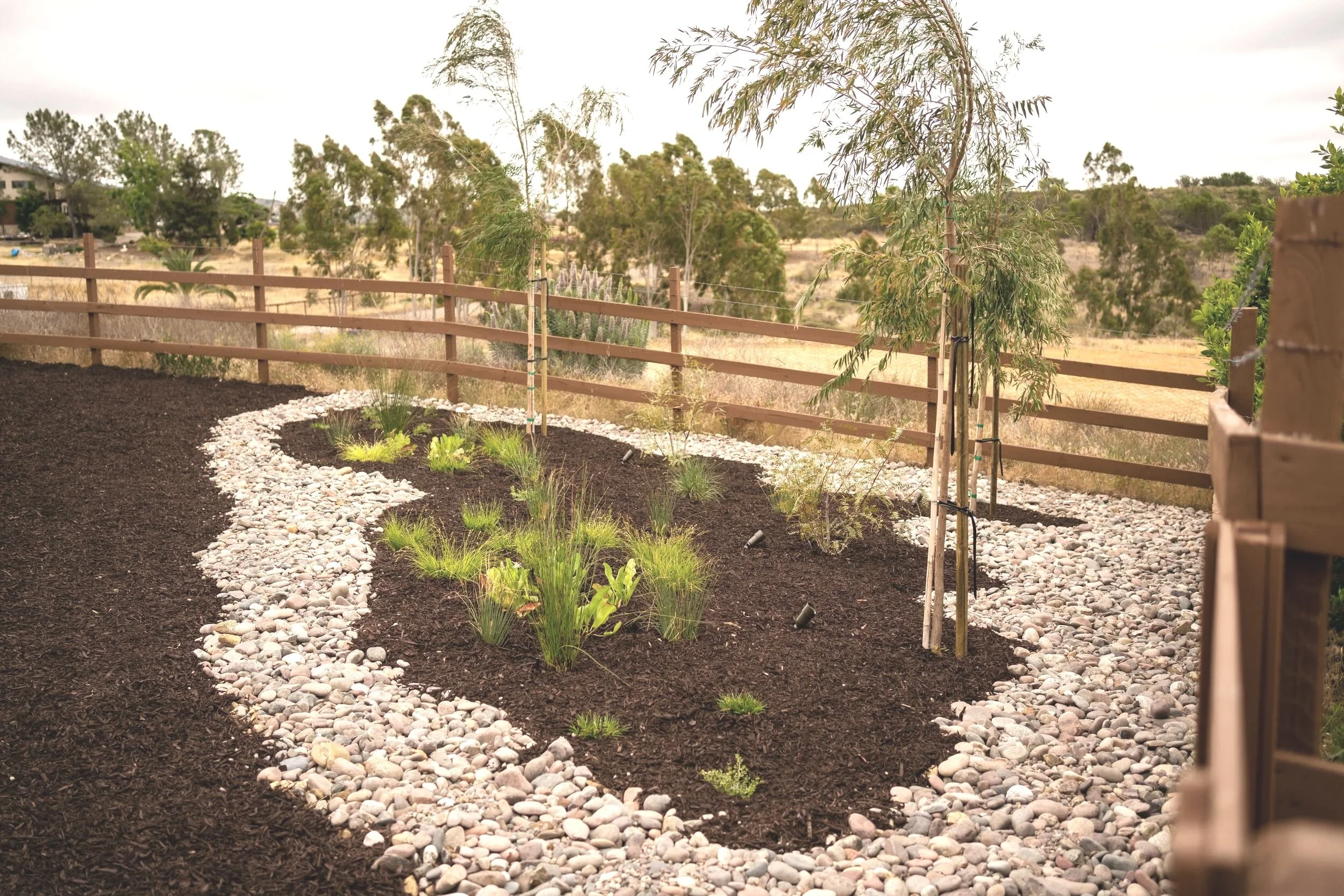
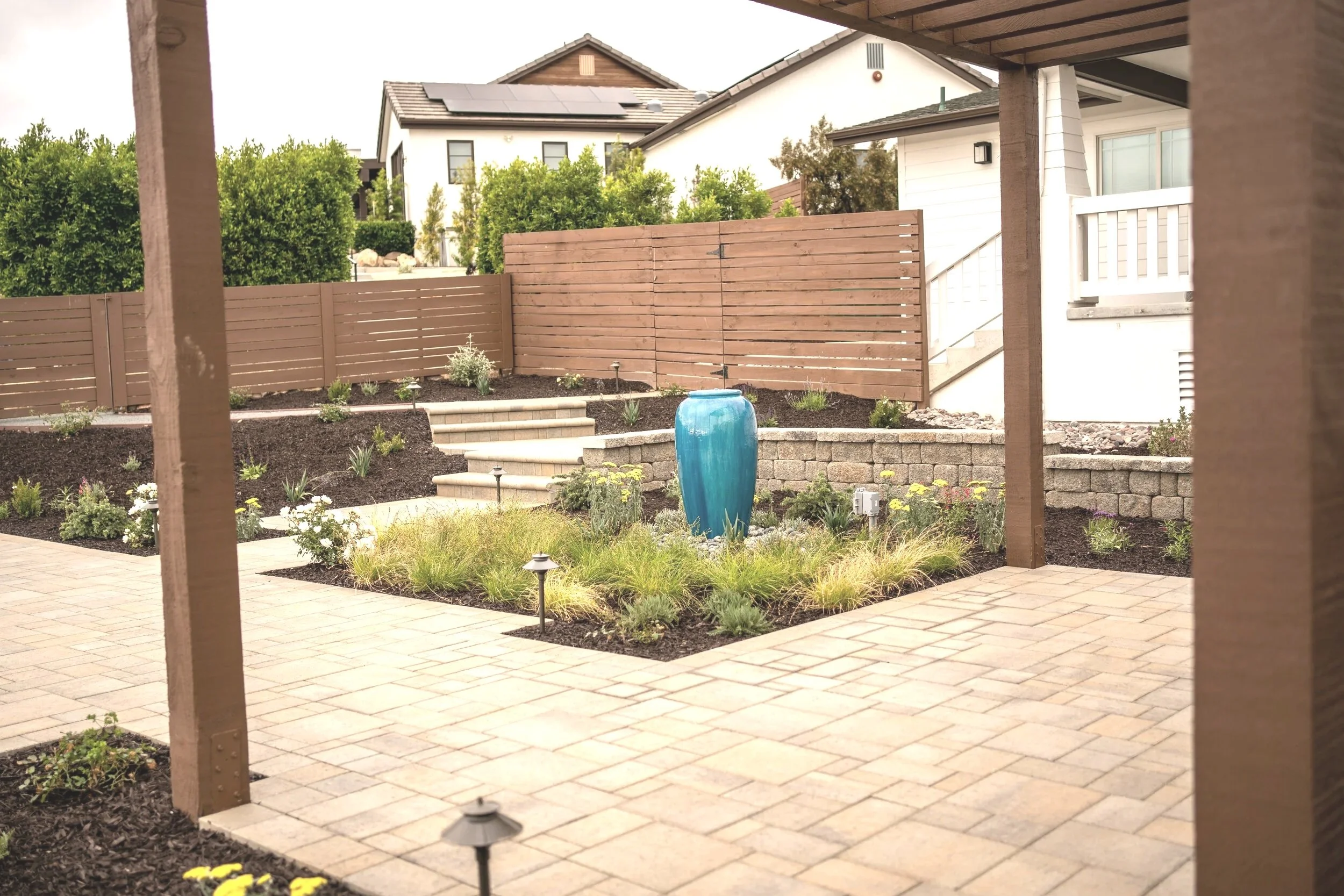
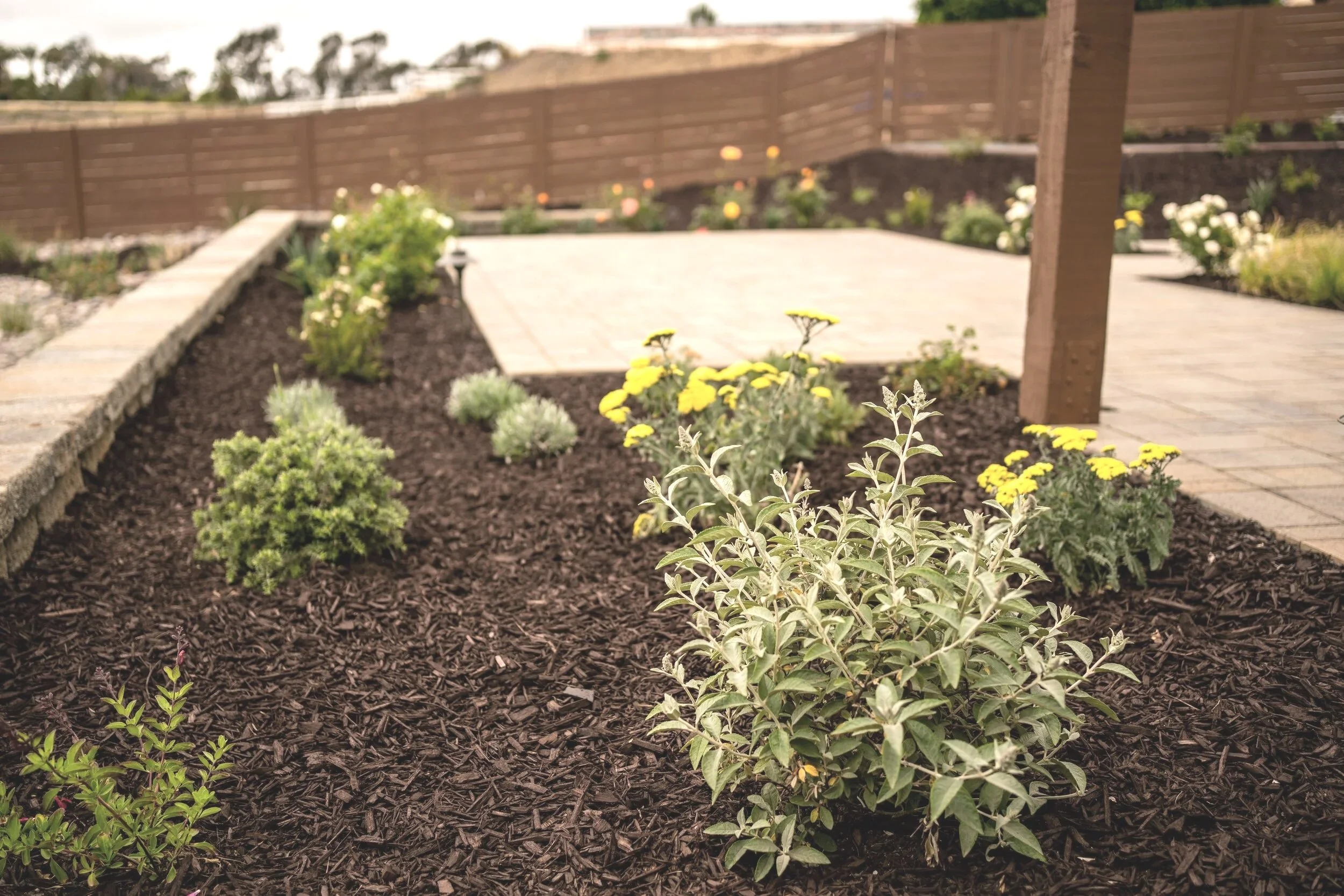
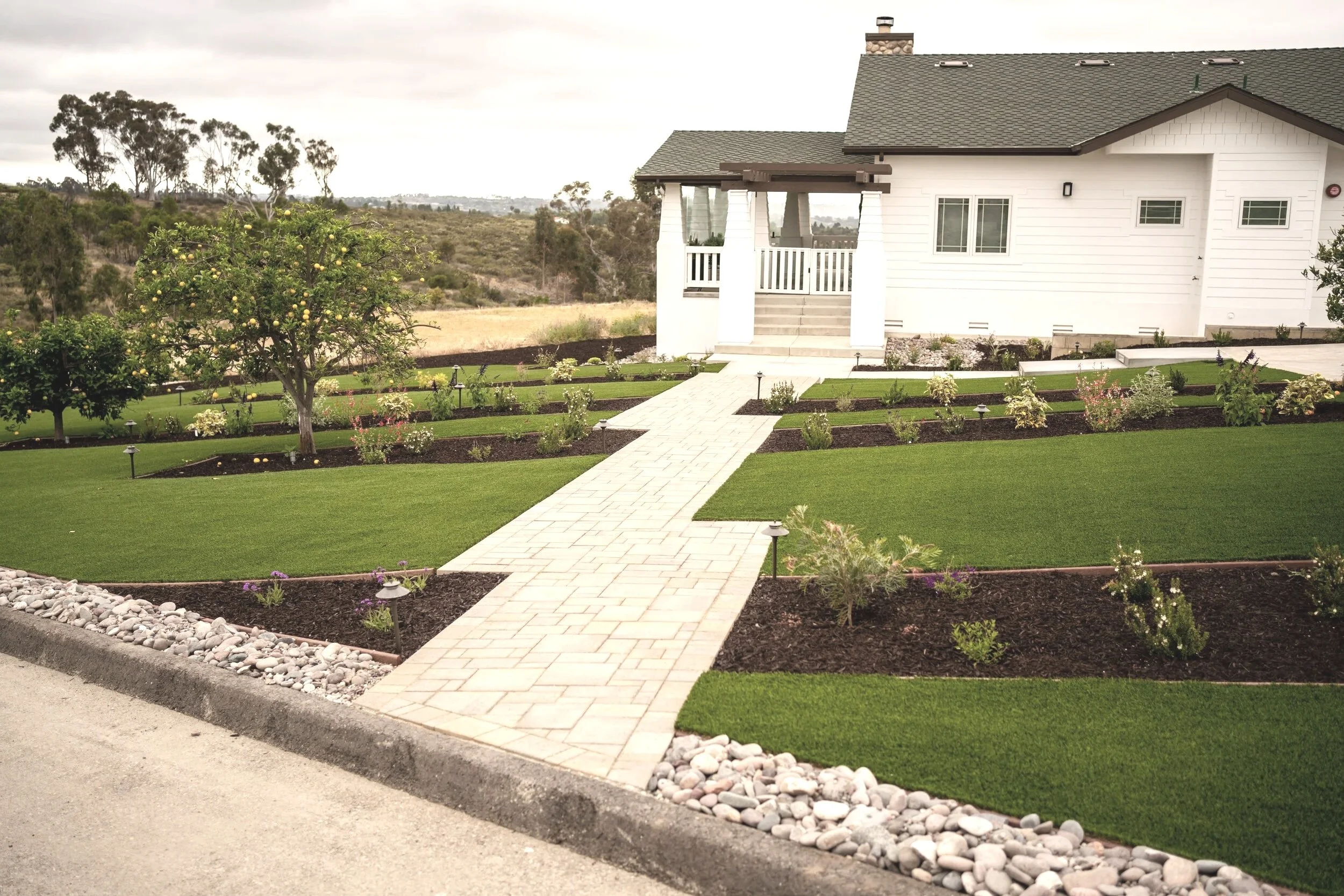
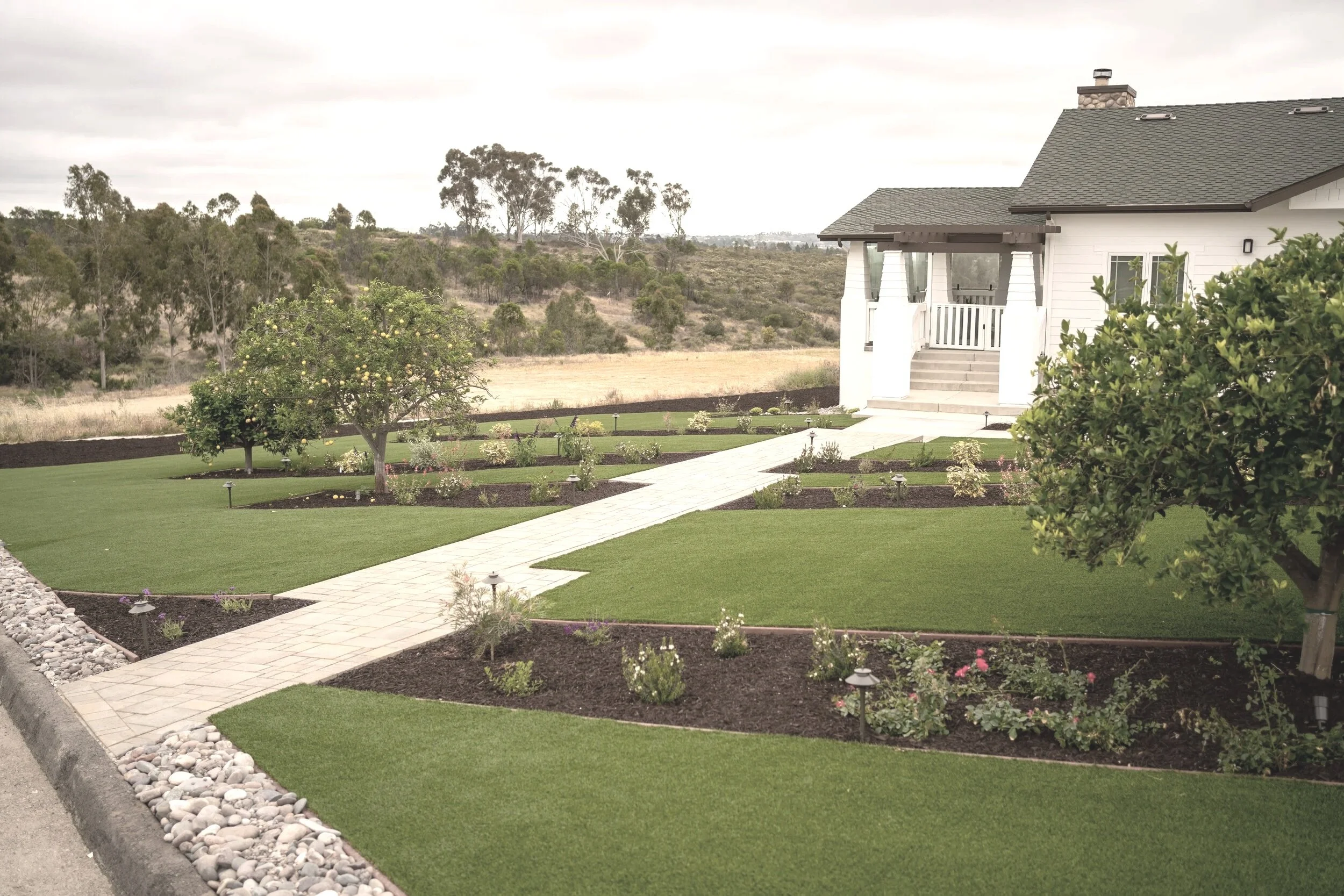
Location: Lusardi Creek County Preserve, San Diego County, California
Project Type: Private Estate, Ecological Garden design.
Design Scope: Concept Development, Design Development: Hardscape design, Irrigation, Drainage, Walls, Lighting plan design, Stormwater, Fuel Modification, Planting plan, Construction Documentation, Construction Supervision.
Planting Plan by Kimberly Alexander.
Status: Built / Installed
Construction contractor: Greenway Landscape Construction, Scott & Alex Lawn, Project manager - John Beaudry.
Construction cost: $420,000
Design Studio: LASD Studio
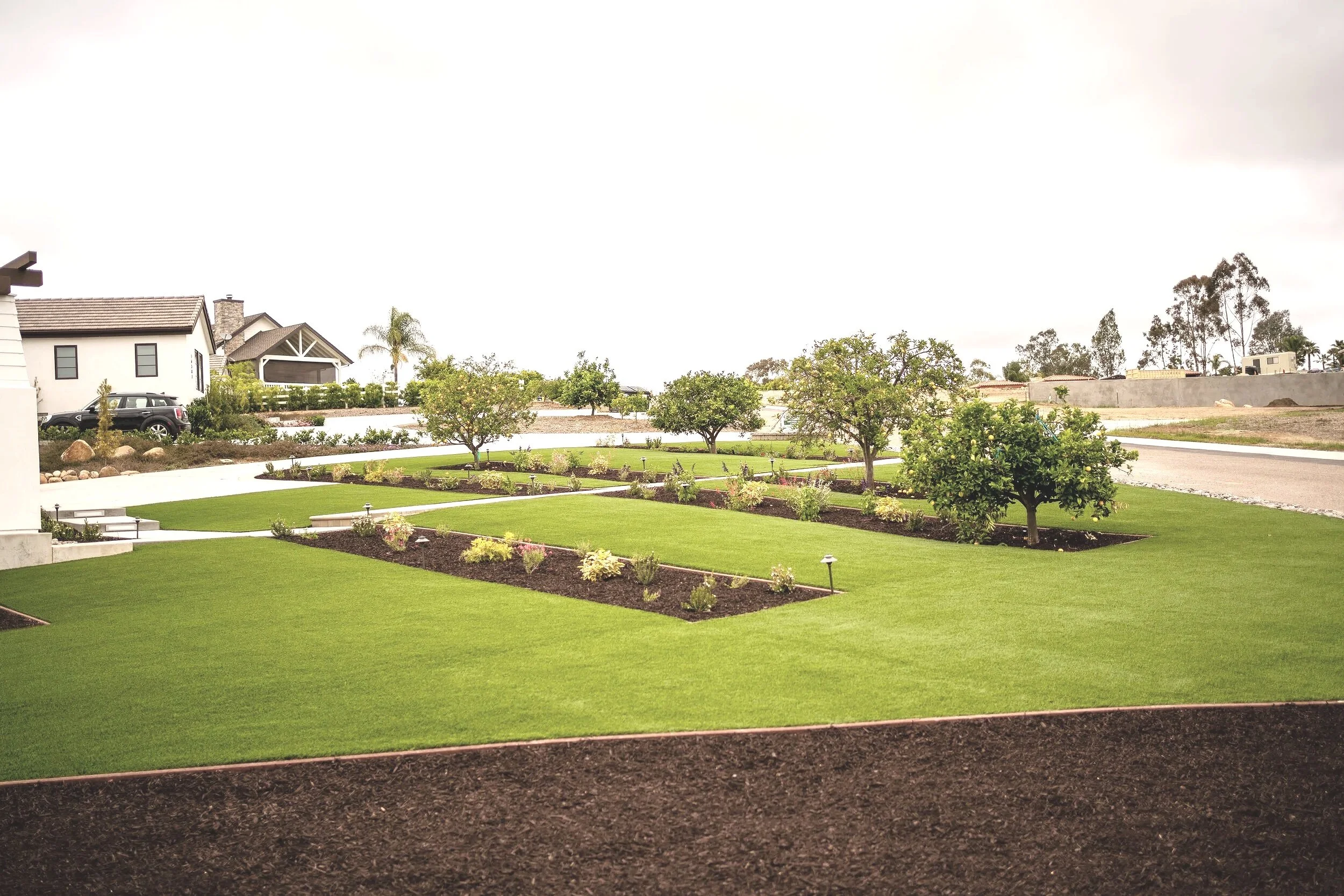
Front Yard - Infinite Lines of Greenery
The front yard embraces the concept of green stripes, a design principle inspired by fashion and architecture. Stripes extend across the entrance, visually expanding the property and creating a sense of infinity. This technique transforms large, open spaces into elegant passages that guide visitors toward the home with rhythm and clarity.
LASD Studio works across garden design, landscape architecture, urban design, and regional landscape design. Our goal is to live in balance with nature. With landscape design, we have to close the cycle of clean water, fresh air, ready to plant soil, and other vital resources for the next generation.
Backyard - Intimate, Lush, and Alive
The backyard unfolds into a more intimate sanctuary. Here, visitors encounter:
A private patio for relaxation and gatherings;
A butterfly garden, designed to attract pollinators and enhance local biodiversity;
A dry creek bed that doubles as a stormwater pond during rains - turning a functional system into an aesthetic feature.
Together, these elements create a holistic outdoor living space that is cooling, life-supporting, and deeply restorative.
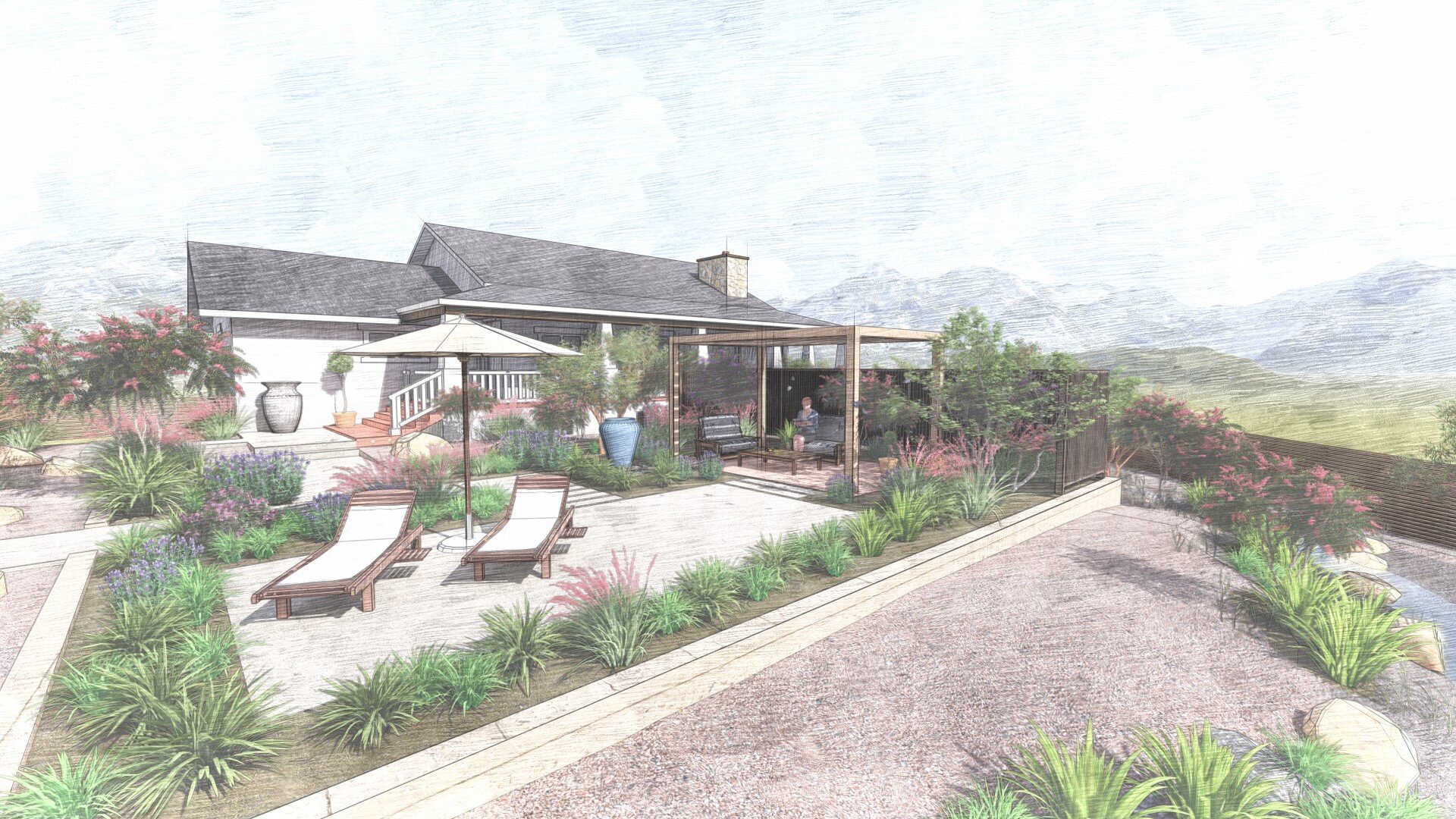
Conceptual Rendering of Backyard
Ecological Balance and Living Systems
At LASD Studio, we believe that landscape architecture is a form of ecological renewal. With each project, we close the cycles of clean water, fresh air, fertile soil, and biodiversity. The Sanctuary Garden was designed not only for beauty today but for resilience tomorrow.
The first year after installation, the garden begins to heal and adapt, forming its own microclimate and ecosystem. By the second and third years, plants knit together into a lush, thriving environment—a living sanctuary for both people and wildlife.

Sanctuary Garden Planting Plan

Front Yard Sanctuary Garden Design
Master plan of the property

Sanctuary Garden Masterplan
Work in progress during the installation
Temecula Sanctuary Garden video during installation
Behind-the-scenes video of LASD Studio’s Sanctuary Garden in San Diego, showcasing planting installation, sustainable garden design elements, and the creation of a private ecological retreat.
EXISTING CONDITION
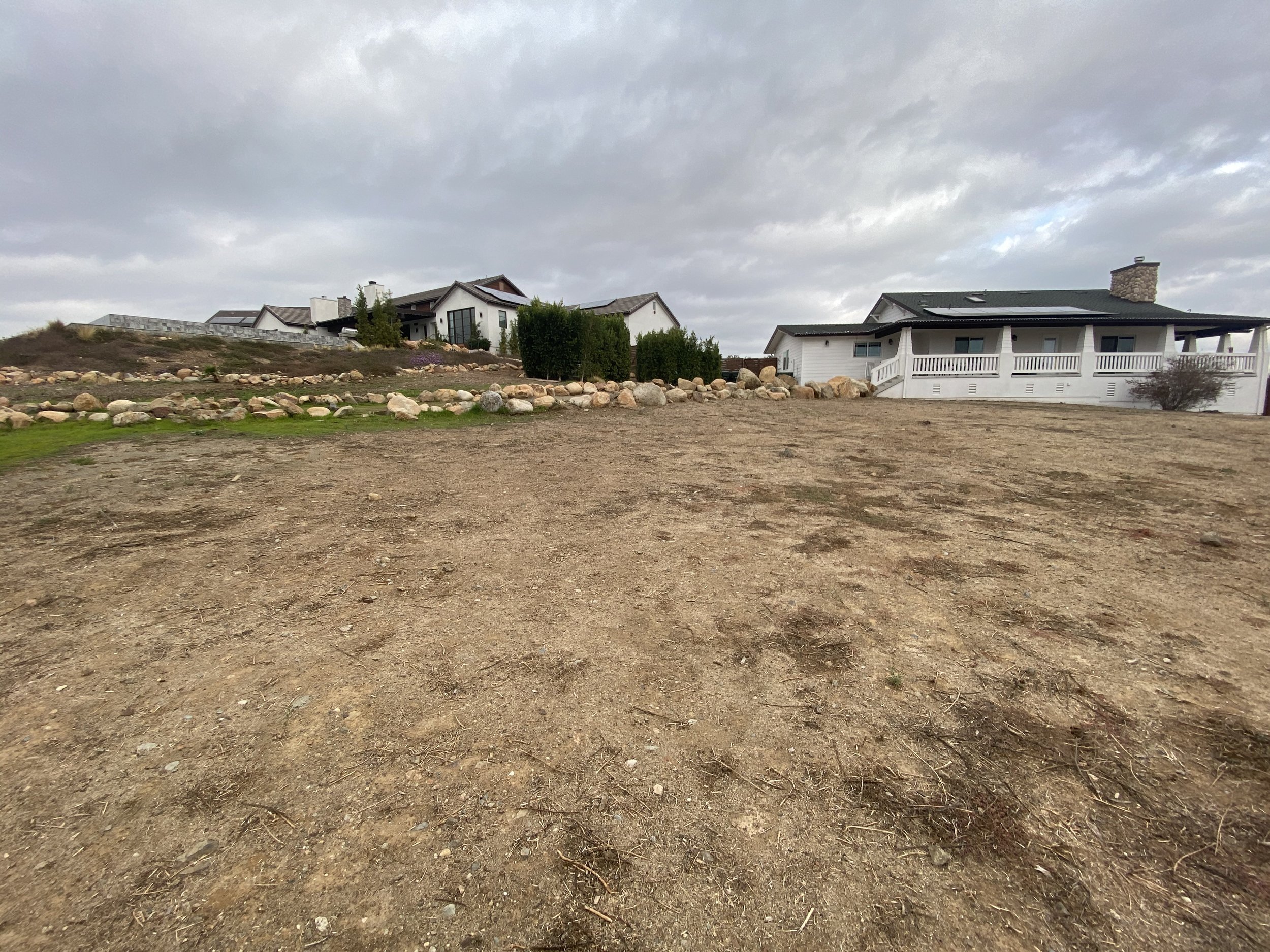
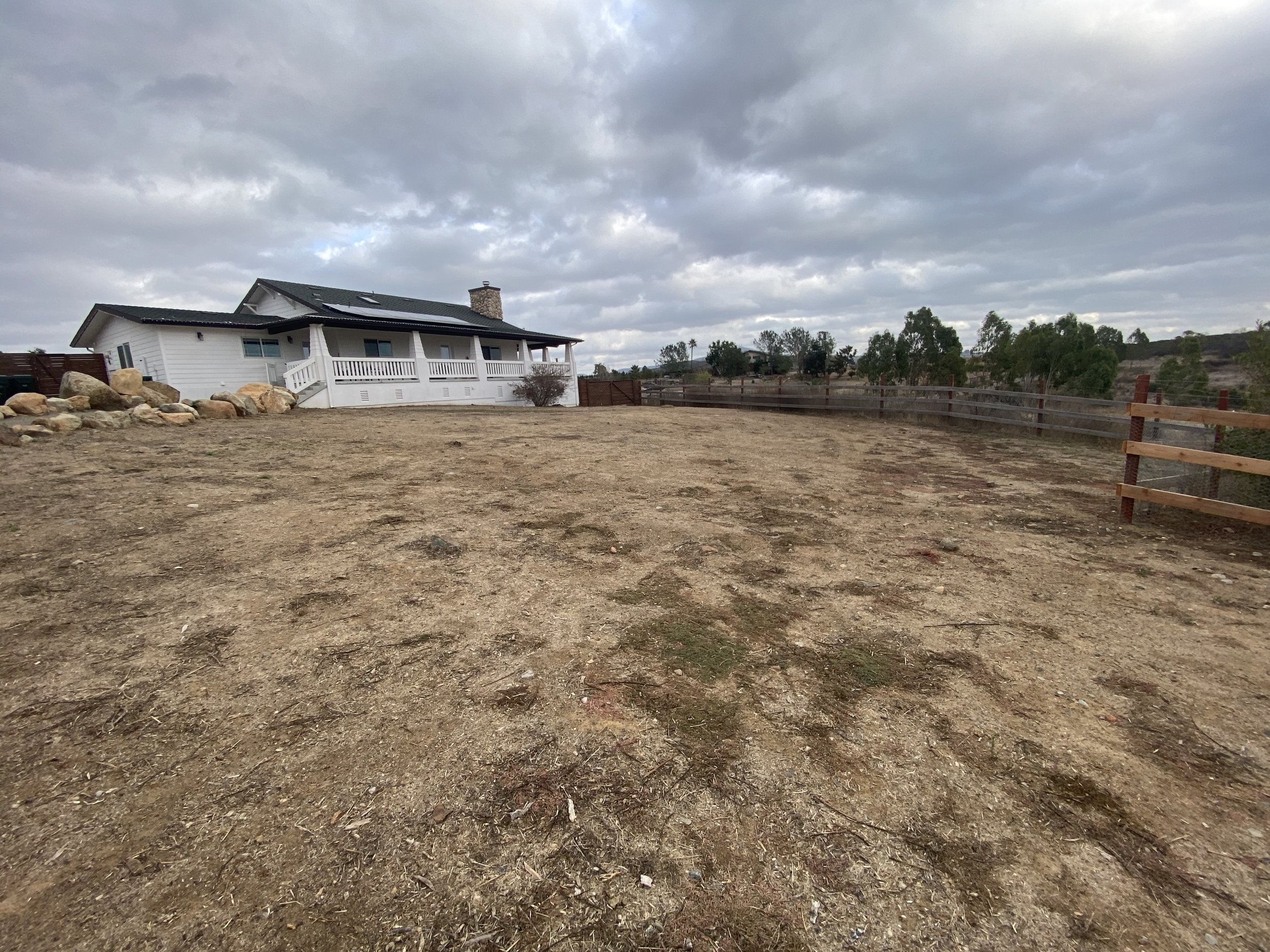
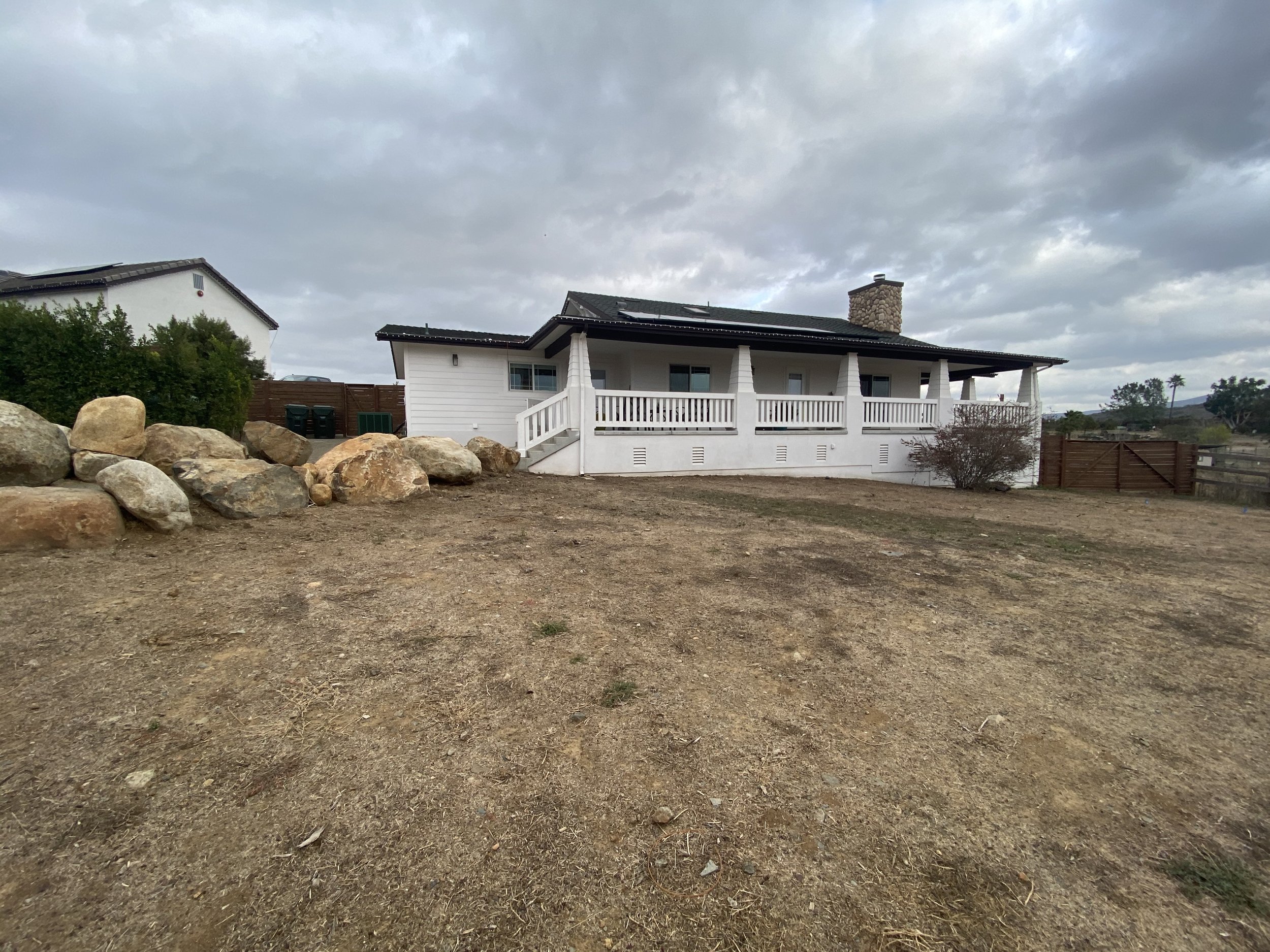
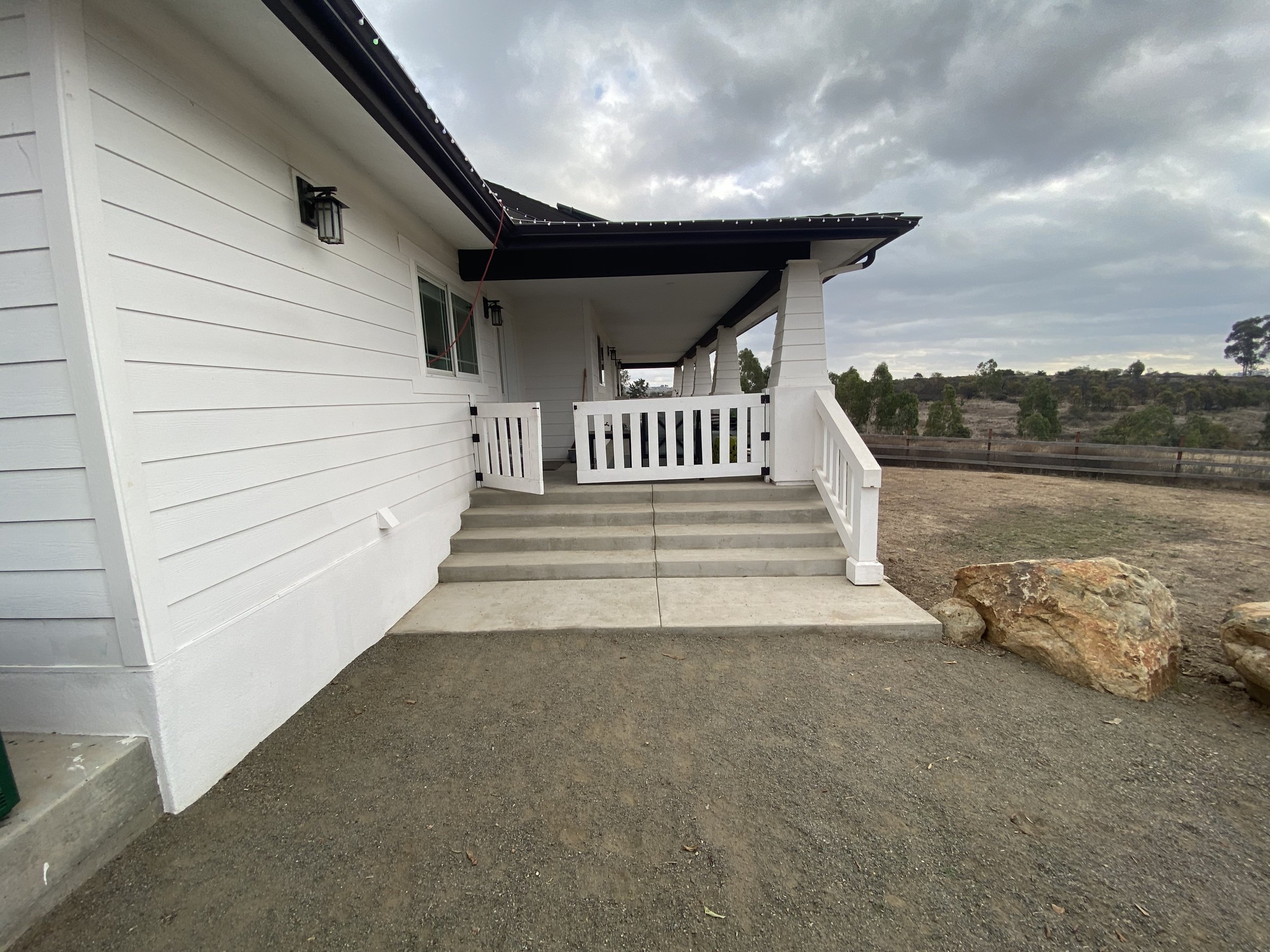
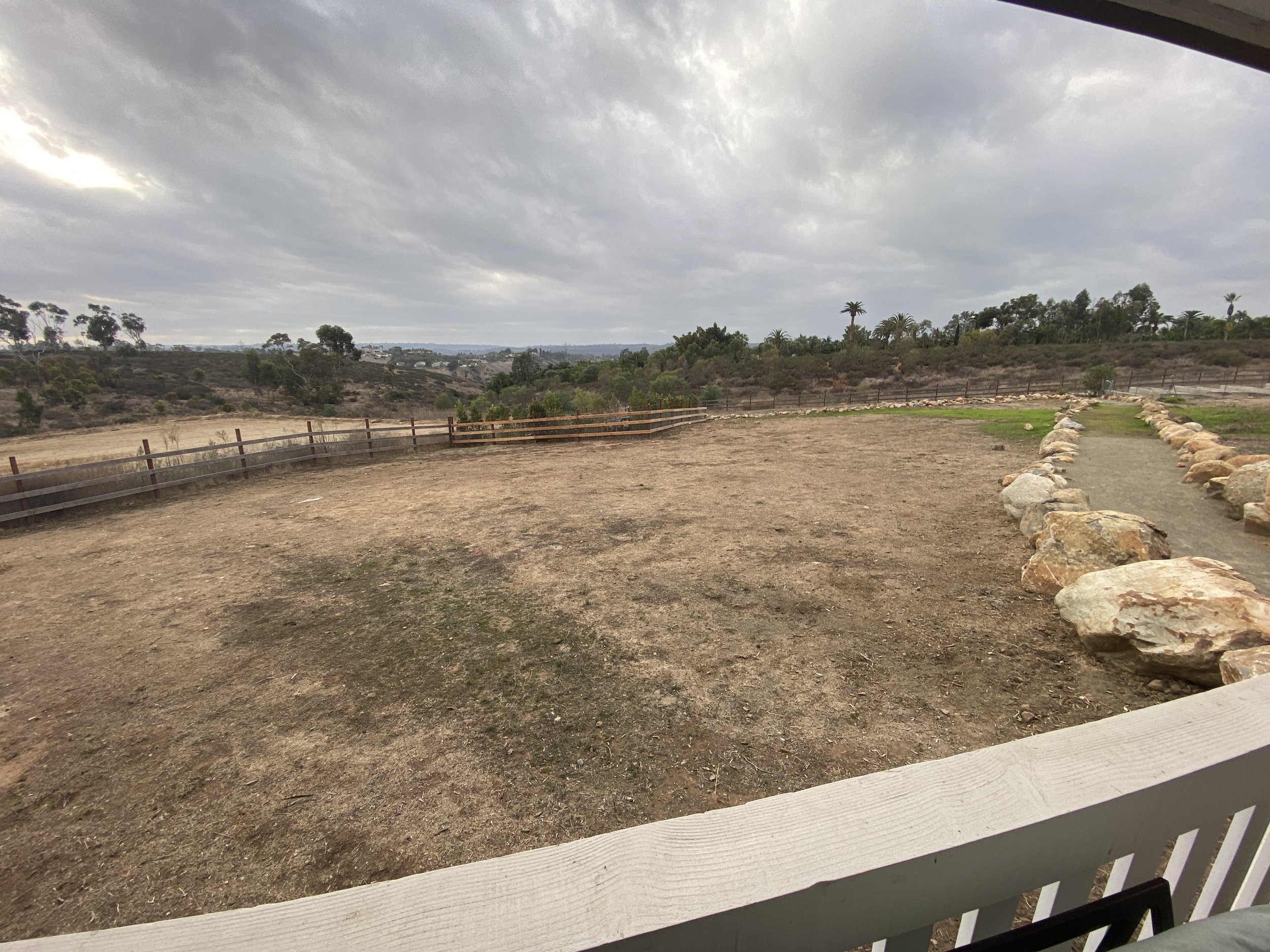
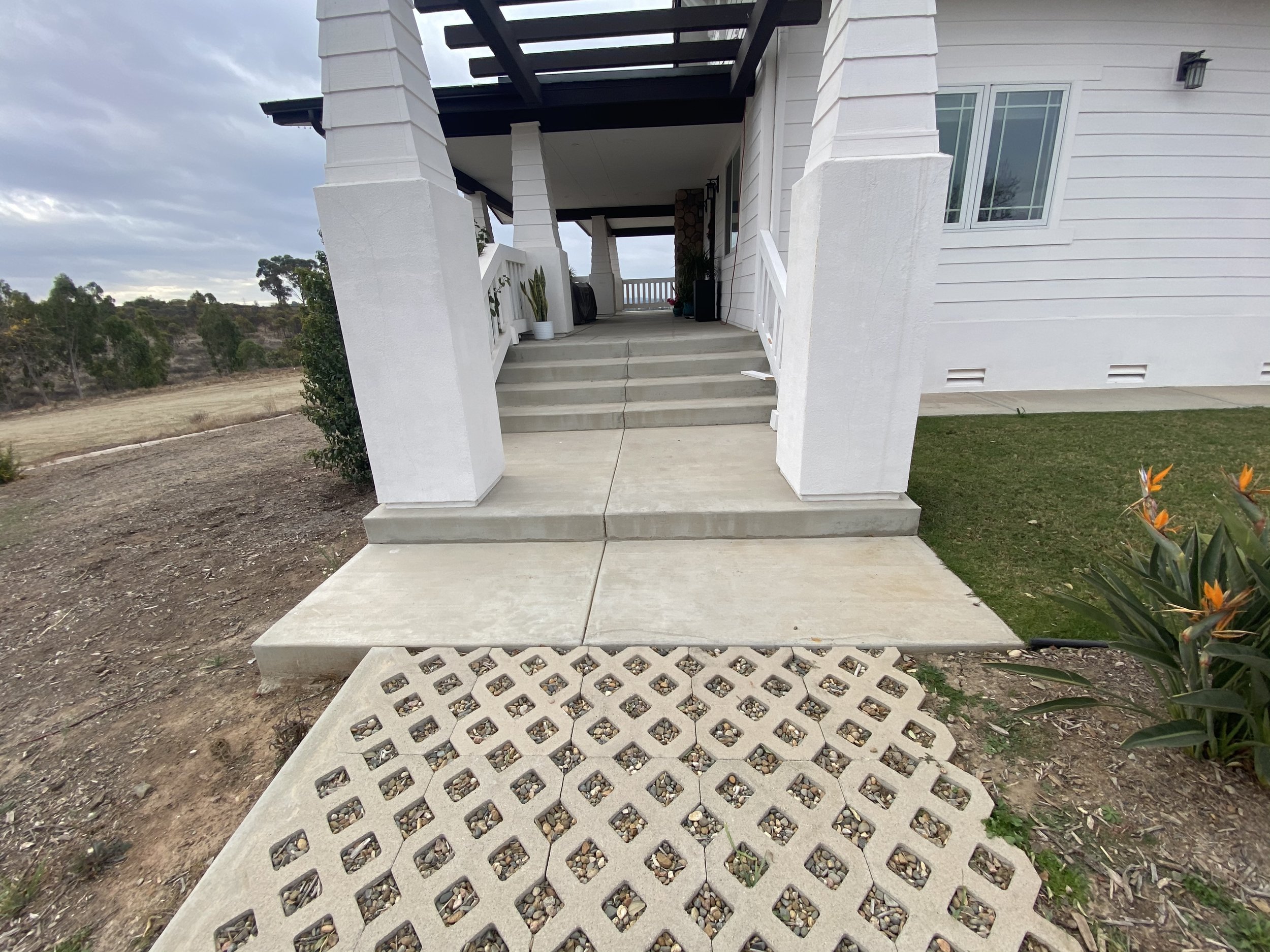
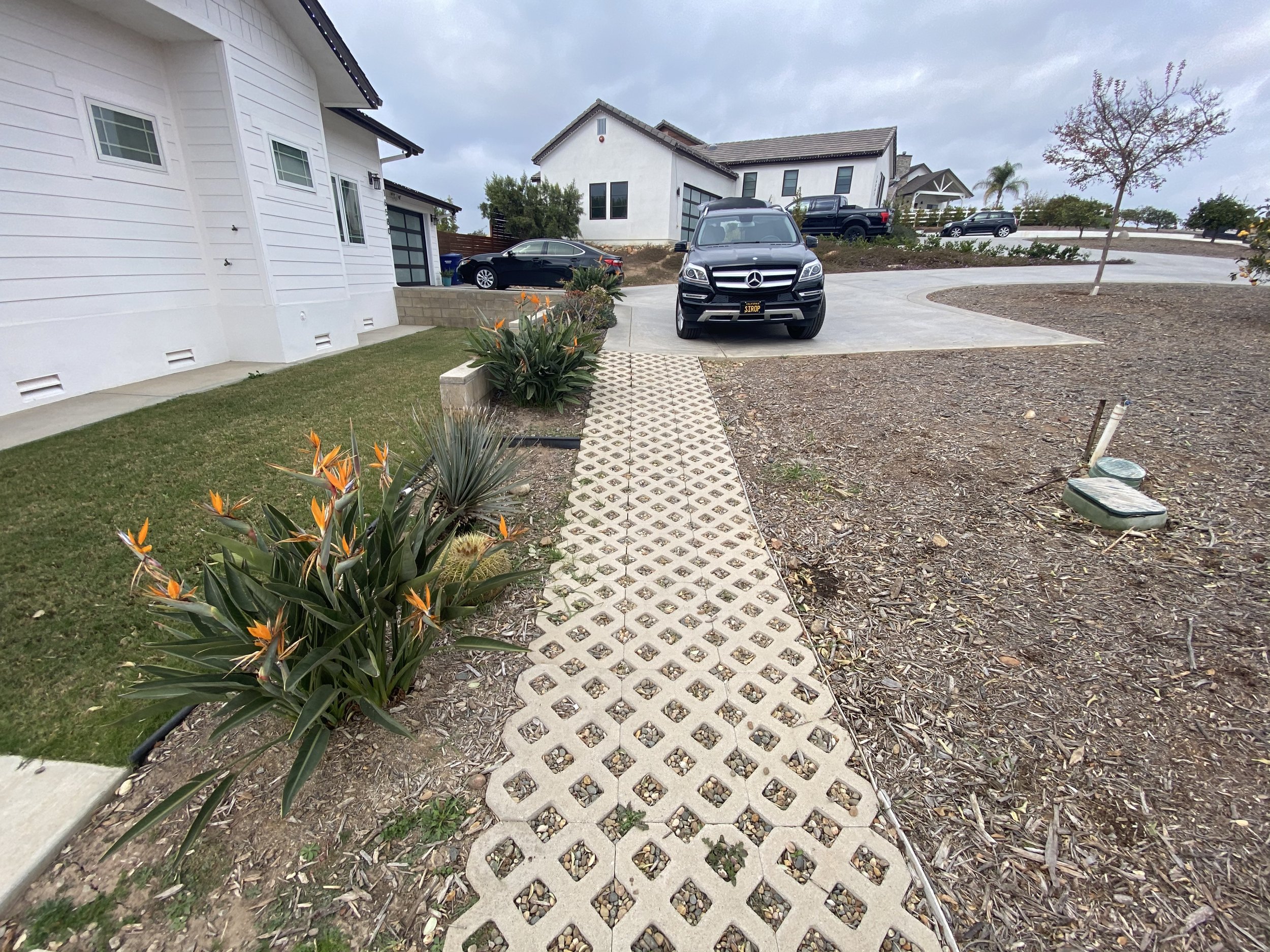
A Garden That Evolves Over Time
Every sanctuary begins with a seed. In this San Diego retreat, we planted a future of beauty, biodiversity, and ecological intelligence. With time, the garden matures into a lush, layered sanctuary - an everyday miracle unfolding season after season.
‘We love this garden. Amazing design that really works. We use our outdoor every day now.’
Cynthia

Award-Winning Butterfly & Bird Garden in Poway, California
A small ecological restoration garden in Poway, California, designed as a private sanctuary for butterflies, pollinators, wildlife and people.
An early LASD Studio garden where extensive lawn was transformed into an intimate living sanctuary for butterflies, birds, pollinators and people.
The Butterfly Garden in Poway, California, is a small ecological restoration project that transforms a neglected, dry landscape into a living private sanctuary for butterflies, pollinators, wildlife and people, designed as a living ecosystem.
Designed entirely by LASD Studio founder Yura Lotonenko, this was one of his first gardens in Southern California, and one of the projects that began shaping the studio’s ecological design philosophy.
The completed landscape received multiple awards through San Diego-area garden tours, but its deeper achievement is quieter. A neglected, water-demanding yard became a place where people could sit among grasses, flowers, stone and birdsong while a small but increasingly complex habitat developed around them.
From Water-Intensive Lawn to Living Habitat
Before the habitat garden could begin, a substantial portion of the existing lawn had to be removed.
This was not simply a visual change. Conventional turf occupied valuable ground while offering limited structural diversity for butterflies, birds and other wildlife. Replacing it created room for a layered landscape of milkweed, nectar-rich flowers, ornamental grasses, shrubs, groundcovers, boulders, permeable gravel and a dry creek.
The transformation reduced the dominance of one uniform surface and introduced multiple ecological conditions: flowers for nectar and pollen, host planting for butterfly life cycles, seeds for birds, protected soil, perching points, shallow water and spaces of shelter.
What had been an open, depleted ground plane became a sequence of living relationships.

Butterfly garden at sunset with birdbath and seating, Poway, California
Art and Ecology in One Composition
The garden is carefully composed, but it is not static.
Pink grasses catch the low evening light. Boulders hold the structure of the landscape while plants move around them. Gravel and rounded creek stone establish a calm ground plane, and the dry creek traces a natural line through the garden.
During rain, the channel can receive and guide runoff, slowing the movement of water through the property. In dry weather, it remains as a visible memory of water - a sculptural element that organizes the planting and gives the garden a sense of depth.
Paths are suggested through openings between plant masses rather than imposed as rigid corridors. The seating area settles within the planting, oriented toward the garden, birdbath and changing sunset rather than away from them.
This is the project’s artistic and ecological synergy: every practical element contributes to the atmosphere, and every beautiful element participates in how the garden functions.
Our vision was to create more than a decorative garden - it is a synergetic system where plants, pollinators, and people coexist. Carefully selected planting palettes ensure year-round color, fragrance, and habitat. The dry creek feature provides both an aesthetic focal point and a functional stormwater solution, creating a microclimate that cools the backyard naturally.

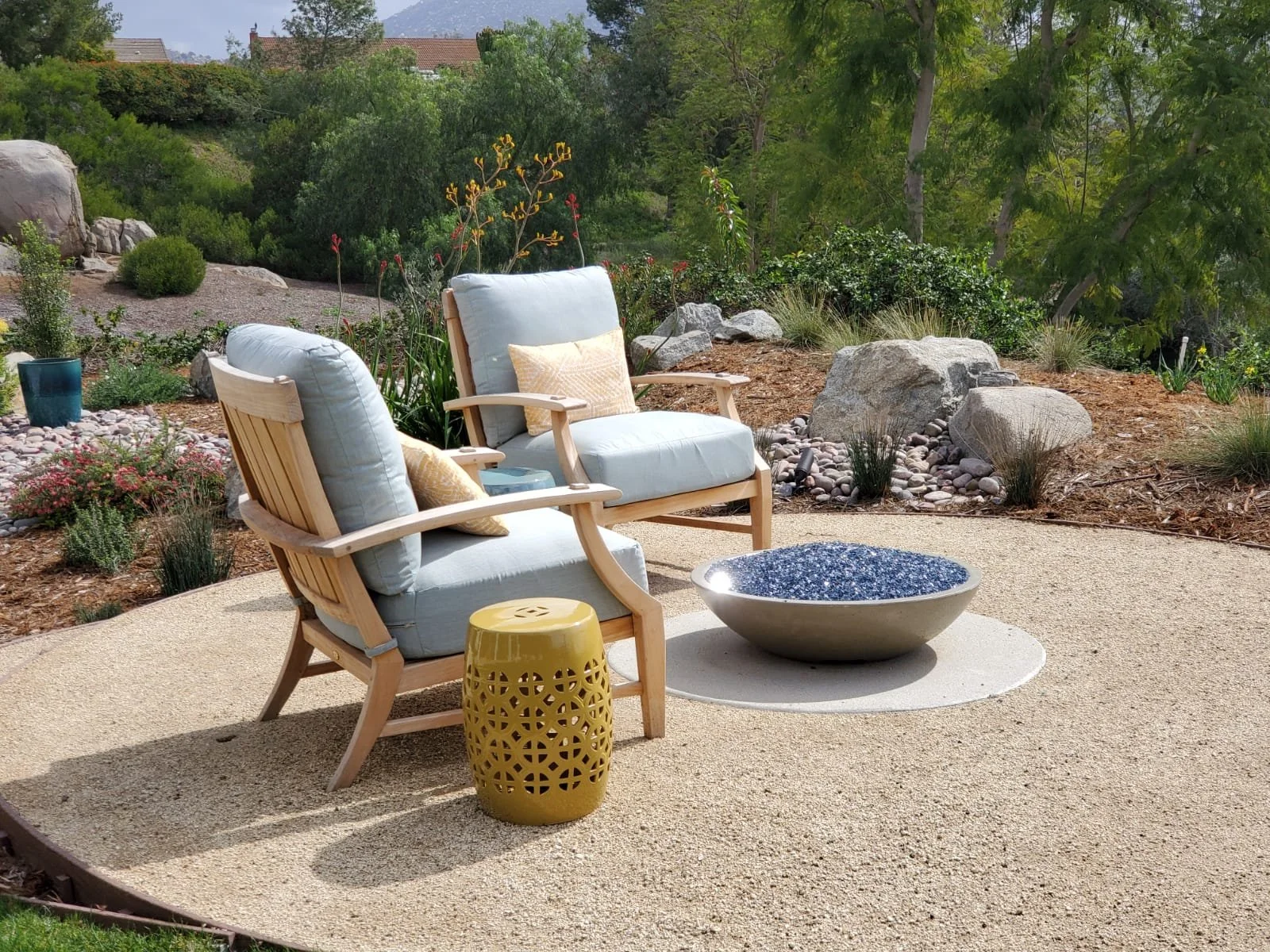
Cozy seating patio with fire bowl in butterfly garden, Poway, California
A Garden for the Butterfly Life Cycle
A butterfly garden cannot be created with flowers alone.
Adult butterflies need nectar, but caterpillars require particular host plants. Milkweed is therefore more than a colorful garden accent: it supports the breeding cycle of monarch butterflies (Danaus plexippus). A longer seasonal sequence of nectar-producing flowers helps extend the garden’s value beyond a single flush of bloom.
Butterflies recorded across San Diego County that may visit suitable Poway gardens include: Monarch - Danaus plexippus, Gulf fritillary - Agraulis vanillae, Western tiger swallowtail - Papilio rutulus, Anise swallowtail - Papilio zelicaon, Common buckeye - Junonia coenia, Painted lady - Vanessa cardui, Orange sulphur - Colias eurytheme.
Their presence depends on season, weather, surrounding habitat and the availability of appropriate nectar and host plants. These species are potential regional visitors rather than a claim that every one has been formally recorded within this garden. The San Diego County butterfly checklist documents the remarkable diversity found across the region.
Bees, moths, hoverflies and other beneficial insects also use flowering landscapes, often performing less visible but equally important work within the garden.
A Birdwatching Garden in the City
The garden was designed not only for butterflies but also as a place for observing birds.
A birdbath provides an open place to drink and bathe, while layered planting offers seeds, insects, perches and protected spaces. Nectar-producing flowers can attract hummingbirds; seed-bearing plants support small songbirds; and insect-rich planting gives wrens and other insectivorous birds somewhere to forage.
Potential visitors within Poway’s wider landscape include: Anna’s hummingbird - Calypte anna, Black-chinned hummingbird - Archilochus alexandri, California quail - Callipepla californica, California towhee - Melozone crissalis, Spotted towhee - Pipilo maculatus, Bushtit - Psaltriparus minimus, Bewick’s wren - Thryomanes bewickii, Lesser goldfinch - Spinus psaltria.
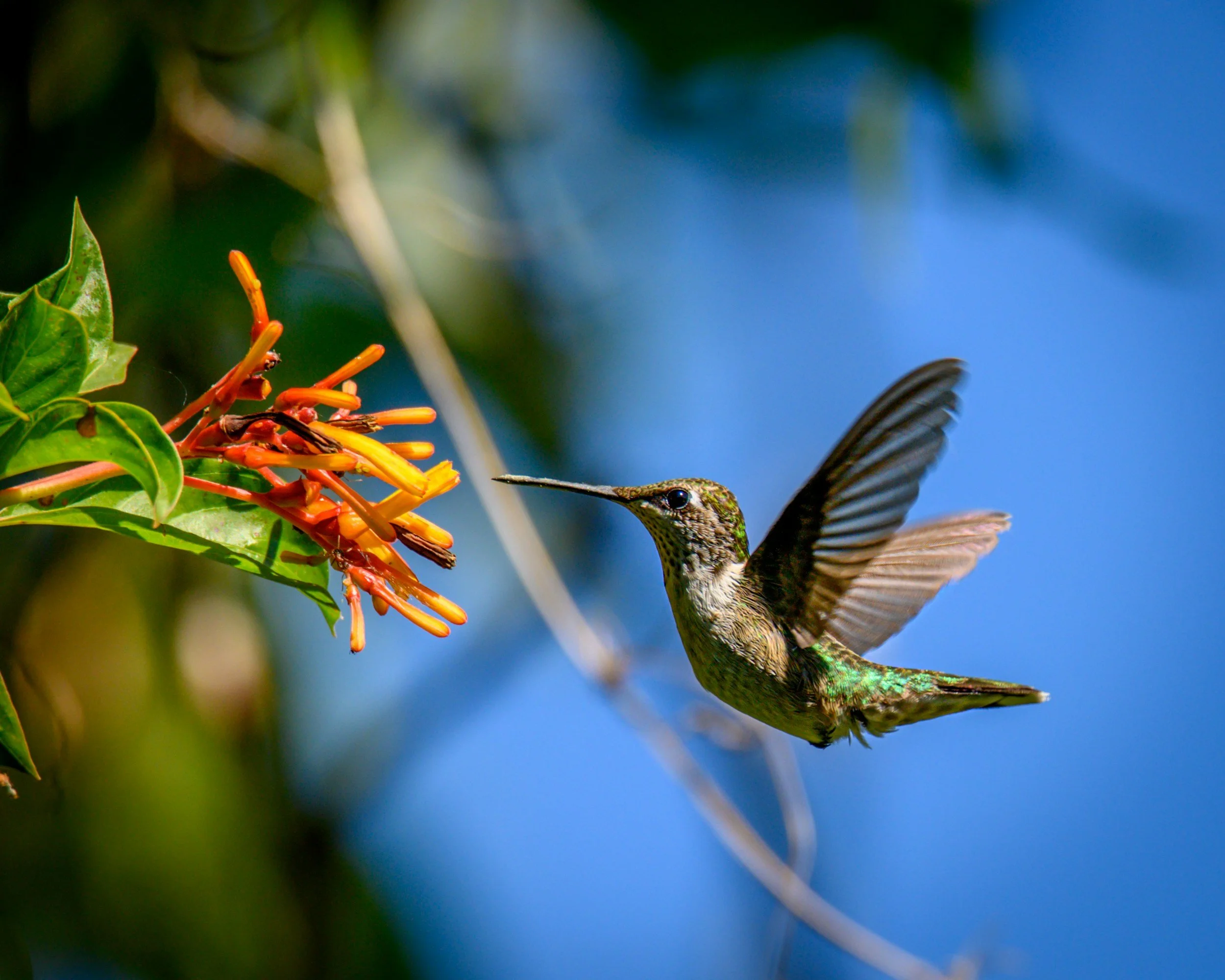
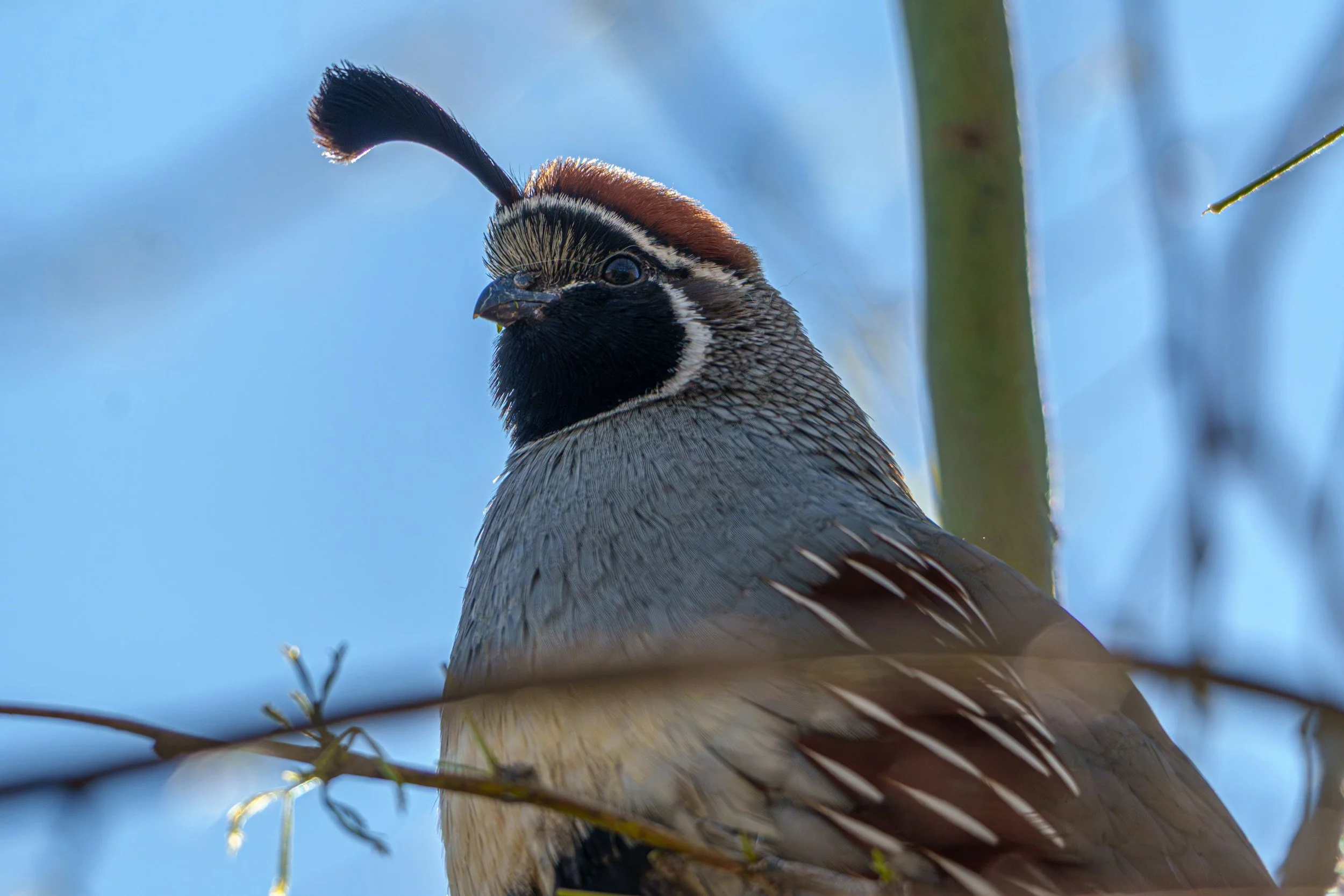
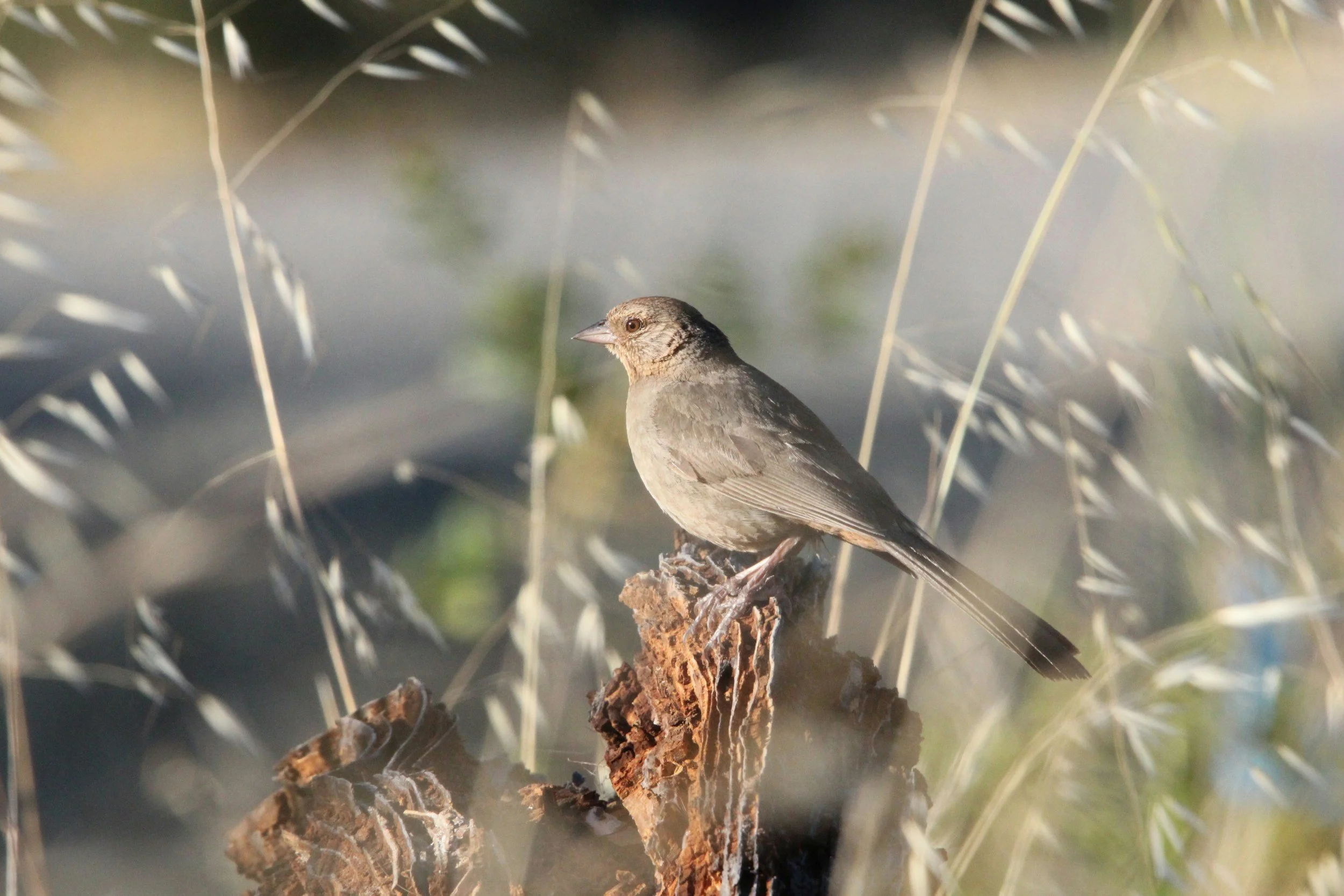
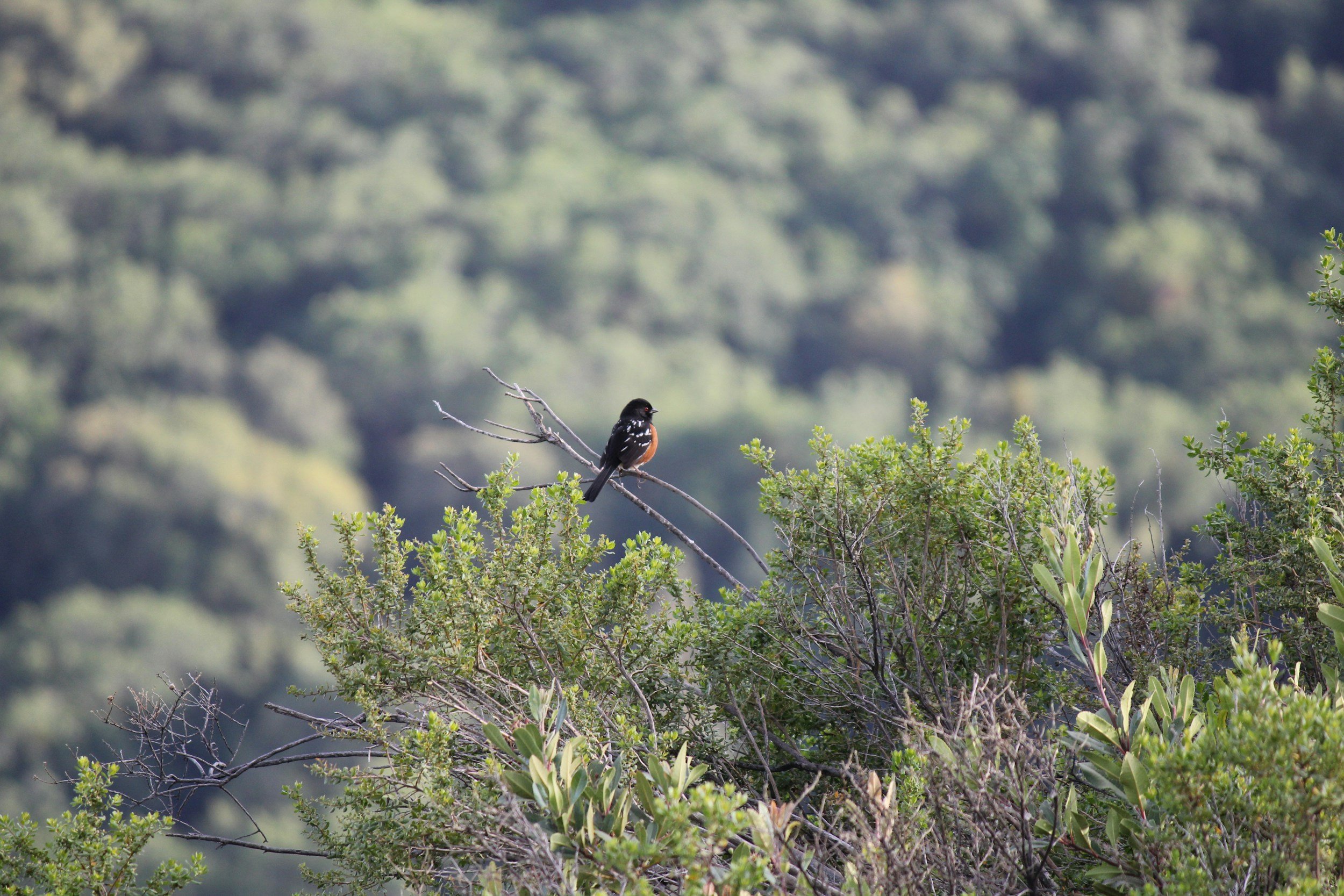
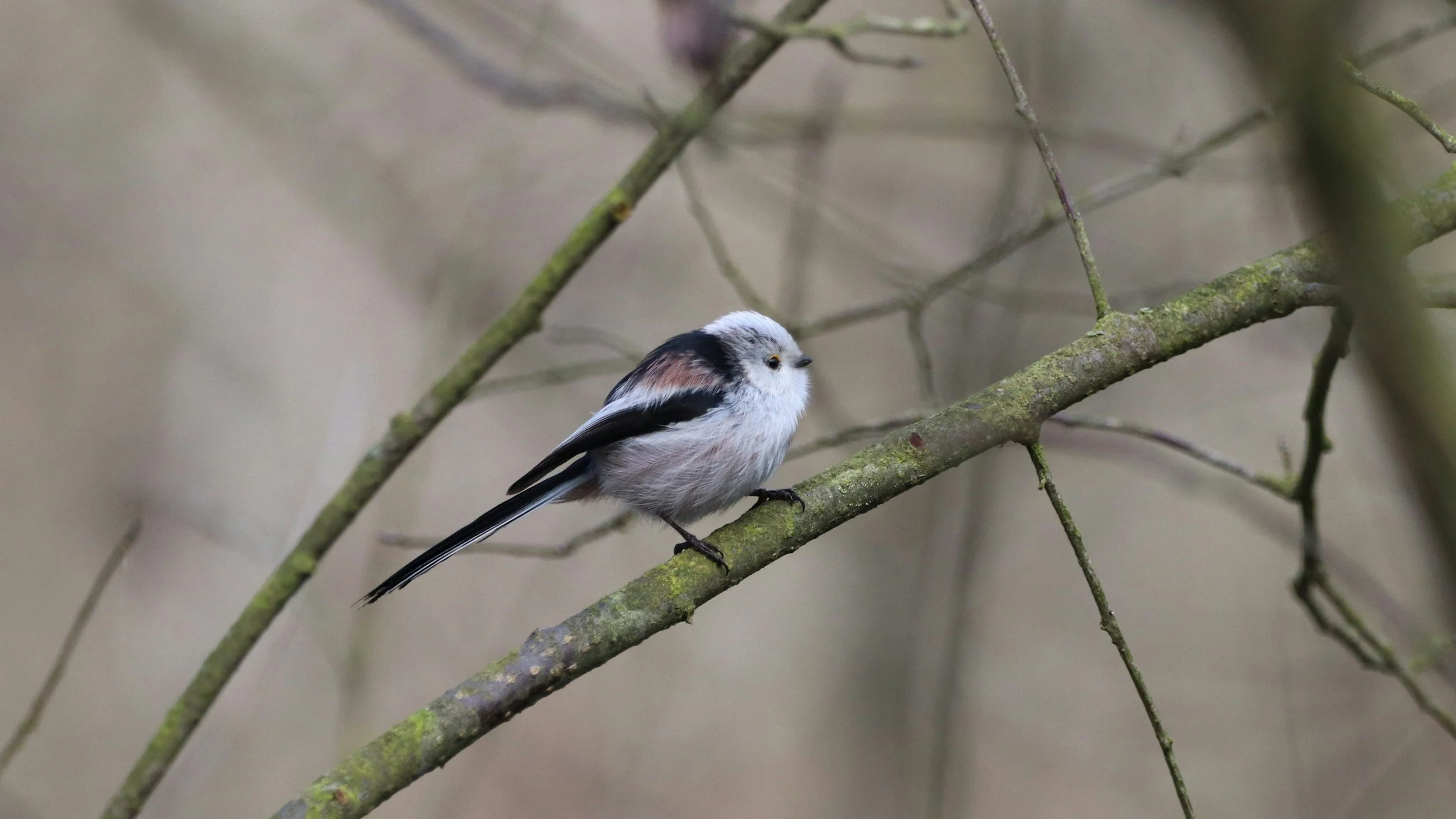
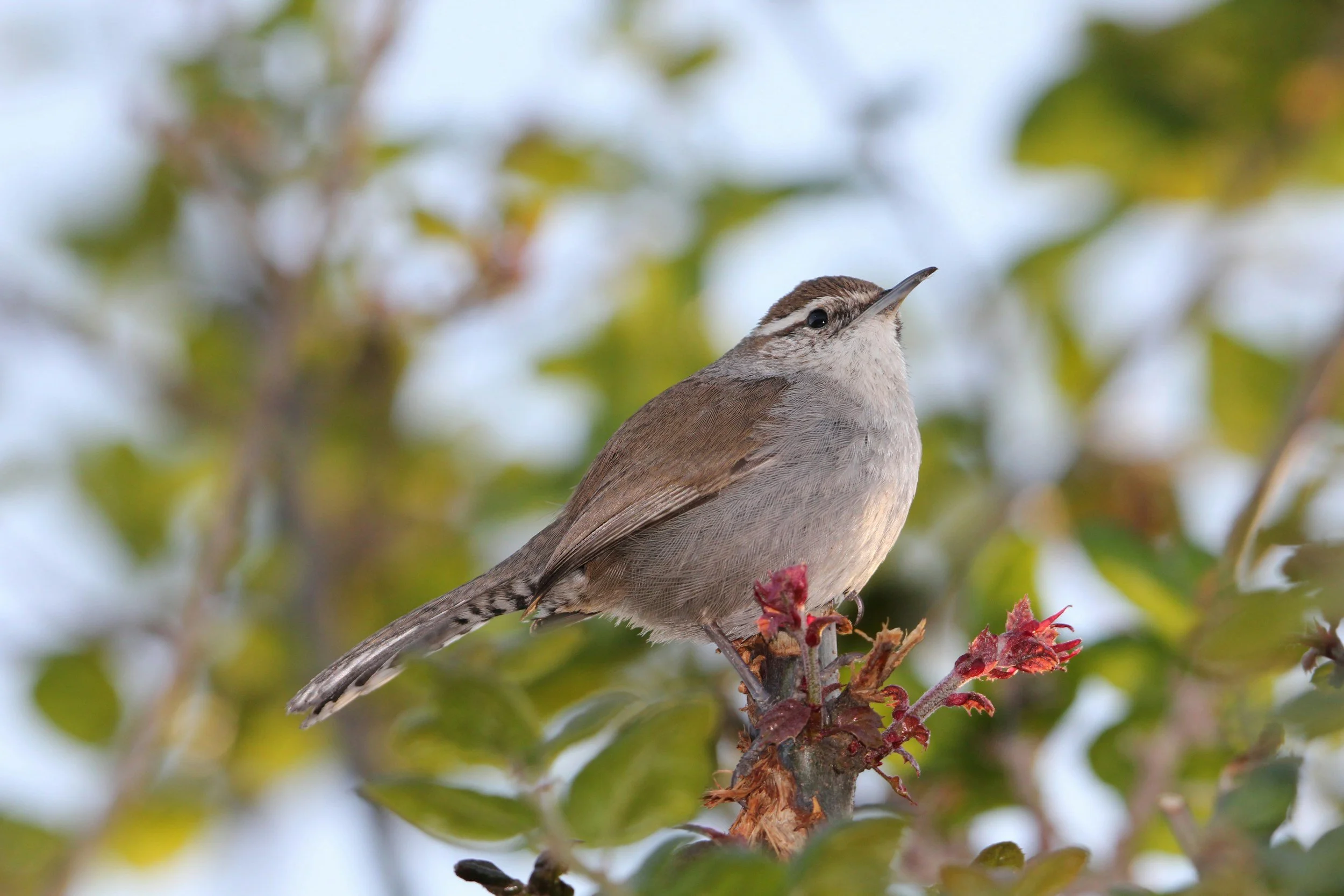
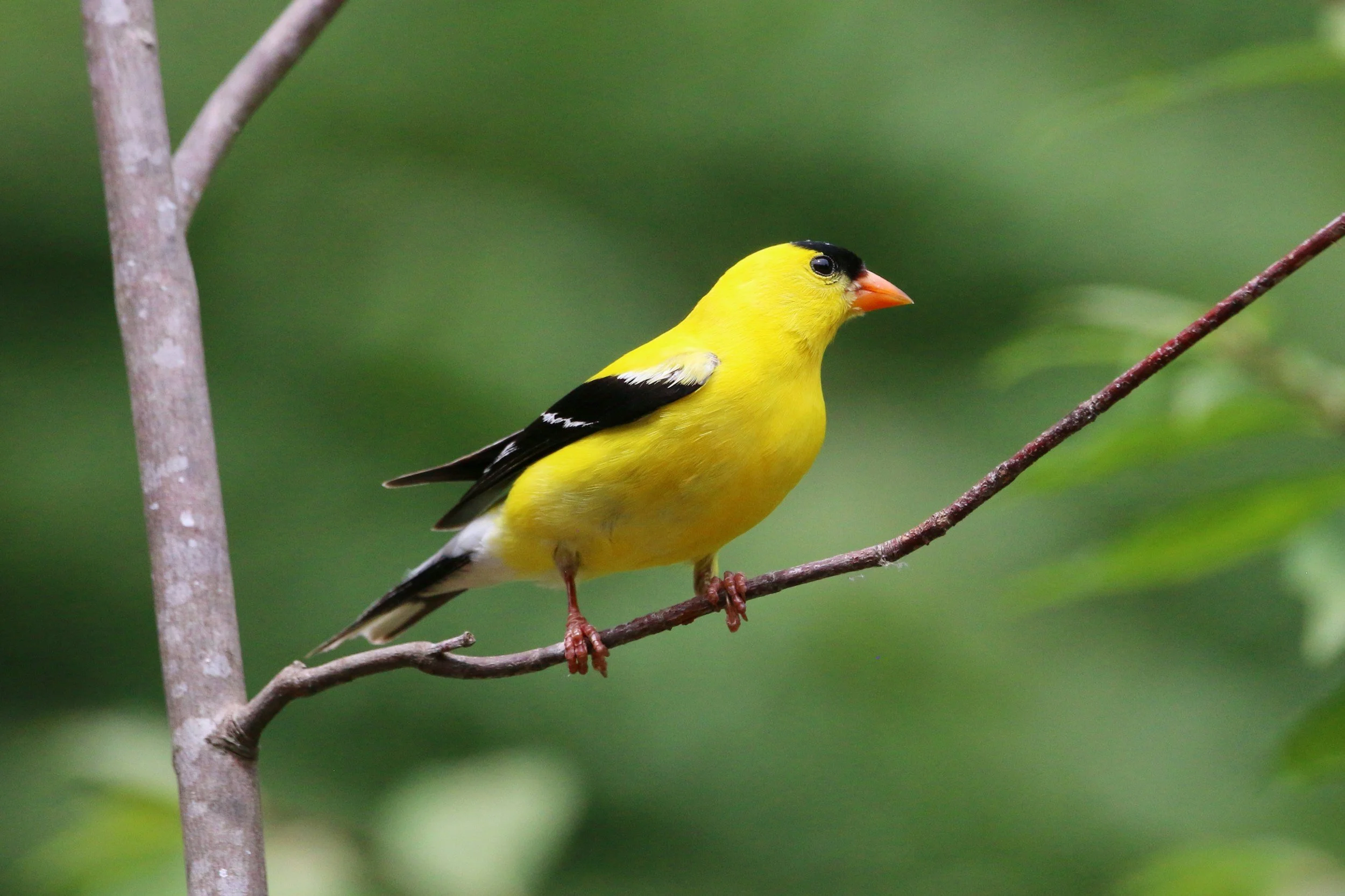
Nearby Blue Sky Ecological Reserve contains riparian woodland, coastal scrub and mixed chaparral, illustrating the wider mosaic of habitat surrounding Poway. Local birding guidance identifies towhees, bushtits, wrens, quail and hummingbirds among the birds expected within this landscape. California Department of Fish and Wildlife · San Diego Bird Alliance
Not every bird is a pollinator. Hummingbirds may carry pollen between tubular flowers, while wrens and other insect-eating birds contribute differently—by participating in the garden’s food web. Together, they bring movement, sound and changing patterns of activity throughout the day.
The Hidden Ecological Challenge: Argentine Ants
One of the garden’s most important lessons appeared only after installation.
The later discovery of invasive Argentine ants (Linepithema humile) revealed that creating habitat involves much more than selecting attractive flowers. A garden may look abundant above ground while less visible pressures are altering its ecological relationships below.

Argentine ants can reach high densities in irrigated urban landscapes. They displace native ant species, interact with honeydew-producing insects such as aphids and scale, and can affect wider arthropod communities. Southern California research has documented their strong effects on native ant communities, particularly near developed landscape edges. Ecology study · UC Riverside Center for Invasive Species Research.
Their presence made observation and carefully targeted management part of the project’s continuing stewardship. Broad, indiscriminate pesticide use could harm the same butterflies and beneficial insects the garden was created to support. The response must therefore be informed, specific and compatible with the larger habitat objective.
This discovery did not diminish the project. It made its ecological purpose more truthful. A living landscape is never finished; it must be watched, understood and guided as relationships change.
A Garden That Evolves with Time
The first year of a habitat garden is primarily about establishment. Roots expand, soil begins responding and the planting learns the site.
During the second and third years, the composition becomes denser and more interconnected. Flowering cycles lengthen, grasses acquire greater presence, birds discover dependable water and forage, and the garden begins to develop its own recognizable rhythms.
Maintenance consequently changes from control to guidance: selective pruning, seasonal adjustment, observation, irrigation refinement and careful responses to emerging pressures.
Over time, the garden becomes less like an installation and more like a place with its own life.
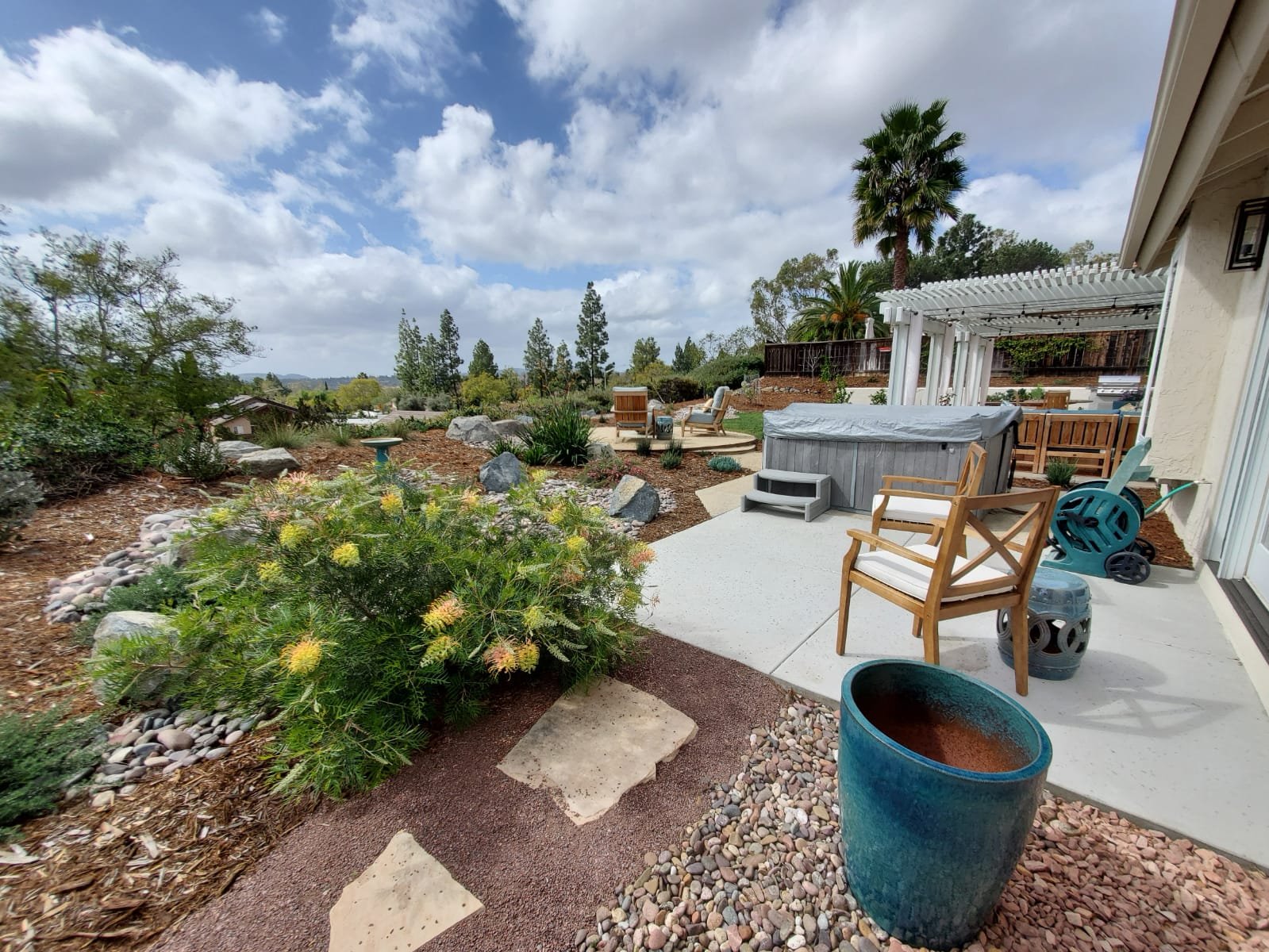
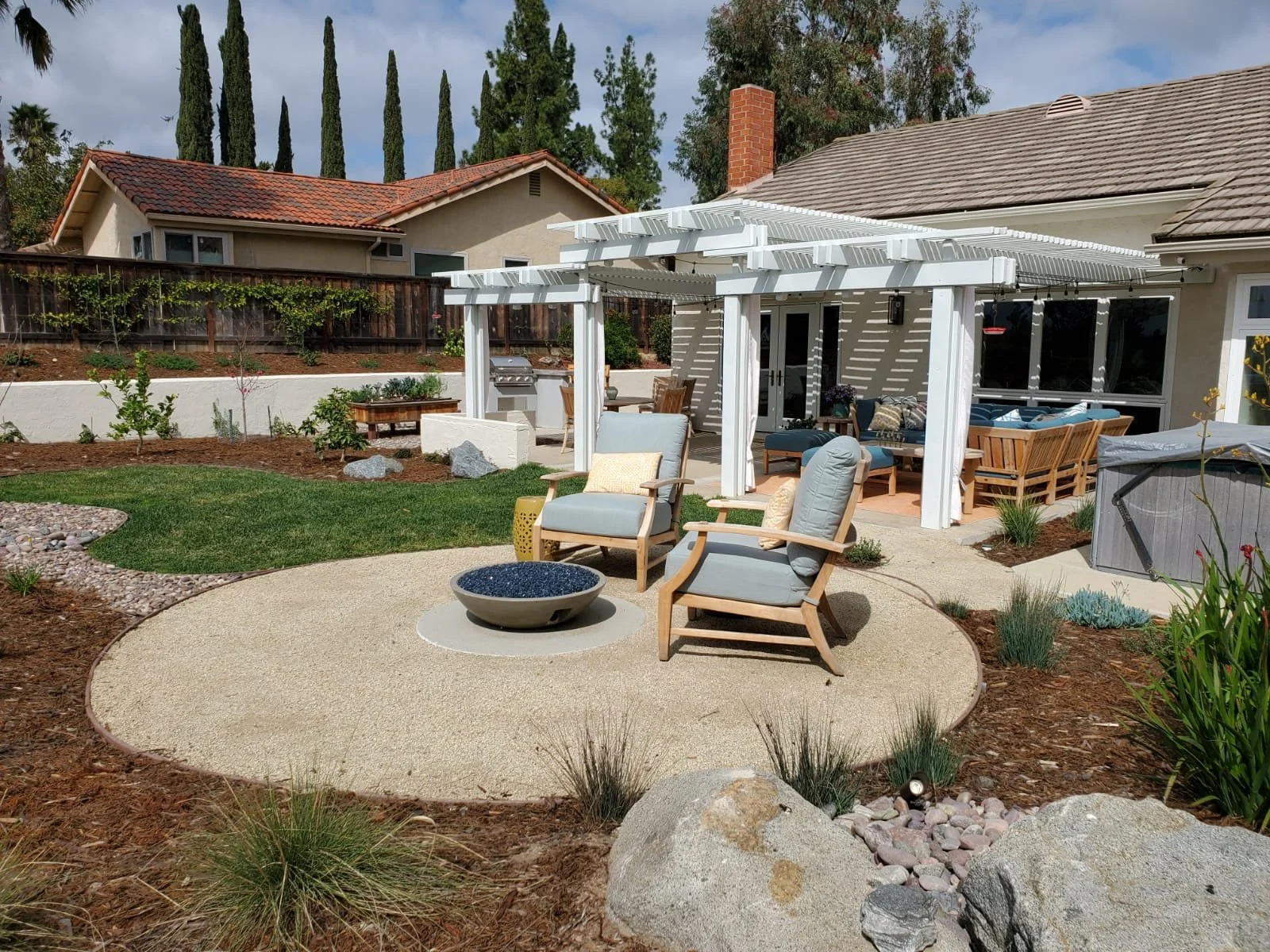
First Year Pictures after the Garden Installation
Landscape Design in Hillcrest San Diego - Baroque Garden Project
A Baroque-inspired garden in Hillcrest, San Diego. Designed with symmetry, geometric parterres, and sculpted greenery, this project revives the grandeur of European tradition while adapting to California’s climate and lifestyle.
A Timeless Symphony of Geometry, Ornament, and Elegance
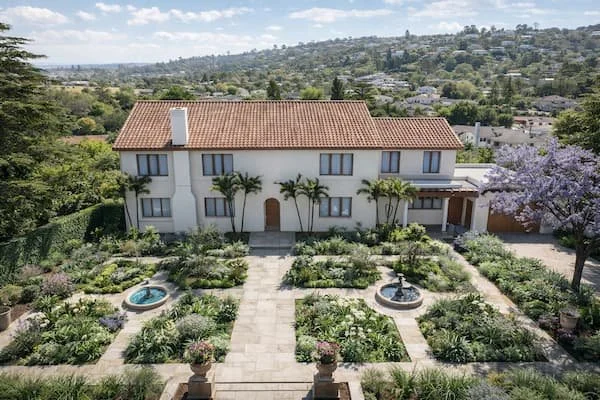
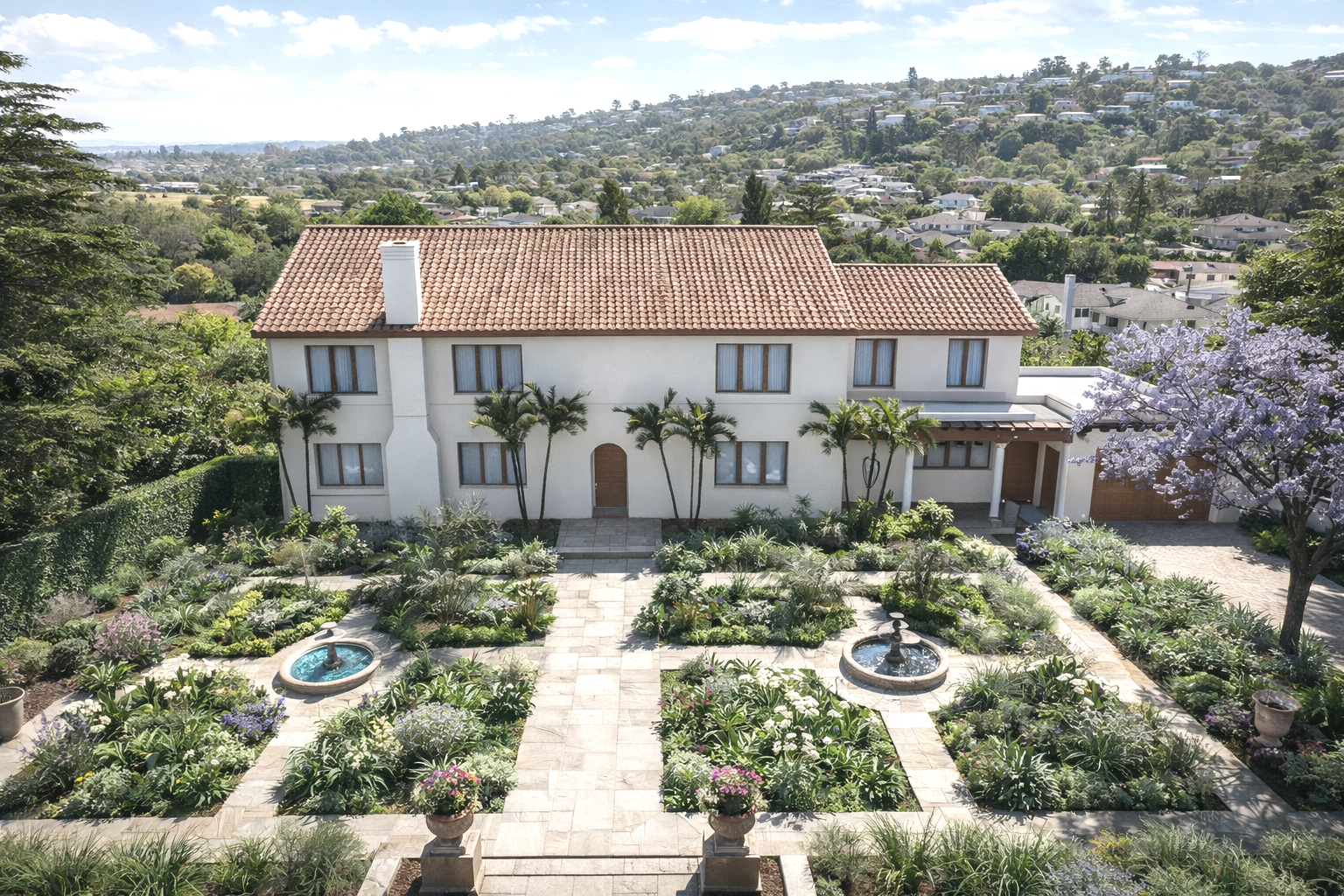
The Baroque Garden in Hillcrest, San Diego, reinterprets the geometry, symmetry and theatrical composition of European Baroque gardens for a contemporary private residence in Southern California.
Rather than copying history literally, the project adapts classical garden principles - axial views, parterres, clipped planting, focal points, ornamental paving and water features - into a modern residential landscape shaped by California climate, lifestyle and maintenance realities.
This project demonstrates LASD Studio’s ability to work with historical garden languages as living design systems. Here, geometry is not decoration alone. It becomes a way to organize movement, frame architecture, create ceremony, guide views and transform a private garden into a composed outdoor room.
The result is a refined residential garden where heritage, structure and contemporary living meet.
Baroque Garden design in Hillcrest, San Diego. Architectural visualization of vision.
Baroque gardens emerged in 17th century Europe as an extension of architecture into land. Not as decoration, but as structure.
In France and Italy, landscape was organized through long axes, controlled views, and precise ground geometry. Space was read from the house outward. Lines were not arbitrary. They directed movement, framed perspective, and established order.
Designers like André Le Nôtre refined this into a clear spatial language. A central axis anchors the composition. Secondary axes extend and balance it. Parterres define the ground plane. Water reflects light and stabilizes the visual field.
The garden becomes legible. You understand where you are, where you are moving, and how the space is held together.
Video walkthrough of a Baroque-inspired garden in Hillcrest, San Diego, showcasing parterres, symmetry, clipped hedges, fountains, and ornamental design adapted to Southern California living.
Baroque gardens were intended to illustrate the mastery of man over nature in a well structured composition to support architecture of the estate.
Baroque Garden Design Logic in Southern California
The Baroque approach remains relevant because it is not dependent on climate. It is based on structure.
Geometry organizes the site. Paths define circulation. Planting is layered and controlled, not spread loosely across the ground. Clipped forms are used with restraint. Mediterranean and drought-tolerant species replace traditional European palettes.
Water is reduced, but still present as a point of focus.
What remains is the underlying order. Not a historical reconstruction, but a translation into local conditions.
Relationship to Spanish Colonial Revival
Spanish Colonial Revival architecture already carries this logic. In fact there are elements of Baroque architecture that influenced development of Spanish Revival Architectural style. In this proposal - what you see, is symmetry, entry alignment, the way courtyards are framed and defined. Open space is not accidental - It is in order.
This creates a direct connection to Baroque landscape principles.
The garden extends the architecture rather than competing with it. The central axis aligns with the entry. The foreground is held by geometry. Planting softens edges without dissolving structure.
Stone, shadow, and vegetation operate together as one system.
Please visit out
Series of Styles and Epochs of Art that Influenced Landscape Architecture and Garden Design.
Section #4 - The Spectacle of Renaissance & Baroque Gardens
Central to the design is the orchestration of space through symmetry, parterres, and focal points, creating a theatrical garden experience where every path and vista is carefully choreographed. Sculptural plantings, clipped hedges, and decorative paving set the stage, while water features and garden ornaments add layers of refinement.
Beyond its architectural beauty, the garden has been carefully planned with sustainable planting selections that honor the spirit of Baroque grandeur while ensuring year-round vibrancy in San Diego’s environment. This fusion of heritage and innovation results in a living work of art - a private sanctuary that reflects both cultural richness and modern luxury living.
Long Term Performance of Structured Landscapes
A structured landscape changes how a property functions over time.
Movement becomes intuitive. Views are intentional. Maintenance becomes predictable.
The site holds its form as it matures. This is where historical discipline meets contemporary performance. Not style as an image, but as a framework that supports the landscape over decades.