
Landscape Architecture & Ecological Estate Design in Fallbrook, Southern California
Where Art and Nature evolve into Living Legacy
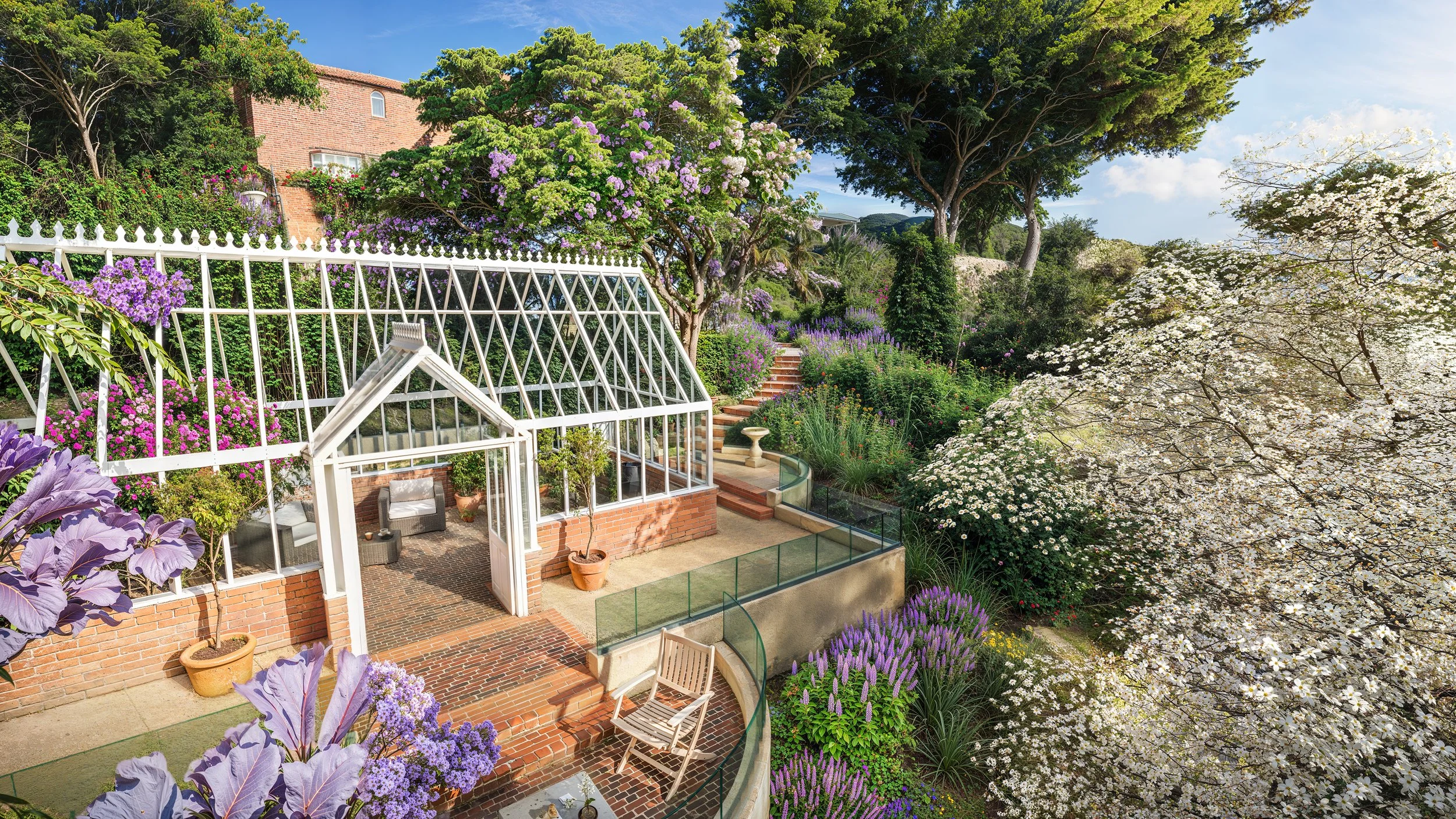
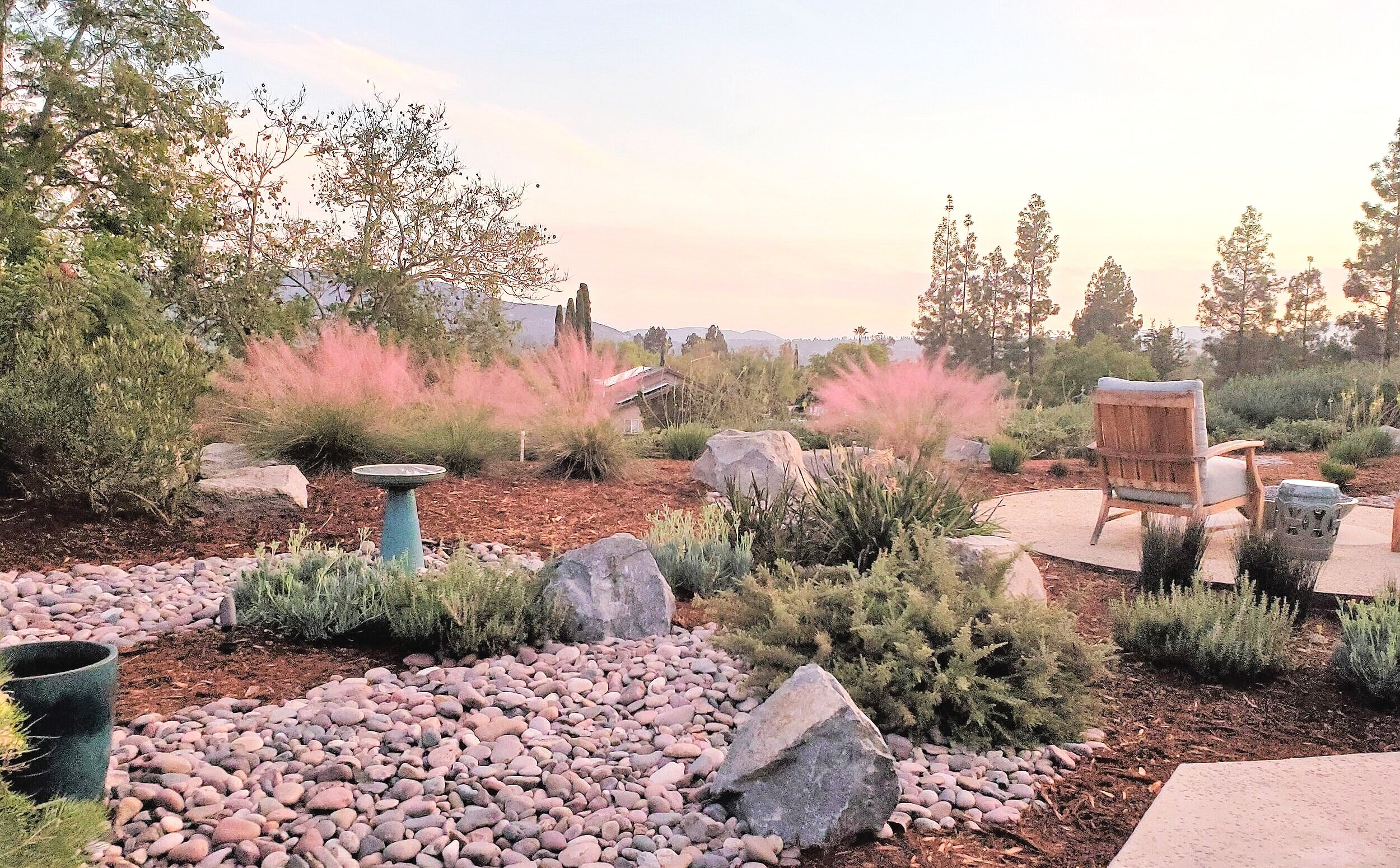
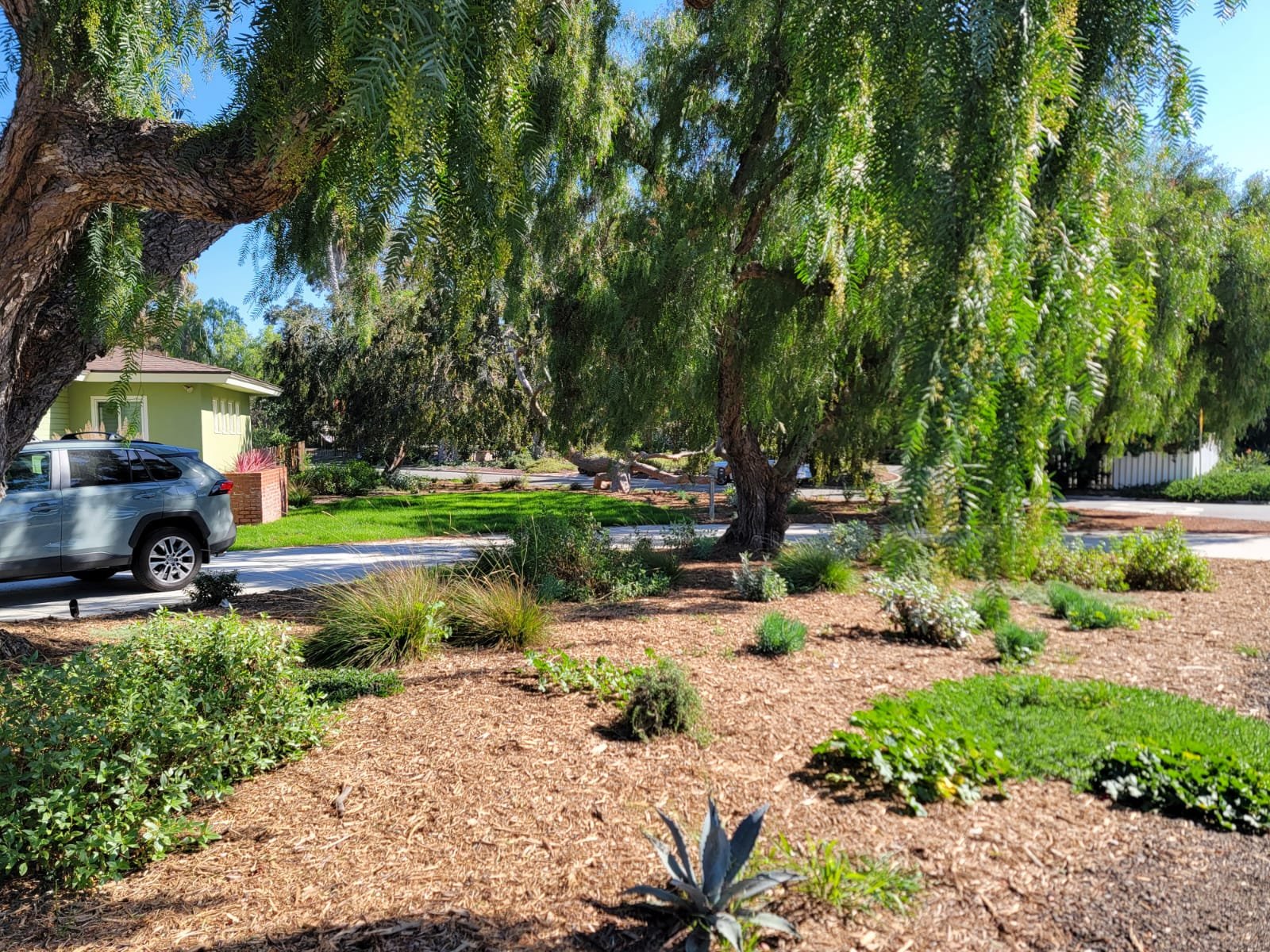
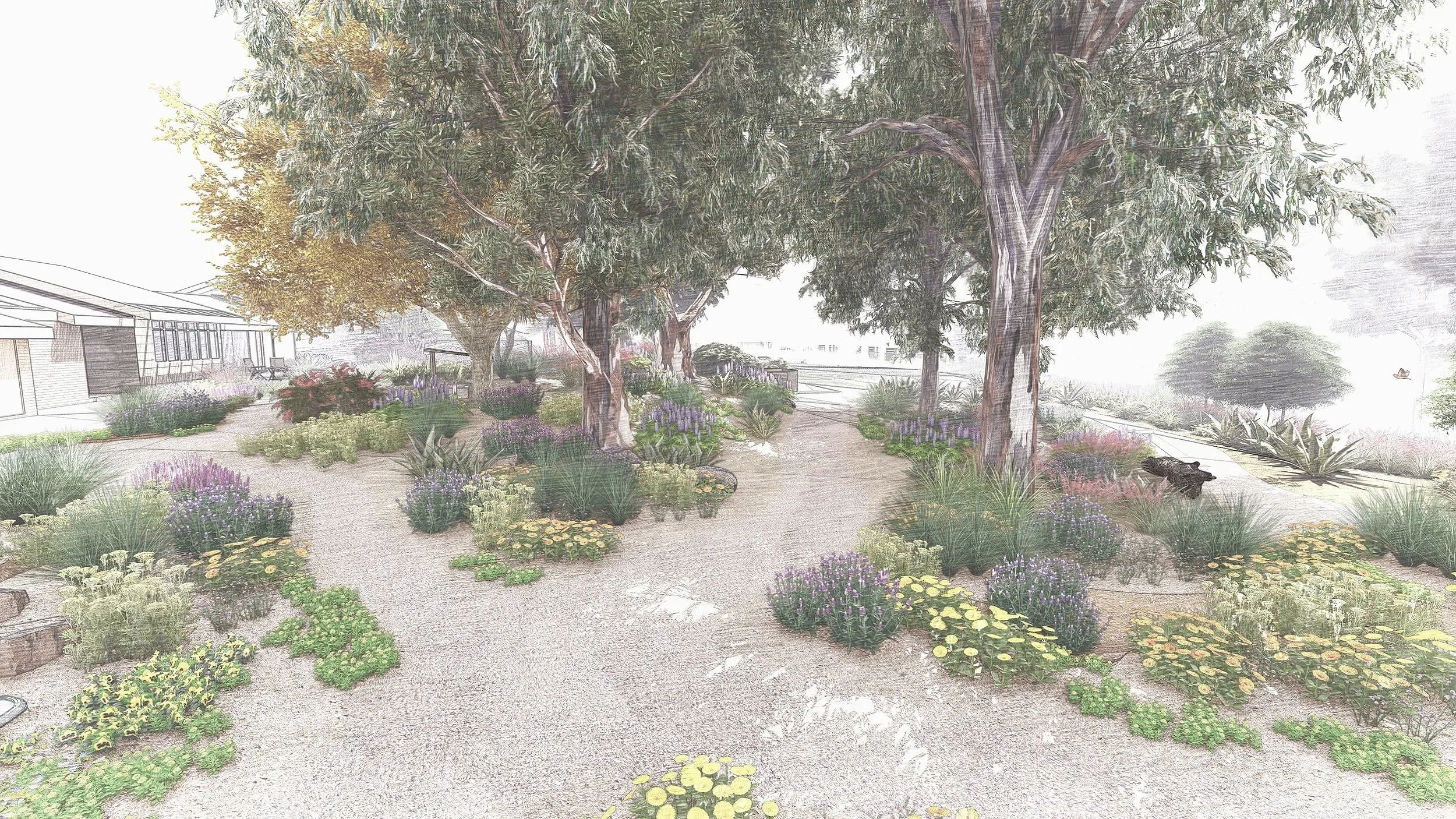
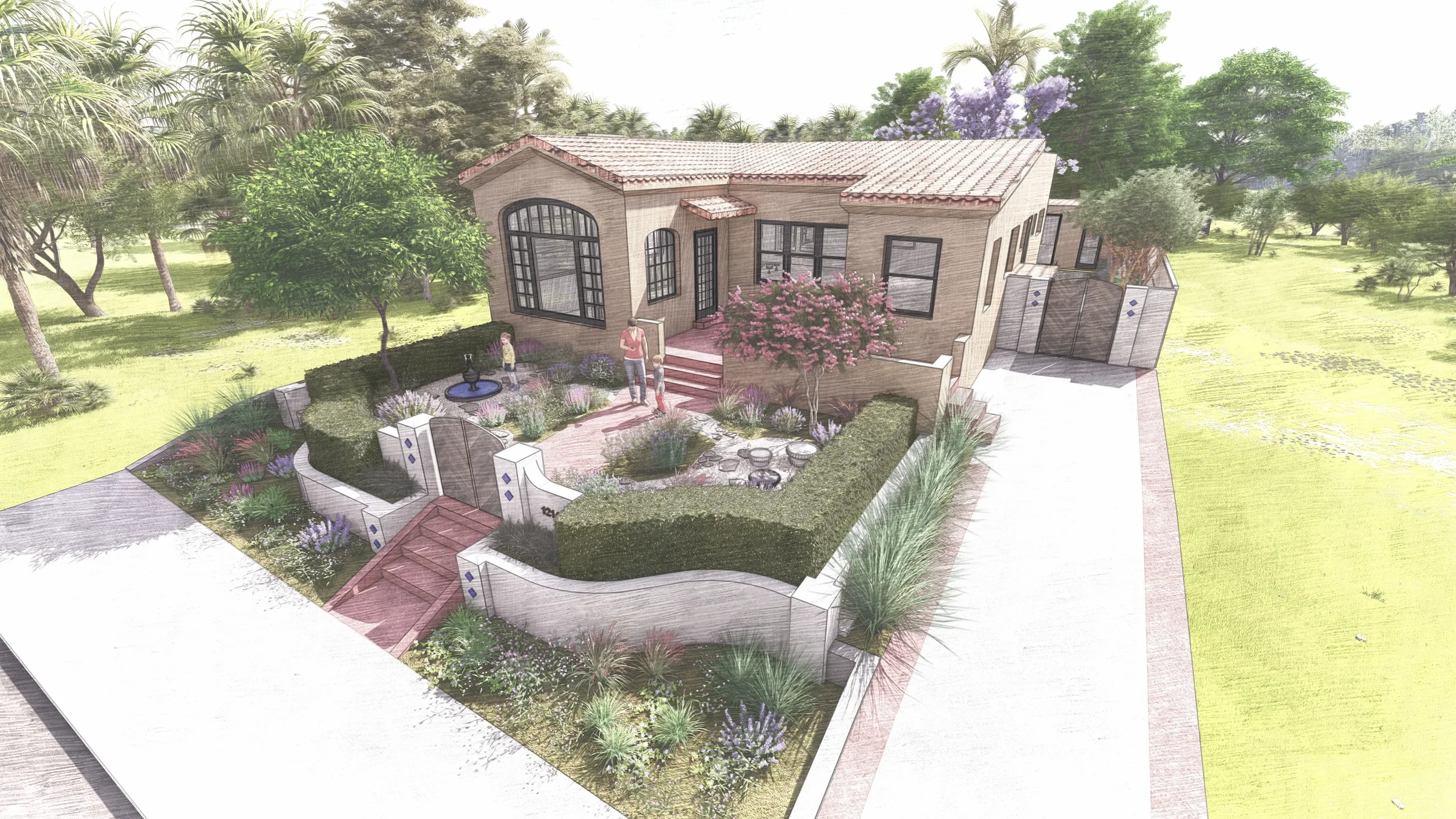
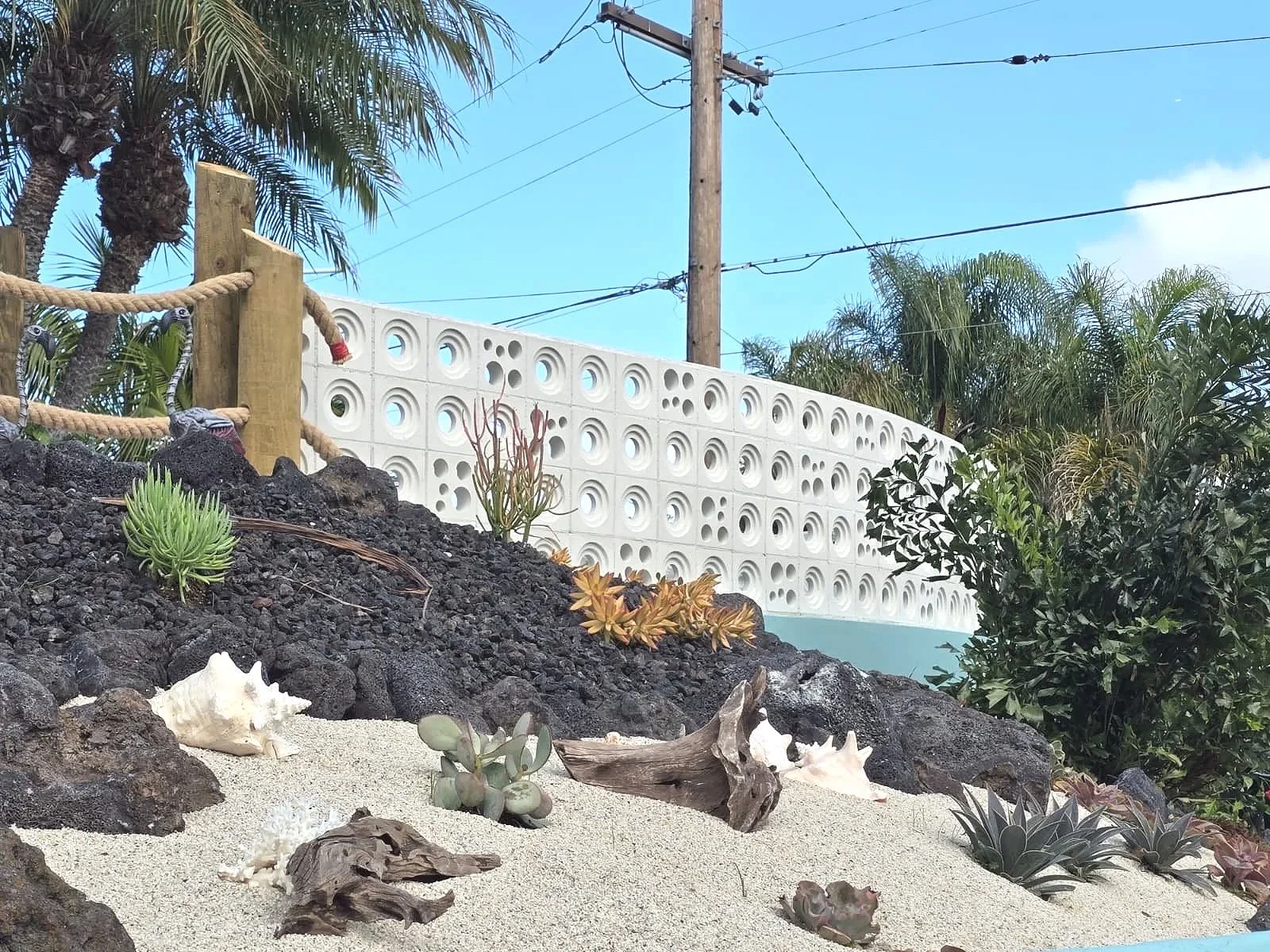
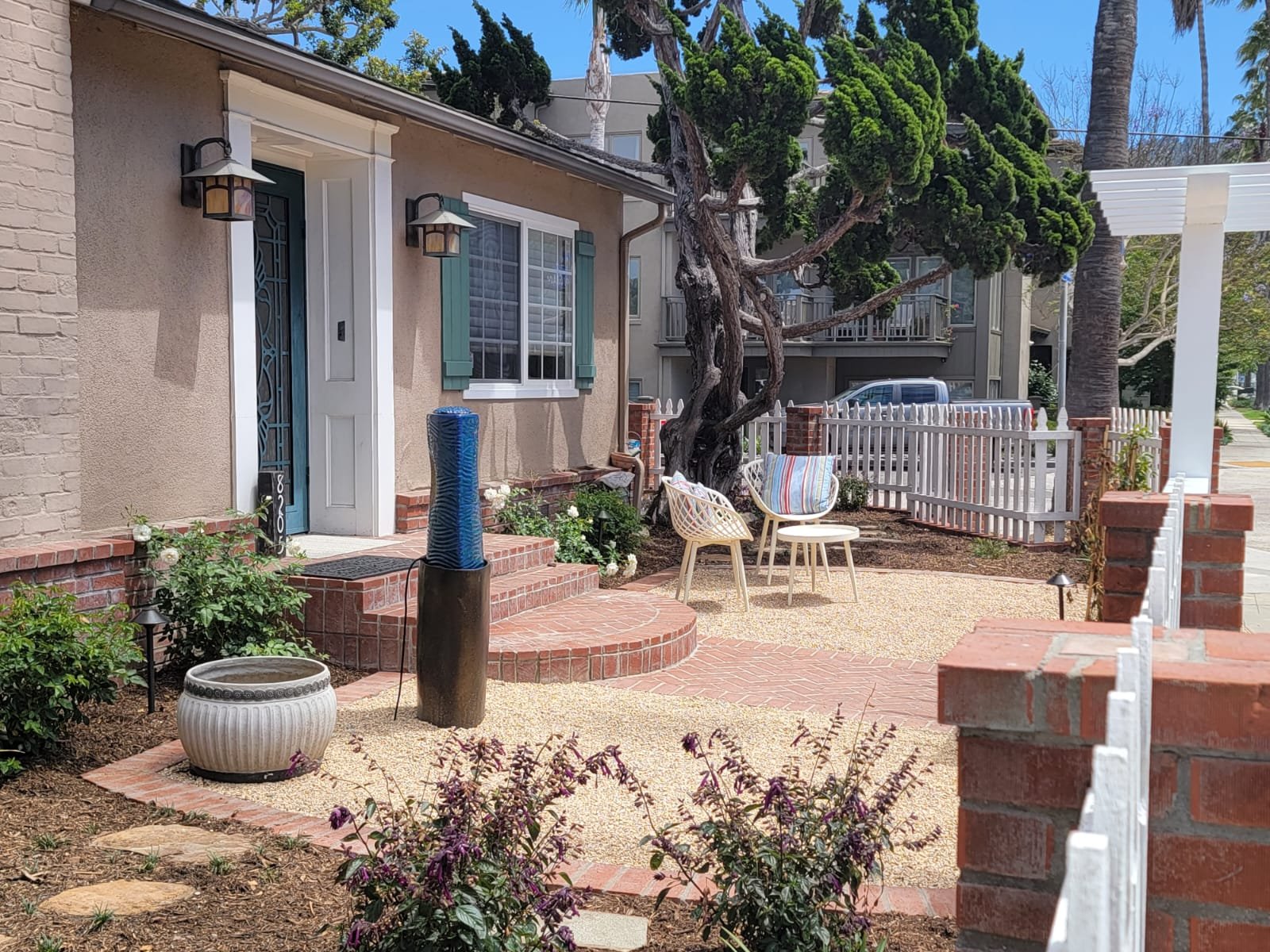
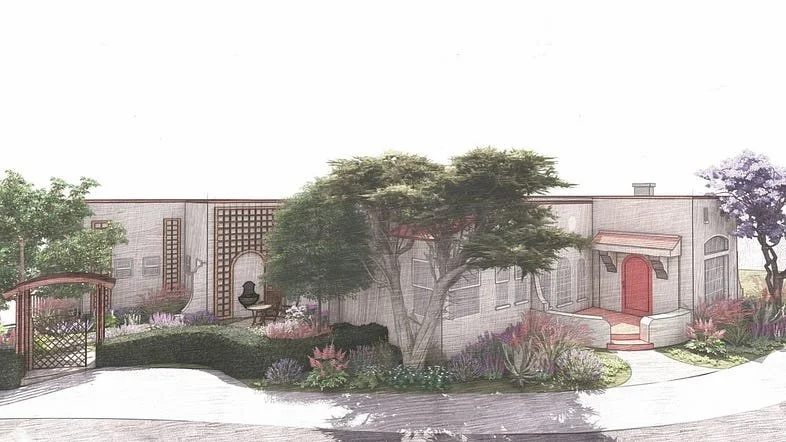
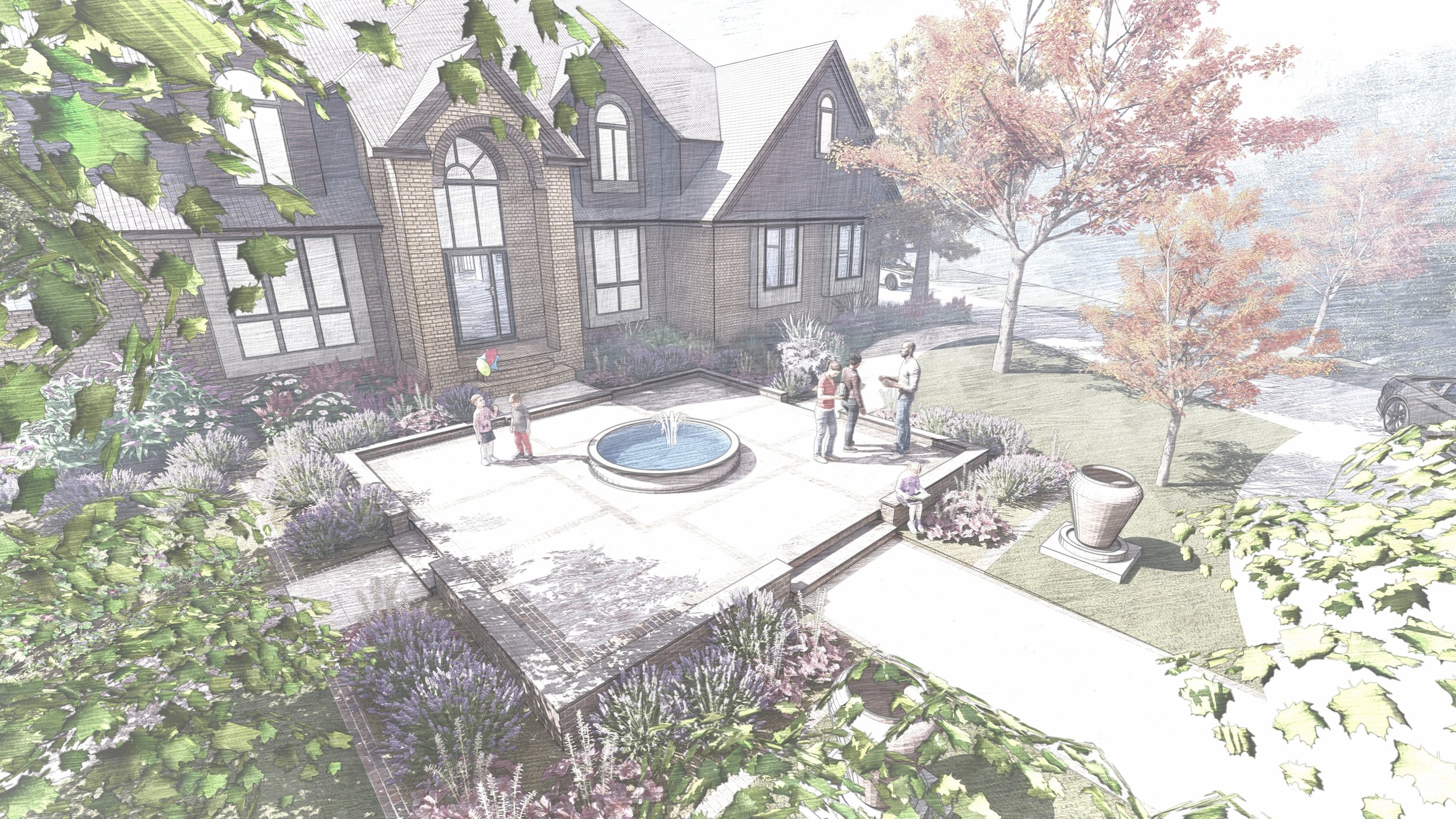
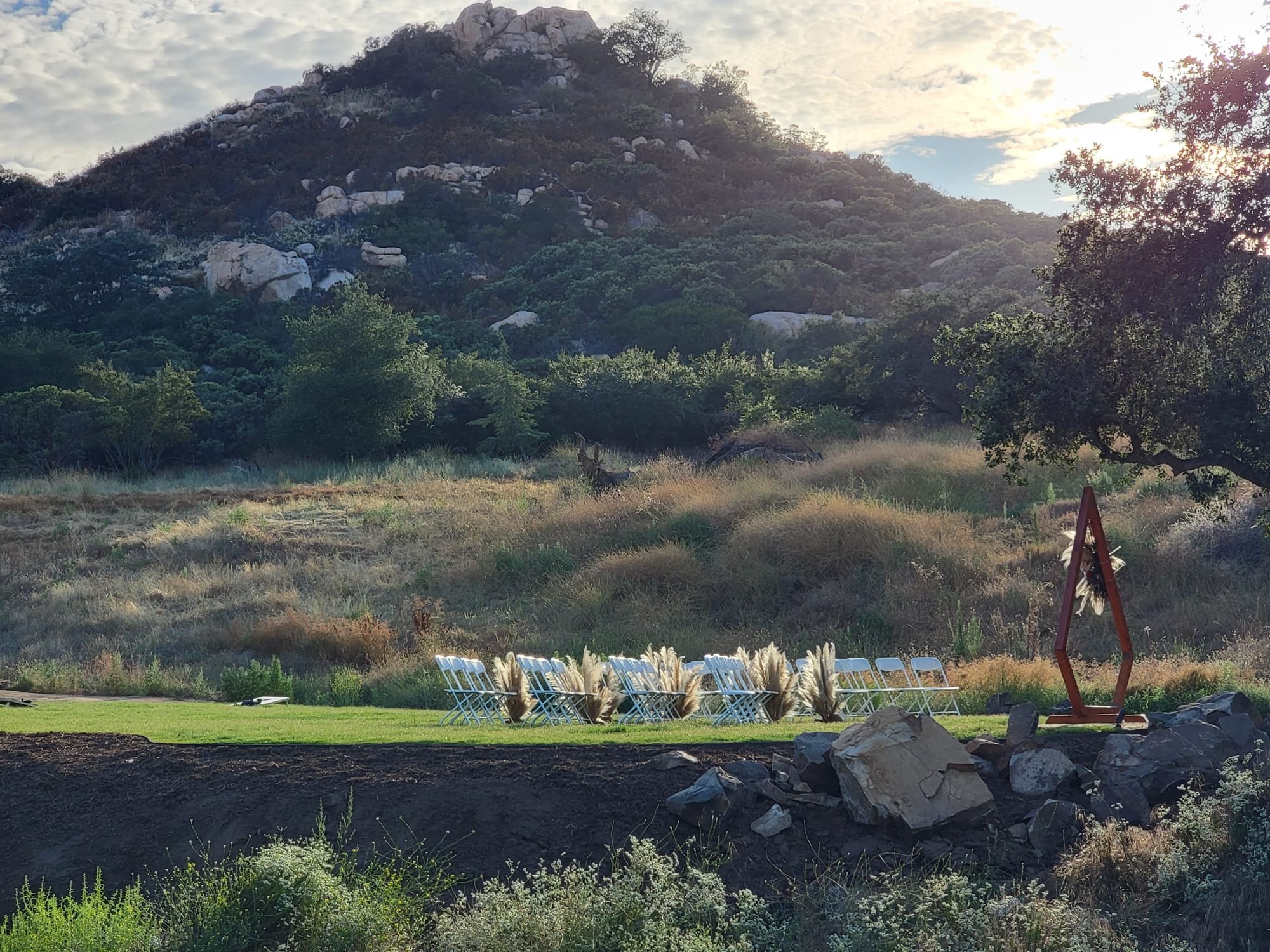

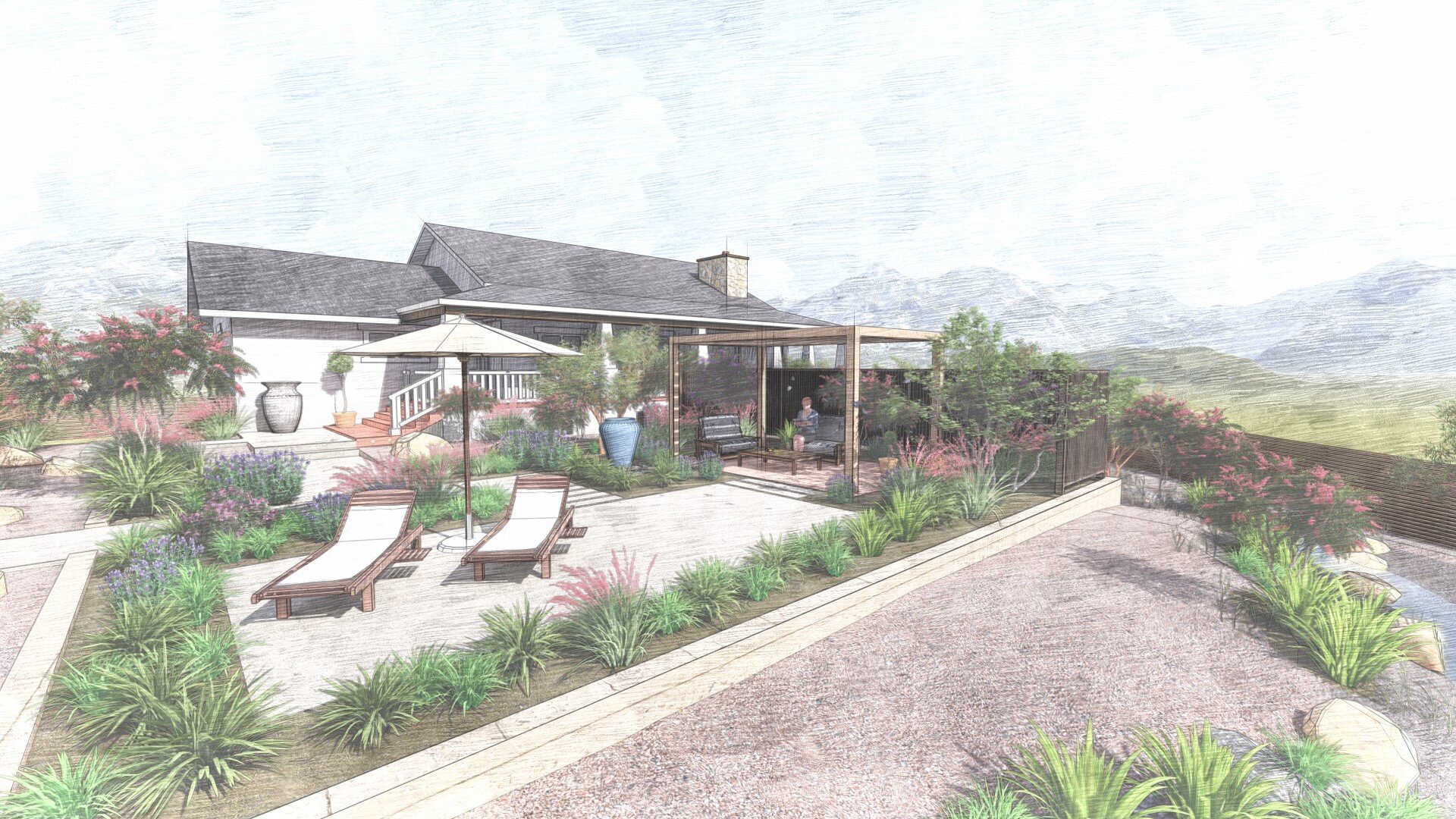
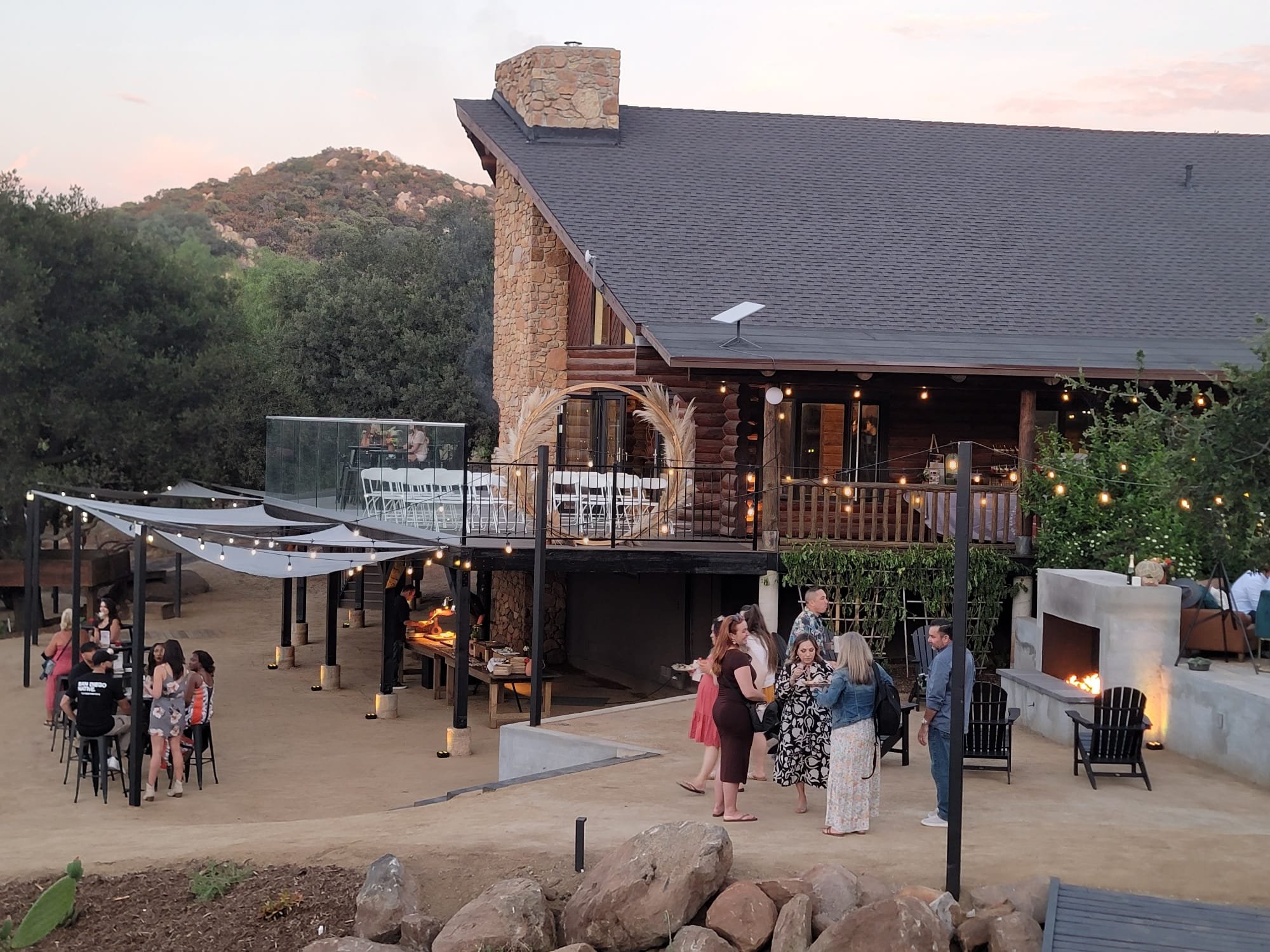
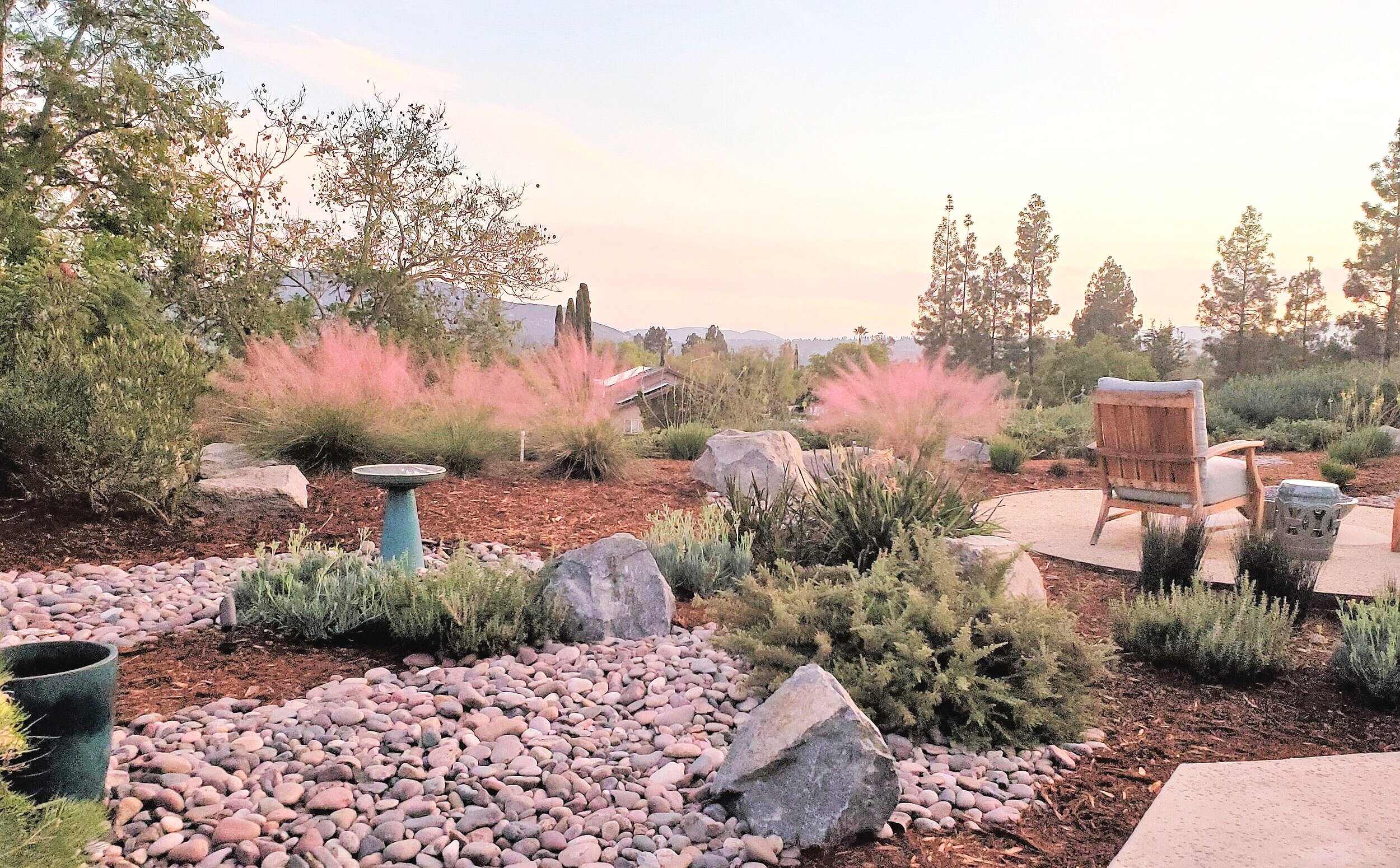
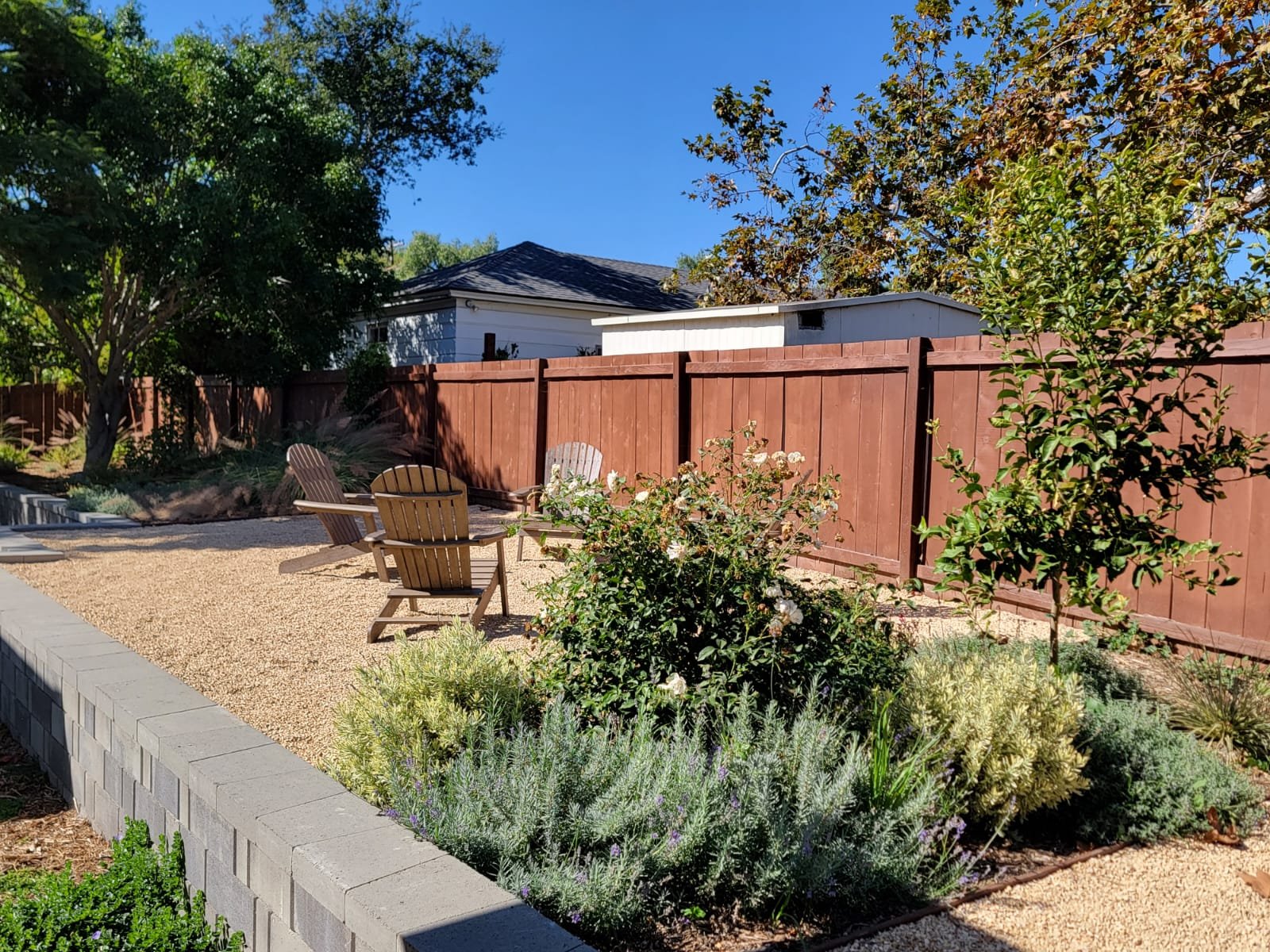
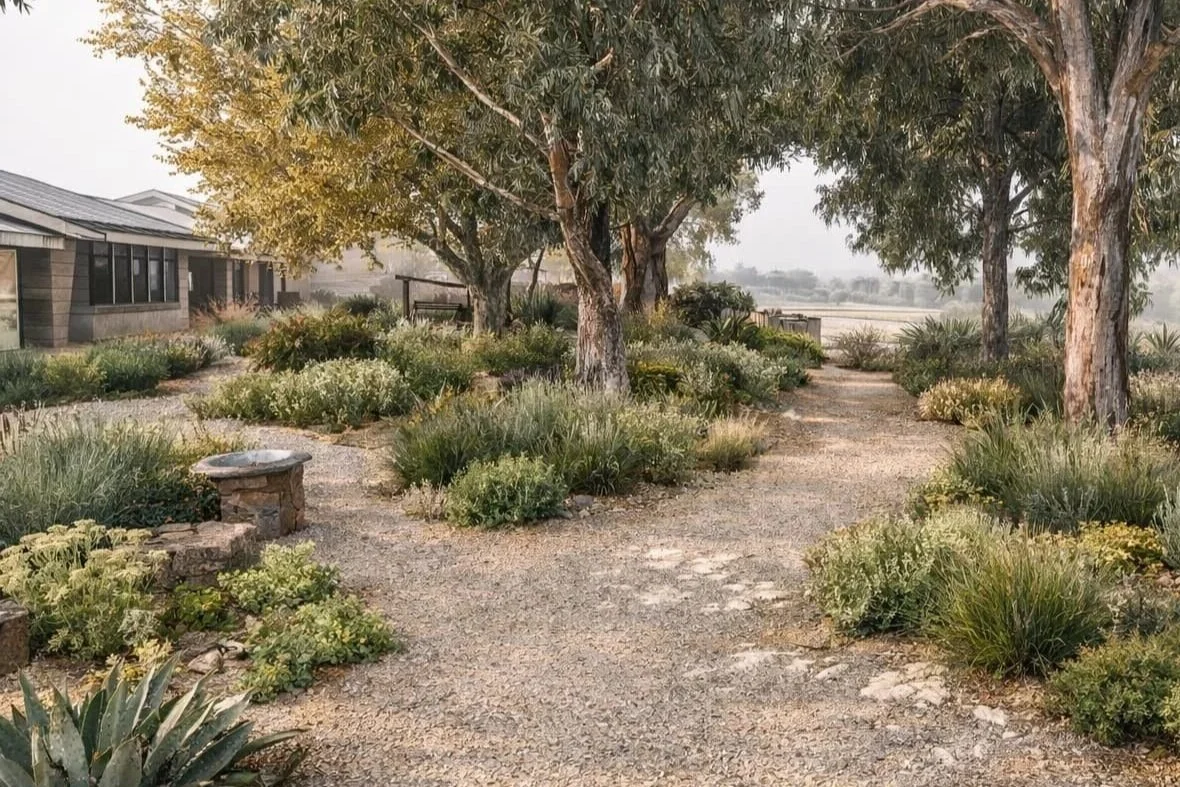
Fallbrook is shaped by land rather than density. Rolling hills, orchard groves, mature trees, and large estate parcels create a landscape condition that is increasingly rare in Southern California - one where outdoor space can function as a living system rather than a decorative extension of architecture.
At LASD Studio, we approach Fallbrook properties as long-term ecological landscapes. These are not gardens designed for immediate visual impact, but care fully structured environments that evolve over time - supporting daily life, protecting biodiversity, and strengthening the relationship between people and land.
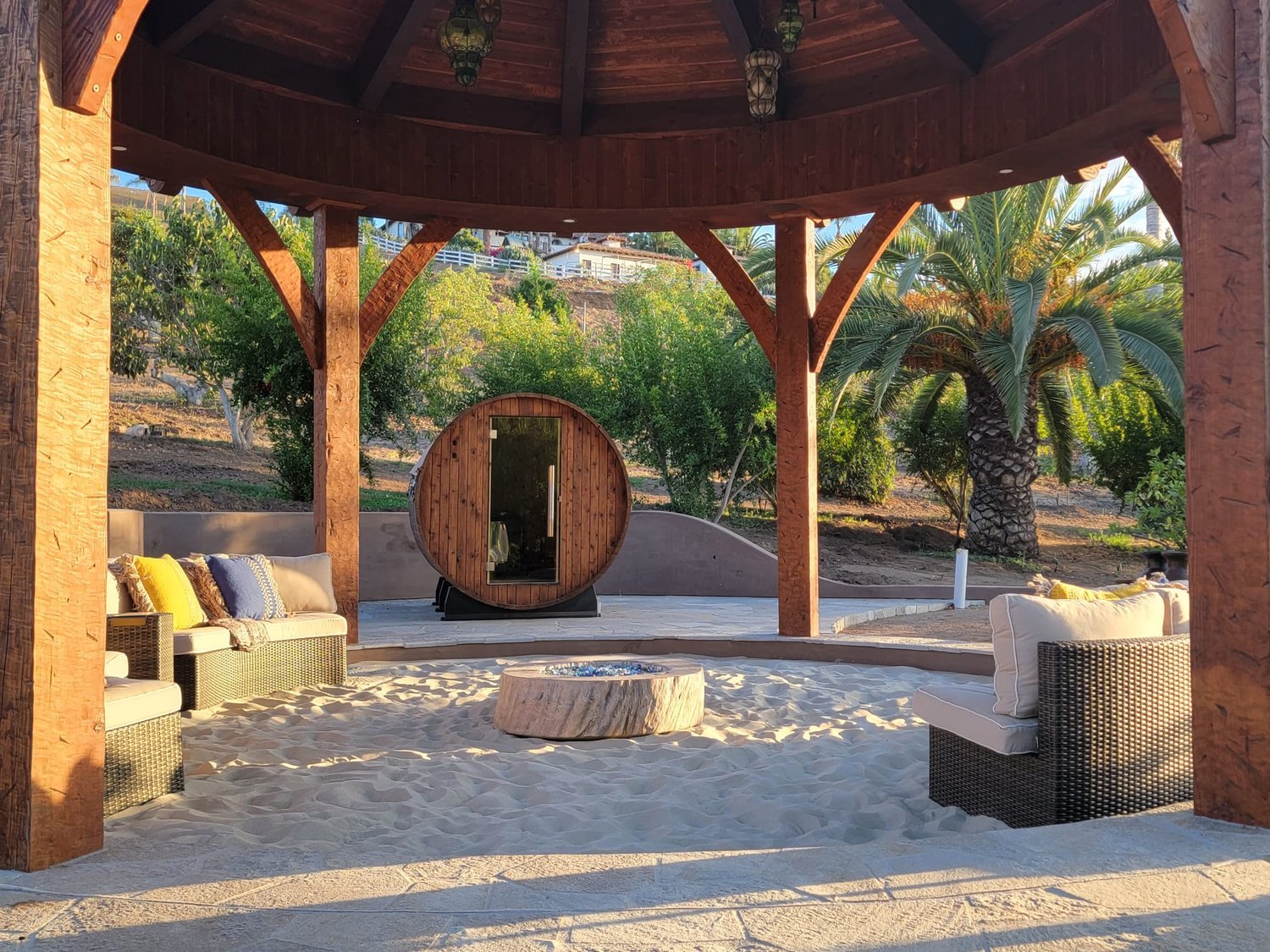
Landscape Design - Sunctuary of YUM by LASD Studio in Bonsall, Southern California
Designing at the Scale of the Estate
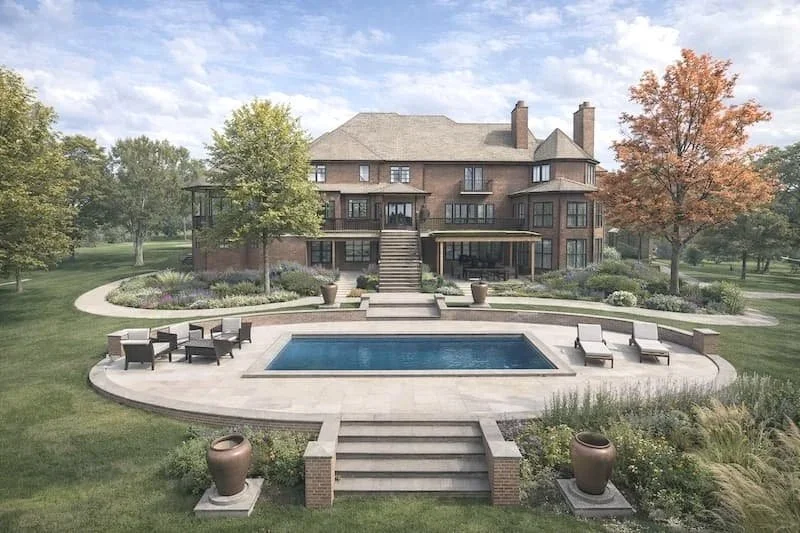
Estate properties in Fallbrook often extend well beyond one acre and include varied topography, open land, orchards, and natural edges. In these landscapes, design decisions must operate across multiple scales simultaneously - from intimate outdoor rooms near the residence to meadows, productive landscapes, and restored native zones farther out.
Properties in this region are often approached as Evolving Estate Landscapes & Ecological Restoration, designed as living systems that mature, adapt, and stabilize over time.
Explore Evolving Estate Landscapes.
We design landscapes as coherent wholes. Circulation, planting systems, water movement, grading, and habitat structure are developed together, allowing the property to feel unified rather than segmented. Outdoor living areas are carefully positioned within the broader landscape, creating comfort and privacy without isolating the home from its surroundings.
Ecological Sanctuaries for Life and Biodiversity
Fallbrook offers exceptional potential for ecological restoration and protection. Many properties are adjacent to open land, agricultural zones, or wildlife corridors where ecological continuity still exists.
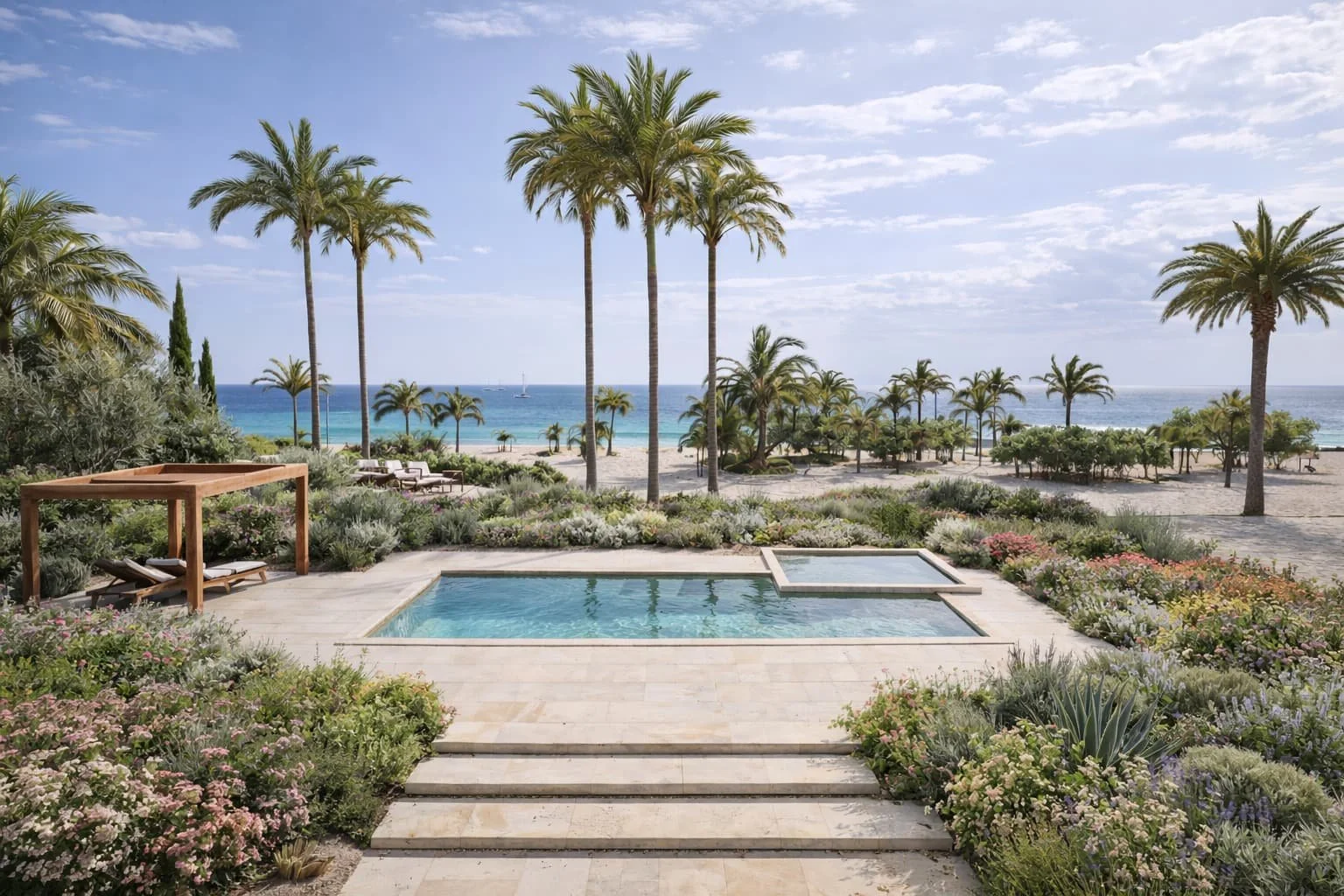
Our work often includes the creation ofbutterfly gardens, hummingbird habitats, pollinator corridors,and layered planting systems that support insects, birds, and small mammals throughout the year. Native and climate-adapted species are selected not only for resilience, but for their ecological function — providing nectar, shelter, nesting support, and seasonal succession.
Rather than relying on ornamental planting alone, we design living landscapes that actively contribute to biodiversity, soil regeneration, and long-term ecological balance.
Working with Nature
In Fallbrook, sustainability is not theoretical — it is essential. Large properties demand intelligent water strategy, healthy soil systems, and planting that can perform reliably over time without excessive intervention.
We integrate climate-responsive planting, advanced irrigation logic, and soil health strategies from the earliest design stages. Water use is planned holistically through hydro-zoning, microclimate analysis, and long-term efficiency modeling. Soil is treated as a living system rather than a planting medium, supporting stronger plant establishment and reduced maintenance as landscapes mature.
The result is a landscape that becomes more stable, resilient, and self-regulating over time.



A Custom, Technology-Driven Design Process
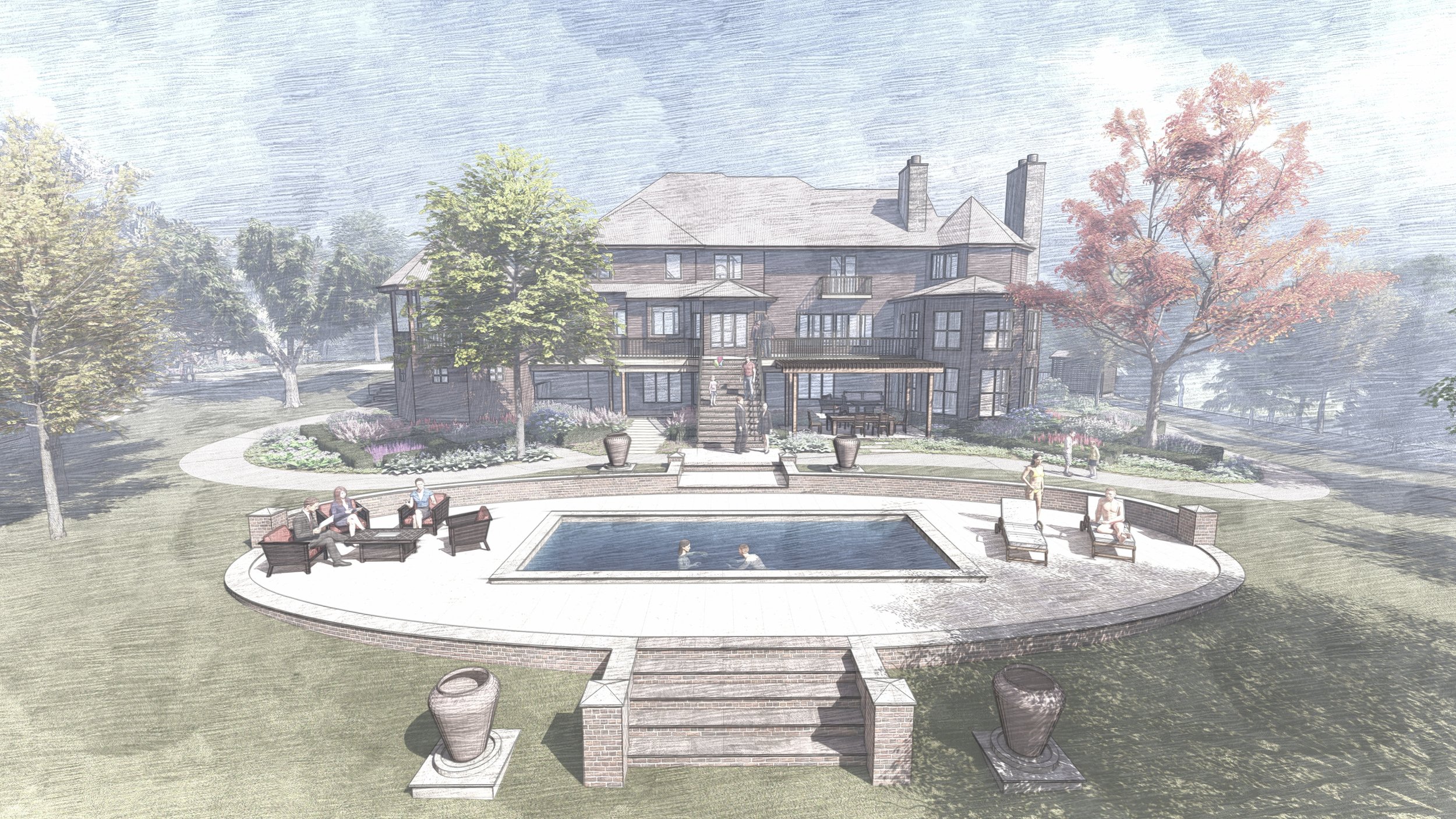
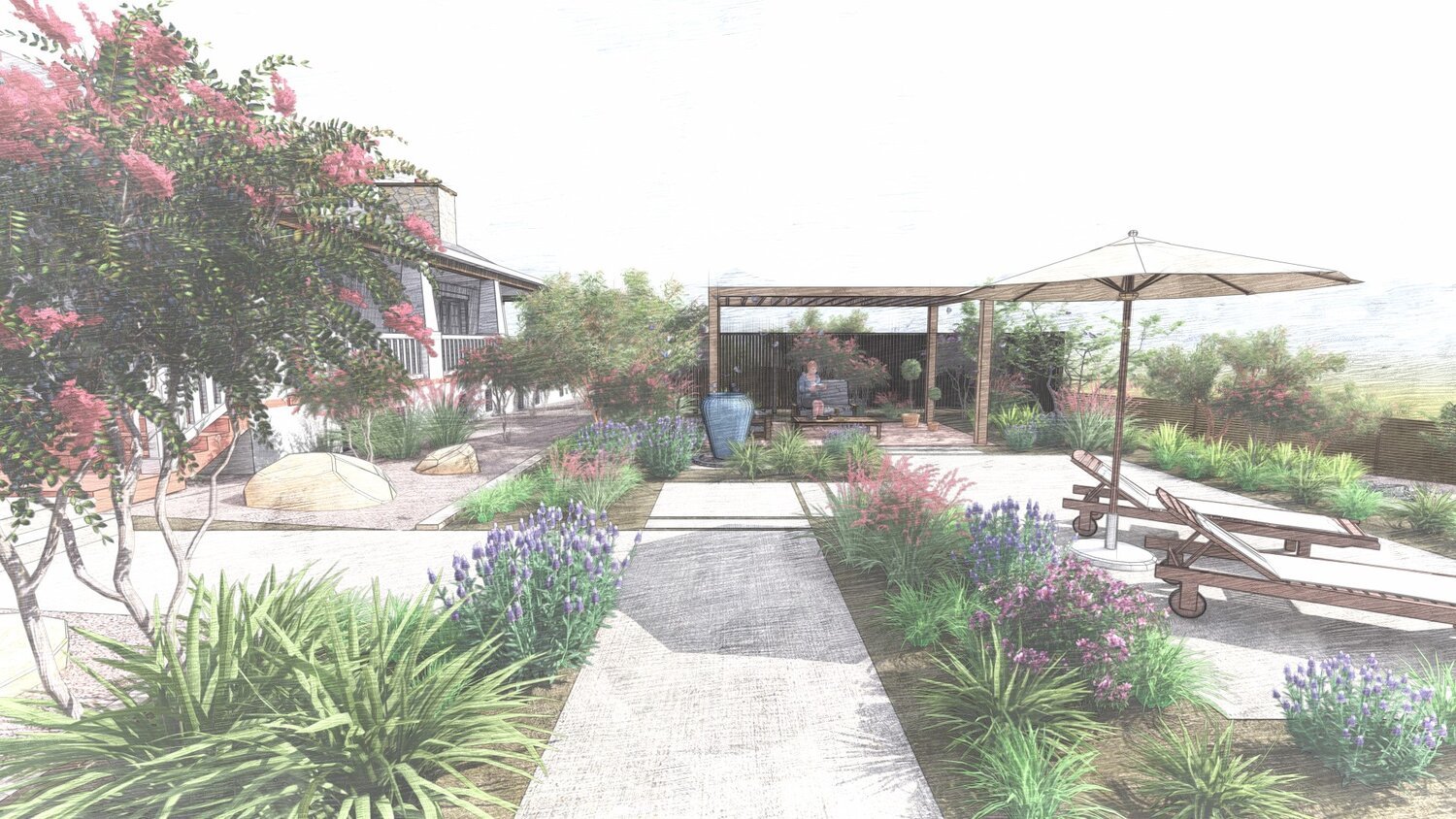
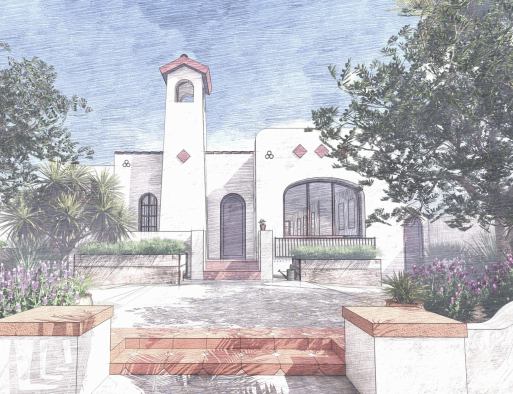
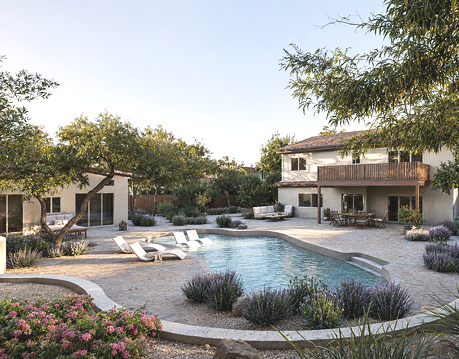
Every Fallbrook project is developed as a custom system, never as a template. Our process combines hand sketches, conceptual diagrams, and a highly advanced CAD-based design platform developed within LASD Studio since 2019.
This allows us to model planting density and long-term growth, calculate water use and irrigation performance, plan phased, site-specific implementation across large properties, coordinate grading, drainage, and access with precision, and integrate ecological layers intentionally rather than intuitively.
Technology does not replace design judgment - it supports it, allowing us to think further ahead, reduce uncertainty, and design landscapes that perform as intended over decades.
Regenerative Landscape Design with LASD Studio - Where Art, Nature and People Evolve Together in Synergy
Landscapes That Evolve Over Time
Estate landscapes in Fallbrook are not finished in a single moment. They evolve, trees mature, habitats establish themselves, and open land slowly transforms into a functioning ecosystem - carefully designed by LASD studio.
Check our Mission video here.
We design with this timeline in mind. Many projects are developed in phases, allowing planting and systems to establish naturally while maintaining a clear long-term vision. The goal is not immediate completion, but long-term coherence - landscapes that feel increasingly resolved as years pass.
A Calm, Intentional Collaboration
We work with clients who value stewardship, depth, and thoughtful decision-making. Early conversations focus on understanding the land, the surrounding ecology, and how the landscape should support daily life, privacy, and long-term responsibility.
Clients are involved at key moments of design development, while coordination, documentation, and refinement are handled quietly behind the scenes. The process is structured, calm, and respectful of both time and complexity.
Frequently Asked Questions - Ecological Landscape Design in Fallbrook
What does ecological landscape design mean in the context of Fallbrook?
In Fallbrook, ecological landscape design means working with land, climate, and living systems rather than imposing a fixed visual outcome. Large parcels, agricultural heritage, and proximity to natural habitats allow landscapes to function as interconnected systems — supporting soil health, biodiversity, water efficiency, and long-term resilience while remaining highly livable and intentional.
How do people interact with an ecological landscape on a daily basis?
An ecological landscape is not passive. It supports daily life through shaded outdoor rooms, walking paths, productive gardens, and quiet places for rest and observation. Over time, residents experience seasonal change, wildlife presence, and a deeper connection to the land, rather than a static outdoor setting that looks the same year after year.
Can an evolving landscape still have a clear design identity?
An evolving landscape is structured from the beginning. Spatial organization, circulation, views, and architectural relationships are carefully designed, while planting systems are allowed to mature and adapt over time. The design intent remains clear, but the expression deepens as the landscape grows and settles.
What are the long-term cost benefits of an ecological estate landscape?
Although initial planning and design may require more thought, ecological landscapes typically reduce long-term costs. Improved soil health, appropriate plant selection, reduced irrigation demand, and self-supporting plant communities lead to lower water use, fewer replacements, and less intensive maintenance over time.
How does water use change as the landscape evolves?
Water demand generally decreases as the landscape matures. Plants establish deeper root systems, soil structure improves, and hydrozones are optimized. Over time, irrigation becomes more precise and less frequent, supporting both sustainability goals and operational efficiency.
What does “evolving landscape design” mean in practical terms?
It means designing with time as a material. Landscapes are planned in phases, allowing plants, habitats, and systems to establish naturally. The design anticipates growth, change, and adaptation rather than resisting it, resulting in a property that improves with age rather than requiring constant redesign.